Visualização normal
-
Hackread – Latest Cybersecurity, Tech, Crypto & Hacking News
-
Inside New Zealand’s Telco Data Breaches
An Auckland ransomware case and three years of Spark disclosures reveal how little the headline numbers can tell…
-
Graham Cluley
-
Smashing Security podcast #486: Vibe-coded shops, and hackable Flock cameras
A store in Auckland vibe-coded itself a new website. Within hours, its inventory had somehow expanded to include a pair of crusty socks, an $850 banana, and all of New Zealand's national parks. What could possibly have gone wrong? Meanwhile, a hacker collective backed a truck into one of the license-plate-reading Flock safety cameras popping up on American street corners, and took a very close look inside. All this and more in episode 486 of the "Smashing Security" podcast with cybersecuri
Smashing Security podcast #486: Vibe-coded shops, and hackable Flock cameras
-
Firewall Daily – The Cyber Express

-
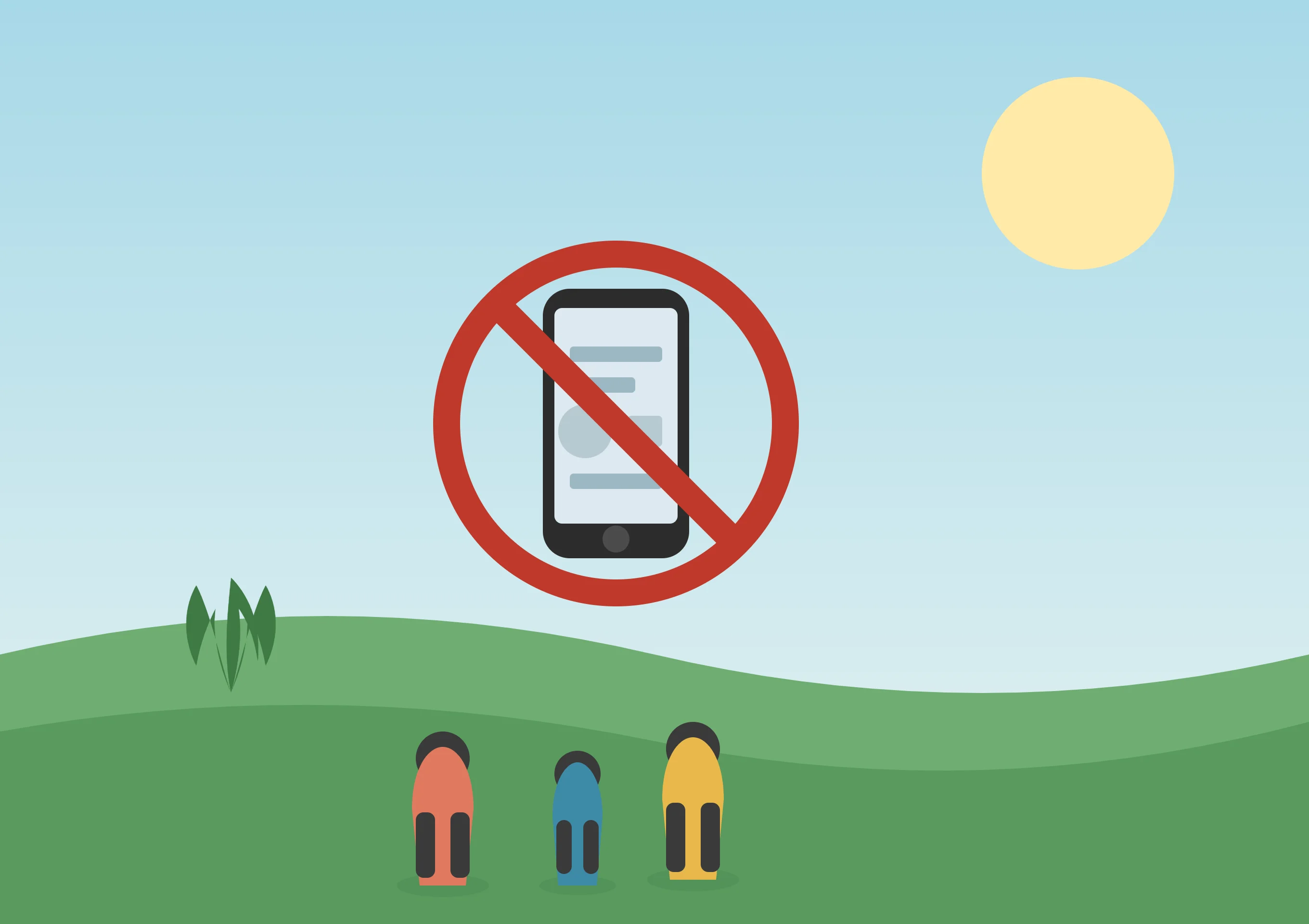
New Zealand Moves to Ban Social Media for Under-16s
New Zealand is moving ahead with a social media ban for under-16s, with the Government introducing the Online Safety (Minimum Age and Child Safety Risk Assessment) Bill to Parliament. The proposed law would require high-risk social media platforms to take reasonable steps to prevent children under 16 from accessing their services and would place greater responsibility on technology companies to address risks to children online. Prime Minister Christopher Luxon said the Government was respondi
New Zealand Moves to Ban Social Media for Under-16s
![]()
New Zealand Social Media Ban Introduces Age Verification
Under the proposed social media ban, high-risk platforms including Instagram, TikTok, Snapchat and Facebook would be required to take reasonable steps to establish whether users are over 16. The Bill allows for multiple age-checking methods, including existing account information, facial age estimation, digital ID services and formal identification. The proposed framework would also require platforms used by children to regularly assess the risks they pose and report on how those risks are being identified and reduced. The Government said the framework is designed to evolve alongside technology and would also cover emerging services, including AI companion platforms.Companies Could Face Significant Penalties
The proposed online safety law would introduce significant penalties for platforms that fail to meet their obligations. Companies could face fines of up to 10 percent of their global revenue. An online safety regulator within the Department of Internal Affairs would independently monitor compliance, investigate platforms and enforce the law. Education Minister Erica Stanford said the Bill would place legal obligations on technology platforms rather than children, parents or caregivers. No penalties are proposed for children, their parents or caregivers under the proposed framework. “The Bill places legal obligations on platforms. No penalties are proposed for children, their parents or caregivers,” Ms Stanford says. “It doesn’t just introduce a minimum age requirement. It creates an enduring framework that can evolve alongside technology and holds platforms responsible for understanding and reducing the risks they create for children,” she says. The Government also plans to strengthen education and public awareness so parents, schools and communities have information and tools to help children navigate online services safely.New Zealand Joins Growing Push for Child Online Safety
The proposed New Zealand social media ban follows similar moves in other countries seeking to place greater responsibility on technology companies. Earlier this year, Spain announced plans to prohibit social media access for children under 16. Prime Minister Pedro Sanchez described the internet as a “digital Wild West” and said stronger protections were needed to shield young people from online harm. France has also moved toward age-based restrictions. In February, French lawmakers approved legislation banning children under 15 from accessing social media platforms, with the measure expected to take effect at the start of the next school year. French President Emmanuel Macron backed the proposal, arguing that children’s development should not be dictated by algorithms designed to maximize engagement.Government Says Rules Aim to Change Online Behaviour
Luxon acknowledged that the Government does not expect every child to stop using social media but said early evidence from Australia showed minimum age requirements were already changing behaviour. The Government said the child online safety framework is intended to make a meaningful difference while creating longer-term obligations for technology companies. The Online Safety (Minimum Age and Child Safety Risk Assessment) Bill will now be introduced to Parliament, beginning the legislative process for the proposed under-16 social media restrictions.-
Firewall Daily – The Cyber Express

-
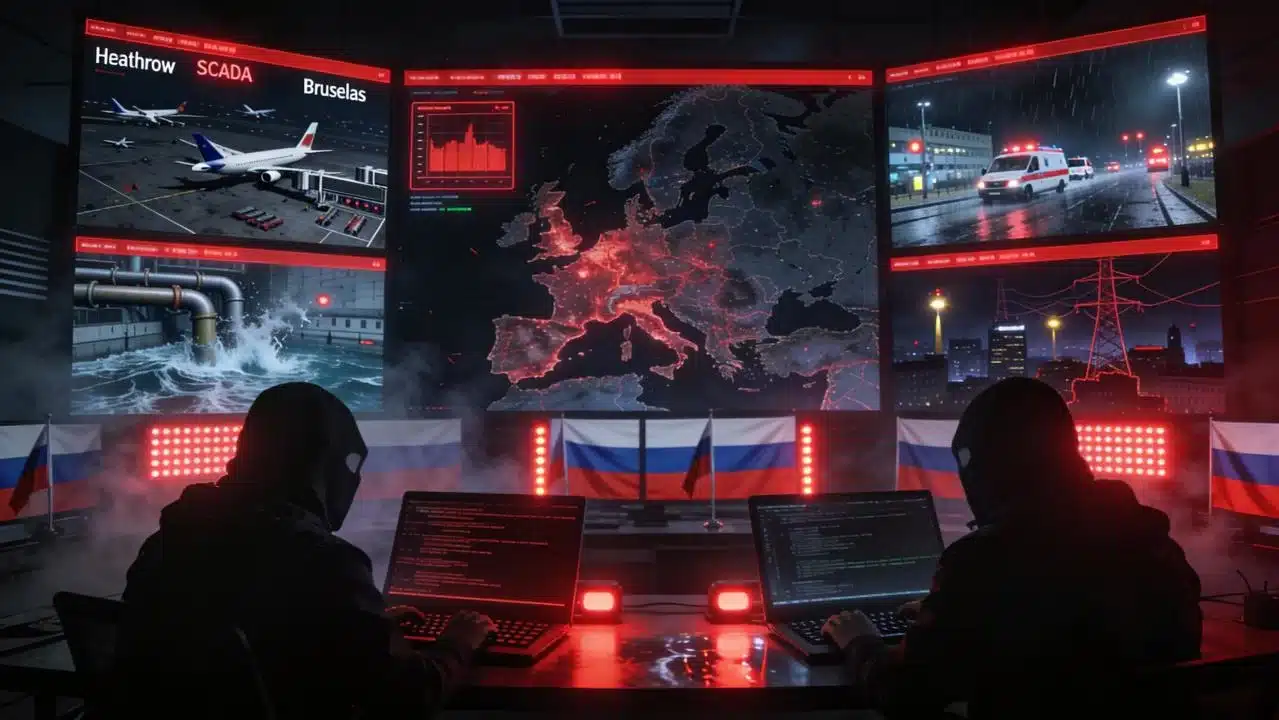
New Zealand Targets Russian Cyber Actors With Fresh Sanctions
New Zealand has announced a new round of sanctions against Russia, targeting 33 individuals and entities accused of supporting Moscow’s war against Ukraine. The latest New Zealand sanctions against Russia place particular focus on cyber actors, individuals linked to the forced relocation and re-education of Ukrainian children, and entities supporting Russia’s military-industrial complex. Foreign Minister Winston Peters said the package also targets individuals involved in creating and spreadi
New Zealand Targets Russian Cyber Actors With Fresh Sanctions
![]()
New Zealand Sanctions Target Russian Cyber Actors
The latest Russia sanctions include several individuals previously accused by the United States and other Western governments of malicious cyber activity. Among them are Yuliya Pankratova and Denis Degtyarenko, members of the pro-Russian hacktivist group Cyber Army of Russia Reborn (CARR). The U.S. Treasury sanctioned both individuals in 2024 over alleged cyber operations targeting U.S. critical infrastructure. U.S. officials identified Pankratova, who uses the alias “YUliYA,” as the group’s leader, while Degtyarenko, known as “Dena,” was described as one of its primary hackers. American officials alleged that Degtyarenko was responsible for compromising an industrial control system at a U.S. energy company and had developed training materials for compromising supervisory control and data acquisition (SCADA) systems. Pankratova has also allegedly been associated with Z-Pentest, another pro-Russian hacking group accused of targeting critical infrastructure. New Zealand has also sanctioned Aleksandr Volosovik, known online as “Yalishanda.” U.S. prosecutors have accused him of helping operate Media Land, a Russian bulletproof hosting provider allegedly used by cybercriminals to target organizations including hospitals, schools and banks. In July, the U.S. Justice Department unsealed charges against Volosovik and two other Russian nationals, alleging activities that caused more than $62 million in losses to victims in the United States and other countries.GRU-linked Official Among Sanctioned Individuals
Another individual included in the latest New Zealand sanctions against Russia is Andrey Averyanov, a senior Russian military intelligence officer who previously commanded GRU Unit 29155. Western governments have linked the unit to cyberattacks, sabotage and other covert operations. Its cyber division has been accused of targeting governments, defense organizations, think tanks and other entities in Ukraine and NATO countries. New Zealand had previously sanctioned members of the unit over alleged malicious cyber activity targeting Ukraine and other countries.Russia Propaganda and Technology Entities Targeted
The new sanctions also target Russia’s Internet Development Institute (IRI), a Kremlin-backed organization that finances digital media and content promoting Russian state narratives. IRI director Alexey Goreslavsky has also been designated. The British government has previously said the institute was established by Russia’s presidential administration and received hundreds of millions of dollars in government funding. Its projects have included films and video games promoting narratives associated with the Kremlin. Russian information technology company LANIT has also been added to the sanctions list. The company has provided services to Russia’s Defense Ministry and sanctioned defense-industry companies, including state-owned conglomerate Rostec. LANIT had previously been sanctioned by the United States, Canada and Ukraine.New Zealand Reaches 36th Russia Sanctions Round
The latest package represents New Zealand’s 36th round of Russia sanctions since the Russia Sanctions Act came into force in March 2022. New Zealand has now imposed sanctions on more than 2,000 Russian individuals, entities and vessels, alongside trade restrictions. The measures generally include asset freezes and travel bans and prohibit New Zealanders from making funds or other assets available to designated individuals and entities. Peters said cyber activity can have real-world consequences, noting that cyber actors are increasingly being used to gather intelligence, enable sanctions evasion and disrupt those opposing Russia’s aggression.-
Data and computer security | The Guardian

-
AI models capable of devastating attacks on governments and business months away, rare Five Eyes statement warns
Signal agencies in Australia, the US, the UK, New Zealand and Canada sound alarm after Trump blocks foreign nationals from Anthropic’s Fable AI modelPowerful AI models capable of devastating new cyber attacks on governments and businesses are mere months away, intelligence agencies for the Five Eyes have warned in a rare joint statement, urging leaders to “act now”.The surprising public intervention by signals agencies for Australia, the US, the UK, New Zealand and Canada comes after the Trump a
AI models capable of devastating attacks on governments and business months away, rare Five Eyes statement warns
Signal agencies in Australia, the US, the UK, New Zealand and Canada sound alarm after Trump blocks foreign nationals from Anthropic’s Fable AI model
Powerful AI models capable of devastating new cyber attacks on governments and businesses are mere months away, intelligence agencies for the Five Eyes have warned in a rare joint statement, urging leaders to “act now”.
The surprising public intervention by signals agencies for Australia, the US, the UK, New Zealand and Canada comes after the Trump administration earlier this month decided to block “foreign nationals” from using a much-hyped AI model built by tech company Anthropic, called Fable.
Continue reading...
© Photograph: Andre M Chang/ZUMA Press Wire/Shutterstock

© Photograph: Andre M Chang/ZUMA Press Wire/Shutterstock

© Photograph: Andre M Chang/ZUMA Press Wire/Shutterstock