Visualização normal

Antes de ontemCyber Threat Intel
  • ✇Securelist
  • Wardriving assessment across Mexico: Preparing for the 2026 World Cup Isabel Manjarrez
    Introduction Mexico is one of the host countries for the 2026 FIFA World Cup, with matches to be played in three major cities: Mexico City, Monterrey, and Guadalajara. These locations are expected to see a large influx of international visitors, increasing the potential security risks. Many of those risks arise from users connecting to public wireless networks. To better understand the wireless environments that visitors may encounter, we at Kaspersky GReAT conducted a wardriving assessment in t
     

Wardriving assessment across Mexico: Preparing for the 2026 World Cup

2 de Junho de 2026, 09:00

Introduction

Mexico is one of the host countries for the 2026 FIFA World Cup, with matches to be played in three major cities: Mexico City, Monterrey, and Guadalajara. These locations are expected to see a large influx of international visitors, increasing the potential security risks. Many of those risks arise from users connecting to public wireless networks.

To better understand the wireless environments that visitors may encounter, we at Kaspersky GReAT conducted a wardriving assessment in the three host cities. The aim of the study was to analyze characteristics, deployment patterns, security configurations and potential exposure risks of public Wi-Fi infrastructure in urban wireless environments.

The information collected during the assessment was used exclusively for passive observation and infrastructure analysis. No attempts were made to authenticate, intercept communications, exploit systems or interact with the detected wireless networks beyond the publicly broadcast management information.

During processing of the collected data, one step involved filtering out networks belonging to cars or cell phones categorized as mobile hotspots because they do not represent networks that can be considered part of the assessment.

Research scope

The cities included in the study have high population density and extensive wireless infrastructure deployments. We chose areas with the most prominent wireless network activity and highly concentrated public access points. We carried out wardriving research in Monterrey back in 2008, but the city’s hotspot landscape has changed since then.

We chose the following analysis areas for each of the cities:

  1. Mexico City: México City Stadium, Mexico City International Airport, Zócalo, Paseo de la Reforma, Colonia Roma, La Condesa, Polanco, and Coyoacán.
  2. Guadalajara: Guadalajara Stadium, Guadalajara International Airport, the city center, Zapopan, Providencia, Avenida Chapultepec, Colonia Americana, Tlaquepaque, and the area around Andares.
  3. Monterrey: Monterrey Stadium, Monterrey International Airport, Fundidora Park, Cintermex Monterrey, the downtown area, Barrio Antiguo, MacroPlaza, and the San Pedro financial district.

The wireless information was collected using passive wireless reconnaissance techniques. The collected information included:

  • SSID analysis and information exposure, including BSSID-derived SSIDs
  • Default router configurations and ISP deployments
  • Frequency and signal characteristics
  • Channel congestion and spectrum usage
  • Wireless security configurations, including:
    • Open and insecure wireless networks
    • WPS-enabled networks
    • Secure networks (WPA2/WPA3) with WPS enabled

We performed a wireless infrastructure analysis in Mexico City, Guadalajara, and Monterrey. We drove through the areas surrounding the World Cup stadiums, tourist zones, and other places where fan concentrations are likely to be largest. Our goal was to evaluate the security status, deployment characteristics and operational exposure of detected wireless networks.

In total, we recorded 84,588 signals with 69,473 unique Service Set Identifiers (SSIDs) in busy locations and World Cup zones across the three cities. Mexico City accounted for 61.4% of the signals, Guadalajara for 23.6%, and Monterrey for 14.8%. Approximately 82% of the signals had a single SSID (81.9%, 81.34%, and 84% respectively). Notably, they all operate under the IEEE 802.11 standard protocol.

Particular attention was given to identifying standard deployment patterns, legacy configurations, default vendor settings and information disclosure through publicly broadcast wireless identifiers.

The following sections present the results that were obtained by analyzing wireless infrastructure across the three locations.

Our findings

SSID analysis and information exposure

SSID analysis was conducted to evaluate naming conventions, deployment standardization and potential information exposure.

Only a few networks (0.0047%) have an invisible SSID, meaning the names of these networks are not broadcast. Some users prefer to hide the SSID for various reasons, such as the network’s purpose, the profile of its users, internal policies, etc. In contrast, the rest of the networks maintained active SSID broadcasting.

SSID structures may unintentionally disclose operational details about internet service providers (ISPs), device manufacturers, deployment practices, organizational ownership or user identity. The repeated presence of default SSID naming patterns across the analyzed locations indicates a significant degree of infrastructure homogeneity and reuse of default wireless configurations. It may also facilitate passive infrastructure profiling by revealing standard characteristics in use.

Approximately 34% of the detected networks retained the default SSID naming conventions provided by the manufacturer or ISP, while 66% used customized identifiers.

Distribution of SSID naming conventions (download)

Several recurring SSID naming conventions associated with ISP-provided deployments were identified in the three cities. The most frequently observed patterns include identifiers such as “Club_Totalplay_WiFi”, “izzi WiFi”, and “Megacable WiFi”, which suggests extensive standardization of wireless infrastructure deployment. Additionally, we observed distinctive location-specific SSIDs in each area of analysis, such as “XXXX-Internet para Todos-CDMX” or “RED JALISCO”.

Most frequently observed SSID patterns (download)

Sequential SSID naming structures were also identified during the analysis. Patterns such as “INFINITUMXX” and “IZZI-XX” suggest automated ISP deployment and large-scale deployment strategies.

We identified 33 unique sequential naming structures among the 137 sequential SSIDs in total, representing approximately 0.16% of the detected wireless networks.

The following graph shows the top five sequential SSID patterns found in the largest number of networks:

Five most frequently observed sequential patterns (download)

Several customized SSIDs contained personal or organizational identifiers, including family names, professions, addresses or internal department references. Although personalized SSIDs may simplify local network identification for users, they may also expose sensitive information that could be useful for social engineering, physical targeting, or organizational profiling.

BSSID-derived SSID

During the analysis, multiple networks were identified that used the physical MAC address of a Wi-Fi access point (BSSID) as the visible SSID. This practice exposes hardware-level information that could facilitate vendor fingerprinting and targeted reconnaissance activities.

The organizationally unique identifier (OUI) contained in the first bytes of the BSSID identifies the equipment manufacturer. Threat actors can correlate exposed manufacturers with device-specific vulnerabilities.

BSSID-derived SSID by city (download)

Notably, we found that more than 30% of networks in all three cities reuse the MAC address as the SSID.

Default router configurations and ISP deployments

We performed wireless infrastructure profiling to identify the most common wireless equipment manufacturers and ISP deployments across the three locations.

Large-scale ISP deployments frequently use standardized wireless configurations and vendor-specific hardware platforms. Identifying dominant manufacturers and ISP naming conventions can provide insight into infrastructure and deployment practices facilitating the mapping of standardized attack surfaces.

The following figure shows the distribution of the most commonly used manufacturers.

Most frequently observed wireless equipment manufacturers (download)

The manufacturer analysis revealed a strong concentration of wireless infrastructure among a limited number of vendors. Across the three locations, Huawei Technologies, MediaTek-based devices, and other manufacturers’ equipment that is distributed through ISP channels represented a significant portion of the detected deployments. Mexico City had the most diverse infrastructure, while Monterrey and Guadalajara had a greater concentration of wireless equipment known as SOHO (small office/home office) or residential-grade hardware. The widespread presence of standard vendor platforms may facilitate infrastructure fingerprinting and large-scale targeting of known device-specific vulnerabilities.

Most frequently observed wireless equipment manufacturers across the three cities (download)

ISP deployments frequently exhibited standardized configuration patterns and recurring manufacturer identifiers. Our ISP deployment analysis revealed a high concentration of access points associated with major residential internet providers. Deployments associated with Infinitum, Totalplay and Izzi represented a substantial portion of the detected wireless infrastructure across all locations. These findings suggest a high degree of deployment standardization across networks associated with major residential internet providers. This observation was supported by the repeated presence of ISP-associated SSIDs such as “Infinitum”, “Totalplay”, and “Izzi”, combined with manufacturer identifiers frequently associated with consumer equipment, including Huawei, ZTE and other residential wireless equipment vendors.

It is important to note that, for this analysis, ISPs were primarily inferred from SSID naming conventions and manufacturer fingerprint data. A significant portion of the detected wireless networks fell into the “UNKNOWN/CUSTOM” category. This classification includes custom hotspots and networks whose naming conventions did not expose identifiable ISP-associated patterns. The findings suggest that many users and organizations (as we saw previously, approximately 66%) use custom network names, limiting direct provider attribution.

The following figure illustrates the distribution of ISP-associated wireless deployments in general.

Most frequently observed ISPs (download)

To better understand this distribution, we took the most frequently observed ISPs by city.

Most frequently observed ISPs across the three cities (download)

Frequency and signal characteristics

We also analyzed wireless signal characteristics to evaluate coverage quality, signal strength, and frequency band utilization in the three cities. In dense urban environments, signal quality and frequency spectrum distribution can affect wireless reliability, client connectivity, roaming performance, and overall network efficiency.

Signal quality analysis revealed that a substantial portion of the detected access points operated under weak or very weak signal conditions. Monterrey had the highest percentage of very weak signals, with approximately 50% of detected deployments. Similar patterns were observed in Guadalajara and Mexico City, suggesting high-density wireless environments with overlapping coverage areas. Only a limited percentage of networks were classified within the very good or excellent signal categories across the three locations.

Signal quality distribution by city (download)

Signal stability analysis revealed that most detected wireless deployments exhibited stable beacon transmission behavior. More than 96% of the detected access points across all locations were classified as stable, while only a small percentage exhibited unstable or indeterminate signal behavior.

These findings imply that the majority of the wireless infrastructure observed during the assessment corresponded to permanently deployed access points rather than transient or intermittent wireless devices.

Signal stability status (download)

Frequency band analysis revealed the strong prevalence of 2.4 GHz wireless deployments across the three locations. More than 95% of the detected wireless networks operated within the 2.4 GHz spectrum, while only a small percentage of deployments were classified under the unknown or non-standard frequency categories. This uneven distribution reflects the continued prevalence of legacy-compatible wireless infrastructure and SOHO deployments.

Frequency band utilization (download)

These findings are consistent with dense urban wireless environments with large numbers of access points in restricted spectrum allocations.

Channel congestion and spectrum usage

Next, we analyzed wireless channel utilization to evaluate frequency spectrum congestion and channel allocation patterns across the three cities. Our analysis focused on the 2.4 GHz spectrum, where channel overlap and high access point density commonly produce interference and degraded wireless performance. In densely populated wireless environments, an excessive concentration of access points on a limited number of channels can lead to co-channel interference, packet collisions, reduced throughput, and degraded network stability.

Spectrum congestion analysis revealed that the 2.4 GHz band consistently experienced elevated congestion levels across the three cities. The detailed results showed a strong concentration of deployments on channels 11, 6 and 1, which are traditionally recommended as non-overlapping channels within the 2.4 GHz spectrum. Channel 11 was the most utilized channel, accounting for 25.2% of the detected access points, followed by channel 6 with 22.5% and channel 1 with 19.5%. This distribution indicates that most wireless deployments adhere to standard channel allocation practices for 2.4 GHz Wi-Fi environments.

The following figure illustrates the overall distribution of the most frequently utilized wireless channels.

Most utilized wireless channels (download)

To further assess wireless spectrum saturation, the detected access points were grouped according to channel congestion levels: VERY_HIGH, HIGH, UNKNOWN, MEDIUM, LOW and NONE.

Mexico City had the highest proportion of heavily congested wireless channels, with approximately 7% of detected access points operating under HIGH congestion conditions. Guadalajara followed with nearly 5% of deployments categorized as HIGH congestion, while Monterrey had the lowest percentage at approximately 3.29%.

These findings suggest that wireless spectrum saturation increases proportionally with urban infrastructure density and access point concentration. Despite the presence of congested deployments, most detected access points were categorized as LOW or MEDIUM congestion, suggesting severe spectrum saturation was localized rather than uniformly distributed.

Channel congestion by city (download)

A thorough analysis of individual channel utilization revealed that channels 11, 6 and 1 consistently experienced the highest congestion levels across the three cities, which correlates with our previous findings. These channels accounted for the majority of VERY_HIGH congestion classifications, particularly within the 2.4 GHz band.

In Mexico City, channel 11 alone accounted for more than 25% of detected deployments and consistently exhibited VERY_HIGH congestion levels.

This behavior reflects the limited availability of non-overlapping channels within the 2.4 GHz spectrum and the widespread reliance on default wireless configurations.

Most congested channels by city (download)

Overall, the channel utilization analysis showed that wireless deployments are concentrated heavily within the traditional, non-overlapping 2.4 GHz channels. While this strategy reduces adjacent-channel interference, excessive access point density on the same channels can still produce significant co-channel contention and poor wireless performance in high-density urban environments.

Wireless security configurations

The next thing we evaluated was the security posture of the detected wireless networks. We analyzed the wireless security configurations advertised by access points in each of the locations.

Overall security configuration distribution

The analysis revealed that WPA2 was the dominant wireless authentication mechanism across the three cities. Mexico City had the highest WPA2 adoption rate at 81.19%, followed by Monterrey at 79.19% and Guadalajara at 77.59%.

The study found that every 6th open access point (17%) was unsafe, namely 16.5% in Mexico City, 18.5% in Guadalajara, and 17.2% in Monterrey. Open wireless deployments were consistently present across all locations, ranging between 10% and 12% of detected access points. These findings show that despite the widespread deployment of modern wireless security standards, encryption adoption remains incomplete.

Distribution of wireless authentication mechanisms across the three locations (download)

To simplify the interpretation of wireless security posture, we grouped detected networks into four categories:

  • Secure (WPA2/WPA3)
  • Insecure (Open/WEP)
  • Weak (WPA)
  • Unknown

Across the three locations, secure networks comprised most of detected deployments, accounting for approximately 82% of all access points. However, insecure open networks still account for between 10% and 12% of detected wireless infrastructure, consistent with our previous findings. It is important to mention that networks within the unknown category are not considered secure.

Mexico City had the highest percentage of secure deployments at 83.54%, while Guadalajara had the highest percentage of insecure open networks at 12.46%. Although Monterrey had the lowest percentage of insecure networks, open deployments still accounted for more than 10% of the detected access points.

Wireless security posture grouping across the three locations (download)

Although modern WPA2/WPA3 encryption standards dominate current wireless deployments, the continued presence of open and legacy WPA deployments indicates that insecure wireless configurations remain relevant from an operational standpoint. These networks may expose users to passive traffic interception, unauthorized monitoring, rogue access point attacks, and credential harvesting techniques.

WPS-enabled networks

We also analyzed Wi-Fi Protected Setup (WPS) in all the locations to evaluate additional attack surfaces. WPS is a standard feature on wireless routers that enables devices such as printers, repeaters or mobile phones to connect to a secure Wi-Fi network without manually entering a long password, typically through a PIN-based enrolled mechanism. Although WPA2 and WPA3 provide strong encryption mechanisms, the presence of WPS can introduce security weaknesses due to inherently vulnerable PIN-based enrollment methods.

By combining detections from the three locations, we found that 55% of all detected access points did not advertise WPS capabilities, leaving 45% of deployments vulnerable to WPS-based abuse. These results suggest that, despite the adoption of modern encryption standards, a significant portion of wireless infrastructure continues to expose legacy convenience features.

During the analysis, we found that Mexico City had the highest proportion of WPS-enabled networks, with 46.61% of the detected access points advertising WPS capabilities. Guadalajara was second with 43.45%, while Monterrey had the lowest proportion at 40.93%.

The percentage of detected access points advertising WPS capabilities across the three locations (download)

Almost half of the detected wireless networks in each city continued to advertise WPS, indicating that WPS prevalence is consistently high across the three cities.

Secure networks with WPS enabled

In many cases, networks classified as secure because of WPA2/WPA3 encryption still had WPS functionality enabled, which effectively increased the available attack surface.

To further assess the relationship between encryption strength and WPS exposure, we conducted a secondary analysis of secure networks (WPA2/WPA3) only. The results showed that around half of all secure deployments still exposed WPS, with the following breakdown for each city:

  • Mexico City: 53.7%
  • Guadalajara: 50.9%
  • Monterrey: 47.5%

The proportion of secure networks with WPS enabled across the three locations (download)

These findings indicate that encryption strength alone is not enough to evaluate wireless security posture because additional protocol features, such as WPS, may still expose exploitable attack vectors.

Additional security considerations

Overall, travelers operating within dense public environments are exposed not only to insecure wireless infrastructure but also to various risks associated with digital interactions. These risks include many threats, from public USB charging systems and phishing QR codes to proximity-based protocols and exposure to shared public devices, such as interactive totems or kiosks. One particular point that should be taken into account in light of our research is the issue of rogue wireless deployments.

Rogue access points are not necessarily malicious; they may be set up accidentally by misconfiguring router settings. An entry point for potential compromise might be caused by various misconfigurations, from a weak password to an insecure protocol. However, attackers deploy such unauthorized hotspots with malicious intent to infiltrate a network. Threat actors may deploy rogue access points posing as legitimate public wireless networks in airports, hotels, cafés and tourist areas. These deployments are called “evil twins” and can trick users into connecting to attacker-controlled infrastructure capable of intercepting traffic, harvesting credentials, or performing man-in-the-middle attacks. Further risk lies in the potential compromise of local network devices or even malware distribution. Such threats complement our findings, underscoring the importance of implementing traffic encryption, using a security solution and exercising extreme caution while browsing via public networks.

Conclusion

The wardriving assessment conducted in Mexico City, Guadalajara, and Monterrey revealed that modern wireless infrastructure continues to present multiple forms of operational exposure despite the widespread adoption of WPA2 and WPA3 security standards. The analysis demonstrated that wireless environments are highly standardized in all the locations, with recurring ISP deployments, default SSID naming conventions, homogeneous manufacturer distribution, and predictable channel allocation practices observed in all three cities.

Although most of the detected networks were classified as secure under WPA2/WPA3 authentication mechanisms, a significant proportion were exposing additional attack surfaces through enabled WPS functionality, default configurations, sequential SSID structures, and infrastructure metadata disclosure. This demonstrates that encryption strength alone is insufficient for evaluating the overall security posture of wireless infrastructure. Additionally, the prevalence of open networks and legacy wireless configurations indicates that insecure deployments are still operationally relevant in all the locations.

The results also showed that wireless infrastructure is heavily concentrated within the 2.4 GHz spectrum, particularly around channels 11, 6, and 1. This leads to elevated congestion and increased co-channel interference in densely populated urban environments.

SSID analysis further revealed that publicly broadcast wireless identifiers frequently expose valuable operational information about ISPs, equipment manufacturers, deployment templates, organizational ownership, and user-defined naming practices. The identification of default ISP naming conventions, sequential SSID structures, and BSSID-derived SSIDs demonstrated that many deployments prioritize operational convenience and simplicity over exposure minimization and privacy.

The scope of the threats stemming from vulnerable wireless configurations poses serious digital exposure risks for users. The widespread presence of standard deployments, predictable SSID naming and publicly exposed infrastructure identifiers can facilitate passive reconnaissance, infrastructure fingerprinting and opportunistic targeting.

Recommendations

To minimize the risks of wireless-based exposure and the attack surface related to hotspot infrastructure, we recommend taking the following measures:

  • Disable WPS functionality on wireless routers whenever possible, particularly within WPA2/WPA3 deployments.
  • Avoid using default SSID naming conventions that disclose ISP providers, router manufacturers, or deployment templates.
  • Refrain from using personal, organizational, or location-based identifiers in wireless network names.
  • Avoid configuring SSID using BSSID or naming conventions derived from MAC addresses, as these may expose hardware fingerprinting information.
  • Promote migration toward modern WPA3-capable infrastructure while removing legacy wireless protocols when operationally feasible.
  • Reduce wireless congestion by optimizing channel allocation strategies and minimizing excessive dependence on the 2.4 GHz spectrum.
  • Encourage adoption of 5 GHz and newer wireless technologies to reduce interference and improve spectrum efficiency.

The findings presented in this assessment emphasize the importance of combining strong wireless encryption standards, secure deployment practices, exposure minimization strategies, and user awareness to enhance the overall security posture of wireless environments.

  • ✇Securelist
  • “Legitimate” phishing: how attackers weaponize Amazon SES to bypass email security Roman Dedenok
    Introduction The primary goal for attackers in a phishing campaign is to bypass email security and trick the potential victim into revealing their data. To achieve this, scammers employ a wide range of tactics, from redirect links to QR codes. Additionally, they heavily rely on legitimate sources for malicious email campaigns. Specifically, we’ve recently observed an uptick in phishing attacks leveraging Amazon SES. The dangers of Amazon SES abuse Amazon Simple Email Service (Amazon SES) is a cl
     

“Legitimate” phishing: how attackers weaponize Amazon SES to bypass email security

4 de Maio de 2026, 07:00

Introduction

The primary goal for attackers in a phishing campaign is to bypass email security and trick the potential victim into revealing their data. To achieve this, scammers employ a wide range of tactics, from redirect links to QR codes. Additionally, they heavily rely on legitimate sources for malicious email campaigns. Specifically, we’ve recently observed an uptick in phishing attacks leveraging Amazon SES.

The dangers of Amazon SES abuse

Amazon Simple Email Service (Amazon SES) is a cloud-based email platform designed for highly reliable transactional and marketing message delivery. It integrates seamlessly with other products in Amazon’s cloud ecosystem, AWS.

At first glance, it might seem like just another delivery channel for email phishing, but that isn’t the case. The insidious nature of Amazon SES attacks lies in the fact that attackers aren’t using suspicious or dangerous domains; instead, they are leveraging infrastructure that both users and security systems have grown to trust. These emails utilize SPF, DKIM, and DMARC authentication protocols, passing all standard provider checks, and almost always contain .amazonses.com in the Message-ID headers. Consequently, from a technical standpoint, every email sent via Amazon SES – even a phishing one – looks completely legitimate.

Phishing URLs can be masked with redirects: a user sees a link like amazonaws.com in the email and clicks it with confidence, only to be sent to a phishing site rather than a legitimate one. Amazon SES also allows for custom HTML templates, which attackers use to craft more convincing emails. Because this is legitimate infrastructure, the sender’s IP address won’t end up on reputation-based blocklists. Blocking it would restrict all incoming mail sent through Amazon SES. For major services, that kind of measure is ineffective, as it would significantly disrupt user workflows due to a massive number of false positives.

How compromise happens

In most cases, attackers gain access to Amazon SES through leaked IAM (AWS Identity and Access Management) access keys. Developers frequently leave these keys exposed in public GitHub repositories, ENV files, Docker images, configuration backups, or even in publicly accessible S3 buckets. To hunt for these IAM keys, phishers use various tools, such as automated bots based on the open-source utility TruffleHog, which is designed for detecting leaked secrets. After verifying the key’s permissions and email sending limits, attackers are equipped to spread a massive volume of phishing messages.

Examples of phishing with Amazon SES

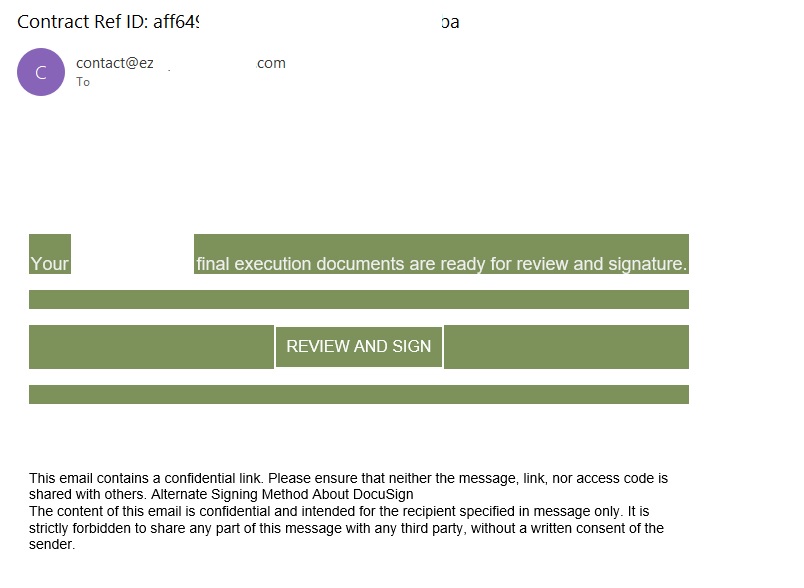
In early 2026, one of the most common themes in phishing emails sent with Amazon SES was fake notifications from electronic signature services.

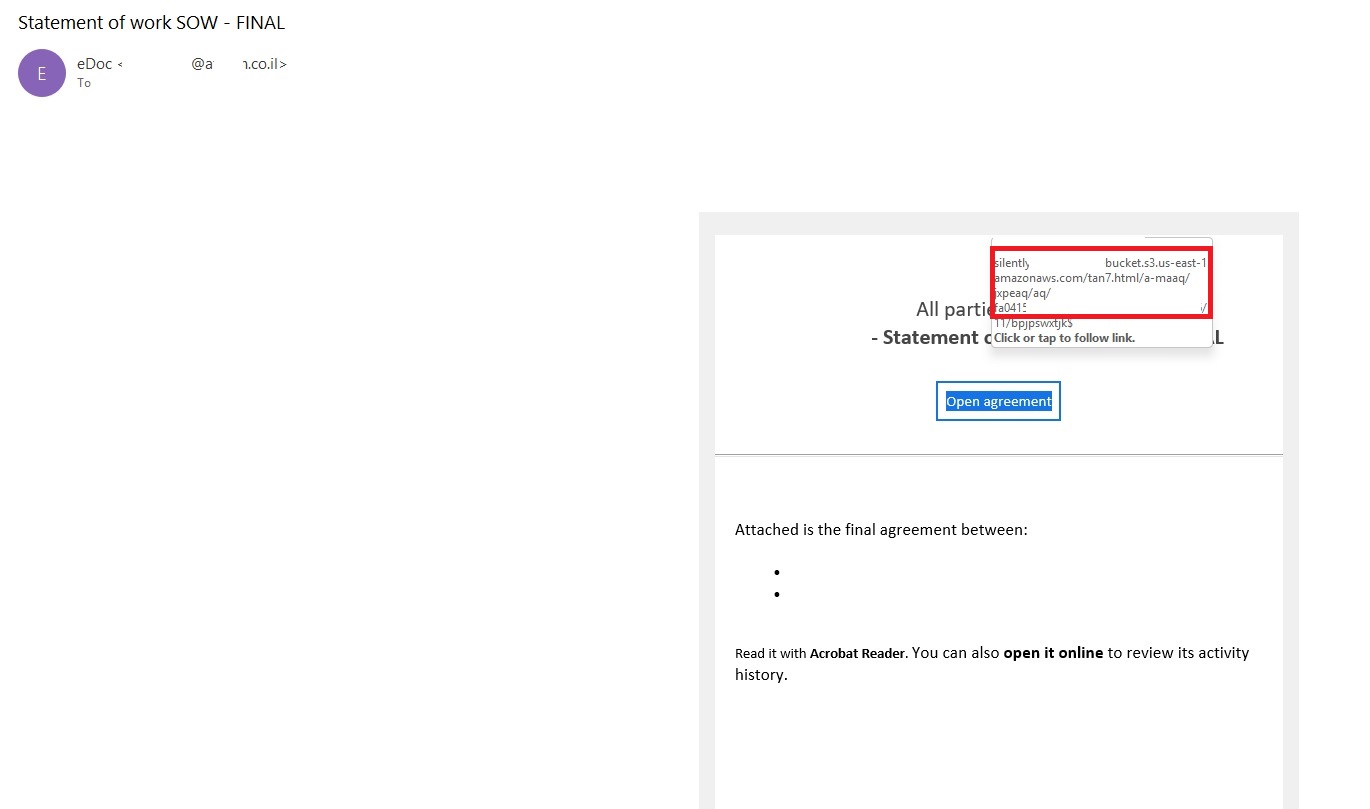
Phishing email imitating a Docusign notification

Phishing email imitating a Docusign notification

The email’s technical headers confirm that it was sent with Amazon SES. At first glance, it all looks legitimate enough.

Phishing email headers

Phishing email headers

In these emails, the victim is typically asked to click a link to review and sign a specific document.

Phishing email with a "document"

Phishing email with a “document”

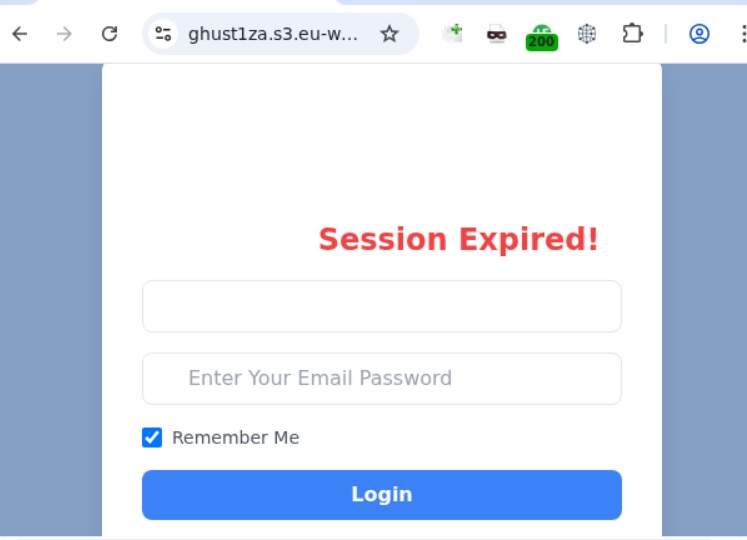
Upon clicking the link, the user is directed to a sign-in form hosted on amazonaws.com. This can easily mislead the victim, convincing them that what they’re doing is safe.

Phishing sign-in form

Phishing sign-in form

The resulting form is, of course, a phishing page, and any data entered into it goes directly to the attackers.

Amazon SES and BEC

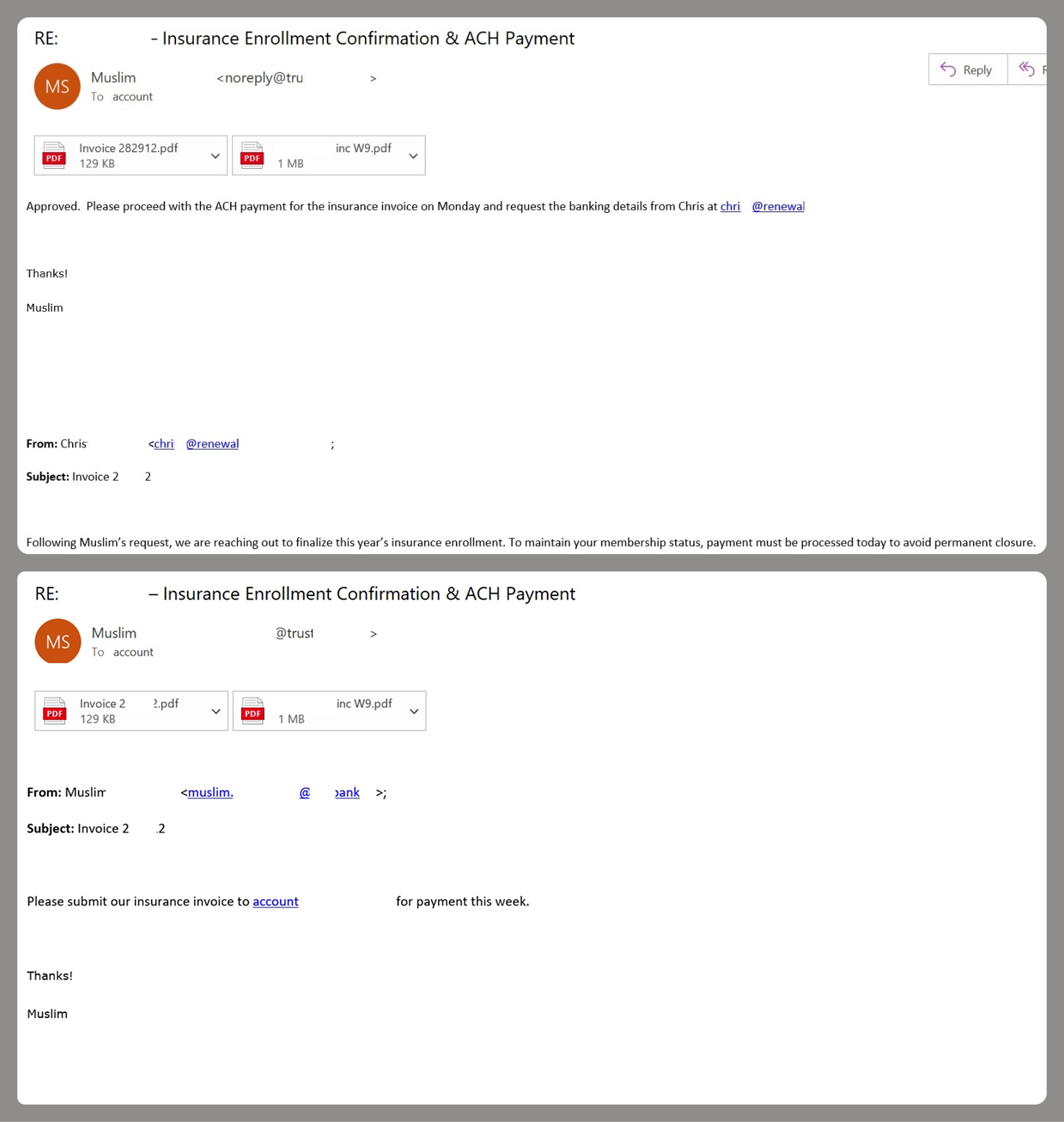
However, Amazon SES is used for more than just standard phishing; it’s also a vehicle for a very sophisticated type of BEC campaigns. In one case we investigated, a fraudulent email appeared to contain a series of messages exchanged between an employee of the target organization and a service provider about an outstanding invoice. The email was sent as if from that employee to the company’s finance department, requesting urgent payment.

BEC email featuring a fake conversation between an employee and a vendor

BEC email featuring a fake conversation between an employee and a vendor

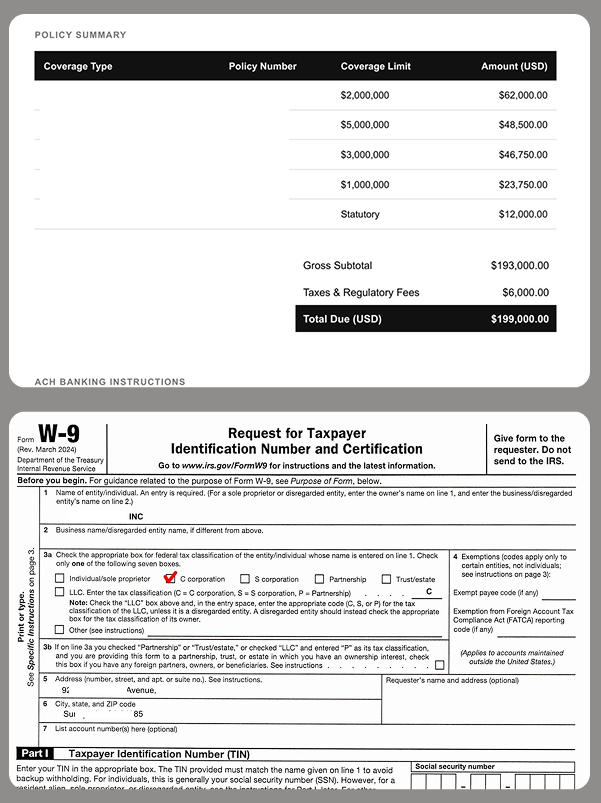
The PDF attachments didn’t contain any malicious phishing URLs or QR codes, only payment details and supporting documentation.

Forged financial documents

Forged financial documents

Naturally, the email didn’t originate with the employee, but with an attacker impersonating them. The entire thread quoted within the email was actually fabricated, with the messages formatted to appear as a legitimate forwarded thread to a cursory glance. This type of attack aims to lower the user’s guard and trick them into transferring funds to the scammers’ account.

Takeaways

Phishing via Amazon SES experienced an uptick in January 2026 and has remained relatively steady through Q1. By weaponizing this service, attackers avoid the effort of building dubious domains and mail infrastructure from scratch. Instead, they hijack existing access keys to gain the ability to blast out thousands of phishing emails. These messages pass email authentication, originate from IP addresses that are unlikely to be blocklisted, and contain links to phishing forms that look entirely legitimate.

Since these Amazon SES phishing attacks stem from compromised or leaked AWS credentials, prioritizing the security of these accounts is critical. To mitigate these risks, we recommend following these guidelines:

  • Implement the principle of least privilege when configuring IAM access keys, granting elevated permissions only to users who require them for specific tasks.
  • Transition from IAM access keys to roles when configuring AWS; these are profiles with specific permissions that can be assigned to one or several users.
  • Enable multi-factor authentication, an ever-relevant step.
  • Configure IP-based access restrictions.
  • Set up automated key rotation and run regular security audits.
  • Use the AWS Key Management Service to encrypt data with unique cryptographic keys and manage them from a centralized location.

We recommend that users remain vigilant when handling email. Do not determine whether an email is safe based solely on the From field. If you receive unexpected documents via email, a prudent precaution is to verify the request with the sender through a different communication channel. Always carefully inspect where links in the body of an email actually lead. Additionally, robust email security solutions can provide an essential layer of protection for both corporate and personal correspondence.

  • ✇Security Intelligence
  • How secure are green data centers? Consider these 5 trends Jennifer Gregory
    As organizations increasingly measure environmental impact towards their sustainability goals, many are focusing on their data centers. KPMG found that the majority of the top 100 companies measure and report on their sustainability efforts. Because data centers consume a large amount of energy, Gartner predicts that by 2027, three in four organizations will have implemented a data center sustainability program, which often includes implementing a green data center. “Responsibilities for sustai
     

How secure are green data centers? Consider these 5 trends

27 de Janeiro de 2025, 11:00

As organizations increasingly measure environmental impact towards their sustainability goals, many are focusing on their data centers.

KPMG found that the majority of the top 100 companies measure and report on their sustainability efforts. Because data centers consume a large amount of energy, Gartner predicts that by 2027, three in four organizations will have implemented a data center sustainability program, which often includes implementing a green data center.

“Responsibilities for sustainability are increasingly being passed down from CIOs to infrastructure and operations (I&O) leaders to improve IT’s environmental performance, particularly around data centers,” said Autumn Stanish, Senior Principal Analyst at Gartner. “This has led many down the path of greater spending and investment in environmental solutions, but environmental impact shouldn’t be the only focus. Sustainability can also have a significant positive impact on non-environmental factors, such as brand, innovation, resilience and attracting talent.”

Organizations increasingly building green data centers

The International Energy Agency (IEA) found data centers account for 1 to 1.5 percent of global electricity consumption. Reducing energy consumption is often a top priority when designing and building a green data center. Because AI uses more computing power than traditional methods, data centers are increasingly using more energy, which is only predicted to increase as use cases for AI continue to expand.

The term green data center does not refer to a single technology, but instead a strategic approach designed to more efficiently use resources that starts at the very beginning of the process. Every decision regarding processes, environment and technology is made with sustainability as a top priority. For example, green data centers often use a smaller physical space and typically use low-emission materials in construction.

However, green data centers add new cybersecurity risks as well as increase known risks. Organizations must keep cybersecurity at the center of each green data center decision.

Here are five green data center trends to consider in terms of cybersecurity when designing and implementing a green data center.

1. Advanced cooling technologies

Many green data centers reduce their reliance on traditional air conditioning by using advanced cooling techniques, liquid cooling or precision cooling. These techniques often use IoT devices for monitoring temperatures and energy use. However, IoT devices can provide entry points for cyber criminals to access the network and all connected systems. Additionally, IoT devices expand the potential attack surface area.

 By proactively taking steps for each IoT device, organizations can effectively use advanced cooling techniques without significantly increasing their risk. As part of the installation process for each IoT device, administrators should change the preinstalled passwords with complex passwords. Many organizations also use a VPN local virtual private network for IoT devices to limit access to other systems in case of a cybersecurity incident.

2. Extending life of equipment

Purchasing new equipment regularly for a data center increases its environmental impact as well as costs. Many organizations are using upgrades, refurbishments and efficient maintenance to extend the lifespan. However, older equipment may have more cybersecurity vulnerabilities and be less likely to use the latest (and most secure) technologies and techniques. By regularly evaluating the benefits of continuing to use a piece of equipment for sustainability reasons with its cybersecurity risk, organizations can make a balanced decision. Additionally, installing all updates in a timely manner also reduces risk.

Explore cybersecurity services

3. Virtualization

A common technique to reduce resources in data centers is virtualization. Because virtualization involves creating an abstract layer over computer hardware, organizations can use less physical equipment, resulting in lower energy consumption. A single physical server often runs multiple servers. Because virtual servers consume less energy, this often significantly reduces energy consumption.

However, virtual servers contain more entry points for breaches and attacks than physical servers. Additionally, cyber criminals often target the hypervisor that manages the virtual machines. By compromising the hypervisor, threat actors take control of a large portion of the data center and can inflict significant damage, especially through a ransomware attack.

Organizations can reduce their virtualization risk by ensuring that the user privileges for the virtual machines and hypervisor are appropriate for each person’s work-related tasks. By using segmentation in virtualized environments, cyber criminals can only access a small portion of the network and systems, which limits damage. Additionally, organizations should regularly audit which users have escalated privileges in a domain controller to reduce attackers waiting in the wings.

4. Renewable energy sources

By shifting from such as fossil fuels to renewable sources like solar, wind or hydropower, data centers can decrease their reliance on non-renewable energy and reduce the emission of greenhouse gasses. Because solar and wind farms are often in different locations than the data centers themselves, using these energy sources creates a larger attack area that increases the risk. Additionally, each system used for the new energy source adds to the surface area as well. Renewable energy sources also often use the power grid and the internet, which creates new sources of vulnerability. Because these energy sources often contain a high volume of sensitive data, organizations must proactively mitigate the risk of a data breach and compliance issues.

5. Data center infrastructure management (DCIM)

Green data centers typically use a DCIM to monitor and manage all aspects of the data center infrastructure, including power distribution and cooling systems, from a single location. Because of the real-time monitoring of power consumption, organizations can identify issues and make changes quickly to reduce the environmental impact instead of waiting until after the impact has occurred.

Due to its integration with other systems, the DCIM creates a target for attackers to gain access to other data. The high level of integration makes it possible for threat actors to gain access to the DCIM from other interconnected systems. Organizations must focus on creating strong access controls to make sure that only authorized users gain access to reduce data leaks and breaches.

Balancing security and sustainability

Because sustainability is the top concern with a green data center, organizations can inadvertently make decisions that increase cybersecurity vulnerabilities. With a balanced approach that considers both sustainability and cybersecurity, organizations can reduce the environmental impact of their data center while also reducing the risk of a breach or attack.

The post How secure are green data centers? Consider these 5 trends appeared first on Security Intelligence.

  • ✇Security Intelligence
  • Why maintaining data cleanliness is essential to cybersecurity Josh Nadeau
    Data, in all its shapes and forms, is one of the most critical assets a business possesses. Not only does it provide organizations with critical information regarding their systems and processes, but it also fuels growth and enables better decision-making on all levels. However, like any other piece of company equipment, data can degrade over time and become less valuable if organizations aren’t careful. What’s even more dangerous is that neglecting data hygiene can expose organizations to a nu
     

Why maintaining data cleanliness is essential to cybersecurity

21 de Janeiro de 2025, 14:00

Data, in all its shapes and forms, is one of the most critical assets a business possesses. Not only does it provide organizations with critical information regarding their systems and processes, but it also fuels growth and enables better decision-making on all levels.

However, like any other piece of company equipment, data can degrade over time and become less valuable if organizations aren’t careful. What’s even more dangerous is that neglecting data hygiene can expose organizations to a number of security threats and regulatory compliance issues.

Understanding data cleanliness

Data cleanliness, also called data hygiene, is the process of ensuring all organizational data maintains accuracy and consistency regardless of where it’s stored and how it’s used. To achieve this, organizations need to ensure their data is regularly checked against six core characteristics:

  • Accuracy: Free from errors
  • Completeness: No missing values or incomplete records
  • Consistency: Maintains format across different systems and platforms
  • Validity: Follows pre-defined rules or standards
  • Uniformity: Uses correct data inputs, measurements and naming conventions across all datasets
  • Timeliness: Up-to-date and relevant

To effectively manage each of these components, organizations can use a variety of data management tools and solutions. These automated systems leverage data profiling and cleansing processes to help detect anomalies as they appear and help organizations resolve them.

Why maintaining clean data is so important

Ensuring organizational data remains free from errors and can be a trusted source of critical business information is essential to ensuring both operational efficiency and resiliency. Considering the amount of digital sources most organizations rely on today, there are several ways that businesses can lose sight of how their data is collected, stored and accessed.

“Organizations today are challenged with a number of issues when trying to maintain the integrity of their critical data,”  Evelyn Kim, a program director with IBM Security, says. ” Data is growing exponentially in more formats and locations causing organizations to lose visibility and control over their sensitive data. We see organizations grappling with shadow data (undiscovered or unknown data) that pose significant risks. Generative AI also presents new risks to data — both from a need to have enough of the right data for gen AI use and from ensuring data is not tampered with.”

Security risks associated with unclean data

While the importance of data integrity may seem limited to helping to support smoother business operations, it is actually a core element of ensuring a strong cybersecurity posture. Below are some of the inherent security risks that can occur if good data hygiene is neglected over time:

Cybersecurity threats

With the proliferation of data, data classification, especially of sensitive data, is even more critical to security. Understanding where sensitive data resides is a key step in monitoring data stores and databases to prevent breaches and detect cyberattacks to reduce the impact and damage across critical networks and connected systems.

The effectiveness of modern security tools and technologies also relies on accurate data. Without establishing a reliable baseline for normal business activity, these security solutions lose their ability to identify suspicious user patterns. They can lead to false positives and inadequate threat detection.

Compliance failures

Data cleanliness plays a crucial role in helping organizations meet various regulatory requirements. “Highly regulated industries tend to have significant data governance/security concerns. We typically see financial services, healthcare, manufacturing and utility/energy sectors leaning heavily on data security investments to assist with their compliance efforts,” states Kim.

Without accurate and complete compliance reporting data, organizations open themselves up to significant compliance violations and associated financial penalties. This can also lead to long-term legal repercussions that can damage a business’s reputation and impact customer loyalty.

Maintaining a clean data environment

Data cleansing isn’t something that organizations schedule throughout the year or complete as a one-time project. It requires an ongoing commitment and the ability to integrate data quality practices into every stage of the data lifecycle. From initial data collection and entry to storage, processing and analysis, organizations should follow numerous proactive data maintenance steps, including:

  • Establishing clear data governance policies: Businesses should establish clear roles and accountabilities in their organization when it comes to data entry, validation and updating procedures. This also includes following strict compliance guidelines on how to properly handle data in and out of transit.

  • Investing in data quality solutions: Organizations should research and implement next-generation tools that provide automated data cleansing activities in real-time while handling deduplication and validation processes systematically. These tools help identify and address data quality issues proactively, freeing up time and resources for internal teams.

  • Adopting a security-first culture: Establishing a business culture that prioritizes data security and integrity is essential. This involves initiating training sessions for employees on the importance of following strict data management standards as well as implementing strict access controls, data encryption and monitoring solutions.

Keep your data healthy

Data is what keeps modern organizations running. However, if you’re not careful, the value of this asset will diminish over time and lead to a number of business consequences. By prioritizing data cleanliness, organizations can uncover the true potential of their critical data, allowing them to make better decisions while creating more resilience in their security and compliance initiatives.

The post Why maintaining data cleanliness is essential to cybersecurity appeared first on Security Intelligence.

  • ✇Security Intelligence
  • Router reality check: 86% of default passwords have never been changed Doug Bonderud
    Misconfigurations remain a popular compromise point — and routers are leading the way. According to recent survey data, 86% of respondents have never changed their router admin password, and 52% have never adjusted any factory settings. This puts attackers in the perfect position to compromise enterprise networks. Why put the time and effort into creating phishing emails and stealing staff data when supposedly secure devices can be accessed using “admin” and “password” as credentials? It’s time
     

Router reality check: 86% of default passwords have never been changed

3 de Janeiro de 2025, 11:00

Misconfigurations remain a popular compromise point — and routers are leading the way.

According to recent survey data, 86% of respondents have never changed their router admin password, and 52% have never adjusted any factory settings. This puts attackers in the perfect position to compromise enterprise networks. Why put the time and effort into creating phishing emails and stealing staff data when supposedly secure devices can be accessed using “admin” and “password” as credentials?

It’s time for a router reality check.

Rising router risks

Routers allow multiple devices to use the same internet connection. They accomplish this goal by directing traffic — internal devices are routed along the most efficient path to outside-facing services, and incoming data is sent to the appropriate endpoint.

If attackers manage to compromise routers, they can control both what comes out of and what goes into your network. This introduces risks such as:

The nature of router attacks also makes them hard to detect. This is because cyber criminals aren’t forcing their way into routers or taking circuitous routes to evade security defenses. Instead, they’re taking advantage of overlooked weak spots to access routers directly, which means they aren’t raising red flags.

Consider a router with “admin” as the login and no password. A few simple guesses get attackers into router settings without triggering a security response since they haven’t breached a network service or compromised an application. Instead, they’ve accessed routers the same way as staff and IT teams.

Explore IBM Instana

Exploring the defensive disconnect

Companies recognize the need for robust cybersecurity. According to Gartner, spending on information security will grow 15% in 2025 to reach $212 billion. Common investment areas include endpoint protection platforms (EPPs), endpoint detection and response (EDR) and the integration of generative AI (gen AI). Routers, however, are often overlooked.

For example, 89% of respondents have never updated their router firmware. The same number have never changed their default network name, and 72% have never changed their Wi-Fi password.

This is problematic. A recent report found that popular OT/IoT router firmware images were outdated and contained exploitable N-day vulnerabilities. The report found that, on average, open-source components were more than five years old and were four years behind the latest release.

As noted by GovTech, meanwhile, an attack on a Pittsburgh-area water authority succeeded in part because the default password to its network was “1111”. Other common passwords include “password” and “123456;” in some cases, routers have no passwords. All attackers need is the login credential — which is often “admin” — and they have full access to router functions.

Even more telling is the fact that router security is getting worse, not better. Consider that in 2022, 48% of respondents said they had not adjusted their router settings, and 16% had never changed the admin password. In 2024, over 50% of routers were still running on factory settings, and just 14% had changed their password.

By spending more on security tools but not changing default configurations or updating router firmware, businesses are closing the doors but leaving the windows wide open.

Minimizing misconfiguration mistakes

So, how do companies minimize the risk of misconfiguration mistakes?

It starts with the basics: Change passwords regularly, update firmware and ensure that routers aren’t left on factory settings. Simple? Absolutely. Common? As survey data indicates, not so much.

In part, the disconnect between router risks and security realities stems from the sheer volume of cyberattacks. For example, 2023 saw 94% of companies hit by phishing attacks, and as noted by the IBM Cost of a Data Breach Report 2024, the average cost of a data breach is now $4.88 million, up 10% from 2023 and the highest ever reported. This puts cybersecurity teams on the defensive and on high alert for common attack vectors such as phishing, smishing and the use of “shadow IT” applications that haven’t been vetted or approved.

As a result, routers can slip through the cracks. The first step in solving this problem is creating a regular update schedule. Every four to six months, schedule a router review — put it in a shared calendar, and make sure all security staff know it’s going to happen. When the designated day comes, update firmware where possible and change login and password details. It’s also worth establishing a weekly schedule to review router traffic for any odd behaviors or unexpected login requests.

Shoring up security

While basic cyber hygiene helps lower the risk of router attacks, shoring up security requires a more in-depth approach.

The first step is finding and securing every router on your network. Given the increasingly complex nature of enterprise networks, the easiest way to accomplish this goal is by using automation. Solutions such as IBM SevOne Automated Network Observability provide pre-built workflow templates for IT teams to identify connected devices, collect performance data and make data-driven decisions.

Companies also need to consider what happens when a router compromise occurs. Despite best efforts by security teams, the growing number of end points means it’s only a matter of time until attackers manage to find unprotected routers or circumvent existing defenses.

Effective response requires effective incident management. Solutions such as IBM Instana offer full-stack visibility, one-second granularity and three seconds to notify, giving teams the information they need when they need it to reduce security risks.

Bottom line? Failure to monitor and update router settings can open the door to compromise. To solve the problem, teams need a router reality check. By combining security hygiene best practices with intelligent automation solutions, enterprises can keep unauthorized users where they belong: 0utside protected networks.

The rising risk of router attacks, paired with a growing list of unreasonable expectations, creates complex challenges for security teams. The solution? Unreasonable observability. Learn more on IBM Instana and how it can help.

The post Router reality check: 86% of default passwords have never been changed appeared first on Security Intelligence.

  • ✇Security Intelligence
  • Preparing for the future of data privacy Jennifer Gregory
    The focus on data privacy started to quickly shift beyond compliance in recent years and is expected to move even faster in the near future. Not surprisingly, the Thomson Reuters Risk & Compliance Survey Report found that 82% of respondents cited data and cybersecurity concerns as their organization’s greatest risk. However, the majority of organizations noticed a recent shift: that their organization has been moving from compliance as a “check the box” task to a strategic function. With th
     

Preparing for the future of data privacy

2 de Janeiro de 2025, 11:00

The focus on data privacy started to quickly shift beyond compliance in recent years and is expected to move even faster in the near future. Not surprisingly, the Thomson Reuters Risk & Compliance Survey Report found that 82% of respondents cited data and cybersecurity concerns as their organization’s greatest risk. However, the majority of organizations noticed a recent shift: that their organization has been moving from compliance as a “check the box” task to a strategic function.

With this evolution in data privacy, many organizations find that they need to proactively make changes to their approach to set themselves up for the future. Here are five key considerations to get ready for the future of data privacy.

1. Create a process for staying up to date on new and evolving regulations

While data privacy is more than simply compliance, your organization must comply with all regulations first and foremost — or else risk fines and reputational damage. However, regulations are constantly being passed and changed, making it exceptionally challenging to stay up to date. As of September 2024, 20 states had consumer data privacy laws, with legislation pending in numerous other states. While the U.S. does not currently have a federal data privacy law, the American Privacy Rights Act is in the first stage of legislation.

As the data privacy regulation landscape continues to change, organizations must create a process to manage all pertinent regulations, which can be challenging for global companies. Because organizations must comply with the regulations of their customer locations, not the company’s locations, global businesses often find themselves bound by many different regulations. Organizations are increasingly turning to artificial intelligence (AI) with tools that monitor all relevant regulations and ensure compliance, which saves time and reduces fines.

2. Focus on balancing data privacy with analytics and AI goals

AI at the University of Pennsylvania’s Wharton School found that the percentage of employees who used AI weekly increased from 37% in 2023 to 73% in 2024. However, this significant and rapid increase in AI adoption has created significant data privacy issues. Top concerns include a lack of data transparency, new endpoints for vulnerabilities, third-party vendors and potential regulatory gaps. At the same time, businesses not using AI will likely quickly fall behind competitors in productivity and personalization.

Because not using AI is rarely the right business decision, organizations must take a strategic approach to creating a balance between business value and data security. While technology is part of the solution, platforms and systems cannot solve the challenges without a balanced approach. By creating processes and a framework that helps organizations evaluate risks and benefits, businesses can make smart business decisions with regard to data privacy. For example, a company may adopt automation throughout their organization using AI except in use cases that involve sensitive customer and employee data.

Explore data privacy solutions

3. Consider privacy-preserving machine learning (PPML)

By using specific techniques in AI and analytics, organizations can reduce data privacy risks. Many organizations are turning to PPML, which is an initiative started by Microsoft to protect data privacy when training large-capacity language models. Here are the three components of PPML defined by Microsoft:

  1. Understand: Organizations should conduct threat modeling and attack research while also identifying properties and guarantees. Additionally, leaders need to understand regulatory requirements.
  2. Measure: To determine the current status of data privacy, leaders should capture vulnerabilities quantitatively. Next, teams should develop and apply frameworks to monitor risks and mitigation success.
  3. Mitigate: After gaining a full picture of data privacy, teams must develop and apply techniques to reduce privacy risks. Lastly, leaders must meet all legal and compliance regulations.

4. Focus on data minimization

In the past, many businesses defaulted to keeping all — or at least most of — their data for a lengthy period of time. However, all data stored and saved must follow compliance regulations, causing many organizations to use a strategy referred to as data minimization.

Deloitte defines data minimization as taking steps to determine what information is needed, how it’s protected and used and how long to keep it. By taking this measured approach and determining which data to keep, organizations can reduce costs, make it easier to find the right data and improve compliance. Additionally, it’s easier and takes fewer resources to secure a smaller volume of data.

5. Create a culture of data privacy

Just like cybersecurity, data privacy is not simply the job of specific employees. Instead, organizations need to instill the mindset that every employee is responsible for data privacy. Creating a data privacy culture doesn’t happen overnight or with a single meeting. Instead, leaders must work to instill the values and focus over time. The first step is for leaders to become champions, express the shift in responsibility and “walk the walk” in terms of data privacy.

Because data privacy depends on team members following the processes and requirements specified, organizations must not simply dictate the rules but instead must explain the importance of data privacy. When employees understand the risks of not following the processes as well as the consequences to the organization and its consumers, they are more likely to comply.

Additionally, leaders should measure compliance with the processes to determine the current state and then the goal. By then offering incentives, organizations can help encourage compliance as well as stress its overall importance.

Start crafting your data privacy approach now

As your team focuses on planning for 2025 and beyond, now is the time to pause to make sure that your approach and goals align with where the industry is moving. Organizations that understand where data privacy is likely headed and take the steps needed to align their goals with the future of data privacy can be better prepared to more effectively gain business value from their data while still ensuring compliance.

The post Preparing for the future of data privacy appeared first on Security Intelligence.

  • ✇News – Security Intelligence
  • Ransomware attack on Rhode Island health system exposes data of hundreds of thousands Jonathan Reed
    Rhode Island is grappling with the fallout of a significant ransomware attack that has compromised the personal information of hundreds of thousands of residents enrolled in the state’s health and social services programs. Officials confirmed the attack on the RIBridges system—the state’s central platform for benefits like Medicaid and SNAP—after hackers infiltrated the system on December 5, planting malicious software and threatening to release sensitive data unless a ransom is paid. Governor
     

Ransomware attack on Rhode Island health system exposes data of hundreds of thousands

23 de Dezembro de 2024, 11:00

Rhode Island is grappling with the fallout of a significant ransomware attack that has compromised the personal information of hundreds of thousands of residents enrolled in the state’s health and social services programs. Officials confirmed the attack on the RIBridges system—the state’s central platform for benefits like Medicaid and SNAP—after hackers infiltrated the system on December 5, planting malicious software and threatening to release sensitive data unless a ransom is paid.

Governor Dan McKee, addressing the media, called the attack “alarming” and urged residents to take immediate precautions to protect their information. Compromised data includes Social Security numbers, banking details, addresses and dates of birth. “This breach is a stark reminder of the vulnerabilities in government IT systems,” McKee said. “We are working with Deloitte and law enforcement to contain the damage and restore public trust.”

Timeline of the attack

The cyberattack began on December 5, when Deloitte, the developer and maintainer of RIBridges, alerted state officials to suspicious activity. Initially, it was unclear whether sensitive data had been accessed. Over the following days, Deloitte implemented additional security measures while investigating the breach.

On December 10, hackers provided a screenshot of file folders as proof of their access, prompting Deloitte to confirm that the RIBridges system had been compromised. Further analysis revealed a high probability that the stolen files contained personally identifiable information (PII). By December 13, Deloitte identified malicious code within the system, leading the state to shut down RIBridges to mitigate further damage and begin remediation.

How the attackers gained access

While the exact infiltration method remains under investigation, early findings suggest that the attackers exploited vulnerabilities in the system’s architecture, likely through phishing emails targeting administrative accounts or unpatched software weaknesses. The malware deployed by the cyber criminals enabled unauthorized access and allowed the attackers to exfiltrate data unnoticed for several days.

This breach has highlighted persistent security challenges in government IT systems, which often struggle to keep pace with evolving cyber threats. RIBridges, developed in 2016 under the Unified Health Infrastructure Project (UHIP), has faced years of technical and operational issues, including public criticism for its vulnerabilities.

Impact on residents and state operations

The breach has far-reaching implications for Rhode Island’s residents and government services. Programs impacted include Medicaid, SNAP, Temporary Assistance for Needy Families (TANF) and health insurance purchased through HealthSource RI. The RIBridges system’s offline status has forced the state to resort to manual processing for December benefits and January payments, creating delays and disruptions for thousands of families.

State officials have contracted Experian to provide free credit monitoring to affected residents and set up a dedicated call center to offer guidance. McKee also urged residents to take proactive steps, including freezing their credit, updating passwords and enabling multi-factor authentication.

Comparisons to other state-level ransomware attacks

Rhode Island is not the first state to be targeted by a ransomware attack on its central systems. In 2019, Texas faced a coordinated ransomware assault that impacted 22 local entities, including state-run agencies, though its centralized IT infrastructure mitigated the spread. Similarly, Colorado’s Department of Transportation suffered a ransomware attack in 2018, which disrupted operations and required weeks to fully resolve.

These incidents underscore the growing threat of ransomware to state governments. Unlike attacks on local municipalities, state-level breaches can potentially disrupt critical systems serving millions of residents, amplifying the stakes for government cybersecurity teams.

What comes next?

The FBI and other federal agencies are assisting in the investigation, while Deloitte works to remediate the vulnerabilities and restore RIBridges. Meanwhile, negotiations between the state’s representatives and the cyber criminals are ongoing, though officials have not disclosed the ransom amount or whether they intend to pay it.

“That conversation is going on directly with Deloitte and the cyber criminals. That’s how this process works, we’re learning a little bit about it,” McKee said. “But we’re being notified of the progress on it, and ultimately, it does end up with that decision with me.”

The attack has reignited calls for stronger cybersecurity measures in government IT systems. Experts recommend adopting zero trust security models, conducting regular vulnerability assessments and increasing investments in cybersecurity infrastructure to prevent future breaches.

“This breach is a wake-up call,” says Brian Tardiff, Rhode Island’s Chief Digital Officer. “We need to ensure that our systems are resilient against increasingly sophisticated cyber threats. The stakes are too high to do otherwise.”

To learn how IBM X-Force can help you with anything regarding cybersecurity including incident response, threat intelligence, or offensive security services schedule a meeting here.

If you are experiencing cybersecurity issues or an incident, contact X-Force to help: US hotline 1-888-241-9812 | Global hotline (+001) 312-212-8034.

The post Ransomware attack on Rhode Island health system exposes data of hundreds of thousands appeared first on Security Intelligence.

  • ✇Security Intelligence
  • How to craft a comprehensive data cleanliness policy Josh Nadeau
    Practicing good data hygiene is critical for today’s businesses. With everything from operational efficiency to cybersecurity readiness relying on the integrity of stored data, having confidence in your organization’s data cleanliness policy is essential. But what does this involve, and how can you ensure your data cleanliness policy checks the right boxes? Luckily, there are practical steps you can follow to ensure data accuracy while mitigating the security and compliance risks that come with
     

How to craft a comprehensive data cleanliness policy

20 de Dezembro de 2024, 11:00

Practicing good data hygiene is critical for today’s businesses. With everything from operational efficiency to cybersecurity readiness relying on the integrity of stored data, having confidence in your organization’s data cleanliness policy is essential.

But what does this involve, and how can you ensure your data cleanliness policy checks the right boxes? Luckily, there are practical steps you can follow to ensure data accuracy while mitigating the security and compliance risks that come with poor data hygiene.

Understanding the 6 dimensions of data cleanliness

It doesn’t matter where your company data is sourced — without addressing its quality and accuracy, you won’t be able to rely on it. To create the right data cleanliness policy, you’ll need to understand its different dimensions. These include:

  • Accuracy: Identifies to what extent data can be trusted and is free from errors. This requires specific validation protocols and compliance with data collection standards.
  • Completeness: Signifies whether or not collected data provides clear answers to certain questions. It involves evaluating any missing data attributes and recognizing any apparent gaps.
  • Consistency: Checks that data is properly mirrored when stored in multiple databases and represented by a percentage of matched values.
  • Validity: Refers to data adherence against predefined rules or formats. It helps eliminate the violation of logical constraints or data type restrictions.
  • Uniqueness: Makes sure all data types reference the same units of measure or support formats to remove the possibility of information overlapping or duplication across data sets.
  • Timeliness: Represents the degree to which data remains up-to-date. This ensures data is accessible when it’s required so it can be used properly.

Once you have a grasp on these six core elements, you’re ready to move forward with crafting your data cleanliness policy.

Explore data security solutions

Step 1: Define policy scope and objectives

The first step to take when creating a data cleanliness policy is to define all appropriate business objectives. Any specific data sets or systems and the intended use of the information within them should be clearly outlined.

This step also involves considering often-overlooked data, including unused software logs, outdated emails and former customer records. If this information is forgotten about, it can lead to security issues down the road when they are left in unsecured locations.

Step 2: Classify data assets

With your policy scope defined, you’ll need to take inventory of all relevant data sources. Data assets can include various databases spread across multi-cloud environments, locally stored spreadsheets or any other areas where data is stored.

Classifying all data assets is another way to minimize forgotten data from compiling and creating high-value targets for cyber criminals. During this process, you’ll also want to categorize data based on its relative sensitivity or regulatory requirements. This will make it easier to implement the right access controls and data retention policies.

Step 3: Establish data quality standards

The data quality standards you develop for your policy should be measurable and easy to understand. To achieve this, you’ll need to lay out specific criteria for each data type, including the acceptable formats data should be in and any validation rules you have in place.

With your metrics in place, you’ll be able to regularly monitor their performance over time. Many times, regulatory requirements will stipulate that data needs to meet certain accuracy and completeness benchmarks. Having these trackable metrics in place provides the transparency needed to ensure these regulations are continuously being met.

Step 4: Assign roles and responsibilities

Establishing clear accountabilities is essential when managing organizational data. Your data cleanliness policy should define the various roles in your organization, including specifying who can access data and what levels of permission they have.

Controlling the amount of individuals who can access, modify or delete data is one of the most important elements of ensuring data integrity over the long term. It helps you to mitigate the danger of insider threats as well as establish clear lines of accountability if and when anomalies are located in data sets.

It is also common to make use of a data governance team that can help to implement and enforce various policy initiatives. These teams can reduce the likelihood of data inconsistency and help support various data security protocols in place.

Step 5: Implement data cleansing procedures

In the event that data issues are discovered, your policy should also cover necessary data correction procedures. This can include standardization, normalization or deduplication of data stored across systems.

Another supporting element of this process is having clear data retention and disposal policies in place. This helps to reinforce best practices when it comes to data lifecycle management. It also minimizes a digital attack surface, making it less likely that sensitive information is left in a vulnerable storage state, and helps to minimize damages in the event of a successful cyberattack.

Maintain healthier organizational data

Being able to rely on the accuracy and consistency of your company data is critical. Not only does data integrity play an important factor in improving the value of your technology investments, but it also helps to strengthen your cybersecurity posture.

By following the steps above, you’ll be able to draft a data cleanliness policy that allows you to maintain healthier organizational data while extracting its full value.

The post How to craft a comprehensive data cleanliness policy appeared first on Security Intelligence.

❌
❌