 Entrar
Global Instructure Breach Hits Queensland Schools Through QLearn Platform
7 de Maio de 2026, 04:39




Source: X[/caption]
Such claims, if validated, could significantly expand the scope of the Canvas cybersecurity incident beyond initial disclosures. For now, the company maintains that its investigation is ongoing.
It is always a bit jarring when the "digital locksmiths" are the ones getting their locks picked. Cybersecurity firm Trellix on Saturday confirmed it suffered a breach involving its internal source code repositories, proving that even the defenders aren't immune to the threats they fight.
On May 2, Trellix released a statement confirming that unauthorized parties had gained access to sections of their internal code. Upon discovering the intrusion, the company initiated a standard response protocol. They hired external security experts to map the extent of the breach and informed relevant authorities immediately.
Trellix maintains that there is no evidence their software distribution channels were compromised or that any leaked code has been used in active attacks.
While the "all clear" on product safety is a relief, several questions remain. Trellix has yet to identify the threat actors, the duration of the unauthorized access, or the specific volume of data stolen.
A breach at a firm like Trellix—born from the merger of McAfee Enterprise and FireEye—carries more weight than a standard data leak. Because Trellix provides Endpoint Detection and Response (EDR) and XDR services to governments and global banks, their source code is a roadmap for attackers.
Vulnerability Research: Having the code allows hackers to hunt for "zero-day" flaws without having to guess how the software works.
Supply Chain Risk: If an attacker can inject malicious code into a trusted update, they can compromise thousands of customers at once.
Bypassing Defenses: Knowing how a security tool "thinks" makes it much easier for malware to stay invisible.
Trellix is far from the first titan to be targeted. They join a list of major players like Microsoft, Okta, and LastPass, all of whom have dealt with source code theft in recent years. This pattern suggests that sophisticated actors (whether cybercriminals or nation-states) are increasingly focused on the "keys to the kingdom."
For now, there isn't a "fire drill" for Trellix users. Since there is no proof of tampered software, the immediate risk remains low. Trellix has promised to be transparent as their investigation concludes. Until then, the industry is left waiting to see if this was a simple smash-and-grab or the opening move of a much larger campaign.
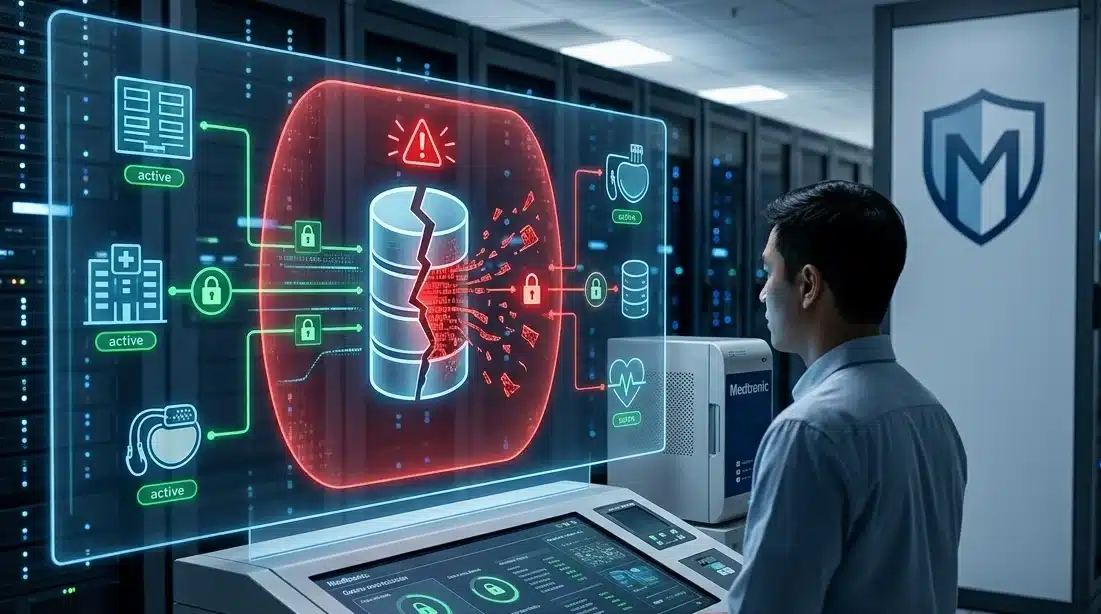

"First, we have identified a small number of additional accounts that were compromised as part of this incident," the company noted.
But the main concern is the next finding: "Second, we have uncovered a small number of customer accounts with evidence of prior compromise that is independent of and predates this incident, potentially as a result of social engineering, malware, or other methods."
The company did not disclose who were the attackers, what was the motive, or the impact on customers, and is yet to respond to these queries from The Cyber Express. It only stated: "In both cases, we have notified the affected customers."
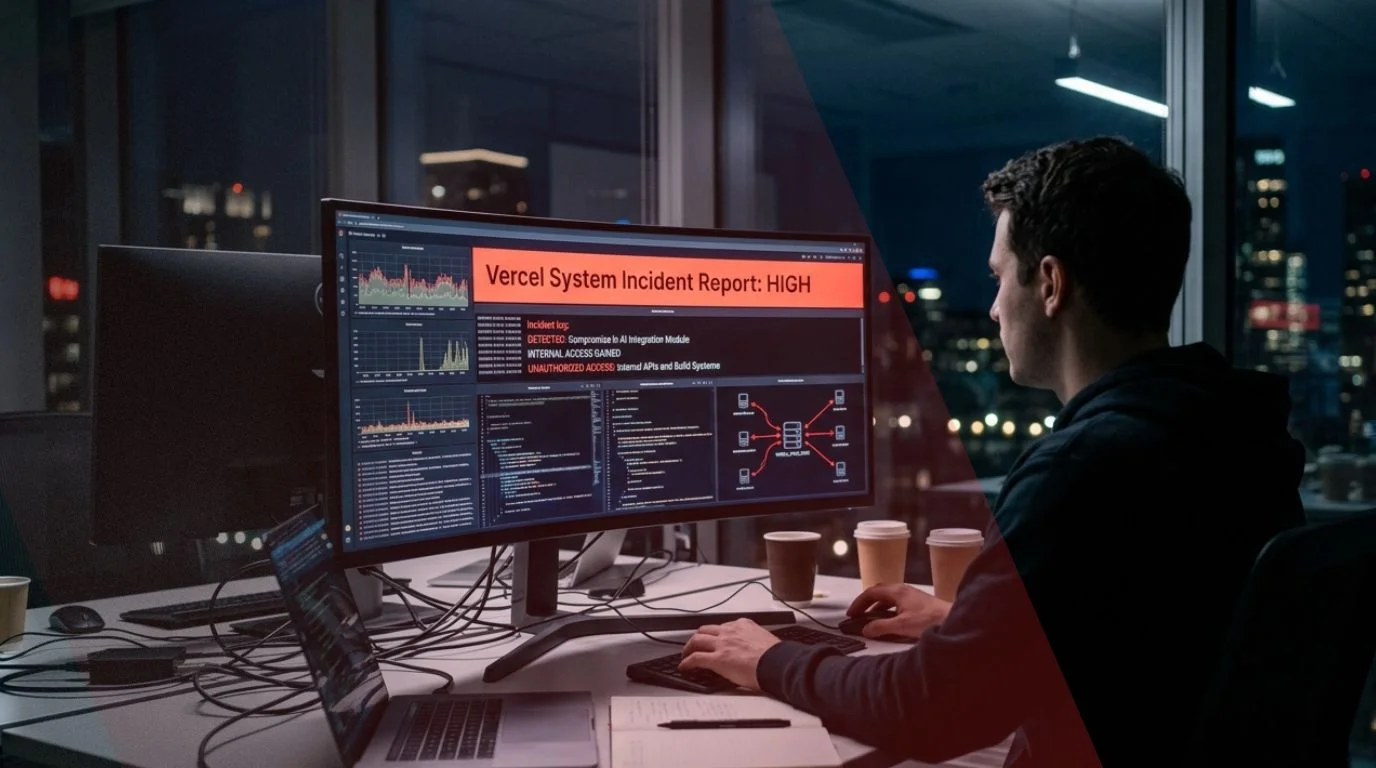
Meanwhile, Rauch said, Vercel had notified other suspected victims and encouraged them to rotate credentials and adopt best practices.
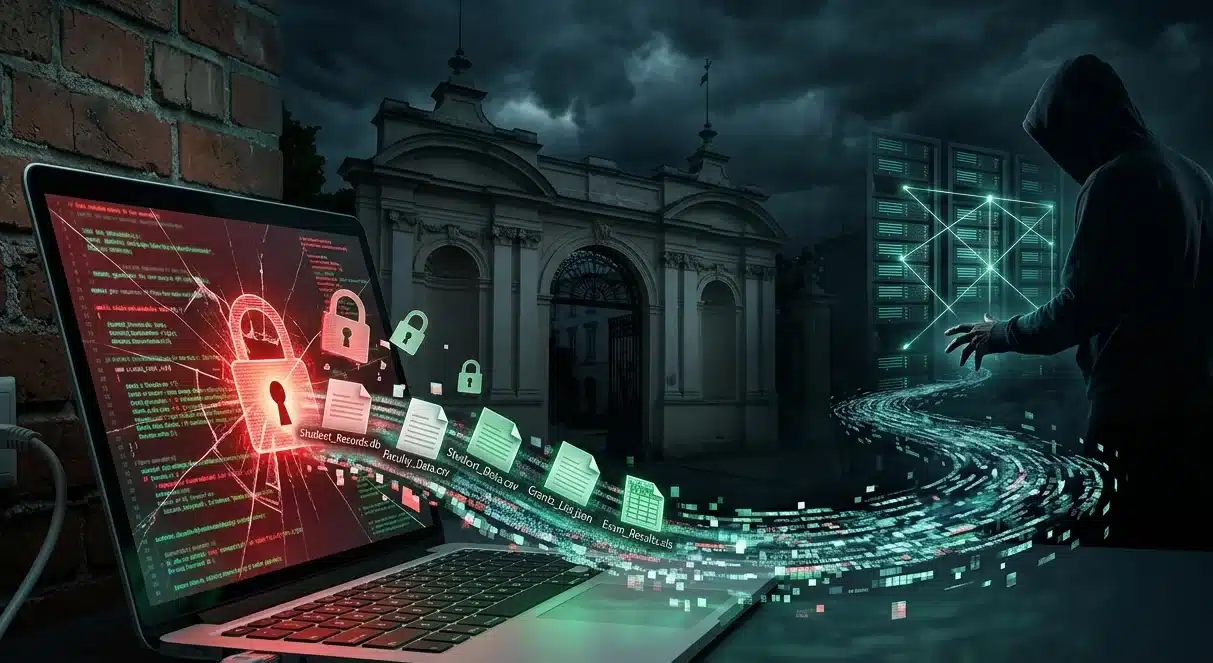
Over 200,000 files containing sensitive personal information have been leaked following the University of Warsaw cyberattack that targeted the institution’s digital systems. The attack, which resulted in the publication of the stolen data on the darknet in mid-April 2026, has raised significant concerns about the university's cybersecurity protocols.
In response to the breach, the University of Warsaw took immediate action, isolating affected systems and working closely with relevant authorities to assess the scope of the incident. Rector Alojzy Z. Nowak commented, “Immediately after detecting the incident, the University undertook a series of actions aimed at limiting its impact and securing the IT environment. These included isolating affected systems, terminating unauthorized access, enforcing password resets for all users, strengthening authentication mechanisms, and conducting a comprehensive security review of the infrastructure.”
The cyberattack unfolded over several months, with attackers gaining access to the university's systems using valid login credentials. These credentials were likely obtained through malware that infected a user’s device, allowing the attackers to quietly exfiltrate large amounts of data over time. The stolen data was eventually posted on the darknet on the night of April 15, 2026, in an 850-gigabyte data dump.
The breach was initially detected on February 9, 2026, during a routine security scan, triggered by global ransomware threats. At first, it was believed that the stolen data had not left the university’s infrastructure. However, subsequent investigation revealed that a significant portion had already been leaked online.
In response to our inquiry, the university clarified: “At this stage, the investigation is ongoing, and no definitive attribution has been publicly confirmed. The incident involved unauthorized access using valid credentials that had likely been previously compromised, most probably through malware on a user’s device.”
The leaked files, which total over 200,000 documents, include a broad range of sensitive information. A large portion of the data came from the Faculty of Applied Social Sciences and Resocialization, as well as the Faculty of Neophilology. The breach exposed approximately 650 GB of publicly accessible audiovisual materials, along with 200 GB of sensitive personal data.
Among the types of personal data exposed were:
The university has acknowledged that it’s still too early to definitively determine which individuals' data has been impacted. In an official statement, they noted, “Given the nature of the incident, it is not yet possible to conclusively determine which specific individuals’ data may have been impacted; therefore, we encourage all members of the academic community to follow the recommended guidance and monitor further updates.”
Official Response and Security MeasuresFollowing the breach, the university has worked diligently to mitigate further damage. In addition to isolating the affected systems, the university has collaborated with Poland’s Central Bureau for Combating Cybercrime (CBZC) and CERT Polska to investigate the incident and fortify its cybersecurity defenses.
“We remain committed to fully clarifying the circumstances of this incident and to continuously improving the protection of personal data,” Rector Nowak stated. The university also emphasized its ongoing efforts to enhance security measures, including expanding advanced authentication methods, increasing network monitoring, and further segmenting IT infrastructure to reduce exposure to future risks.
Moreover, the university has published a detailed communication, following GDPR guidelines, to inform affected individuals about the breach and provide recommendations on how they can protect themselves. “Affected individuals are being informed through an official public communication available on the University’s website,” the statement said. “These include, among others, monitoring financial activity, securing personal data (e.g., PESEL number), changing passwords, enabling multi-factor authentication, and remaining vigilant against phishing or fraud attempts.”
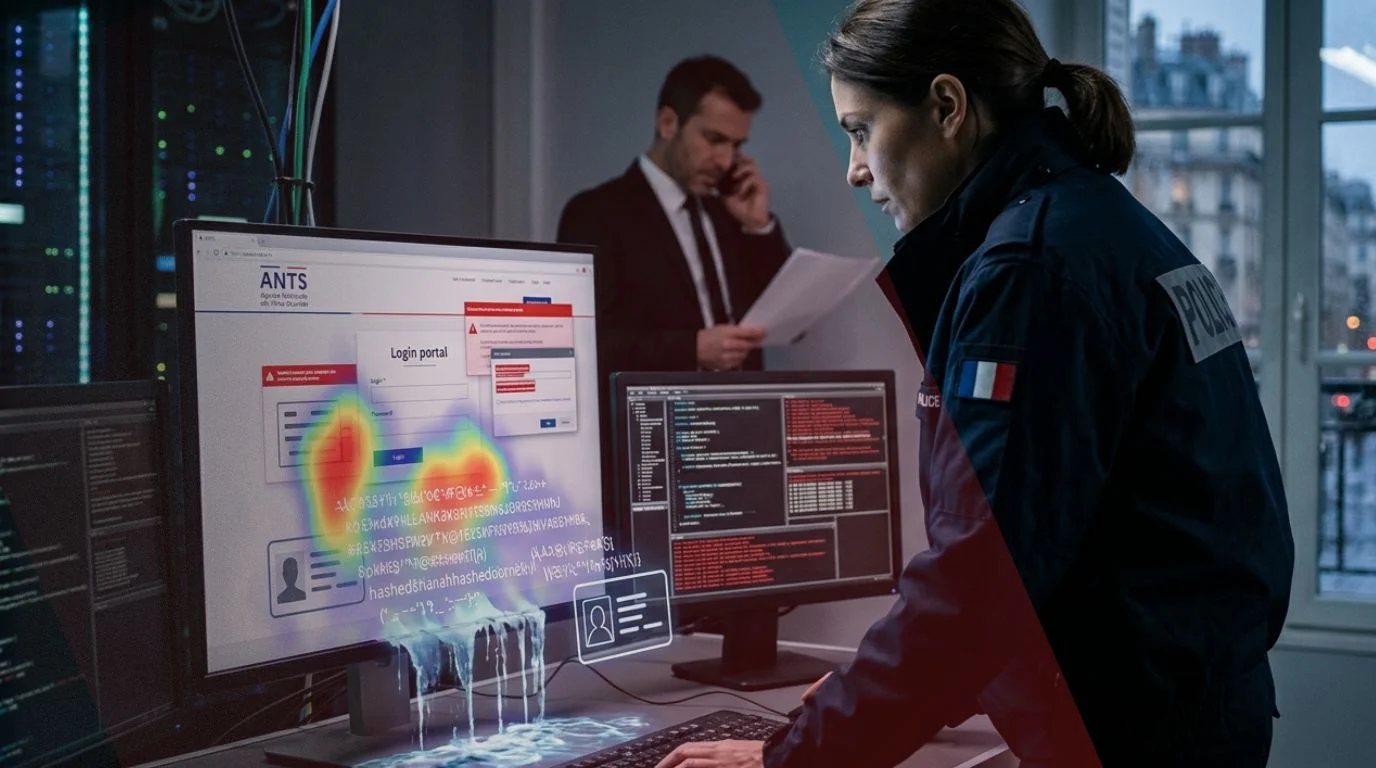





A massive breach exposed 337K LAPD-linked files, raising concerns over third-party risk, sensitive data exposure, and law enforcement cybersecurity gaps.
The post Massive Data Breach Exposes 337K LAPD-Linked Records appeared first on TechRepublic.
Operational Challenges and Temporary Adjustments
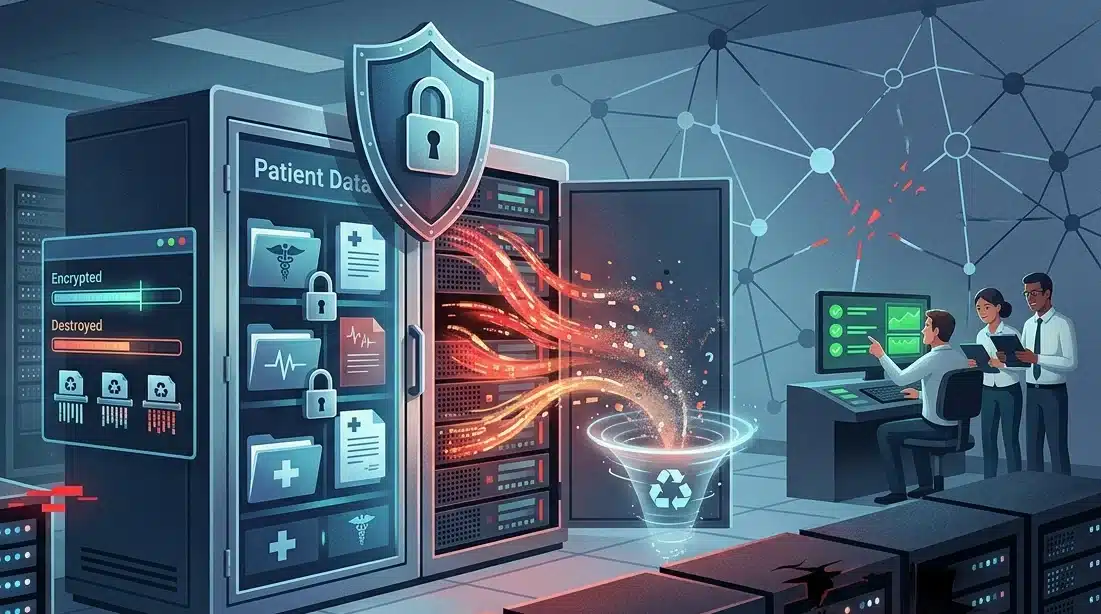
The Signature Healthcare cyberattack also affected a wide range of support services. According to updates released by the hospital: