 Entrar
The TOAD Trap: Why Scammers are Trading Malicious Links for VoIP Phone Numbers
8 de Maio de 2026, 04:11
The post The TOAD Trap: Why Scammers are Trading Malicious Links for VoIP Phone Numbers appeared first on Daily CyberSecurity.


Unit 42 analyzes npm supply chain evolution post-Shai Hulud. Discover wormable malware, CI/CD persistence, multi-stage attacks and more.
The post The npm Threat Landscape: Attack Surface and Mitigations (Updated May 1) appeared first on Unit 42.


O DarkSword e o Coruna são novas ferramentas utilizadas em ataques invisíveis a dispositivos iOS. Esses ataques não exigem interação do usuário e já estão sendo usados em larga escala por agentes mal-intencionados. Antes do surgimento dessas ameaças, a maioria dos usuários do iPhone não precisava se preocupar com a segurança de dados. Poucos grupos realmente se preocupavam com isso, como políticos, ativistas, diplomatas, executivos de negócios de alto nível e pessoas que lidam com dados extremamente confidenciais, já que eles poderiam vir a ser alvos de agências de inteligência estrangeiras. Já discutimos spywares avançados usados contra esses grupos anteriormente, e observamos como era raro encontrá-los.
No entanto, o DarkSword e o Coruna, descobertos por pesquisadores no início deste ano, são revolucionários. Esses malwares estão sendo usados em infecções em massa de usuários comuns. Nesta postagem, explicamos por que essa mudança ocorreu, os riscos dessas ferramentas e como se proteger.
Em meados de março de 2026, três equipes de pesquisa diferentes coordenaram a divulgação das suas descobertas sobre um novo spyware chamado de DarkSword. Essa ferramenta é capaz de invadir silenciosamente dispositivos com o iOS 18, sem que o usuário perceba que algo está errado.
Primeiro, devemos esclarecer uma coisa: o iOS 18 não é tão antigo quanto parece. Embora a versão mais recente seja o iOS 26, a Apple revisou recentemente o sistema de versões, surpreendendo a todos. A empresa decidiu avançar oito versões (da 18 diretamente para a 26) para que o número do sistema operacional correspondesse ao ano atual. Apesar disso, a Apple estima que cerca de um quarto de todos os dispositivos ativos ainda executam o iOS 18 ou uma versão anterior.
Agora que isso já foi esclarecido, vamos voltar a falar sobre o DarkSword. A pesquisa mostra que esse malware infecta as vítimas quando elas visitam sites perfeitamente legítimos que contêm códigos maliciosos. O spyware se instala sem qualquer interação do usuário: basta acessar uma página comprometida. Isso é conhecido como técnica de infecção zero clique. Os pesquisadores relatam que milhares de dispositivos já foram infectados desta forma.
Para comprometer um dispositivo, o DarkSword usa uma cadeia de exploits com seis vulnerabilidades para evitar o sandbox, aumentar privilégios e executar código. Assim que o dispositivo é infectado, o malware consegue coletar dados, incluindo:
Além disso, o DarkSword coleta dados de carteiras de criptomoedas, atuando como malware de dupla finalidade para espionagem e roubo de criptoativos.
A única boa notícia é que o spyware não sobrevive a uma reinicialização. O DarkSword é um malware sem arquivo, o que significa que ele vive na RAM do dispositivo e nunca se incorpora ao sistema de arquivos.
Apenas duas semanas antes da descoberta do DarkSword se tornar pública, os pesquisadores revelaram outra ameaça que tinha o iOS como alvo, chamada de Coruna. Esse malware consegue comprometer dispositivos que executam softwares mais antigos, especificamente as versões 13 a 17.2.1 do iOS. O método utilizado pelo Coruna é exatamente igual ao do DarkSword: as vítimas visitam um site legítimo injetado com código malicioso que, em seguida, infecta o dispositivo delas com o malware. Todo o processo é completamente invisível e não requer interação do usuário.
Uma análise detalhada do código do Coruna revelou que ele explora 23 vulnerabilidades distintas do iOS, várias delas localizadas no WebKit da Apple. Vale lembrar que, de um modo geral (fora da UE), todos os navegadores iOS precisam usar o mecanismo WebKit. Isso significa que essas vulnerabilidades não afetam apenas os usuários do Safari, mas também qualquer pessoa que use outros navegadores no iPhone.
A versão mais recente do Coruna, assim como o DarkSword, inclui modificações projetadas para drenar carteiras de criptomoedas. Ele também coleta fotos e, em alguns casos, informações de e-mails. Ao que tudo indica, roubar criptomoedas parece ser o principal motivo da implementação generalizada do Coruna.
A análise do código de ambas as ferramentas sugere que o Coruna e o DarkSword provavelmente foram desenvolvidos por grupos diferentes. No entanto, ambos são softwares criados por empresas patrocinadas pelo governo, possivelmente dos EUA. Isso se reflete na alta qualidade do código: não são kits montados com partes aleatórias, mas exploits projetados de forma uniforme. Em algum momento, essas ferramentas vazaram e foram parar nas mãos de gangues de cibercriminosos.
Os especialistas da GReAT, da Kaspersky, analisaram todos os componentes do Coruna e confirmaram que o kit de exploração é uma versão atualizada da estrutura usada na Operação Triangulação. Esse ataque anterior tinha como alvo os funcionários da Kaspersky, uma história que abordamos em detalhes neste blog.
Uma teoria sugere que um funcionário da empresa que desenvolveu o Coruna vendeu o malware para hackers. Desde então, ele tem sido usado para drenar carteiras de criptomoedas de usuários na China. Alguns especialistas estimam que pelo menos 42 mil dispositivos foram infectados somente neste país.
Quanto ao DarkSword, os cibercriminosos já o usaram para infectar dispositivos de usuários na Arábia Saudita, Turquia e Malásia. O problema se agrava pelo fato de que os invasores que implementaram o DarkSword deixaram o código-fonte completo nos sites infectados, facilitando a detecção dele por outros grupos criminosos.
O código também inclui comentários detalhados explicado exatamente o que faz cada componente, reforçando a hipótese de que ele surgiu no Ocidente. Essas instruções detalhadas tornam mais fácil para outros hackers adaptarem a ferramenta para interesses próprios.
Dois malwares poderosos que permitem a infecção em massa de iPhones sem exigir qualquer interação do usuário caíram nas mãos de um grupo essencialmente ilimitado de cibercriminosos. Para ser infectado pelo Coruna ou pelo DarkSword, basta que você visite o site errado na hora errada. Portanto, este é um daqueles casos em que todos os usuários precisam levar a sério a segurança do iOS, não apenas aqueles que pertencem a grupos de alto risco.
A melhor coisa a fazer para se proteger do Coruna e do DarkSword é atualizar assim que possível os dispositivos para a versão mais recente do iOS ou do iPadOS 26. Se isso não for possível (por exemplo, se o dispositivo for mais antigo e não compatível com o iOS 26), ainda assim é recomendado baixar a versão mais recente disponível. Especificamente, procure as versões 15.8.7, 16.7.15 ou 18.7.7. A Apple aplicou correções em vários sistemas operacionais mais antigos, o que é raro.
Para proteger os dispositivos Apple contra malwares semelhantes que provavelmente aparecerão no futuro, recomendamos fazer o seguinte:
A ideia de que os dispositivos da Apple são à prova de balas é um mito. Eles são vulneráveis a ataques de zero clique, cavalos de Troia e técnicas de infecção ClickFix. Além disso, aplicativos maliciosos já foram encontrados na App Store mais de uma vez. Leia mais aqui:
- Predador vs. iPhone: a arte da vigilância invisível
- AirBorne: Ataques a dispositivos da Apple através de vulnerabilidades no AirPlay
- Os seus fones de ouvido Bluetooth estão espionando você?
- O trojan para roubo de dados SparkCat penetra na App Store e no Google Play para roubar dados de fotos
- Banshee: um malware de roubo de dados que persegue usuários do macOS

Unit 42 research on multi-agent AI systems on Amazon Bedrock reveals new attack surfaces and prompt injection risks. Learn how to secure your AI applications.
The post When an Attacker Meets a Group of Agents: Navigating Amazon Bedrock's Multi-Agent Applications appeared first on Unit 42.

Munition remnants pictured at the site of a strike that killed at least 17 people in the town of Tiné, Chad, last week appear to match a weapon previously used by Sudan’s Rapid Support Forces (RSF) in the war with Sudanese government forces – despite RSF denials of involvement in the incident.
Photographs showed what appeared to be a match for the rear control section of a Chinese-made GB25A or GB50A bomb, which can be dropped by Chinese-made drones. Amnesty International previously identified a GB50A used by the RSF that it said had “almost certainly” been re-exported to the group by the UAE.
The first photographs of the remnants were posted by Chad’s by ATPE CHAD publication, which reported a public prosecutor had visited the site of impact.
A separate set of photographs showing even clearer visuals of the remnants was subsequently shared by the N’Djamena-based broadcaster MRTV. It’s Facebook page showed Chadian soldiers standing beside the remnants.
Images were also posted by posted on Facebook by the Department of Public Safety and Immigration in Chad.
By using the time displayed on a watch worn by an official in one of the pictures it was possible to estimate that the images were likely taken in the late afternoon. By comparing this with solar data, the shadows visible in the photos and other visual details, it was then possible to infer the approximate layout of nearby buildings and the distribution of trees where the remnants were found.
With this information, and using satellite imagery, we then geolocated the photos to the northwest of the Bir Tine neighbourhood, just 650 metres from the border with the Western Darfur region of Sudan that is largely controlled by the RSF.
Remnants from the control sections of other GB25A or GB50A bombs have previously been found after RSF attacks in Sudan, including attacks on Kassala Airport and Coral Marina Hotel in Port Sudan (as seen in the images below).
BBC News reported that the RSF is suspected of carrying out the attack.
However, the RSF has denied any involvement and blamed Sudan’s army, the Sudanese Armed Forces (SAF). The SAF has in turn said the RSF was responsible. Chad’s president on Thursday ordered the military to retaliate against future attacks from Sudan.
Your donations directly contribute to our ability to publish groundbreaking investigations and uncover wrongdoing around the world.
RSF spokesperson Al-Fateh Qurashi told Bellingcat via WhatsApp: “Our forces are not responsible for any targeting of neighboring Chad, and we have no connection to this targeting.” Qurashi instead blamed forces aligned with the Sudanese government over the strike.
Imran Abdullah, an adviser to the RSF commander, told Bellingcat via WhatsApp that satellite imagery tracked the drone and that it belonged to the forces aligned with the Sudanese government. However, Abdullah refused to share the imagery he referred to saying: “It can be published if an independent international commission of inquiry is in place.”
The SAF are not known to use any Chinese-made drones or bombs, like the GB25A or GB50A. The SAF has been observed using Turkish and Iranian made drones and munitions such as the MAM-L bomb.
Bellingcat sought comment on the use of these weapons from the Chinese manufacturer, Norinco, as well as the UAE given Amnesty’s previous reports about how a GB50A was used by the RSF after “almost certainly” being re-exported to Sudan. Neither responded prior to publication.
The conflict has previously spilled over the border into Chad. Reuters reported last month the country closed its border with Sudan after five Chadian soldiers were killed following clashes in Tiné between the RSF and militia fighters loyal to the Sudanese government.
Ziyu Wan and Riccardo Giannardi contributed from Bellingcat’s volunteer community.
Bellingcat is a non-profit and the ability to carry out our work is dependent on the kind support of individual donors. If you would like to support our work, you can do so here. You can also subscribe to our Patreon channel here. Subscribe to our Newsletter and follow us on Bluesky here, Instagram here, Reddit here and YouTube here.
The post Munition Remnants Pictured at Site of Deadly Chad Strike Match Weapon Previously Used by Sudan’s RSF appeared first on bellingcat.
The Council of the European Union has imposed sanctions on three companies and two individuals linked to cyberattacks against EU countries and partners.
“The Council adopted today restrictive measures against three entities and two individuals responsible for cyber-attacks carried out against EU member states and EU partners.” reads the press release.
The first sanctioned China-based company is Integrity Technology Group, which supported operations that compromised over 65,000 devices across six EU member states between 2022 and 2023. In January 2025, the U.S. Treasury sanctioned Integrity Tech for links to cyberattacks by China’s state-backed Flax Typhoon APT group (also called Ethereal Panda or RedJuliett).
The China-linked APT group used Integrity Tech’s infrastructure to launch cyberattacks on European and U.S. networks since the summer of 2022. Flax Typhoon is a China-linked hacking group that has been active since 2021, it targets critical infrastructure globally, exploiting vulnerabilities for persistent access.
The second sanctioned China-based firm is Anxun Information Technology, which provided hacking services targeting critical infrastructure. Two Chinese co-founders were sanctioned for directly participating in cyberattacks against EU member states. In March 2025, the U.S. sanctioned Anxun Information Technology (i-Soon) for offering hacker-for-hire services and conducting cyberattacks since 2011. A 2024 data leak exposed its internal operations and tools.
The sanctioned company is the Iranian firm Emennet Pasargad, which breached a French subscriber database and tried to sell the data online. It also spread disinformation by hacking advertising billboards during the Paris 2024 Olympic Games and disrupted a Swedish SMS service, affecting many EU citizens.
Those sanctioned face asset freezes, while EU citizens and companies are banned from providing them funds or resources. Individuals are also subject to travel bans within the EU. With these additions, the EU cyber sanctions regime now covers 19 individuals and 7 entities.
“The move highlights the EU’s commitment to responding firmly to ongoing cyber threats and working with international partners to ensure a secure and stable cyberspace.
“Today’s decision confirms EU’s and its member states’ willingness to provide a strong and sustained response to persistent malicious cyber activities targeting the EU, its member states and partners.” concludes the press release. “The EU and its member states will continue to cooperate with our international partners to promote an open, free, stable and secure cyberspace.”
The EU created its “cyber diplomacy toolbox” in 2017 to prevent and respond to cyber threats using diplomatic and restrictive measures. In 2019, it added a sanctions framework to target cyberattacks posing external threats to the EU and its members.
(SecurityAffairs – hacking, EU critical infrastructure)
Apple announcement:
…iPhone and iPad are the first and only consumer devices in compliance with the information assurance requirements of NATO nations. This enables iPhone and iPad to be used with classified information up to the NATO restricted level without requiring special software or settings—a level of government certification no other consumer mobile device has met.
This is out of the box, no modifications required.
Boing Boing post.
Compare Okta vs Microsoft Entra ID for enterprise SSO. Learn differences in authentication, security, and identity management for SaaS and enterprise platforms.
The post Okta vs Microsoft Entra ID: Which Enterprise SSO Platform Is Better? appeared first on Security Boulevard.

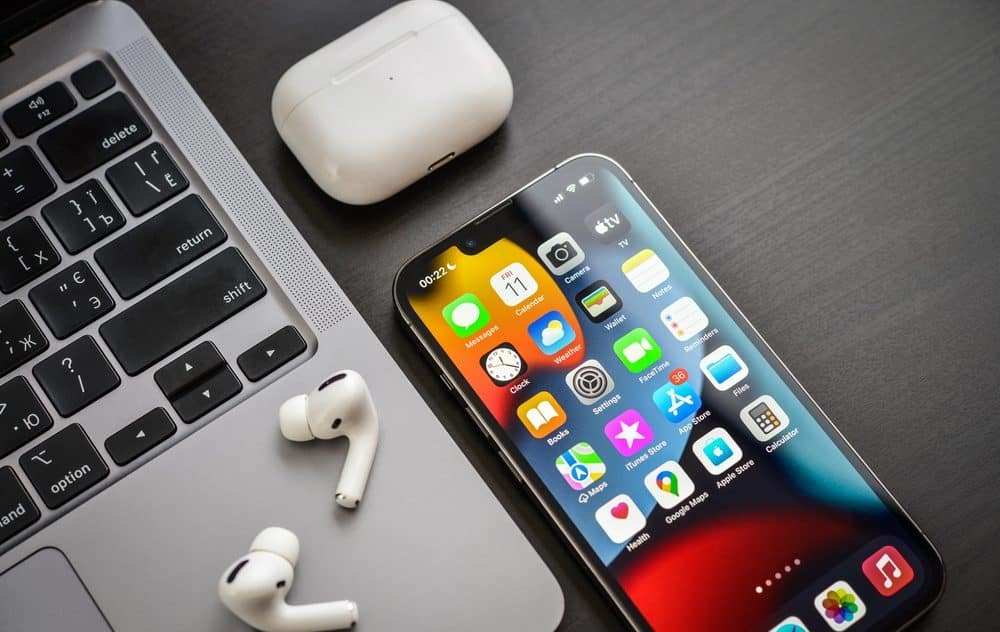
iPhone and iPad running iOS 26 can now handle restricted NATO information without special software, though security experts warn consumer devices create new attack surfaces.
Apple announced Thursday that iPhone and iPad became the first consumer mobile devices approved to handle classified NATO information up to the restricted level, following extensive security testing by Germany's Federal Office for Information Security.
The certification enables NATO personnel across all member nations to use standard iOS 26 and iPadOS 26 devices for restricted data without requiring specialized software, containerization or additional security layers—a milestone no other consumer device manufacturer has achieved.
Germany's BSI conducted exhaustive technical assessments, comprehensive testing and deep security analysis to verify Apple's built-in platform security capabilities met NATO nations' operational and assurance requirements. The devices now appear on NATO's Information Assurance Product Catalogue, formally recognizing that Apple's hardware-software integration provides adequate protections for restricted classified information.
"Secure digital transformation is only successful if information security is considered from the beginning in the development of mobile products," said Claudia Plattner, BSI's president. The certification builds on Apple's previous approval to handle classified German government data using native iOS and iPadOS security measures without third-party modifications.
Apple stressed that its security architecture differs fundamentally from traditional approaches requiring bespoke solutions. "Prior to iPhone, secure devices were only available to sophisticated government and enterprise organizations after a massive investment in bespoke security solutions," said Ivan Krstić, Apple's vice president of Security Engineering and Architecture. "Instead, Apple has built the most secure devices in the world for all its users, and those same protections are now uniquely certified under assurance requirements for NATO nations."
The certification relies on Apple's integrated security features including hardware-based encryption through the Secure Enclave processor, biometric authentication via Face ID, Memory Integrity Enforcement preventing code injection attacks, and comprehensive device encryption that protects data at rest and in transit. These capabilities operate across Apple's custom silicon, operating system and applications without requiring users to enable special modes or install government-specific software.
NATO's "restricted" classification represents the alliance's lowest tier for classified information, covering data requiring protection but not meeting thresholds for confidential, secret or top secret designations. Restricted information typically includes operational planning details, logistics coordination and administrative documents that could aid adversaries if disclosed but would not directly compromise critical security operations.
The approval marks a pragmatic shift in how governments balance security requirements against operational flexibility. NATO personnel can now use familiar consumer devices rather than specialized hardened phones that typically cost thousands of dollars per unit, offer limited functionality and create friction in daily workflows. The consumer device approval potentially saves member nations substantial procurement costs while improving user adoption.
However, security experts note that consumer devices certified for government use introduce considerations absent from purpose-built secure communications platforms. Unlike specialized government phones designed exclusively for classified communications, iPhones and iPads run consumer applications, connect to public networks and integrate with cloud services creating expanded attack surfaces.
A cryptography professor at a known U.S. University, told The Cyber Express that he would still want to be cautious on this since in the past few years, Apple's security architecture has been proven to have consumer threats, including nation-state adversaries targeting NATO countries. "The question isn't whether Apple has good security—they do. It's whether consumer devices designed for billions of users can adequately protect against targeted attacks by adversaries specifically hunting for NATO intelligence," he said.
The certification also raises questions about long-term support and update requirements. Consumer devices receive operating system updates for limited periods before Apple designates them obsolete. Government security requirements typically demand decades-long support commitments that conflict with consumer product lifecycles where devices become outdated within five years.
Apple has not disclosed whether NATO members negotiated extended support agreements, how the company will handle security vulnerabilities discovered in iOS 26 after consumer support ends, or whether classified data handling requires organizations to prevent users from installing consumer applications that could introduce risks.
The announcement follows Apple's decade-long effort to gain U.S. government security clearances. The U.S. Department of War (formerly know as Department of Defense) approved iPhones for handling certain classified information in 2013-14, though those implementations required mobile device management software and container applications separating classified data from personal use—requirements NATO's certification explicitly eliminates.
Despite concerns, the NATO approval represents validation that Apple's security-by-design approach can meet rigorous government standards for protecting sensitive information, potentially encouraging other consumer technology manufacturers to prioritize security architecture capable of government certification rather than relying on post-hoc security layers.

An single threat actor used AI tools to create and run a campaign that compromised more then 600 Fortinet FortiGate appliances around the world over five weeks, according to Amazon threat researchers, the latest example of how cybercriminals are using the technology in their attacks.
The post Attacker Breached 600 FortiGate Appliances in AI-Assisted Campaign: Amazon appeared first on Security Boulevard.
Microsoft patches CVE-2026-20841, a high-severity Windows Notepad flaw that could allow code execution via malicious Markdown files.
The post Microsoft: Critical Security Issue Found in Windows Notepad appeared first on TechRepublic.
The dataset allegedly includes names, email addresses, postal addresses, phone numbers, and account-related details.
The post ShinyHunters Claims 14M Panera Bread Records Exposed in Data Breach appeared first on TechRepublic.
