Visualização normal

Antes de ontemStream principal

Inside the 2026 SMB threat landscape: From phishing and scams to fake AI tools

Small and medium-sized businesses (SMBs) remain attractive targets for cybercriminals – in both mass cyberattacks and sophisticated campaigns targeting larger enterprises through trusted relationship attacks. At the same time, smaller businesses may lack the robust cybersecurity policies and necessary resources to protect themselves against an evolving threat landscape.

Kaspersky believes that raising awareness can help small and medium-sized enterprises develop an effective protection strategy. Ahead of International SMB Day on June 27, Kaspersky presents the findings of its 2026 threat analysis for SMBs, which includes real-world examples of attacks.

Key findings

  • In the first four months of 2026, Kaspersky solutions detected over 33,300 cyberattacks on SMBs masquerading as popular artificial intelligence (AI) tools – almost five times more than in 2025 and 39% more than the number of attacks disguised as the office and collaboration tools that Kaspersky’s research focuses on.
  • Popular messengers and communication services remained the attacker’s most widespread lure, with almost 415,000 attacks involving fake messenger apps and video conferencing software.
  • The attackers follow trends: the AI tools Claude and OpenClaw (ex-ClawdBot/MoltBot), which have gained popularity in 2026, were among the common AI lures.
  • Fraudsters use fake AI tools to scam businesses out of money, while corporate accounts on social media also remain targets.
  • The majority of initial accesses to corporate infrastructures sold on the dark web are allegedly accesses to SMBs. This could be because SMBs tend not to be as well protected as large enterprises and, at the same time, may be trusted contractors for those well-protected enterprises.

Malware and potentially unwanted applications (PUAs) disguised as popular services

Kaspersky researchers used data from Kaspersky Security Network (KSN) to explore how frequently malicious and unwanted files are disguised as legitimate applications that may be used by SMBs. KSN is a system for processing anonymized cyberthreat-related data shared voluntarily by Kaspersky users. For this part of the report, only anonymized data received from users of Kaspersky solutions for SMBs were analyzed.

According to a survey by the Small Business & Entrepreneurship Council (SBE Council), small business owners continue to embrace artificial intelligence and digital transformation as they maintain a generally positive outlook on the economy. Threat actors are also aware of the hype surrounding AI and exploit it for their own benefit. In particular, they actively distribute cyberthreats under the guise of popular AI services.

From January to April 2026, Kaspersky solutions detected 33,352 attacks on SMB users in which malware or potentially unwanted applications for PCs were disguised as five popular AI services. This figure represents an increase of almost five times compared to the previous year. This highlights an evolving trend in which threat actors are weaponizing trust in widely used AI platforms and services, especially popular ones like Claude. Kaspersky experts note that it’s important to download apps from official sources and to verify which apps are available for which platforms.

Share of attacks targeting SMBs in which malware or PUAs mimic the five popular, legitimate AI apps that Kaspersky’s research focuses on, first four months of 2025 and 2026 (download)

In the first four months of 2026, Kaspersky researchers also identified more than 1,100 unique samples of malware and PUAs detected in the SMB sector that masqueraded as five popular AI applications, representing a 21% increase compared to the same period of 2025. The samples were mainly different types of Trojware (Trojans and Trojan-like malware), including those capable of downloading and running other malware on compromised devices. Trojware disguises itself as harmless files to trick users into installing them. Their functionality may vary depending on the particular type of Trojware. This may include stealing, deleting, blocking, modifying or copying users’ data, as well as other malicious actions. Trojware therefore represents a highly dangerous cyberthreat to entrepreneurs and businesses.

Kaspersky experts also note that the threat landscape is constantly evolving with new lures appearing all the time. For example, in the first four months of 2026, Kaspersky solutions blocked hundreds of attacks in which malware or PUAs for PCs were disguised as OpenClaw (previously known as Clawdbot or Moltbot).

Other lures for SMBs: Fake communication apps and office software

Kaspersky analysts also explored how attackers leverage other legitimate applications as lures to target SMBs. For example, from January to April 2026, Kaspersky solutions blocked 414,736 attacks on SMB users in which malicious software or PUAs for PCs were disguised as the popular communication apps that Kaspersky’s report focuses on. The number of attacks changed marginally compared to the previous year’s figure, indicating that the lure of fake communication apps remains a serious cyberthreat.

Share of attacks targeting SMBs in which malware or PUAs mimic the four legitimate communication apps covered by Kaspersky’s research, first four months of 2025 and 2026 (download)

Various fake office applications and collaborative platforms also remain among the lures that attackers may exploit to target SMBs. According to Kaspersky telemetry, more than 24,000 attacks were detected from January to April 2026 in which malware or PUAs for PCs were disguised as specific office applications.

Share of attacks targeting SMBs in which malware or PUAs mimic the six popular office applications and collaboration tools covered by Kaspersky’s research, first four months of 2025 and 2026 (download)

In 2026, AI-related baits have become more widespread among cybercriminals than traditional fake office and collaboration tools. Kaspersky experts note that the more publicity and hype there is around certain tools, the more likely a user is to come across a fake package online.

Scammers and phishers tricking victims into providing credentials and funds

In 2026, Kaspersky researchers observed a wide range of phishing campaigns and scams targeting businesses and entrepreneurs. Fraudsters mimic financial and AI services as well as other platforms in order to steal credentials, personal information and funds.

In the following example, fraudsters disguise themselves as a bank that allegedly offers services for businesses (in other similar schemes they may offer business loans). Entrepreneurs are prompted to visit a scam website and enter their data to open a business account. The requested information varies depending on the scam, but may include name, email address, phone number, social security number, date of birth and address. Scammers may then use this data in their schemes or sell it on the dark web.

Kaspersky experts advise: if you encounter such a website, you should not rush to enter any data. First, examine it. Does the purported financial organization actually exist? How old is the website? Check the WHOIS records and read user reviews before entering any information on the page.

Example of a scam page targeting entrepreneurs

Example of a scam page targeting entrepreneurs

As with many other cyberthreats, AI services are also leveraged as a lure in scams. For example, Kaspersky experts identified a scam website for an AI service “built for contractors”. According to the text on the fraudulent page, the tool can help with “estimates, invoices and schedule”. However, in reality, in such schemes victims usually receive nothing after paying for a subscription, while the scammers get all the money.
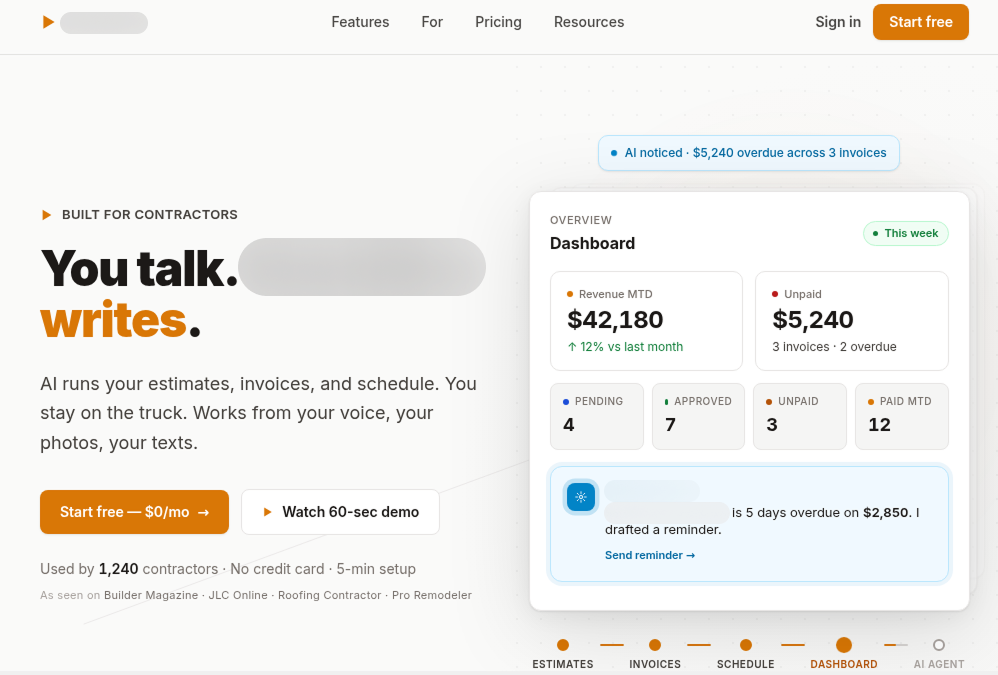
Example of a scam page promoting an AI tool

Example of a scam page promoting an AI tool

Kaspersky experts note that business accounts on social networks and messengers remain attractive targets for cybercriminals in 2026. In one scheme, phishers distributed notifications with fake alerts related to companies’ business pages. The notifications claimed that Facebook’s review system had detected behavior that seriously violated its Community Standards and Advertising Policies. To avoid permanent restriction of their business page on the social network, owners were prompted to fill out an appeal form and provide personal and business email addresses, phone numbers, as well as the name of their business page and the password for their social network account. The attackers’ goal was to obtain credentials. To reduce user vigilance  and appear legitimate, fraudsters also sent victims a fake appeal code.
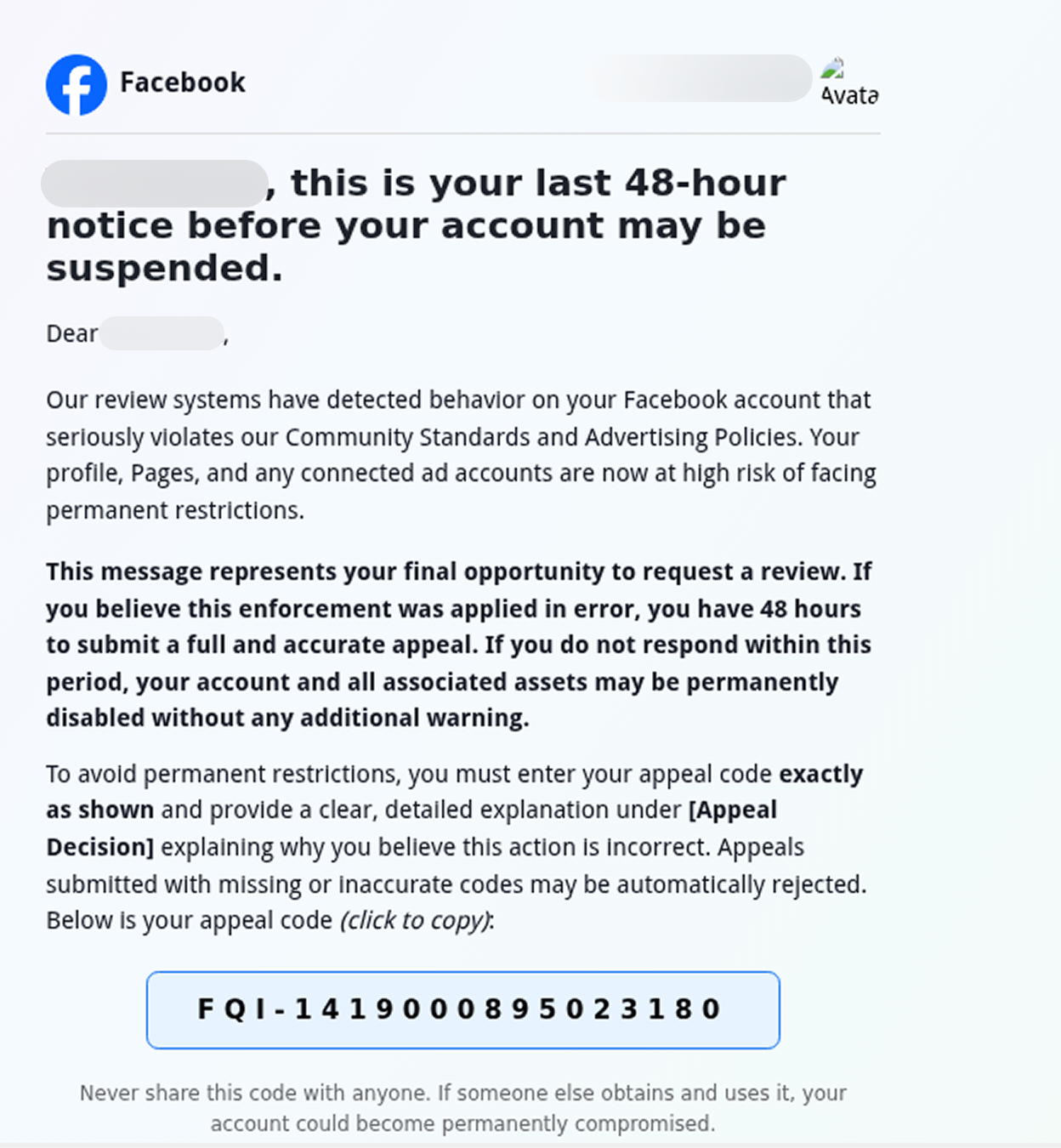
Example of a fake notification

Example of a fake notification

Email threats: Fake online documents and exploitation of legitimate platforms

Email remains one of the most widely used channels for cyberattacks targeting enterprises, including small and medium-sized businesses. In 2026, attackers have frequently combined email distribution with the exploitation of legitimate third-party platforms. This is how phishers and scammers usually attempt to bypass traditional email filters and exploit user trust in reputable services. Kaspersky researchers have also observed a large number of schemes targeting corporate users in which phishers and scammers use fake online documents or nonexistent meetings as bait.

In one recent scheme detected by Kaspersky, the attackers sent a fake notification disguised as a letter from OneDrive. The victim was prompted to access the document by clicking a button, but in reality, it led to a phishing website where users risked losing their confidential data. To make the email appear legitimate, the attackers added a phrase designed to  lower the victim’s vigilance: “This item is encrypted and hosted within your secure cloud perimeter.” They also parsed the recipient’s email address and used the extracted data in the fake notification text so that the email looked like a standard notification from this type of service: “[email address domain as company name] has successfully uploaded a new file for [the user’s name as stated in their email address].”
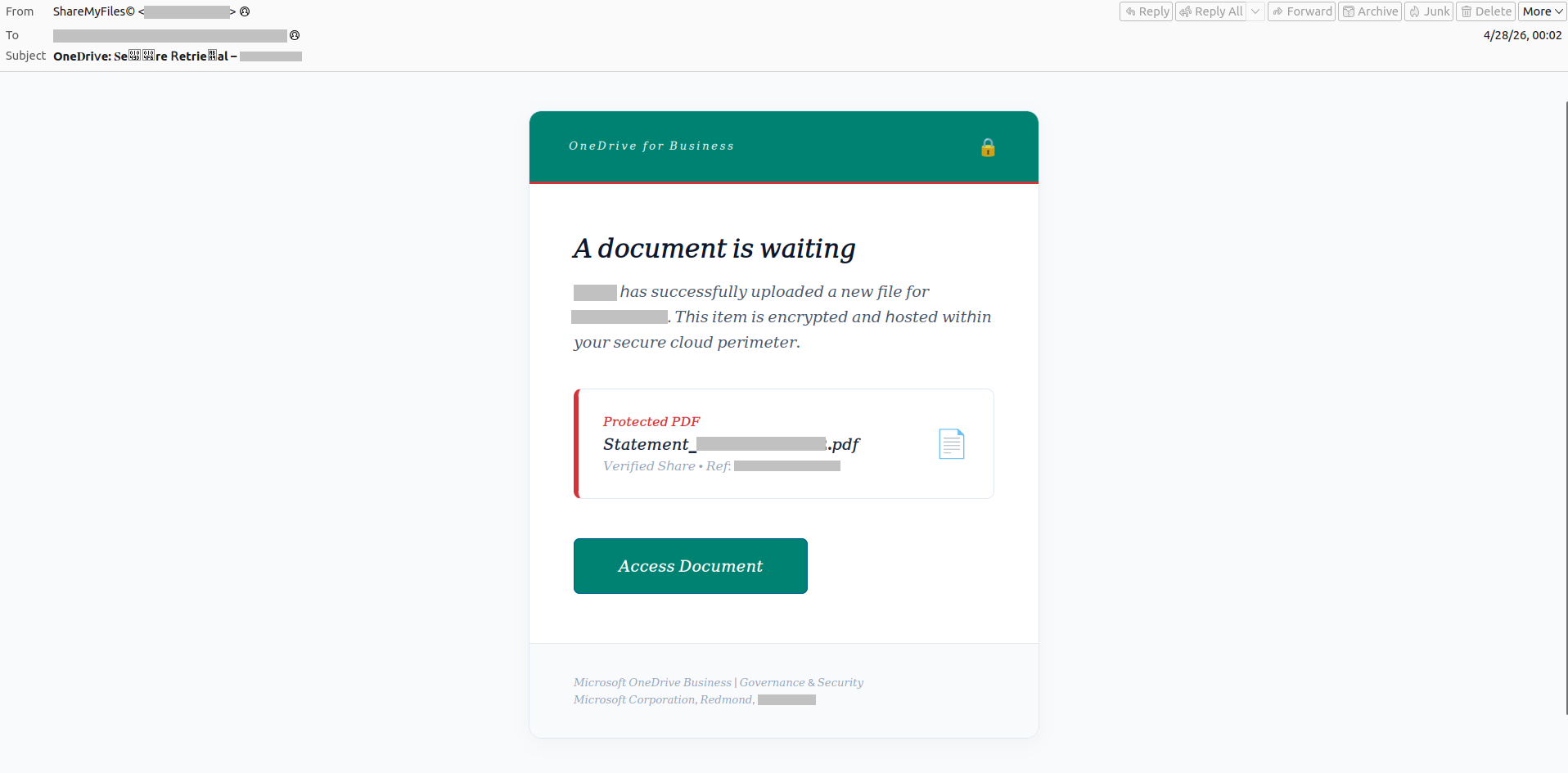
Example of a phishing scheme with fake online documents

Example of a phishing scheme with fake online documents

Attackers also use other pretexts to trick victims into sharing confidential information, for example fake compliance issues. In the example below, the attackers posed as Apple representatives. The fake notification stated: “Apple has identified a compliance issue related to Google Ads campaigns directing traffic to Apple product detail pages associated with the victim’s seller account.” However, the button in the email led to a phishing website where users are tricked into sharing confidential data.
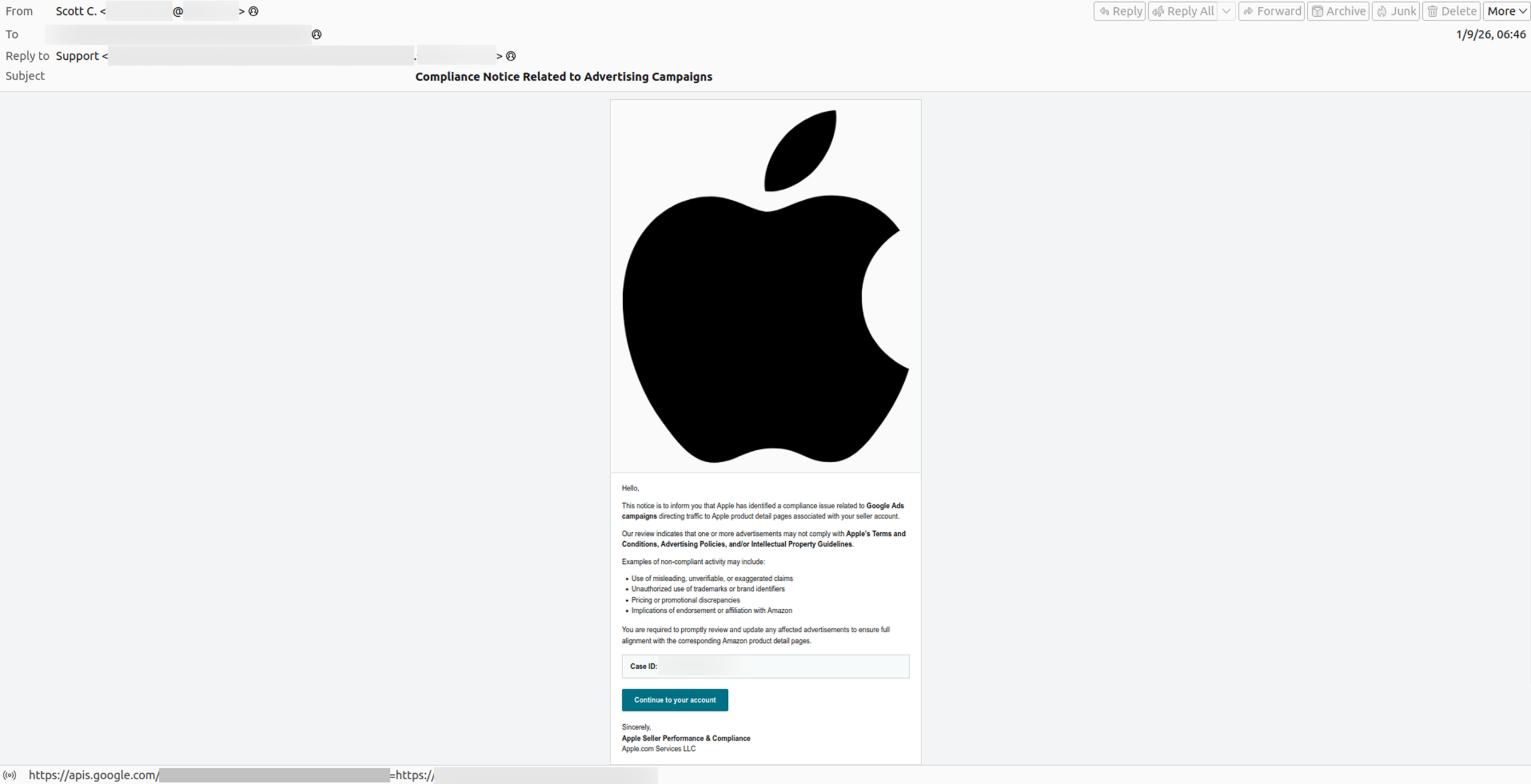
Example of a fake compliance issue notification

Example of a fake compliance issue notification

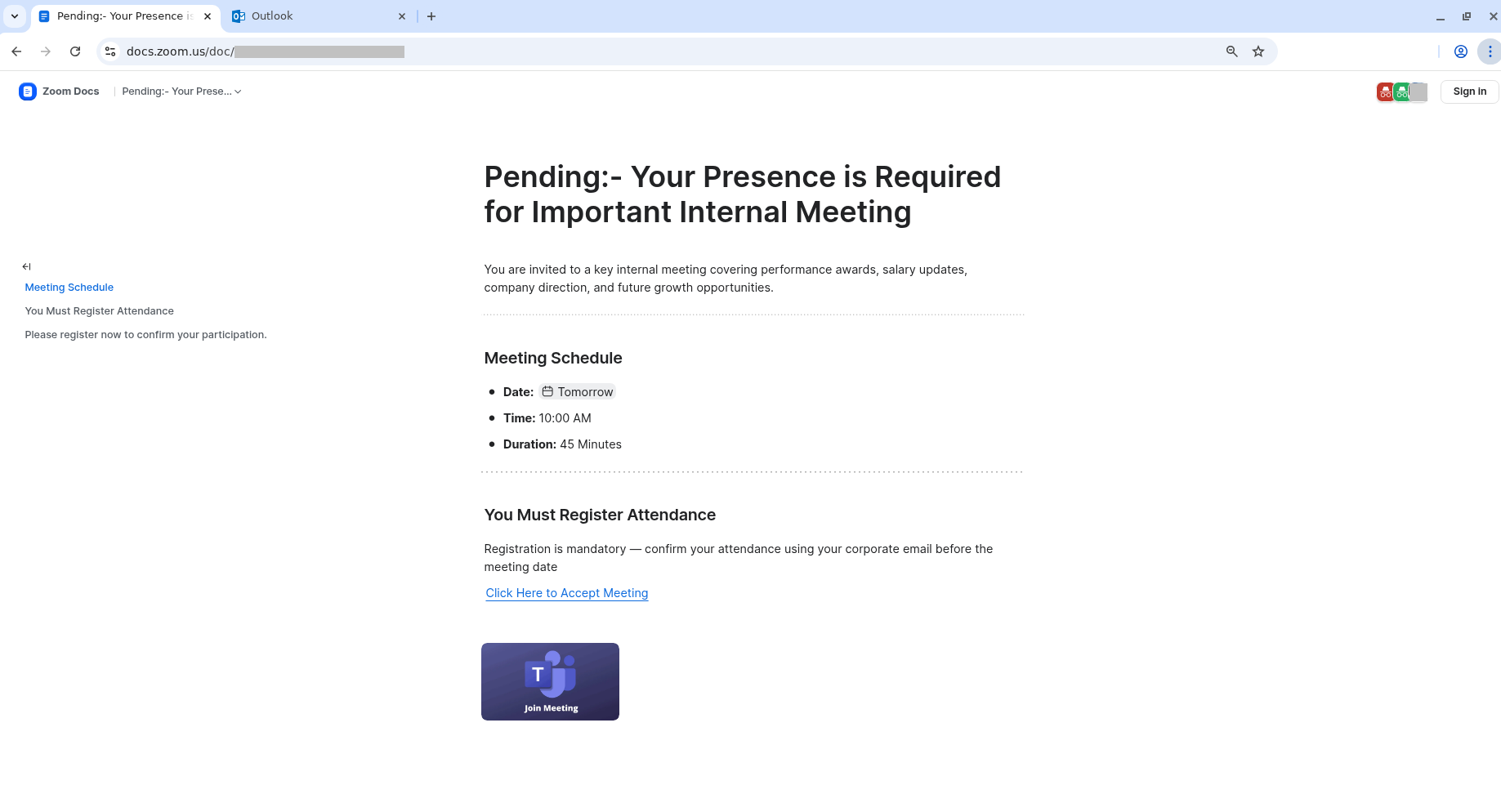
Kaspersky experts observed another notable two-stage scheme aimed at stealing credentials from corporate emails, which involved distributing an invitation to a nonexistent meeting. The scheme is deployed in two stages. In stage one, a corporate user receives an email about a fictitious meeting. After clicking the “Accept Meeting Invitation” button, the user is redirected to a legitimate Zoom Docs (previous Zoom canvas brand) page. In stage two, the victim is prompted to click a hyperlink that reads “Click Here to Accept Meeting”. However, the URL of a phishing page is hidden behind this hyperlink.
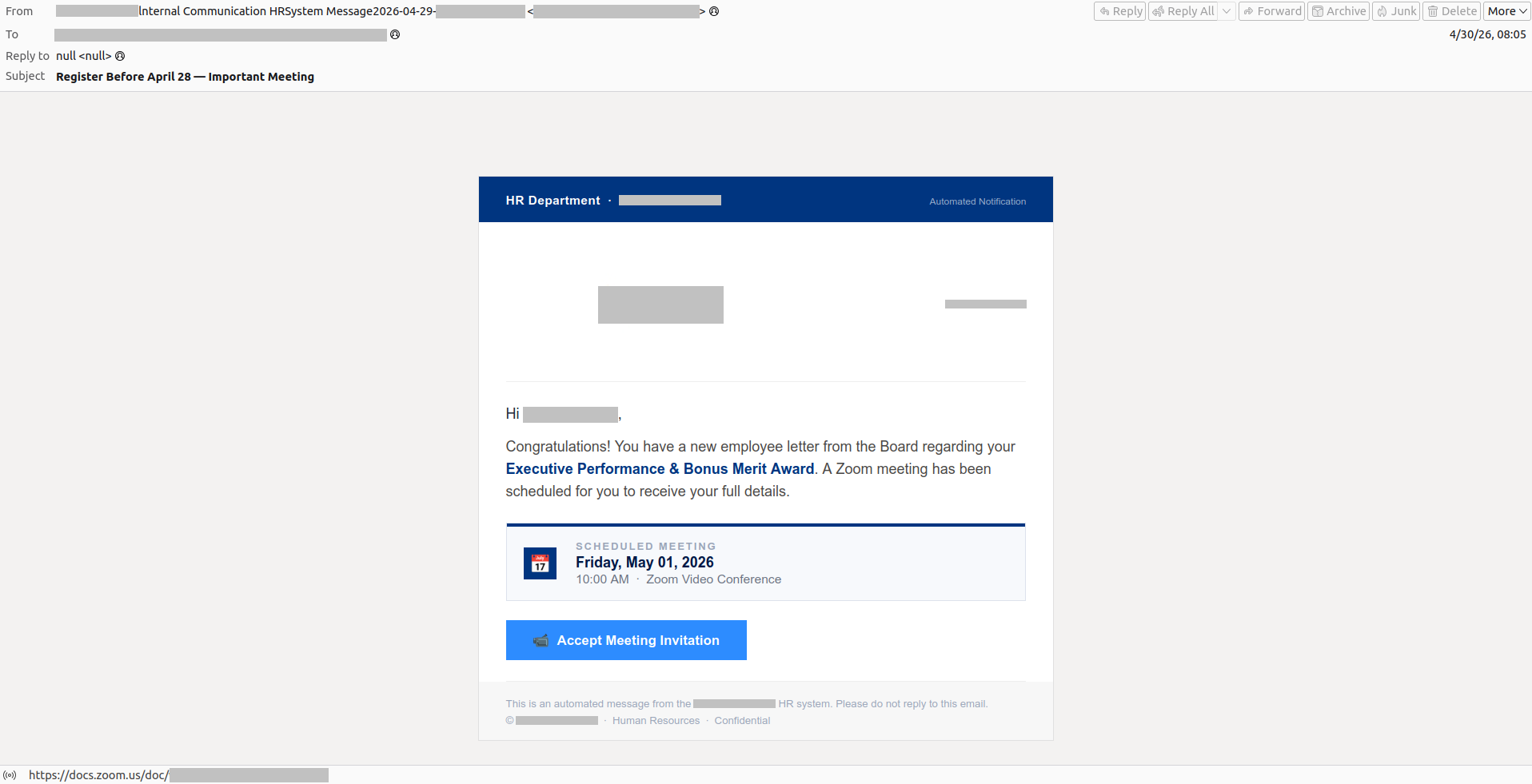
Example of an email with a fake meeting
Example of an email with a fake meeting

Zoom Docs page containing the phishing link

Zoom Docs page containing the phishing link

Malware is also actively distributed via email. In 2025, individuals and corporate users encountered over 144 million malicious and potentially unwanted email attachments, representing a 15% increase from the previous year.

Kaspersky experts note that the lures used in subject lines and texts of malicious emails can appear relatively harmless and rather unsophisticated. In the example below, the attackers target businesses with a fake request for “the best quote for the items attached.” However, the attached file actually contains a Trojan.
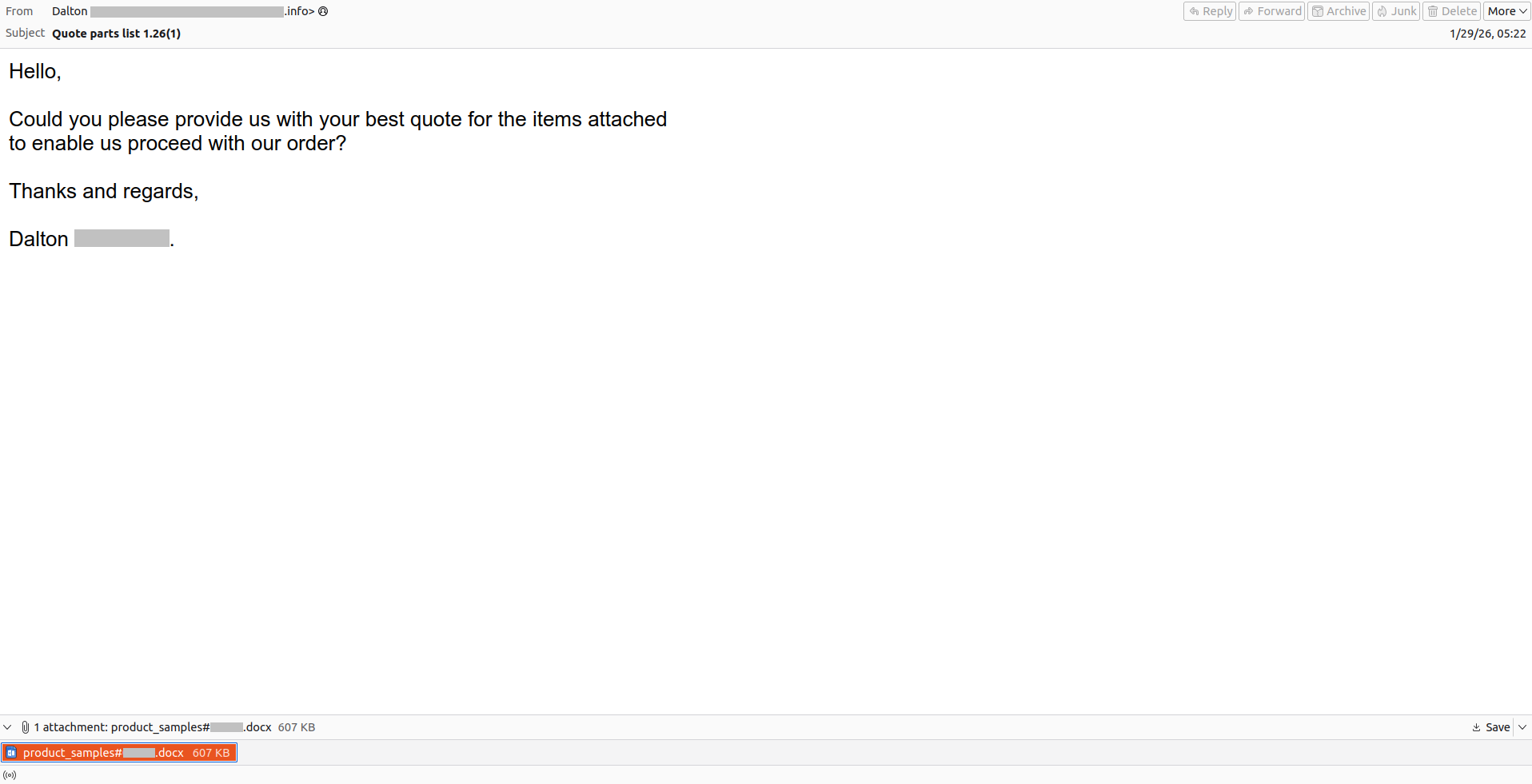
Example of a malicious email

Example of a malicious email

Corporate infrastructure access for sale: Posts on the dark web

To assess threat actor activity, Kaspersky Digital Footprint Intelligence experts analyzed hundreds of posts offering initial access to corporate infrastructures published on dark web forums from January to April of both 2025 and 2026. Kaspersky experts note that a single post may contain several offers for access to different allegedly compromised companies.
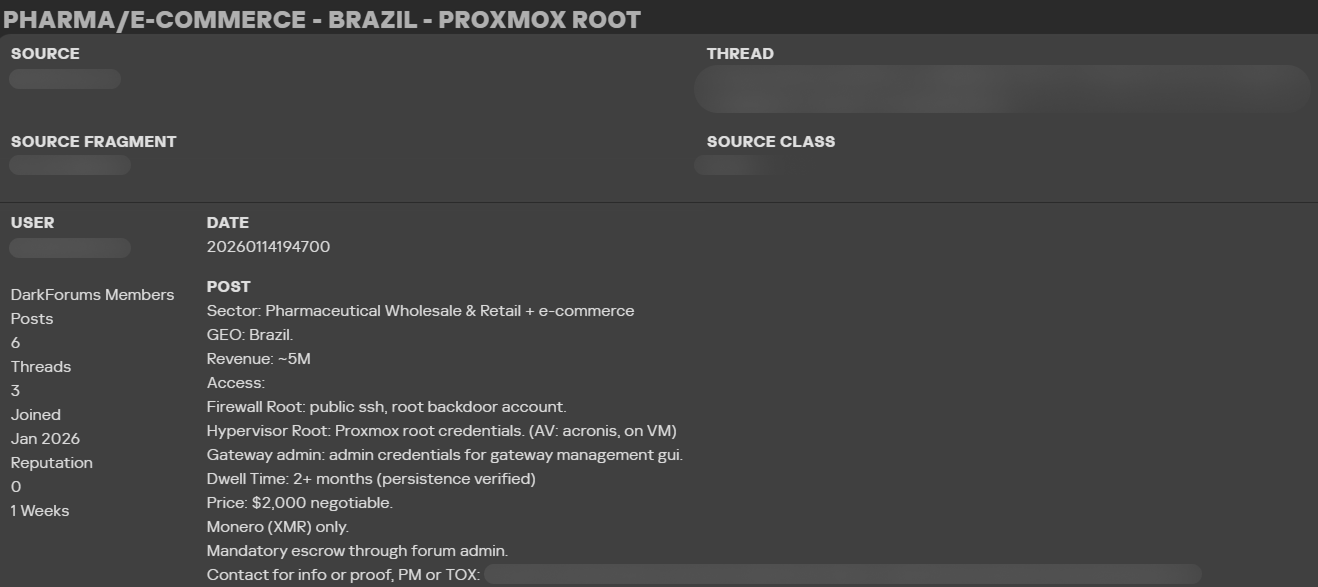
Example of a post on a darknet forum

Example of a post on a darknet forum

Initial access brokers (IABs) sell initial access to compromised businesses, for example, via RDP or web shells. In their posts, IABs may provide information about the region where the allegedly compromised companies are located, their industry and revenue, as well as the type of access. IABs sell access that the buyers can then use for different purposes, including ransomware attacks, stealing corporate confidential information or other fraudulent activity. The price of initial access on dark web forums may depend on the revenue, industry or location of the allegedly compromised companies, or on the access privileges. For example, accounts with admin rights are usually more expensive because they can provide attackers with a wide range of possibilities.

According to the research, there were more posts offering initial access to companies of different sizes located in the Middle East (up 53% from last year), Africa (up 40%) and Latin America (up 17%). Meanwhile the number of posts related to companies located in Europe decreased by 34%. According to Kaspersky experts, this decline can be partially explained by the closure of a dark web forum containing such posts around the time of the study. The number of publications related to companies located in the APAC region also decreased slightly (down 4%), but remained at a consistently significant level for the second year in a row.
At the same time, the number of posts where the region was not specified decreased by 56% in 2026 compared to the previous year. Kaspersky analysts assume that this may indicate that initial access posts from IABs are becoming more targeted and unique.

Share of posts with initial access offers by business size

For this research, Kaspersky experts defined a small business as having an annual revenue of up to US$50 million, and a medium-sized business as having an annual revenue of between US$50 million and US$1 billion.

According to Kaspersky’s research, at the beginning of 2026 the share of posts on dark web forums with offers of initial access to allegedly compromised small businesses was larger than the shares of posts offering access to medium, large or nonprofit organizations. However, this share decreased in the first four months of 2026 compared to the same period in 2025. The share of posts concerning mediumsized organizations also remained significant for two consecutive years. Taken together, posts concerning small and mediumsized organizations account for more than half of all the analyzed posts with initial access offers on dark web forums.

At the same time for a certain number of posts initial access brokers didn’t indicate companies’ revenue, therefore, making it impossible to determine the size of the company.

Share of posts with initial access offers by business size, January–April 2025 (download)

Share of posts with initial access offers by business size, January–April 2026 (download)

Kaspersky experts note that despite the prevalence of posts concerning small businesses, threat actors may target medium‑sized businesses because they generate higher revenues than small businesses and may have weaker security defenses than large businesses.

SMBs can also become targets as a part of trusted relationship attacks, which enable the attackers to reach larger organizations. According to the Global Report by Kaspersky Security Services, the share of trusted relationship attacks among the initial vectors increased from 12.7% in 2024 to 15.5% in 2025. Therefore, the common belief that small and medium‑sized enterprises are of no interest to attackers is a misconception. Companies of all sizes need to understand the cyberthreat landscape, adhere to cybersecurity rules, implement appropriate cybersecurity solutions, and continuously improve employee awareness.

Cybersecurity action plan for SMBs

SMBs can reduce risks and ensure business continuity by investing in comprehensive cybersecurity solutions and increasing employee awareness. To protect themselves from the ever-evolving threat landscape, companies are advised to follow these rules:

  1. Define access rules for corporate resources such as internet services, email accounts, shared folders, and online documents. Keep access lists up to date and revoke access promptly when employees leave the company.
  2. Regularly back up important data to ensure the preservation of corporate information in case of emergencies.
  3. Establish clear guidelines for using external services and resources. Create well-defined procedures for coordinating specific tasks, such as implementing new software, with the IT department and other responsible managers. Develop short, easy-to-understand cybersecurity guidelines for employees, with a special focus on account and password management, email protection, and safe web browsing. A well-rounded training program will equip employees with the necessary knowledge and ability to apply it in practice.
  4. Raise employees’ security awareness. Conduct dedicated training to teach staff how to detect and address potential threats, and track their educational progress. Organizations can achieve this with the Kaspersky Automated Security Awareness Platform through interactive online modules and simulated phishing campaigns that build sustainable cyber hygiene habits across all teams.
  5. Implement specialized cybersecurity solutions that fit your budget, size, and industry requirements, with an emphasis on scalability and ease of integration.
    1. Kaspersky Small Office Security Premium is an easy-to-use solution that protects against advanced threats and also provides access to security awareness training for employees, making it ideal for micro-businesses.
    2. Small and medium-sized enterprises with more mature IT expertise should consider Kaspersky Next Optimum, which is designed specifically for growing organizations and offers real-time protection, threat visibility, as well as EDR and XDR investigation and response capabilities.
  6. Protect your business against email-borne threats. Kaspersky Security for Mail Server, a comprehensive email security platform that offers robust, multi-layered protection at mailbox and gateway levels, can help with this. Powered by machine learning and leading global threat intelligence, it effectively addresses all mail security challenges.
  7. Adopt specialized solutions such as Kaspersky Digital Footprint Intelligence to monitor the surface, deep, and dark webs for information about a company’s credentials, leaked data, and lookalike websites. Small and medium-sized companies with limited IT security budgets can partner with a managed security service provider (MSSP) to access this comprehensive digital risk protection service at an affordable, subscription-based price point.


  • ✇Securelist
  • Wardriving assessment across Mexico: Preparing for the 2026 World Cup Isabel Manjarrez
    Introduction Mexico is one of the host countries for the 2026 FIFA World Cup, with matches to be played in three major cities: Mexico City, Monterrey, and Guadalajara. These locations are expected to see a large influx of international visitors, increasing the potential security risks. Many of those risks arise from users connecting to public wireless networks. To better understand the wireless environments that visitors may encounter, we at Kaspersky GReAT conducted a wardriving assessment in t
     

Wardriving assessment across Mexico: Preparing for the 2026 World Cup

2 de Junho de 2026, 09:00

Introduction

Mexico is one of the host countries for the 2026 FIFA World Cup, with matches to be played in three major cities: Mexico City, Monterrey, and Guadalajara. These locations are expected to see a large influx of international visitors, increasing the potential security risks. Many of those risks arise from users connecting to public wireless networks.

To better understand the wireless environments that visitors may encounter, we at Kaspersky GReAT conducted a wardriving assessment in the three host cities. The aim of the study was to analyze characteristics, deployment patterns, security configurations and potential exposure risks of public Wi-Fi infrastructure in urban wireless environments.

The information collected during the assessment was used exclusively for passive observation and infrastructure analysis. No attempts were made to authenticate, intercept communications, exploit systems or interact with the detected wireless networks beyond the publicly broadcast management information.

During processing of the collected data, one step involved filtering out networks belonging to cars or cell phones categorized as mobile hotspots because they do not represent networks that can be considered part of the assessment.

Research scope

The cities included in the study have high population density and extensive wireless infrastructure deployments. We chose areas with the most prominent wireless network activity and highly concentrated public access points. We carried out wardriving research in Monterrey back in 2008, but the city’s hotspot landscape has changed since then.

We chose the following analysis areas for each of the cities:

  1. Mexico City: México City Stadium, Mexico City International Airport, Zócalo, Paseo de la Reforma, Colonia Roma, La Condesa, Polanco, and Coyoacán.
  2. Guadalajara: Guadalajara Stadium, Guadalajara International Airport, the city center, Zapopan, Providencia, Avenida Chapultepec, Colonia Americana, Tlaquepaque, and the area around Andares.
  3. Monterrey: Monterrey Stadium, Monterrey International Airport, Fundidora Park, Cintermex Monterrey, the downtown area, Barrio Antiguo, MacroPlaza, and the San Pedro financial district.

The wireless information was collected using passive wireless reconnaissance techniques. The collected information included:

  • SSID analysis and information exposure, including BSSID-derived SSIDs
  • Default router configurations and ISP deployments
  • Frequency and signal characteristics
  • Channel congestion and spectrum usage
  • Wireless security configurations, including:
    • Open and insecure wireless networks
    • WPS-enabled networks
    • Secure networks (WPA2/WPA3) with WPS enabled

We performed a wireless infrastructure analysis in Mexico City, Guadalajara, and Monterrey. We drove through the areas surrounding the World Cup stadiums, tourist zones, and other places where fan concentrations are likely to be largest. Our goal was to evaluate the security status, deployment characteristics and operational exposure of detected wireless networks.

In total, we recorded 84,588 signals with 69,473 unique Service Set Identifiers (SSIDs) in busy locations and World Cup zones across the three cities. Mexico City accounted for 61.4% of the signals, Guadalajara for 23.6%, and Monterrey for 14.8%. Approximately 82% of the signals had a single SSID (81.9%, 81.34%, and 84% respectively). Notably, they all operate under the IEEE 802.11 standard protocol.

Particular attention was given to identifying standard deployment patterns, legacy configurations, default vendor settings and information disclosure through publicly broadcast wireless identifiers.

The following sections present the results that were obtained by analyzing wireless infrastructure across the three locations.

Our findings

SSID analysis and information exposure

SSID analysis was conducted to evaluate naming conventions, deployment standardization and potential information exposure.

Only a few networks (0.0047%) have an invisible SSID, meaning the names of these networks are not broadcast. Some users prefer to hide the SSID for various reasons, such as the network’s purpose, the profile of its users, internal policies, etc. In contrast, the rest of the networks maintained active SSID broadcasting.

SSID structures may unintentionally disclose operational details about internet service providers (ISPs), device manufacturers, deployment practices, organizational ownership or user identity. The repeated presence of default SSID naming patterns across the analyzed locations indicates a significant degree of infrastructure homogeneity and reuse of default wireless configurations. It may also facilitate passive infrastructure profiling by revealing standard characteristics in use.

Approximately 34% of the detected networks retained the default SSID naming conventions provided by the manufacturer or ISP, while 66% used customized identifiers.

Distribution of SSID naming conventions (download)

Several recurring SSID naming conventions associated with ISP-provided deployments were identified in the three cities. The most frequently observed patterns include identifiers such as “Club_Totalplay_WiFi”, “izzi WiFi”, and “Megacable WiFi”, which suggests extensive standardization of wireless infrastructure deployment. Additionally, we observed distinctive location-specific SSIDs in each area of analysis, such as “XXXX-Internet para Todos-CDMX” or “RED JALISCO”.

Most frequently observed SSID patterns (download)

Sequential SSID naming structures were also identified during the analysis. Patterns such as “INFINITUMXX” and “IZZI-XX” suggest automated ISP deployment and large-scale deployment strategies.

We identified 33 unique sequential naming structures among the 137 sequential SSIDs in total, representing approximately 0.16% of the detected wireless networks.

The following graph shows the top five sequential SSID patterns found in the largest number of networks:

Five most frequently observed sequential patterns (download)

Several customized SSIDs contained personal or organizational identifiers, including family names, professions, addresses or internal department references. Although personalized SSIDs may simplify local network identification for users, they may also expose sensitive information that could be useful for social engineering, physical targeting, or organizational profiling.

BSSID-derived SSID

During the analysis, multiple networks were identified that used the physical MAC address of a Wi-Fi access point (BSSID) as the visible SSID. This practice exposes hardware-level information that could facilitate vendor fingerprinting and targeted reconnaissance activities.

The organizationally unique identifier (OUI) contained in the first bytes of the BSSID identifies the equipment manufacturer. Threat actors can correlate exposed manufacturers with device-specific vulnerabilities.

BSSID-derived SSID by city (download)

Notably, we found that more than 30% of networks in all three cities reuse the MAC address as the SSID.

Default router configurations and ISP deployments

We performed wireless infrastructure profiling to identify the most common wireless equipment manufacturers and ISP deployments across the three locations.

Large-scale ISP deployments frequently use standardized wireless configurations and vendor-specific hardware platforms. Identifying dominant manufacturers and ISP naming conventions can provide insight into infrastructure and deployment practices facilitating the mapping of standardized attack surfaces.

The following figure shows the distribution of the most commonly used manufacturers.

Most frequently observed wireless equipment manufacturers (download)

The manufacturer analysis revealed a strong concentration of wireless infrastructure among a limited number of vendors. Across the three locations, Huawei Technologies, MediaTek-based devices, and other manufacturers’ equipment that is distributed through ISP channels represented a significant portion of the detected deployments. Mexico City had the most diverse infrastructure, while Monterrey and Guadalajara had a greater concentration of wireless equipment known as SOHO (small office/home office) or residential-grade hardware. The widespread presence of standard vendor platforms may facilitate infrastructure fingerprinting and large-scale targeting of known device-specific vulnerabilities.

Most frequently observed wireless equipment manufacturers across the three cities (download)

ISP deployments frequently exhibited standardized configuration patterns and recurring manufacturer identifiers. Our ISP deployment analysis revealed a high concentration of access points associated with major residential internet providers. Deployments associated with Infinitum, Totalplay and Izzi represented a substantial portion of the detected wireless infrastructure across all locations. These findings suggest a high degree of deployment standardization across networks associated with major residential internet providers. This observation was supported by the repeated presence of ISP-associated SSIDs such as “Infinitum”, “Totalplay”, and “Izzi”, combined with manufacturer identifiers frequently associated with consumer equipment, including Huawei, ZTE and other residential wireless equipment vendors.

It is important to note that, for this analysis, ISPs were primarily inferred from SSID naming conventions and manufacturer fingerprint data. A significant portion of the detected wireless networks fell into the “UNKNOWN/CUSTOM” category. This classification includes custom hotspots and networks whose naming conventions did not expose identifiable ISP-associated patterns. The findings suggest that many users and organizations (as we saw previously, approximately 66%) use custom network names, limiting direct provider attribution.

The following figure illustrates the distribution of ISP-associated wireless deployments in general.

Most frequently observed ISPs (download)

To better understand this distribution, we took the most frequently observed ISPs by city.

Most frequently observed ISPs across the three cities (download)

Frequency and signal characteristics

We also analyzed wireless signal characteristics to evaluate coverage quality, signal strength, and frequency band utilization in the three cities. In dense urban environments, signal quality and frequency spectrum distribution can affect wireless reliability, client connectivity, roaming performance, and overall network efficiency.

Signal quality analysis revealed that a substantial portion of the detected access points operated under weak or very weak signal conditions. Monterrey had the highest percentage of very weak signals, with approximately 50% of detected deployments. Similar patterns were observed in Guadalajara and Mexico City, suggesting high-density wireless environments with overlapping coverage areas. Only a limited percentage of networks were classified within the very good or excellent signal categories across the three locations.

Signal quality distribution by city (download)

Signal stability analysis revealed that most detected wireless deployments exhibited stable beacon transmission behavior. More than 96% of the detected access points across all locations were classified as stable, while only a small percentage exhibited unstable or indeterminate signal behavior.

These findings imply that the majority of the wireless infrastructure observed during the assessment corresponded to permanently deployed access points rather than transient or intermittent wireless devices.

Signal stability status (download)

Frequency band analysis revealed the strong prevalence of 2.4 GHz wireless deployments across the three locations. More than 95% of the detected wireless networks operated within the 2.4 GHz spectrum, while only a small percentage of deployments were classified under the unknown or non-standard frequency categories. This uneven distribution reflects the continued prevalence of legacy-compatible wireless infrastructure and SOHO deployments.

Frequency band utilization (download)

These findings are consistent with dense urban wireless environments with large numbers of access points in restricted spectrum allocations.

Channel congestion and spectrum usage

Next, we analyzed wireless channel utilization to evaluate frequency spectrum congestion and channel allocation patterns across the three cities. Our analysis focused on the 2.4 GHz spectrum, where channel overlap and high access point density commonly produce interference and degraded wireless performance. In densely populated wireless environments, an excessive concentration of access points on a limited number of channels can lead to co-channel interference, packet collisions, reduced throughput, and degraded network stability.

Spectrum congestion analysis revealed that the 2.4 GHz band consistently experienced elevated congestion levels across the three cities. The detailed results showed a strong concentration of deployments on channels 11, 6 and 1, which are traditionally recommended as non-overlapping channels within the 2.4 GHz spectrum. Channel 11 was the most utilized channel, accounting for 25.2% of the detected access points, followed by channel 6 with 22.5% and channel 1 with 19.5%. This distribution indicates that most wireless deployments adhere to standard channel allocation practices for 2.4 GHz Wi-Fi environments.

The following figure illustrates the overall distribution of the most frequently utilized wireless channels.

Most utilized wireless channels (download)

To further assess wireless spectrum saturation, the detected access points were grouped according to channel congestion levels: VERY_HIGH, HIGH, UNKNOWN, MEDIUM, LOW and NONE.

Mexico City had the highest proportion of heavily congested wireless channels, with approximately 7% of detected access points operating under HIGH congestion conditions. Guadalajara followed with nearly 5% of deployments categorized as HIGH congestion, while Monterrey had the lowest percentage at approximately 3.29%.

These findings suggest that wireless spectrum saturation increases proportionally with urban infrastructure density and access point concentration. Despite the presence of congested deployments, most detected access points were categorized as LOW or MEDIUM congestion, suggesting severe spectrum saturation was localized rather than uniformly distributed.

Channel congestion by city (download)

A thorough analysis of individual channel utilization revealed that channels 11, 6 and 1 consistently experienced the highest congestion levels across the three cities, which correlates with our previous findings. These channels accounted for the majority of VERY_HIGH congestion classifications, particularly within the 2.4 GHz band.

In Mexico City, channel 11 alone accounted for more than 25% of detected deployments and consistently exhibited VERY_HIGH congestion levels.

This behavior reflects the limited availability of non-overlapping channels within the 2.4 GHz spectrum and the widespread reliance on default wireless configurations.

Most congested channels by city (download)

Overall, the channel utilization analysis showed that wireless deployments are concentrated heavily within the traditional, non-overlapping 2.4 GHz channels. While this strategy reduces adjacent-channel interference, excessive access point density on the same channels can still produce significant co-channel contention and poor wireless performance in high-density urban environments.

Wireless security configurations

The next thing we evaluated was the security posture of the detected wireless networks. We analyzed the wireless security configurations advertised by access points in each of the locations.

Overall security configuration distribution

The analysis revealed that WPA2 was the dominant wireless authentication mechanism across the three cities. Mexico City had the highest WPA2 adoption rate at 81.19%, followed by Monterrey at 79.19% and Guadalajara at 77.59%.

The study found that every 6th open access point (17%) was unsafe, namely 16.5% in Mexico City, 18.5% in Guadalajara, and 17.2% in Monterrey. Open wireless deployments were consistently present across all locations, ranging between 10% and 12% of detected access points. These findings show that despite the widespread deployment of modern wireless security standards, encryption adoption remains incomplete.

Distribution of wireless authentication mechanisms across the three locations (download)

To simplify the interpretation of wireless security posture, we grouped detected networks into four categories:

  • Secure (WPA2/WPA3)
  • Insecure (Open/WEP)
  • Weak (WPA)
  • Unknown

Across the three locations, secure networks comprised most of detected deployments, accounting for approximately 82% of all access points. However, insecure open networks still account for between 10% and 12% of detected wireless infrastructure, consistent with our previous findings. It is important to mention that networks within the unknown category are not considered secure.

Mexico City had the highest percentage of secure deployments at 83.54%, while Guadalajara had the highest percentage of insecure open networks at 12.46%. Although Monterrey had the lowest percentage of insecure networks, open deployments still accounted for more than 10% of the detected access points.

Wireless security posture grouping across the three locations (download)

Although modern WPA2/WPA3 encryption standards dominate current wireless deployments, the continued presence of open and legacy WPA deployments indicates that insecure wireless configurations remain relevant from an operational standpoint. These networks may expose users to passive traffic interception, unauthorized monitoring, rogue access point attacks, and credential harvesting techniques.

WPS-enabled networks

We also analyzed Wi-Fi Protected Setup (WPS) in all the locations to evaluate additional attack surfaces. WPS is a standard feature on wireless routers that enables devices such as printers, repeaters or mobile phones to connect to a secure Wi-Fi network without manually entering a long password, typically through a PIN-based enrolled mechanism. Although WPA2 and WPA3 provide strong encryption mechanisms, the presence of WPS can introduce security weaknesses due to inherently vulnerable PIN-based enrollment methods.

By combining detections from the three locations, we found that 55% of all detected access points did not advertise WPS capabilities, leaving 45% of deployments vulnerable to WPS-based abuse. These results suggest that, despite the adoption of modern encryption standards, a significant portion of wireless infrastructure continues to expose legacy convenience features.

During the analysis, we found that Mexico City had the highest proportion of WPS-enabled networks, with 46.61% of the detected access points advertising WPS capabilities. Guadalajara was second with 43.45%, while Monterrey had the lowest proportion at 40.93%.

The percentage of detected access points advertising WPS capabilities across the three locations (download)

Almost half of the detected wireless networks in each city continued to advertise WPS, indicating that WPS prevalence is consistently high across the three cities.

Secure networks with WPS enabled

In many cases, networks classified as secure because of WPA2/WPA3 encryption still had WPS functionality enabled, which effectively increased the available attack surface.

To further assess the relationship between encryption strength and WPS exposure, we conducted a secondary analysis of secure networks (WPA2/WPA3) only. The results showed that around half of all secure deployments still exposed WPS, with the following breakdown for each city:

  • Mexico City: 53.7%
  • Guadalajara: 50.9%
  • Monterrey: 47.5%

The proportion of secure networks with WPS enabled across the three locations (download)

These findings indicate that encryption strength alone is not enough to evaluate wireless security posture because additional protocol features, such as WPS, may still expose exploitable attack vectors.

Additional security considerations

Overall, travelers operating within dense public environments are exposed not only to insecure wireless infrastructure but also to various risks associated with digital interactions. These risks include many threats, from public USB charging systems and phishing QR codes to proximity-based protocols and exposure to shared public devices, such as interactive totems or kiosks. One particular point that should be taken into account in light of our research is the issue of rogue wireless deployments.

Rogue access points are not necessarily malicious; they may be set up accidentally by misconfiguring router settings. An entry point for potential compromise might be caused by various misconfigurations, from a weak password to an insecure protocol. However, attackers deploy such unauthorized hotspots with malicious intent to infiltrate a network. Threat actors may deploy rogue access points posing as legitimate public wireless networks in airports, hotels, cafés and tourist areas. These deployments are called “evil twins” and can trick users into connecting to attacker-controlled infrastructure capable of intercepting traffic, harvesting credentials, or performing man-in-the-middle attacks. Further risk lies in the potential compromise of local network devices or even malware distribution. Such threats complement our findings, underscoring the importance of implementing traffic encryption, using a security solution and exercising extreme caution while browsing via public networks.

Conclusion

The wardriving assessment conducted in Mexico City, Guadalajara, and Monterrey revealed that modern wireless infrastructure continues to present multiple forms of operational exposure despite the widespread adoption of WPA2 and WPA3 security standards. The analysis demonstrated that wireless environments are highly standardized in all the locations, with recurring ISP deployments, default SSID naming conventions, homogeneous manufacturer distribution, and predictable channel allocation practices observed in all three cities.

Although most of the detected networks were classified as secure under WPA2/WPA3 authentication mechanisms, a significant proportion were exposing additional attack surfaces through enabled WPS functionality, default configurations, sequential SSID structures, and infrastructure metadata disclosure. This demonstrates that encryption strength alone is insufficient for evaluating the overall security posture of wireless infrastructure. Additionally, the prevalence of open networks and legacy wireless configurations indicates that insecure deployments are still operationally relevant in all the locations.

The results also showed that wireless infrastructure is heavily concentrated within the 2.4 GHz spectrum, particularly around channels 11, 6, and 1. This leads to elevated congestion and increased co-channel interference in densely populated urban environments.

SSID analysis further revealed that publicly broadcast wireless identifiers frequently expose valuable operational information about ISPs, equipment manufacturers, deployment templates, organizational ownership, and user-defined naming practices. The identification of default ISP naming conventions, sequential SSID structures, and BSSID-derived SSIDs demonstrated that many deployments prioritize operational convenience and simplicity over exposure minimization and privacy.

The scope of the threats stemming from vulnerable wireless configurations poses serious digital exposure risks for users. The widespread presence of standard deployments, predictable SSID naming and publicly exposed infrastructure identifiers can facilitate passive reconnaissance, infrastructure fingerprinting and opportunistic targeting.

Recommendations

To minimize the risks of wireless-based exposure and the attack surface related to hotspot infrastructure, we recommend taking the following measures:

  • Disable WPS functionality on wireless routers whenever possible, particularly within WPA2/WPA3 deployments.
  • Avoid using default SSID naming conventions that disclose ISP providers, router manufacturers, or deployment templates.
  • Refrain from using personal, organizational, or location-based identifiers in wireless network names.
  • Avoid configuring SSID using BSSID or naming conventions derived from MAC addresses, as these may expose hardware fingerprinting information.
  • Promote migration toward modern WPA3-capable infrastructure while removing legacy wireless protocols when operationally feasible.
  • Reduce wireless congestion by optimizing channel allocation strategies and minimizing excessive dependence on the 2.4 GHz spectrum.
  • Encourage adoption of 5 GHz and newer wireless technologies to reduce interference and improve spectrum efficiency.

The findings presented in this assessment emphasize the importance of combining strong wireless encryption standards, secure deployment practices, exposure minimization strategies, and user awareness to enhance the overall security posture of wireless environments.

  • ✇Securelist
  • State of ransomware in 2026 Fabio Assolini · Marc Rivero · Maher Yamout · Darya Gorodilova
    With International Anti-Ransomware Day taking place on May 12, Kaspersky presents its annual report on the evolving global and regional ransomware cyberthreat landscape. Ransomware remains one of the most persistent and adaptive cyberthreats. In 2026: New families continue to emerge, adopting post-quantum cryptography ciphers. As ransom payments drop, some groups implement encryptionless extortion attacks. In a constantly changing ecosystem of threat actors, initial access brokers maintain a re
     

State of ransomware in 2026

12 de Maio de 2026, 04:00

With International Anti-Ransomware Day taking place on May 12, Kaspersky presents its annual report on the evolving global and regional ransomware cyberthreat landscape.

Ransomware remains one of the most persistent and adaptive cyberthreats. In 2026:

  • New families continue to emerge, adopting post-quantum cryptography ciphers.
  • As ransom payments drop, some groups implement encryptionless extortion attacks.
  • In a constantly changing ecosystem of threat actors, initial access brokers maintain a relevant role in this market, showing increased focus on access to RDWeb as the preferred method of remote access.

Ransomware attacks decline but remain a major threat

According to Kaspersky Security Network, the share of organizations affected by ransomware decreased in 2025 across all regions compared to 2024.

Percentage of organizations affected by ransomware attacks by region, 2025 (download)

Despite the formal decrease, organizations across all sectors continue to face a high likelihood of attack, as ransomware operators refine their tactics and scale their operations with increasing efficiency. Kaspersky and VDC Research have found that in the manufacturing sector alone, ransomware attacks may have caused over $18 billion in losses in the first three quarters of the year.

The continued rise of EDR killers and defense evasion tooling

In 2026, ransomware operators increasingly prioritize neutralizing endpoint defenses before executing their payloads. Tools commonly referred to as “EDR killers” have become a standard component of attack playbooks. This reflects a continuing trend toward more deliberate and methodical intrusions.

Attackers attempt to terminate security processes and disable monitoring agents, often by exploiting trusted components such as signed drivers. This technique is called Bring Your Own Vulnerable Driver (BYOVD) and allows adversaries to blend into legitimate system activity while gradually degrading defensive visibility.

Thus, evasion is no longer an opportunistic step but a planned and repeatable phase of the attack lifecycle. As a result, organizations are increasingly challenged not just to detect ransomware but also to maintain control in environments where security controls themselves are actively targeted.

The appearance of new families adopting post-quantum cryptography

We predicted that quantum-resistant ransomware would appear in 2025. Looking back at the previous year, we see that advanced ransomware groups indeed started using post-quantum cryptography as quantum computing evolved. The encryption techniques used by this quantum-proof ransomware could be used to resist decryption attempts from both classical and quantum computers, making it nearly impossible for victims to decrypt their data without having to pay a ransom.

One example is the appearance of the PE32 ransomware family (link in Russian); it leverages the cutting-edge ML-KEM (Module-Lattice-Based Key-Encapsulation Mechanism) standard to secure its AES keys. This specific cryptographic framework was recently selected by NIST as the primary standard for post-quantum defense.

Within the PE32 ransomware architecture, this is realized through the Kyber1024 algorithm, a robust mechanism providing Level 5 security, roughly equivalent in strength to AES-256. Its primary function is the secure generation and transmission of shared secrets between parties, specifically engineered to withstand future quantum computing attacks. This shift toward post-quantum readiness is part of a broader industry trend; for instance, TLS 1.3 and QUIC protocols have already adopted the X25519Kyber768 hybrid model, which fuses classical encryption with quantum-resistant security.

The shift to encryptionless extortion

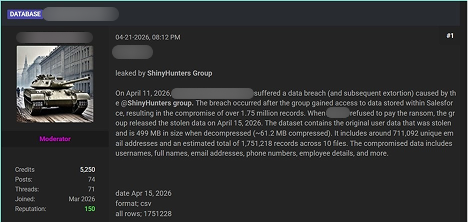
In 2025, the share of ransoms paid dropped to 28%. As a response to this, one of the developments in the 2026 landscape is the growing prevalence of extortion incidents in which no file encryption takes place at all. Instead, attackers leave out the “ware” in “ransomware” and focus on extracting sensitive data and leveraging the threat of public disclosure as their primary means of extortion. ShinyHunters is an excellent example of such a group, using a data leak site to publicize its victims.

By avoiding encryption, attackers may aim at reducing the likelihood of immediate detection, shortening the duration of the attack, and eliminating dependencies on stable encryption routines. Often, this model is used alongside traditional tactics in so-called double extortion schemes, but an increasing number of campaigns rely exclusively on data theft.

For victims, this shift fundamentally changes the nature of the risk. While backups remain effective against encryption-based disruption, they provide no protection against data exposure, regulatory consequences, and reputational damage. Ransomware is therefore evolving from a business continuity issue into a broader data security and compliance challenge.

Industrialization of initial access (Access-as-a-Service)

The ransomware ecosystem continues to evolve toward a highly industrialized and specialized model, with initial access remaining as one of its most critical components. In 2026, many ransomware operators keep relying on IABs (initial access brokers), a network of intermediaries who supply pre-compromised access to corporate environments, aiming to no longer perform full intrusions themselves.

This “access-as-a-service” model is fueled by credential theft operations, and the widespread availability of compromised accounts harvested through infostealers and phishing campaigns.

The primary access vectors offered for sale have not changed: RDP, VPN, and RDWeb are still the top access vectors. Consequently, remote access infrastructure remains the primary attack surface for initial access sales. In response to the measures against public exposure of RDP access points to the internet, attackers are now targeting RDWeb portals, which are frequently vulnerable and occasionally inadequately safeguarded.

The result is a threat landscape where unauthorized access is increasingly commoditized, and the barrier to launching ransomware attacks declines. This means that preventing initial compromise is only part of the challenge; equal emphasis must be placed on detecting misuse of legitimate credentials and limiting lateral movement within already-breached environments.

Ransomware developments on the dark web

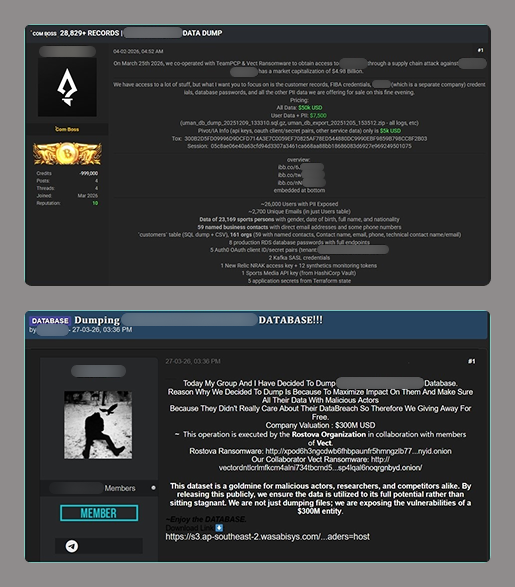
Telegram channels and underground forums increasingly function as platforms for the distribution and sale of compromised datasets and access credentials including those that were obtained as a result of ransomware attacks.

Advertisements posted on these resources typically include the nature of the access, a description of the exfiltrated or compromised data, price terms, and contact information for prospective buyers. In addition, some malicious actors mention their collaboration with other ransomware groups. Lesser-known gangs can use this name-dropping to promote themselves

Multiple threat actors not related to ransomware groups distribute datasets downloaded from ransomware blogs on underground forums and Telegram. By re-publishing download links and files, they spread compromised data as well as information on the ransomware attack within the community.

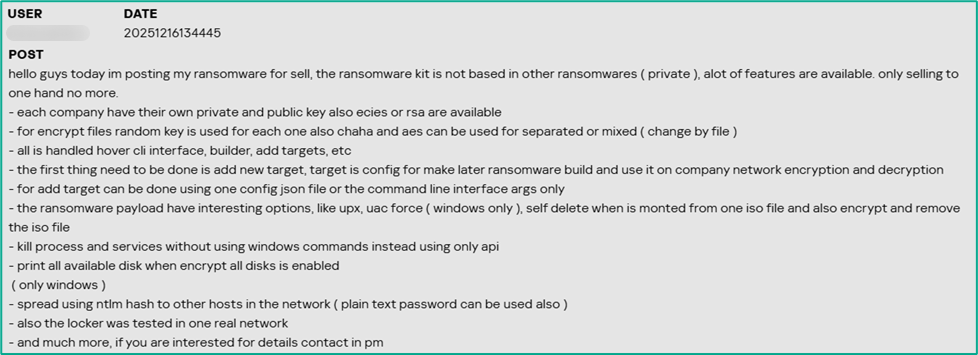
The ransomware itself is also sold or offered for subscription on the dark web platforms. The sellers underscore the uniqueness of their malware, as well as its encryption and defense evasion features.

Law enforcement actions

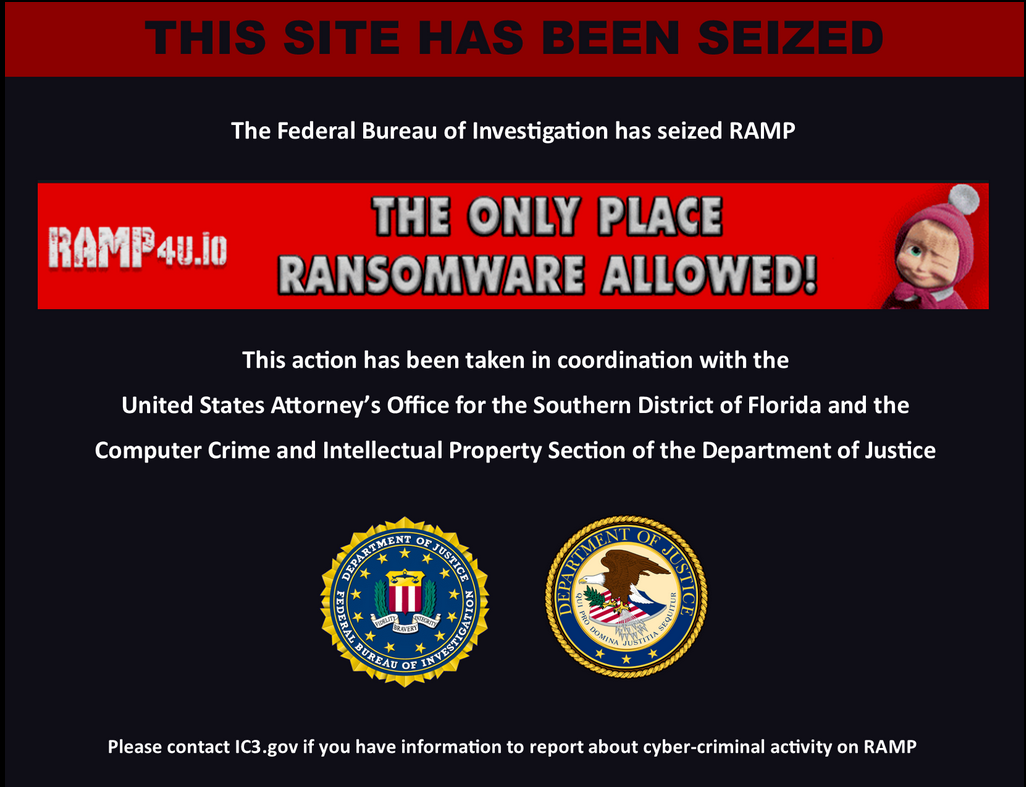
Law enforcement agencies are actively shutting down dark web platforms and ransomware data leak sites. A major underground forum, RAMP, which also functioned as a platform for threat actors to advertise their ransomware services and publish service‑related updates, was seized by authorities in January 2026. Another underground forum, LeakBase, where malicious actors distributed exfiltrated and compromised data, was seized in March 2026. In 2025, law enforcement agencies seized well-known forums like Nulled, Cracked, and XSS. Also in 2025, the DLSs of BlackSuit and 8Base ransomware groups were seized. These takedowns cause inconvenience to ransomware coordination, specifically for initial access brokers and affiliates, though similar forums are expected to fill the void over time.

Top ransomware groups in 2025

RansomHub’s sudden dormancy in 2025 marked a shift, and Qilin became the dominant player from Q2 onward. According to Kaspersky research, Qilin was the most active group executing targeted attacks in 2025.

Each group’s share of victims according to its data leak site (DLS) as a percentage of all reported victims of all groups during the period under review (download)

Qilin stands out as one of the fastest-growig and dominant RaaS platforms. Its combination of high-volume operations and structured affiliate model positions it as a central player in the current ecosystem.

Clop, the second most active group in 2025, is distinguished through its large-scale, supply-chain-style attacks, exploiting widely used file transfer and enterprise software to compromise hundreds of victims simultaneously. This one-to-many approach sets it apart from more traditional, single-target campaigns.

Third place is occupied by Akira, which remains notable for its consistency and operational stability, maintaining a steady stream of victims without major disruption. Its ability to sustain activity over time makes it one of the most reliable indicators of baseline ransomware threat levels.

Although no longer active, RansomHub stands out for its rapid rise and equally rapid disappearance in 2025, highlighting the volatility of the RaaS market. Its shutdown created a vacuum that significantly reshaped affiliate distribution across other groups.

DragonForce is also notable – not just for its own operations, but for its broader influence within the ransomware ecosystem, including reported involvement in infrastructure conflicts and possible links to the disruption of competing groups. Thus, the group claims that RansomHub “has moved to their infrastructure.” This positions it as more than just an operator and potentially an ecosystem-level actor.

New actors in 2026

While emerging actors generally operate on a smaller scale, they provide insight into the continuous churn and low barrier to entry within the ransomware ecosystem.

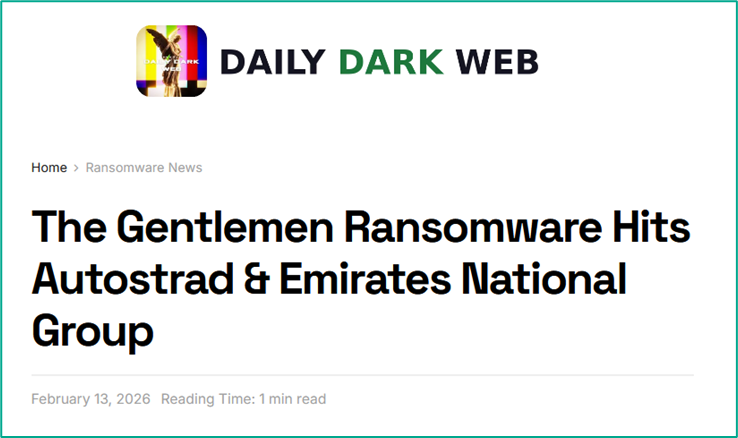
The Gentlemen group caught our attention in early 2026, as they managed to attack a significant number of victims over a short time. This actor is also notable for reflecting a broader shift toward professionalization and controlled operations within the ransomware ecosystem. Unlike many emerging groups that rely on opportunistic attacks and inconsistent leak activity, The Gentlemen demonstrate a more deliberate approach: structured intrusion workflows, selective targeting, and measured communication with victims. This signals a move away from chaotic, high-noise campaigns toward predictable, business-like execution models that are easier to scale and harder to disrupt. Their TTPs include the massive exploitation of hardware very common on big corporations, such as FortiOS/FortiProxy, SonicWall VPN, and Cisco ASA appliances. The group might be comprised of professional cybercriminals who left other prominent groups.

The group is also notable for its emphasis on data-centric extortion strategies, often prioritizing exfiltration and leverage over purely disruptive encryption. This aligns with one of the defining trends of 2026: ransomware evolving into a form of data breach monetization rather than just system denial. By focusing on controlled pressure and reputational risk instead of immediate operational damage, The Gentlemen exemplify how attackers are adapting to lower ransom payment rates and improved backup practices among victims.
Some other groups to take note of in 2026:

  • Devman appears to be an emerging actor with limited but growing activity, likely leveraging existing tooling rather than developing custom capabilities.
  • MintEye hasn’t been very active yet, with just five known victims, suggesting opportunistic campaigns without a consistent operational tempo.
  • DireWolf is associated with small-scale, targeted attacks, though its overall footprint remains relatively limited compared to larger RaaS groups.
  • NightSpire demonstrates characteristics of an amateur group, such as mistakes during its operations, uncommon communication channels with the victims, and sometimes giving them insufficient time to pay up. Although they both encrypt and leak data, they prioritize publication rather than encryption.
  • Vect shows low-volume activity. It is yet unclear whether they use a completely new codebase or are rather a rebrand of an existing group.
  • Tengu is a less prominent actor, with limited public reporting and no clear distinguishing tactics beyond standard extortion models.
  • Kazu appears to be created by ransomware operators previously engaged with multiple other groups. As of now, they don’t stand out for scale or technique.

Although there is little to say about these groups at the time of writing this report, each of them may be equally likely to disappear from the threat landscape or grow into a prominent threat. That’s why it’s important to track them from their early days. Moreover, collectively, these groups illustrate how dynamic the ransomware landscape is, with new entrants constantly replenishing it.

Conclusion and protection recommendations

Despite the growing effort by law enforcement agencies across the globe to seize and disrupt dark web platforms and threat actor infrastructures, ransomware operations remain stable, with new groups quickly taking the place of those who went silent. In 2026, we see a shift towards encryptionless extortion, with data leaks increasingly becoming the main threat to target organizations. At the same time, data encryption is also upgrading to the next level with the emergence of post-quantum ransomware.

To resist the evolving threat, Kaspersky recommends organizations:

Prioritize proactive prevention through patching and vulnerability management. Many ransomware attacks exploit unpatched systems, so organizations should implement automated patch management tools to ensure timely updates for operating systems, software, and drivers. For Windows environments, enabling Microsoft’s Vulnerable Driver Blocklist is critical to thwarting BYOVD attacks. Regularly scan for vulnerabilities and prioritize high-severity flaws, especially in widely used software.

Strengthen remote access: RDP and RDWeb connections should never be directly exposed to the internet, only through VPN or ZTNA (Zero Trust Network Access). It’s highly recommended to adopt multi-factor authentication on everything; the architecture may require continuous authentication for access, as one valid credential captured is enough to cause a breach. Monitoring the underground for stolen employee credentials is essential. Audit open ports across the entire attack surface. The adoption of the “Principle of Least Privilege” (PoLP), where users, systems, or processes are granted only the minimum access rights, such as read, write, or execute permissions, necessary to perform their specific job functions, is highly recommended.

Strengthen endpoint and network security with advanced detection and segmentation. Deploy robust endpoint detection and response solutions such as Kaspersky NEXT EDR to monitor for suspicious activity like driver loading or process termination. Network segmentation is equally important. Limit lateral movement by isolating critical systems and using firewalls to restrict traffic. Complete and immediate offboarding for employees is necessary as well as periodic permission reviews, with automatic revocation of unused access. Sessions with complete logging for privileged accounts are more than necessary. Monitoring the traffic divergence to new sites or even to legitimate endpoints can help the defenders to spot a new insider threat.

Invest in backups, training, and incident response planning. Maintain offline or immutable backups that are tested regularly to ensure rapid recovery without paying a ransom. Backups should cover critical data and systems and be stored in air-gapped environments to resist encryption or deletion. User education is essential to combatting phishing, which remains one of the top attack vectors. Conduct simulated phishing exercises and train employees to recognize AI-crafted emails. Kaspersky Global Emergency Response Team (GERT) can help develop and test an incident response plan to minimize potential downtime and costs.

The recommendation to avoid paying a ransom remains robust, especially given the risk of unavailable keys due to dismantled infrastructure, affiliate chaos, or malicious intent. By investing in backups, incident response, and preventive measures like patching and training, organizations can avoid funding criminals and mitigate the impact.

Kaspersky also offers free decryptors for certain ransomware families. If you get hit by ransomware, check to see if there’s a decryptor available for the ransomware family used against you.

The Cyber Express Weekly Roundup: Data Breaches, Malware Campaigns, and Cyber Fraud Investigations

weekly roundup TCE cybersecurity news

In this week’s edition of The Cyber Express weekly roundup, we explore the latest developments in the world of cybersecurity, focusing on high-profile data breaches, growing malware campaigns, and law enforcement actions against cybercriminals.   As the digital threat landscape continues to evolve, attackers are targeting sensitive personal and organizational data, from health records to financial credentials. Meanwhile, government regulators are ramping efforts to protect minors and combat harmful content on social platforms, while cybercriminals continue to exploit vulnerabilities in both public and private sectors.  This weekly roundup highlights how various industries, from healthcare and social media to finance and government, are grappling with rising threats, making it clear that the intersection of data security, regulation, and cybercrime is more critical than ever.  

The Cyber Express Weekly Roundup 

UK Biobank Data Breach Triggers Urgent Review of Data Security Measures 

A significant data breach at the UK Biobank has raised major concerns over the security of health-related data used in scientific research. In April 2026, de-identified participant information was discovered being sold on a Chinese consumer platform, sparking widespread alarm among the research community. Read more... 

Vercel CEO Reveals Expansion of Malware Campaign Affecting Multiple Targets 

Vercel's CEO, Guillermo Rauch, confirmed that the recent breach involving Context.ai was part of a much larger malware campaign affecting multiple targets. Following a review of network logs, Vercel’s security team uncovered evidence of malware distribution that compromised several customer accounts, including access to valuable Vercel account keys. Read more... 

Ofcom Investigates Telegram and Teen Platforms 

In the UK, Ofcom has launched an investigation into Telegram and several popular teen chat platforms, such as Teen Chat and Chat Avenue, after reports surfaced of online grooming and child sexual abuse material (CSAM) on these services. Under the Online Safety Act, platforms are required to take proactive steps to prevent harmful content and protect minors from exploitation. Read more... 

Personal Data Exposed in Breach of France’s ANTS Portal 

A recent breach of France’s ANTS (Agence Nationale des Titres Sécurisés) portal has compromised personal data, including names, email addresses, and birthdates, although no documents or sensitive attachments were affected. The breach, which occurred on April 15, 2026, raises significant concerns about identity theft and phishing risks, as the exposed data could be used to target individuals. Read more... 

Bluesky Faces Coordinated DDoS Attack 

Bluesky, the rapidly expanding social media platform, suffered a major disruption on April 15, 2026, when it was targeted by a sophisticated distributed denial-of-service (DDoS) attack. The attack caused widespread outages, impacting core platform functions such as user feeds, notifications, and search capabilities. Read more... 

Indian Authorities Arrest Key SIM Card Supplier in Cyber Fraud Crackdown 

India’s Central Bureau of Investigation (CBI) has arrested a key conspirator in a major cyber fraud operation as part of Operation Chakra-V. The suspect, arrested in Guwahati, is accused of supplying fraudulent SIM cards used in various cybercrime schemes, including extortion and fake loan scams. The SIM cards were acquired using fake identities and distributed to cybercriminal networks. Read more... 

Weekly Takeaway 

This week’s roundup highlights the diverse and evolving nature of cyber threats. From the exposure of sensitive health data and sophisticated malware campaigns to DDoS attacks and SIM card fraud schemes, the cybersecurity landscape remains fraught with challenges. Regulatory bodies and companies alike continue to grapple with emerging risks, particularly in sectors like public health data, social media platforms, and digital content safety. As these incidents unfold, it’s clear that both technical vulnerabilities and human factors, such as social engineering, continue to be central targets for attackers.  With regulatory frameworks like the Online Safety Act and increased investigative efforts in places like India and France, the pressure on platforms and authorities to act quickly and decisively is higher than ever. As the cyber threat landscape becomes more interconnected, the need for enhanced security protocols, improved monitoring, and greater accountability in digital spaces remains critical. 
  • ✇Arstechnica
  • Google will end dark web reports that alerted users to leaked data Ryan Whitwam
    Google began offering "dark web reports" a while back, but the company has just announced the feature will be going away very soon. In an email to users of the service, Google says it will stop telling you about dark web data leaks in February. This probably won't negatively impact your security or privacy because, as Google points out in its latest email, there's really nothing you can do about the dark web. The dark web reports launched in March 2023 as a perk for Google One subscribers. The r
     

Google will end dark web reports that alerted users to leaked data

15 de Dezembro de 2025, 15:13

Google began offering "dark web reports" a while back, but the company has just announced the feature will be going away very soon. In an email to users of the service, Google says it will stop telling you about dark web data leaks in February. This probably won't negatively impact your security or privacy because, as Google points out in its latest email, there's really nothing you can do about the dark web.

The dark web reports launched in March 2023 as a perk for Google One subscribers. The reports were expanded to general access in 2024. Now, barely a year later, Google has decided it doesn't see the value in this type of alert for users. Dark web reports provide a list of partially redacted user data retrieved from shadowy forums and sites where such information is bought and sold. However, that's all it is—a list.

The dark web consists of so-called hidden services hosted inside the Tor network. You need a special browser or connection tools in order to access Tor hidden services, and its largely anonymous nature has made it a favorite hangout for online criminals. If a company with your personal data has been hacked, that data probably lives somewhere on the dark web.

Read full article

Comments

© Getty Images | 400tmax

❌
❌