U.S. Cybersecurity and Infrastructure Security Agency (CISA) adds Microsoft Windows, N-able N-central, and Adobe flaws to its Known Exploited Vulnerabilities catalog.
CVE-2026-75650 (CVSS score of 10.0) is an Adobe Commerce and Magento improper neutralization of special elements in a template engine vulnerability that can lead to unauthenticated remote code execution. The flaw, tracked as StyleSmuggler, has been actively exploited in the wild since September 4, with attackers reportedly using it to deploy web shells and backdoors, Sansec researchers warned. The flaw lets unauthenticated attackers run code on vulnerable online stores. Sansec researchers say it affects current Magento Open Source releases, including 2.4.7, 2.4.8 and 2.4.9. According to the experts, exploitation began on September 4. StyleSmuggler works by placing PHP code into Magento’s templating path and later causing the platform to evaluate it. The first stage creates or poisons a record, while the second stage turns a routine email-rendering process into remote code execution.
CVE-2026-81963 (CVSS score of 7.8) is a Microsoft Windows Update Stack link-following vulnerability that allows a local attacker to gain higher privileges. Microsoft has confirmed that the flaw is being actively exploited in the wild. The vulnerability lets an attacker follow a malicious link and escalate privileges. It is the first Update Stack vulnerability that Microsoft has confirmed attackers are actively exploiting.
CVE-2026-85880 (CVSS score of 7.8) is a Microsoft Windows heap-based buffer overflow in the Advanced Local Procedure Call (ALPC) component that allows a local attacker to elevate privileges to SYSTEM. Microsoft has confirmed active exploitation of the vulnerability.
CVE-2026-86218 (CVSS score of 10.0) – N-able N-central static code injection vulnerability that allows a pre-authenticated remote attacker to execute arbitrary code on vulnerable systems. The flaw has been exploited in the wild and N-able released an emergency hotfix to address it.
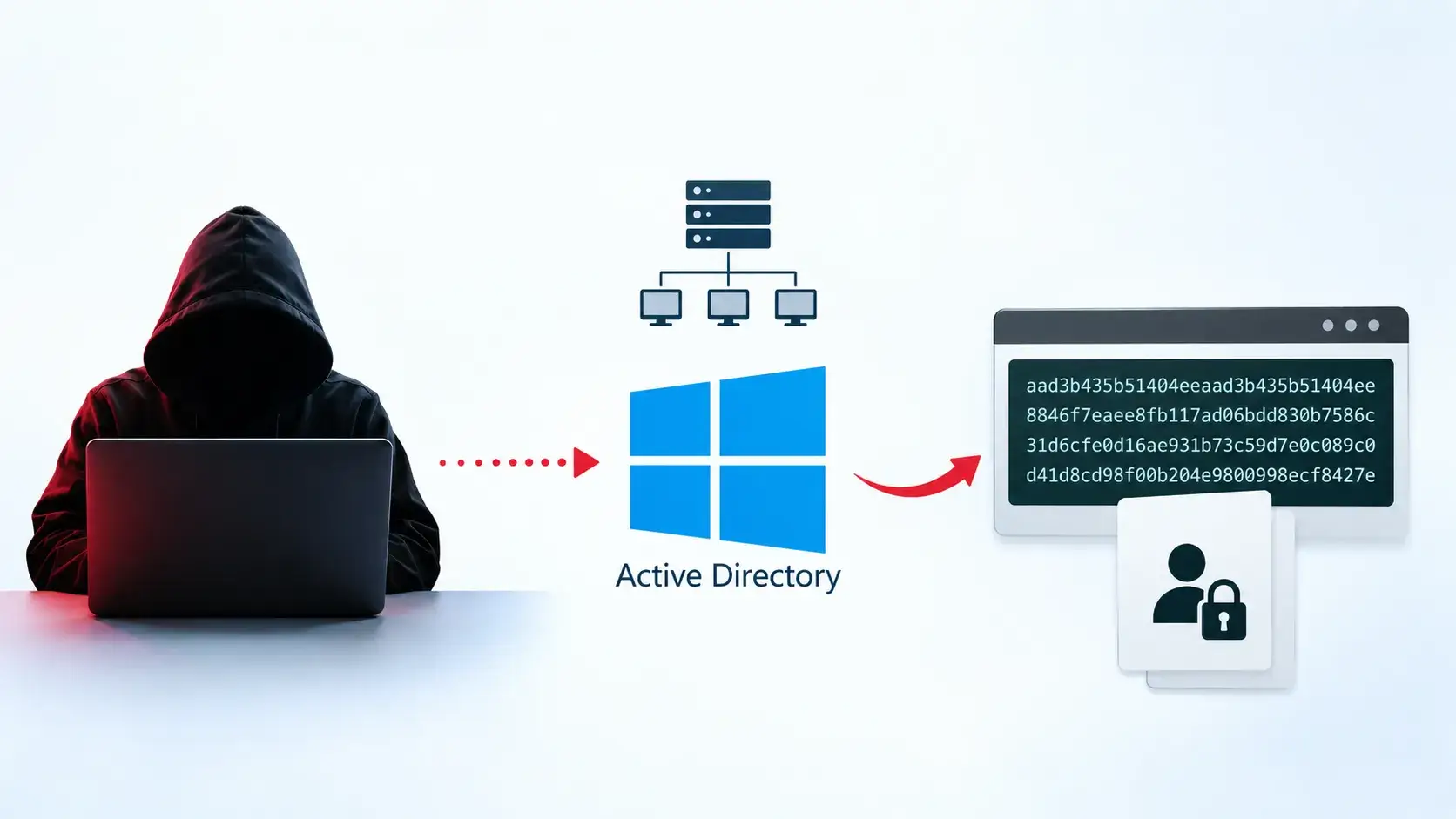
Threat actors are increasingly exploiting Active Directory replication mechanisms to steal password hashes without directly compromising a domain controller. This technique, known as DCSync, allows attackers with privileged domain credentials to impersonate a legitimate domain controller and request sensitive directory replication data. Unlike noisy attacks that use malware on servers or attempt to extract credentials […]
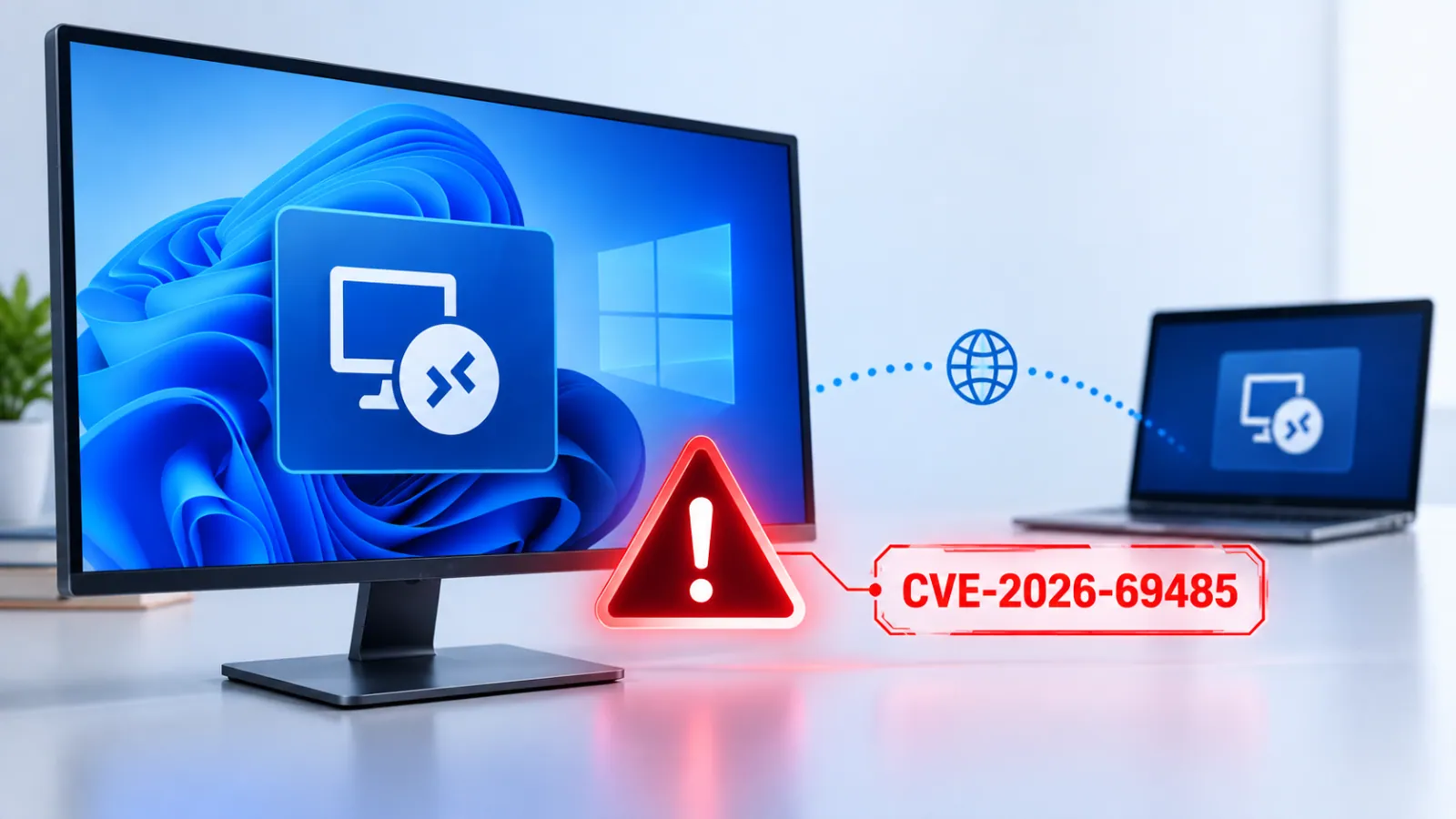
Microsoft has released security updates for CVE-2026-69485, an Important-rated remote code execution vulnerability affecting the Windows Remote Desktop Client.
The flaw could allow an authenticated attacker with low privileges to execute code on an affected server by sending a specially crafted network request.
The vulnerability was disclosed on September 8, 2026, and is tracked as CVE-2026-69485. Microsoft assigned it a CVSS 3.1 base score of 8.8, while the temporal score is 7.7.
The issue has a network attack vector, low attack complexity, requires low privileges, and does not need user interaction. Microsoft said the flaw stems from the Remote Desktop Client using an uninitialized resource.
Uninitialized resources can cause software to use memory, handles, or other system objects before they are properly prepared. In this case, an attacker may trigger the faulty condition through a crafted network request and gain the ability to run code.
Windows Remote Desktop Client Vulnerability
Remote code execution flaws are highly significant because they can give attackers control over vulnerable systems. Successful exploitation could affect the targeted device’s confidentiality, integrity, and availability.
Depending on the permissions available to the compromised account, an attacker could access sensitive data, modify files or system settings, install additional tools, or disrupt services.
According to Microsoft’s advisory, exploitation requires an attacker to first authenticate with low-level access to an affected server. The attacker could then send a specially crafted request to execute code on that server.
The attack does not require a user to click a link, open a file, or approve a prompt, reducing opportunities for defenders to stop it through user awareness controls alone.
Microsoft’s initial assessment states that the vulnerability was not publicly disclosed before the security update and has not been detected in active exploitation.
The company rates exploitation as “Exploitation Less Likely” at the time of publication. However, organizations should treat the finding as a priority because public patch releases can help threat actors study the vulnerability and develop working exploit techniques.
The affected products include Windows Server 2016, Windows Server 2019, Windows Server 2022, and Windows Server 2025, including Server Core installations.
Microsoft also listed several Windows client editions, including Windows 10 versions 1607, 1809, 21H2, and 22H2, along with Windows 11 versions 23H2, 24H2, 25H2, and 26H1 for supported x64 and ARM64 systems.
Administrators should deploy Microsoft’s September security updates as soon as possible.
KB Update
Windows Version
KB5123099
Windows Server 2016 / Windows 10 1607
KB5122876
Windows Server 2019 / Windows 10 1809
KB5122882
Windows Server 2022
KB5122878
Windows 10 21H2 / 22H2
KB5122880
Windows 11 23H2
KB5124008
Windows 11 24H2 / 25H2
KB5124012
Windows 11 26H1
KB5122871
Windows Server 2025
Security teams should also review Remote Desktop exposure, restrict RDP access to trusted networks, enforce least-privilege access, and monitor authentication and Remote Desktop logs for unusual activity. Microsoft credited security researchers yhw and txz for reporting the vulnerability through coordinated disclosure.
Microsoft disclosed CVE-2026-69449, an Important-severity vulnerability in Windows BitLocker. This issue is classified as a heap-based buffer overflow (CWE-122) and may allow remote code execution (RCE). Microsoft released details about this vulnerability on September 8, 2026. The CVSS 3.1 base score is 6.7, with a temporal score of 5.8. Windows BitLocker Flaw The vulnerability uses […]
A newly published proof-of-concept (PoC) called ShieldCrash reveals an unpatched vulnerability in Microsoft Defender that allows a local attacker to gain arbitrary file-read access in the SYSTEM context. This disclosure, attributed to the researcher known as MSNightmare, comes shortly after Microsoft addressed an elevation-of-privilege flaw in the Microsoft Malware Protection Engine, tracked as CVE-2026-69414, referred […]
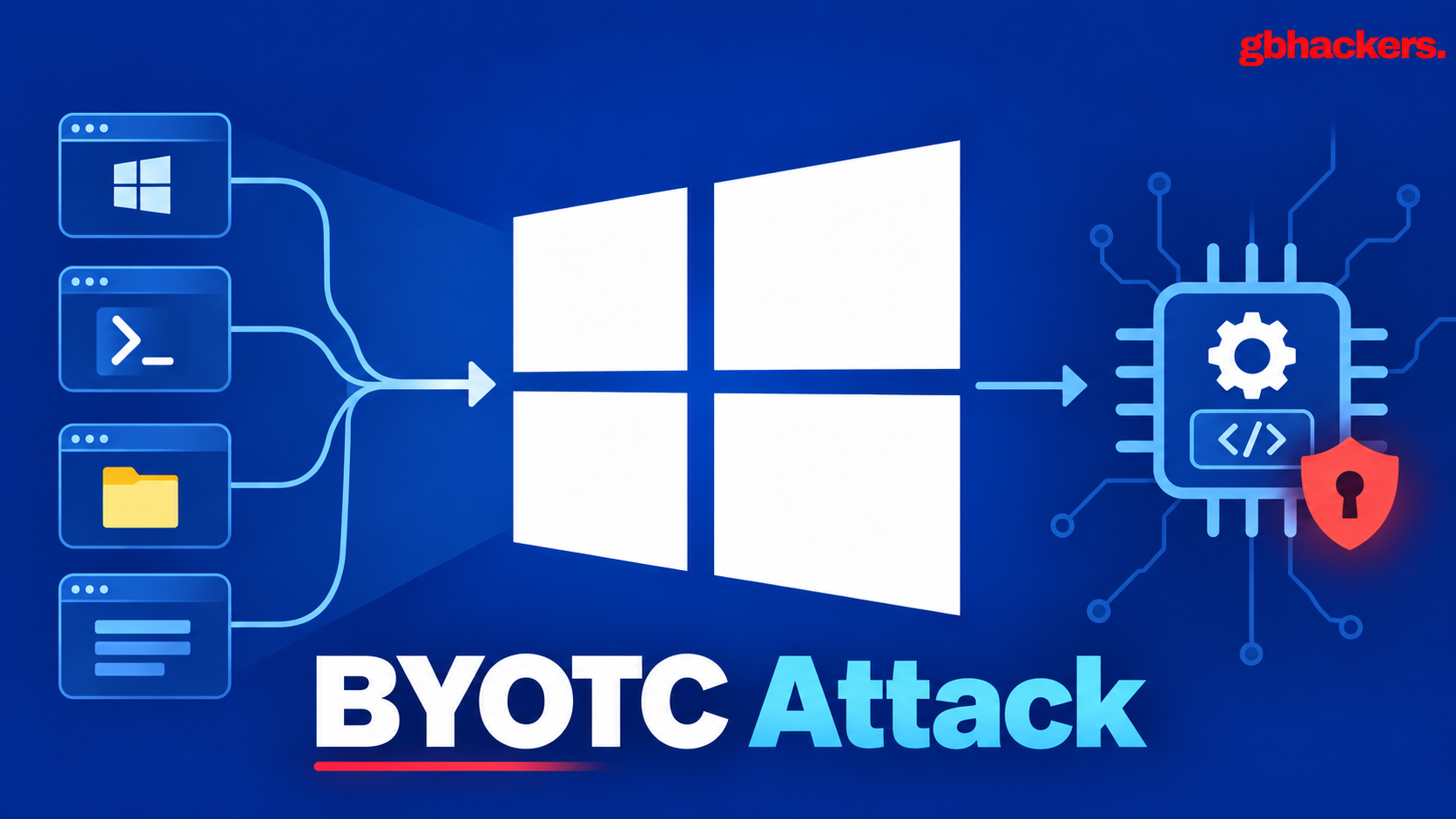
A newly documented Windows attack pattern, dubbed Bring Your Own Trusted Caller (BYOTC), shows how attackers can bypass driver-level authorization controls without exploiting a traditional memory-corruption flaw. Instead of attacking a privileged kernel driver directly, an adversary compromises or abuses the legitimate user-mode application that the driver already trusts. The technique expands on the well-known […]
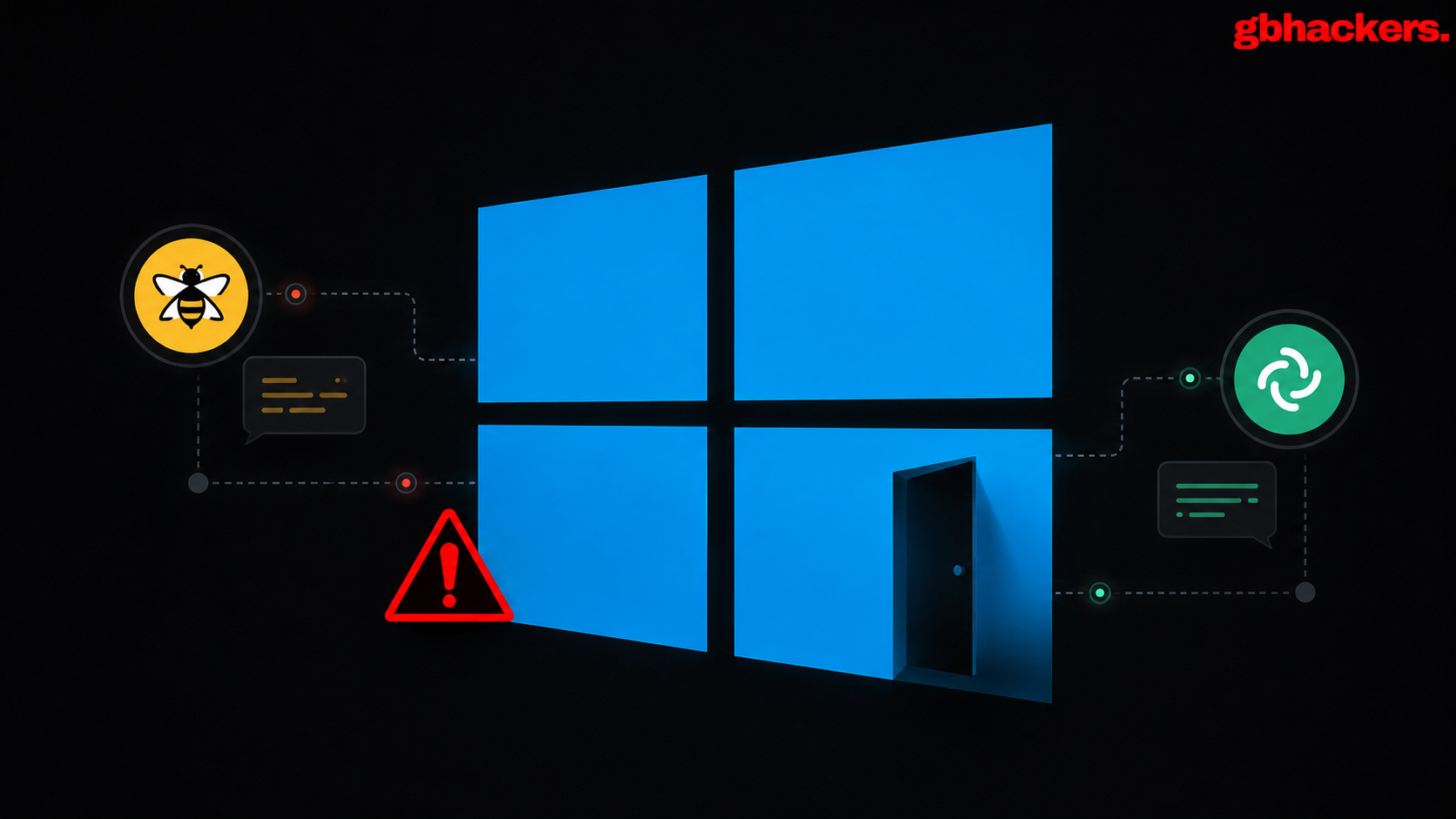
The financially motivated threat actor Toy Ghouls has expanded its custom malware arsenal with two Windows backdoors that abuse HiveMQ’s public MQTT infrastructure and the Matrix-based Element messaging ecosystem for command-and-control communications. The development marks a notable evolution for the group, which previously leaned on publicly available tools and leaked ransomware builders before introducing its […]
Microsoft will start automatically enabling Memory Integrity protection on eligible Windows devices through quality updates beginning in October 2026. This change aims to strengthen defenses against kernel-level attacks by ensuring that only trusted kernel-mode code and drivers can run on supported systems. Memory Integrity is a security feature built on Virtualization-based Security (VBS), a Windows […]
Microsoft alerts IT admins that hotpatch-enrolled systems will require unexpected mandatory reboots in September and October. Prepare for potential downtime.
Learn about the latest Windows 11 KB5120998 bugs causing desktop black screens and cursor glitches. Find out how to uninstall this optional update safely.
Microsoft has confirmed an issue with Microsoft Defender Antivirus that generates false notifications on Windows systems, claiming “Microsoft Defender Antivirus is turned off,” even though the protection is still operational. These alerts may appear after installing the latest Defender updates, potentially causing unnecessary concern for administrators who observe that Defender settings are healthy and security […]

 Entrar