Visualização de leitura

Operation Epic Fury Exposes Critical OT Security Gaps in U.S. Oil and Gas Sector

Operation Epic Fury

The cybersecurity posture of the U.S. oil and gas sector has come under renewed scrutiny following Operation Epic Fury, with a new independent survey revealing a disconnect between operator confidence and actual operational technology (OT) security capabilities. While companies across the upstream and midstream energy segments have accelerated cybersecurity investments since the February 28 launch of Operation Epic Fury, the findings suggest many organizations may still lack the tools needed to identify real-time cyber threats targeting OT environments.  The independent survey, conducted on behalf of Tosi, examined the views of OT decision makers across U.S. oil and gas operators. The research found that most respondents believe they can detect an active OT cyber breach within 24 hours. However, the same OT decision makers acknowledged relying heavily on systems and processes not specifically designed to monitor OT infrastructure.  According to the survey data, 87 percent of operators rated themselves as confident in their ability to detect an OT breach within a day, assigning their organizations a score of four or five on a five-point confidence scale. Despite that confidence, 51 percent said their detection capabilities primarily depend on IT security tools that provide only limited visibility into OT-specific network traffic.  Another 27 percent of respondents said they would depend on field operators or technicians identifying irregularities manually, while only 16 percent reported using continuous OT monitoring as the primary basis for cyber threat detection. Sakari Suhonen, CEO of Tosi U.S., warned that this gap represents a major vulnerability for the energy sector in the wake of Operation Epic Fury.  “This is the most consequential blind spot in U.S. energy infrastructure right now,” Suhonen said. “The sector has the budget, the executive attention, and the will to act. What it does not yet have is detection that actually sees OT. After Operation Epic Fury, that distinction is the difference between catching an intrusion in hours and finding out about it from a production outage.” 

Operation Epic Fury Drives Rapid OT Security Spending 

The independent survey was fielded in April 2026, approximately six weeks after Operation Epic Fury began. Researchers noted that the speed of the sector’s response has been unusually aggressive compared to previous cybersecurity cycles.  One of the clearest trends identified by OT decision makers involved changing perceptions of cyber risk. Sixty-three percent of surveyed operators said cyber risk is now higher than it was before February 28, with 13 percent describing the increase as significant.  Respondents identified several key factors contributing to elevated risk levels, including growing convergence between IT and OT systems, increased targeting of energy infrastructure by state-sponsored cyber actors, and expanding dependence on third-party remote access technologies.  The independent survey also showed that emergency cybersecurity funding is already being deployed. Ninety-four percent of operators said they had either approved or were actively reviewing unplanned OT security spending linked directly to the post-Operation Epic Fury threat landscape. Among OT decision makers surveyed, 95 percent expect OT cybersecurity budgets to increase over the next 12 months, while one in four anticipated budget growth exceeding 20 percent. 

OT Decision Makers Prioritize Detection and Visibility 

The survey findings indicate that OT decision makers are placing greater emphasis on visibility and detection capabilities rather than traditional perimeter security tools.  When respondents were asked to identify the single most important OT security capability to improve over the next year, 22 percent selected continuous monitoring and anomaly detection. Another 20 percent pointed to OT-specific incident detection and response solutions.  Additional priorities included asset discovery at 15 percent and OT-specific secure remote access at 14 percent. Combined, detection, visibility, and remote access technologies accounted for 71 percent of all named priorities among surveyed OT decision makers.  At the same time, operational disruptions linked to cybersecurity incidents appear widespread throughout the sector. According to the independent survey, 99 out of 100 operators reported experiencing at least one category of cyber incident since February 28.  Ransomware affecting OT-connected systems impacted 48 percent of operators surveyed, while another 48 percent reported precautionary OT shutdowns triggered by incidents originating on the IT side of operations. 

Human Challenges Continue to Slow OT Security Progress 

Despite the increase in cybersecurity spending following Operation Epic Fury, many organizations continue to struggle with internal operational barriers. The independent survey found that 45 percent of operators consider the cultural divide between IT and OT teams to be the single largest obstacle preventing faster cybersecurity improvements. Respondents said IT security personnel often lack the specialized expertise required to secure OT environments effectively.  Operational risk aversion ranked as the second-largest barrier at 28 percent. By contrast, only 11 percent of respondents identified budget constraints as a major challenge, marking a notable change from previous industry research in which financial limitations consistently ranked as the top concern for OT decision makers.  The findings emerge amid continuing warnings from federal authorities regarding Iran-aligned cyber activity targeting Western critical infrastructure after Operation Epic Fury. On April 7, six U.S. federal agencies — including the Cybersecurity and Infrastructure Security Agency (CISA), the FBI, and the Department of Energy — issued joint advisory AA26-097A. The advisory confirmed that Iranian-affiliated threat actors were actively disrupting programmable logic controllers across U.S. energy, water, and government sectors, resulting in operational disruptions and financial losses.  The Railroad Commission of Texas later issued a parallel warning to operators on April 10. According to Tosi, the independent survey represents the first dataset quantifying how the oil and gas sector itself is responding to the cybersecurity environment created by Operation Epic Fury. Suhonen said the industry’s next decisions regarding OT security investments will determine whether organizations close existing detection gaps or reinforce systems that remain ineffective for OT environments.  “The next twelve months will see oil and gas spend more on OT security than in the previous several years combined,” Suhonen said. “That spend will land in one of two places. It will close the detection gap with OT-native monitoring, asset visibility, and purpose-built secure remote access. Or it will deepen the IT-tool stack that operators have already told us they cannot see what they need it to see. The data is unambiguous about which path the market needs to take.” 

Rowhammer Attack Against NVIDIA Chips

A new rowhammer attack gives complete control of NVIDIA CPUs.

On Thursday, two research teams, working independently of each other, demonstrated attacks against two cards from Nvidia’s Ampere generation that take GPU rowhammering into new—­and potentially much more consequential—­territory: GDDR bitflips that give adversaries full control of CPU memory, resulting in full system compromise of the host machine. For the attack to work, IOMMU memory management must be disabled, as is the default in BIOS settings.

“Our work shows that Rowhammer, which is well-studied on CPUs, is a serious threat on GPUs as well,” said Andrew Kwong, co-author of one of the papers. “GDDRHammer: Greatly Disturbing DRAM Rows­Cross-Component Rowhammer Attacks from Modern GPUs.” “With our work, we… show how an attacker can induce bit flips on the GPU to gain arbitrary read/write access to all of the CPU’s memory, resulting in complete compromise of the machine.”

Update Friday, April 3: On Friday, researchers unveiled a third Rowhammer attack that also demonstrates Rowhammer attacks on the RTX A6000 that achieves privilege escalation to a root shell. Unlike the previous two, the researchers said, it works even when IOMMU is enabled.

The second paper is GeForge: Hammering GDDR Memory to Forge GPU Page Tables for Fun and Profit:

…does largely the same thing, except that instead of exploiting the last-level page table, as GDDRHammer does, it manipulates the last-level page directory. It was able to induce 1,171 bitflips against the RTX 3060 and 202 bitflips against the RTX 6000.

GeForge, too, uses novel hammering patterns and memory massaging to corrupt GPU page table mappings in GDDR6 memory to acquire read and write access to the GPU memory space. From there, it acquires the same privileges over host CPU memory. The GeForge proof-of-concept exploit against the RTX 3060 concludes by opening a root shell window that allows the attacker to issue commands that run unfettered privileges on the host machine. The researchers said that both GDDRHammer and GeForge could do the same thing against the RTC 6000.

1,800 Developers Hit in Mini Shai-Hulud Supply Chain Attack Across PyPI, NPM, and PHP

What happened A supply chain attack campaign attributed to TeamPCP, dubbed Mini Shai-Hulud, has compromised packages across the PyPI, NPM, and PHP ecosystems over a two-day period, affecting over 1,800 developer repositories containing stolen credentials. The campaign was first identified on April 29 when malicious versions of four SAP NPM packages were caught delivering information-stealing […]

The post 1,800 Developers Hit in Mini Shai-Hulud Supply Chain Attack Across PyPI, NPM, and PHP appeared first on CISO Whisperer.

The post 1,800 Developers Hit in Mini Shai-Hulud Supply Chain Attack Across PyPI, NPM, and PHP appeared first on Security Boulevard.

FBI Links Cybercriminals to Sharp Surge in Cargo Theft Attacks

What happened The FBI issued a public service announcement on April 30, 2026, warning the US transportation and logistics industry of a sharp rise in cyber-enabled cargo theft, with estimated losses in the United States and Canada reaching nearly $725 million in 2025. That represents a 60% increase over the prior year. Confirmed cargo theft […]

The post FBI Links Cybercriminals to Sharp Surge in Cargo Theft Attacks appeared first on CISO Whisperer.

The post FBI Links Cybercriminals to Sharp Surge in Cargo Theft Attacks appeared first on Security Boulevard.

Dutch Health Tech Firm ChipSoft Confirms Destruction of Stolen Patient Data

ChipSoft cyberattack

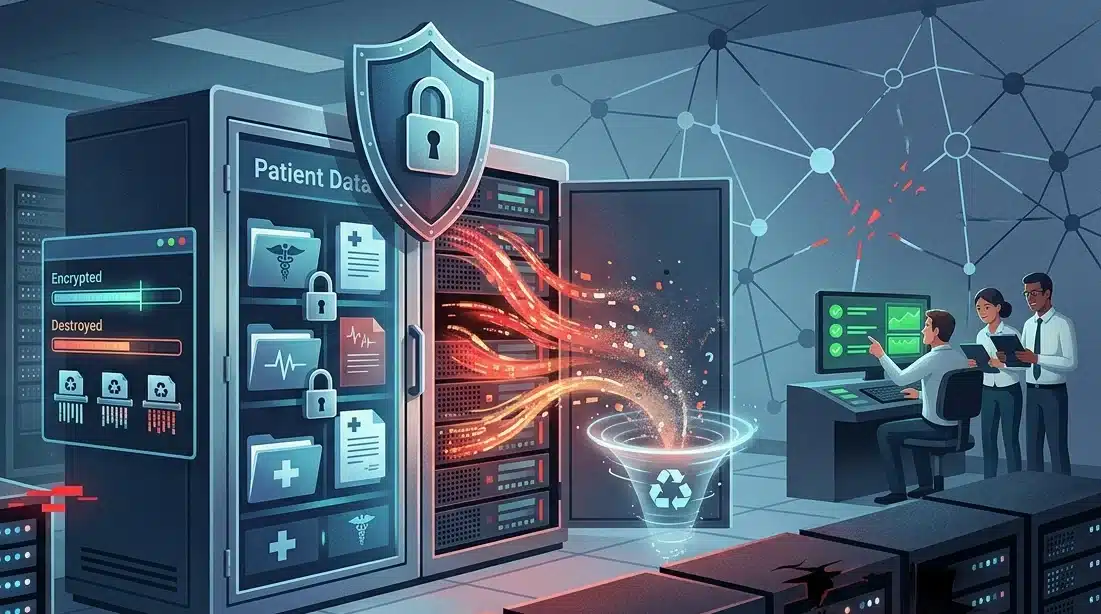
The Cyber Express previously reported the ChipSoft cyberattack, in which ransomware actors stole patient data. Now, reports have surfaced from the Dutch medical software provider, noting that the compromised data has been destroyed, though key details about the incident remain undisclosed.  In an update issued on April 28, 2026, ChipSoft stated that all data collected during the cyberattack had been deleted. According to the company, cybersecurity specialists verified that the destruction was carried out in a “technically sound manner,” although no further explanation was provided about the methods used.  The company emphasized that preventing the publication of stolen data was a top priority. “With the support of cybersecurity experts, we managed to prevent the data from being published. Furthermore, the stolen data has been destroyed,” the statement read. However, ChipSoft has not clarified whether it paid a ransom to the attackers, despite earlier indications that negotiations had taken place.  “Protecting our customers’ data has always been our top priority. In this exceptional situation, that priority weighed very heavily,” the company added, hinting at the difficult decisions made during the ransomware attack response. 

Timeline of the ChipSoft Cyberattack 

The ChipSoft cyberattack first came to light in early April 2026. On April 12, ChipSoft disclosed that it had fallen victim to a cyberattack on its systems earlier that week. As an immediate precaution, the company disabled connections to several key services, including its Care Portal, Care Platform, and HiX Mobile applications, starting April 8.  At the time, ChipSoft confirmed it had engaged Z-CERT, the Dutch healthcare cybersecurity expertise center, and external cybersecurity professionals to conduct a forensic investigation. The company acknowledged the disruption caused to healthcare providers and patients, noting that patient portals were temporarily unavailable and data exchange via the platform had been halted. 

Data Theft Confirmed in the Netherlands 

By April 16, the investigation revealed that cybercriminals behind the ransomware attack had successfully stolen personal and medical data from several Dutch healthcare institutions. ChipSoft confirmed that affected organizations were being notified directly.  Hans Mulder, CEO of ChipSoft, addressed the breach, stating: “After forty years of dedication to reliable healthcare IT, it pains us that this situation has arisen. We cannot undo this data theft. However, we are doing everything we can to support the affected customers as best as possible in this situation.”  In contrast, a separate update on the same day confirmed that Belgian patient data had not been compromised in the cyberattack on ChipSoft systems. 

Systems Shutdown and Gradual Recovery 

The cyberattack forced ChipSoft to shut down multiple services as a preventive measure. Systems such as Zorgplatform, Zorgportaal, and HiX Mobile were temporarily taken offline, affecting daily operations in healthcare institutions.  By April 17, after extensive analysis conducted in collaboration with cybersecurity experts and Z-CERT, ChipSoft announced that the affected systems were safe to use again. A phased rollout began shortly afterward, with healthcare institutions being informed directly about the restoration process.  Further progress was reported on April 24, when ChipSoft confirmed that most healthcare institutions had regained access to Zorgplatform. Connections to Zorgportaal were also being restored, allowing many patient portals to become operational again. The HiX Mobile app became available once institutions reactivated their systems.  Despite these advancements, ChipSoft cautioned that the recovery process required time and careful handling. The company acknowledged the strain placed on healthcare providers, stating that the precautionary measures had significantly impacted daily workflows and patient care. 

University of Warsaw Data Breach Exposes 200,000+ Sensitive Files on Darknet

University of Warsaw cyberattack

Over 200,000 files containing sensitive personal information have been leaked following the University of Warsaw cyberattack that targeted the institution’s digital systems. The attack, which resulted in the publication of the stolen data on the darknet in mid-April 2026, has raised significant concerns about the university's cybersecurity protocols.

In response to the breach, the University of Warsaw took immediate action, isolating affected systems and working closely with relevant authorities to assess the scope of the incident. Rector Alojzy Z. Nowak commented, “Immediately after detecting the incident, the University undertook a series of actions aimed at limiting its impact and securing the IT environment. These included isolating affected systems, terminating unauthorized access, enforcing password resets for all users, strengthening authentication mechanisms, and conducting a comprehensive security review of the infrastructure.”

How the University of Warsaw Cyberattack Unfolded 

The cyberattack unfolded over several months, with attackers gaining access to the university's systems using valid login credentials. These credentials were likely obtained through malware that infected a user’s device, allowing the attackers to quietly exfiltrate large amounts of data over time. The stolen data was eventually posted on the darknet on the night of April 15, 2026, in an 850-gigabyte data dump.

The breach was initially detected on February 9, 2026, during a routine security scan, triggered by global ransomware threats. At first, it was believed that the stolen data had not left the university’s infrastructure. However, subsequent investigation revealed that a significant portion had already been leaked online.

In response to our inquiry, the university clarified: “At this stage, the investigation is ongoing, and no definitive attribution has been publicly confirmed. The incident involved unauthorized access using valid credentials that had likely been previously compromised, most probably through malware on a user’s device.”

What Data Was Exposed? 

The leaked files, which total over 200,000 documents, include a broad range of sensitive information. A large portion of the data came from the Faculty of Applied Social Sciences and Resocialization, as well as the Faculty of Neophilology. The breach exposed approximately 650 GB of publicly accessible audiovisual materials, along with 200 GB of sensitive personal data.

Among the types of personal data exposed were:

  • Identification details: Full names, birthdates, gender, nationality, PESEL numbers, and identity document numbers (e.g., passport numbers).
  • Contact information: Home addresses, phone numbers, email addresses, and usernames.
  • Financial and tax information: Bank account numbers and tax records.
  • Employment data: Employment contracts and career histories.
  • Health records: Information from medical certificates, including sick leave records.

The university has acknowledged that it’s still too early to definitively determine which individuals' data has been impacted. In an official statement, they noted, “Given the nature of the incident, it is not yet possible to conclusively determine which specific individuals’ data may have been impacted; therefore, we encourage all members of the academic community to follow the recommended guidance and monitor further updates.”

Official Response and Security Measures 

Following the breach, the university has worked diligently to mitigate further damage. In addition to isolating the affected systems, the university has collaborated with Poland’s Central Bureau for Combating Cybercrime (CBZC) and CERT Polska to investigate the incident and fortify its cybersecurity defenses.

“We remain committed to fully clarifying the circumstances of this incident and to continuously improving the protection of personal data,” Rector Nowak stated. The university also emphasized its ongoing efforts to enhance security measures, including expanding advanced authentication methods, increasing network monitoring, and further segmenting IT infrastructure to reduce exposure to future risks.

Moreover, the university has published a detailed communication, following GDPR guidelines, to inform affected individuals about the breach and provide recommendations on how they can protect themselves. “Affected individuals are being informed through an official public communication available on the University’s website,” the statement said. “These include, among others, monitoring financial activity, securing personal data (e.g., PESEL number), changing passwords, enabling multi-factor authentication, and remaining vigilant against phishing or fraud attempts.”
Consequences of the Warsaw University Data Leak 

The leaked data presents a serious risk to those affected. The exposure of personal identification details, financial information, and health records could lead to a range of harmful outcomes, including: 
  • Identity theft: Cybercriminals could use the stolen data to impersonate individuals, open accounts in their names, or conduct fraudulent transactions.  
  • Financial fraud: With access to sensitive financial information, attackers may attempt to take out loans, make unauthorized purchases, or commit tax fraud.  
  • Health and privacy violations: Unauthorized access to medical records could lead to misuse of health-related information for fraud or exploitation.  
Moreover, the data leak also carries legal and operational risks, such as wrongful use of personal data in official systems or academic environments. University applicants could face fraudulent claims or be targeted by scams related to university admissions or scholarship offers. 

Preventive Actions and Recommendations 

While the university has taken immediate steps to isolate the affected systems and enhance its security infrastructure, there are additional measures individuals can take to protect themselves from potential fallout: 
  • Monitor financial and credit activity: Individuals should check their credit reports for any suspicious activity and set up alerts for new credit inquiries.  
  • Change passwords and use multi-factor authentication: Affected individuals should update their passwords for email, bank accounts, and university systems, ensuring they use strong, unique passwords for each service.  
  • Be cautious of phishing attempts: The exposure of personal data may lead to targeted phishing attacks. Individuals should remain vigilant when receiving unsolicited messages, particularly those related to banking or health services.

Personal Data Exposed on ANTS Portal, French Authorities Investigate

ANTS data breach

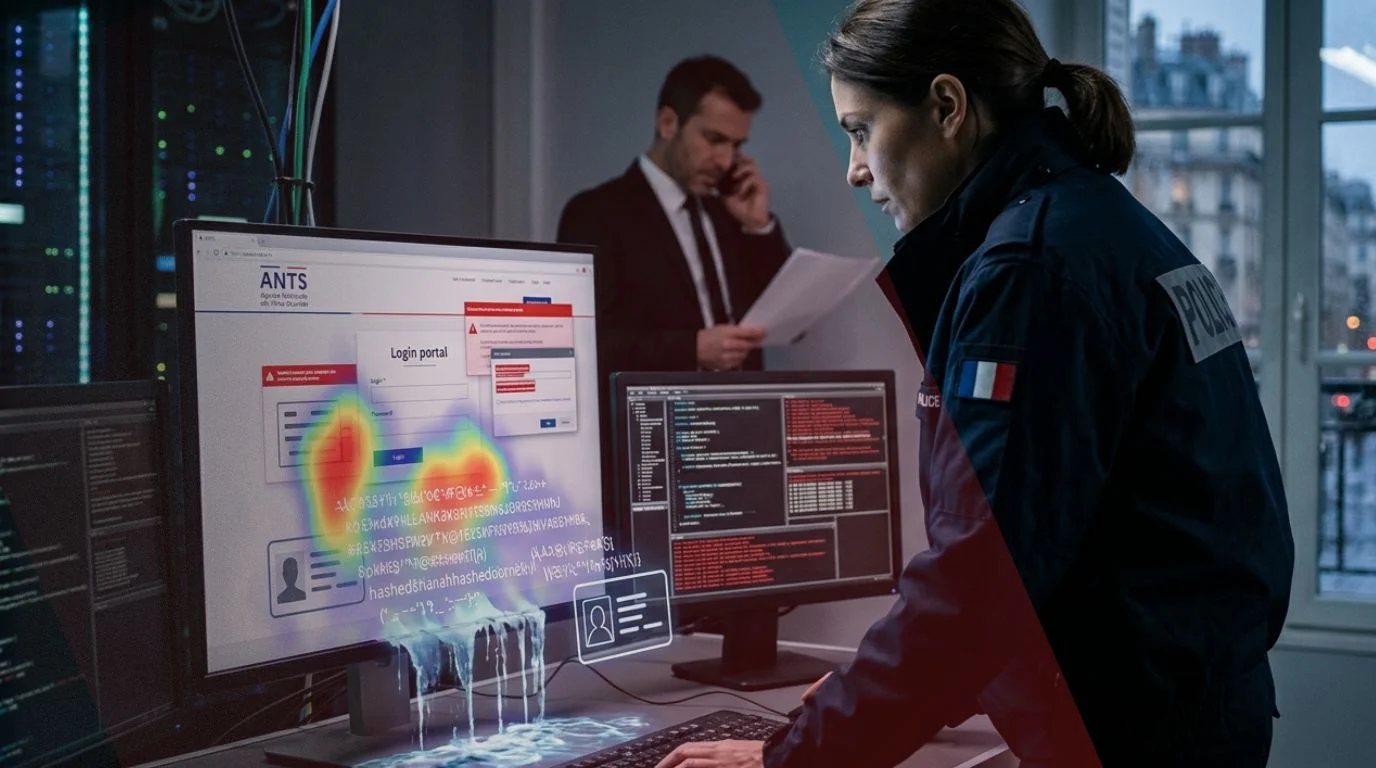
The ANTS data breach has brought renewed attention to data security risks in France’s public sector after authorities confirmed a security incident affecting the ants.gouv.fr portal. The breach was detected on April 15, 2026, by the National Agency for Secure Documents and may have led to the exposure of personal data linked to both individual and professional accounts. According to initial findings, the compromised data includes identification details such as login IDs, names, email addresses, dates of birth, and unique account identifiers. In some cases, additional information such as postal addresses, place of birth, and phone numbers may also be involved. Affected users are being notified directly as investigations continue.

ANTS Data Breach Limited in Scope But Raises Phishing Risks

Authorities have clarified that the ANTS data breach does not involve documents submitted during administrative procedures, including uploaded attachments. The exposed data also cannot be used to directly access user accounts on the portal. However, the nature of the data still presents potential risks. Personal identifiers can be leveraged in targeted phishing campaigns or identity misuse attempts. Users have been advised to remain cautious when receiving unsolicited emails, calls, or messages claiming to be from official sources. The agency also warned that any attempt to distribute or sell data presented as originating from ANTS would be considered illegal.

Regulatory Response and Investigation Underway

In line with regulatory requirements, the ANTS data breach has been reported to the National Commission for Information Technology and Civil Liberties under Article 33 of the General Data Protection Regulation. A separate report has been submitted to the Paris Public Prosecutor under Article 40 of the French Code of Criminal Procedure to support a formal investigation. The National Cybersecurity Agency of France has also been notified and is working alongside ANTS to determine the origin, timeline, and full scope of the incident. Technical investigations are ongoing, with authorities focusing on how the breach occurred and whether additional systems were affected. Security measures have already been reinforced to protect user data and ensure service continuity on the platform.

EduConnect Cyberattack Shows How Identity Misuse Enables Access

The ANTS data breach follows closely on the heels of another incident involving France’s education systems. A cyberattack targeting the EduConnect platform stemmed from the impersonation of an authorized staff account in late 2025. Attackers exploited a vulnerability in a connected student account management service shortly before it was patched. This allowed unauthorized access to student data, including names, login identifiers, class information, and in some cases email addresses and activation codes. Investigations later confirmed that the scope extended beyond the initially targeted institution. In response to EduConnect cyberattack, the ministry reset access codes for unactivated accounts, blocked compromised credentials, and introduced two-factor authentication. A crisis response team was also activated, and access to the affected service was temporarily suspended. The case highlights how compromised credentials can be used to bypass controls without triggering immediate detection.

FICOBA Breach Exposed Financial Data Through Stolen Credentials

Earlier this year, another major France data breach involved the FICOBA database, a centralized registry that tracks all bank accounts in the country. The FICOBA breach affected approximately 1.2 million accounts after an attacker used stolen credentials belonging to a government official. Managed by the Directorate General of Public Finances, FICOBA contains highly sensitive data, including IBAN numbers, account holder identities, and addresses. The attacker accessed the system through legitimate channels, allowing queries to be made without raising immediate alerts. Authorities detected the intrusion in late January 2026 and moved quickly to restrict access and limit further data extraction.

ANTS Data Breach Reflects Broader Challenges in Data Protection

The ANTS data breach adds to a growing list of incidents affecting public sector systems in France. While the breach appears limited in terms of direct impact, it highlights ongoing challenges in managing personal data securely. Across recent cases, a consistent pattern is emerging. Attackers are not relying solely on traditional exploits. Instead, they are leveraging identity compromise, timing vulnerabilities, and gaps in monitoring to gain access to sensitive systems. French authorities have responded with notifications, investigations, and enhanced safeguards. However, these incidents reinforce the need for stronger controls around identity management, access monitoring, and data minimization. As investigations into the ANTS data breach continue, the findings are likely to shape how public sector platforms in France approach both security and user data protection going forward.

Bluesky, Fast-Growing X Alternative, Hit by Sophisticated DDoS Attack

Bluesky cyberattack

A service disruption at Bluesky last week exposed the growing challenges faced by fast-expanding social media platforms, after the company confirmed that a “sophisticated” distributed denial-of-service (DDoS) incident was behind widespread outages. The Bluesky cyberattack began late on April 15, 2026, and quickly escalated, interrupting core functions across the app and leaving users unable to reliably access feeds, notifications, threads, and search.  The incident occured at a time when Bluesky has been experiencing rapid user growth, making it a more visible target for large-scale attacks. While disruptions of this nature often raise concerns about potential data breaches or unauthorized access, the company repeatedly stated that the attack was limited to service availability.   Throughout the outage, Bluesky issued a series of public updates to keep users informed about the platform’s status and the steps being taken to mitigate the attack.  

Bluesky Cyberattack Disrupts Core Platform Functions 

The disruption began at approximately 11:40 PM PDT on April 15, when Bluesky received initial reports of intermittent outages. Engineers responded immediately, working overnight to contain what was later described as a “sophisticated” DDoS attack. As the attack intensified over the next several hours, it began to impact the platform’s functionality.  In an early update, Bluesky stated: “We are experiencing some service interruptions, and our team is working on the issue. You can find the latest updates at status.bsky.app or follow @status.bsky.app.”  As more users reported issues, the company clarified the extent of the disruption: “The attack is impacting our application, with users experiencing intermittent interruptions in service for their feeds, notifications, threads and search.”  DDoS attacks function by overwhelming servers with massive volumes of traffic, effectively preventing legitimate users from accessing services. In this case, the cyberattack on Bluesky followed that pattern, focusing on disrupting availability rather than infiltrating systems or extracting sensitive data. 

Platform Stabilizes While Attack Continues 

By around 9 PM PDT on April 16, Bluesky reported that the platform had stabilized despite the continued presence of DDoS traffic. The company noted: “The application has remained stable since approximately 9 PM PDT, April 16 despite ongoing Distributed Denial-of-Service (DDoS) attacks. We have not seen any evidence of unauthorized access to private user data.”  This message was reiterated in subsequent updates, reinforcing the company’s position that user data remained secure. In its final communication on the incident, Bluesky stated: “The application has remained stable since the evening of April 16 and we have seen no evidence of unauthorized access to private user data. Given the ongoing stability, this will be our final update.” 

Attribution Remains Unclear as Platform Continues to Grow 

The company has not officially attributed the attack to any specific group or actor. However, a group identifying itself as “313 Team,” reportedly claimed responsibility through a Telegram message, stating that it had carried out a “massive cyberattack” targeting Bluesky’s application programming interface (API).  The incident comes amid a period of significant growth for the platform. Since its inception, Bluesky has expanded to approximately 43.7 million users, driven in part by users migrating from X following political developments in the United States 

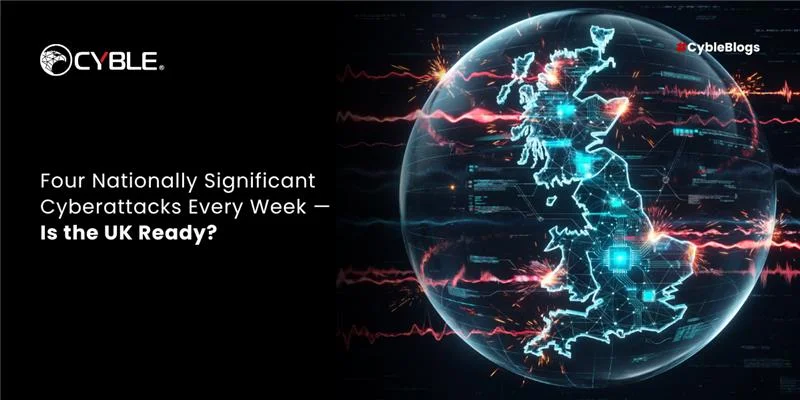
Four Nationally Significant Cyberattacks Every Week — Is the UK Ready?

UK Cyberattacks

The tempo of UK cyberattacks has shifted from sporadic disruption to something far more systemic. When incidents reach a frequency of four national events each week, the issue stops being purely technical and becomes structural. It raises a more uncomfortable question than whether attacks will happen; it asks whether UK cybersecurity readiness is evolving fast enough to keep pace with a threat environment that is no longer linear, but compounding.

The latest assessment from the National Cyber Security Centre (NCSC) reveals a sharp escalation in UK national cyber threats. In the 12 months leading to September 2025, 204 incidents were classified as nationally significant, more than double the 89 recorded in the previous year. This is the highest figure on record.

The Acceleration of UK National Cyber Threats

In total, 429 cyber incidents required NCSC intervention during this period. Among them, 18 were categorized as “highly significant,” meaning they carried the potential to severely disrupt essential services or compromise national security. That figure alone notes an almost 50% increase compared with the previous year, continuing a three-year trend of intensifying severity in cyberattacks in the UK.

These are not isolated breaches caused by opportunistic threat actors. A large share of activity is linked to advanced persistent threat (APT) groups, well-funded, highly capable operators that pursue long-term access to critical systems. Their objectives range from strategic intelligence gathering to financial gain and, in some cases, deliberate disruption.

Dr Richard Horne, Chief Executive of the NCSC, has made the situation explicit: the growing frequency of serious incidents demonstrates that the UK’s exposure to cyber risk is rapidly. He has warned that delays in strengthening defenses are no longer neutral, they actively increase vulnerability.

When Cybersecurity Becomes a Boardroom Issue 

The rising intensity of UK cyberattacks has prompted direct intervention from the government. Senior executives across major UK businesses, including those in the FTSE 350, have been formally urged to treat cyber resilience as a board-level responsibility rather than a technical afterthought. 

This shift is not symbolic. It reflects recognition that cyber risk now sits alongside financial and operational risk. Organizations are being pushed to integrate security into strategic decision-making, rather than relegating it to IT departments. 

To support this, the NCSC has introduced tools aimed at improving baseline protections, particularly for smaller businesses that often lack dedicated security resources. The Cyber Essentials programme has been positioned as an accessible entry point, with added incentives such as free cyber insurance for eligible firms to encourage adoption. 

Energy Transformation and the Expanding Attack Surface 

One of the less obvious drivers behind the rise in UK national cyber threats is the transformation of the energy sector. The UK’s clean energy ambitions, particularly under the Clean Power 2030 initiative, are reshaping infrastructure at speed. 

Battery storage capacity is expected to increase sixfold, while wind and solar generation could nearly triple. At the same time, the system is becoming more decentralized, introducing a wider range of operators and digital interfaces. 

From a cybersecurity perspective, this creates a paradox. The energy system becomes more resilient in terms of generation diversity, but more vulnerable in terms of digital exposure. Each new connection, whether a distributed solar installation or a grid-scale battery, adds another potential entry point for attackers. 

This is why UK critical infrastructure attacks are increasingly focused on non-traditional targets. Recent incidents in Europe have shown adversaries probing distributed renewable assets, exploiting the reliance on remote management and interconnected control systems. 

The Cascading Risk of Infrastructure Disruption 

Energy systems do not operate in isolation. They underpin transport networks, healthcare services, communications, and financial systems. A disruption in energy supply can trigger cascading failures across multiple sectors. 

Even non-cyber incidents put a spotlight on this fragility. The 2025 North Hyde substation fire demonstrated how quickly a localized event can create broader disruption. In the case of coordinated cyberattacks, the potential for systemic impact is higher. 

This interconnectedness is what makes cyberattacks in the UK particularly concerning. The risk is not just service interruption, but the amplification of disruption across dependent systems. 

Rethinking Regulation for Modern Threats 

To address these challenges, the UK government is reassessing its regulatory framework, particularly the Network and Information Systems (NIS) Regulations. Introduced in 2018, these rules were designed for a more centralized energy system and may no longer reflect current realities. 

The key issue is scope. Many organizations that contribute to system stability fall outside NIS requirements because they do not meet existing thresholds or have not been formally designated as critical operators. 

The proposed reforms aim to close this gap through two primary measures: 

  • Expanding NIS coverage under the Cyber Security and Resilience Bill to better capture modern critical infrastructure  

  • Introducing baseline cyber resilience requirements for all Ofgem licensees in the downstream gas and electricity sector  

This dual approach acknowledges that UK cybersecurity readiness cannot rely solely on protecting the largest players. In a decentralized system, smaller entities can represent equally critical points of failure. 

Baseline Security: Necessary but Not Sufficient 

The proposed baseline requirements are designed to establish a minimum standard of cyber hygiene across the sector. These measures are expected to be proportionate and widely applicable, focusing on preventing common attack vectors rather than enforcing advanced capabilities. 

They align closely with the Cyber Essentials framework, which emphasizes five core controls: firewalls, secure configuration, access management, malware protection, and patching. 

However, this approach has limitations. Cyber Essentials is primarily tailored to IT environments and does not fully address operational technology (OT), which is central to energy infrastructure. OT systems require different security models, as they interact directly with physical processes. 

Recognizing this, policymakers are considering a hybrid model that extends beyond technical controls to include governance, supply chain security, and incident response planning. This reflects a more mature understanding of UK national cyber threats, where organizational resilience is as important as technical defense. 

Conclusion 

With UK cyberattacks occurring at a rate of four national incidents per week, the financial impact of significant cyberattacks in the UK, often exceeding £436,000 per breach, makes gaps in UK cybersecurity readiness a measurable risk. As UK national cyber threats grow and UK critical infrastructure attacks become more likely, organizations need timely threat intelligence and faster response. 

Cyble provides real-time threat intelligence and automated detection to help identify and mitigate risks earlier. Schedule a demo to see how Cyble can support your security operations. 

References: 

The post Four Nationally Significant Cyberattacks Every Week — Is the UK Ready? appeared first on Cyble.
The Cyber Express Weekly Roundup: Crypto Breaches, State-Linked Schemes, and Platform Exploits

The Cyber Express weekly roundup cybersecurity

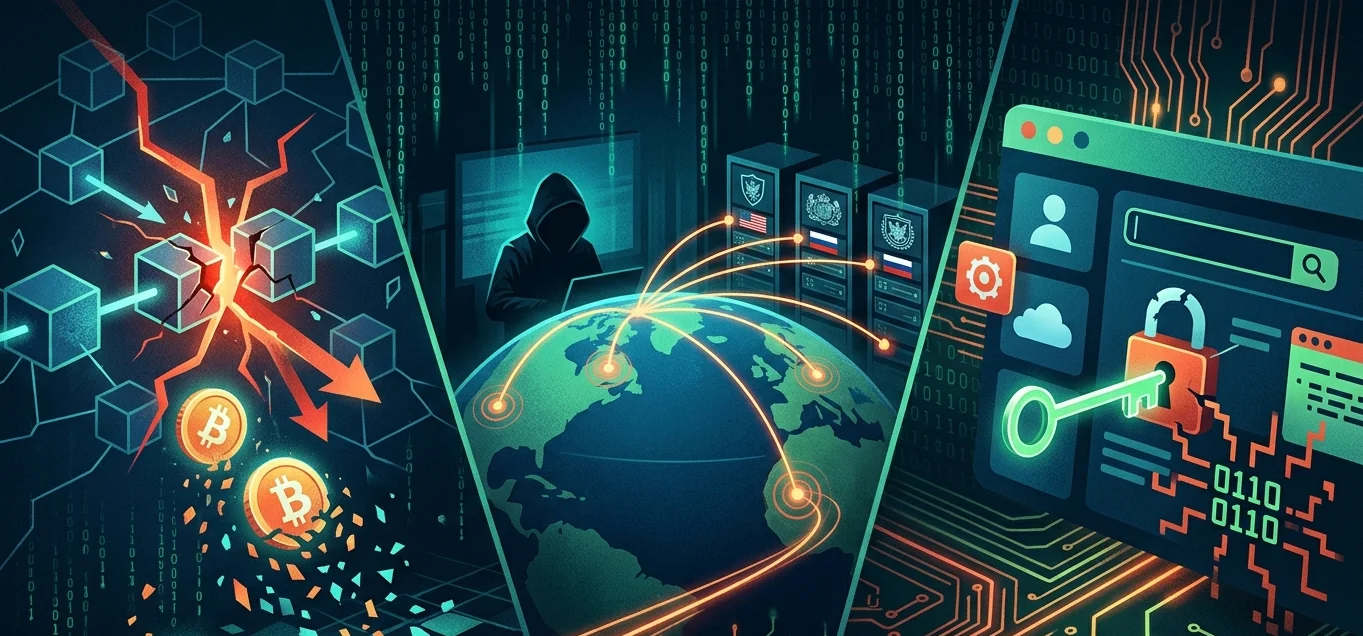
In this week’s weekly roundup, The Cyber Express reviews major developments across the cybersecurity domain. highlighting incidents involving crypto ecosystem attacks, state-linked fraud operations, regulatory scrutiny, and underground cybercrime activity. The broader threat landscape continues to show attackers targeting infrastructure weaknesses, social engineering pathways, and third-party dependencies rather than isolated technical flaws.  Across multiple cases, state-aligned and financially motivated actors are focusing on routers, DNS layers, and decentralized systems to intercept data and manipulate transactions. At the same time, gaps in regulation and enforcement continue to complicate platform accountability, particularly in online safety and digital content governance.  

The Cyber Express Weekly Roundup 

$15M Grinex Hack Halts Trading After Wallet Breach 

Grinex suspended trading and withdrawals following a coordinated attack that compromised its wallet infrastructure, resulting in the theft of more than $15 million in USDT. The attackers rapidly moved assets across Ethereum and Tron networks, using chain-hopping and layering techniques to obscure transaction trails and avoid detection. Read more... 

Two U.S. Nationals Sentenced in $5M North Korea IT Worker Scheme 

Two U.S. nationals, Kejia Wang and Zhenxing Wang, received prison sentences of 108 and 92 months for their roles in a North Korea-linked remote employment scheme that generated over $5 million. The operation used stolen identities, domestic “laptop farms,” and shell companies to present overseas workers as U.S.-based employees across more than 100 companies. Read more... 

Australia Social Media Ban Faces Enforcement Questions 

Australia’s under-16 social media restriction is facing renewed scrutiny after a study of 1,050 children found that over 60% of previously active users aged 12–15 continue accessing platforms such as TikTok, YouTube, and Instagram. Many accounts remained active without intervention from providers, and in some cases, users created new profiles after restrictions were applied. Read more... 

TierOne Dark Web Contest Offers $10K for Exploit Writeups 

A dark web forum known as TierOne has launched a $10,000 contest encouraging detailed technical write-ups on vulnerability exploitation techniques. Running from April 13 to May 14, 2026, and reportedly sponsored by a ransomware group, the contest focuses on topics such as remote code execution, IDOR, SSTI, firmware attacks, and EDR bypass methods.  Read more... 

Rockstar Cyberattack Confirmed Amid Extortion Threat 

Rockstar Games confirmed a cyberattack involving unauthorized access through a third-party service, though it stated that core operations and player systems were unaffected. The threat actor group ShinyHunters claimed responsibility, alleging access to internal company data and demanding payment by April 14, 2026, under threat of public release. Read more... 

Weekly Takeaway 

The Cyber Express weekly roundup reflects a threat landscape that is fragmented yet interconnected. From multimillion-dollar crypto thefts and criminal employment schemes to underground exploit markets and extortion-driven breaches, attackers are consistently blending technical exploitation with deception and supply chain targeting.   Regulatory uncertainty and weak enforcement mechanisms further amplify these risks, allowing both state-linked and financially motivated actors to operate with greater flexibility across digital environments. 

$15M Grinex Hack Forces Trading Halt After Major Crypto Wallet Breach

Grinex cyberattack

The Grinex cyberattack has once again drawn attention to the vulnerabilities facing the global Crypto exchange ecosystem. In a cyberattack on Grinex, the Kyrgyzstan-based platform was forced to suspend all trading operations after hackers executed a large-scale wallet breach, stealing more than $15 million in USDT.   The cyberattack on Grinex unfolded when attackers infiltrated the exchange wallet infrastructure, extracting over 1 billion rubles, equivalent to roughly $13–15 million in USDT.  

Response to the Grinex Cyberattack 

In response, Grinex halted all trading activities, including withdrawals, effectively locking users out of their accounts while the platform assessed the damage. The company described the wallet breach as a “highly coordinated” operation carried out by skilled threat actors equipped with advanced tools and resources.   While Grinex suggested the possibility of foreign intelligence involvement, claiming the attack may have been intended to undermine Russia’s financial independence, no concrete evidence has been presented to support this assertion. Investigations into the Grinex cyberattack are ongoing, and the source of the breach remains unidentified. 

Stolen Funds Rapidly Moved Across Blockchains 

Following the wallet breach, the attackers wasted no time in attempting to obscure the trail of stolen assets. According to blockchain analytics firm Elliptic, the hackers quickly distributed the funds across multiple wallets and blockchain networks, including Ethereum and Tron.  This tactic, commonly observed in major Crypto exchange hacks, is designed to slow down tracking efforts by law enforcement. The attackers also converted USDT into other digital assets such as TRX and ETH. This step was likely taken because Tether, the issuer of USDT, has the authority to freeze tokens linked to illicit activity.  Eventually, the stolen funds were consolidated into a primary wallet containing approximately 45.9 million TRX, valued at around $15 million. This consolidation phase typically signals that attackers are deciding whether to hold, redistribute, or liquidate the assets, as reported by MEXC  The Grinex cyberattack follows well-documented cybercrime patterns, including “chain-hopping” (moving funds across multiple blockchains) and “layering” (spreading funds across numerous wallets). These methods exploit the decentralized nature of blockchain systems, where the absence of a central authority allows funds to move with limited immediate intervention. 

Broader Risks for Crypto Exchanges 

The cyberattack on Grinex is part of a new trend affecting the Crypto exchange industry throughout 2025 and 2026. Security researchers have repeatedly identified hot wallet vulnerabilities and compromised transaction-signing processes as the most common entry points for attackers.  Grinex itself acknowledged facing ongoing operational challenges, including sanctions pressure, transaction restrictions, and prior minor cyber incidents. The company stated that these pressures have required aggressive defensive measures.  In the aftermath of the wallet breach, Grinex filed a criminal complaint and shared all available data with law enforcement agencies to aid in tracking the stolen funds 

Links to Sanctioned Ecosystems Raise Stakes 

Grinex is widely regarded as a successor to Garantex, a major Crypto exchange that ceased operations in 2025 following sanctions from the United States, European Union, and United Kingdom over alleged money laundering activities. After Garantex shut down, a large portion of its user base and liquidity migrated to platforms like Grinex.  This transition positioned Grinex as a key trading hub for ruble-based crypto transactions. It also became central to the use of stablecoins such as A7A5, a ruble-backed token tied to deposits held by sanctioned institutions. Operating across blockchains like Ethereum and Tron, A7A5 enables large-scale, cross-border transactions.  However, it is noted that a relatively small number of wallets control a large share of these transactions, concentrating activity among a limited group of participants. Such structures can facilitate sanction evasion, making platforms like Grinex both strategically important and highly attractive targets for cybercriminals. 

Targeted Cyberattack on Northern Ireland Schools Exposes Personal Data

Education Authority cyberattack

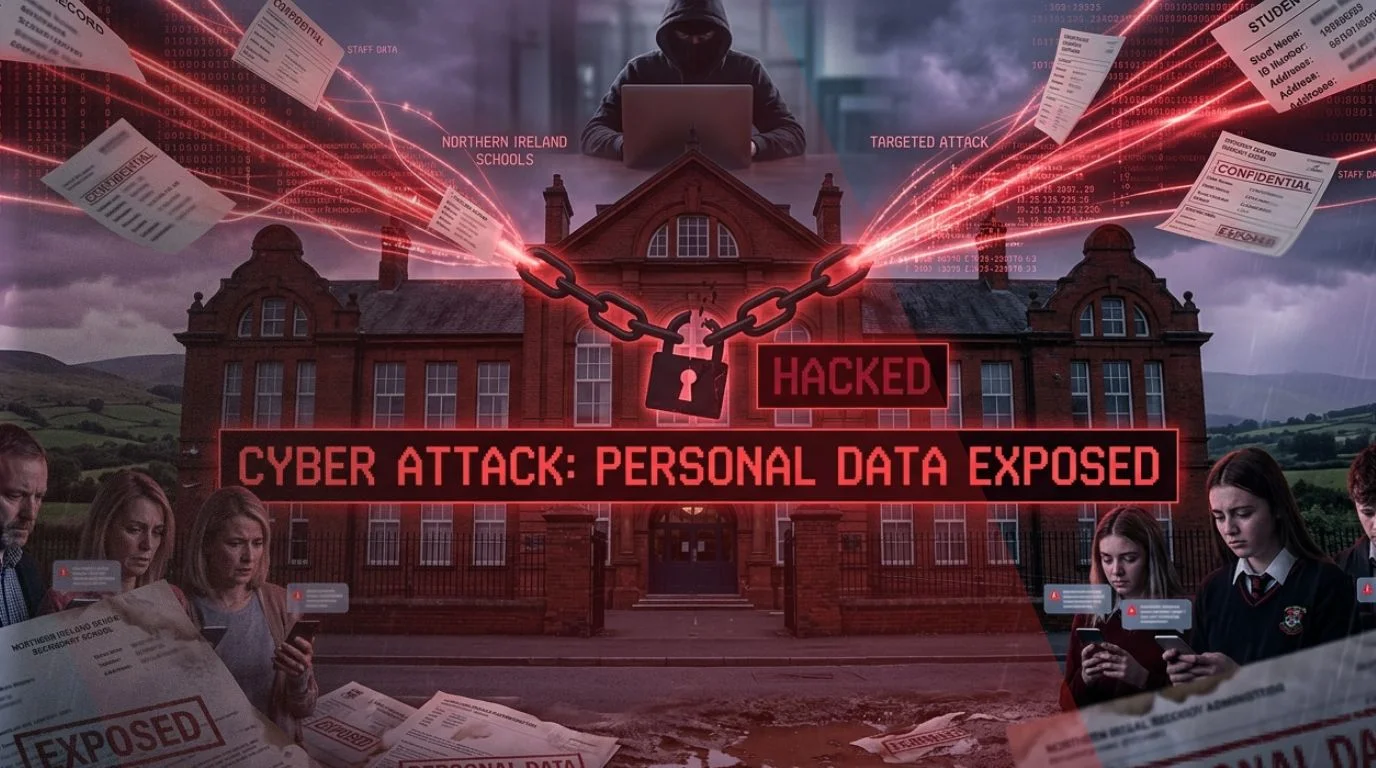
The Education Authority cyberattack investigation has confirmed that a recent incident involved a targeted attack on a small number of schools, leading to the compromise of some personal data. The update comes days after the incident was first reported, with new findings shedding light on the nature and impact of the breach. According to officials, the Education Authority cyberattack was identified on April 10, 2026, when authorities were alerted to suspicious activity affecting school systems. Forensic experts have since determined that attackers gained specific and targeted access to personal information linked to certain schools.

Targeted Nature of Education Authority Cyberattack

The latest findings indicate that the Education Authority cyberattack was not a widespread system breach but a focused attack on select institutions. Investigators confirmed that personal data was accessed in these cases, though the full extent of the compromised information has not yet been disclosed. Authorities had earlier stated that there was no evidence of data exfiltration or corruption. That assessment was based on initial findings, with officials noting at the time that the investigation was ongoing. The updated confirmation reflects the results of a more detailed forensic review, which required analysis across multiple systems. The breach is believed to have occurred before additional cybersecurity measures were implemented by the authority earlier this month.

Investigation and Law Enforcement Involvement

The Education Authority cyberattack is currently under active investigation, with law enforcement agencies involved. The Police Service of Northern Ireland and the Information Commissioner’s Office were notified immediately after forensic experts confirmed that personal data had been accessed. Officials stated that details of the incident are being disclosed publicly following an arrest made by the police. Prior to this development, authorities had withheld information to avoid interfering with ongoing investigations. The involvement of regulatory and law enforcement bodies highlights the seriousness of the Education Authority cyberattack, particularly given the sensitivity of data held by educational institutions.

Containment and System Recovery Efforts

System managers have assessed that the Education Authority cyberattack has been contained. Additional security measures were deployed as soon as the incident was detected, aimed at preventing further unauthorized access. Efforts are now focused on restoring normal operations. Work is ongoing to reconnect affected schools to the C2k system, which supports digital services across the education network. Officials said that restoring full functionality remains a priority while ensuring system security. The authority has also urged users to reset their C2k passwords as a precautionary step.

Notification of Affected Individuals

Authorities have confirmed that individuals whose personal data may have been compromised in the Education Authority cyberattack will be notified. The process of informing affected schools and individuals is currently underway and is being guided by the final findings of the investigation, along with advice from relevant authorities. Officials acknowledged the concern such incidents may cause and said efforts are being made to communicate with impacted parties as quickly as possible. At the same time, they noted that certain details cannot yet be disclosed publicly due to the ongoing police investigation. Further updates are expected once authorities are able to share more information without affecting the case.

Ongoing Monitoring and Next Steps

The Education Authority cyberattack remains under close monitoring as forensic analysis continues. Investigators are working to fully understand how the breach occurred and whether additional risks remain. While the incident appears to be contained, the confirmation of targeted access to personal data underscores the risks facing education systems, which often manage sensitive information across interconnected platforms. Authorities have indicated that further updates will be provided as the investigation progresses and more details become available.

On Anthropic’s Mythos Preview and Project Glasswing

The cybersecurity industry is obsessing over Anthropic’s new model, Claude Mythos Preview, and its effects on cybersecurity. Anthropic said that it is not releasing it to the general public because of its cyberattack capabilities, and has launched Project Glasswing to run the model against a whole slew of public domain and proprietary software, with the aim of finding and patching all the vulnerabilities before hackers get their hands on the model and exploit them.

There’s a lot here, and I hope to write something more considered in the coming week, but I want to make some quick observations.

One: This is very much a PR play by Anthropic—and it worked. Lots of reporters are breathlessly repeating Anthropic’s talking points, without engaging with them critically. OpenAI, presumably pissed that Anthropic’s new model has gotten so much positive press and wanting to grab some of the spotlight for itself, announced its model is just as scary, and won’t be released to the general public, either.

Two: These models do demonstrate an increased sophistication in their cyberattack capabilities. They write effective exploits—taking the vulnerabilities they find and operationalizing them—without human involvement. They can find more complex vulnerabilities: chaining together several memory corruption bugs, for example. And they can do more with one-shot prompting, without requiring orchestration and agent configuration infrastructure.

Three: Anthropic might have a good PR team, but the problem isn’t with Mythos Preview. The security company Aisle was able to replicate the vulnerabilities that Anthropic found, using older, cheaper, public models. But there is a difference between finding a vulnerability and turning it into an attack. This points to a current advantage to the defender. Finding for the purposes of fixing is easier for an AI than finding plus exploiting. This advantage is likely to shrink, as ever more powerful models become available to the general public.

Four: Everyone who is panicking about the ramifications of this is correct about the problem, even if we can’t predict the exact timeline. Maybe the sea change just happened, with the new models from Anthropic and OpenAI. Maybe it happened six months ago. Maybe it’ll happen in six months. It will happen—I have no doubt about it—and sooner than we are ready for. We can’t predict how much more these models will improve in general, but software seems to be a specialized language that is optimal for AIs.

A couple of weeks ago, I wrote about security in what I called “the age of instant software,” where AIs are superhumanly good at finding, exploiting, and patching vulnerabilities. I stand by everything I wrote there. The urgency is now greater than ever.

I was also part of a large team that wrote a “what to do now” report. The guidance is largely correct: We need to prepare for a world where zero-day exploits are dime-a-dozen, and lots of attackers suddenly have offensive capabilities that far outstrip their skills.

Rockstar Cyberattack Confirmed; ShinyHunters Claims Breach, Issues Extortion Threat

Rockstar cyberattack

Rockstar Games has confirmed a new security breach involving unauthorized access to internal data. The company behind GTA 5 and the Grand Theft Auto franchise acknowledged that the Rockstar cyberattack stemmed from a third-party vulnerability, though it maintains the impact is limited.  At the same time, the hacking group ShinyHunters has claimed responsibility for the cyberattack on Rockstar, alleging it has obtained company data and is now attempting to extort the developer. The group has issued a deadline, threatening to leak the data if its demands are not met. 

Rockstar Cyberattack Confirmed by Company 

According to the GTA 5 developer, the cyberattack on Rockstar systems did occur, but the overall impact appears to be limited. In a statement shared with Kotaku, a company spokesperson clarified: “We can confirm that a limited amount of non-material company information was accessed in connection with a third-party data breach. This incident has no impact on our organization or our players.”  This statement indicates that although the Rockstar cyberattack resulted in unauthorized access, it did not compromise sensitive player data or disrupt operations tied to popular titles like GTA 5 or the broader Grand Theft Auto franchise. Rockstar noted that the breach involved non-essential company information, suggesting minimal operational risk. 

Cyberattack on Rockstar Linked to ShinyHunters Extortion 

The situation escalated when ShinyHunters, a cybercrime group active since 2020, claimed responsibility for the cyberattack on Rockstar. The group alleges it infiltrated the company’s cloud infrastructure and obtained a large volume of internal data. To increase pressure, the hackers posted an extortion message on their dark web leak site, demanding payment before April 14, 2026.  Their warning reads: “Rockstar Games, your Snowflake instances were compromised thanks to Anodot.com. Pay or leak. This is a final warning to reach out by 14 Apr 2026 before we leak, along with several annoying (digital) problems that’ll come your way. Make the right decision, don’t be the next headline.”  Reports suggest that the attackers did not directly breach Snowflake, the cloud data platform used by Rockstar. Instead, the vulnerability appears to stem from Anodot, a cloud cost monitoring and analytics service integrated with Rockstar’s systems. Anodot itself has reportedly suffered a recent security incident, which may have provided ShinyHunters with indirect access.  This method of intrusion would have appeared legitimate within Rockstar’s infrastructure, making detection more difficult and potentially allowing the attackers to gather a significant amount of corporate data. 

Rockstar Cyberattack Raises Concerns for Grand Theft Auto Future 

At this stage, ShinyHunters has not disclosed exactly what files or information they possess. However, early assessments suggest the stolen data is likely limited to internal corporate materials rather than user-sensitive information. This could include contracts, financial records, marketing strategies, and other proprietary assets, valuable information that Rockstar would prefer to keep confidential, especially with anticipation building around future Grand Theft Auto releases.  ShinyHunters has a well-established track record of targeting major corporations. Previous victims attributed to the group include Microsoft, Ticketmaster, Cisco, AT&T, and Wattpad. Their typical strategy involves stealing data and then either ransoming it back to the victim or selling it on underground marketplaces 

When Geopolitical Conflict Spills into Cyberspace — How US Organizations Should Respond 

cyber warfare attacks in 2026

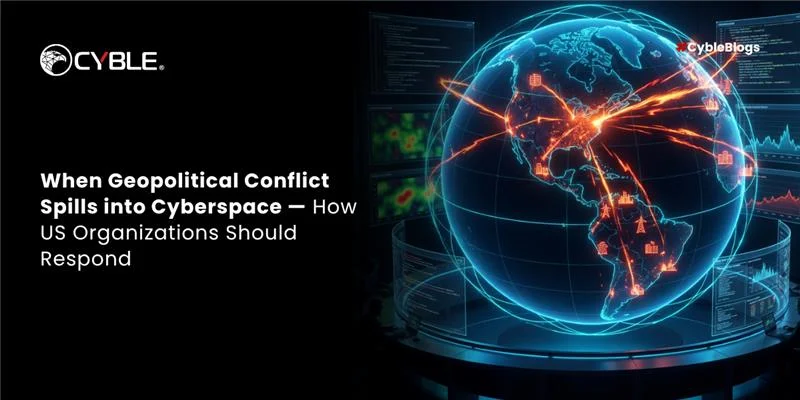
Modern conflict no longer begins with troops crossing borders; it often starts with packets crossing networks. For example, the escalation on February 28, 2026, involving Iran, the United States, and Israel gives insights on how quickly geopolitical cyber threats can evolve into full-spectrum confrontations. What unfolded was not just a regional clash but a preview of how cyber warfare attacks now operate alongside missiles, drones, and information campaigns. 

In this environment, cybersecurity for US organizations can no longer be treated as a purely technical function. It has become a matter of strategic resilience. Nation-state cyberattacks are synchronized with real-world conflict, creating ripple effects that extend far beyond the immediate battlefield. 

Cyber Warfare Attacks Meet Kinetic Force 

The opening phase of hostilities, initiated through Operation Epic Fury by the United States and Operation Roaring Lion by Israel, marked a new shift in how cyber warfare attacks are deployed. Within the first 72 hours (February 28 to March 3), cyber operations were executed in parallel with kinetic strikes, targeting both infrastructure and perception. 

At approximately 06:27 GMT on February 28, coordinated strikes hit more than two dozen Iranian provinces, targeting nuclear facilities, IRGC command centers, and missile systems. Reports indicated the targeted killing of Ayatollah Ali Khamenei, a moment that fundamentally altered the trajectory of the conflict. 

Simultaneously, cyber operations disrupted Iranian digital infrastructure at scale. Internet connectivity dropped to roughly 1–4% of normal levels, crippling government communications, media platforms, and military coordination. This was not incidental; it was deliberate integration of cyber defense strategies into offensive planning. 

Compromised mobile applications and defaced state websites were used to inject confusion into the population, while misinformation campaigns blurred the line between truth and manipulation. This convergence of cyber and psychological operations reflects a new doctrine in nation-state cyberattacks: control the narrative while degrading the network. 

The Expanding Threat Landscape 

By March 1, the conflict had entered a second phase: retaliation and decentralization. Iran launched ballistic missiles and drones targeting Israel, GCC countries, and US-linked assets. At the same time, cyberspace saw a surge in non-state actors. 

More than 70 hacktivist groups mobilized within days. These groups, spanning ideological lines, including pro-Iranian and pro-Russian actors, conducted distributed denial-of-service (DDoS) attacks, website defacements, and credential theft campaigns. Their operations targeted government portals and critical infrastructure across regions such as Turkey, Poland, and the Gulf. 

One notable example was a malicious Android application disguised as an Israeli missile alert system. Distributed via Hebrew-language SMS, it harvested sensitive user data, including contacts, SMS logs, IMEI numbers, and email credentials, while employing encryption and anti-analysis techniques. This level of technical prowess blurred the distinction between hacktivism and state-sponsored tooling. 

At the same time, cybercriminal groups exploited the chaos. Social engineering campaigns surged across the UAE, while ransomware actors began blending ideological messaging with extortion tactics.  

Critical Infrastructure Security Under Pressure 

As the conflict intensified between March 2 and March 3, its impact on critical infrastructure security became more apparent. Missile strikes damaged physical assets, including infrastructure linked to aviation and cloud services. Meanwhile, cyber activity targeted digital dependencies supporting those systems. 

Although most observed cyber warfare attacks during this period were disruptive rather than destructive, primarily DDoS attacks, exposed surveillance systems, and propaganda operations, there were persistent, unverified claims of industrial control system (ICS) compromise. Even without confirmation, such claims can influence decision-making and public confidence. 

The broader implication is clear: critical infrastructure security must account for both verified threats and perceived ones. In a hybrid conflict, perception itself becomes a weapon. 

Latent Capabilities and Strategic Risk 

One of the more nuanced aspects of this conflict is what has not happened, at least not yet. Despite the scale of activity, large-scale destructive nation-state cyberattacks remained limited during the first 72 hours. This was partly attributed to disruptions in Iran’s internet connectivity, which constrained command-and-control operations. 

However, intelligence indicators suggest that pre-positioned access and dormant capabilities remain intact. Once connectivity stabilizes, these assets could be activated rapidly, potentially escalating cyber warfare attacks to a more destructive phase. 

Cyber Defense Strategies for US Organizations 

Given the global interconnectedness of digital systems, US organizations are not insulated from geographically distant conflicts. Supply chains, cloud dependencies, and third-party services create indirect exposure to geopolitical cyber threats. 

Effective cyber defense strategies must therefore evolve in several key areas: 

  • Proactive Threat HuntingOrganizations should actively search for indicators of pre-positioned access within their networks. Waiting for alerts is no longer sufficient in the context of nation-state cyberattacks. 

  • Resilience Against DDoS and Disruption: With high-volume, low-sophistication attacks dominating early phases, ensuring availability of external-facing services is critical. This includes stress-testing infrastructure under simulated attack conditions. 

  • Strengthened Identity and Access Controls: Credential theft remains a primary vector. Multi-factor authentication, behavioral analytics, and privileged access management are essential components of cyber risk management. 

  • Mobile and Endpoint Security: The rise of malicious mobile applications highlights the need for robust endpoint detection and user awareness. Organizations must treat mobile devices as critical assets, not peripheral ones. 

  • Social Engineering Awareness: Conflict-driven anxiety creates fertile ground for phishing and vishing attacks. Continuous training and simulated exercises can reduce susceptibility. 

  • Supply Chain Visibility: Organizations must map dependencies, particularly those linked to regions experiencing instability. Disruptions in one geography can cascade into operational risks elsewhere. 

Preparing for a Persistent Hybrid Threat Environment 

The events between February 28 and March 3, 2026, mark a shift in modern conflict, where cyber warfare attacks are now central to military strategy. For US organizations, this means adapting to persistent geopolitical cyber threats that blur the lines between physical and digital conflict.  

Cybersecurity for US organizations must focus on anticipation, strengthening cyber defense strategies, improving cyber risk management, and reinforcing critical infrastructure security to handle sustained campaigns.  

Cyble supports this approach by providing AI-powered threat intelligence and real-time visibility to help organizations detect and respond to nation-state cyberattacks more effectively. Security teams can schedule a demo or access Cyble’s latest reports to better prepare for modern cyber threats. 

The post When Geopolitical Conflict Spills into Cyberspace — How US Organizations Should Respond  appeared first on Cyble.

Signature Healthcare Cyberattack Causes Service Disruptions, Treatment Delays

Signature Healthcare cyberattack

A Signature Healthcare cyberattack has disrupted critical hospital systems at Signature Healthcare and Signature Healthcare Brockton Hospital, affecting patient care, laboratory testing, pharmacy services, and administrative operations. The cyberattack on Signature Healthcare Brockton Hospital forced the hospital to activate emergency downtime procedures, divert ambulances, and temporarily cancel chemotherapy infusions for cancer patients. Surgeries and urgent care continued, but delays were reported due to system outages. This incident is part of a rising trend of cyberattacks on Massachusetts hospitals, which target healthcare networks, compromise patient data, and disrupt essential services.

Signature Healthcare Cyberattack Forces Service Disruptions 

The Signature Healthcare cyberattack was first identified on April 6, 2026, when officials detected suspicious activity within part of their network. In response, the hospital activated its incident response protocols to contain the threat and protect patient safety.  “Upon identifying suspicious activity within a portion of our network, we immediately activated our incident response protocols. We moved to down-time procedures to ensure high-quality patient care and safety,” the hospital stated.  As a result of the cyberattack on Signature Healthcare Brockton Hospital, several information systems went offline, forcing staff to rely on manual, downtime procedures. While inpatient care and walk-in emergency services continued, ambulance traffic had to be diverted to other facilities. 

Impact on Patients and Critical Care Services 

The Signature Healthcare cyberattack had immediate consequences for patient care. Chemotherapy infusion services for cancer patients were canceled on Tuesday, April 7, with patients instructed to contact the Greene Cancer Center to reschedule. This disruption raised concerns about the continuity of care for vulnerable patients during the cyberattack on Signature Healthcare Brockton Hospital.  By April 8, the hospital reported partial recovery, stating that chemotherapy services had resumed for new patients and were being gradually reintroduced for existing patients based on safety protocols.  Despite the ongoing Massachusetts hospital cyberattack, surgeries and procedures, including endoscopy, continued as scheduled. However, hospital officials warned that technology outages could lead to delays across multiple departments. 

Operational Challenges and Temporary Adjustments 

The Signature Healthcare cyberattack also affected a wide range of support services. According to updates released by the hospital: 

  • All lab work and diagnostic tests continued, but faced delays  
  • Requests for medical records could not be fulfilled temporarily  
  • Retail pharmacies in Brockton and East Bridgewater remained open for consultation, but were unable to fill prescriptions  
  • Signature Medical Group and urgent care services stayed operational, though delays were expected  
Additionally, inpatient food services continued with strict adherence to dietary restrictions. However, the hospital was unable to accommodate special meal requests for patients without dietary needs during the cyberattack on Signature Healthcare Brockton Hospital.  Visitor services were also impacted. The cafeteria remained open but could only accept cash payments, with an ATM made available in the lobby to accommodate visitors amid this Massachusetts hospital cyberattack. 

Timeline of the Massachusetts Hospital Cyberattack 

The Signature Healthcare cyberattack unfolded over several days: 
  • April 6, 2026: The cybersecurity incident was detected, prompting immediate response measures and a shift to downtime procedures. Ambulances were diverted, and certain services were suspended.  
  • April 7, 2026: Chemotherapy infusion services were canceled for the day, while surgeries and emergency care continued with delays. Retail pharmacies were unable to dispense medications.  
  • April 8, 2026: The hospital provided updates indicating gradual restoration of services, including the phased return of chemotherapy treatments.  
Throughout the cyberattack on Signature Healthcare Brockton Hospital, officials stressed that the patient's safety remained their top priority. 

Ongoing Investigation and Recovery Efforts 

The health system confirmed it is working with external cybersecurity experts to investigate the Signature Healthcare cyberattack and restore affected systems as quickly as possible. While the full scope and cause of the Massachusetts hospital cyberattack have not yet been disclosed, efforts remain focused on system recovery and safeguarding sensitive data. “We are working with outside resources to help us investigate the incident and restore operations as quickly as possible,” the hospital said in its April 6 announcement 

Bitcoin Depot Discloses $3.6 Million Crypto Theft Following System Breach

Bitcoin Depot cyberattack

The Bitcoin Depot cyberattack has resulted in the theft of approximately 50.903 Bitcoin, valued at $3.665 million, after unauthorized actors gained access to the company’s internal systems. The incident, disclosed in a filing with the U.S. Securities and Exchange Commission (SEC), occurred on March 23, 2026, and involved compromised credentials linked to the company’s digital asset settlement accounts. Bitcoin Depot Inc. confirmed that the attackers were able to access certain parts of its information technology environment and execute unauthorized transfers from company-controlled cryptocurrency wallets.

How the Bitcoin Depot Cyberattack Unfolded

According to the company’s Form 8-K filing, the Bitcoin Depot cyberattack began when an unauthorized party infiltrated its IT systems and obtained control of credentials associated with digital asset settlement accounts. These credentials were then used to transfer Bitcoin without authorization. Upon detecting the breach, the company said it immediately activated its incident response protocols. External cybersecurity experts were brought in to investigate the intrusion, and law enforcement authorities were notified. The company noted that, based on the investigation so far, the incident appears to be limited to its corporate systems and did not impact customer-facing platforms or services.

Financial Impact of the Bitcoin Depot Cyberattack

The unauthorized transfer involved 50.903 Bitcoin, which Bitcoin Depot valued at approximately $3.665 million at the time of the incident. This figure has been recorded as a preliminary estimate of loss in the company’s filing. While the Bitcoin Depot cyberattack has been classified as a material incident due to potential reputational, legal, and regulatory consequences, the company stated that it does not expect the breach to have a significant impact on its overall financial condition or operational performance. However, the final financial impact may change as the investigation progresses. The company also indicated that it maintains cybersecurity insurance, which may cover part of the losses, although there is no guarantee of full recovery.

No Evidence of Customer Data Exposure

Bitcoin Depot emphasized that there is currently no evidence suggesting that customer data was accessed or exfiltrated during the Bitcoin Depot cyberattack. The company stated that its customer platforms, systems, and environments remain unaffected. This distinction is significant, as the breach appears to have been confined to internal systems rather than broader infrastructure that handles customer transactions or personal data. Still, the company acknowledged that the investigation is ongoing and that conclusions could evolve as more information becomes available.

Ongoing Investigation and Security Measures

The Bitcoin Depot cyberattack remains under active investigation, with third-party cybersecurity specialists continuing to analyze the scope and method of the intrusion. The company has committed to updating its disclosures if new material information emerges. As part of its response, Bitcoin Depot is working to strengthen its IT systems and implement additional safeguards aimed at preventing similar incidents in the future. These efforts include reviewing access controls and reinforcing security around credential management. The company also indicated that it will amend its SEC filing if required details were not fully available at the time of the initial report.

Broader Implications for Crypto Security

The Bitcoin Depot cyberattack highlights a key risk in the cryptocurrency sector, compromised credentials tied to internal systems can lead to direct financial losses, even when customer platforms remain unaffected. The incident resulted in a loss of $3.665 million after attackers gained control of settlement account credentials and moved funds from company-controlled wallets. While there is no evidence of customer data exposure so far, the breach reflects the ongoing challenges organizations face in securing digital asset infrastructure. The investigation is still ongoing, and the full scope and long-term impact have yet to be determined. The Cyber Express team has reached out to Bitcoin Depot for additional details; however, no response had been received at the time of writing. We will update this story as more information becomes available.

Dual-Brain Architecture: The Cybersecurity AI Innovation That Changes Everything

agentic ai architecture

Cybersecurity has always been a race, but it is no longer a fair one. Attackers now operate at machine speed, orchestrating campaigns that evolve in seconds, while many defense teams still rely on workflows measured in hours or days. This widening gap has forced a fundamental shift in thinking. The conversation is no longer about faster response alone; it is about anticipation, autonomy, and intelligent coordination. 

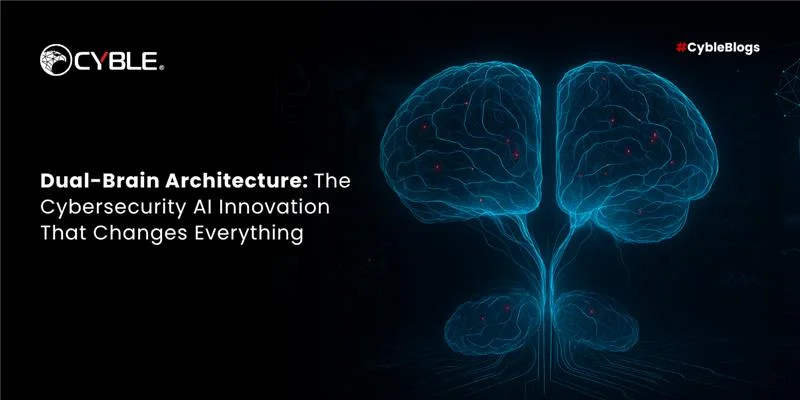
Cybersecurity AI innovation built on agentic AI architecture is the new shift everyone is talking about. These systems are not passive tools waiting for instructions; they actively investigate, reason, and act. What distinguishes this evolution is the emergence of dual-brain design, a concept that blends real-time decision-making with long-term contextual understanding. 

The Dual-Brain Model: Separating Speed from Understanding 

Traditional systems struggle because they attempt to process everything, real-time signals and historical context, within a single framework. Dual-brain architecture breaks this limitation by dividing responsibilities into two complementary layers. 

The first layer, often described as neural memory, operates like a continuously evolving knowledge graph. It maps relationships across attacker behaviors, infrastructure patterns, and indicators of compromise. This is where neural memory threat intelligence becomes critical. Instead of storing static data, it builds a living model of how threats behave over time, adapting as new intelligence flows in. 

The second layer focuses on unstructured information. Security data rarely arrives neatly packaged; it exists in fragmented reports, dark web discussions, and analyst notes. This layer transforms raw, ambiguous inputs into semantic meaning. It doesn’t just match patterns; it interprets intent. 

Together, these layers create a system capable of both immediate reaction and informed reasoning. One “brain” reacts in real time; the other provides depth and memory. The result is a more balanced and capable AI cybersecurity architecture that can connect weak signals long before they become visible threats. 

From Alerts to Outcomes: Fixing Alert Fatigue 

One of the most persistent failures in cybersecurity operations is an alert overload. Analysts are inundated with notifications, many of which lack context or urgency. Critical threats often hide in plain sight, buried under noise. 

Dual-brain systems address this by shifting the focus from alerts to outcomes. Instead of generating isolated warnings, they construct a coherent narrative around a threat. Signals from endpoints, cloud systems, and external intelligence sources are correlated into a single, actionable story. 

This is where autonomous AI security becomes transformative. The system doesn’t stop detecting; it investigates, validates, and responds. Compromised systems can be isolated, malicious domains blocked, and policies enforced automatically. What once required hours of manual effort can now happen in seconds, with minimal human intervention. 

Cyble Blaze AI: Dual-Brain Architecture in Practice 

A clear example of this cybersecurity ai innovation in action can be seen in Cyble Blaze AI, a platform designed to operationalize agentic ai architecture at scale. Its implementation of dual-brain design brings together real-time detection and long-term contextual reasoning in a way that mirrors how experienced analysts think, only at machine speed. 

Cyble Blaze AI uses a neural memory layer to continuously map relationships between threat actors, attack techniques, and infrastructure patterns. This intelligence base allows it to connect early indicators, such as leaked credentials or exploit chatter, with internal vulnerabilities. Complementing this is a vector-based processing layer that interprets unstructured data, enabling deeper contextual understanding across sources like dark web forums and fragmented threat reports. 

What sets the platform apart is its ability to act on this intelligence autonomously. Built on a distributed agentic ai architecture, Cyble Blaze AI deploys specialized agents that monitor endpoints, cloud environments, and external threat landscapes simultaneously. These agents collaborate in real time, sharing insights and triggering coordinated responses across domains. 

The platform’s predictive capabilities are particularly notable. By analyzing more than 350 billion threat data points, it identifies patterns that signal where attacks are likely to emerge. In many cases, it can forecast risks up to six months in advance, turning neural memory threat intelligence into a forward-looking defense mechanism rather than a retrospective tool. 

Check out Cyble Blaze AI 

Agentic AI Architecture: A Network of Specialized Intelligence 

The real power of this approach lies in its structure. Rather than relying on a monolithic system, modern platforms use a distributed agentic ai architecture composed of specialized agents. 

Each agent has a defined role. Some continuously scan for anomalies across endpoints. Others focus on cloud environments or SaaS ecosystems. Response agents execute containment and remediation actions. What makes this effective is not just specialization, but coordination. 

When one agent detects a signal, it is immediately shared across the system. A suspicious login identified in a cloud environment can trigger endpoint containment actions without delay. This real-time collaboration enables detection, analysis, and response to occur in under two minutes in many scenarios. 

This level of orchestration marks a clear departure from traditional tools. It reflects a broader shift toward autonomous ai security, where systems operate with a high degree of independence while maintaining precision. 

Predictive Defense: Seeing Months Ahead 

Perhaps the most significant advancement in this cybersecurity ai innovation is its predictive capability. By analyzing vast datasets, often exceeding 350 billion threat data points, these systems identify patterns that indicate where future attacks are likely to emerge. 

This is not guesswork. It is a large-scale correlation across historical attacks, newly disclosed vulnerabilities, and global threat activity. Early indicators, such as leaked credentials or exploit discussions on underground forums, are linked to an organization’s environment. 

Through neural memory threat intelligence, the system recognizes trajectories. It can forecast risks up to six months in advance, giving organizations a critical window to act before an attack materializes. 

This fundamentally changes the role of cybersecurity. Defense is no longer reactive; it becomes anticipatory. 

Toward a Preventive Security Model 

Dual-brain architecture redefines cybersecurity by shifting the goal from reacting to threats to preventing them altogether. By combining agentic ai architecture, predictive analytics, and neural memory threat intelligence, platforms like Cyble Blaze AI enable autonomous ai security that anticipates attack paths, reduces exposure, and neutralizes risks before they escalate.  

This marks a fundamental evolution in AI cybersecurity architecture, where speed and context work together to deliver predictive, outcome-driven defense. To see how this cybersecurity AI innovation operates in practice, organizations can request a personalized demo for Cyble Blaze AI and explore its capabilities firsthand. 

The post Dual-Brain Architecture: The Cybersecurity AI Innovation That Changes Everything appeared first on Cyble.

Gov. Tim Walz Deploys National Guard After Winona Cyberattack Disrupts Services

Winona County cyberattack

A Winona County cyberattack has disrupted critical systems and forced Minnesota to step in with emergency support. The cyberattack on Winona County began on April 6 and continued overnight into April 7, affecting key digital infrastructure used to run emergency and municipal services. County officials said the disruption significantly impaired their ability to deliver essential services, including core administrative and public-facing operations. Governor Tim Walz signed an executive order authorizing the Minnesota National Guard to assist with the response. “Cyberattacks are an evolving threat that can strike anywhere, at any time,” said Governor Walz. “Swift coordination between state and local experts matters in these moments. That's why I am authorizing the National Guard to support Winona County as they work to protect critical systems and maintain essential services.”

Winona County Cyberattack Strains Local Response

The Winona County cyberattack quickly overwhelmed local response efforts. Officials said teams have been working around the clock since the incident was detected. The county is coordinating with Minnesota Information Technology Services, the Minnesota Bureau of Criminal Apprehension, the League of Minnesota Cities, the Federal Bureau of Investigation, and external cybersecurity specialists. Despite this multi-agency response, officials confirmed that the scale and complexity of the incident exceeded both internal and commercial response capabilities. This led to a formal request for cyber protection support from the Minnesota National Guard. The incident highlights how even smaller jurisdictions are now facing large-scale cyber disruptions that require state-level intervention.

National Guard Activated Under Emergency Order

Under the emergency order, the Adjutant General is authorized to deploy personnel, equipment, and other resources to support the response to the Winona County cyberattack. The order also allows the state to procure services needed to manage the incident and confirms that costs will be covered through the state’s general fund. It is already in effect and will remain active until the emergency conditions subside or the order is formally rescinded. Officials say the priority is to stabilize affected systems, prevent further damage, and restore full functionality as quickly as possible.

Essential Services Continue Amid Disruption

Even as systems remain impacted, officials stressed that emergency services are still operational. 911 services, fire response, and other emergency operations continue to function during the Winona County cyberattack, ensuring that urgent public safety needs are not affected. However, the disruption has slowed other county services, and officials have warned that some delays are expected as systems are brought back online. Residents have been asked for patience while recovery efforts continue.

Investigation Underway

Authorities have not disclosed the nature of the Winona County cyberattack or whether it involves ransomware or another type of cyber intrusion. The FBI is actively involved in the investigation, along with state agencies and external cybersecurity experts. Investigators are working to determine how the attack occurred, what systems were impacted, and whether any sensitive data was accessed. For now, the focus remains on containment, system recovery, and strengthening defenses to prevent further intrusion.

Earlier Ransomware Incident Raises Concerns

The latest Winona County cyberattack comes as an update to a ransomware incident the county first reported in January 2026. At the time, officials said, “We recently identified and responded to a ransomware incident affecting our computer network. Upon discovery, we immediately initiated an investigation to assess the scope and impact of the incident.” A local emergency was declared during that event by County Board Chair Commissioner Meyer, as officials worked to maintain continuity of services. Emergency operations, including 911 and fire response, remained active while systems were analyzed and restored. The recurrence of cyber incidents in such a short period has raised concerns about ongoing vulnerabilities and the growing threat landscape facing local governments.

Growing Cyber Pressure on Local Governments

The Winona County cyberattack highlight a broader trend, local governments are increasingly targeted but often lack the resources to respond to complex cyber incidents on their own. When systems go down, the impact is immediate. Public services are disrupted, and recovery can take time. State support is now helping Winona County stabilize operations. But the incident highlights a larger issue: cyberattacks are becoming more frequent, more disruptive, and harder for local agencies to handle without outside assistance.
❌