Visualização de leitura

Global Instructure Breach Hits Queensland Schools Through QLearn Platform

QLearn Cybersecurity Incident

A major QLearn cybersecurity incident has affected thousands of educational institutions globally, including Queensland state schools and universities, after a cyber breach involving third-party education technology provider Instructure exposed personal information linked to students and staff. Queensland Education Minister John-Paul Langbroek confirmed the incident in an official statement, saying the Queensland Department of Education was briefed about the international cybersecurity breach involving Instructure, the provider behind the Department’s online learning platform, QLearn. According to early assessments, the breach may affect more than 200 million people and over 9,000 institutions worldwide, making it one of the largest education-sector cybersecurity incidents disclosed this year.

QLearn Cybersecurity Incident Impacts Queensland Schools

The Department of Education said students and staff who have worked or studied at Education Queensland schools since 2020 may have been affected by the QLearn cybersecurity incident. Authorities stated that compromised information currently appears limited to names, email addresses, and school locations. Officials added there is currently no evidence that passwords, dates of birth, or financial information were accessed during the breach. The online learning platform QLearn was introduced in Queensland schools in 2020 under the previous government and has since become a widely used digital education system across the state. Minister Langbroek said school principals have already begun contacting affected families and teachers to notify them about the breach and provide further guidance. “This morning I have been briefed by the Department of Education about an international cybersecurity breach involving a third-party provider, Instructure, which delivers the Department’s online learning platform, QLearn,” Langbroek said in the statement.

Instructure Data Breach Raises Concerns Across Education Sector

The QLearn cybersecurity incident has once again highlighted the growing cybersecurity risks facing the global education sector, particularly as schools and universities continue relying heavily on third-party digital learning platforms. Because the breach involves Instructure, a provider serving institutions across multiple countries, the incident extends far beyond Queensland. Authorities indicated that educational institutions across Australia and overseas are also impacted. While officials stressed that no sensitive financial or authentication data has been identified as compromised so far, cybersecurity experts often warn that exposed personal information such as names and email addresses can still be valuable to cybercriminals. Threat actors frequently use this type of information in phishing campaigns, identity-based scams, and social engineering attacks targeting students, parents, and school employees. The Department of Education has not publicly disclosed how the cybersecurity breach occurred or whether any ransomware or unauthorized network access was involved. Investigations into the incident are ongoing.

Queensland Department Prioritizes Support for Vulnerable Families

In response to the QLearn cybersecurity incident, the Queensland Department of Education said it is prioritizing support for vulnerable individuals and families potentially affected by the breach. According to the Minister’s statement, the Department is providing priority assistance to families and teachers with known family and domestic violence concerns, as well as individuals connected to Child Safety services. The additional support measures appear aimed at reducing potential risks associated with the exposure of school-related location information and contact details. Government agencies increasingly recognize that cybersecurity incidents affecting education systems can carry broader safety implications, especially for vulnerable groups whose personal or location-related information may require additional protection.

Global Education Sector Continues Facing Cybersecurity Threats

The QLearn cybersecurity incident adds to a growing list of cyberattacks and data breaches targeting educational institutions worldwide. Schools, universities, and online learning providers have become frequent targets due to the large amount of personal information they manage and the widespread use of interconnected digital platforms. Education systems often rely on multiple third-party vendors for online learning, communications, and student management services, increasing the potential attack surface for cybercriminals. The Queensland Department of Education said it will continue updating the public as more information becomes available from the ongoing investigation into the breach. At this stage, authorities have not advised affected individuals to reset passwords or take additional security measures, though officials are continuing to assess the full scope and impact of the incident. The investigation into the Instructure-related breach remains active as educational institutions worldwide work to determine the extent of the exposure and any potential long-term cybersecurity implications.

Australia Forms Cyber Incident Review Board to Strengthen Defences After Major Breaches

Cyber Incident Review Board

Australia has announced the creation of a Cyber Incident Review Board, a move aimed at strengthening the country’s ability to respond to and learn from major cyberattacks. The initiative places Australia among a small group of jurisdictions globally that have formalised independent review mechanisms to assess significant cyber incidents and improve long-term resilience. The Cyber Incident Review Board will conduct no-fault, post-incident reviews of major cybersecurity events affecting both government and private sector organisations. Rather than assigning blame, the board’s mandate is to identify systemic gaps and generate actionable recommendations to improve how Australia prevents, detects and responds to cyber threats. Established under the Cyber Security Act 2024, the board is a central element of the government’s 2023-2030 Australian Cyber Security Strategy. The broader goal is to position Australia as one of the most cyber secure nations by the end of the decade, supported by resilient infrastructure, prepared communities and stronger industry practices. Officials said the Cyber Incident Review Board will focus on extracting lessons from incidents and translating them into practical steps that can reduce the likelihood and impact of future attacks.

Cyber Incident Review Board Brings Leaders From Cross-Sector 

The government has appointed a panel of senior cybersecurity and industry leaders to the Cyber Incident Review Board. The board will be chaired by Narelle Devine, Global Chief Information Security Officer at Telstra. Other members include Debi Ashenden of the University of New South Wales, Valeska Bloch from Allens, Jessica Burleigh of Boeing Australia, Darren Kane from NBN Co, Berin Lautenbach of Toll Group and Nathan Morelli from SA Power Networks. The group brings experience across cybersecurity operations, legal frameworks, governance, national security and critical infrastructure. Authorities said this mix is designed to ensure independent, credible advice that reflects both technical and policy realities.

Government Emphasises Learning Over Blame

Australia’s Minister for Cyber Security Tony Burke said the Cyber Incident Review Board will play a key role in ensuring continuous improvement in national cyber defence. “We know that cyber attacks are constant. This guarantees we learn from every attack and keep increasing our resilience,” Burke said in a statement. He added that the board will examine major cybersecurity incidents, develop findings and provide recommendations that can be applied across sectors. The no-fault model is intended to encourage cooperation from affected organisations, while still producing insights that can benefit the wider ecosystem.

Response Shaped by Recent High-Profile Cyberattacks

The creation of the Cyber Incident Review Board follows a series of major cyber incidents in Australia, including breaches involving health insurer Medibank and telecom provider Optus. These events exposed sensitive customer data and triggered widespread public concern, increasing pressure on the government to strengthen cybersecurity oversight. By introducing structured post-incident reviews, authorities aim to ensure that lessons from such breaches are not lost and can inform future preparedness efforts.

How Australia’s Approach Compares Globally

Australia’s Cyber Incident Review Board aligns with similar efforts internationally but includes some distinct features. The European Union has established a comparable mechanism under its Cyber Solidarity Act, tasking the EU Agency for Cybersecurity with reviewing significant cross-border incidents. However, that framework has yet to be tested in practice. In the United States, a cyber safety review board has already examined several incidents, including a high-profile breach involving Microsoft. That report pointed to avoidable security failures and called for cultural and leadership changes within the company, prompting CEO Satya Nadella to prioritise security across operations. However, earlier U.S. reviews, such as those into the Log4j vulnerability and the Lapsus$ group, were criticised for lacking focus and impact. Analysts noted that broader, less targeted reviews made it harder to drive accountability or meaningful change.

Stronger Powers to Ensure Participation

One notable difference in Australia’s model is its ability to compel organisations to provide information if they decline to participate voluntarily. This marks a shift from the U.S. approach, which relied on cooperation from affected entities. Experts have argued that such powers could improve the depth and accuracy of findings, ensuring that the Cyber Incident Review Board has access to critical data when analysing incidents. At the same time, the framework stops short of allowing flexible expansion of board membership for specialised cases, an idea that has been suggested in international policy discussions.

Focus on Long-Term Cyber Preparedness

The Cyber Incident Review Board is expected to become a key mechanism in shaping Australia’s cybersecurity posture over the coming years. By systematically reviewing incidents and sharing lessons across sectors, the government hopes to build a more coordinated and resilient defence against evolving cyber threats. With cyberattacks continuing to target critical infrastructure, businesses and public services, the success of the Cyber Incident Review Board will likely depend on its ability to translate insights into measurable improvements across the national ecosystem.

Instructure Confirms Canvas Cybersecurity Incident, User Data Accessed

Canvas cybersecurity incident

A Canvas cybersecurity incident has disrupted services at Instructure, the company behind the widely used Canvas platform, raising concerns among educational institutions over potential data exposure and service interruptions. The Canvas cybersecurity incident first came to light late Friday, when Instructure disclosed that it had detected unauthorized activity linked to a cyberattack. The company said it immediately launched an investigation with the support of external forensic experts to determine the scope and impact. By Saturday, Chief Information Security Officer Steve Proud confirmed that attackers had gained access to certain user data from some institutions. The exposed information includes names, email addresses, student identification numbers, and messages exchanged within the platform. Proud emphasized that the incident has been contained. He added that the response involved revoking privileged credentials and access tokens, deploying security patches, and increasing system-wide monitoring. However, some of these defensive measures led to temporary disruptions in services, particularly tools dependent on API keys.

Canvas Cybersecurity Incident: No Financial or Sensitive Identity Data Compromised

Despite the data breach, Instructure stated that there is currently no evidence that highly sensitive data such as passwords, financial information, government identifiers, or dates of birth were accessed. The company noted it will notify affected institutions if any new findings emerge. Canvas is used extensively by schools, universities, and enterprises to manage coursework, host educational content, and facilitate communication between students and educators. The scale of its usage has amplified concerns around the potential reach of the incident.

ShinyHunters Claims Large-Scale Data Theft

The cybercriminal group ShinyHunters claimed responsibility for the attack on Sunday, alleging it had stolen 3.6 terabytes of data affecting more than 9,000 schools. These claims have not been independently verified, and Instructure has not publicly responded to the group’s assertions. [caption id="attachment_111847" align="aligncenter" width="657"]Canvas Cybersecurity Incident Source: X[/caption] Such claims, if validated, could significantly expand the scope of the Canvas cybersecurity incident beyond initial disclosures. For now, the company maintains that its investigation is ongoing.
Ongoing Maintenance and Service Restoration Efforts

Instructure has been providing regular updates as it works to stabilize systems affected by the Canvas cybersecurity incident. As of May 5, Canvas Data 2 and Beta services have largely been restored, while the Test environment remains under maintenance. Earlier updates indicated that some users experienced disruptions due to reissued application keys, a precautionary measure taken to enhance security. Users were required to re-authorize access to certain tools, with updated keys identifiable by timestamps. The company also confirmed that it rotated certain keys even without evidence of misuse, reflecting a cautious approach to securing its infrastructure.

Continued Monitoring as Investigation Proceeds

The investigation into the Canvas cybersecurity incident remains active, with Instructure continuing to monitor its systems and assess potential risks. The company has reiterated its commitment to transparency and stated that updates will be shared as new information becomes available. For institutions relying on Canvas, the incident highlights the operational impact of cybersecurity threats on critical education platforms. While services are gradually being restored, the focus now shifts to understanding the full extent of the breach and preventing similar incidents in the future.

Trellix Confirms Source Code Repository Breach

Trellix, Source Code Repository Breach, Breach

It is always a bit jarring when the "digital locksmiths" are the ones getting their locks picked. Cybersecurity firm Trellix on Saturday confirmed it suffered a breach involving its internal source code repositories, proving that even the defenders aren't immune to the threats they fight.

The Incident

On May 2, Trellix released a statement confirming that unauthorized parties had gained access to sections of their internal code. Upon discovering the intrusion, the company initiated a standard response protocol. They hired external security experts to map the extent of the breach and informed relevant authorities immediately.

Trellix maintains that there is no evidence their software distribution channels were compromised or that any leaked code has been used in active attacks.

While the "all clear" on product safety is a relief, several questions remain. Trellix has yet to identify the threat actors, the duration of the unauthorized access, or the specific volume of data stolen.

Also read: Russia’s Digital Military Draft System Hit by Cyberattack, Source Code Leaked

The High Stakes of Security Code

A breach at a firm like Trellix—born from the merger of McAfee Enterprise and FireEye—carries more weight than a standard data leak. Because Trellix provides Endpoint Detection and Response (EDR) and XDR services to governments and global banks, their source code is a roadmap for attackers.

Why Source Code is a Target:

  1. Vulnerability Research: Having the code allows hackers to hunt for "zero-day" flaws without having to guess how the software works.

  2. Supply Chain Risk: If an attacker can inject malicious code into a trusted update, they can compromise thousands of customers at once.

  3. Bypassing Defenses: Knowing how a security tool "thinks" makes it much easier for malware to stay invisible.

A Growing Trend in Tech

Trellix is far from the first titan to be targeted. They join a list of major players like Microsoft, Okta, and LastPass, all of whom have dealt with source code theft in recent years. This pattern suggests that sophisticated actors (whether cybercriminals or nation-states) are increasingly focused on the "keys to the kingdom."

For now, there isn't a "fire drill" for Trellix users. Since there is no proof of tampered software, the immediate risk remains low. Trellix has promised to be transparent as their investigation concludes. Until then, the industry is left waiting to see if this was a simple smash-and-grab or the opening move of a much larger campaign.
Dutch Health Tech Firm ChipSoft Confirms Destruction of Stolen Patient Data

ChipSoft cyberattack

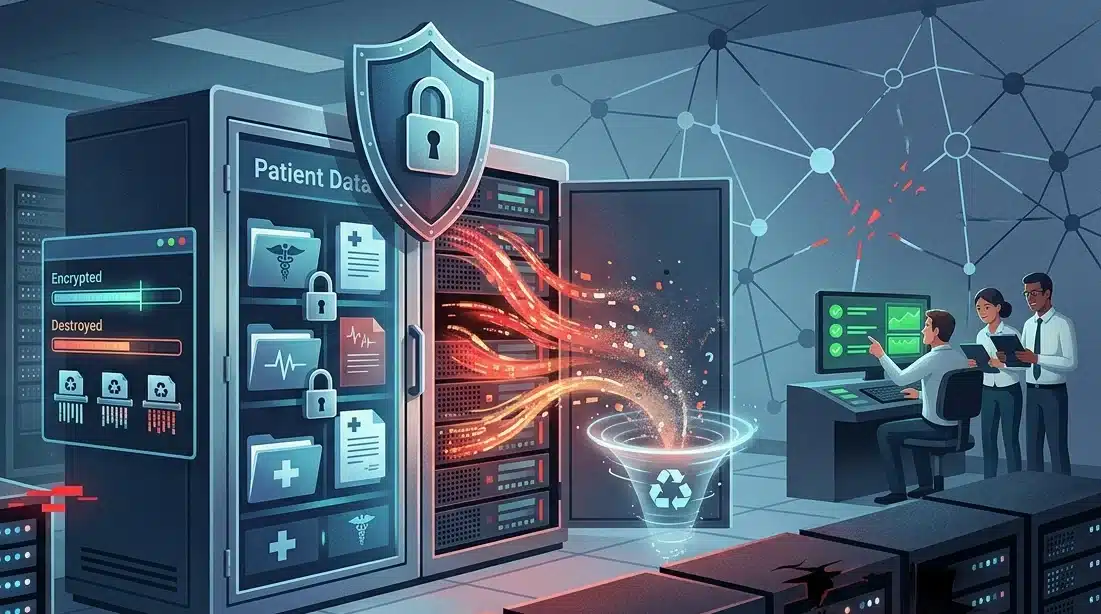
The Cyber Express previously reported the ChipSoft cyberattack, in which ransomware actors stole patient data. Now, reports have surfaced from the Dutch medical software provider, noting that the compromised data has been destroyed, though key details about the incident remain undisclosed.  In an update issued on April 28, 2026, ChipSoft stated that all data collected during the cyberattack had been deleted. According to the company, cybersecurity specialists verified that the destruction was carried out in a “technically sound manner,” although no further explanation was provided about the methods used.  The company emphasized that preventing the publication of stolen data was a top priority. “With the support of cybersecurity experts, we managed to prevent the data from being published. Furthermore, the stolen data has been destroyed,” the statement read. However, ChipSoft has not clarified whether it paid a ransom to the attackers, despite earlier indications that negotiations had taken place.  “Protecting our customers’ data has always been our top priority. In this exceptional situation, that priority weighed very heavily,” the company added, hinting at the difficult decisions made during the ransomware attack response. 

Timeline of the ChipSoft Cyberattack 

The ChipSoft cyberattack first came to light in early April 2026. On April 12, ChipSoft disclosed that it had fallen victim to a cyberattack on its systems earlier that week. As an immediate precaution, the company disabled connections to several key services, including its Care Portal, Care Platform, and HiX Mobile applications, starting April 8.  At the time, ChipSoft confirmed it had engaged Z-CERT, the Dutch healthcare cybersecurity expertise center, and external cybersecurity professionals to conduct a forensic investigation. The company acknowledged the disruption caused to healthcare providers and patients, noting that patient portals were temporarily unavailable and data exchange via the platform had been halted. 

Data Theft Confirmed in the Netherlands 

By April 16, the investigation revealed that cybercriminals behind the ransomware attack had successfully stolen personal and medical data from several Dutch healthcare institutions. ChipSoft confirmed that affected organizations were being notified directly.  Hans Mulder, CEO of ChipSoft, addressed the breach, stating: “After forty years of dedication to reliable healthcare IT, it pains us that this situation has arisen. We cannot undo this data theft. However, we are doing everything we can to support the affected customers as best as possible in this situation.”  In contrast, a separate update on the same day confirmed that Belgian patient data had not been compromised in the cyberattack on ChipSoft systems. 

Systems Shutdown and Gradual Recovery 

The cyberattack forced ChipSoft to shut down multiple services as a preventive measure. Systems such as Zorgplatform, Zorgportaal, and HiX Mobile were temporarily taken offline, affecting daily operations in healthcare institutions.  By April 17, after extensive analysis conducted in collaboration with cybersecurity experts and Z-CERT, ChipSoft announced that the affected systems were safe to use again. A phased rollout began shortly afterward, with healthcare institutions being informed directly about the restoration process.  Further progress was reported on April 24, when ChipSoft confirmed that most healthcare institutions had regained access to Zorgplatform. Connections to Zorgportaal were also being restored, allowing many patient portals to become operational again. The HiX Mobile app became available once institutions reactivated their systems.  Despite these advancements, ChipSoft cautioned that the recovery process required time and careful handling. The company acknowledged the strain placed on healthcare providers, stating that the precautionary measures had significantly impacted daily workflows and patient care. 

Medtronic Confirms Data Breach, No Impact on Operations or Patient Safety

Medtronic data breach

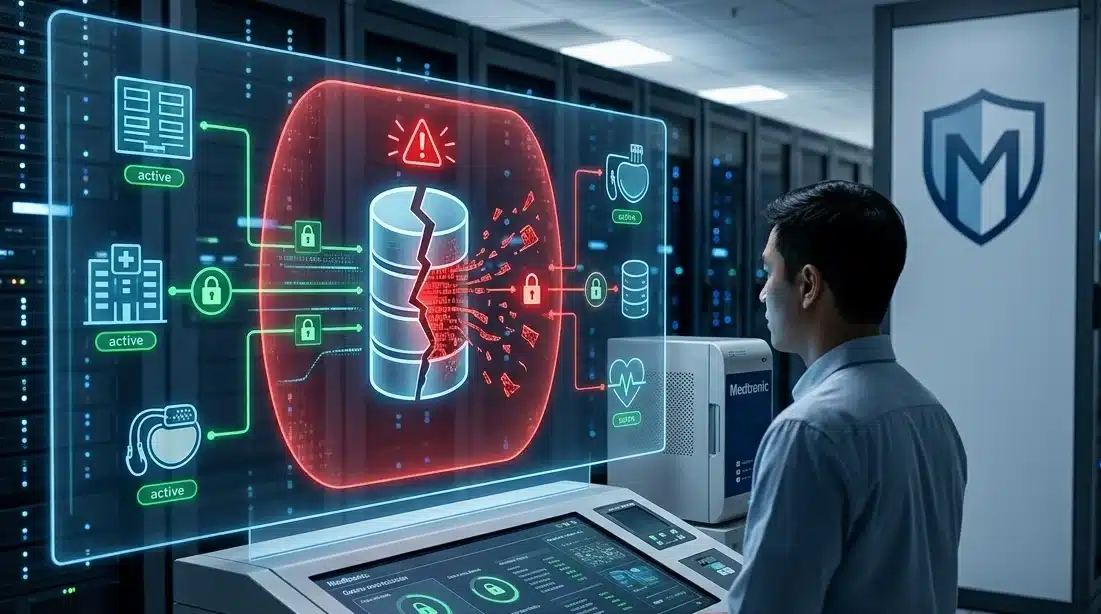
Medtronic, the global leader in medical technology, disclosed a data breach affecting its corporate IT systems. On April 24, the company confirmed that an unauthorized third party gained access to certain systems, although the Medtronic data breach is not expected to have any material impact on the company’s financial performance or business operations. The breach has raised concerns across the healthcare and medtech sectors, but Medtronic assured investors and customers that it had taken immediate action to contain the situation.

What Happened to the Medtronic Data Breach? 

The Medtronic data breach, which was identified on April 24, involved unauthorized access to some of Medtronic’s corporate IT systems. However, the company was quick to clarify that no disruption had occurred in key operational areas, including product safety, customer connections, and manufacturing or distribution activities. Importantly, there was no reported impact on patient safety or the company’s ability to meet its patient care commitments. In a public filing with the U.S. Securities and Exchange Commission (SEC), Medtronic stated, “We have not identified any impact to our products, patient safety, connections to our customers, our manufacturing and distribution operations, or our financial reporting systems.” The company emphasized that the networks supporting corporate IT systems are separate from those used for products, manufacturing, and distribution, which remain unaffected by the breach. Additionally, Medtronic highlighted that the IT systems supporting hospitals and healthcare customers are managed separately and secured by the customers’ IT teams. As such, hospital networks were not impacted by the breach, nor was there any disruption to hospital operations or services.

Immediate Actions Taken by Medtronic 

Following the identification of the breach, Medtronic moved quickly to contain the incident. The company activated its incident response protocols and sought assistance from cybersecurity experts to investigate the breach and implement necessary remediation measures. Medtronic has also initiated an effort to determine if any personal information was accessed during the breach. If any sensitive data has been compromised, the company assured it would provide necessary notifications and support services to affected individuals. The company remains committed to enhancing its cybersecurity measures. “We are simultaneously identifying additional ways to further optimize our system security,” said a Medtronic spokesperson. The company has also assured its stakeholders that it does not expect the incident to have an impact on its financial results or overall business operations.

The Broader Impact on the Medtech Sector 

The data breach at Medtronic follows a series of similar cybersecurity incidents that have affected other companies in the medtech industry. In March 2026, a cyberattack disrupted operations at Stryker, another major player in the medical technology sector. The attack targeted Stryker’s Microsoft environment, affecting ordering, shipping, and manufacturing processes. It took several weeks for Stryker to fully recover and return to normal operations. Simultaneously, Intuitive Surgical, a leading manufacturer of surgical robots, reported a phishing incident. The unauthorized party gained access to sensitive customer, employee, and corporate data. Intuitive Surgical also claimed that the issue was contained without significant financial impact, echoing Medtronic’s own assessment that the data breach would not affect its financial standing. These incidents highlight the frequency and sophistication of cyberattacks within the healthcare and medtech industries. As digital transformation accelerates in these sectors, companies are vulnerable to cyber threats.

The Cyber Express Weekly Roundup: Data Breaches, Malware Campaigns, and Cyber Fraud Investigations

weekly roundup TCE cybersecurity news

In this week’s edition of The Cyber Express weekly roundup, we explore the latest developments in the world of cybersecurity, focusing on high-profile data breaches, growing malware campaigns, and law enforcement actions against cybercriminals.   As the digital threat landscape continues to evolve, attackers are targeting sensitive personal and organizational data, from health records to financial credentials. Meanwhile, government regulators are ramping efforts to protect minors and combat harmful content on social platforms, while cybercriminals continue to exploit vulnerabilities in both public and private sectors.  This weekly roundup highlights how various industries, from healthcare and social media to finance and government, are grappling with rising threats, making it clear that the intersection of data security, regulation, and cybercrime is more critical than ever.  

The Cyber Express Weekly Roundup 

UK Biobank Data Breach Triggers Urgent Review of Data Security Measures 

A significant data breach at the UK Biobank has raised major concerns over the security of health-related data used in scientific research. In April 2026, de-identified participant information was discovered being sold on a Chinese consumer platform, sparking widespread alarm among the research community. Read more... 

Vercel CEO Reveals Expansion of Malware Campaign Affecting Multiple Targets 

Vercel's CEO, Guillermo Rauch, confirmed that the recent breach involving Context.ai was part of a much larger malware campaign affecting multiple targets. Following a review of network logs, Vercel’s security team uncovered evidence of malware distribution that compromised several customer accounts, including access to valuable Vercel account keys. Read more... 

Ofcom Investigates Telegram and Teen Platforms 

In the UK, Ofcom has launched an investigation into Telegram and several popular teen chat platforms, such as Teen Chat and Chat Avenue, after reports surfaced of online grooming and child sexual abuse material (CSAM) on these services. Under the Online Safety Act, platforms are required to take proactive steps to prevent harmful content and protect minors from exploitation. Read more... 

Personal Data Exposed in Breach of France’s ANTS Portal 

A recent breach of France’s ANTS (Agence Nationale des Titres Sécurisés) portal has compromised personal data, including names, email addresses, and birthdates, although no documents or sensitive attachments were affected. The breach, which occurred on April 15, 2026, raises significant concerns about identity theft and phishing risks, as the exposed data could be used to target individuals. Read more... 

Bluesky Faces Coordinated DDoS Attack 

Bluesky, the rapidly expanding social media platform, suffered a major disruption on April 15, 2026, when it was targeted by a sophisticated distributed denial-of-service (DDoS) attack. The attack caused widespread outages, impacting core platform functions such as user feeds, notifications, and search capabilities. Read more... 

Indian Authorities Arrest Key SIM Card Supplier in Cyber Fraud Crackdown 

India’s Central Bureau of Investigation (CBI) has arrested a key conspirator in a major cyber fraud operation as part of Operation Chakra-V. The suspect, arrested in Guwahati, is accused of supplying fraudulent SIM cards used in various cybercrime schemes, including extortion and fake loan scams. The SIM cards were acquired using fake identities and distributed to cybercriminal networks. Read more... 

Weekly Takeaway 

This week’s roundup highlights the diverse and evolving nature of cyber threats. From the exposure of sensitive health data and sophisticated malware campaigns to DDoS attacks and SIM card fraud schemes, the cybersecurity landscape remains fraught with challenges. Regulatory bodies and companies alike continue to grapple with emerging risks, particularly in sectors like public health data, social media platforms, and digital content safety. As these incidents unfold, it’s clear that both technical vulnerabilities and human factors, such as social engineering, continue to be central targets for attackers.  With regulatory frameworks like the Online Safety Act and increased investigative efforts in places like India and France, the pressure on platforms and authorities to act quickly and decisively is higher than ever. As the cyber threat landscape becomes more interconnected, the need for enhanced security protocols, improved monitoring, and greater accountability in digital spaces remains critical. 

UK Biobank Leak Prompts Urgent Review of Data Protection in Biomedical Research

UK Biobank data breach

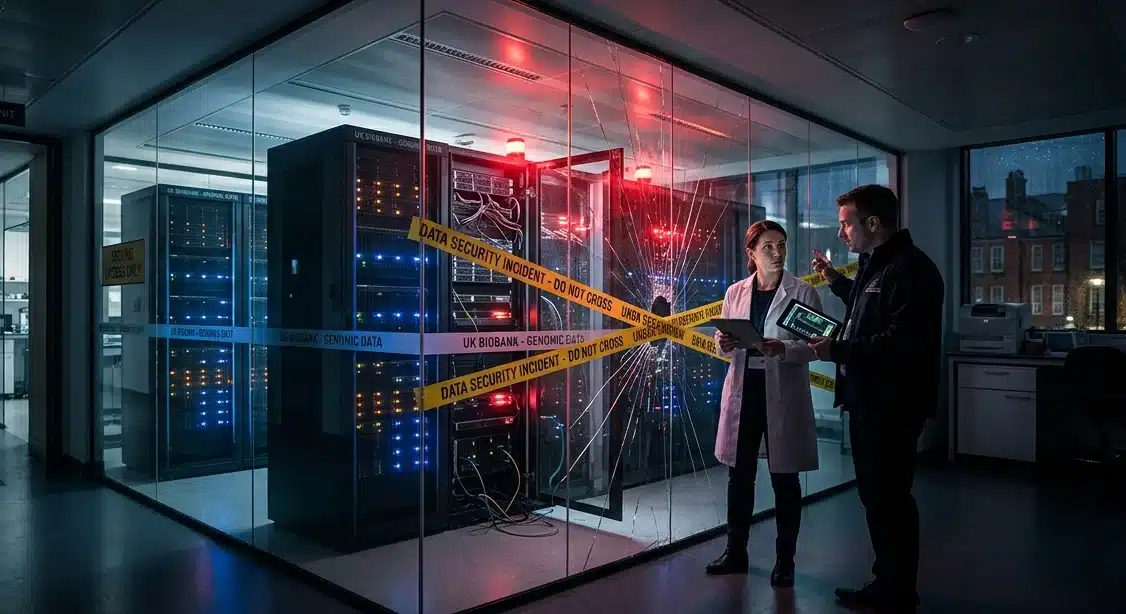
The UK Biobank data breach has intensified scrutiny around the handling and protection of sensitive health information, even when such data is stripped of personally identifiable details. Widely regarded as one of the most significant biomedical research resources in the world, UK Biobank holds extensive genetic, lifestyle, and medical data contributed by around 500,000 volunteers.   The recent data breach at UK Biobank, which involved the unauthorized listing of participant data for sale on a Chinese consumer website linked to Alibaba, has sparked concern among participants, researchers, and cybersecurity experts alike. 

The UK Biobank Data Breach 

The data breach at UK Biobank came to light in April 2026, when officials discovered that de-identified data belonging to participants had been listed for sale online. The listings appeared on a consumer platform owned by Alibaba, sparking immediate concern among researchers and participants alike.  UK Biobank, a biomedical database established in 2003, contains extensive genetic, lifestyle, and health data from around 500,000 UK volunteers. This dataset has been a cornerstone for global medical research, contributing to thousands of discoveries since access was opened to scientists in 2012.  Professor Sir Rory Collins, chief executive and principal investigator of UK Biobank, confirmed the breach in an official statement. He said, “Last week, we found that de-identified participant data made available to researchers at three academic institutions were listed for sale on a consumer website in China, owned by Alibaba.”  He added that with support from UK and Chinese authorities, Alibaba “swiftly removed those listings before any sales were made.” 

Nature of the Exposed Data 

Despite the seriousness of the UK Biobank data breach, officials stressed that the compromised information did not include personally identifiable details. According to Collins, the dataset did not contain names, addresses, dates of birth, or NHS numbers.  “All the data are de-identified,” he said, emphasising that there is no evidence that participants were directly identified as a result of the breach.  However, the incident still represents a violation of strict data access agreements. The data had been shared with three academic institutions under contracts that require secure handling and prohibit unauthorized distribution. Collins described the situation as “a clear breach of the contract,” noting that the institutions and individuals involved have had their access suspended. 

Immediate Response to the Data Breach at UK Biobank 

In response to the data breach at UK Biobank, the organization moved quickly to contain the risk and reassure participants. Access to its research platform has been temporarily suspended while new protection methods are implemented.  Among the measures introduced: 
  • Strict limits on the size of files that researchers can export  
  • Daily monitoring of all exported files for suspicious activity  
  • A comprehensive, board-led forensic investigation  
“These security measures will further minimise the potential for misuse of UK Biobank data,” Collins said.  Researchers typically access the data through a restricted, cloud-based platform hosted in the UK. The system is designed to ensure that sensitive information remains secure while still enabling scientific discovery. Following the breach, additional controls are being layered onto this infrastructure. 

Hacker Active Well Beyond Context.ai Compromise, Says Vercel CEO

Vercel, Vercel Breach, APIs, npm Packages

Vercel CEO Guillermo Rauch, in an update today said that after scanning through petabytes of logs of the company's networks and APIs, his security team concluded that the threat actor behind the Vercel breach had been active well beyond Context.ai's compromise. Rauch said that the "threat intel points to the distribution of malware to computers in search of valuable tokens like keys to Vercel accounts and other providers. Once the attacker gets ahold of those keys, our logs show a repeated pattern: rapid and comprehensive API usage, with a focus on enumeration of non-sensitive environment variables." Researchers at Hudson Rock had earlier confirmed that the attack actually initiated in February itself when a Context.ai employee’s computer was infected with Lumma Stealer malware after they searched for Roblox game exploits, a common vector for infostealer deployments. What the latest findings mean is that there could be a wider net of victims that the threat actor may have phished for and what we know is just the tip of the iceberg - or not.
Also read: Vercel Incident Linked to AI Tool Hack, Internal Access Gained

Vercel Finds Customers Breached in Separate Malware, Social Engineering Attacks

In an official update, the company also stated that initially it identified a limited subset of customers whose non-sensitive environment variables stored on Vercel were compromised. However, a deeper assessment of the their network, as well as environment variable read events in the company's logs uncovered two additional findings.

"First, we have identified a small number of additional accounts that were compromised as part of this incident," the company noted.

But the main concern is the next finding: "Second, we have uncovered a small number of customer accounts with evidence of prior compromise that is independent of and predates this incident, potentially as a result of social engineering, malware, or other methods." 

The company did not disclose who were the attackers, what was the motive, or the impact on customers, and is yet to respond to these queries from The Cyber Express. It only stated: "In both cases, we have notified the affected customers."

Meanwhile, Rauch said, Vercel had notified other suspected victims and encouraged them to rotate credentials and adopt best practices.

No Compromise of npm Packages

The news of npm packages being compromised has surfaced a lot in recent times. To cover that front, Vercel's security team in collaboration with GitHub, Microsoft, npm, and Socket, confirmed that no npm packages published by Vercel had been compromised. "There is no evidence of tampering, and we believe the supply chain remains safe," the company said.

University of Warsaw Data Breach Exposes 200,000+ Sensitive Files on Darknet

University of Warsaw cyberattack

Over 200,000 files containing sensitive personal information have been leaked following the University of Warsaw cyberattack that targeted the institution’s digital systems. The attack, which resulted in the publication of the stolen data on the darknet in mid-April 2026, has raised significant concerns about the university's cybersecurity protocols.

In response to the breach, the University of Warsaw took immediate action, isolating affected systems and working closely with relevant authorities to assess the scope of the incident. Rector Alojzy Z. Nowak commented, “Immediately after detecting the incident, the University undertook a series of actions aimed at limiting its impact and securing the IT environment. These included isolating affected systems, terminating unauthorized access, enforcing password resets for all users, strengthening authentication mechanisms, and conducting a comprehensive security review of the infrastructure.”

How the University of Warsaw Cyberattack Unfolded 

The cyberattack unfolded over several months, with attackers gaining access to the university's systems using valid login credentials. These credentials were likely obtained through malware that infected a user’s device, allowing the attackers to quietly exfiltrate large amounts of data over time. The stolen data was eventually posted on the darknet on the night of April 15, 2026, in an 850-gigabyte data dump.

The breach was initially detected on February 9, 2026, during a routine security scan, triggered by global ransomware threats. At first, it was believed that the stolen data had not left the university’s infrastructure. However, subsequent investigation revealed that a significant portion had already been leaked online.

In response to our inquiry, the university clarified: “At this stage, the investigation is ongoing, and no definitive attribution has been publicly confirmed. The incident involved unauthorized access using valid credentials that had likely been previously compromised, most probably through malware on a user’s device.”

What Data Was Exposed? 

The leaked files, which total over 200,000 documents, include a broad range of sensitive information. A large portion of the data came from the Faculty of Applied Social Sciences and Resocialization, as well as the Faculty of Neophilology. The breach exposed approximately 650 GB of publicly accessible audiovisual materials, along with 200 GB of sensitive personal data.

Among the types of personal data exposed were:

  • Identification details: Full names, birthdates, gender, nationality, PESEL numbers, and identity document numbers (e.g., passport numbers).
  • Contact information: Home addresses, phone numbers, email addresses, and usernames.
  • Financial and tax information: Bank account numbers and tax records.
  • Employment data: Employment contracts and career histories.
  • Health records: Information from medical certificates, including sick leave records.

The university has acknowledged that it’s still too early to definitively determine which individuals' data has been impacted. In an official statement, they noted, “Given the nature of the incident, it is not yet possible to conclusively determine which specific individuals’ data may have been impacted; therefore, we encourage all members of the academic community to follow the recommended guidance and monitor further updates.”

Official Response and Security Measures 

Following the breach, the university has worked diligently to mitigate further damage. In addition to isolating the affected systems, the university has collaborated with Poland’s Central Bureau for Combating Cybercrime (CBZC) and CERT Polska to investigate the incident and fortify its cybersecurity defenses.

“We remain committed to fully clarifying the circumstances of this incident and to continuously improving the protection of personal data,” Rector Nowak stated. The university also emphasized its ongoing efforts to enhance security measures, including expanding advanced authentication methods, increasing network monitoring, and further segmenting IT infrastructure to reduce exposure to future risks.

Moreover, the university has published a detailed communication, following GDPR guidelines, to inform affected individuals about the breach and provide recommendations on how they can protect themselves. “Affected individuals are being informed through an official public communication available on the University’s website,” the statement said. “These include, among others, monitoring financial activity, securing personal data (e.g., PESEL number), changing passwords, enabling multi-factor authentication, and remaining vigilant against phishing or fraud attempts.”
Consequences of the Warsaw University Data Leak 

The leaked data presents a serious risk to those affected. The exposure of personal identification details, financial information, and health records could lead to a range of harmful outcomes, including: 
  • Identity theft: Cybercriminals could use the stolen data to impersonate individuals, open accounts in their names, or conduct fraudulent transactions.  
  • Financial fraud: With access to sensitive financial information, attackers may attempt to take out loans, make unauthorized purchases, or commit tax fraud.  
  • Health and privacy violations: Unauthorized access to medical records could lead to misuse of health-related information for fraud or exploitation.  
Moreover, the data leak also carries legal and operational risks, such as wrongful use of personal data in official systems or academic environments. University applicants could face fraudulent claims or be targeted by scams related to university admissions or scholarship offers. 

Preventive Actions and Recommendations 

While the university has taken immediate steps to isolate the affected systems and enhance its security infrastructure, there are additional measures individuals can take to protect themselves from potential fallout: 
  • Monitor financial and credit activity: Individuals should check their credit reports for any suspicious activity and set up alerts for new credit inquiries.  
  • Change passwords and use multi-factor authentication: Affected individuals should update their passwords for email, bank accounts, and university systems, ensuring they use strong, unique passwords for each service.  
  • Be cautious of phishing attempts: The exposure of personal data may lead to targeted phishing attacks. Individuals should remain vigilant when receiving unsolicited messages, particularly those related to banking or health services.

Personal Data Exposed on ANTS Portal, French Authorities Investigate

ANTS data breach

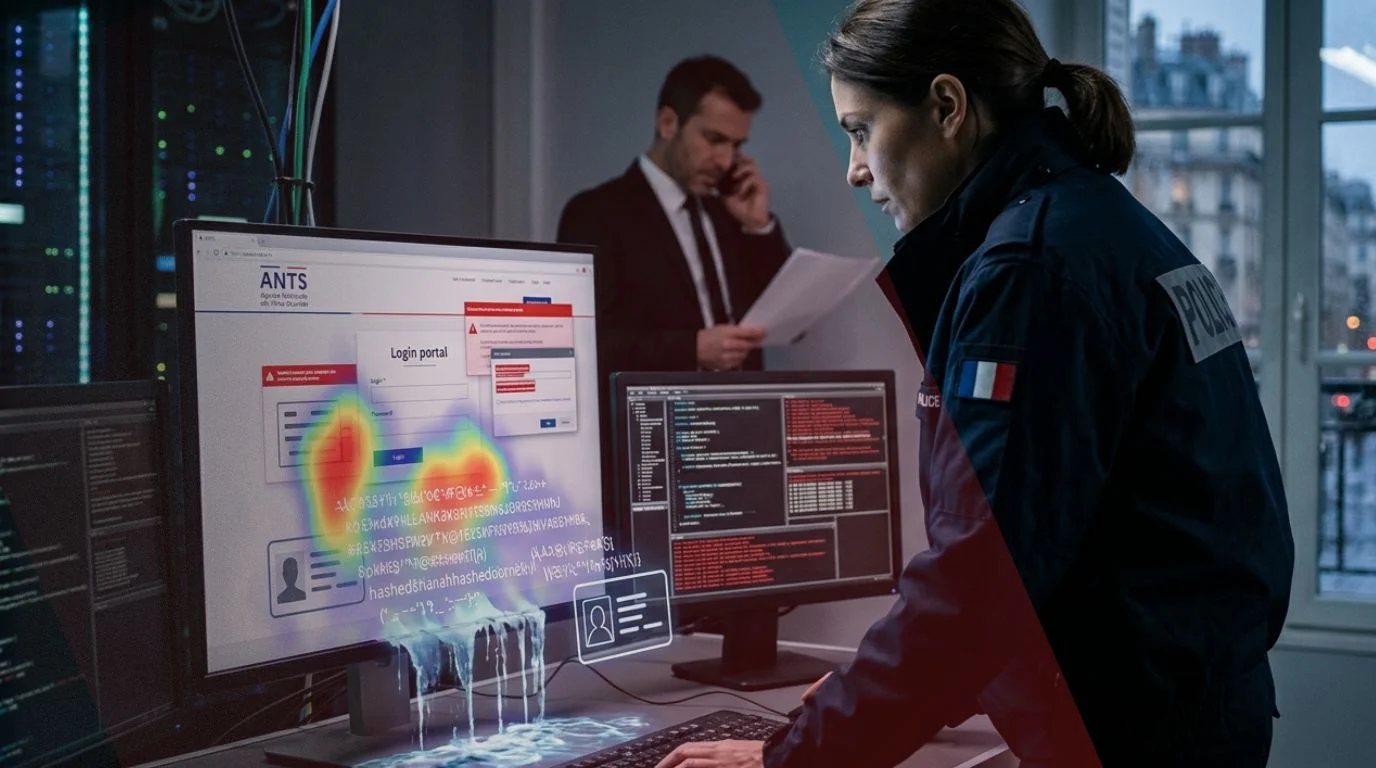
The ANTS data breach has brought renewed attention to data security risks in France’s public sector after authorities confirmed a security incident affecting the ants.gouv.fr portal. The breach was detected on April 15, 2026, by the National Agency for Secure Documents and may have led to the exposure of personal data linked to both individual and professional accounts. According to initial findings, the compromised data includes identification details such as login IDs, names, email addresses, dates of birth, and unique account identifiers. In some cases, additional information such as postal addresses, place of birth, and phone numbers may also be involved. Affected users are being notified directly as investigations continue.

ANTS Data Breach Limited in Scope But Raises Phishing Risks

Authorities have clarified that the ANTS data breach does not involve documents submitted during administrative procedures, including uploaded attachments. The exposed data also cannot be used to directly access user accounts on the portal. However, the nature of the data still presents potential risks. Personal identifiers can be leveraged in targeted phishing campaigns or identity misuse attempts. Users have been advised to remain cautious when receiving unsolicited emails, calls, or messages claiming to be from official sources. The agency also warned that any attempt to distribute or sell data presented as originating from ANTS would be considered illegal.

Regulatory Response and Investigation Underway

In line with regulatory requirements, the ANTS data breach has been reported to the National Commission for Information Technology and Civil Liberties under Article 33 of the General Data Protection Regulation. A separate report has been submitted to the Paris Public Prosecutor under Article 40 of the French Code of Criminal Procedure to support a formal investigation. The National Cybersecurity Agency of France has also been notified and is working alongside ANTS to determine the origin, timeline, and full scope of the incident. Technical investigations are ongoing, with authorities focusing on how the breach occurred and whether additional systems were affected. Security measures have already been reinforced to protect user data and ensure service continuity on the platform.

EduConnect Cyberattack Shows How Identity Misuse Enables Access

The ANTS data breach follows closely on the heels of another incident involving France’s education systems. A cyberattack targeting the EduConnect platform stemmed from the impersonation of an authorized staff account in late 2025. Attackers exploited a vulnerability in a connected student account management service shortly before it was patched. This allowed unauthorized access to student data, including names, login identifiers, class information, and in some cases email addresses and activation codes. Investigations later confirmed that the scope extended beyond the initially targeted institution. In response to EduConnect cyberattack, the ministry reset access codes for unactivated accounts, blocked compromised credentials, and introduced two-factor authentication. A crisis response team was also activated, and access to the affected service was temporarily suspended. The case highlights how compromised credentials can be used to bypass controls without triggering immediate detection.

FICOBA Breach Exposed Financial Data Through Stolen Credentials

Earlier this year, another major France data breach involved the FICOBA database, a centralized registry that tracks all bank accounts in the country. The FICOBA breach affected approximately 1.2 million accounts after an attacker used stolen credentials belonging to a government official. Managed by the Directorate General of Public Finances, FICOBA contains highly sensitive data, including IBAN numbers, account holder identities, and addresses. The attacker accessed the system through legitimate channels, allowing queries to be made without raising immediate alerts. Authorities detected the intrusion in late January 2026 and moved quickly to restrict access and limit further data extraction.

ANTS Data Breach Reflects Broader Challenges in Data Protection

The ANTS data breach adds to a growing list of incidents affecting public sector systems in France. While the breach appears limited in terms of direct impact, it highlights ongoing challenges in managing personal data securely. Across recent cases, a consistent pattern is emerging. Attackers are not relying solely on traditional exploits. Instead, they are leveraging identity compromise, timing vulnerabilities, and gaps in monitoring to gain access to sensitive systems. French authorities have responded with notifications, investigations, and enhanced safeguards. However, these incidents reinforce the need for stronger controls around identity management, access monitoring, and data minimization. As investigations into the ANTS data breach continue, the findings are likely to shape how public sector platforms in France approach both security and user data protection going forward.

Vercel Incident Linked to AI Tool Hack, Internal Access Gained

Vercel security incident

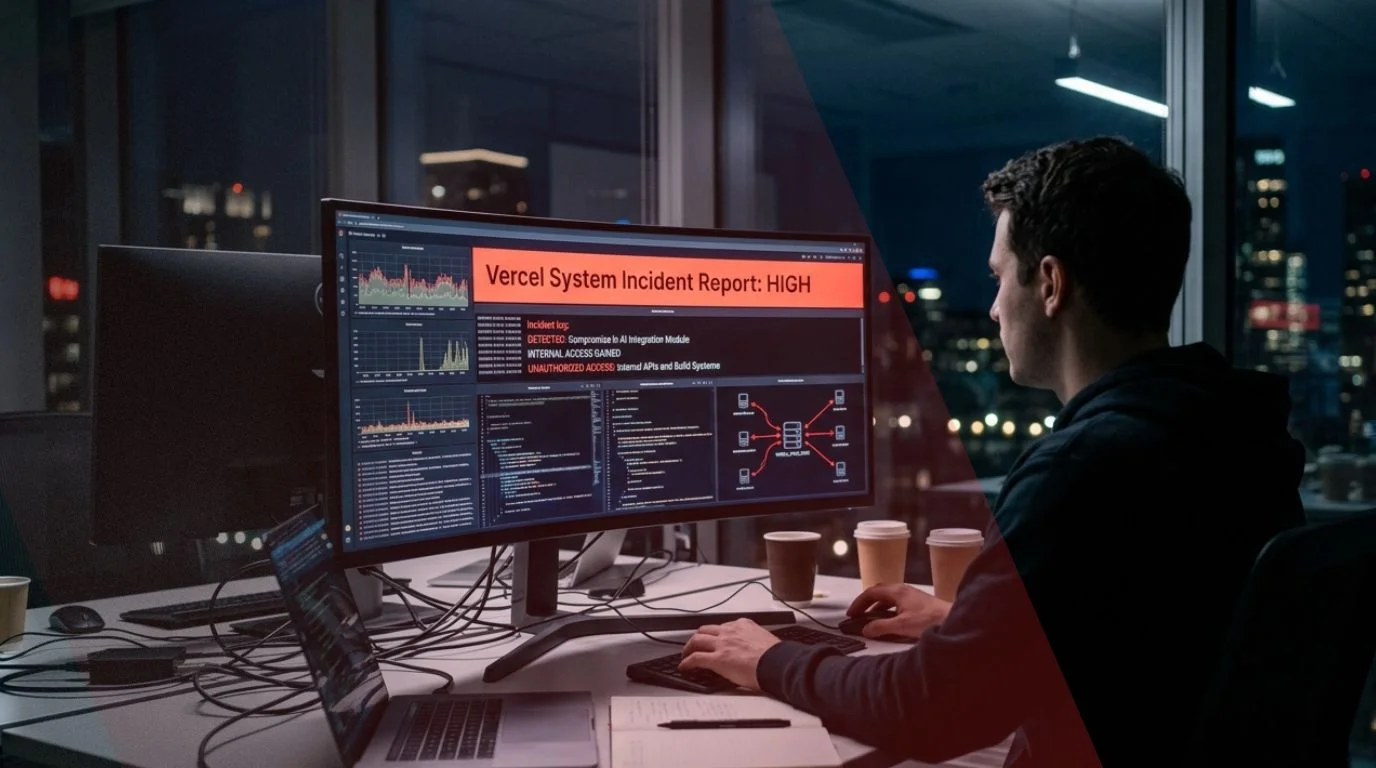
Vercel has disclosed a Vercel security incident involving unauthorized access to certain internal systems, with the breach traced back to a compromised third-party AI tool. The company said it is actively investigating the incident with the support of cybersecurity experts and has notified law enforcement. The Vercel security incident was first identified after a subset of customer credentials was found to be compromised. The company has since contacted affected users and advised immediate credential rotation. It added that customers who have not been notified are not believed to be impacted at this stage.

Vercel Security Incident Originated From Third-Party AI Compromise

According to initial findings, the Vercel security incident began with the compromise of Context.ai, a third-party AI platform used by a Vercel employee. Attackers leveraged this breach to gain access to the employee’s Google Workspace account. This access allowed the threat actor to move deeper into Vercel’s internal environments. The attacker was able to access certain environment variables that were not classified as sensitive. However, Vercel clarified that environment variables marked as sensitive are encrypted in a way that prevents them from being read, and there is currently no evidence that such data was accessed. The company described the attacker behind the Vercel security incident as highly sophisticated, citing their speed and detailed understanding of internal systems.

Limited Exposure But Investigation Ongoing

Vercel said the number of impacted customers appears to be limited. The company continues to assess whether any data was exfiltrated during the Vercel security incident and has committed to notifying customers if further evidence of compromise is found. At present, core services remain operational, and additional monitoring and protection measures have been deployed across systems. The company has also published indicators of compromise to help the broader community detect any related malicious activity. These indicators are linked to a compromised Google Workspace OAuth application associated with the third-party AI tool, which may have affected multiple organizations beyond Vercel.

Attack Chain Highlights Risk of SaaS and AI Integrations

The Vercel security incident highlights the growing risks associated with third-party integrations, particularly AI tools connected to enterprise environments. In this case, the compromise of a single external application enabled attackers to pivot into internal systems through legitimate credentials. Vercel CEO Guillermo Rauch shared that the attacker used a series of steps to escalate access from the compromised account into Vercel environments. He noted that while customer environment variables are encrypted at rest, those not marked as sensitive were exposed during the attack. The company also indicated that the attacker’s actions may have been accelerated by artificial intelligence, pointing to the speed and precision observed during the intrusion.

Recommendations for Customers Following Vercel Security Incident

In response to the Vercel security incident, the company has issued a set of security recommendations for users and administrators. Customers are advised to review account activity logs for suspicious behavior and rotate all environment variables that may contain sensitive information such as API keys, tokens, and database credentials. Vercel has emphasized the importance of using its “sensitive environment variable” feature to ensure secrets are protected from unauthorized access. Users are also encouraged to audit recent deployments, remove any suspicious changes, and ensure deployment protection settings meet at least the standard level. Additionally, rotating deployment protection tokens and monitoring linked services are recommended as precautionary steps.

Industry Response and Ongoing Remediation

Vercel is working with Mandiant and other cybersecurity firms, along with industry partners and law enforcement agencies, to investigate the incident and strengthen defenses. The company is also collaborating with Context.ai to better understand the scope of the initial compromise. As part of its response, Vercel has introduced new security features, including improved visibility and management of environment variables within its dashboard. The Vercel security incident highlights the importance of securing third-party integrations and enforcing strict controls on access and data classification. While the immediate impact appears contained, the incident serves as a reminder for organizations to continuously monitor and secure their software supply chains.

$15M Grinex Hack Forces Trading Halt After Major Crypto Wallet Breach

Grinex cyberattack

The Grinex cyberattack has once again drawn attention to the vulnerabilities facing the global Crypto exchange ecosystem. In a cyberattack on Grinex, the Kyrgyzstan-based platform was forced to suspend all trading operations after hackers executed a large-scale wallet breach, stealing more than $15 million in USDT.   The cyberattack on Grinex unfolded when attackers infiltrated the exchange wallet infrastructure, extracting over 1 billion rubles, equivalent to roughly $13–15 million in USDT.  

Response to the Grinex Cyberattack 

In response, Grinex halted all trading activities, including withdrawals, effectively locking users out of their accounts while the platform assessed the damage. The company described the wallet breach as a “highly coordinated” operation carried out by skilled threat actors equipped with advanced tools and resources.   While Grinex suggested the possibility of foreign intelligence involvement, claiming the attack may have been intended to undermine Russia’s financial independence, no concrete evidence has been presented to support this assertion. Investigations into the Grinex cyberattack are ongoing, and the source of the breach remains unidentified. 

Stolen Funds Rapidly Moved Across Blockchains 

Following the wallet breach, the attackers wasted no time in attempting to obscure the trail of stolen assets. According to blockchain analytics firm Elliptic, the hackers quickly distributed the funds across multiple wallets and blockchain networks, including Ethereum and Tron.  This tactic, commonly observed in major Crypto exchange hacks, is designed to slow down tracking efforts by law enforcement. The attackers also converted USDT into other digital assets such as TRX and ETH. This step was likely taken because Tether, the issuer of USDT, has the authority to freeze tokens linked to illicit activity.  Eventually, the stolen funds were consolidated into a primary wallet containing approximately 45.9 million TRX, valued at around $15 million. This consolidation phase typically signals that attackers are deciding whether to hold, redistribute, or liquidate the assets, as reported by MEXC  The Grinex cyberattack follows well-documented cybercrime patterns, including “chain-hopping” (moving funds across multiple blockchains) and “layering” (spreading funds across numerous wallets). These methods exploit the decentralized nature of blockchain systems, where the absence of a central authority allows funds to move with limited immediate intervention. 

Broader Risks for Crypto Exchanges 

The cyberattack on Grinex is part of a new trend affecting the Crypto exchange industry throughout 2025 and 2026. Security researchers have repeatedly identified hot wallet vulnerabilities and compromised transaction-signing processes as the most common entry points for attackers.  Grinex itself acknowledged facing ongoing operational challenges, including sanctions pressure, transaction restrictions, and prior minor cyber incidents. The company stated that these pressures have required aggressive defensive measures.  In the aftermath of the wallet breach, Grinex filed a criminal complaint and shared all available data with law enforcement agencies to aid in tracking the stolen funds 

Links to Sanctioned Ecosystems Raise Stakes 

Grinex is widely regarded as a successor to Garantex, a major Crypto exchange that ceased operations in 2025 following sanctions from the United States, European Union, and United Kingdom over alleged money laundering activities. After Garantex shut down, a large portion of its user base and liquidity migrated to platforms like Grinex.  This transition positioned Grinex as a key trading hub for ruble-based crypto transactions. It also became central to the use of stablecoins such as A7A5, a ruble-backed token tied to deposits held by sanctioned institutions. Operating across blockchains like Ethereum and Tron, A7A5 enables large-scale, cross-border transactions.  However, it is noted that a relatively small number of wallets control a large share of these transactions, concentrating activity among a limited group of participants. Such structures can facilitate sanction evasion, making platforms like Grinex both strategically important and highly attractive targets for cybercriminals. 

Targeted Cyberattack on Northern Ireland Schools Exposes Personal Data

Education Authority cyberattack

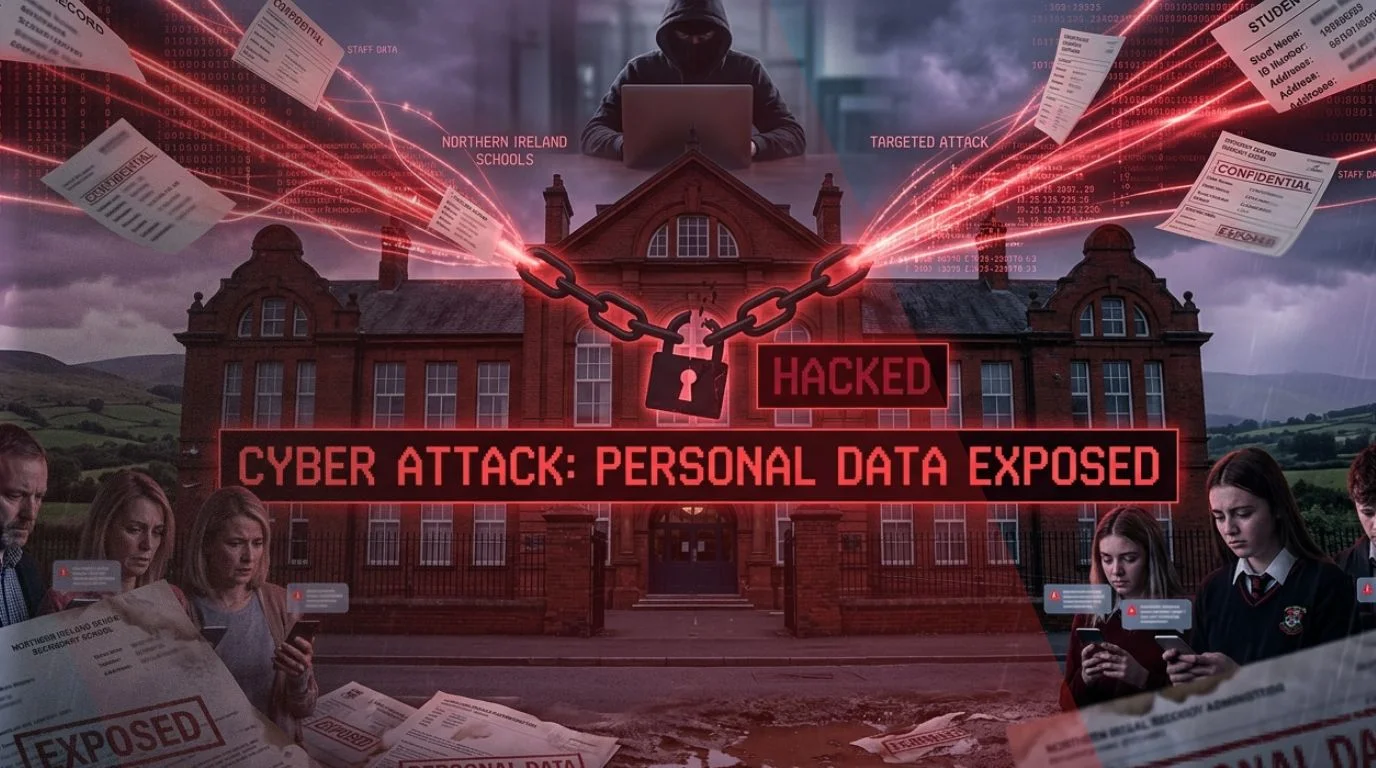
The Education Authority cyberattack investigation has confirmed that a recent incident involved a targeted attack on a small number of schools, leading to the compromise of some personal data. The update comes days after the incident was first reported, with new findings shedding light on the nature and impact of the breach. According to officials, the Education Authority cyberattack was identified on April 10, 2026, when authorities were alerted to suspicious activity affecting school systems. Forensic experts have since determined that attackers gained specific and targeted access to personal information linked to certain schools.

Targeted Nature of Education Authority Cyberattack

The latest findings indicate that the Education Authority cyberattack was not a widespread system breach but a focused attack on select institutions. Investigators confirmed that personal data was accessed in these cases, though the full extent of the compromised information has not yet been disclosed. Authorities had earlier stated that there was no evidence of data exfiltration or corruption. That assessment was based on initial findings, with officials noting at the time that the investigation was ongoing. The updated confirmation reflects the results of a more detailed forensic review, which required analysis across multiple systems. The breach is believed to have occurred before additional cybersecurity measures were implemented by the authority earlier this month.

Investigation and Law Enforcement Involvement

The Education Authority cyberattack is currently under active investigation, with law enforcement agencies involved. The Police Service of Northern Ireland and the Information Commissioner’s Office were notified immediately after forensic experts confirmed that personal data had been accessed. Officials stated that details of the incident are being disclosed publicly following an arrest made by the police. Prior to this development, authorities had withheld information to avoid interfering with ongoing investigations. The involvement of regulatory and law enforcement bodies highlights the seriousness of the Education Authority cyberattack, particularly given the sensitivity of data held by educational institutions.

Containment and System Recovery Efforts

System managers have assessed that the Education Authority cyberattack has been contained. Additional security measures were deployed as soon as the incident was detected, aimed at preventing further unauthorized access. Efforts are now focused on restoring normal operations. Work is ongoing to reconnect affected schools to the C2k system, which supports digital services across the education network. Officials said that restoring full functionality remains a priority while ensuring system security. The authority has also urged users to reset their C2k passwords as a precautionary step.

Notification of Affected Individuals

Authorities have confirmed that individuals whose personal data may have been compromised in the Education Authority cyberattack will be notified. The process of informing affected schools and individuals is currently underway and is being guided by the final findings of the investigation, along with advice from relevant authorities. Officials acknowledged the concern such incidents may cause and said efforts are being made to communicate with impacted parties as quickly as possible. At the same time, they noted that certain details cannot yet be disclosed publicly due to the ongoing police investigation. Further updates are expected once authorities are able to share more information without affecting the case.

Ongoing Monitoring and Next Steps

The Education Authority cyberattack remains under close monitoring as forensic analysis continues. Investigators are working to fully understand how the breach occurred and whether additional risks remain. While the incident appears to be contained, the confirmation of targeted access to personal data underscores the risks facing education systems, which often manage sensitive information across interconnected platforms. Authorities have indicated that further updates will be provided as the investigation progresses and more details become available.

Massive Cyberattack Hits Europe’s Largest Fitness Chain, Member Data Exposed

Basic-Fit Data Breach

European fitness giant Basic-Fit has confirmed a data breach involving unauthorized access to a central system that stores member information across multiple countries. The company disclosed the Basic-Fit data breach incident in a statement released on Monday. In the official statement, company informed that unknown hackers breached its systems and downloaded personal data belonging to members. “Today, Basic - Fit has notified the relevant data protection authority concerning unauthorized access to the system that records members’ visits to Basic -Fit clubs,” reads the statement released by European fitness giant Basic-Fit.

Basic-Fit Data Breach Detected and Contained Quickly

According to the company, the Basic-Fit data breach was identified through internal system monitoring processes. The unauthorized access was detected and stopped within minutes of discovery. Basic-Fit confirmed that it has notified the relevant data protection authority regarding the incident and has informed members whose data may have been affected. An investigation conducted with the support of external security experts revealed that some of the stored data had been downloaded during the breach. The company emphasized that it is continuing to monitor the situation closely with external specialists.

What Data Was Exposed in the Basic-Fit Data Breach

The Basic-Fit data breach involves sensitive personal information of active members across several countries. “The downloaded data concerns active members in several countries,” the company said. In the Netherlands alone, approximately 200,000 members have been impacted. The compromised data includes:
  • Membership information
  • Names and addresses
  • Email addresses
  • Phone numbers
  • Dates of birth
  • Bank account details
Basic-Fit clarified that it does not store identification documents of members and that no passwords were accessed during the breach. The company further noted that, based on current findings, there is no indication that the exposed data has been made publicly available or misused. “The investigation so far has not shown the data being available anywhere or having been misused. Together with external specialists, Basic - Fit continues to monitor the issue closely,” the release stated.

Centralized System Targeted

Dutch media reports indicate that the Basic-Fit data breach targeted a centralized system used to store member data from multiple countries. This system serves as a core repository for the company’s international operations. The scale of the incident extends beyond the Netherlands. Reports suggest that up to 1 million members out of Basic-Fit’s total 5.8 million memberships may have been affected across different regions. The Basic-Fit data breach is believed to have occurred recently, although an exact timeline has not been disclosed. As per regulatory requirements, the company reported the incident to the Dutch Data Protection Authority within 72 hours of identifying the breach.

Basic-Fit’s Ongoing Response

Basic-Fit claims to be the largest fitness operator and franchisor in Europe, operating in 12 countries through two brands. With more than 2,150 clubs and over 5.8 million members, the company provides fitness services at scale across the continent. In its statement, Basic-Fit reiterated that members could continue using its facilities while the company manages the fallout of the Basic-Fit data breach. The organization maintains that it is taking the incident seriously and working with cybersecurity experts to assess the full impact. The Cyber Express has reached out to Basic-Fit to obtain further details about the Basic-Fit data breach, including potential mitigation steps and long-term security improvements. However, as of the time of publication, no response has been received from the company. This remains a developing story. Further updates are expected as the investigation progresses, and more information becomes available regarding the scope and implications of the Basic-Fit data breach.

Rockstar Cyberattack Confirmed; ShinyHunters Claims Breach, Issues Extortion Threat

Rockstar cyberattack

Rockstar Games has confirmed a new security breach involving unauthorized access to internal data. The company behind GTA 5 and the Grand Theft Auto franchise acknowledged that the Rockstar cyberattack stemmed from a third-party vulnerability, though it maintains the impact is limited.  At the same time, the hacking group ShinyHunters has claimed responsibility for the cyberattack on Rockstar, alleging it has obtained company data and is now attempting to extort the developer. The group has issued a deadline, threatening to leak the data if its demands are not met. 

Rockstar Cyberattack Confirmed by Company 

According to the GTA 5 developer, the cyberattack on Rockstar systems did occur, but the overall impact appears to be limited. In a statement shared with Kotaku, a company spokesperson clarified: “We can confirm that a limited amount of non-material company information was accessed in connection with a third-party data breach. This incident has no impact on our organization or our players.”  This statement indicates that although the Rockstar cyberattack resulted in unauthorized access, it did not compromise sensitive player data or disrupt operations tied to popular titles like GTA 5 or the broader Grand Theft Auto franchise. Rockstar noted that the breach involved non-essential company information, suggesting minimal operational risk. 

Cyberattack on Rockstar Linked to ShinyHunters Extortion 

The situation escalated when ShinyHunters, a cybercrime group active since 2020, claimed responsibility for the cyberattack on Rockstar. The group alleges it infiltrated the company’s cloud infrastructure and obtained a large volume of internal data. To increase pressure, the hackers posted an extortion message on their dark web leak site, demanding payment before April 14, 2026.  Their warning reads: “Rockstar Games, your Snowflake instances were compromised thanks to Anodot.com. Pay or leak. This is a final warning to reach out by 14 Apr 2026 before we leak, along with several annoying (digital) problems that’ll come your way. Make the right decision, don’t be the next headline.”  Reports suggest that the attackers did not directly breach Snowflake, the cloud data platform used by Rockstar. Instead, the vulnerability appears to stem from Anodot, a cloud cost monitoring and analytics service integrated with Rockstar’s systems. Anodot itself has reportedly suffered a recent security incident, which may have provided ShinyHunters with indirect access.  This method of intrusion would have appeared legitimate within Rockstar’s infrastructure, making detection more difficult and potentially allowing the attackers to gather a significant amount of corporate data. 

Rockstar Cyberattack Raises Concerns for Grand Theft Auto Future 

At this stage, ShinyHunters has not disclosed exactly what files or information they possess. However, early assessments suggest the stolen data is likely limited to internal corporate materials rather than user-sensitive information. This could include contracts, financial records, marketing strategies, and other proprietary assets, valuable information that Rockstar would prefer to keep confidential, especially with anticipation building around future Grand Theft Auto releases.  ShinyHunters has a well-established track record of targeting major corporations. Previous victims attributed to the group include Microsoft, Ticketmaster, Cisco, AT&T, and Wattpad. Their typical strategy involves stealing data and then either ransoming it back to the victim or selling it on underground marketplaces 

The Cyber Express Weekly Roundup: Major State Threats, Crypto Attacks, and Legal Gaps

The Cyber Express weekly roundup April 2026

In this week’s weekly roundup, The Cyber Express summarizes key cybersecurity news across state-sponsored attacks, crypto ecosystem breaches, regulatory gaps, and mobile data exposure risks.   State-linked groups are focusing on internet infrastructure like routers and DNS for interception and credential theft, while crypto-related actors are exploiting weaknesses in decentralized finance systems and governance layers. Regulatory uncertainty in areas such as online content detection further complicates response efforts.  The Cyber Express weekly roundup also notes that even secure messaging systems can leave residual data on devices through OS-level features like notification storage.  

The Cyber Express Weekly Roundup 

APT28 DNS Hijacking Campaign Disrupted 

APT28, a Russian-linked threat group, has been exploiting vulnerable routers to carry out DNS hijacking and adversary-in-the-middle (AITM) attacks. These operations were primarily aimed at intercepting traffic and stealing credentials, with a particular focus on email platforms such as Microsoft Outlook. Read more... 

EU CSAM Legal Gap Raises New Concerns 

The expiration of the EU’s temporary 2021 regulatory framework on April 3, 2026, has created uncertainty around how technology companies can detect and report Child Sexual Abuse Material (CSAM). The framework previously allowed platforms to voluntarily scan private communications using techniques such as hash-matching, a method widely considered essential by investigators for identifying illegal content and tracking offenders. Read more... 

$285M Drift Protocol Hack Shakes Cybersecurity Landscape 

In a major cryptocurrency-related incident, attackers successfully stole $285 million from Drift Protocol on April 1, 2026. Drift Protocol, the largest decentralized perpetual futures exchange on Solana, reportedly lost over half of its total value within just 12 minutes of the breach. Read more... 

FBI Finds Deleted Signal Data Can Persist in iPhone Systems 

A notable finding in this weekly roundup comes from an FBI investigation related to the Prairieland ICE Detention Facility case in Texas. Investigators discovered that deleted Signal messages may still be partially recoverable from iPhones. Importantly, this is not a failure of Signal’s encryption. Instead, the issue stems from how iOS handles notification previews. Read more... 

Treasury Launches Digital Asset Cybersecurity Initiative 

The U.S. Department of the Treasury has launched a Digital Asset Cybersecurity Initiative through its Office of Cybersecurity and Critical Infrastructure Protection (OCCIP). The initiative is designed to strengthen cybersecurity defenses across the cryptocurrency ecosystem. Read more... 

Weekly Takeaway 

This weekly roundup highlights a rapidly diversifying threat landscape, ranging from state-sponsored DNS hijacking campaigns and multimillion-dollar crypto thefts to regulatory uncertainty and mobile data persistence risks.  Across all incidents, a consistent pattern emerges; attackers are blending technical exploitation with social engineering, infrastructure compromise, and long-term strategic planning.  

U.S. Treasury Rolls Out Cybersecurity Information Sharing Initiative as Crypto Attacks Rise

digital asset cybersecurity initiative

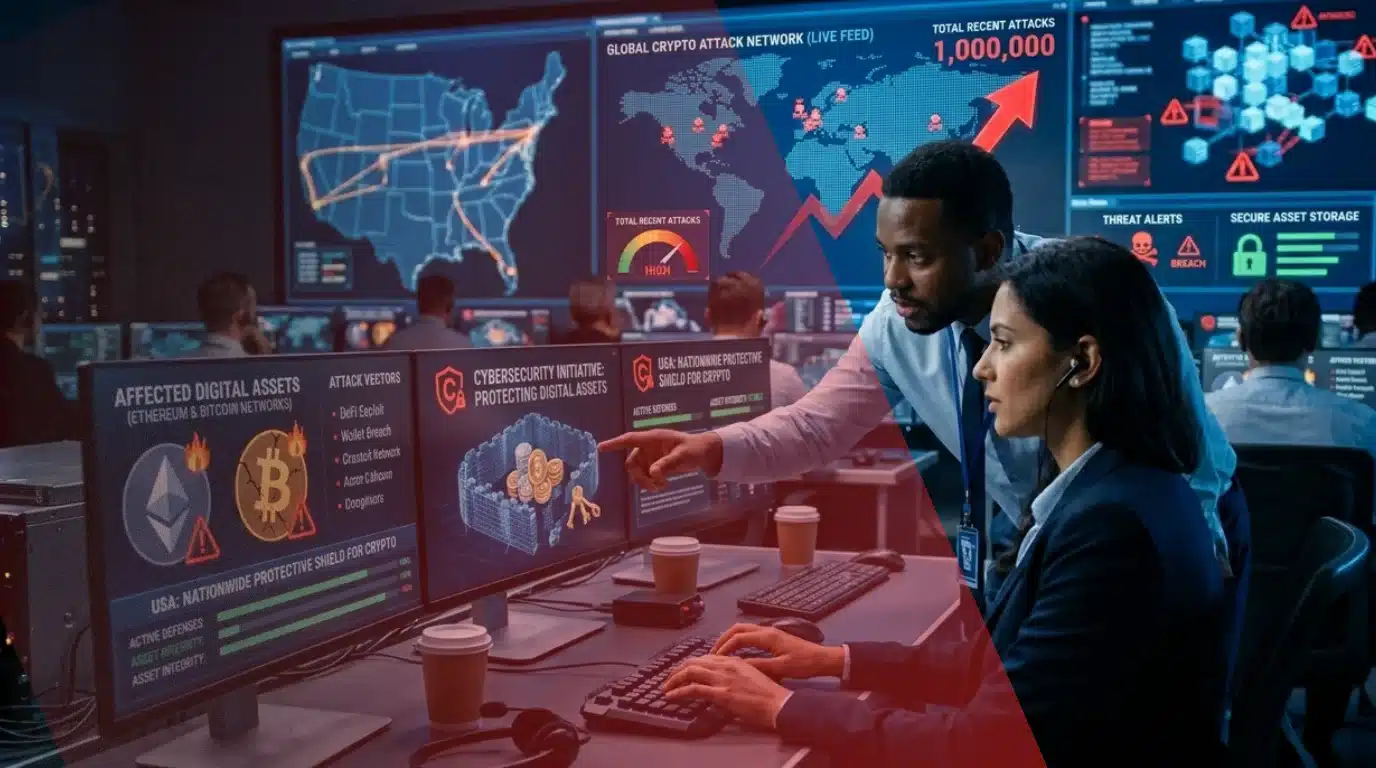
The U.S. Department of the Treasury has unveiled a new digital asset cybersecurity initiative, aimed at strengthening defenses across the rapidly growing digital asset ecosystem. The initiative, announced by the Treasury’s Office of Cybersecurity and Critical Infrastructure Protection (OCCIP), seeks to provide timely and actionable cyber threat intelligence to eligible U.S.-based digital asset firms. The move comes amid escalating cyberattacks targeting cryptocurrency platforms and follows recommendations outlined in the federal report “Strengthening American Leadership in Digital Financial Technology.”

Understanding About Digital Asset Cybersecurity Initiative 

At its core, the digital asset cybersecurity initiative will extend high-quality threat intelligence, previously reserved for traditional financial institutions—to digital asset companies and industry organizations. This includes insights that help firms detect, prevent, and respond to cyber threats affecting their platforms, customers, and infrastructure. “Digital asset firms are an increasingly important part of the U.S. financial sector, and their resilience is critical to the health of the broader system,” said Luke Pettit, Assistant Secretary for Financial Institutions. “By extending access to the same high-quality cybersecurity information used by traditional financial institutions, Treasury is helping promote a more secure and responsible digital asset ecosystem,” he added further. Eligible firms that meet Treasury criteria will receive this information at no cost, signaling a broader push to align cybersecurity standards across financial sectors.

Rising Threats Drive Urgency for Digital Asset Cybersecurity

The digital asset cybersecurity initiative comes at a time when cyber threats against cryptocurrency platforms are intensifying in both scale and complexity. Treasury officials emphasized that the initiative directly responds to this evolving threat landscape. “Cyber threats targeting digital asset platforms are growing in frequency and sophistication,” said Cory Wilson, Deputy Assistant Secretary for Cybersecurity. “This initiative expands access to actionable threat information that helps firms strengthen defenses, reduce risk, and respond more effectively to incidents.” Recent incidents emphasize the urgency. Alleged North Korean hackers reportedly stole $280 million from crypto platform Drift using a complex attack. Industry-wide losses exceeded $3.4 billion last year, with billions more lost annually over the past five years. In another case, Bitcoin ATM operator Bitcoin Depot disclosed a cyberattack on March 23 that resulted in losses exceeding $3.6 million. Additional breaches this year have reported losses of $26 million and $40 million, highlighting persistent vulnerabilities across the sector.

Government Push Amid Ongoing Crypto Crime

Despite increased enforcement efforts, cybercriminals and nation-state actors continue to exploit weaknesses in the digital asset ecosystem. U.S. authorities, including the Justice Department, have ramped up prosecutions and issued repeated warnings about infiltration attempts, particularly by North Korean threat groups. However, these measures have had limited success in curbing attacks. Threat actors continue to exploit coding flaws, social engineering tactics, and employee vulnerabilities to gain access to crypto platforms. The digital asset cybersecurity initiative is designed to complement these efforts by shifting focus toward proactive defense and real-time intelligence sharing rather than reactive enforcement alone.

Strengthening the Future of Digital Finance

Treasury officials also framed the digital asset cybersecurity initiative as a foundational step for the future of digital finance. As digital assets become more integrated into mainstream financial systems, cybersecurity is emerging as a critical pillar for sustainable growth. “This initiative reflects the principles of the GENIUS Act by promoting responsible innovation grounded in strong cybersecurity and operational resilience,” said Tyler Williams, Counselor to the Secretary for Digital Assets. “As digital assets become more integrated into the financial system, access to timely and actionable cyber threat information is essential to protecting consumers and safeguarding the stability of U.S. financial markets,” Williams added. The broader federal strategy emphasizes balancing innovation with security. The Treasury’s report highlights the need for regulatory clarity, risk mitigation, and public-private collaboration to support the long-term growth of digital assets while addressing illicit finance and cyber risks.

A Step Toward Industry-Wide Cyber Resilience

With cyberattacks continuing to disrupt the crypto ecosystem, the digital asset cybersecurity initiative represents a significant step toward improving industry-wide resilience. By bridging the gap between traditional financial cybersecurity frameworks and emerging digital asset platforms, the initiative aims to create a more secure and stable environment for innovation. As digital assets evolve from niche technology to a core component of global finance, initiatives like this may play a key role in shaping how the industry manages risk, and whether it can keep pace with increasing cyber threats.

Signature Healthcare Cyberattack Causes Service Disruptions, Treatment Delays

Signature Healthcare cyberattack

A Signature Healthcare cyberattack has disrupted critical hospital systems at Signature Healthcare and Signature Healthcare Brockton Hospital, affecting patient care, laboratory testing, pharmacy services, and administrative operations. The cyberattack on Signature Healthcare Brockton Hospital forced the hospital to activate emergency downtime procedures, divert ambulances, and temporarily cancel chemotherapy infusions for cancer patients. Surgeries and urgent care continued, but delays were reported due to system outages. This incident is part of a rising trend of cyberattacks on Massachusetts hospitals, which target healthcare networks, compromise patient data, and disrupt essential services.

Signature Healthcare Cyberattack Forces Service Disruptions 

The Signature Healthcare cyberattack was first identified on April 6, 2026, when officials detected suspicious activity within part of their network. In response, the hospital activated its incident response protocols to contain the threat and protect patient safety.  “Upon identifying suspicious activity within a portion of our network, we immediately activated our incident response protocols. We moved to down-time procedures to ensure high-quality patient care and safety,” the hospital stated.  As a result of the cyberattack on Signature Healthcare Brockton Hospital, several information systems went offline, forcing staff to rely on manual, downtime procedures. While inpatient care and walk-in emergency services continued, ambulance traffic had to be diverted to other facilities. 

Impact on Patients and Critical Care Services 

The Signature Healthcare cyberattack had immediate consequences for patient care. Chemotherapy infusion services for cancer patients were canceled on Tuesday, April 7, with patients instructed to contact the Greene Cancer Center to reschedule. This disruption raised concerns about the continuity of care for vulnerable patients during the cyberattack on Signature Healthcare Brockton Hospital.  By April 8, the hospital reported partial recovery, stating that chemotherapy services had resumed for new patients and were being gradually reintroduced for existing patients based on safety protocols.  Despite the ongoing Massachusetts hospital cyberattack, surgeries and procedures, including endoscopy, continued as scheduled. However, hospital officials warned that technology outages could lead to delays across multiple departments. 

Operational Challenges and Temporary Adjustments 

The Signature Healthcare cyberattack also affected a wide range of support services. According to updates released by the hospital: 
  • All lab work and diagnostic tests continued, but faced delays  
  • Requests for medical records could not be fulfilled temporarily  
  • Retail pharmacies in Brockton and East Bridgewater remained open for consultation, but were unable to fill prescriptions  
  • Signature Medical Group and urgent care services stayed operational, though delays were expected  
Additionally, inpatient food services continued with strict adherence to dietary restrictions. However, the hospital was unable to accommodate special meal requests for patients without dietary needs during the cyberattack on Signature Healthcare Brockton Hospital.  Visitor services were also impacted. The cafeteria remained open but could only accept cash payments, with an ATM made available in the lobby to accommodate visitors amid this Massachusetts hospital cyberattack. 

Timeline of the Massachusetts Hospital Cyberattack 

The Signature Healthcare cyberattack unfolded over several days: 
  • April 6, 2026: The cybersecurity incident was detected, prompting immediate response measures and a shift to downtime procedures. Ambulances were diverted, and certain services were suspended.  
  • April 7, 2026: Chemotherapy infusion services were canceled for the day, while surgeries and emergency care continued with delays. Retail pharmacies were unable to dispense medications.  
  • April 8, 2026: The hospital provided updates indicating gradual restoration of services, including the phased return of chemotherapy treatments.  
Throughout the cyberattack on Signature Healthcare Brockton Hospital, officials stressed that the patient's safety remained their top priority. 

Ongoing Investigation and Recovery Efforts 

The health system confirmed it is working with external cybersecurity experts to investigate the Signature Healthcare cyberattack and restore affected systems as quickly as possible. While the full scope and cause of the Massachusetts hospital cyberattack have not yet been disclosed, efforts remain focused on system recovery and safeguarding sensitive data. “We are working with outside resources to help us investigate the incident and restore operations as quickly as possible,” the hospital said in its April 6 announcement 
❌