For years, Identity and Access Management (IAM) and Privileged Access Management (PAM) have been treated as foundational and a solved security challenge. Organizations deployed vaults, enforced policies, and checked the compliance box for their privileged users. Fast forward to today, and that model no longer holds up. What’s emerging now is not an incremental shift, but a structural one. Identity is no longer centered on […]
Muitas pessoas veem a telemedicina como uma das maiores conquistas do avanço científico: é possível, basicamente, ter uma consulta médica em cinco minutos, sem sair do sofá. Mas há um porém…
Dados médicos são vendidos na dark web ou em mercados ilegais por valores dezenas de vezes superiores aos de informações de cartão de crédito ou credenciais de redes sociais. Diferentemente de um cartão de crédito, que pode ser bloqueado e substituído, não é possível “reiniciar” seu histórico médico. Seu nome, data de nascimento, endereço, telefone, número do plano de saúde, diagnósticos, resultados de exames, prescrições e planos de tratamento permanecem relevantes por anos. Isso representa uma verdadeira mina de ouro para usos que vão desde marketing direcionado até chantagem, fraude ou roubo de identidade.
E, com o avanço da IA, a Internet está agora repleta de sites falsos que alegam oferecer serviços médicos, mas que, na verdade, são projetados para extrair dados confidenciais de vítimas desavisadas. Hoje, vamos explorar quais informações médicas estão em risco, por que invasores desejam esses dados e como você pode impedir esse tipo de ameaça.
Mais valiosos do que dados de cartões de crédito
Criminosos monetizam dados médicos roubados tanto em grande escala quanto por meio de vendas individuais. A primeira ação geralmente é exigir pagamento de resgate das organizações invadidas. (De fato, em 2024, 91% dos vazamentos de dados de saúde relacionados a malware nos Estados Unidos foram resultado de ataques de ransomware). Posteriormente, os dados vazados passam a ser utilizados em ataques direcionados e personalizados. Eles permitem que invasores construam um perfil médico da vítima (quais medicamentos ela compra, com que frequência e quais utiliza de forma contínua) para, então, vender essas informações para a indústria farmacêutica ou para profissionais de marketing, ou utilizá-las em golpes de phishing direcionado, como a oferta de um suposto tratamento inovador. Os criminosos também podem chantagear pacientes com base em diagnósticos sensíveis ou usar essas informações para obter prescrições de substâncias controladas de forma fraudulenta. Além disso, seguradoras também têm grande interesse nesses dados. Essas empresas analisam tais informações para aumentar o valor dos prêmios de seguro de saúde ou, em alguns casos, até negar cobertura. Em resumo, existem inúmeras formas de usar esses dados contra você.
Qual é gravidade disso tudo na prática?
O maior vazamento de dados médicos da história aconteceu em fevereiro de 2024, quando o grupo de hackers BlackCat invadiu os sistemas da empresa de assistência médica Change Healthcare. A empresa é uma divisão do UnitedHealth Group, responsável por processar cerca de 15 bilhões de transações de seguros por ano e atuar como intermediária financeira entre pacientes, prestadores de serviços de saúde e seguradoras.
Durante nove dias, os invasores circularam livremente pelos sistemas internos da Change Healthcare, extraindo seis terabytes de dados confidenciais antes de, finalmente, executar o ataque de ransomware. Para conter a propagação do malware, a UnitedHealth precisou tirar completamente do ar os data centers da Change Healthcare e acabou pagando um resgate de 22 milhões de dólares aos criminosos. O ataque praticamente paralisou o sistema de saúde dos Estados Unidos. O número de vítimas foi revisado três vezes: inicialmente 100 milhões, depois 190 milhões, até chegar ao total final de impressionantes 192,7 milhões de pessoas, com prejuízos estimados em 2,9 bilhões de dólares. E a causa (do lado da Change Healthcare) desse incidente de grandes proporções, que analisamos em detalhe em outro conteúdo, foi simplesmente… a ausência de autenticação em dois fatores em um portal de acesso remoto via desktop.
Antes disso, a startup de telemedicina em saúde mental Cerebral incorporouferramentas de rastreamento de terceiros diretamente em seu site e aplicativos. Como resultado, os dados de 3,2 milhões de pacientes (incluindo nomes, históricos médicos e de prescrições, além de informações de seguro) foram compartilhados com plataformas como LinkedIn, Snapchat e TikTok. A Comissão Federal de Comércio dos Estados Unidos aplicou à empresa uma multa de 7,1 milhões de dólares e impôs uma medida inédita: a proibição do uso de dados médicos para fins publicitários. Vale mencionar que a mesma startup também ganhou destaque negativo ao enviar aos clientes cartões promocionais sem envelope, expondo nomes e mensagens que facilitavam a identificação do diagnóstico por qualquer pessoa.
Por que a telemedicina é tão vulnerável
Vamos analisar os principais pontos de fragilidade dos serviços de telemedicina.
Canais de comunicação não seguros. Em alguns casos, médicos se comunicam com pacientes por meio de aplicativos de mensagens comuns, em vez de plataformas médicas certificadas. Embora seja prático, isso pode ser ilegal para a clínica e totalmente inseguro para o paciente.
Treinamento insuficiente das equipes. Nossas pesquisas indicam que 30% dos médicos já lidaram com comprometimento de dados de pacientes especificamente durante atendimentos por telemedicina, e 42% dos profissionais de saúde não compreendem plenamente como os dados dos pacientes são protegidos.
Dispositivos médicos desatualizados. Muitos dispositivos médicos vestíveis (como monitores cardíacos ou medidores de pressão arterial) utilizam um protocolo de transmissão de dados antigo chamado MQTT. Esse protocolo apresenta vulnerabilidades que podem permitir a invasores acessar informações sensíveis ou até interferir no funcionamento dos dispositivos.
Spam e phishing na telemedicina
Invasores não são os únicos interessados na área da saúde já que spammers e golpistas também atuam fortemente nesse segmento. Eles oferecem “serviços médicos” com promessas boas demais para serem verdade, enviam e-mails sobre supostas mudanças no seu plano de saúde ou divulgam “tratamentos milenares do Himalaia”. Naturalmente, todos os links enviados levam a sites suspeitos, que oferecem produtos ou serviços duvidosos.
Spam que se passa pelo Medicare, o programa nacional de seguro de saúde dos EUA. O usuário é informado, de forma falsa, de que houve alterações nas condições do seu seguro, como forma de induzi-lo a acessar um site fraudulento
CURAR A DIABETES É FÁCIL: tudo o que você precisa fazer é… Golpistas promovem uma tradição milagrosa do Himalaia para tratar diabetes. Mas a única coisa garantida aqui é perder seu dinheiro!
E, claro, não podemos esquecer da clássica "cura milagrosa" para infecção fúngica, agora com 70% de desconto, como não poderia deixar de ser.
Se você acabar acessando um site de phishing como esses, os golpistas vão tentar extrair o máximo possível de dados pessoais: fotos de documentos, apólice do seguro, prescrições médicas e, em alguns casos… até imagens de partes do corpo sob o pretexto de avaliação clínica. A partir daí, essas informações podem ser vendidas na dark web ou usadas em esquemas de chantagem, extorsão e novos ataques de phishing. Para entender melhor como funciona essa cadeia clandestina de dados, vale explorar o conteúdo: O que acontece com os dados roubados por meio de phishing?
Um site fraudulento de clínica com visual bastante convincente. Os golpistas chegam a criar páginas para "equipe médica", "departamentos" e "pesquisa". No entanto, curiosamente, você não encontrará nenhuma política de privacidade nem termos de uso em todo o site
Outro site suspeito oferece diagnósticos por IA e solicita uma quantidade excessiva de informações pessoais: nome completo, telefone, e-mail, serviços médicos desejados, histórico clínico e medicamentos em uso
Esse tipo de site promete uma "avaliação de saúde visual com IA". Basta enviar fotos da língua e dos olhos! Vale lembrar que escaneamentos de retina podem ser utilizados como forma de autenticação biométrica
Como regra geral, sites de clínicas falsas costumam omitir a seção de política de privacidade e bombardear você com ofertas “somente hoje” que parecem boas demais para ser verdade. Ao mesmo tempo, com o avanço da IA, criar um site com aparência profissional, praticamente indistinguível de um legítimo, se tornou extremamente fácil. Já não é necessário ter habilidades de design nem domínio do idioma da vítima. Por isso, recomendamos a utilização da nossa solução de segurança completa, que foi projetada para detectar spam, golpes e phishing e alertar você sobre sites falsos antes mesmo de acessá-los.
Dicas de segurança para pacientes de telemedicina
Crie um e-mail exclusivo para serviços de saúde. Se esse endereço vazar após um incidente de segurança em uma clínica, fica muito mais difícil para golpistas conectarem essas informações ao restante da sua vida digital.
Evite usar login com Google, Apple ou redes sociais. Manter os acessos separados dificulta a associação entre seus dados médicos e suas contas pessoais.
Verifique qual plataforma será usada na consulta. Se a clínica sugerir uma ligação ou conversa por aplicativos de mensagens comuns, desconfie. O mais seguro é utilizar um portal do paciente oficial, com comunicação criptografada.
Nunca envie documentos médicos por aplicativos de mensagem ou redes sociais. Resultados de exames, laudos e prontuários devem ser enviados exclusivamente pelo portal oficial da clínica.
Use senhas únicas e fortes para cada conta. Seu acesso ao portal governamental, ao sistema da clínica e ao aplicativo de agendamento médico deve ter senhas diferentes. O Kaspersky Password Manager pode gerar e armazenar todas elas com segurança, além de monitorar vazamentos de dados e alertar caso alguma de suas contas seja comprometida.
Ative a autenticação em dois fatores. Priorize serviços governamentais e instituições de saúde. Recomendamos o uso de aplicativos autenticadores em vez de códigos por SMS, pois são mais seguros e totalmente anônimos. O Kaspersky Password Manager pode ajudar nesse processo.
Compartilhe apenas o necessário. Não se sinta obrigado a preencher todos os campos opcionais em aplicativos médicos ou em sites. Quanto menos dados um serviço armazenar, menor será o vazamento.
Tenha cuidado ao compartilhar informações de saúde nas mídias sociais ou em aplicativos de bate-papo. Os golpistas adoram explorar as pessoas quando elas estão vulneráveis. Por exemplo, em 2024, invasores conquistaram a confiança do desenvolvedor do XZ Utils, que havia compartilhado publicamente questões de esgotamento e depressão. Eles o convenceram a ceder o controle da ferramenta, que depois foi comprometida com código malicioso. Como o XZ Utils é amplamente utilizado em sistemas Linux e impacta o OpenSSH (um protocolo de acesso remoto a servidores), o ataque poderia ter afetado uma parcela significativa da Internet se não tivesse sido detectado a tempo.
Não instale aplicativos de telemedicina de desenvolvedores desconhecidos. Verifique as avaliações e dedique um momento para revisar a política de privacidade. Até mesmo plataformas consolidadas podem compartilhar seus dados com terceiros.
Acompanhe seus registros médicos. Prescrições incomuns, consultas que você não realizou ou medicamentos desconhecidos podem ser sinais de que sua conta foi comprometida.
Configure e mantenha atualizados seus dispositivos de saúde. Monitores de atividade física, medidores de pressão arterial, balanças inteligentes e outros dispositivos de monitoramento de atividades enviam dados pela Internet. Configurações inadequadas ou vulnerabilidades não corrigidas facilitam a ocorrência de vazamentos de dados.
O que mais você precisa saber sobre como proteger sua saúde on-line:
If you're in the middle of applying for a planning or zoning permit, there is some unwelcome news: cyber-criminals have found a way to exploit the bureaucratic tedium of the process against you.
Read more in my article on the Fortra blog.
Todos os anos, golpistas inventam novas maneiras de enganar as pessoas, e 2025 não foi exceção. No ano passado, nosso sistema antiphishing bloqueou mais de 554 milhões de acessos a links de phishing, e nosso Antivírus de E-mail bloqueou quase 145 milhões de anexos maliciosos. Para completar, quase 45% de todos os e-mails no mundo acabaram sendo spam. Detalhamos abaixo os esquemas de phishing e spam mais impressionantes do ano passado. Caso queira se aprofundar no assunto, leia o relatório completo Spam e Phishing em 2025 no Securelist.
Phishing no entretenimento
Os amantes de música e os cinéfilos foram os principais alvos de golpistas em 2025. Pessoas mal-intencionadas criaram sites para a venda de ingressos falsos, além de versões falsificadas de serviços de streaming populares.
Nesses sites falsos, os usuários recebiam ingressos “gratuitos” para grandes shows. A pegadinha? Eles só tinham que pagar uma pequena “taxa de processamento” ou o “custo de envio”. Naturalmente, o que aconteceu foi que o dinheiro ganho com esforço dos usuários foi direto para o bolso dos golpistas.
Ingressos gratuitos para ver a Lady Gaga? É furada!
No caso dos serviços de streaming, ocorreu o seguinte: os usuários receberam uma oferta tentadora para migrar suas listas de reprodução do Spotify para o YouTube inserindo suas credenciais do Spotify. Em outra ocasião, eles foram convidados a votar no seu artista favorito em uma enquete (uma oportunidade que a maioria dos fãs acha difícil deixar passar). Para adicionar uma camada de legitimidade, os golpistas citaram nomes como Google e Spotify. O formulário de phishing tinha como alvo várias plataformas ao mesmo tempo (Facebook, Instagram ou e-mails), e exigia que os usuários inserissem as credenciais das suas contas para votar.
Esta página de phishing que imita uma configuração de login múltiplo parece terrível; nenhum designer que se preze amontoaria tantos ícones diferentes em um único botão
No Brasil, os golpistas foram mais ousados: eles ofereceram aos usuários a chance de ganhar dinheiro apenas ouvindo e classificando músicas em um suposto serviço de um parceiro do Spotify. Durante o registro, os usuários tinham que fornecer o número do Pix (o sistema brasileiro de pagamento instantâneo) e, em seguida, fazer um “pagamento de verificação” único de R$ 19,90 (cerca de US$ 4) para “confirmar sua identidade”. Essa taxa representava, obviamente, uma fração dos “ganhos potenciais” prometidos. O formulário de pagamento parecia muito autêntico e solicitava dados pessoais adicionais, que provavelmente seriam coletados para ataques futuros.
Esse golpe se apresentou como um serviço cujo objetivo era aumentar as classificações e reproduções de músicas no Spotify, mas para começar a “ganhar”, primeiro era necessário pagar
O golpe do “namoro cultural” demonstrou muita criatividade. Depois do “match” e de algumas conversas breves em aplicativos de namoro, um novo “interesse amoroso” convidava a vítima para assistir a uma peça de teatro ou a um filme e enviava um link para comprar ingressos. Uma vez que o “pagamento” fosse concluído, o aplicativo de namoro e o site de venda de ingressos simplesmente desapareciam. Uma tática semelhante foi usada para vender ingressos para salas de fuga (escape rooms) imersivas, que ficaram muito populares recentemente; o design das páginas imitava sites reais para enganar os usuários.
Golpistas clonaram o site de um conhecido serviço de venda de ingressos da Rússia
Phishing em aplicativos de mensagens
O roubo de contas do Telegram e do WhatsApp se tornou uma das ameaças mais difundidas do ano. Os golpistas dominaram a arte de mascarar o phishing como atividades padrão do aplicativo de bate-papo e expandiram seu alcance geográfico de forma significativa.
No Telegram, as assinaturas Premium gratuitas foram a isca principal. Essas páginas de phishing só estavam disponíveis em russo e inglês, mas houve uma grande expansão para outros idiomas em 2025. As vítimas recebiam uma mensagem (geralmente da conta invadida de um amigo) oferecendo um “presente”. Para ativá-lo, o usuário precisava fazer login na sua conta do Telegram no site do invasor, o que levava imediatamente a outra conta invadida.
Outro golpe comum envolvia ofertas feitas por celebridades. Um ataque específico, disfarçado como uma oferta de NFTs, destacou-se porque operou por meio de um Telegram Mini App. Para o usuário comum, detectar um Mini App malicioso é muito mais difícil do que identificar uma URL externa suspeita.
Os golpistas lançaram uma isca de phishing com uma oferta de NFT falsa de Khabib Nurmagomedov em russo e inglês simultaneamente. No entanto, no texto em russo, eles esqueceram de remover uma pergunta da IA que gerou o texto: “Você precisa de opções mais ousadas, formais ou bem-humoradas?”, o que mostra que o trabalho foi feito às pressas e não foi revisado
Por fim, o golpe clássico vote no meu amigo utilizando aplicativos de mensagens evoluiu em 2025. Ele solicitava que as pessoas votassem no “melhor dentista da cidade” ou no “principal líder operacional”, mas, infelizmente, isso era apenas uma isca para a invasão de contas.
Outro método inteligente para sequestrar contas do WhatsApp foi descoberto na China, em que as páginas de phishing eram uma imitação perfeita da interface real do WhatsApp. As vítimas foram informadas de que, devido a alguma suposta “atividade ilegal”, elas precisavam passar por uma “verificação adicional”, o que resultou no roubo das suas contas, como você já deve ter adivinhado.
As vítimas foram redirecionadas para um formulário em que tinham que informar seu número de telefone, e, em seguida, inserir um código de autorização
Personificação de serviços governamentais
O phishing que imita mensagens e portais do governo é um “clássico do gênero”, mas em 2025, os golpistas adicionaram alguns elementos novos.
Na Rússia, os ataques de vishing contra usuários de serviços governamentais ganharam força. As vítimas receberam e-mails alegando que um login não autorizado havia sido feito nas suas contas, e por isso deveriam ligar para um número específico e fazer uma “verificação de segurança”. Para parecer legítimo, os e-mails continham informações técnicas falsas: endereços IP, modelo dos dispositivos e a data e hora do suposto login. Os golpistas também enviaram notificações falsas de aprovação de empréstimos: caso o destinatário não tivesse solicitado um empréstimo (e não tinha), ele deveria ligar para uma equipe de suporte falsa. Uma vez que a vítima em pânico falasse com um “operador”, a engenharia social se encarregava do resto do trabalho.
No Brasil, invasores criaram portais governamentais falsos com o objetivo de coletar números de contribuintes (CPF). Como esse número é a identificação principal para acessar serviços estaduais, bancos de dados nacionais e documentos pessoais, um CPF sequestrado viabiliza o roubo de identidade.
Este portal fraudulento do governo brasileiro surpreende pela alta qualidade
Na Noruega, os golpistas visavam pessoas que desejavam renovar a carteira de motorista. Um site que imita a Administração de Estradas Públicas da Noruega coletou uma quantidade enorme de dados pessoais: desde números de placas, nomes completos, endereços e números de telefone até os números de identificação pessoal exclusivos atribuídos aos residentes. A cereja do bolo foi solicitar que os motoristas pagassem uma “taxa de substituição de licença” de 1.200 NOK (mais de US$ 125). Os golpistas colocaram as mãos em dados pessoais, informações de cartões de crédito e dinheiro. Um verdadeiro golpe triplo!
De um modo geral, motoristas são um alvo atraente: está claro que eles têm dinheiro e um carro, e temem perdê-lo. Golpistas sediados no Reino Unido tiraram vantagem desse fato ao solicitar que motoristas pagassem com urgência um imposto em atraso relativo ao veículo deles para evitar alguma “ação de execução” não especificada. Esta mensagem urgente de “aja agora!” é uma estratégia clássica de phishing para que a vítima não perceba que uma URL é suspeita ou que sua formatação é mal feita.
Golpistas pressionaram os britânicos a pagar impostos supostamente atrasados sobre veículos “com urgência” para evitar que algo ruim acontecesse.
Podemos usar sua identidade, por favor?
Em 2025, observamos um aumento nos ataques de phishing envolvendo verificações de Conheça seu cliente (KYC). Para reforçar a segurança, muitos serviços agora verificam os usuários por meio de biometria e documentos oficiais com foto. Os golpistas aprenderam a coletar esses dados ao falsificar as páginas de serviços populares que implementam essas verificações.
Nesta página fraudulenta do Vivid Money, os golpistas realizaram a coleta sistemática de informações incrivelmente detalhadas sobre as vítimas
O que diferencia esses ataques é que, além das informações pessoais padrão, há a exigência de fotos de documentos de identidade ou do rosto da vítima, às vezes de vários ângulos. Esse tipo de perfil completo pode ser vendido em marketplaces da dark Web ou usado para fins de roubo de identidade. Falamos mais sobre esse processo na nossa postagem O que acontece com os dados roubados por meio de phishing?
Golpistas de IA
Naturalmente, os fraudadores não iriam deixar de aproveitar a disseminação da inteligência artificial. O ChatGPT tornou-se uma grande isca: fraudadores criaram páginas falsas de checkout de assinatura do ChatGPT Plus e ofereceram “prompts exclusivos” com a garantia de que o usuário iria viralizar nas mídias sociais.
Este é um clone quase perfeito em pixels da página de checkout original da OpenAI
O golpe “ganhar dinheiro com IA” foi particularmente cínico. Os golpistas ofereciam renda passiva advinda de apostas supostamente feitas pelo ChatGPT: o bot faria todo o trabalho difícil enquanto o usuário apenas observaria o dinheiro cair na conta. Parece um sonho, certo? Mas para “agarrar” esta oportunidade, era necessário agir rápido. O preço especial para perder dinheiro era válido por apenas 15 minutos a partir do momento em que a página era acessada, fazendo com que as vítimas não tivessem tempo para pensar duas vezes.
Você tem exatamente 15 minutos para perder € 14,99! Depois disso, você perde € 39,99
Em geral, os golpistas estão adotando a IA de forma agressiva. Eles estão aproveitando deepfakes, automatizando o design de sites de alta qualidade e gerando uma cópia refinada para o envio massivo de e-mails. Até mesmo chamadas ao vivo com as vítimas estão se tornando componentes de golpes mais complexos. Esse fato foi detalhado na nossa postagem Como phishers e golpistas usam a IA.
Armadilhas disfarçadas de vagas de emprego
Quem está em busca de trabalho é o principal alvo de pessoas mal-intencionadas. Ao divulgar vagas remotas com altos salários em grandes empresas, os phishers coletavam os dados pessoais dos candidatos e às vezes até solicitavam o pagamento de pequenas “taxas de processamento de documentos” ou “comissões”.
“Ganhe US$ 1.000 no primeiro dia” neste trabalho remoto na Amazon. Até parece!
Em configurações mais sofisticadas, os sites de phishing de “agências de emprego” solicitavam o número de telefone vinculado à conta do Telegram do usuário durante o registro. Para concluir a “inscrição”, a vítima precisava inserir um “código de confirmação”, que na verdade era um código de autorização do Telegram. Depois de inseri-lo, o site solicitava mais informações relativas ao perfil do usuário, o que claramente era apenas uma distração para impedir que ele percebesse a nova notificação de login no seu telefone. Para “verificar o usuário”, a vítima era instruída a esperar 24 horas, dando aos golpistas, que já tinham meio caminho andado, tempo suficiente para sequestrar a conta do Telegram para sempre.
A empolgação é uma mentira (mas muito convincente)
Como de costume, os golpistas foram rápidos em se inteirar de todas as manchetes que relatavam tendências em 2025, lançando campanhas de e-mail a uma velocidade vertiginosa.
No segundo em que o iPhone 17 Pro chegou ao mercado, ele se tornou o prêmio oferecido em inúmeras pesquisas falsas. Depois de “ganhar”, os usuários só precisavam fornecer suas informações de contato e pagar pelo envio. Depois que esses dados bancários eram inseridos, o “vencedor” corria o risco de perder não apenas o valor do envio, mas cada centavo da sua conta.
Aproveitando a onda do Ozempic, os golpistas inundaram as caixas de entrada das pessoas com ofertas de versões falsificadas do medicamento ou de “alternativas” suspeitas das quais os farmacêuticos reais nunca tinham ouvido falar.
E durante a turnê mundial da banda de K-pop BLACKPINK, os spammers fizeram publicidade das “malas scooters iguais às que a banda usa”.
Até o casamento de Jeff Bezos no verão de 2025 foi utilizado na aplicação de golpes “nigerianos” por e-mail. Os usuários receberam supostas mensagens do próprio Bezos ou da sua ex-esposa, MacKenzie Scott. Os e-mails prometiam grandes somas de dinheiro em nome de instituições de caridade ou como “compensação” da Amazon.
Como se proteger
Como você pode ver, os golpistas não têm limites quando se trata de inventar novas maneiras de roubar o seu dinheiro e dados pessoais, ou até mesmo toda a sua identidade. Estes são apenas alguns dos exemplos mais loucos de 2025. Você pode ler uma análise completa do cenário de ameaças de phishing e spam na Securelist. Enquanto isso, aqui estão algumas dicas para evitar que você se torne uma vítima. Compartilhe-as com seus amigos e familiares, especialmente crianças, adolescentes e idosos, pois esses grupos costumam ser os principais alvos dos golpistas.
Verifique a URL antes de inserir qualquer informação. Mesmo que os pixels da página pareçam perfeitos, a barra de endereço pode revelar o golpe.
Não clique em links de mensagens suspeitas, mesmo se forem enviados por alguém que você conheça, pois a conta deles pode facilmente ter sido invadida.
Nunca compartilhe códigos de verificação com ninguém. Eles são as chaves mestras da sua vida digital.
Ative a autenticação de dois fatores sempre que puder. Isso representa um obstáculo extra essencial para os hackers.
Instale uma proteção robustaem todos os seus dispositivos. O Kaspersky Premium bloqueia automaticamente sites de phishing, anexos maliciosos e e-mails de spam antes mesmo de você ter a chance de acessá-los. Além disso, nosso aplicativo Kaspersky for Android tem um sistema antiphishing de três camadas que consegue detectar e neutralizar links maliciosos em qualquer mensagem de qualquer aplicativo. Leia mais sobre isso na nossa postagem Uma nova camada de segurança antiphishing no Kaspersky for Android.
44.99% of all emails sent worldwide and 43.27% of all emails sent in the Russian web segment were spam
32.50% of all spam emails were sent from Russia
Kaspersky Mail Anti-Virus blocked 144,722,674 malicious email attachments
Our Anti-Phishing system thwarted 554,002,207 attempts to follow phishing links
Phishing and scams in 2025
Entertainment-themed phishing attacks and scams
In 2025, online streaming services remained a primary theme for phishing sites within the entertainment sector, typically by offering early access to major premieres ahead of their official release dates. Alongside these, there was a notable increase in phishing pages mimicking ticket aggregation platforms for live events. Cybercriminals lured users with offers of free tickets to see popular artists on pages that mirrored the branding of major ticket distributors. To participate in these “promotions”, victims were required to pay a nominal processing or ticket-shipping fee. Naturally, after paying the fee, the users never received any tickets.
In addition to concert-themed bait, other music-related scams gained significant traction. Users were directed to phishing pages and prompted to “vote for their favorite artist”, a common activity within fan communities. To bolster credibility, the scammers leveraged the branding of major companies like Google and Spotify. This specific scheme was designed to harvest credentials for multiple platforms simultaneously, as users were required to sign in with their Facebook, Instagram, or email credentials to participate.
As a pretext for harvesting Spotify credentials, attackers offered users a way to migrate their playlists to YouTube. To complete the transfer, victims were to just enter their Spotify credentials.
Beyond standard phishing, threat actors leveraged Spotify’s popularity for scams. In Brazil, scammers promoted a scheme where users were purportedly paid to listen to and rate songs.
To “withdraw” their earnings, users were required to provide their identification number for PIX, Brazil’s instant payment system.
Users were then prompted to verify their identity. To do so, the victim was required to make a small, one-time “verification payment”, an amount significantly lower than the potential earnings.
The form for submitting this “verification payment” was designed to appear highly authentic, even requesting various pieces of personal data. It is highly probable that this data was collected for use in subsequent attacks.
In another variation, users were invited to participate in a survey in exchange for a $1000 gift card. However, in a move typical of a scam, the victim was required to pay a small processing or shipping fee to claim the prize. Once the funds were transferred, the attackers vanished, and the website was taken offline.
Even deciding to go to an art venue with a girl from a dating site could result in financial loss. In this scenario, the “date” would suggest an in-person meeting after a brief period of rapport-building. They would propose a relatively inexpensive outing, such as a movie or a play at a niche theater. The scammer would go so far as to provide a link to a specific page where the victim could supposedly purchase tickets for the event.
To enhance the site’s perceived legitimacy, it even prompted the user to select their city of residence.
However, once the “ticket payment” was completed, both the booking site and the individual from the dating platform would vanish.
A similar tactic was employed by scam sites selling tickets for escape rooms. The design of these pages closely mirrored legitimate websites to lower the target’s guard.
Phishing pages masquerading as travel portals often capitalize on a sense of urgency, betting that a customer eager to book a “last-minute deal” will overlook an illegitimate URL. For example, the fraudulent page shown below offered exclusive tours of Japan, purportedly from a major Japanese tour operator.
Sensitive data at risk: phishing via government services
To harvest users’ personal data, attackers utilized a traditional phishing framework: fraudulent forms for document processing on sites posing as government portals. The visual design and content of these phishing pages meticulously replicated legitimate websites, offering the same services found on official sites. In Brazil, for instance, attackers collected personal data from individuals under the pretext of issuing a Rural Property Registration Certificate (CCIR).
Through this method, fraudsters tried to gain access to the victim’s highly sensitive information, including their individual taxpayer registry (CPF) number. This identifier serves as a unique key for every Brazilian national to access private accounts on government portals. It is also utilized in national databases and displayed on personal identification documents, making its interception particularly dangerous. Scammer access to this data poses a severe risk of identity theft, unauthorized access to government platforms, and financial exposure.
Furthermore, users were at risk of direct financial loss: in certain instances, the attackers requested a “processing fee” to facilitate the issuance of the important document.
Fraudsters also employed other methods to obtain CPF numbers. Specifically, we discovered phishing pages mimicking the official government service portal, which requires the CPF for sign-in.
Another theme exploited by scammers involved government payouts. In 2025, Singaporean citizens received government vouchers ranging from $600 to $800 in honor of the country’s 60th anniversary. To redeem these, users were required to sign in to the official program website. Fraudsters rushed to create web pages designed to mimic this site. Interestingly, the primary targets in this campaign were Telegram accounts, despite the fact that Telegram credentials were not a requirement for signing in to the legitimate portal.
We also identified a scam targeting users in Norway who were looking to renew or replace their driver’s licenses. Upon opening a website masquerading as the official Norwegian Public Roads Administration website, visitors were prompted to enter their vehicle registration and phone numbers.
Next, the victim was prompted for sensitive data, such as the personal identification number unique to every Norwegian citizen. By doing so, the attackers not only gained access to confidential information but also reinforced the illusion that the victim was interacting with an official website.
Once the personal data was submitted, a fraudulent page would appear, requesting a “processing fee” of 1200 kroner. If the victim entered their credit card details, the funds were transferred directly to the scammers with no possibility of recovery.
In Germany, attackers used the pretext of filing tax returns to trick users into providing their email user names and passwords on phishing pages.
A call to urgent action is a classic tactic in phishing scenarios. When combined with the threat of losing property, these schemes become highly effective bait, distracting potential victims from noticing an incorrect URL or a poorly designed website. For example, a phishing warning regarding unpaid vehicle taxes was used as a tool by attackers targeting credentials for the UK government portal.
We have observed that since the spring of 2025, there has been an increase in emails mimicking automated notifications from the Russian government services portal. These messages were distributed under the guise of application status updates and contained phishing links.
We also recorded vishing attacks targeting users of government portals. Victims were prompted to “verify account security” by calling a support number provided in the email. To lower the users’ guard, the attackers included fabricated technical details in the emails, such as the IP address, device model, and timestamp of an alleged unauthorized sign-in.
Last year, attackers also disguised vishing emails as notifications from microfinance institutions or credit bureaus regarding new loan applications. The scammers banked on the likelihood that the recipient had not actually applied for a loan. They would then prompt the victim to contact a fake support service via a spoofed support number.
Know Your Customer
As an added layer of data security, many services now implement biometric verification (facial recognition, fingerprints, and retina scans), as well as identity document verification and digital signatures. To harvest this data, fraudsters create clones of popular platforms that utilize these verification protocols. We have previously detailed the mechanics of this specific type of data theft.
In 2025, we observed a surge in phishing attacks targeting users under the guise of Know Your Customer (KYC) identity verification. KYC protocols rely on a specific set of user data for identification. By spoofing the pages of payment services such as Vivid Money, fraudsters harvested the information required to pass KYC authentication.
Notably, this threat also impacted users of various other platforms that utilize KYC procedures.
A distinctive feature of attacks on the KYC process is that, in addition to the victim’s full name, email address, and phone number, phishers request photos of their passport or face, sometimes from multiple angles. If this information falls into the hands of threat actors, the consequences extend beyond the loss of account access; the victim’s credentials can be sold on dark web marketplaces, a trend we have highlighted in previous reports.
Messaging app phishing
Account hijacking on messaging platforms like WhatsApp and Telegram remains one of the primary objectives of phishing and scam operations. While traditional tactics, such as suspicious links embedded in messages, have been well-known for some time, the methods used to steal credentials are becoming increasingly sophisticated.
For instance, Telegram users were invited to participate in a prize giveaway purportedly hosted by a famous athlete. This phishing attack, which masqueraded as an NFT giveaway, was executed through a Telegram Mini App. This marks a shift in tactics, as attackers previously relied on external web pages for these types of schemes.
In 2025, new variations emerged within the familiar framework of distributing phishing links via Telegram. For example, we observed prompts inviting users to vote for the “best dentist” or “best COO” in town.
The most prevalent theme in these voting-based schemes, children’s contests, was distributed primarily through WhatsApp. These phishing pages showed little variety; attackers utilized a standardized website design and set of “bait” photos, simply localizing the language based on the target audience’s geographic location.
To participate in the vote, the victim was required to enter the phone number linked to their WhatsApp account.
They were then prompted to provide a one-time authentication code for the messaging app.
The following are several other popular methods used by fraudsters to hijack user credentials.
In China, phishing pages meticulously replicated the WhatsApp interface. Victims were notified that their accounts had purportedly been flagged for “illegal activity”, necessitating “additional verification”.
The victim was redirected to a page to enter their phone number, followed by a request for their authorization code.
In other instances, users received messages allegedly from WhatsApp support regarding account authentication via SMS. As with the other scenarios described, the attackers’ objective was to obtain the authentication code required to hijack the account.
Fraudsters enticed WhatsApp users with an offer to link an app designed to “sync communications” with business contacts.
To increase the perceived legitimacy of the phishing site, the attackers even prompted users to create custom credentials for the page.
After that, the user was required to “purchase a subscription” to activate the application. This allowed the scammers to harvest credit card data, leaving the victim without the promised service.
To lure Telegram users, phishers distributed invitations to online dating chats.
Attackers also heavily leveraged the promise of free Telegram Premium subscriptions. While these phishing pages were previously observed only in Russian and English, the linguistic scope of these campaigns expanded significantly this year. As in previous iterations, activating the subscription required the victim to sign in to their account, which could result in the loss of account access.
Exploiting the ChatGPT hype
Artificial intelligence is increasingly being leveraged by attackers as bait. For example, we have identified fraudulent websites mimicking the official payment page for ChatGPT Plus subscriptions.
Social media marketing through LLMs was also a potential focal point for user interest. Scammers offered “specialized prompt kits” designed for social media growth; however, once payment was received, they vanished, leaving victims without the prompts or their money.
The promise of easy income through neural networks has emerged as another tactic to attract potential victims. Fraudsters promoted using ChatGPT to place bets, promising that the bot would do all the work while the user collected the profits. These services were offered at a “special price” valid for only 15 minutes after the page was opened. This narrow window prevented the victim from critically evaluating the impulse purchase.
Job opportunities with a catch
To attract potential victims, scammers exploited the theme of employment by offering high-paying remote positions. Applicants responding to these advertisements did more than just disclose their personal data; in some cases, fraudsters requested a small sum under the pretext of document processing or administrative fees. To convince victims that the offer was legitimate, attackers impersonated major brands, leveraging household names to build trust. This allowed them to lower the victims’ guard, even when the employment terms sounded too good to be true.
We also observed schemes where, after obtaining a victim’s data via a phishing site, scammers would follow up with a phone call – a tactic aimed at tricking the user into disclosing additional personal data.
By analyzing current job market trends, threat actors also targeted popular career paths to steal messaging app credentials. These phishing schemes were tailored to specific regional markets. For example, in the UAE, fake “employment agency” websites were circulating.
In a more sophisticated variation, users were asked to complete a questionnaire that required the phone number linked to their Telegram account.
To complete the registration, users were prompted for a code which, in reality, was a Telegram authorization code.
Notably, the registration process did not end there; the site continued to request additional information to “set up an account” on the fraudulent platform. This served to keep victims in the dark, maintaining their trust in the malicious site’s perceived legitimacy.
After finishing the registration, the victim was told to wait 24 hours for “verification”, though the scammers’ primary objective, hijacking the Telegram account, had already been achieved.
Simpler phishing schemes were also observed, where users were redirected to a page mimicking the Telegram interface. By entering their phone number and authorization code, victims lost access to their accounts.
Job seekers were not the only ones targeted by scammers. Employers’ accounts were also in the crosshairs, specifically on a major Russian recruitment portal. On a counterfeit page, the victim was asked to “verify their account” in order to post a job listing, which required them to enter their actual sign-in credentials for the legitimate site.
Spam in 2025
Malicious attachments
Password-protected archives
Attackers began aggressively distributing messages with password-protected malicious archives in 2024. Throughout 2025, these archives remained a popular vector for spreading malware, and we observed a variety of techniques designed to bypass security solutions.
For example, threat actors sent emails impersonating law firms, threatening victims with legal action over alleged “unauthorized domain name use”. The recipient was prompted to review potential pre-trial settlement options detailed in an attached document. The attachment consisted of an unprotected archive containing a secondary password-protected archive and a file with the password. Disguised as a legal document within this inner archive was a malicious WSF file, which installed a Trojan into the system via startup. The Trojan then stealthily downloaded and installed Tor, which allowed it to regularly exfiltrate screenshots to the attacker-controlled C2 server.
In addition to archives, we also encountered password-protected PDF files containing malicious links over the past year.
E-signature service exploits
Emails using the pretext of “signing a document” to coerce users into clicking phishing links or opening malicious attachments were quite common in 2025. The most prevalent scheme involved fraudulent notifications from electronic signature services. While these were primarily used for phishing, one specific malware sample identified within this campaign is of particular interest.
The email, purportedly sent from a well-known document-sharing platform, notified the recipient that they had been granted access to a “contract” attached to the message. However, the attachment was not the expected PDF; instead, it was a nested email file named after the contract. The body of this nested message mirrored the original, but its attachment utilized a double extension: a malicious SVG file containing a Trojan was disguised as a PDF document. This multi-layered approach was likely an attempt to obfuscate the malware and bypass security filters.
In the summer of last year, we observed mailshots sent in the name of various existing industrial enterprises. These emails contained DOCX attachments embedded with Trojans. Attackers coerced victims into opening the malicious files under the pretext of routine business tasks, such as signing a contract or drafting a report.
The authors of this malicious campaign attempted to lower users’ guard by using legitimate industrial sector domains in the “From” address. Furthermore, the messages were routed through the mail servers of a reputable cloud provider, ensuring the technical metadata appeared authentic. Consequently, even a cautious user could mistake the email for a genuine communication, open the attachment, and compromise their device.
Attacks on hospitals
Hospitals were a popular target for threat actors this past year: they were targeted with malicious emails impersonating well-known insurance providers. Recipients were threatened with legal action regarding alleged “substandard medical services”. The attachments, described as “medical records and a written complaint from an aggrieved patient”, were actually malware. Our solutions detect this threat as Backdoor.Win64.BrockenDoor, a backdoor capable of harvesting system information and executing malicious commands on the infected device.
We also came across emails with a different narrative. In those instances, medical staff were requested to facilitate a patient transfer from another hospital for ongoing observation and treatment. These messages referenced attached medical files containing diagnostic and treatment history, which were actually archives containing malicious payloads.
To bolster the perceived legitimacy of these communications, attackers did more than just impersonate famous insurers and medical institutions; they registered look-alike domains that mimicked official organizations’ domains by appending keywords such as “-insurance” or “-med.” Furthermore, to lower the victims’ guard, scammers included a fake “Scanned by Email Security” label.
Messages containing instructions to run malicious scripts
Last year, we observed unconventional infection chains targeting end-user devices. Threat actors continued to distribute instructions for downloading and executing malicious code, rather than attaching the malware files directly. To convince the recipient to follow these steps, attackers typically utilized a lure involving a “critical software update” or a “system patch” to fix a purported vulnerability. Generally, the first step in the instructions required launching the command prompt with administrative privileges, while the second involved entering a command to download and execute the malware: either a script or an executable file.
In some instances, these instructions were contained within a PDF file. The victim was prompted to copy a command into PowerShell that was neither obfuscated nor hidden. Such schemes target non-technical users who would likely not understand the command’s true intent and would unknowingly infect their own devices.
Scams
Law enforcement impersonation scams in the Russian web segment
In 2025, extortion campaigns involving actors posing as law enforcement – a trend previously more prevalent in Europe – were adapted to target users across the Commonwealth of Independent States.
For example, we identified messages disguised as criminal subpoenas or summonses purportedly issued by Russian law enforcement agencies. However, the specific departments cited in these emails never actually existed. The content of these “summonses” would also likely raise red flags for a cautious user. This blackmail scheme relied on the victim, in their state of panic, not scrutinizing the contents of the fake summons.
To intimidate recipients, the attackers referenced legal frameworks and added forged signatures and seals to the “subpoenas”. In reality, neither the cited statutes nor the specific civil service positions exist in Russia.
We observed similar attacks – employing fabricated government agencies and fictitious legal acts – in other CIS countries, such as Belarus.
Fraudulent investment schemes
Threat actors continued to aggressively exploit investment themes in their email scams. These emails typically promise stable, remote income through “exclusive” investment opportunities. This remains one of the most high-volume and adaptable categories of email scams. Threat actors embedded fraudulent links both directly within the message body and inside various types of attachments: PDF, DOC, PPTX, and PNG files. Furthermore, they increasingly leveraged legitimate Google services, such as Google Docs, YouTube, and Google Forms, to distribute these communications. The link led to the site of the “project” where the victim was prompted to provide their phone number and email. Subsequently, users were invited to invest in a non-existent project.
We have previously documented these mailshots: they were originally targeted at Russian-speaking users and were primarily distributed under the guise of major financial institutions. However, in 2025, this investment-themed scam expanded into other CIS countries and Europe. Furthermore, the range of industries that spammers impersonated grew significantly. For instance, in their emails, attackers began soliciting investments for projects supposedly led by major industrial-sector companies in Kazakhstan and the Czech Republic.
Fraudulent “brand partner” recruitment
This specific scam operates through a multi-stage workflow. First, the target company receives a communication from an individual claiming to represent a well-known global brand, inviting them to register as a certified supplier or business partner. To bolster the perceived authenticity of the offer, the fraudsters send the victim an extensive set of forged documents. Once these documents are signed, the victim is instructed to pay a “deposit”, which the attackers claim will be fully refunded once the partnership is officially established.
These mailshots were first detected in 2025 and have rapidly become one of the most prevalent forms of email-based fraud. In December 2025 alone, we blocked over 80,000 such messages. These campaigns specifically targeted the B2B sector and were notable for their high level of variation – ranging from their technical properties to the diversity of the message content and the wide array of brands the attackers chose to impersonate.
Fraudulent overdue rent notices
Last year, we identified a new theme in email scams: recipients were notified that the payment deadline for a leased property had expired and were urged to settle the “debt” immediately. To prevent the victim from sending funds to their actual landlord, the email claimed that banking details had changed. The “debtor” was then instructed to request the new payment information – which, of course, belonged to the fraudsters. These mailshots primarily targeted French-speaking countries; however, in December 2025, we discovered a similar scam variant in German.
QR codes in scam letters
In 2025, we observed a trend where QR codes were utilized not only in phishing attempts but also in extortion emails. In a classic blackmail scam, the user is typically intimidated by claims that hackers have gained access to sensitive data. To prevent the public release of this information, the attackers demand a ransom payment to their cryptocurrency wallet.
Previously, to bypass email filters, scammers attempted to obfuscate the wallet address by using various noise contamination techniques. In last year’s campaigns, however, scammers shifted to including a QR code that contained the cryptocurrency wallet address.
News agenda
As in previous years, spammers in 2025 aggressively integrated current events into their fraudulent messaging to increase engagement.
For example, following the launch of $TRUMP memecoins surrounding Donald Trump’s inauguration, we identified scam campaigns promoting the “Trump Meme Coin” and “Trump Digital Trading Cards”. In these instances, scammers enticed victims to click a link to claim “free NFTs”.
We also observed ads offering educational credentials. Spammers posted these ads as comments on legacy, unmoderated forums; this tactic ensured that notifications were automatically pushed to all users subscribed to the thread. These notifications either displayed the fraudulent link directly in the comment preview or alerted users to a new post that redirected them to spammers’ sites.
In the summer, when the wedding of Amazon founder Jeff Bezos became a major global news story, users began receiving Nigerian-style scam messages purportedly from Bezos himself, as well as from his former wife, MacKenzie Scott. These emails promised recipients substantial sums of money, framed either as charitable donations or corporate compensation from Amazon.
During the BLACKPINK world tour, we observed a wave of spam advertising “luggage scooters”. The scammers claimed these were the exact motorized suitcases used by the band members during their performances.
Finally, in the fall of 2025, traditionally timed to coincide with the launch of new iPhones, we identified scam campaigns featuring surveys that offered participants a chance to “win” a fictitious iPhone 17 Pro.
After completing a brief survey, the user was prompted to provide their contact information and physical address, as well as pay a “delivery fee” – which was the scammers’ ultimate objective. Upon entering their credit card details into the fraudulent site, the victim risked losing not only the relatively small delivery charge but also the entire balance in their bank account.
The widespread popularity of Ozempic was also reflected in spam campaigns; users were bombarded with offers to purchase versions of the drug or questionable alternatives.
Localized news events also fall under the scrutiny of fraudsters, serving as the basis for scam narratives. For instance, last summer, coinciding with the opening of the tax season in South Africa, we began detecting phishing emails impersonating the South African Revenue Service (SARS). These messages notified taxpayers of alleged “outstanding balances” that required immediate settlement.
Methods of distributing email threats
Google services
In 2025, threat actors increasingly leveraged various Google services to distribute email-based threats. We observed the exploitation of Google Calendar: scammers would create an event containing a WhatsApp contact number in the description and send an invitation to the target. For instance, companies received emails regarding product inquiries that prompted them to move the conversation to the messaging app to discuss potential “collaboration”.
Spammers employed a similar tactic using Google Classroom. We identified samples offering SEO optimization services that likewise directed victims to a WhatsApp number for further communication.
We also detected the distribution of fraudulent links via legitimate YouTube notifications. Attackers would reply to user comments under various videos, triggering an automated email notification to the victim. This email contained a link to a video that displayed only a message urging the viewer to “check the description”, where the actual link to the scam site was located. As the victim received an email containing the full text of the fraudulent comment, they were often lured through this chain of links, eventually landing on the scam site.
Over the past two years or so, there has been a significant rise in attacks utilizing Google Forms. Fraudsters create a survey with an enticing title and place the scam messaging directly in the form’s description. They then submit the form themselves, entering the victims’ email addresses into the field for the respondent email. This triggers legitimate notifications from the Google Forms service to the targeted addresses. Because these emails originate from Google’s own mail servers, they appear authentic to most spam filters. The attackers rely on the victim focusing on the “bait” description containing the fraudulent link rather than the standard form header.
Google Groups also emerged as a popular tool for spam distribution last year. Scammers would create a group, add the victims’ email addresses as members, and broadcast spam through the service. This scheme proved highly effective: even if a security solution blocked the initial spam message, the user could receive a deluge of automated replies from other addresses on the member list.
At the end of 2025, we encountered a legitimate email in terms of technical metadata that was sent via Google and contained a fraudulent link. The message also included a verification code for the recipient’s email address. To generate this notification, scammers filled out the account registration form in a way that diverted the recipient’s attention toward a fraudulent site. For example, instead of entering a first and last name, the attackers inserted text such as “Personal Link” followed by a phishing URL, utilizing noise contamination techniques. By entering the victim’s email address into the registration field, the scammers triggered a legitimate system notification containing the fraudulent link.
OpenAI
In addition to Google services, spammers leveraged other platforms to distribute email threats, notably OpenAI, riding the wave of artificial intelligence popularity. In 2025, we observed emails sent via the OpenAI platform into which spammers had injected short messages, fraudulent links, or phone numbers.
This occurs during the account registration process on the OpenAI platform, where users are prompted to create an organization to generate an API key. Spammers placed their fraudulent content directly into the field designated for the organization’s name. They then added the victims’ email addresses as organization members, triggering automated platform invitations that delivered the fraudulent links or contact numbers directly to the targets.
Spear phishing and BEC attacks in 2025
QR codes
The use of QR codes in spear phishing has become a conventional tactic that threat actors continued to employ throughout 2025. Specifically, we observed the persistence of a major trend identified in our previous report: the distribution of phishing documents disguised as notifications from a company’s HR department.
In these campaigns, attackers impersonated HR team members, requesting that employees review critical documentation, such as a new corporate policy or code of conduct. These documents were typically attached to the email as PDF files.
Phishing notification about “new corporate policies”
To maintain the ruse, the PDF document contained a highly convincing call to action, prompting the user to scan a QR code to access the relevant file. While attackers previously embedded these codes directly into the body of the email, last year saw a significant shift toward placing them within attachments – most likely in an attempt to bypass email security filters.
Malicious PDF content
Upon scanning the QR code within the attachment, the victim was redirected to a phishing page meticulously designed to mimic a Microsoft authentication form.
Phishing page with an authentication form
In addition to fraudulent HR notifications, threat actors created scheduled meetings within the victim’s email calendar, placing DOC or PDF files containing QR codes in the event descriptions. Leveraging calendar invites to distribute malicious links is a legacy technique that was widely observed during scam campaigns in 2019. After several years of relative dormancy, we saw a resurgence of this technique last year, now integrated into more sophisticated spear phishing operations.
Fake meeting invitation
In one specific example, the attachment was presented as a “new voicemail” notification. To listen to the recording, the user was prompted to scan a QR code and sign in to their account on the resulting page.
Malicious attachment content
As in the previous scenario, scanning the code redirected the user to a phishing page, where they risked losing access to their Microsoft account or internal corporate sites.
Link protection services
Threat actors utilized more than just QR codes to hide phishing URLs and bypass security checks. In 2025, we discovered that fraudsters began weaponizing link protection services for the same purpose. The primary function of these services is to intercept and scan URLs at the moment of clicking to prevent users from reaching phishing sites or downloading malware. However, attackers are now abusing this technology by generating phishing links that security systems mistakenly categorize as “safe”.
This technique is employed in both mass and spear phishing campaigns. It is particularly dangerous in targeted attacks, which often incorporate employees’ personal data and mimic official corporate branding. When combined with these characteristics, a URL generated through a legitimate link protection service can significantly bolster the perceived authenticity of a phishing email.
“Protected” link in a phishing email
After opening a URL that seemed safe, the user was directed to a phishing site.
Phishing page
BEC and fabricated email chains
In Business Email Compromise (BEC) attacks, threat actors have also begun employing new techniques, the most notable of which is the use of fake forwarded messages.
BEC email featuring a fabricated message thread
This BEC attack unfolded as follows. An employee would receive an email containing a previous conversation between the sender and another colleague. The final message in this thread was typically an automated out-of-office reply or a request to hand off a specific task to a new assignee. In reality, however, the entire initial conversation with the colleague was completely fabricated. These messages lacked the thread-index headers, as well as other critical header values, that would typically verify the authenticity of an actual email chain.
In the example at hand, the victim was pressured to urgently pay for a license using the provided banking details. The PDF attachments included wire transfer instructions and a counterfeit cover letter from the bank.
Malicious PDF content
The bank does not actually have an office at the address provided in the documents.
Statistics: phishing
In 2025, Kaspersky solutions blocked 554,002,207 attempts to follow fraudulent links. In contrast to the trends of previous years, we did not observe any major spikes in phishing activity; instead, the volume of attacks remained relatively stable throughout the year, with the exception of a minor decline in December.
The phishing and scam landscape underwent a shift. While in 2024, we saw a high volume of mass attacks, their frequency declined in 2025. Furthermore, redirection-based schemes, which were frequently used for online fraud in 2024, became less prevalent in 2025.
Map of phishing attacks
As in the previous year, Peru remains the country with the highest percentage (17.46%) of users targeted by phishing attacks. Bangladesh (16.98%) took second place, entering the TOP 10 for the first time, while Malawi (16.65%), which was absent from the 2024 rankings, was third. Following these are Tunisia (16.19%), Colombia (15.67%), the latter also being a newcomer to the TOP 10, Brazil (15.48%), and Ecuador (15.27%). They are followed closely by Madagascar and Kenya, both with a 15.23% share of attacked users. Rounding out the list is Vietnam, which previously held the third spot, with a share of 15.05%.
Country/territory
Share of attacked users**
Peru
17.46%
Bangladesh
16.98%
Malawi
16.65%
Tunisia
16.19%
Colombia
15.67%
Brazil
15.48%
Ecuador
15.27%
Madagascar
15.23%
Kenya
15.23%
Vietnam
15.05%
** Share of users who encountered phishing out of the total number of Kaspersky users in the country/territory, 2025
Top-level domains
In 2025, breaking a trend that had persisted for several years, the majority of phishing pages were hosted within the XYZ TLD zone, accounting for 21.64% – a three-fold increase compared to 2024. The second most popular zone was TOP (15.45%), followed by BUZZ (13.58%). This high demand can be attributed to the low cost of domain registration in these zones. The COM domain, which had previously held the top spot consistently, fell to fourth place (10.52%). It is important to note that this decline is partially driven by the popularity of typosquatting attacks: threat actors frequently spoof sites within the COM domain by using alternative suffixes, such as example-com.site instead of example.com. Following COM is the BOND TLD, entering the TOP 10 for the first time with a 5.56% share. As this zone is typically associated with financial websites, the surge in malicious interest there is a logical progression for financial phishing. The sixth and seventh positions are held by ONLINE (3.39%) and SITE (2.02%), which occupied the fourth and fifth spots, respectively, in 2024. In addition, three domain zones that had not previously appeared in our statistics emerged as popular hosting environments for phishing sites. These included the CFD domain (1.97%), typically used for websites in the clothing, fashion, and design sectors; the Polish national top-level domain, PL (1.75%); and the LOL domain (1.60%).
Most frequent top-level domains for phishing pages, 2025 (download)
Organizations targeted by phishing attacks
The rankings of organizations targeted by phishers are based on detections by the Anti-Phishing deterministic component on user computers. The component detects all pages with phishing content that the user has tried to open by following a link in an email message or on the web, as long as links to these pages are present in the Kaspersky database.
Phishing pages impersonating web services (27.42%) and global internet portals (15.89%) maintained their positions in the TOP 10, continuing to rank first and second, respectively. Online stores (11.27%), a traditional favorite among threat actors, returned to the third spot. In 2025, phishers showed increased interest in online gamers: websites mimicking gaming platforms jumped from ninth to fifth place (7.58%). These are followed by banks (6.06%), payment systems (5.93%), messengers (5.70%), and delivery services (5.06%). Phishing attacks also targeted social media (4.42%) and government services (1.77%) accounts.
Distribution of targeted organizations by category, 2025 (download)
Statistics: spam
Share of spam in email traffic
In 2025, the average share of spam in global email traffic was 44.99%, representing a decrease of 2.28 percentage points compared to the previous year. Notably, contrary to the trends of the past several years, the fourth quarter was the busiest one: an average of 49.26% of emails were categorized as spam, with peak activity occurring in November (52.87%) and December (51.80%). Throughout the rest of the year, the distribution of junk mail remained relatively stable without significant spikes, maintaining an average share of approximately 43.50%.
Share of spam in global email traffic, 2025 (download)
In the Russian web segment (Runet), we observed a more substantial decline: the average share of spam decreased by 5.3 percentage points to 43.27%. Deviating from the global trend, the fourth quarter was the quietest period in Russia, with a share of 41.28%. We recorded the lowest level of spam activity in December, when only 36.49% of emails were identified as junk. January and February were also relatively calm, with average values of 41.94% and 43.09%, respectively. Conversely, the Runet figures for March–October correlated with global figures: no major surges were observed, spam accounting for an average of 44.30% of total email traffic during these months.
Share of spam in Runet email traffic, 2025 (download)
Countries and territories where spam originated
The top three countries in the 2025 rankings for the volume of outgoing spam mirror the distribution of the previous year: Russia, China, and the United States. However, the share of spam originating from Russia decreased from 36.18% to 32.50%, while the shares of China (19.10%) and the U.S. (10.57%) each increased by approximately 2 percentage points. Germany rose to fourth place (3.46%), up from sixth last year, displacing Kazakhstan (2.89%). Hong Kong followed in sixth place (2.11%). The Netherlands and Japan shared the next spot with identical shares of 1.95%; however, we observed a year-over-year increase in outgoing spam from the Netherlands, whereas Japan saw a decline. The TOP 10 is rounded out by Brazil (1.94%) and Belarus (1.74%), the latter ranking for the first time.
TOP 20 countries and territories where spam originated in 2025 (download)
Malicious email attachments
In 2025, Kaspersky solutions blocked 144,722,674 malicious email attachments, an increase of nineteen million compared to the previous year. The beginning and end of the year were traditionally the most stable periods; however, we also observed a notable decline in activity during August and September. Peaks in email antivirus detections occurred in June, July, and November.
The most prevalent malicious email attachment in 2025 was the Makoob Trojan family, which covertly harvests system information and user credentials. Makoob first entered the TOP 10 in 2023 in eighth place, rose to third in 2024, and secured the top spot in 2025 with a share of 4.88%. Following Makoob, as in the previous year, was the Badun Trojan family (4.13%), which typically disguises itself as electronic documents. The third spot is held by the Taskun family (3.68%), which creates malicious scheduled tasks, followed by Agensla stealers (3.16%), which were the most common malicious attachments in 2024. Next are Trojan.Win32.AutoItScript scripts (2.88%), appearing in the rankings for the first time. In sixth place is the Noon spyware for all Windows systems (2.63%), which also occupied the tenth spot with its variant specifically targeting 32-bit systems (1.10%). Rounding out the TOP 10 are Hoax.HTML.Phish (1.98%) phishing attachments, Guloader downloaders (1.90%) – a newcomer to the rankings – and Badur (1.56%) PDF documents containing suspicious links.
TOP 10 malware families distributed via email attachments, 2025 (download)
The distribution of specific malware samples traditionally mirrors the distribution of malware families almost exactly. The only differences are that a specific variant of the Agensla stealer ranked sixth instead of fourth (2.53%), and the Phish and Guloader samples swapped positions (1.58% and 1.78%, respectively). Rounding out the rankings in tenth place is the password stealer Trojan-PSW.MSIL.PureLogs.gen with a share of 1.02%.
TOP 10 malware samples distributed via email attachments, 2025 (download)
Countries and territories targeted by malicious mailings
The highest volume of malicious email attachments was blocked on devices belonging to users in China (13.74%). For the first time in two years, Russia dropped to second place with a share of 11.18%. Following closely behind are Mexico (8.18%) and Spain (7.70%), which swapped places compared to the previous year. Email antivirus triggers saw a slight increase in Türkiye (5.19%), which maintained its fifth-place position. Sixth and seventh places are held by Vietnam (4.14%) and Malaysia (3.70%); both countries climbed higher in the TOP 10 due to an increase in detection shares. These are followed by the UAE (3.12%), which held its position from the previous year. Italy (2.43%) and Colombia (2.07%) also entered the TOP 10 list of targets for malicious mailshots.
TOP 20 countries and territories targeted by malicious mailshots, 2025 (download)
Conclusion
2026 will undoubtedly be marked by novel methods of exploiting artificial intelligence capabilities. At the same time, messaging app credentials will remain a highly sought-after prize for threat actors. While new schemes are certain to emerge, they will likely supplement rather than replace time-tested tricks and tactics. This underscores the reality that, alongside the deployment of robust security software, users must remain vigilant and exercise extreme caution toward any online offers that raise even the slightest suspicion.
The intensified focus on government service credentials signals a rise in potential impact; unauthorized access to these services can lead to financial theft, data breaches, and full-scale identity theft. Furthermore, the increased abuse of legitimate tools and the rise of multi-stage attacks – which often begin with seemingly harmless files or links – demonstrate a concerted effort by fraudsters to lull users into a false sense of security while pursuing their malicious objectives.
Em 2025, pesquisadores de segurança cibernética descobriram vários bancos de dados abertos pertencentes a diversas ferramentas de geração de imagens de IA. Esse fato por si só faz você se perguntar o quanto as startups de IA se preocupam com a privacidade e a segurança dos dados de seus usuários. Mas a natureza do conteúdo nesses bancos de dados é muito mais alarmante.
Um grande número de imagens geradas nesses bancos de dados eram imagens de mulheres em lingerie ou totalmente nuas. Algumas foram claramente criadas a partir de fotos de crianças ou destinadas a fazer mulheres adultas parecerem mais jovens (e despidas). Por fim, a parte mais perturbadora: algumas imagens pornográficas foram geradas a partir de fotos completamente inocentes de pessoas reais, provavelmente tiradas de mídias sociais.
Neste post, vamos explicar o que é sextorsão e por que, graças às ferramentas de IA, qualquer pessoa pode se tornar uma vítima. Detalhamos o conteúdo desses bancos de dados abertos e fornecemos conselhos sobre como evitar ser vítima de sextorsão na era da IA.
O que é sextorsão?
A extorsão sexual on-line se tornou tão comum que ganhou seu próprio nome global: sextorsão (uma junção de sexo e extorsão). Já detalhamos seus vários tipos em nosso post, Cinquenta tons de sextorsão. Para recapitular, essa forma de chantagem envolve a ameaça de publicar imagens ou vídeos íntimos para coagir a vítima a realizar determinadas ações ou extorquir dinheiro dela.
Antes, as vítimas de sextorsão eram tipicamente trabalhadores da indústria adulta ou indivíduos que compartilhavam conteúdo íntimo com pessoas não confiáveis.
No entanto, o rápido avanço da inteligência artificial, em especial da tecnologia de conversão de texto em imagem, revolucionou essa prática. Agora, literalmente, qualquer pessoa que publicou suas fotos mais inocentes pode se tornar vítima de sextorsão. Isso ocorre porque a IA generativa torna possível despir pessoas de forma rápida, fácil e convincente em qualquer imagem digital ou adicionar um corpo nu gerado à cabeça de alguém em questão de segundos.
É claro que esse tipo de falsificação era possível antes da IA, mas exigia longas horas de trabalho meticuloso no Photoshop. Agora, basta descrever o resultado desejado em palavras.
Para piorar a situação, muitos serviços generativos de IA não se preocupam muito em proteger o conteúdo criado por intermédio deles. Como mencionado, no ano passado os pesquisadores descobriram pelo menos três bancos de dados acessíveis ao público pertencentes a esses serviços. Isso significa que os nudes gerados dentro deles estavam disponíveis não apenas para o usuário que os criou, mas para qualquer pessoa na Internet.
Como o vazamento do banco de dados de imagens de IA foi descoberto
Em outubro de 2025, o pesquisador de segurança cibernética Jeremiah Fowler descobriu um banco de dados aberto contendo mais de um milhão de imagens e vídeos gerados por IA. Segundo o pesquisador, a esmagadora maioria desse conteúdo era de natureza pornográfica. O banco de dados não estava criptografado nem protegido por senha, o que significa que qualquer usuário da Internet poderia acessá-lo.
O nome do banco de dados e as marcas d’água em algumas imagens levaram Fowler a acreditar que sua fonte era a empresa americana SocialBook, que oferece serviços para influenciadores e de marketing digital. O site da empresa também fornece acesso a ferramentas para gerar imagens e conteúdo usando IA.
No entanto, uma análise mais aprofundada revelou que o próprio SocialBook não estava gerando diretamente esse conteúdo. Os links dentro da interface do serviço levavam a produtos de terceiros: os serviços de IA MagicEdit e DreamPal, que eram as ferramentas usadas para criar as imagens. Essas ferramentas permitiam que os usuários gerassem imagens a partir de descrições de texto, editassem fotos carregadas e executassem várias manipulações visuais, incluindo criação de conteúdo explícito e troca de rosto.
O vazamento estava vinculado a essas ferramentas específicas, e o banco de dados continha o produto de seu trabalho, incluindo imagens geradas e editadas por IA. Uma parte das imagens levou o pesquisador a suspeitar que elas foram enviadas para a IA como referências para a criação de imagens provocativas.
Fowler afirma que cerca de 10 mil fotos eram adicionadas ao banco de dados todos os dias. O SocialBook nega qualquer conexão com o banco de dados. Depois que o pesquisador informou a empresa sobre o vazamento, várias páginas no site do SocialBook que antes mencionavam MagicEdit e DreamPal ficaram inacessíveis e começaram a retornar erros.
Quais serviços foram a fonte do vazamento?
Ambos os serviços, MagicEdit e DreamPal, foram inicialmente comercializados como ferramentas para experimentação visual interativa e orientada pelo usuário com imagens e personagens de arte. Infelizmente, uma parte significativa desses recursos estava diretamente ligada à criação de conteúdo sexualizado.
Por exemplo, o MagicEdit oferecia uma ferramenta para trocas de roupas virtuais com tecnologia de IA, bem como um conjunto de estilos que tornavam as imagens de mulheres mais reveladoras após o processamento, como substituir roupas cotidianas por roupas de banho ou lingerie. Seus materiais promocionais prometiam transformar um visual comum em sexy em segundos.
O DreamPal, por sua vez, foi inicialmente posicionado como um bate-papo de role-playing baseado em IA e foi ainda mais explícito sobre seu posicionamento orientado para adultos. O site se oferecia para criar uma namorada de IA ideal, com determinadas páginas mencionando diretamente o conteúdo erótico. As FAQ também mencionavam que os filtros para conteúdo explícito em bate-papos haviam sido desativados para não limitar as fantasias mais íntimas dos usuários.
Ambos os serviços suspenderam as operações. No momento da redação deste artigo, o site DreamPal retornou um erro, enquanto o MagicEdit parecia disponível novamente. Seus aplicativos foram removidos da App Store e do Google Play.
Jeremiah Fowler diz que, no início de 2025, ele descobriu mais dois bancos de dados abertos contendo imagens geradas por IA. Um deles pertencia ao site sul-coreano GenNomis e continha 95 mil entradas, uma parte substancial das quais eram imagens de pessoas “despidas”. Entre outras coisas, o banco de dados incluía imagens com versões infantis de celebridades: as cantoras americanas Ariana Grande e Beyoncé, bem como a estrela de reality shows Kim Kardashian.
Como evitar tornar-se uma vítima
À luz de incidentes como esses, fica claro que os riscos associados à sextorsão não se limitam mais a mensagens privadas ou à troca de conteúdo íntimo. Na era da IA generativa, até mesmo fotos comuns, quando postadas publicamente, podem ser usadas na criação de conteúdo comprometedor.
Esse problema é especialmente relevante para as mulheres, mas os homens também não devem ficar muito à vontade: o famoso esquema de chantagem de “invadi seu computador e usei a webcam para fazer vídeos de você navegando em sites adultos” pode atingir um nível totalmente novo de persuasão, graças à geração de fotos e vídeos pelas ferramentas de IA.
Portanto, proteger sua privacidade nas mídias sociais e controlar quais dados sobre você estão disponíveis publicamente tornam-se medidas essenciais para proteger sua reputação e tranquilidade. Para evitar que suas fotos sejam usadas para criar conteúdo questionável gerado por IA, recomendamos tornar todos os seus perfis de mídia social o mais privados possível, afinal, eles podem ser a fonte de imagens dos nudes gerados por IA.
Além disso, temos um serviço dedicado, Privacy Checker: perfeito para quem deseja uma abordagem rápida, mas sistemática, das configurações de privacidade em todos os lugares possíveis. Ele compila guias passo a passo para proteger contas em mídias sociais e serviços on-line em todas as principais plataformas.
E para garantir a segurança e a privacidade dos dados da sua criança, o Safe Kids pode ajudar: ele permite que os pais monitorem em quais mídias sociais as crianças passam o tempo. A partir daí, você pode ajudá-las a ajustar as configurações de privacidade das contas para que as fotos postadas não sejam usadas para criar conteúdo impróprio. Explorem juntos nosso guia para a segurança on-line de crianças e, se sua criança sonha em se tornar um blogueiro popular, Explorem juntos nosso guia para a segurança on-line de crianças e, se sua criança sonha em se tornar um blogueiro popular, converse com ela sobre o nosso guia passo a passo de segurança cibernética para aspirantes a blogueiros.
The disruption began Saturday (5am Pacific time, Jan .24) affecting approximately 1.8 billion Gmail users worldwide with widespread email misclassification.
The global e‑commerce market is accelerating faster than ever before, driven by expanding online retail, and rising consumer adoption worldwide. According to McKinsey Global Institute, global e‑commerce is projected to grow by 7–9% annually through 2040.
At Kaspersky, we track how this surge in online shopping activity is mirrored by cyber threats. In 2025, we observed attacks which targeted not only e‑commerce platform users but online shoppers in general, including those using digital marketplaces, payment services and apps for everyday purchases. This year, we additionally analyzed how cybercriminals exploited gaming platforms during Black Friday, as the gaming industry has become an integral part of the global sales calendar. Threat actors have been ramping up their efforts during peak sales events like Black Friday, exploiting high demand and reduced user vigilance to steal personal data, funds, or spread malware.
This report continues our annual series of analyses published on Securelist in 2021, 2022, 2023, and 2024, which examine the evolving landscape of shopping‑related cyber threats.
Methodology
To track how the shopping threat landscape continues to evolve, we conduct an annual assessment of the most common malicious techniques, which span financial malware, phishing pages that mimic major retailers, banks, and payment services, as well as spam campaigns that funnel users toward fraudulent sites. In 2025, we also placed a dedicated focus on gaming-related threats, analyzing how cybercriminals leverage players’ interest. The threat data we rely on is sourced from the Kaspersky Security Network (KSN), which processes anonymized cybersecurity data shared consensually by Kaspersky users. This report draws on data collected from January through October 2025.
Key findings
In the first ten months of 2025, Kaspersky identified nearly 6.4 million phishing attacks which targeted users of online stores, payment systems, and banks.
As many as 48.2% of these attacks were directed at online shoppers.
We blocked more than 146,000 Black Friday-themed spam messages in the first two weeks of November.
Kaspersky detected more than 2 million phishing attacks related to online gaming.
Around 1.09 million banking-trojan attacks were recorded during the 2025 Black Friday season.
The number of attempted attacks on gaming platforms surged in 2025, reaching more than 20 million, a significant increase compared to previous years.
More than 18 million attempted malicious attacks were disguised as Discord in 2025, a more than 14-time increase year-over-year, while Steam remained within its usual five-year fluctuation range.
Shopping fraud and phishing
Phishing and scams remain among the most common threats for online shoppers, particularly during high-traffic retail periods when users are more likely to act quickly and rely on familiar brand cues. Cybercriminals frequently recreate the appearance of legitimate stores, payment pages, and banking services, making their fraudulent sites and emails difficult to distinguish from real ones. With customers navigating multiple offers and payment options, they may overlook URL or sender details, increasing the likelihood of credential theft and financial losses.
From January through to October 2025, Kaspersky products successfully blocked 6,394,854 attempts to access phishing links which targeted users of online stores, payment systems, and banks. Breaking down these attempts, 48.21% had targeted online shoppers (for comparison, this segment accounted for 37.5% in 2024), 26.10% targeted banking users (compared to 44.41% in 2024), and 25.69% mimicked payment systems (18.09% last year). Compared to previous years, there has been a noticeable shift in focus, with attacks against online store users now representing a larger share, reflecting cybercriminals’ continued emphasis on exploiting high-demand retail periods, while attacks on banking users have decreased in relative proportion. This may be related to online banking protection hardening worldwide.
Financial phishing attacks by category, January–October 2025 (download)
In 2025, Kaspersky products detected and blocked 606,369 phishing attempts involving the misuse of Amazon’s brand. Cybercriminals continued to rely on Amazon-themed pages to deceive users and obtain personal or financial information.
Other major e-commerce brands were also impersonated. Attempts to visit phishing pages mimicking Alibaba brands, such as AliExpress, were detected 54,500 times, while eBay-themed pages appeared in 38,383 alerts. The Latin American marketplace Mercado Libre was used as a lure in 8,039 cases, and Walmart-related phishing pages were detected 8,156 times.
Popular online stores mimicked by scammers, January–October 2025 (download)
In 2025, phishing campaigns also extensively mimicked other online platforms. Netflix-themed pages were detected 801,148 times, while Spotify-related attempts reached 576,873. This pattern likely reflects attackers’ continued focus on high-traffic digital entertainment services with in-service payments enabled, which can be monetized via stolen accounts.
How scammers exploited shopping hype in 2025
In 2025, Black Friday-related scams continued to circulate across multiple channels, with fraudulent email campaigns remaining one of the key distribution methods. As retailers increase their seasonal outreach, cybercriminals take advantage of the high volume of promotional communications by sending look-alike messages that direct users to scam and phishing pages. In the first two weeks of November, 146,535 spam messages connected to seasonal sales were detected by Kaspersky, including 2,572 messages referencing Singles day sales.
Scammers frequently attempt to mimic well-known platforms to increase the credibility of their messages. In one of the recurring campaigns, a pattern seen year after year, cybercriminals replicated Amazon’s branding and visual style, promoting supposedly exclusive early-access discounts of up to 70%. In this particular case, the attackers made almost no changes to the text used in their 2024 campaign, again prompting users to follow a link leading to a fraudulent page. Such pages are usually designed to steal their personal or payment information or to trick the user into buying non-existent goods.
Beyond the general excitement around seasonal discounts, scammers also try to exploit consumers’ interest in newly released Apple devices. To attract attention, they use the same images of the latest gadgets across various mailing campaigns, just changing the names of legitimate retailers that allegedly sell the brand.
Scammers use an identical image across different campaigns, only changing the retailer’s branding
As subscription-based streaming platforms also take part in global sales periods, cybercriminals attempt to take advantage of this interest as well. For example, we observed a phishing website where scammers promoted an offer for a “12-month subscription bundle” covering several popular services at once, asking users to enter their bank card details. To enhance credibility, the scammers also include fabricated indicators of numerous successful purchases from other “users,” making the offer appear legitimate.
In addition to imitating globally recognized platforms, scammers also set up fake pages that pretend to be local services in specific countries. This tactic enables more targeted campaigns that blend into the local online landscape, increasing the chances that users will perceive the fraudulent pages as legitimate and engage with them.
Non-existent Norwegian online store and popular Labubu toys sale
Banking Trojans
Banking Trojans, or “bankers,” are another tool for cybercriminals exploiting busy shopping seasons like Black Friday in 2025. They are designed to steal sensitive data from online banking and payment systems. In this section, we’ll focus on PC bankers. Once on a victim’s device, they monitor the browser and, when the user visits a targeted site, can use techniques like web injection or form-grabbing to capture login credentials, credit card information, and other personal data. Some trojans also watch the clipboard for crypto wallet addresses and replace them with those controlled by the malicious actors.
As online shopping peaks during major sales events, attackers increasingly target e-commerce platforms alongside banks. Trojans may inject fake forms into legitimate websites, tricking users into revealing sensitive data during checkout and increasing the risk of identity theft and financial fraud. In 2025, Kaspersky detected over 1,088,293* banking Trojan attacks. Among notable banker-related cases analysed by Kaspersky throughout the year, campaigns involving the new Maverick banking Trojan distributed via WhatsApp, as well as the Efimer Trojan which spread through malicious emails and compromised WordPress sites can be mentioned, both illustrating how diverse and adaptive banking Trojan delivery methods are.
*These statistics include globally active banking malware, and malware for ATMs and point-of-sale (PoS) systems. We excluded data on Trojan-banker families that no longer use banking Trojan functionality in their attacks, such as Emotet.
A holiday sales season on the dark web
Apparently, even the criminal underground follows its own version of a holiday sales season. Once data is stolen, it often ends up on dark-web forums, where cybercriminals actively search for buyers. This pattern is far from new, and the range of offers has remained largely unchanged over the past two years.
Threat actors consistently seize the opportunity to attract “new customers,” advertising deep discounts tied to high-profile global sales events. It is worth noting that year after year we see the same established services announce their upcoming promotions in the lead-up to Black Friday, almost as if operating on a retail calendar of their own.
We also noted that dark web forum participants themselves eagerly await these seasonal markdowns, hoping to obtain databases at the most favorable rates and expressing their wishes in forum posts. In the months before Black Friday, posts began appearing on carding-themed forums advertising stolen payment-card data at promotional prices.
Threats targeting gaming
The gaming industry faces a high concentration of scams and other cyberthreats due to its vast global audience and constant demand for digital goods, updates, and in-game advantages. Players often engage quickly with new offers, making them more susceptible to deceptive links or malicious files. At the same time, the fact that gamers often download games, mods, skins etc. from third-party marketplaces, community platforms, and unofficial sources creates additional entry points for attackers.
The number of attempted attacks on platforms beloved by gamers increased dramatically in 2025, reaching 20,188,897 cases, a sharp rise compared to previous years.
Attempts to attack users through malicious or unwanted files disguised as popular gaming platforms (download)
The nearly sevenfold increase in 2025 is most likely linked to the Discord block by some countries introduced at the end of 2024. Eventually users rely on alternative tools, proxies and modified clients. This change significantly expanded the attack surface, making users more vulnerable to fake installers, and malicious updates disguised as workarounds for the restriction.
It can also be seen in the top five most targeted gaming platforms of 2025:
Platform
The number of attempted attacks
Discord
18,556,566
Steam
1,547,110
Xbox
43,560
Uplay
28,366
Battle.net
5,538
In previous years, Steam consistently ranked as the platform with the highest number of attempted attacks. Its extensive game library, active modding ecosystem, and long-standing role in the gaming community made it a prime target for cybercriminals distributing malicious files disguised as mods, cheats, or cracked versions. In 2025, however, the landscape changed significantly. The gap between Steam and Discord expanded to an unprecedented degree as Steam-related figures remained within their typical fluctuation range of the past five years, while the number of attempted Discord-disguised attacks surged more than 14 times compared to 2024, reshaping the hierarchy of targeted gaming platforms.
Attempts to attack users through malicious or unwanted files disguised as Steam and Discord throughout the reported period (download)
From January to October, 2025, cybercriminals used a variety of cyberthreats disguised as popular related to gamers platforms, modifications or circumvention options. RiskTool dominated the threat landscape with 17,845,099 detections, far more than any other category. Although not inherently malicious, these tools can hide files, mask processes, or disable programs, making them useful for stealthy, persistent abuse, including covert crypto-mining. Downloaders ranked second with 1,318,743 detections. These appear harmless but may fetch additional malware among other downloaded files. Downloaders are typically installed when users download unofficial patches, cracked clients, or mods. Trojans followed with 384,680 detections, often disguised as cheats or mod installers. Once executed, they can steal credentials, intercept tokens, or enable remote access, leading to account takeovers and the loss of in-game assets.
Threat
Gaming-related detections
RiskTool
17,845,099
Downloader
1,318,743
Trojan
384,680
Adware
184,257
Exploit
152,354
Phishing and scam threats targeting gamers
In addition to tracking malicious and unwanted files disguised as gamers’ platforms, Kaspersky experts also analysed phishing pages which impersonated these services. Between January and October 2025, Kaspersky products detected 2,054,336 phishing attempts targeting users through fake login pages, giveaway offers, “discounted” subscriptions and other scams which impersonated popular platforms like Steam, PlayStation, Xbox and gaming stores.
Example of Black Friday scam using a popular shooter as a lure
The page shown in the screenshot is a typical Black Friday-themed scam that targets gamers, designed to imitate an official Valorant promotion. The “Valorant Points up to 80% off” banner, polished layout, and fake countdown timer create urgency and make the offer appear credible at first glance. Users who proceed are redirected to a fake login form requesting Riot account credentials or bank card details. Once submitted, this information enables attackers to take over accounts, steal in-game assets, or carry out fraudulent transactions.
Minor text errors reveal the page’s fraudulent nature. The phrase “You should not have a size limit of 5$ dollars in your account” is grammatically incorrect and clearly suspicious.
Another phishing page relies on a fabricated “Winter Gift Marathon” that claims to offer a free $20 Steam gift card. The seasonal framing, combined with a misleading counter (“251,110 of 300,000 cards received”), creates an artificial sense of legitimacy and urgency intended to prompt quick user interaction.
The central component of the scheme is the “Sign in” button, which redirects users to a spoofed Steam login form designed to collect their credentials. Once obtained, attackers can gain full access to the account, including payment methods, inventory items, and marketplace assets, and may be able to compromise additional services if the same password is used elsewhere.
Examples of scams on Playstation 5 Pro and Xbox series X
Scams themed around the PlayStation 5 Pro and Xbox Series X appear to be generated from a phishing kit, a reusable template that scammers adapt for different brands. Despite referencing two consoles, both pages follow the same structure which features a bold claim offering a chance to “win” a high-value device, a large product image on the left, and a minimalistic form on the right requesting the user’s email address.
A yellow banner promotes an “exclusive offer” with “limited availability,” pressuring users to respond quickly. After submitting an email, victims are typically redirected to additional personal and payment data-collection forms. They also may later be targeted with follow-up phishing emails, spam, or malicious links.
Conclusions
In 2025, the ongoing expansion of global e-commerce continued to be reflected in the cyberthreat landscape, with phishing, scam activity, and financial malware targeting online shoppers worldwide. Peak sales periods once again created favorable conditions for fraud, resulting in sustained activity involving spoofed retailer pages, fraudulent email campaigns, and seasonal spam.
Threat actors also targeted users of digital entertainment and subscription services. The gaming sector experienced a marked increase in malicious activity, driven by shifts in platform accessibility and the widespread use of third-party tools. The significant rise in malicious detections associated with Discord underscored how rapidly attackers adjust to changes in user behavior.
Overall, 2025 demonstrated that cybercriminals continue to leverage predictable user behavior patterns and major sales events to maximize the impact of their operations. Consumers should remain especially vigilant during peak shopping periods and use stronger security practices, such as two-factor authentication, secure payment methods, and cautious browsing. A comprehensive security solution that blocks malware, detects phishing pages, and protects financial data can further reduce the risk of falling victim to online threats.
We’re seeing a surge in phishing calendar invites that users can’t delete, or that keep coming back because they sync across devices. The good news is you can remove them and block future spam by changing a few settings.
Most of these unwanted calendar entries are there for phishing purposes. Most of them warn you about a “impending payment” but the difference is in the subject and the action they want the target to take.
Sometimes they want you to call a number:
And sometimes they invite you to an actual meeting:
We haven’t followed up on these scams, but when attackers want you to call them or join a meeting, the end goal is almost always financial. They might use a tech support scam approach and ask you to install a Remote Monitoring and Management tool, sell you an overpriced product, or simply ask for your banking details.
This blog focuses on how to remove these unwanted entries. One of the obstacles is that calendars often sync across devices.
Outlook Calendar
If you use Outlook:
Delete without interacting: Avoid clicking any links or opening attachments in the invite. If available, use the “Do not send a response” option when deleting to prevent confirming that your email is active.
Block the sender: Right-click the event and select the option to report the sender as junk or spam to help prevent future invites from that email address.
Adjust calendar settings: Access your Outlook settings and disable the option to automatically add events from email. This setting matters because even if the invite lands in your spam folder, auto-adding invites will still put the event on your calendar.
Report the invite: Report the spam invitation to Microsoft as phishing or junk.
Verify billing issues through official channels: If you have concerns about your account, go directly to the company’s official website or support, not the information in the invite.
Gmail Calendar
To disable automatic calendar additions:
Open Google Calendar.
Click the gear icon and select Settings in the upper right part of the screen.
Under Event settings, change Add invitations to my calendar to either Only if the sender is known or When I respond to the invitation email. (The default setting is From everyone, which will add any invite to your calendar.)
Uncheck Show events automatically created by Gmail if you want to stop Gmail from adding to your calendar on its own.
Android Calendar
To prevent unknown senders from adding invites:
Open the Calendar app.
Tap Menu > Settings.
Tap General > Adding invitations > Add invitations to my calendar.
Select Only if the sender is known.
For help reviewing which apps have access to your Android Calendar, refer to the support page.
Mac Calendars
To control how events get added to your Calendar on a Mac:
Go to Apple menu > System Settings > Privacy & Security.
Click Calendars.
Turn calendar access on or off for each app in the list.
If you allow access, click Options to choose whether the app has full access or can only add events.
iPhone and iPad Calendar
The controls are similar to macOS, but you may also want to remove additional calendars:
Open Settings.
Tap Calendar > Accounts > Subscribed Calendars.
Select any unwanted calendars and tap the Delete Account option.
Additional calendars
Which brings me to my next point. Check both the Outlook Calendar and the mobile Calendar app for Additional Calendars or subscribed URLs and Delete/Unsubscribe. This will stop the attacker from being able to add even more events to your Calendar. And looking in both places will be helpful in case of synchronization issues.
Several victims reported that after removing an event, they just came back. This is almost always due to synchronization. Make sure you remove the unwanted calendar or event everywhere it exists.
Tracking down the source can be tricky, but it may help prevent the next wave of calendar spam.
How to prevent calendar spam
We’ve covered some of this already, but the main precautions are:
Turn off auto‑add or auto‑processing so invites stay as emails until you accept them.
Restrict calendar permissions so only trusted people and apps can add events.
In shared or resource calendars, remove public or anonymous access and limit who can create or edit items.
Use an up-to-date real-time anti-malware solution with a web protection component to block known malicious domains.
Don’t engage with unsolicited events. Don’t click links, open attachments, or reply to suspicious calendar events such as “investment,” “invoice,” “bonus payout,” “urgent meeting”—just delete the event.
Enable multi-factor authentication (MFA) on your accounts so attackers who compromise credentials can’t abuse the account itself to send or auto‑accept invitations.
Pro tip: If you’re not sure whether an event is a scam, you can feed the message to Malwarebytes Scam Guard. It’ll help you decide what to do next.
We don’t just report on threats—we remove them
Cybersecurity risks should never spread beyond a headline. Keep threats off your devices by downloading Malwarebytes today.
Spammers used OpenAI to generate messages that were unique to each recipient, allowing them to bypass spam-detection filters and blast unwanted messages to more than 80,000 websites in four months, researchers said Wednesday.
The finding, documented in a post published by security firm SentinelOne’s SentinelLabs, underscores the double-edged sword wielded by large language models. The same thing that makes them useful for benign tasks—the breadth of data available to them and their ability to use it to generate content at scale—can often be used in malicious activities just as easily. OpenAI revoked the spammers’ account in February.
“You are a helpful assistant”
The spam blast is the work of AkiraBot—a framework that automates the sending of messages in large quantities to promote shady search optimization services to small- and medium-size websites. AkiraBot used python-based scripts to rotate the domain names advertised in the messages. It also used OpenAI’s chat API tied to the model gpt-4o-mini to generate unique messages customized to each site it spammed, a technique that likely helped it bypass filters that look for and block identical content sent to large numbers of sites. The messages are delivered through contact forms and live chat widgets embedded into the targeted websites.
AkiraBot is a framework used to spam website chats and contact forms en masse to promote a low-quality SEO service.
SentinelLABS assesses that AkiraBot has targeted more than 400,000 websites and successfully spammed at least 80,000 websites since September 2024.
The bot uses OpenAI to generate custom outreach messages based on the purpose of the website.
The framework is modular and sophisticated compared to typical spam tools, employing multiple CAPTCHA bypass mechanisms & network detection evasion techniques.
Overview
Whenever a new form of digital communications becomes prevalent, actors inevitably adopt it for spam to try to profit from unsuspecting users. Email has been the perennial choice for spam delivery, but the prevalence of new communications platforms has expanded the spam attack surface considerably.
This report explores AkiraBot, a Python framework that targets small to medium sized business website contact forms and chat widgets. AkiraBot is designed to post AI-generated spam messages tailored to the targeted website’s content that shill the services for a dubious Search Engine Optimization (SEO) network. The use of LLM-generated content likely helps these messages bypass spam filters, as the spam content is different each time a message is generated. The framework also rotates which attacker-controlled domain is supplied in the messages, further complicating spam filtering efforts.
The bot creator has invested significant effort into evading CAPTCHA filters as well as avoiding network detections by relying on a proxy service generally marketed towards advertisers–though the service has had considerable interest and use by cybercriminal actors.
AkiraBot is not related to the ransomware group Akira; this name was chosen due to the bot’s consistent use of domains that use “Akira” as the SEO service brand.
Script Execution and Website Feature Targeting
SentinelLABS identified several archives containing scripts related to this framework with file timestamps dating back to September 2024. The oldest archive refers to the bot as Shopbot, likely a reference to its targeting of websites using Shopify. As the tool evolved, the targeting expanded to include websites built using GoDaddy and Wix, as well as generic website contact forms, which includes websites built using Squarespace, and likely other technologies. These technologies are primarily used by small- to medium-sized businesses for their ease in enabling website development with integrations for eCommerce, website content management, and business service offerings.
There are many versions of this tool with file timestamps in the archives indicating activity between September 2024 to present. Each version uses one of two hardcoded OpenAI API keys and the same proxy credentials and test sites, which links the archives despite the disparate naming conventions. We identified AkiraBot-related archives that had the following root directory names:
bubble_working_clone
fingerprints-server
GoDaddy
NextCaptcha and FastCaptcha
NextCaptchaBot-v6
override
petar_bot
shopbotpyv2
SHOPIFY_SYSTEM_UPDATED
updatedpybot
wix
wixbot
WORKING_FOLDER
Additionally, logs from the tool reveal that the operator ran it from the following paths, suggesting that they are most likely using Windows Server systems based on the Administrator username being the most prevalent:
 	C:/Users/Administrator/Desktop/
 	C:/Users/Administrator/Downloads/
 	C:/Users/Usuario/Desktop/ - only appears in the archive named GoDaddy
Originally, AkiraBot spammed website contact forms enticing the site owner to purchase SEO services. Newer versions of AkiraBot have also targeted the Live Chat widgets integrated into many websites, including Reamaze widgets.
_submit_old_website function in v14.py
The bot has a GUI that shows success metrics and lets the operator choose a target list to run against. The GUI lets the operator customize how many threads are running at once, a feature the bot uses to target many sites concurrently.
AkiraBot GUI
Spam Message Generation
Searching for websites referencing AkiraBot domains shows that the bot previously spammed websites in a way that the message was indexed by search engines.
Google search results containing useakira[.]comSpam comment on website from 2023 and content from AkiraBot templates.txt file
AkiraBot creates custom spam messages for targeted websites by processing a template that contains a generic outline of the type of message the bot should send.
Spam message template
The template is processed by a prompt sent to the OpenAI chat API to generate a customized outreach message based on the contents of the website. The OpenAI client uses model gpt-4o-mini and is assigned the role “You are a helpful assistant that generates marketing messages.” and the prompt instructs the LLM to replace the variables <WEBSITE_NAME> and <KEYWORD> with the site name provided at runtime.
AI Chat prompt from v10.py
The <KEYWORD> is generated by processing the {context} variable, which contains text scraped from the targeted website via BeautifulSoup, a library that transforms raw HTML code into human–or LLM–readable text.
AkiraBot’s generate_message function
The resulting message includes a brief description of the targeted website, making the message seem curated. The benefit of generating each message using an LLM is that the message content is unique and filtering against spam becomes more difficult compared to using a consistent message template which can trivially be filtered.
Logged AI-generated outreach messages in submissions.csv
CAPTCHA Bypass & Network Evasion Techniques
CAPTCHA Bypass
AkiraBot puts significant emphasis on evading CAPTCHAs so that it can spam websites at scale. The targeted CAPTCHA services include hCAPTCHA and reCAPTCHA, including Cloudflare’s hCAPTCHA service in certain versions of the tool.
We identified an archive with files for CAPTCHA-related servers and browser fingerprints, which allow the bot’s web traffic to mimic a legitimate end user. The archives contain a fingerprint server that runs on the same system as the other AkiraBot tools and intercepts the website loading processes using Selenium WebDriver, an automation framework that simulates user browsing activity.
The inject.js script injects code into the targeted website’s Document Object Model (DOM) which enables the tool to modify how the website loads in real time and change behaviors. inject.js manipulates values in the session via a headless Chrome instance that makes the session appear like an end user’s browser to the webserver. The script modifies multiple browser attributes that webservers use to identify the nature of the browser viewing the website, including:
Audio Context and Voice engines, which are used to profile whether a session is headless or a real browser
Graphics rendering, including canvas and WebGL attributes
Installed fonts
Navigator objects, which provide a wealth of profiling information, such as browser type, operating system & architecture, geolocation, hardware details, languages installed, and browser privacy settings
System memory, storage, and CPU profile
Timezone
The bot uses several CAPTCHA bypassing services, including Capsolver, FastCaptcha, and NextCaptcha, which are failover services for when browser emulation is insufficient to interact with the targeted website.
FastCaptcha token generator function in v10.py
AkiraBot also runs a headless Chrome instance to refresh values for Reamaze tokens periodically. Reamaze provides websites with customer support chat integrations, making this another targeted feature. The service also offers spam filters for chats on its platform, indicating that this is a known vector for spam attacks.
Reamaze token handling function
Network Evasion Techniques
AkiraBot uses many different proxy hosts to evade network detections and diversify the source of where its traffic comes from. In each archive SentinelLABS analyzed, AkiraBot used the SmartProxy service. SmartProxy’s website claims that its proxies are ethically sourced and that they provide data center, mobile, and residential proxies. Each version of the bot uses the same proxy credentials, suggesting the same actor is behind each iteration.
get_random_proxy function in The_NextCaptcha_Bot.py
While SmartProxy is a service that seems to operate within legal boundaries, it is worth noting that it has regularly had the attention of cybercriminals. The BlackBasta ransomware leaks referenced an exchange of SmartProxy credentials, for example.
SmartProxy credentials from BlackBasta leaks
Logging & Success
AkiraBot logs its spam progress to submissions.csv, which sometimes includes the AI-generated spam message contents as well. The submissions.csv file from the January 2025 archives show more than 80,000 unique domains that were successfully spammed. The script also logs failed attempts in failed.txt and failed_old.txt. The January 2025 archives showed that only 11,000 domains had failed, including previous runs of the tool. We analyzed all submissions.csv files; deduplicating the results revealed that more than 420,000 unique domains were targeted in total.
Two versions of AkiraBot used a Telegram bot for logging success metrics. The scripts monitor.py and monitor_random.py would collect success metrics from the bot and post them to a Telegram channel via API.
Telegram sending functionality in monitor.py
Telegram Detail
The Telegram functionality, contained in the monitor.py and monitor_random.py scripts, is tied into proxy rotation and CAPTCHA defeat features contained within the bundled JavaScript file script.js. The monitor.py script utilizes pyautogui to paste the contents of script.js into a browser developer console by scripting CTRL+SHIFT+J, followed by the paste command, eventually executing the JavaScript within the browser console.
pyautogui actions in monitor.py
The pasted and executed JavaScript is then responsible for attempting CAPTCHA refreshes and defeats on targeted URLs, reporting the status returned to a JSON file, stats.json. If a proxy rotation is required, to aid further in refreshing the CAPTCHA defeat attempts on a given URL, the monitor.py script handles this as well, rotating the used proxy though the iproxyonline service (fxdx[.]in).
Proxy rotation is generally enabled to avoid geographic or IP-based restrictions when repeatedly attempting to refresh and defeat CAPTCHAs. The Telegram status updates specifically report on proxy rotations and CAPTCHA submissions. Some versions of these scripts have the proxy rotation section commented out, indicating that it is an optional feature.
Telegram message submission + proxy rotation status in monitor.py
All of the analyzed monitor.py and monitor_random.py scripts contain the same Telegram token and chat_id combination.
Telegram bot data in monitor.py
This Telegram chat_id is associated with the following Telegram user data:
The spam messages frequently rotate the domain used, likely in an attempt to avoid detection. The oldest domain in use is akirateam[.]com, which was registered in January 2022 on a Germany-based IP, 91.195.240[.]94, without further updates until March 2023. The second oldest domain is goservicewrap[.]com, which was registered in April 2024 and resolved to 86.38.202[.]110, a Hostinger IP in Cyprus.
Several AkiraBot domains have interesting connections through historical DNS activity. The subdomain mail.servicewrap-go[.]com briefly shared a CNAME record pointing to 77980.bodis[.]com, which is associated with various malicious activities, including a 2023 malvertising campaign. This domain also received communications from several Windows executable files that were detected as various banking trojans.
An odd relationship stood out in anchor links referencing 77980.bodis[.]com: the website unj[.]digital contained anchor links from December 2024 through February 2025 pointing to 77980.bodis[.]com. UNJ Digital’s website describes itself as a digital marketing and software development firm. The subdomain smtp.unj[.]digital also has a CNAME record pointing to 77980.bodis[.]com, fortifying a connection between these hosts. While the website now highlights offering digital content services, as of late 2024 the site showed a focus on increasing marketing revenue.
Screenshot of content on unj[.]digital circa October 2024Screenshot of content on unj[.]digital circa March 2025
Akira and ServiceWrap SEO
AkiraBot uses two distinct themes in their SEO offering domain naming conventions: Akira and ServiceWrap. Reviews for both services on TrustPilot are similar: many 5-star reviews with similar, potentially AI-generated contents, and the occasional 1-star review complaining that the site is either a scam or has spammed the person leaving the review.
The 5-star reviews tend to follow a pattern where the reviewer has one previous review that was made 1-5 days before the Akira or ServiceWrap review. The review themes are very similar across these 5-star reviews, though the contents and structure are always unique. We believe the actor may be generating some fake reviews, though it is difficult to say with certainty.
Trustpilot review for servicewrapgo[.]com Trustpilot review for useakira[.]com Trustpilot review for useakira[.]com
Conclusion
AkiraBot is a sprawling framework that has undergone multiple iterations to integrate new spamming target technologies and evade website defenses. We expect this campaign to continue to evolve as website hosting providers adapt defenses to deter spam. The author or authors have invested significant effort in this bot’s ability to bypass commonly used CAPTCHA technologies, which demonstrates that the operators are motivated to violate service provider protections.
AkiraBot’s use of LLM-generated spam message content demonstrates the emerging challenges that AI poses to defending websites against spam attacks. The easiest indicators to block are the rotating set of domains used to sell the Akira and ServiceWrap SEO offerings, as there is no longer a consistent approach in the spam message contents as there were with previous campaigns selling the services of these firms.
SentinelLABS thanks the OpenAI security team for their collaboration and continued efforts in deterring bad actors from abusing their services. The OpenAI team shared the following response following their investigation:
“We’re grateful to SentinelOne for sharing their research. Distributing output from our services for spam is against our policies. The API key involved is disabled, and we’re continuing to investigate and will disable any associated assets. We take misuse seriously and are continually improving our systems to detect abuse.”

 Entrar
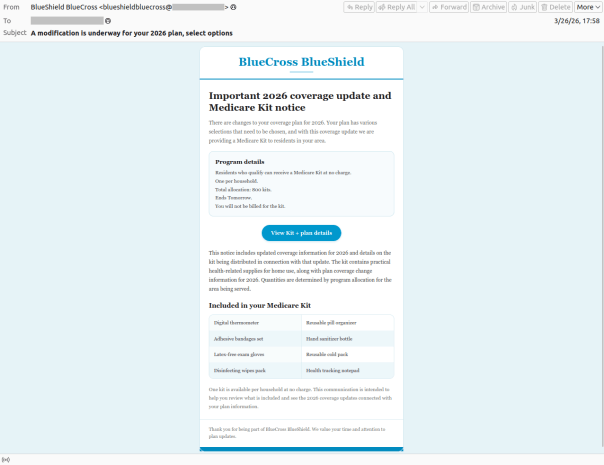
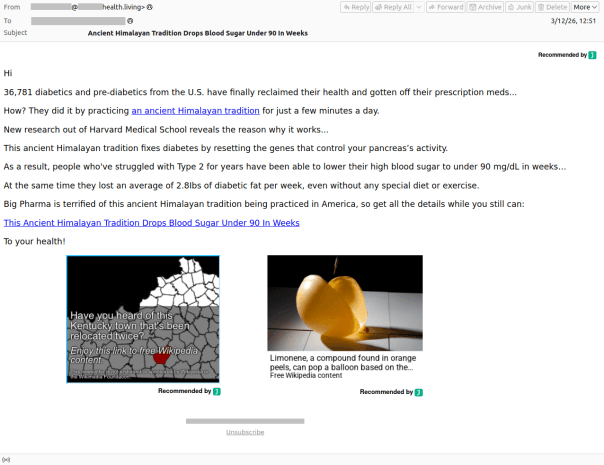
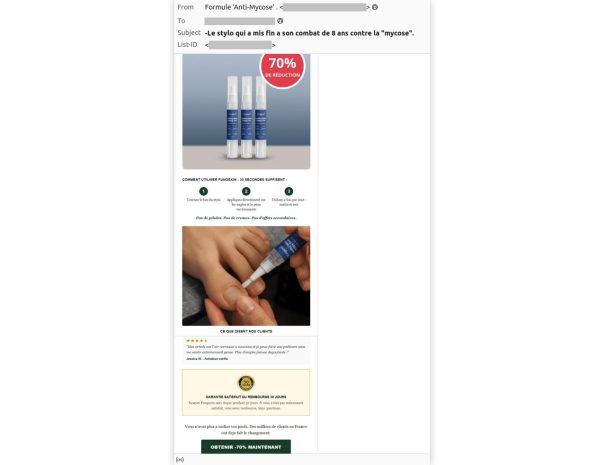
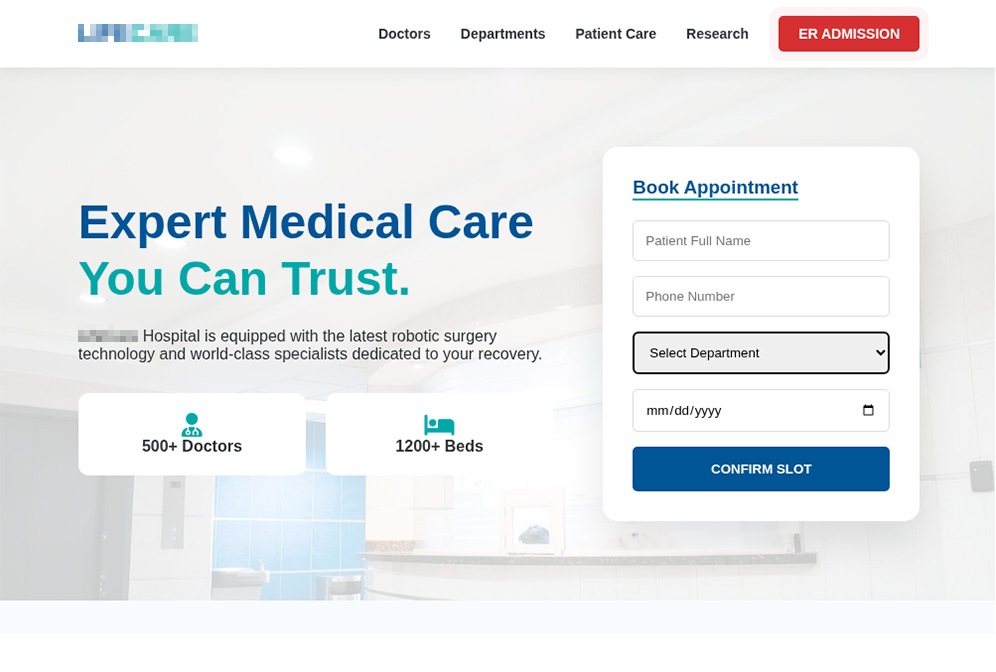
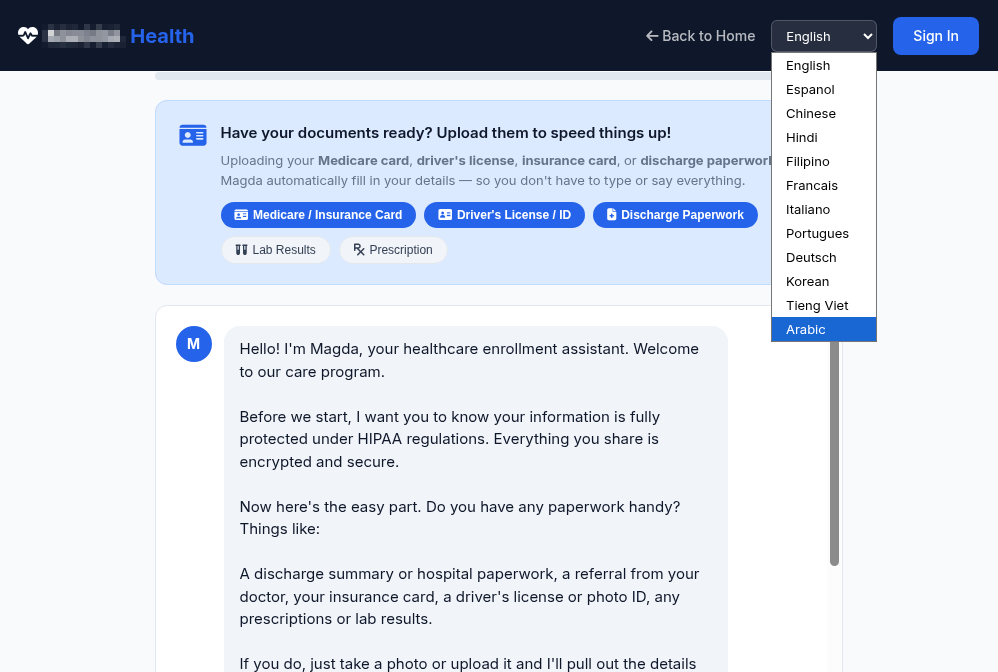
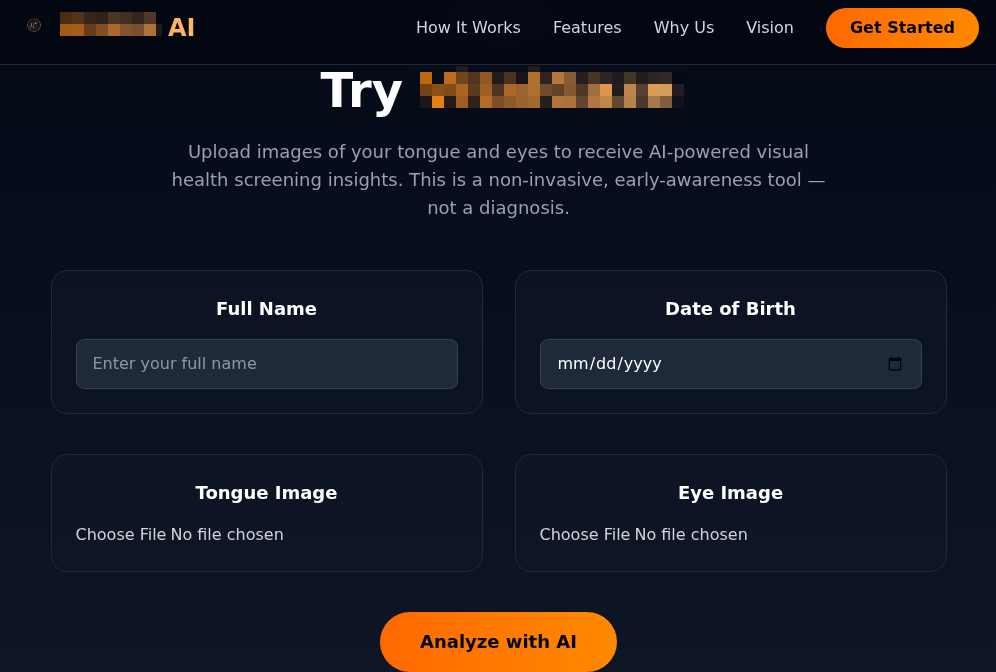




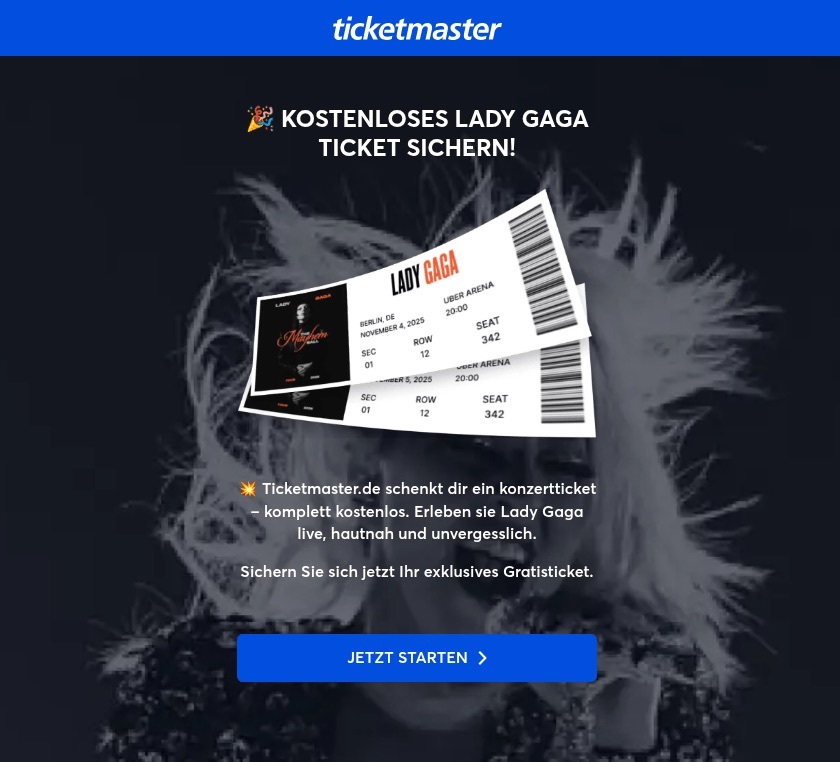
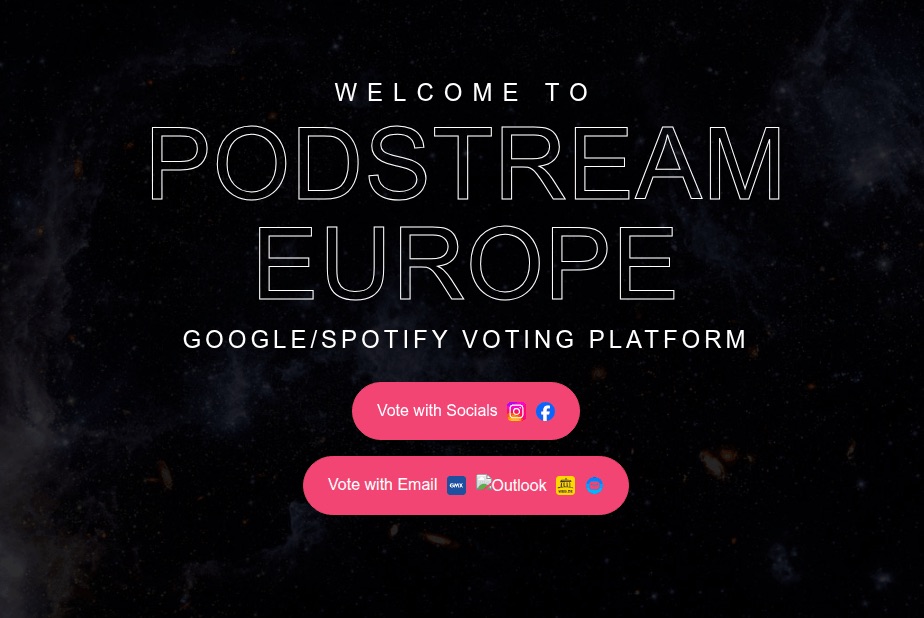
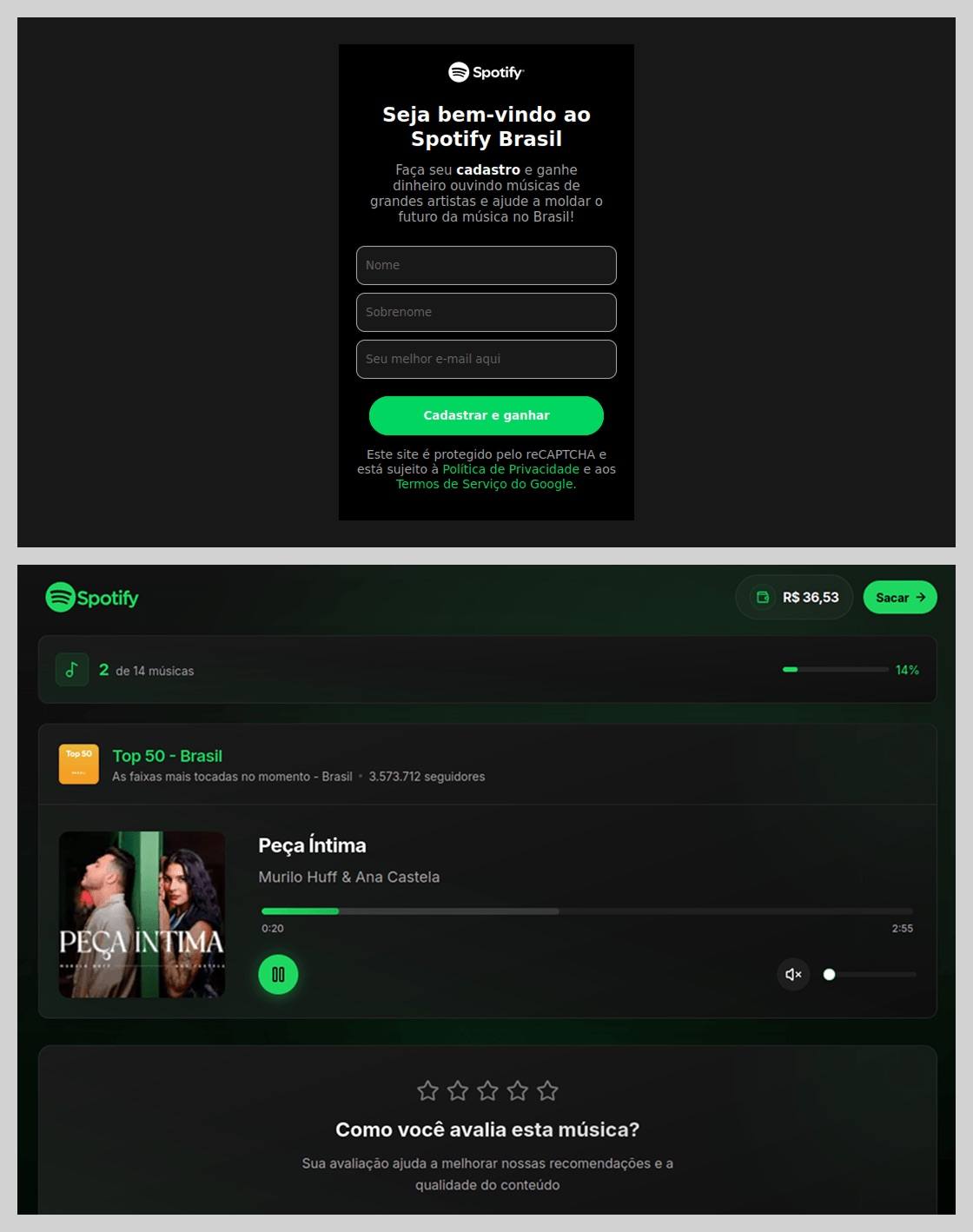
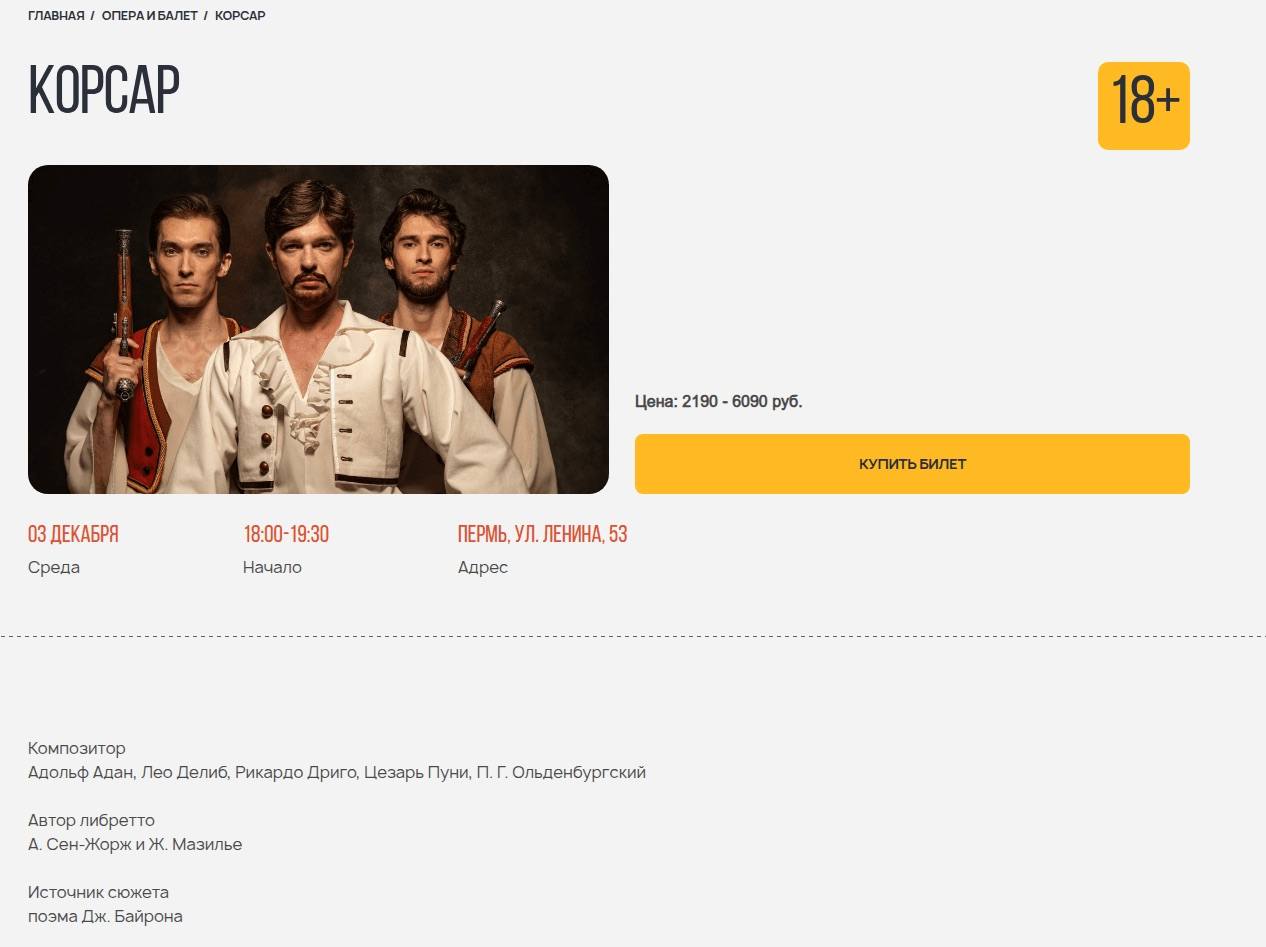
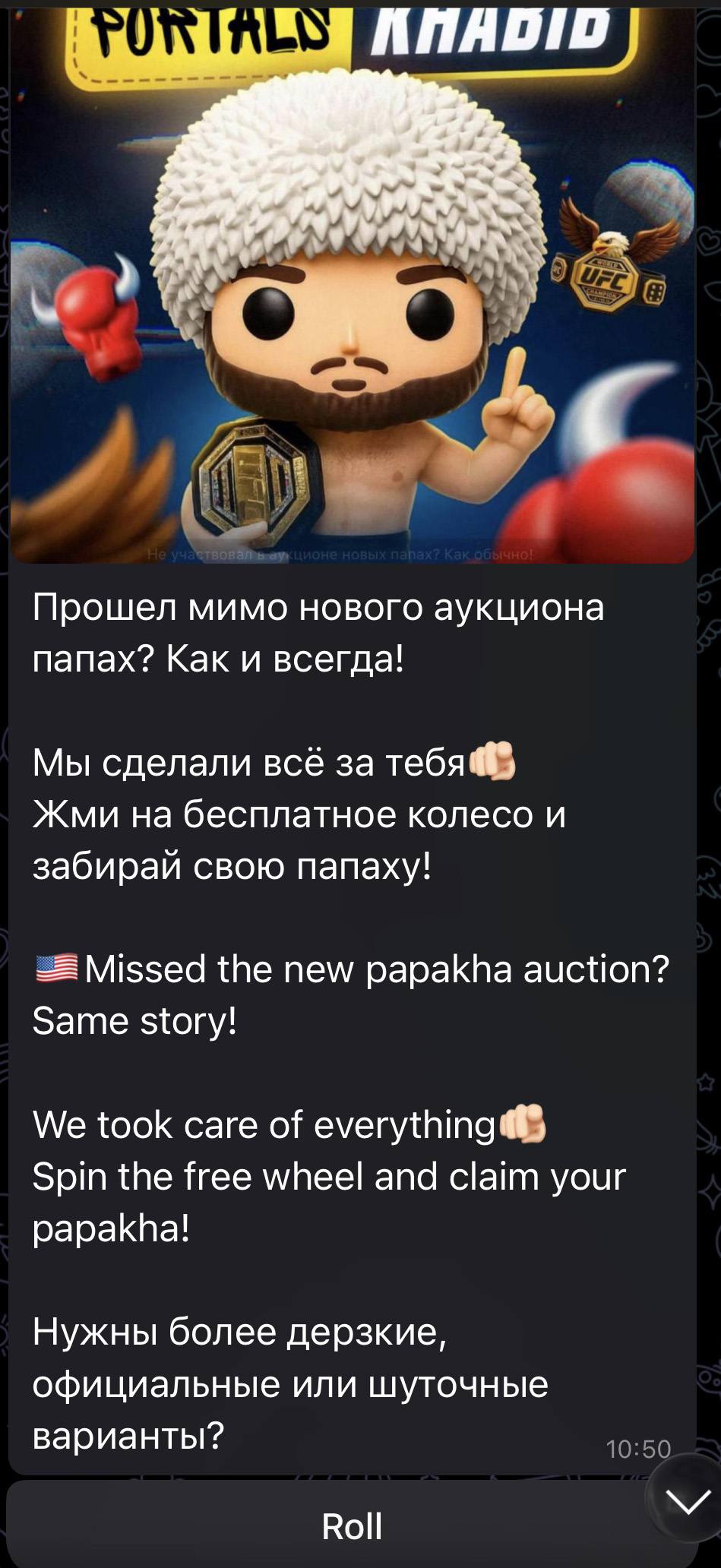
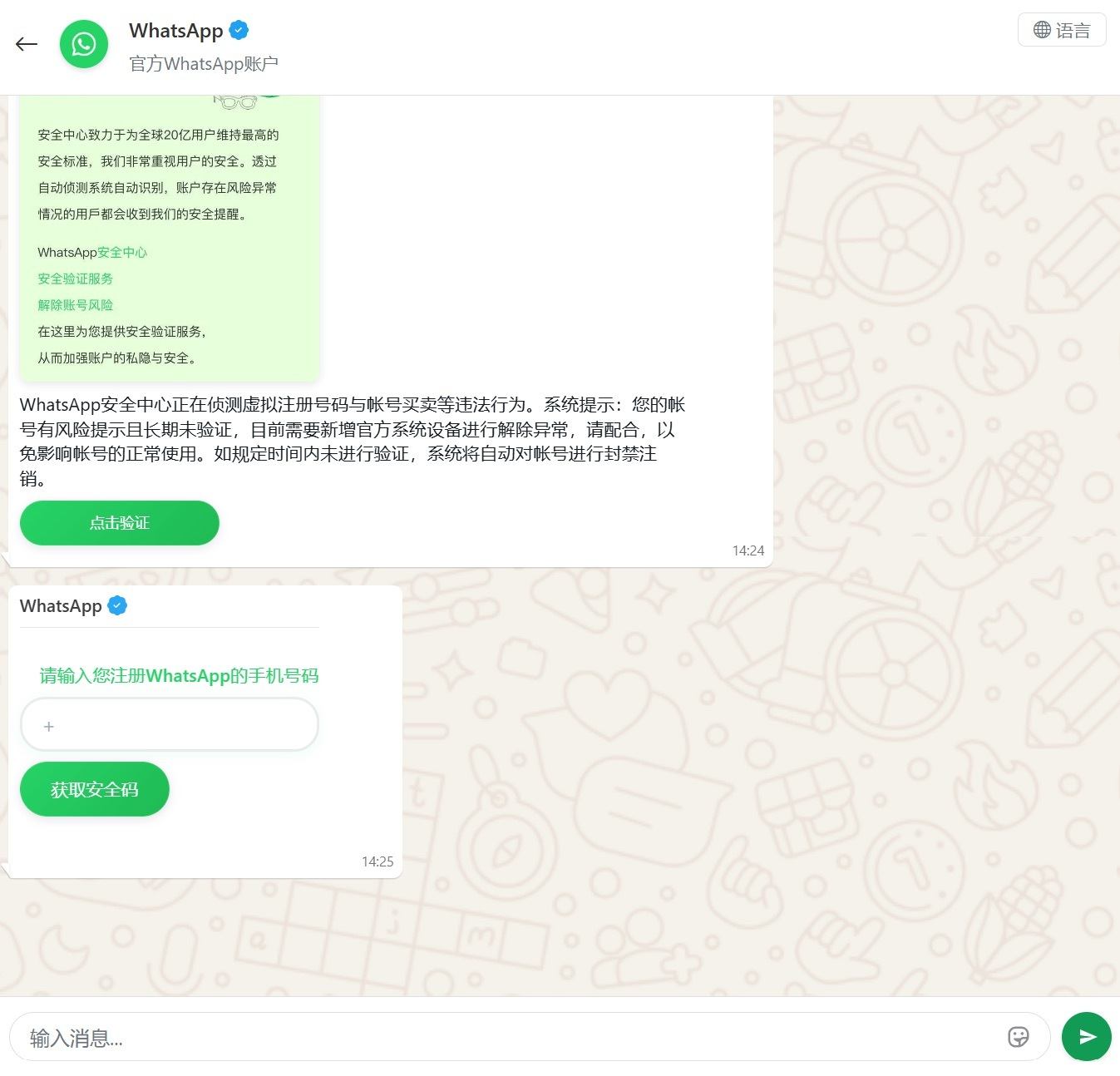
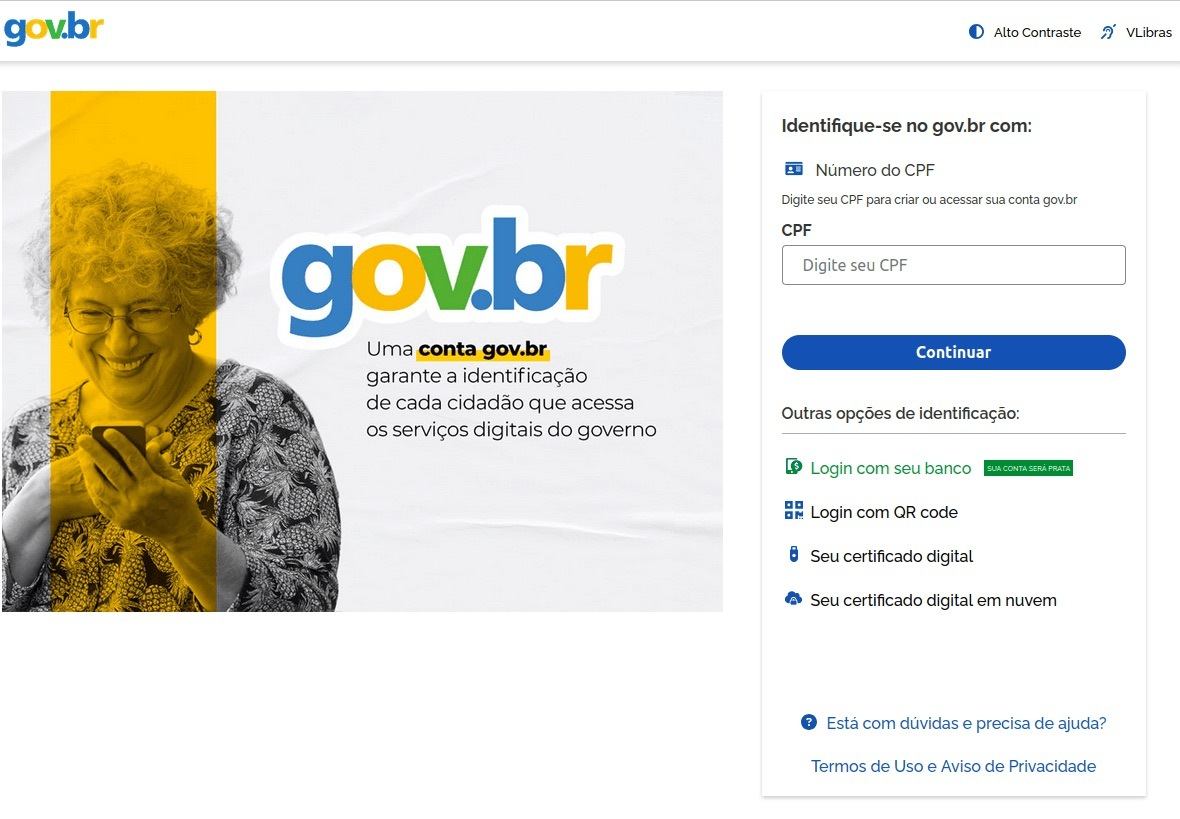
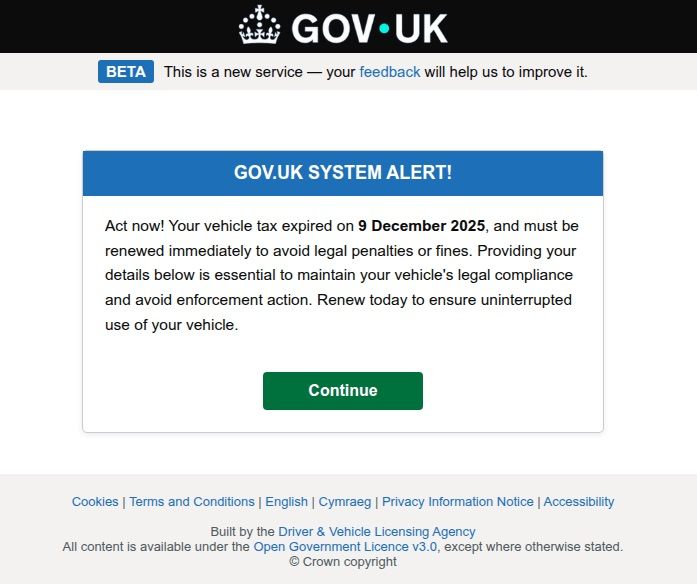
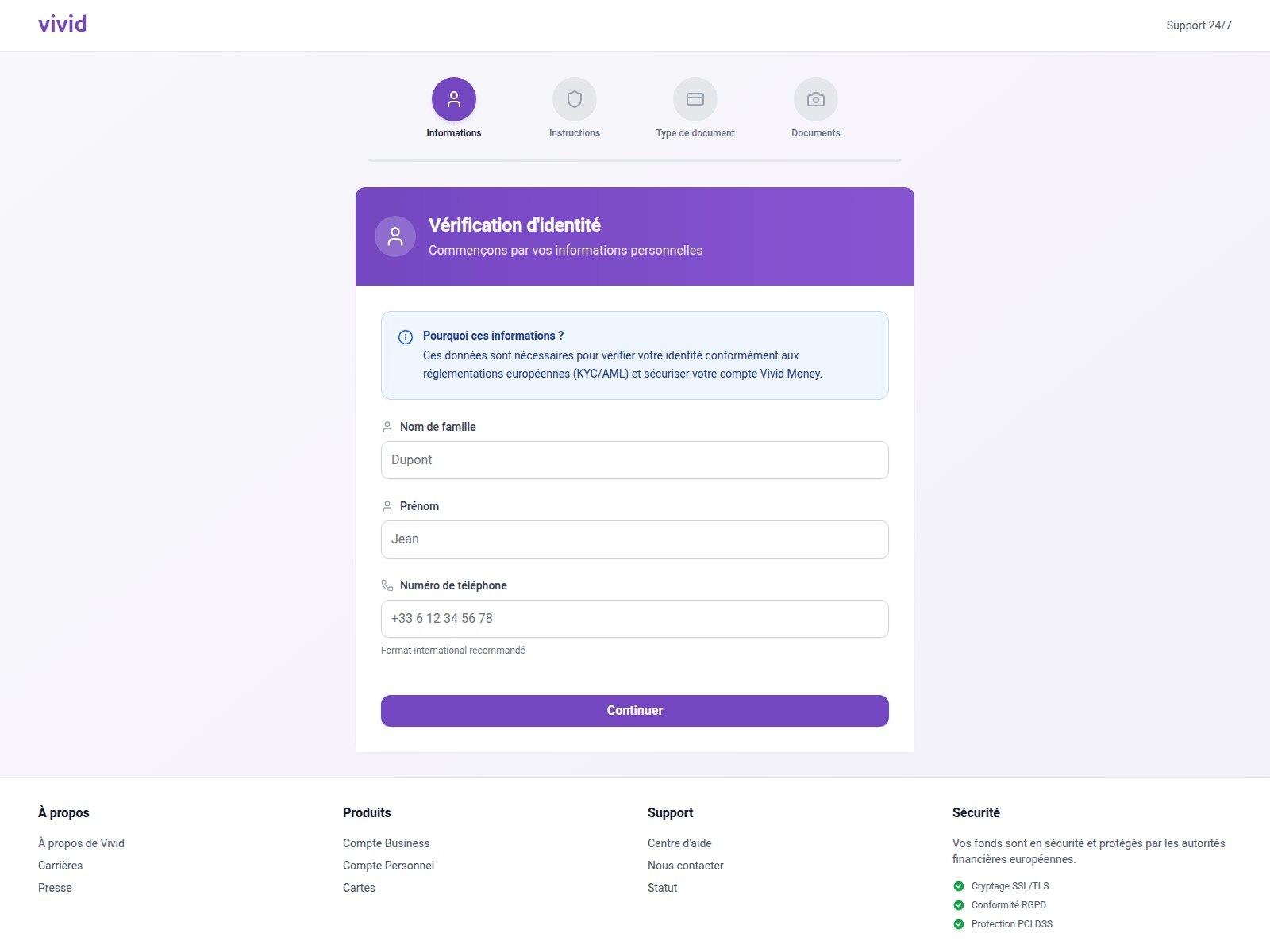
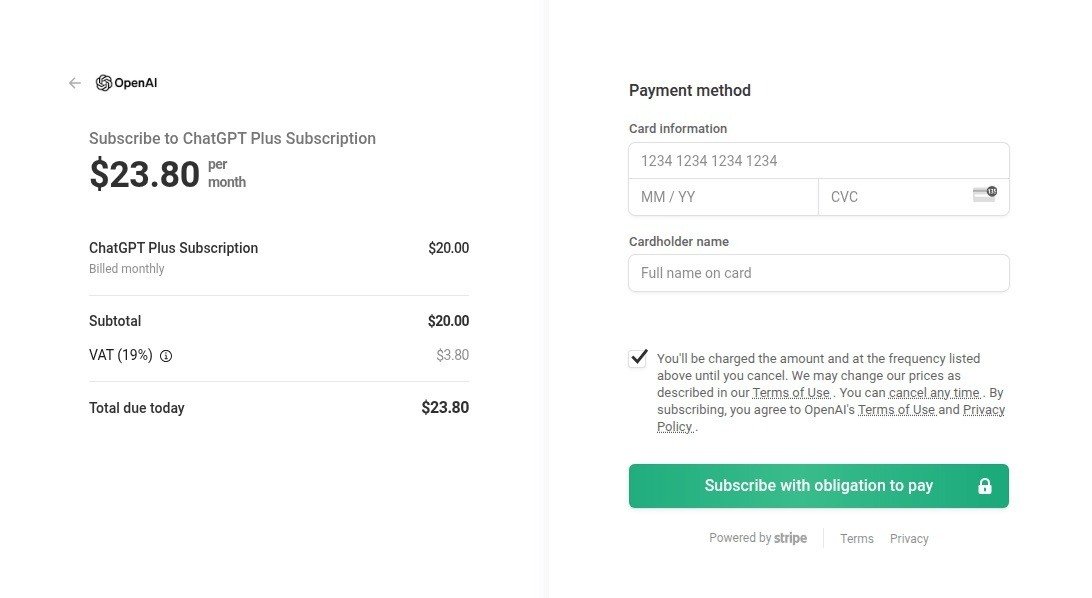
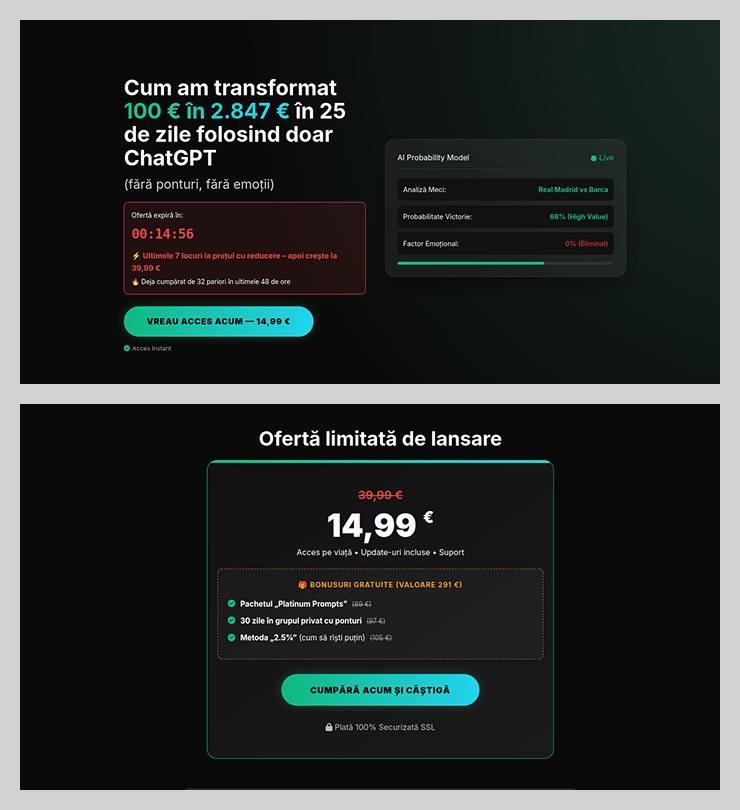
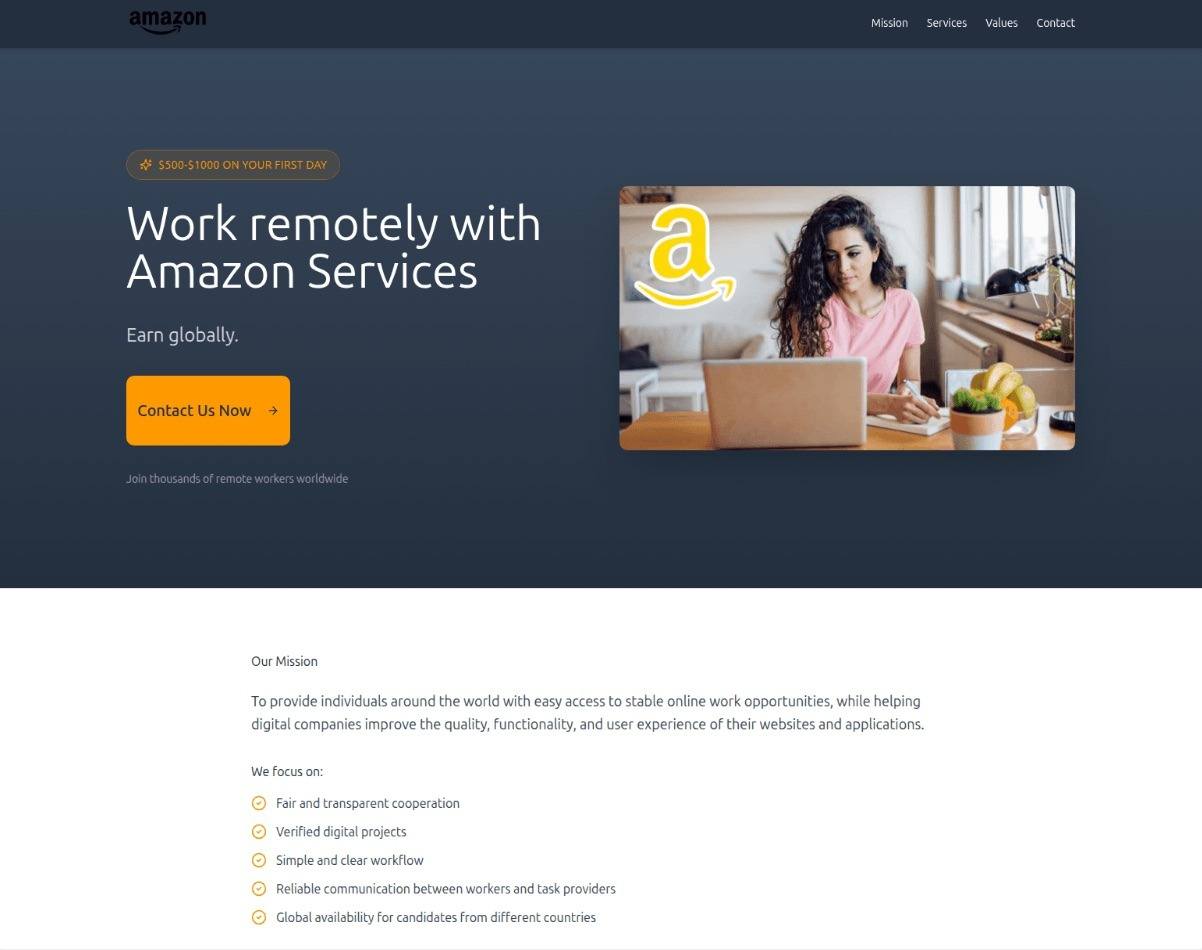





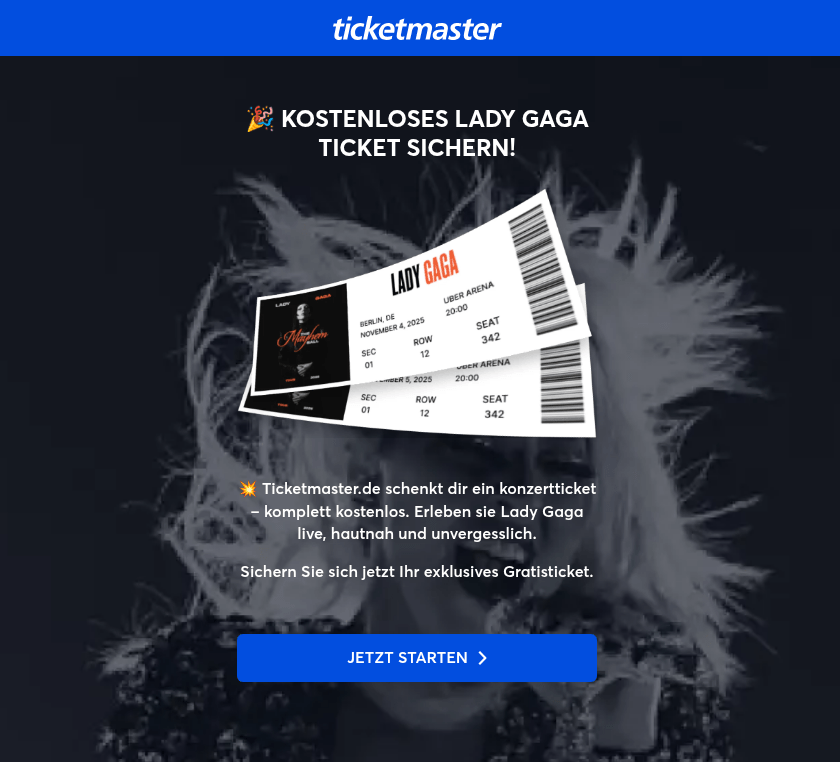
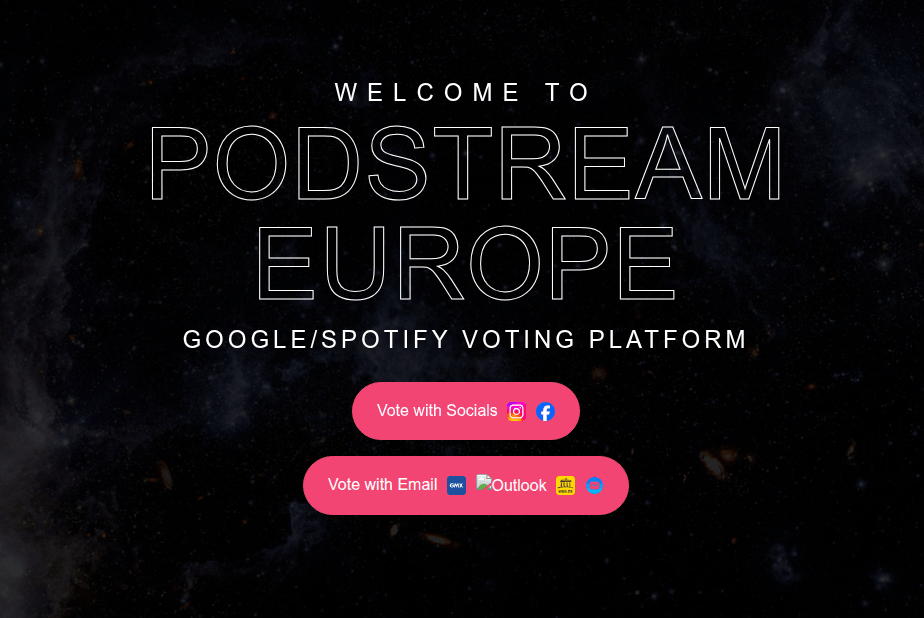
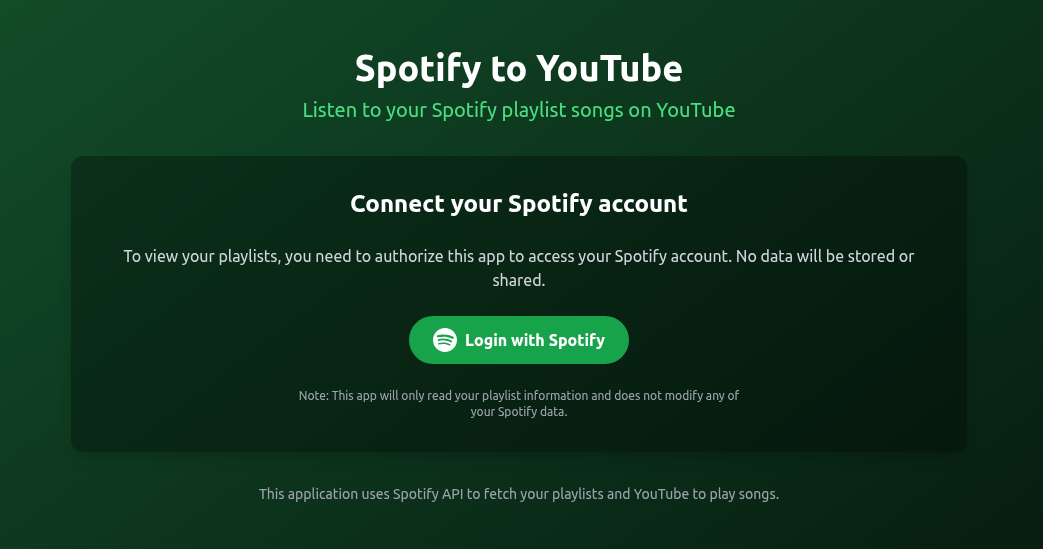
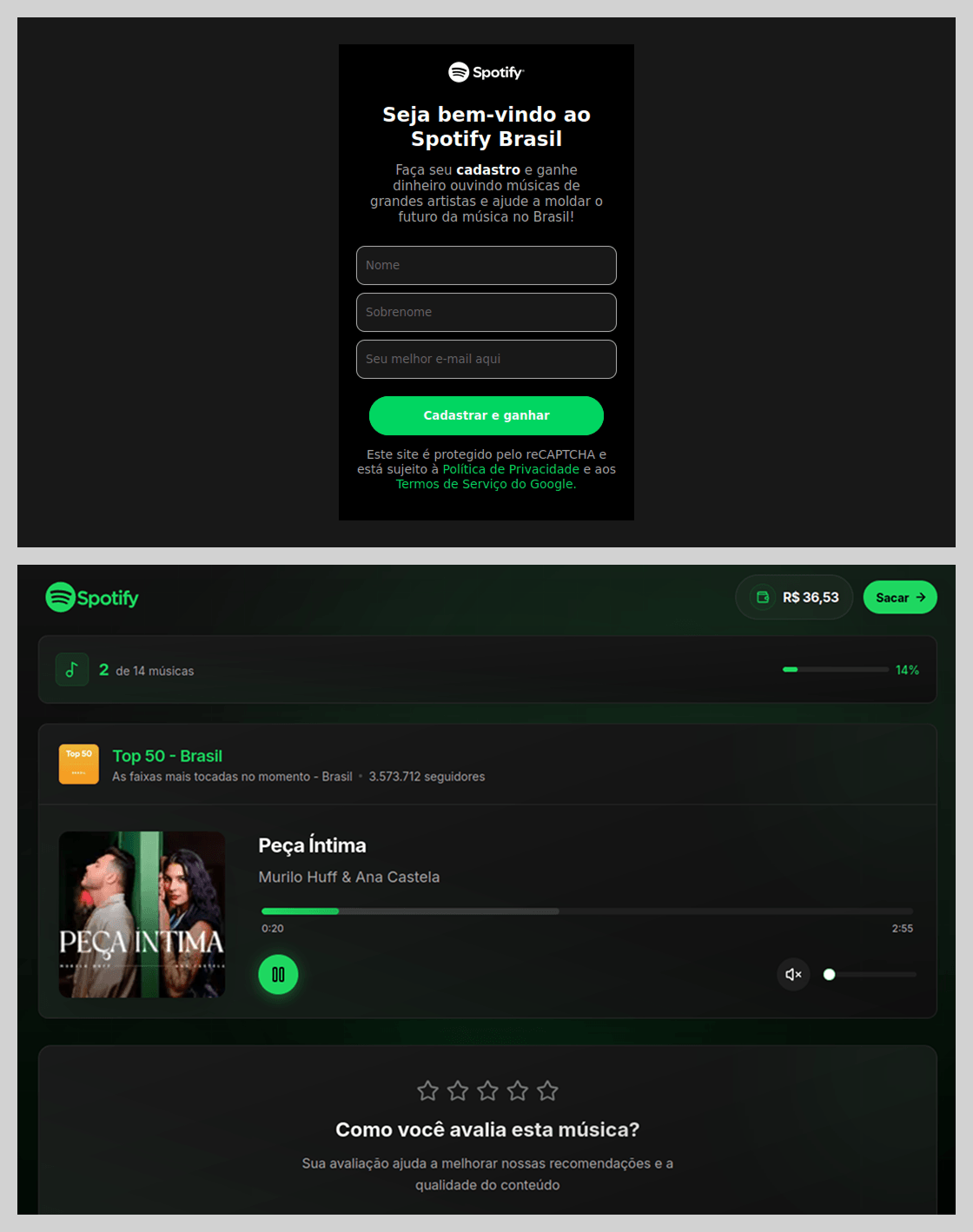
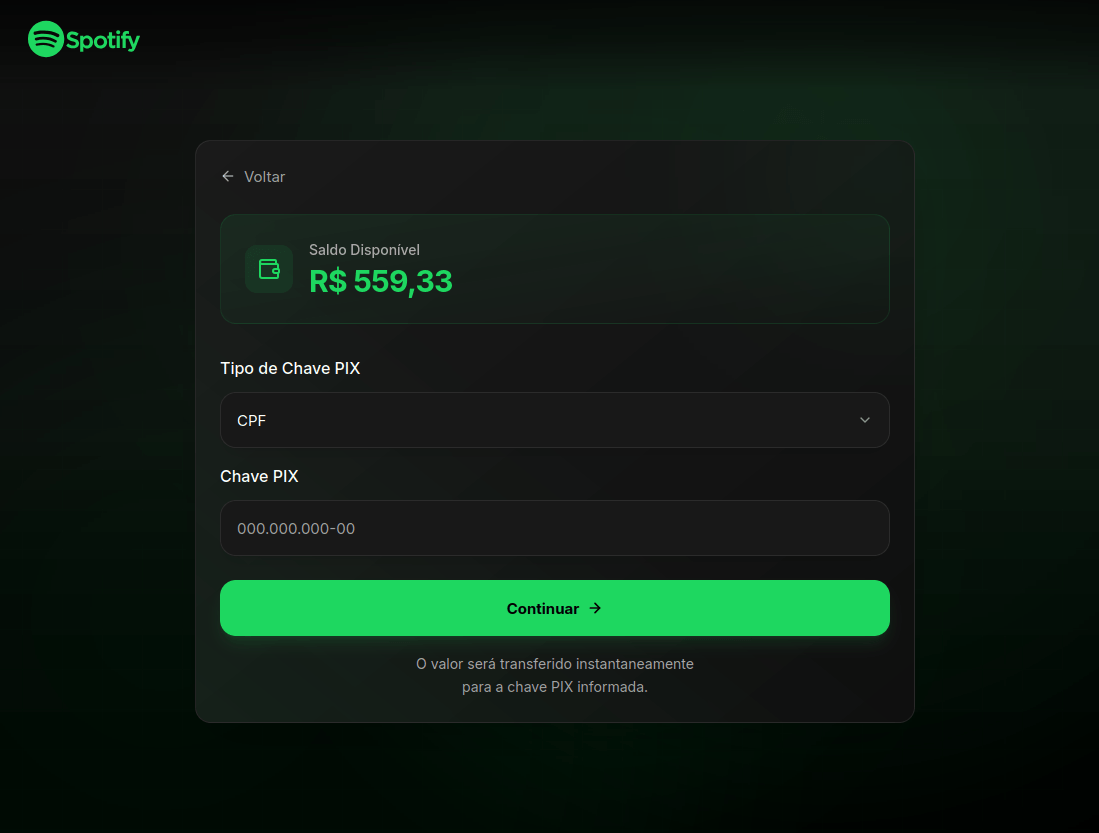
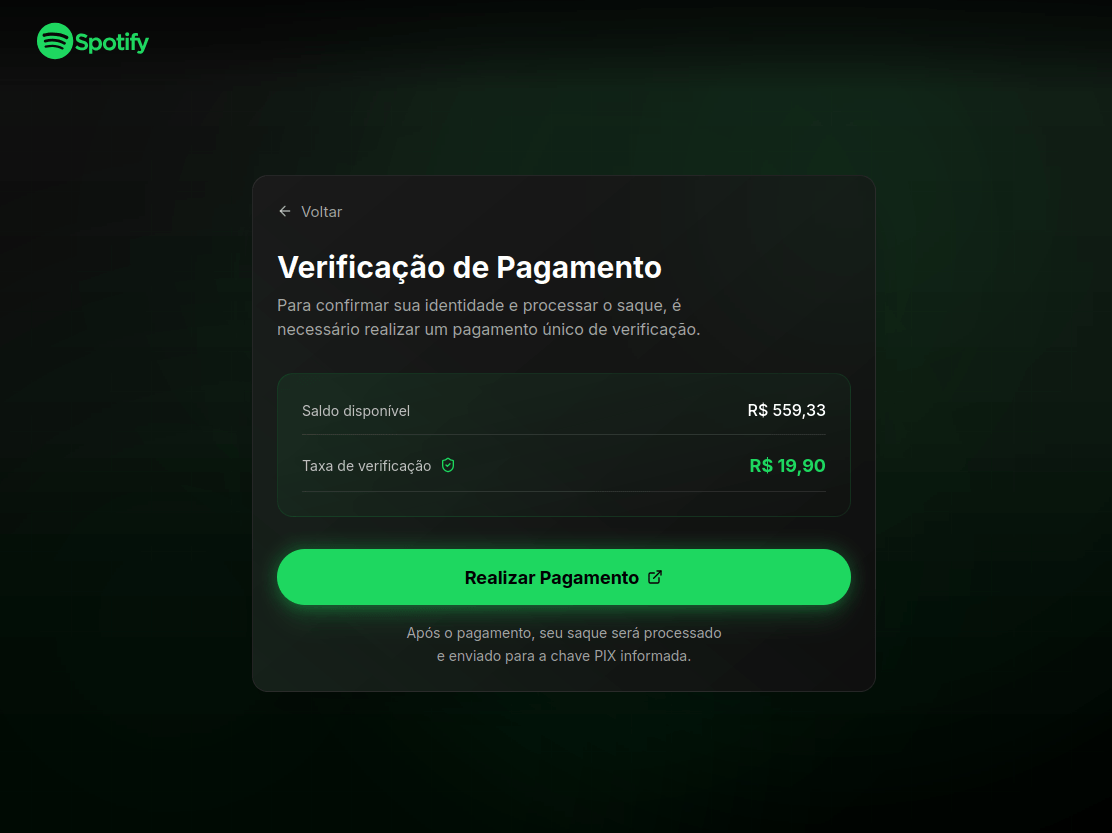
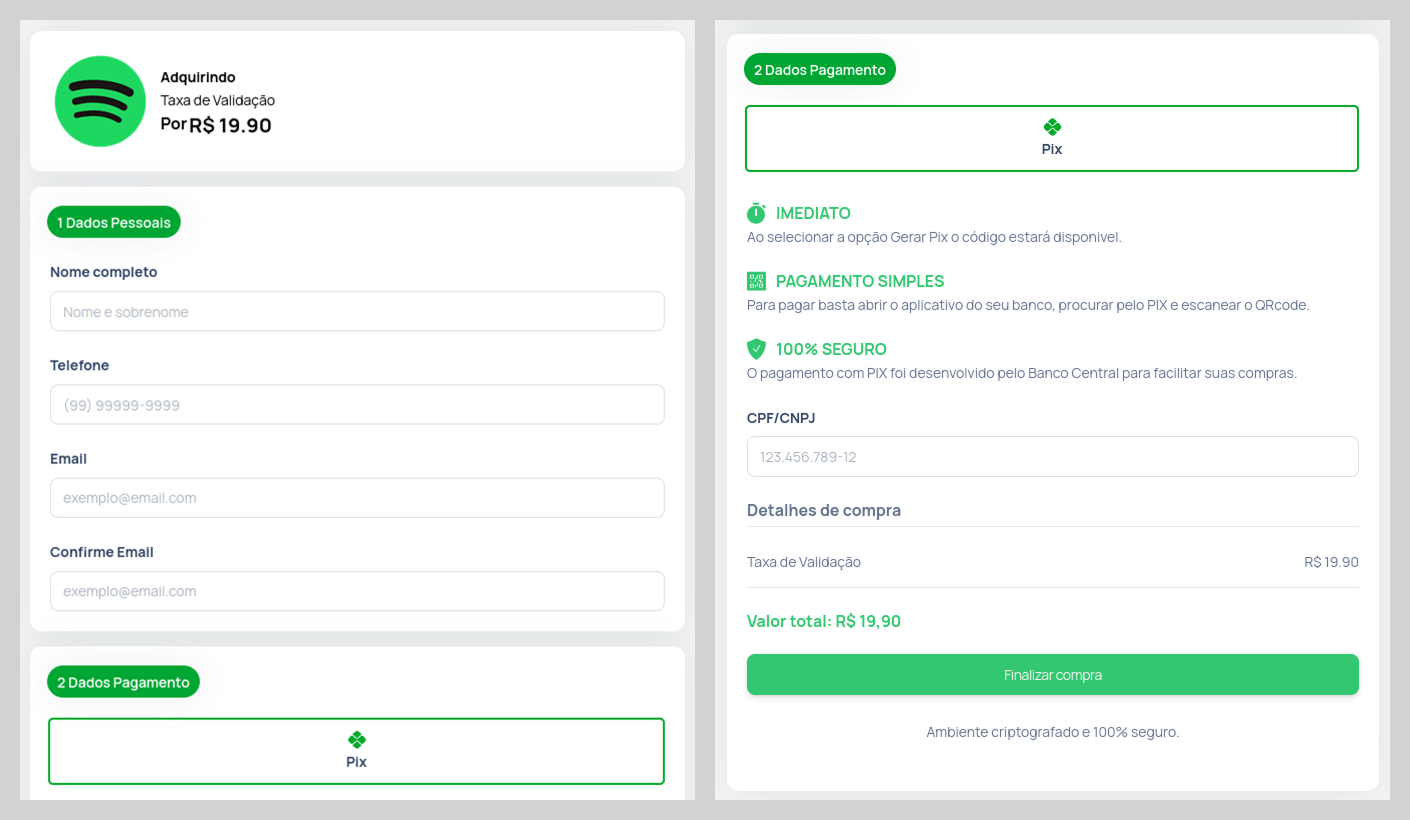
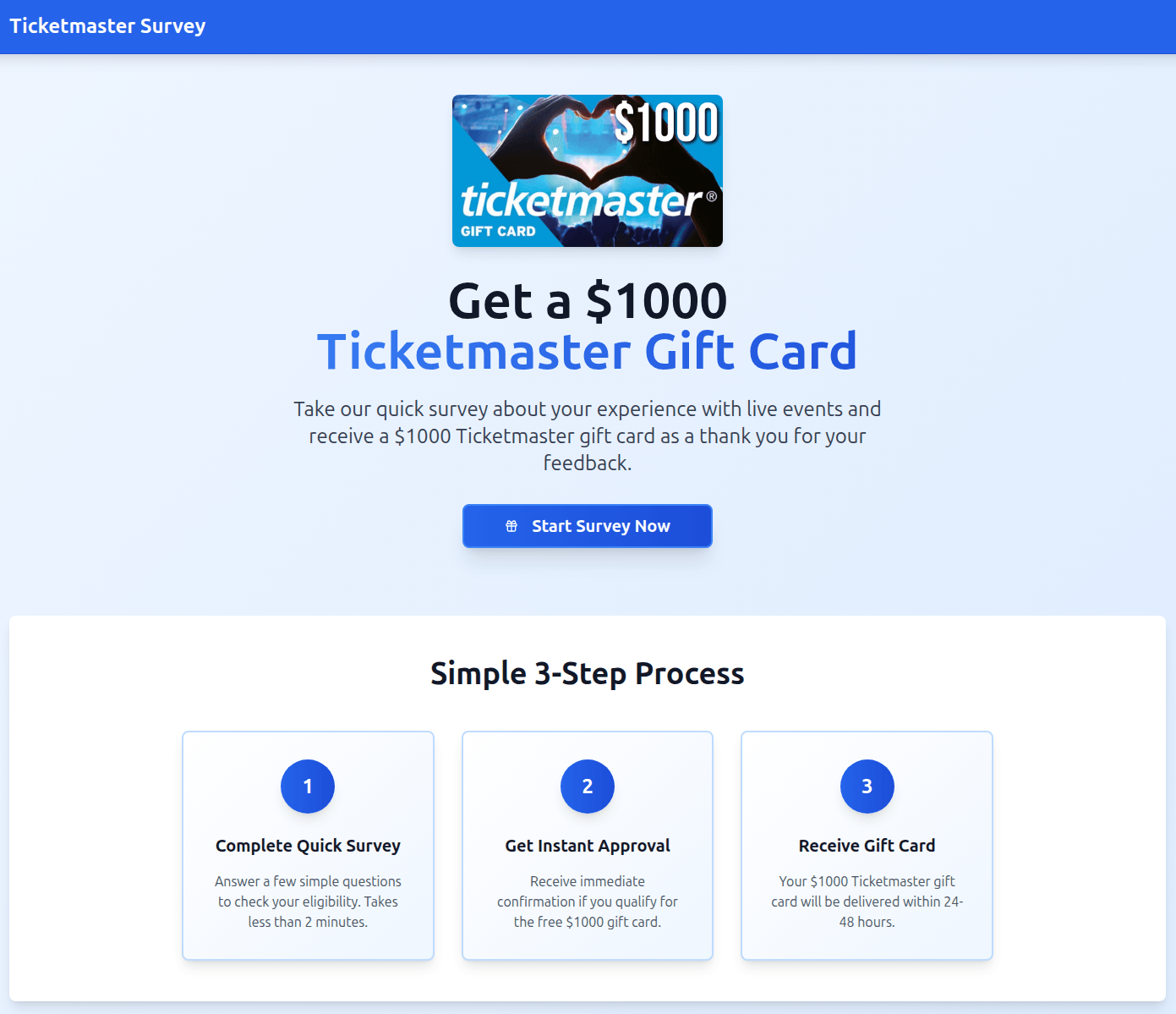
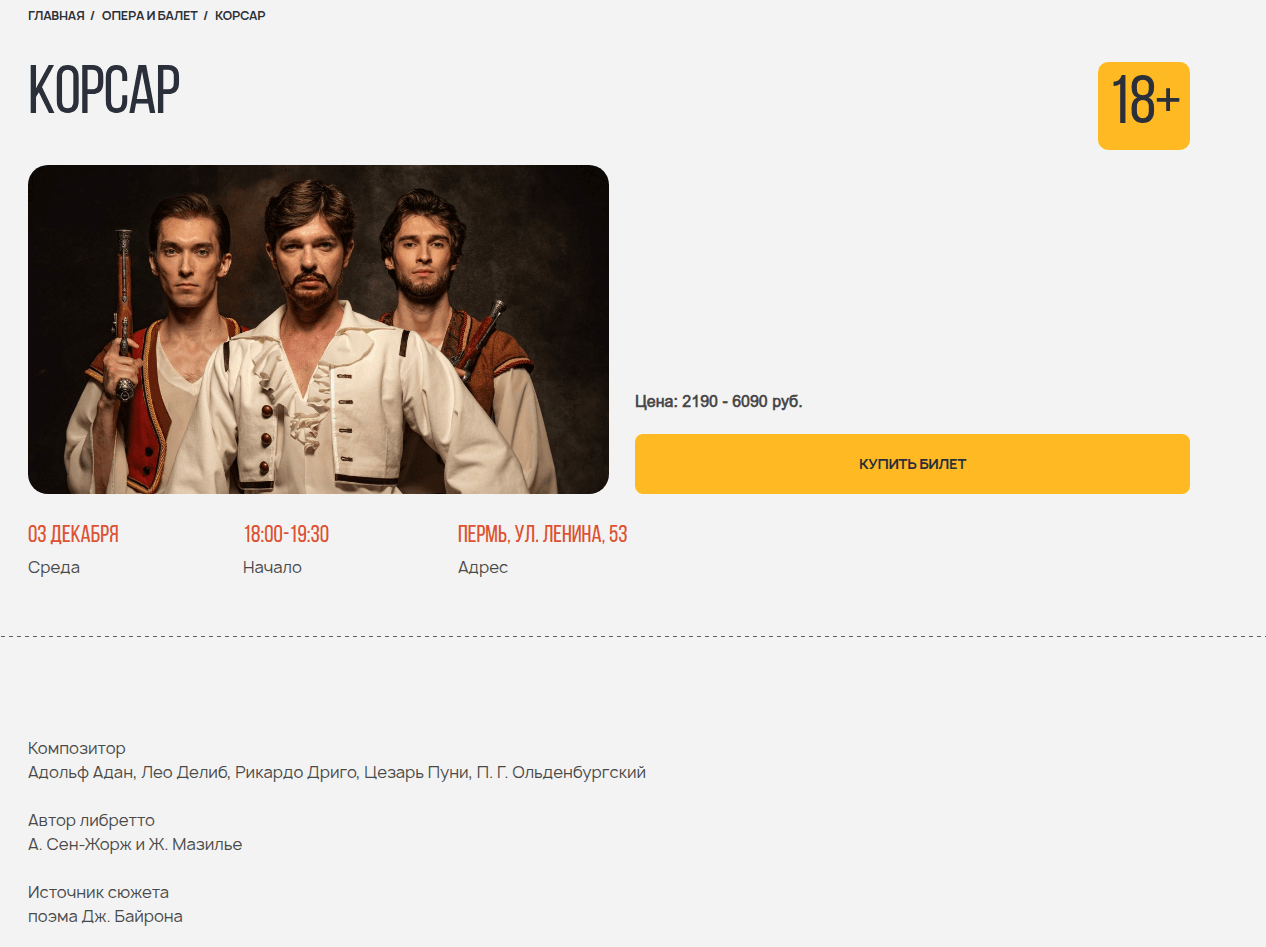
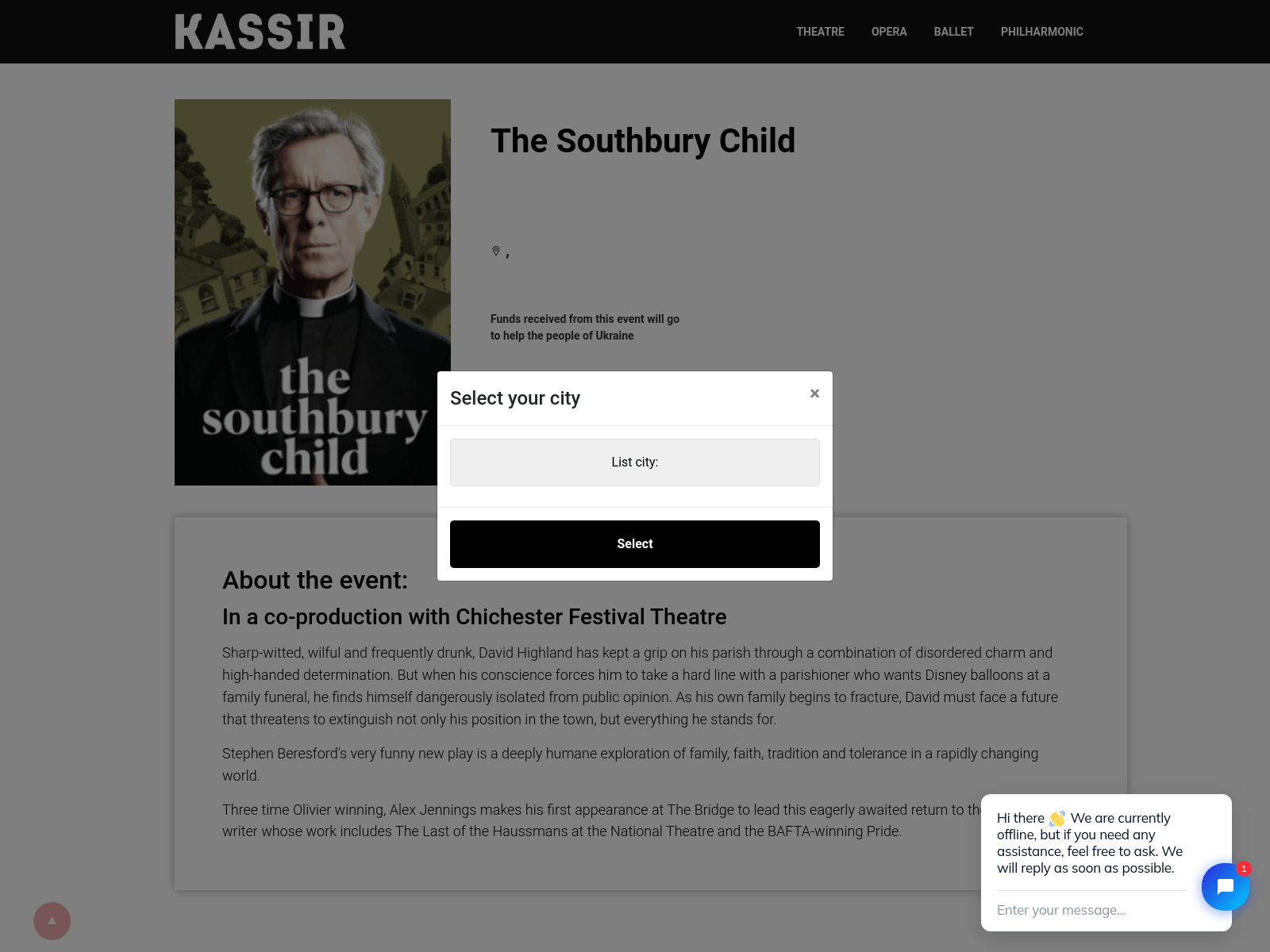
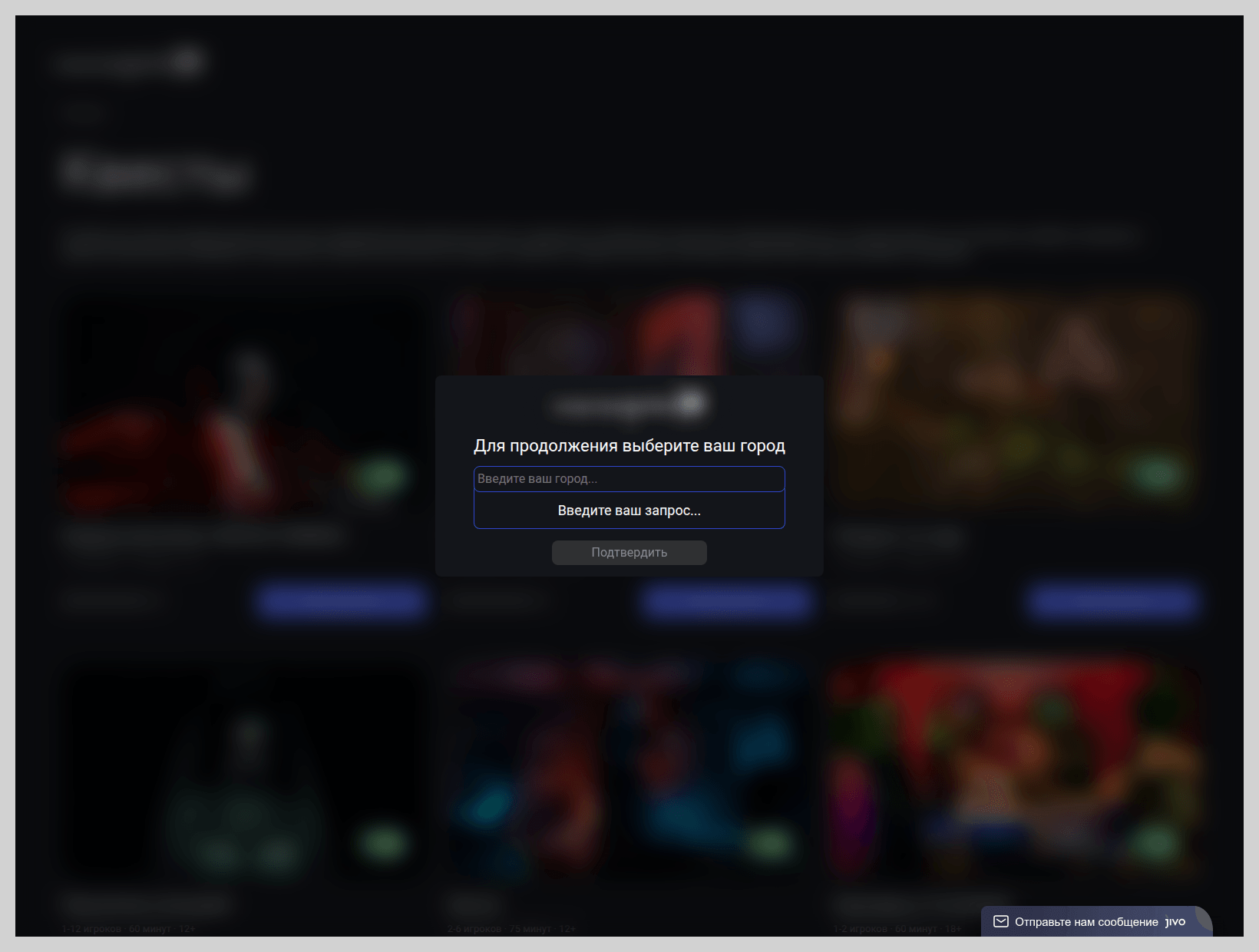
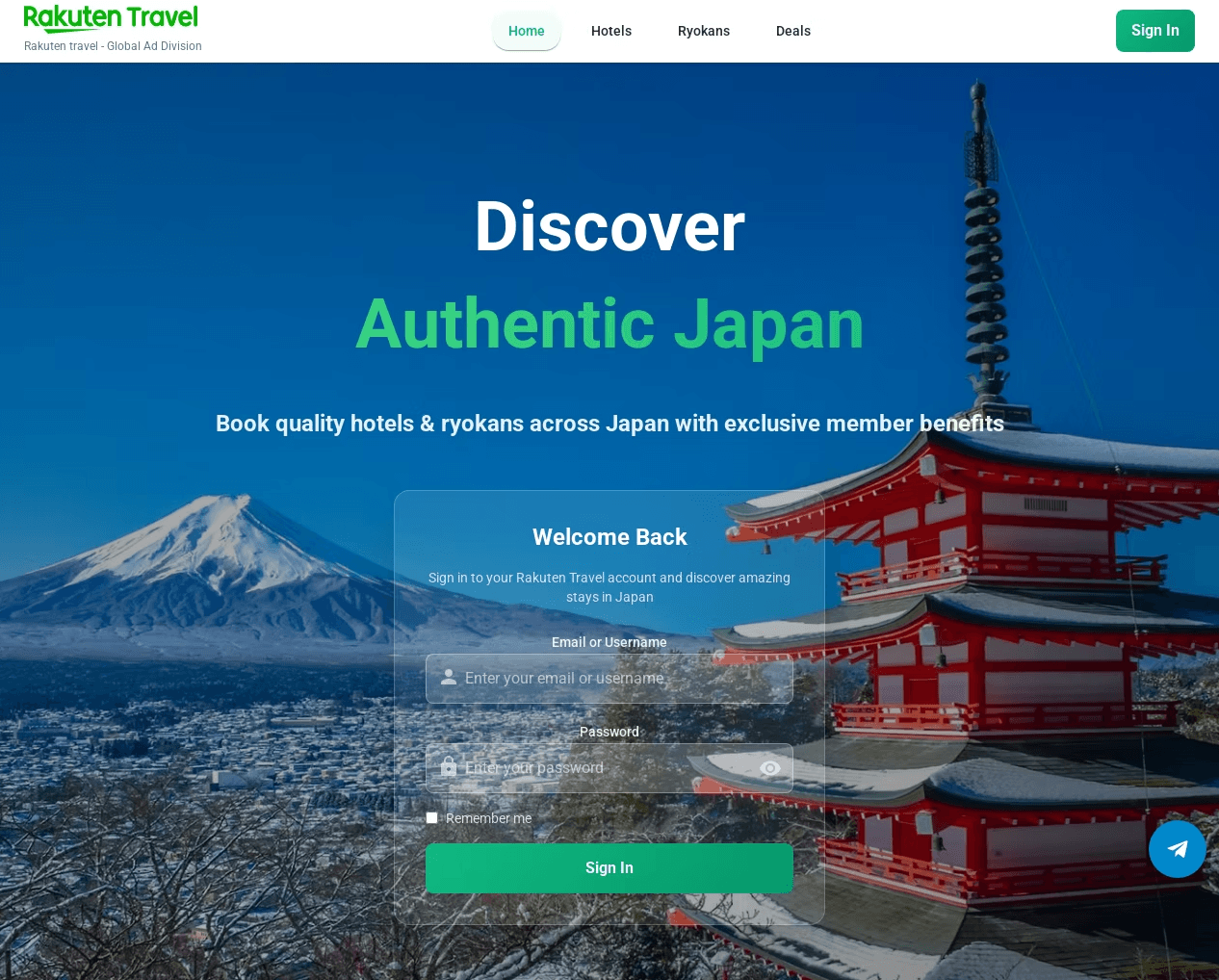
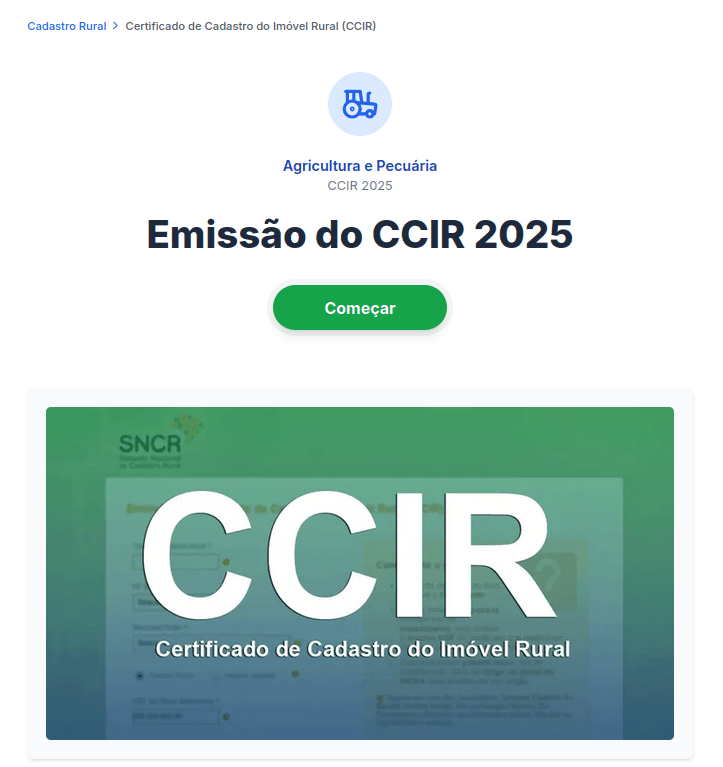
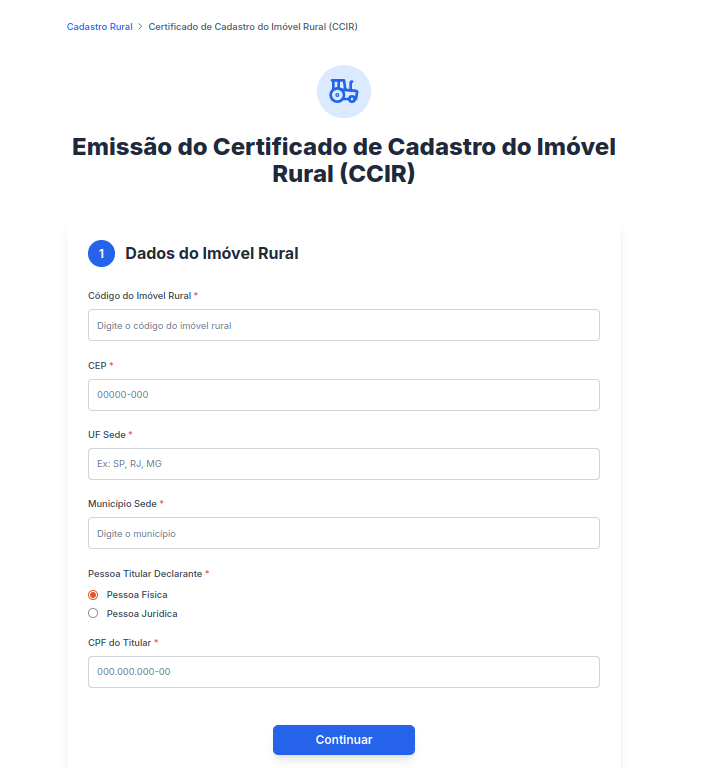
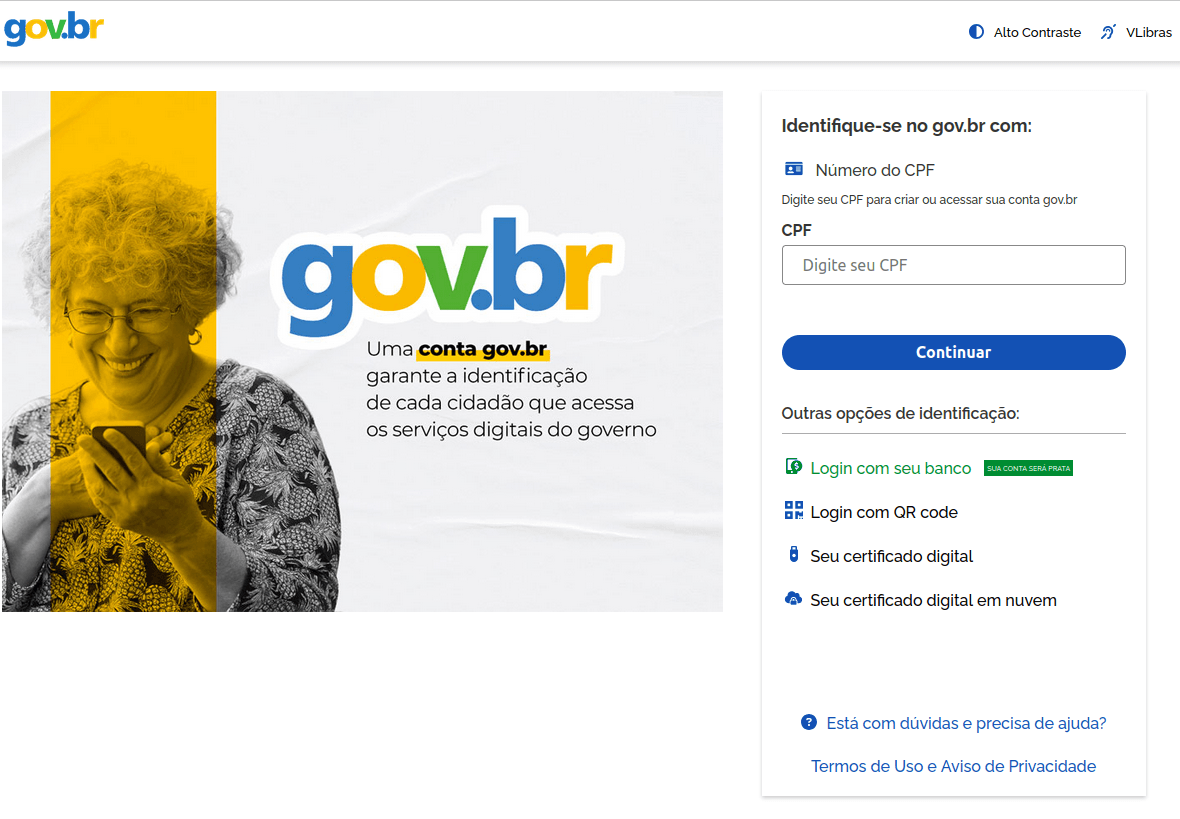
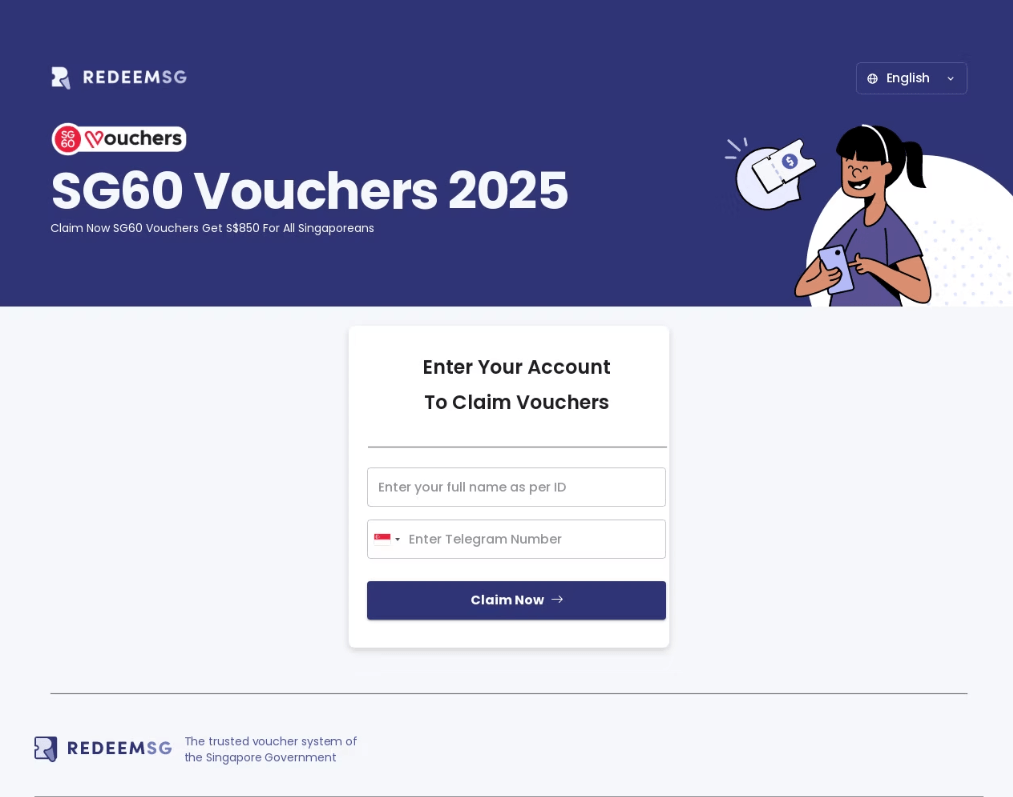
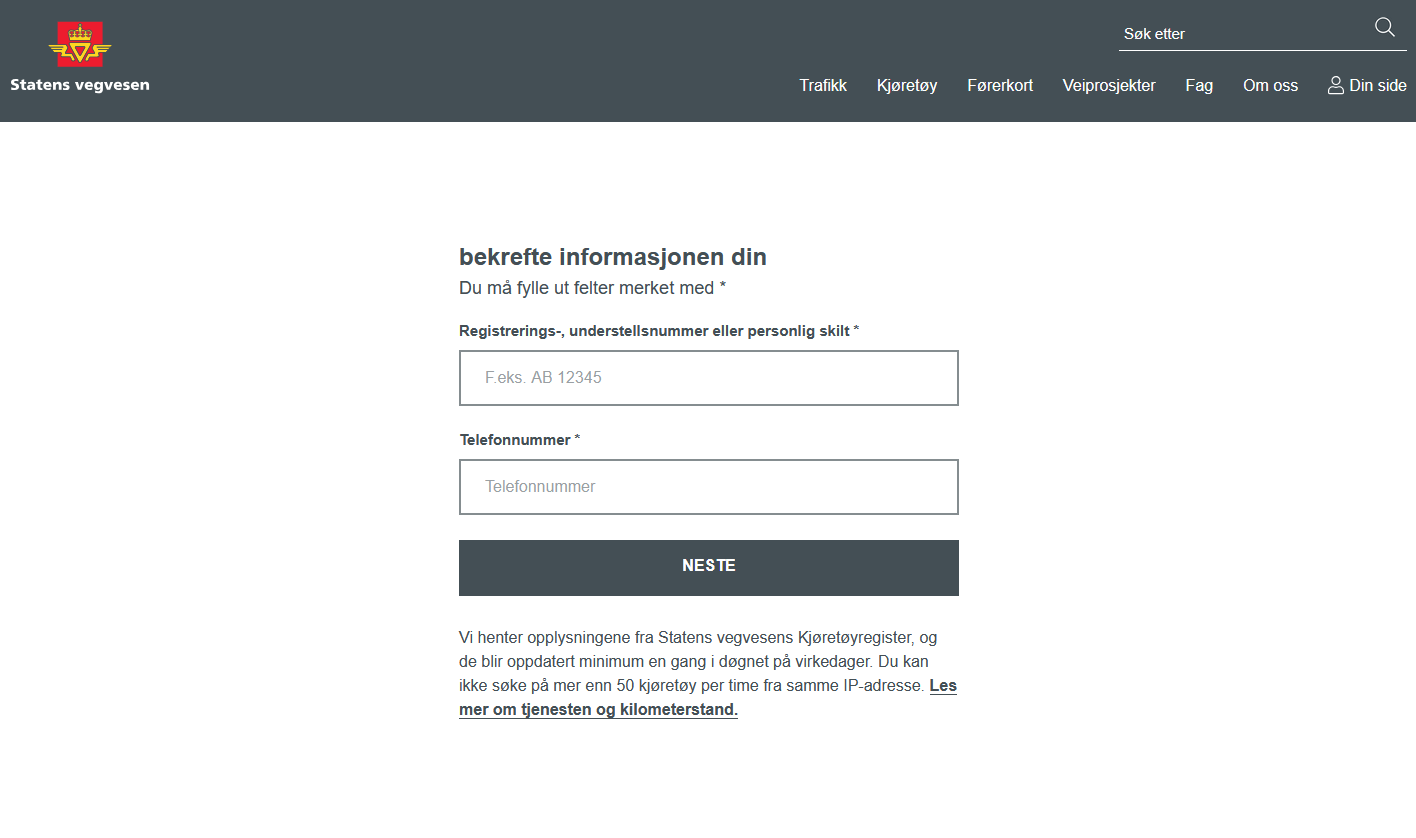
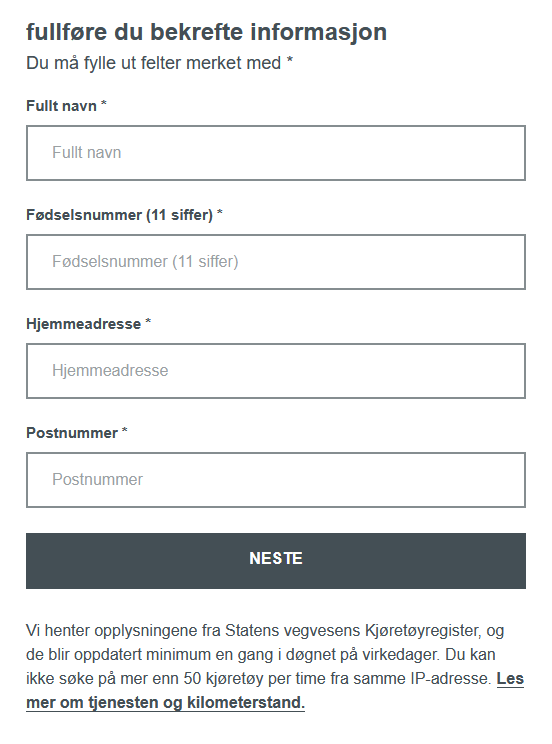
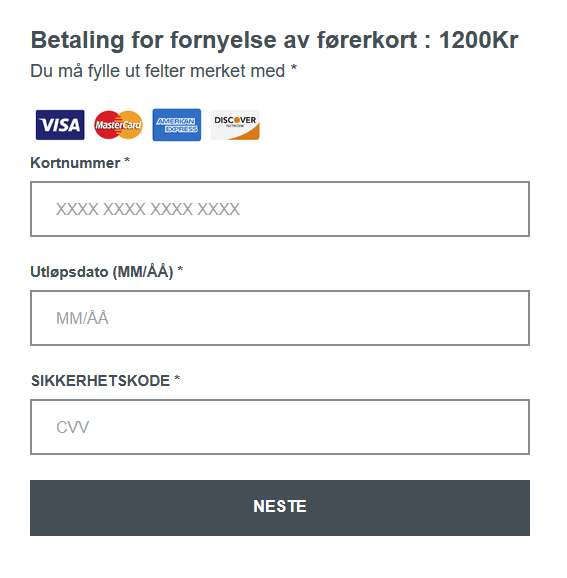
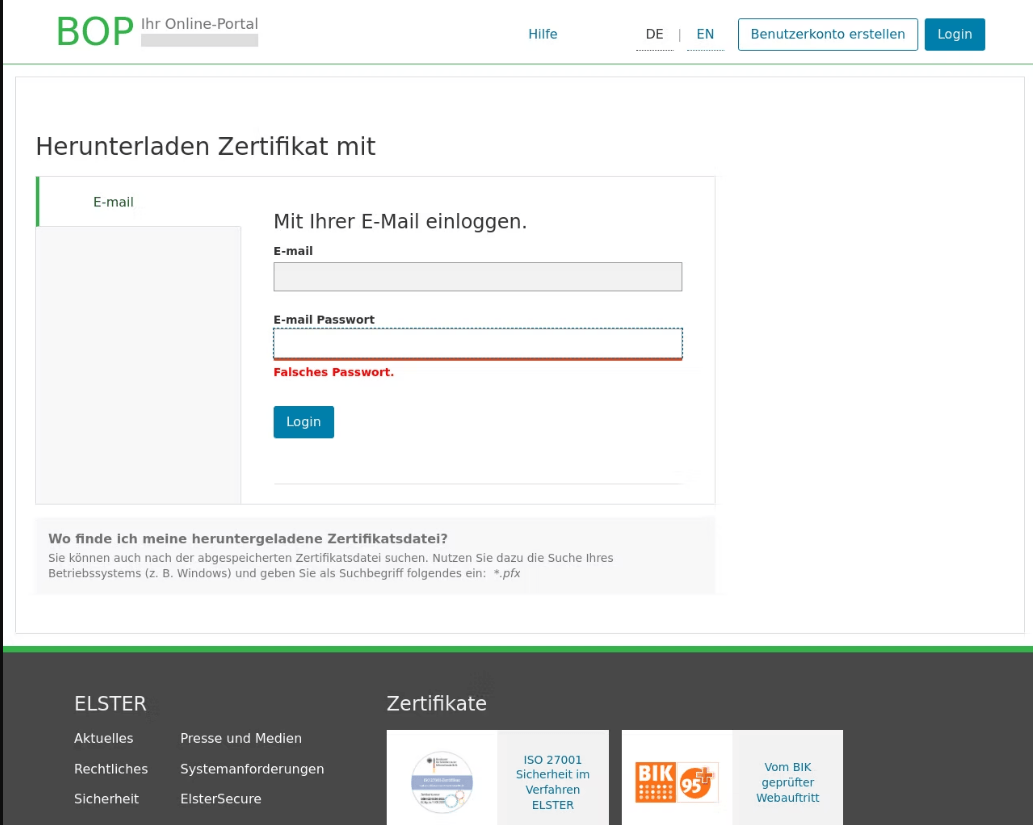
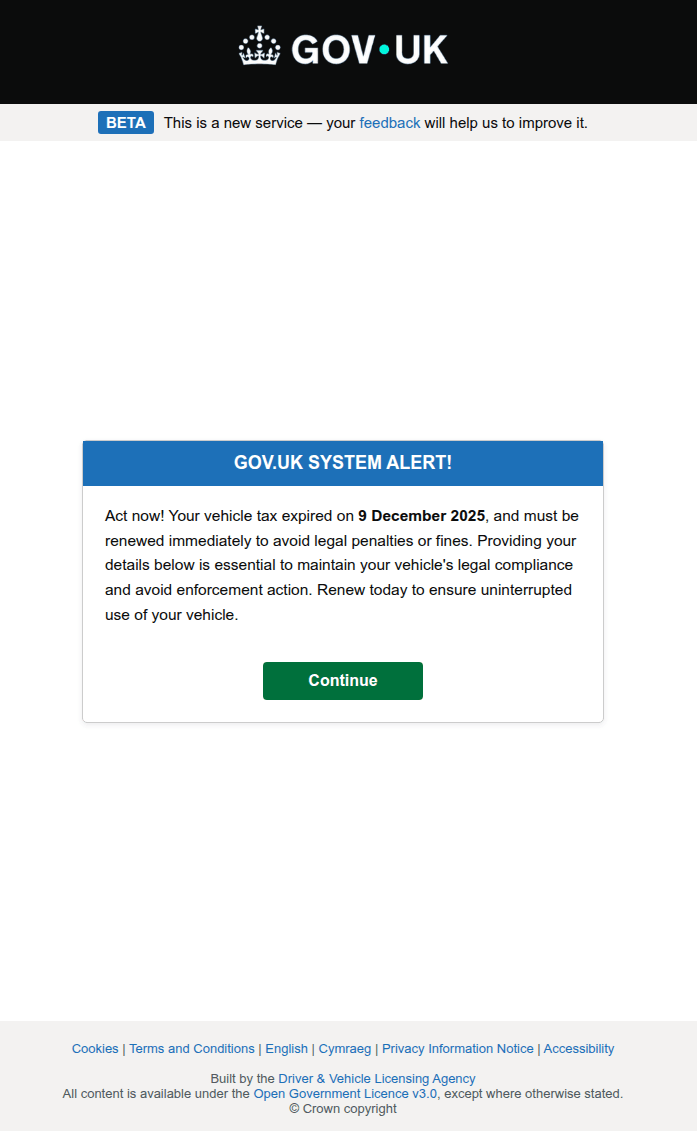
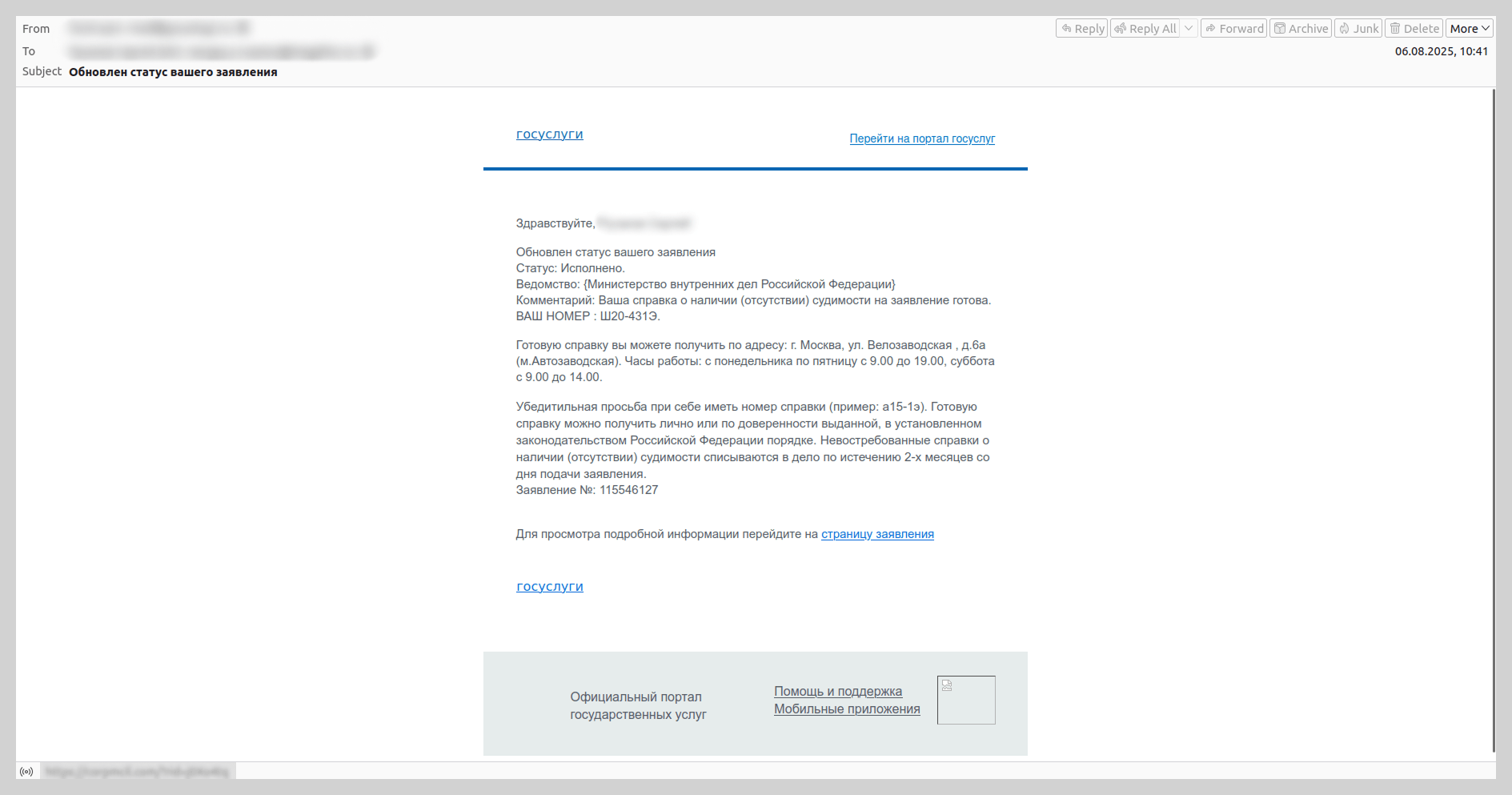
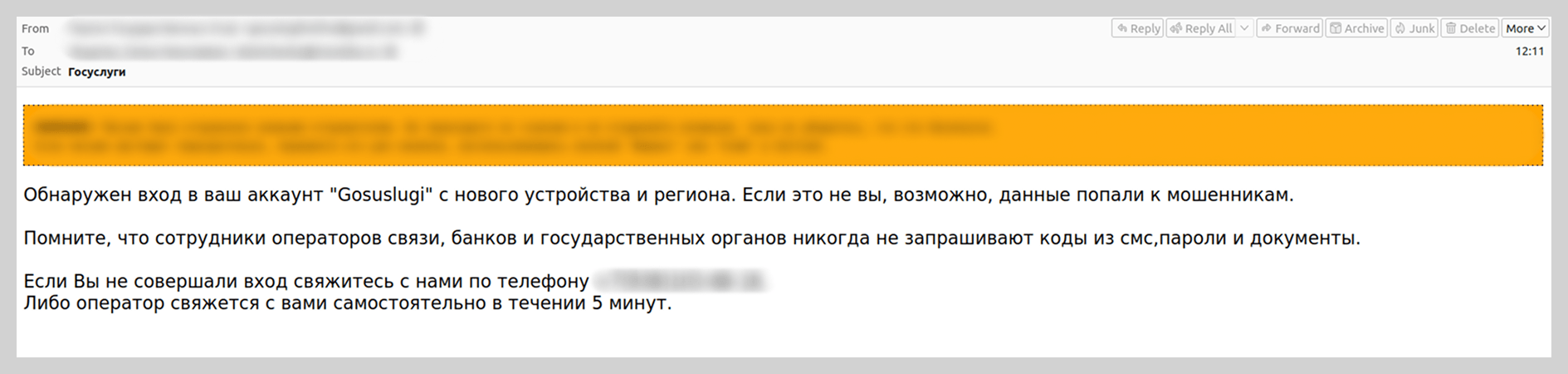
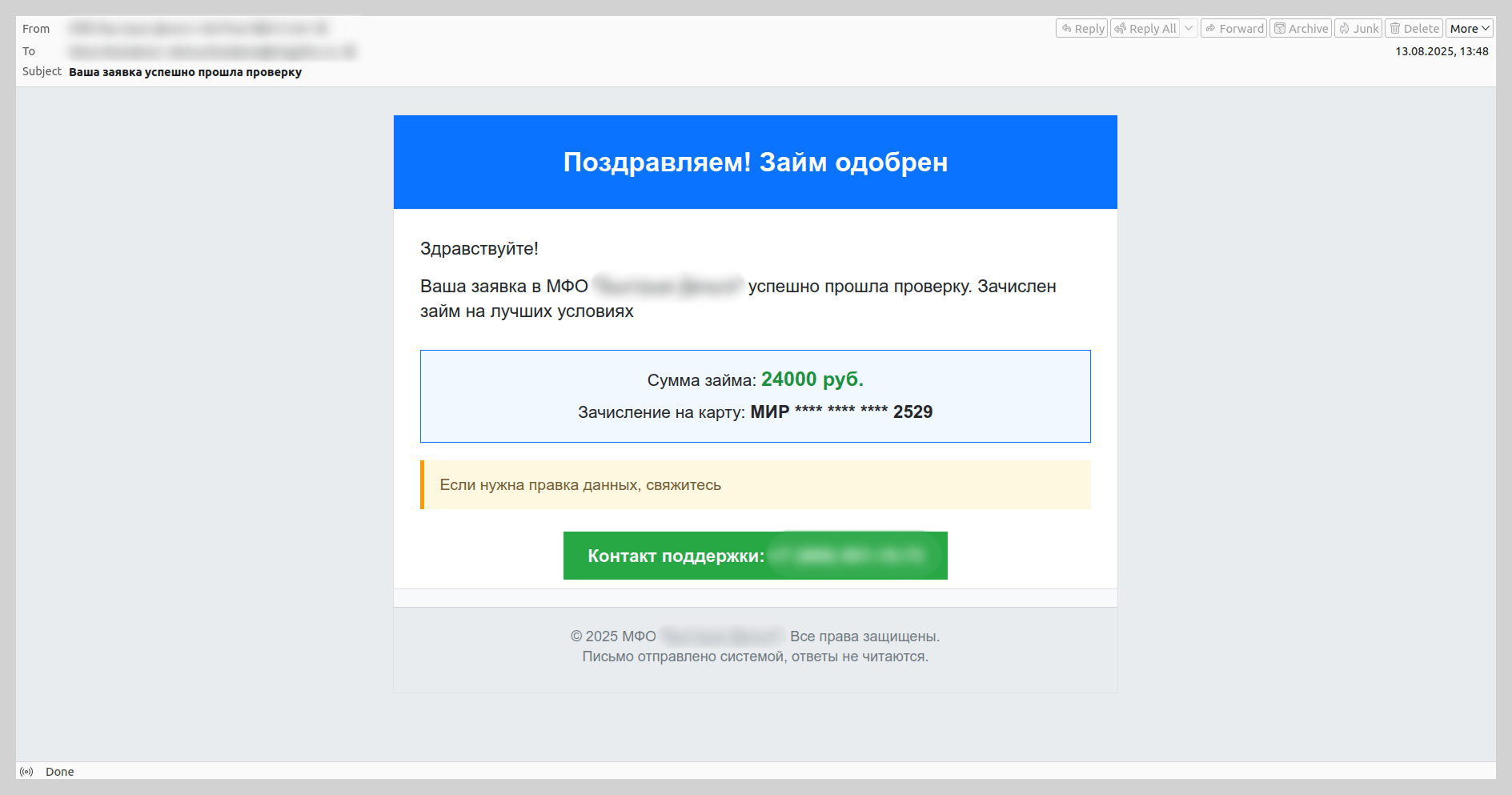
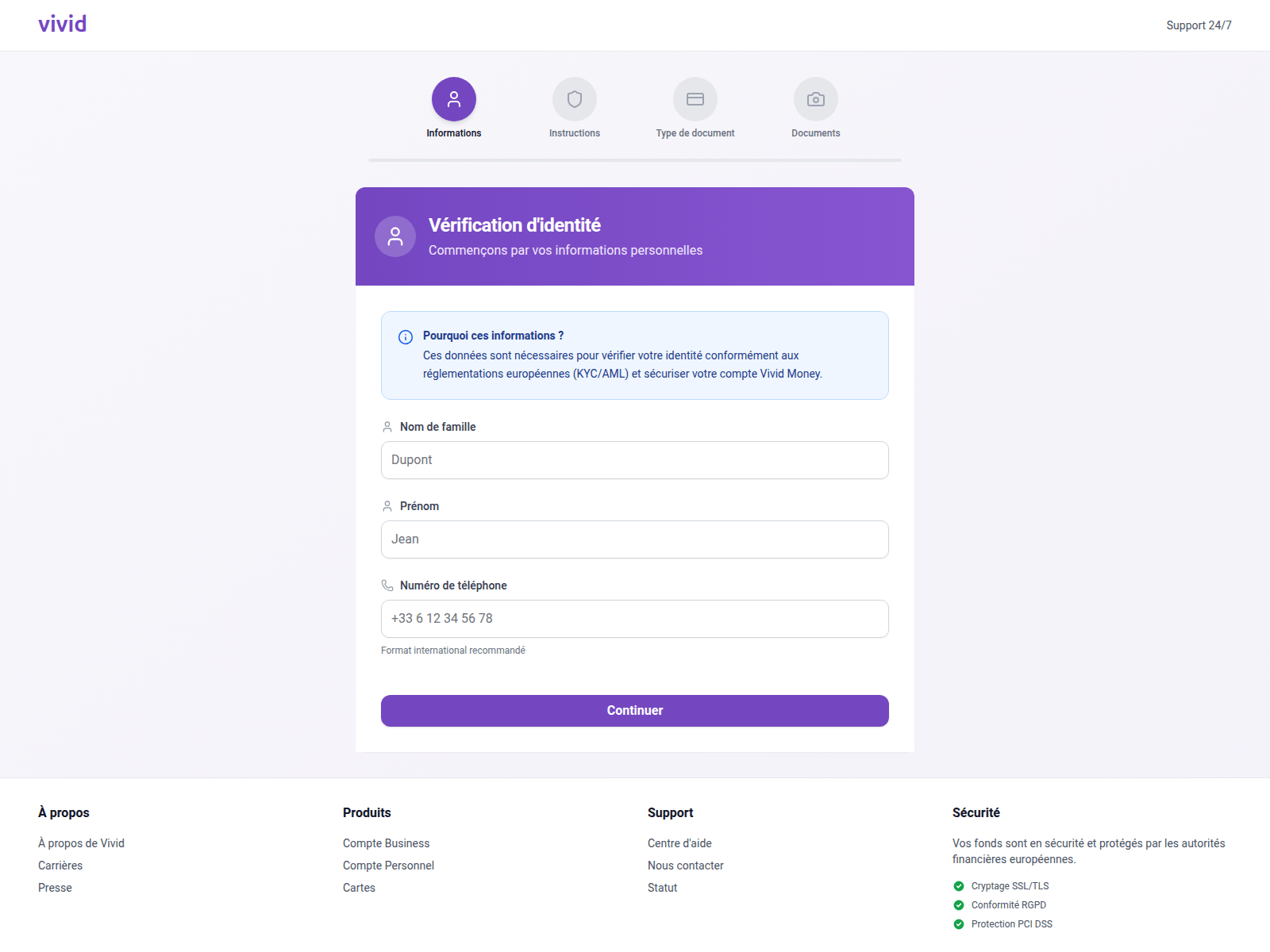
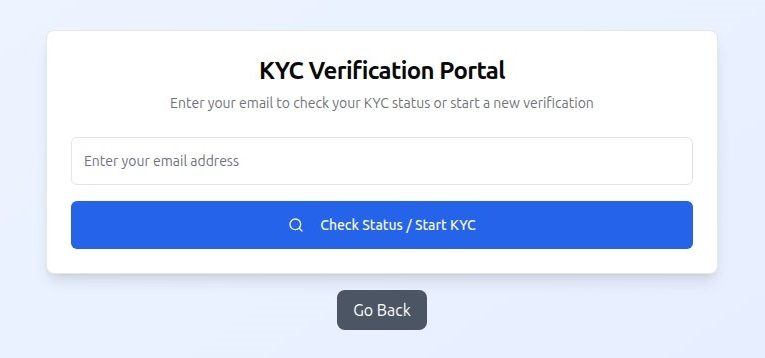
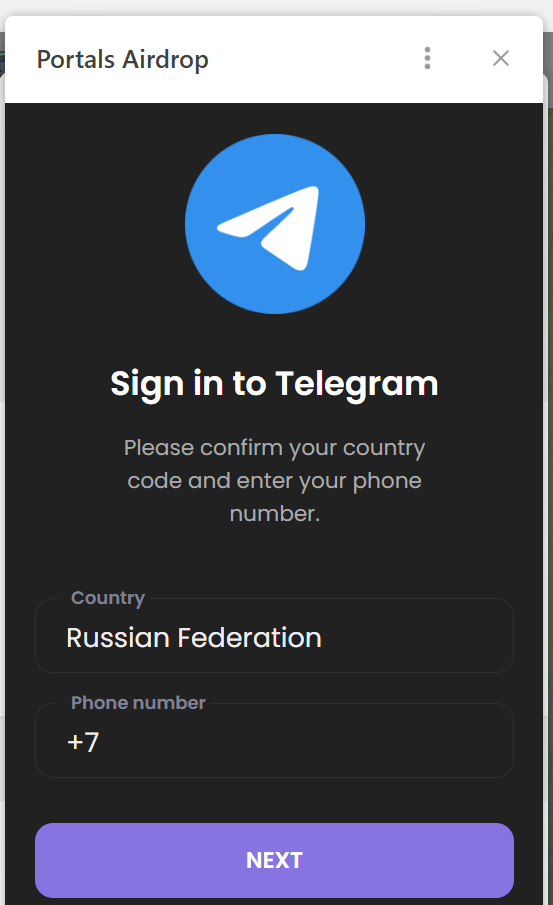
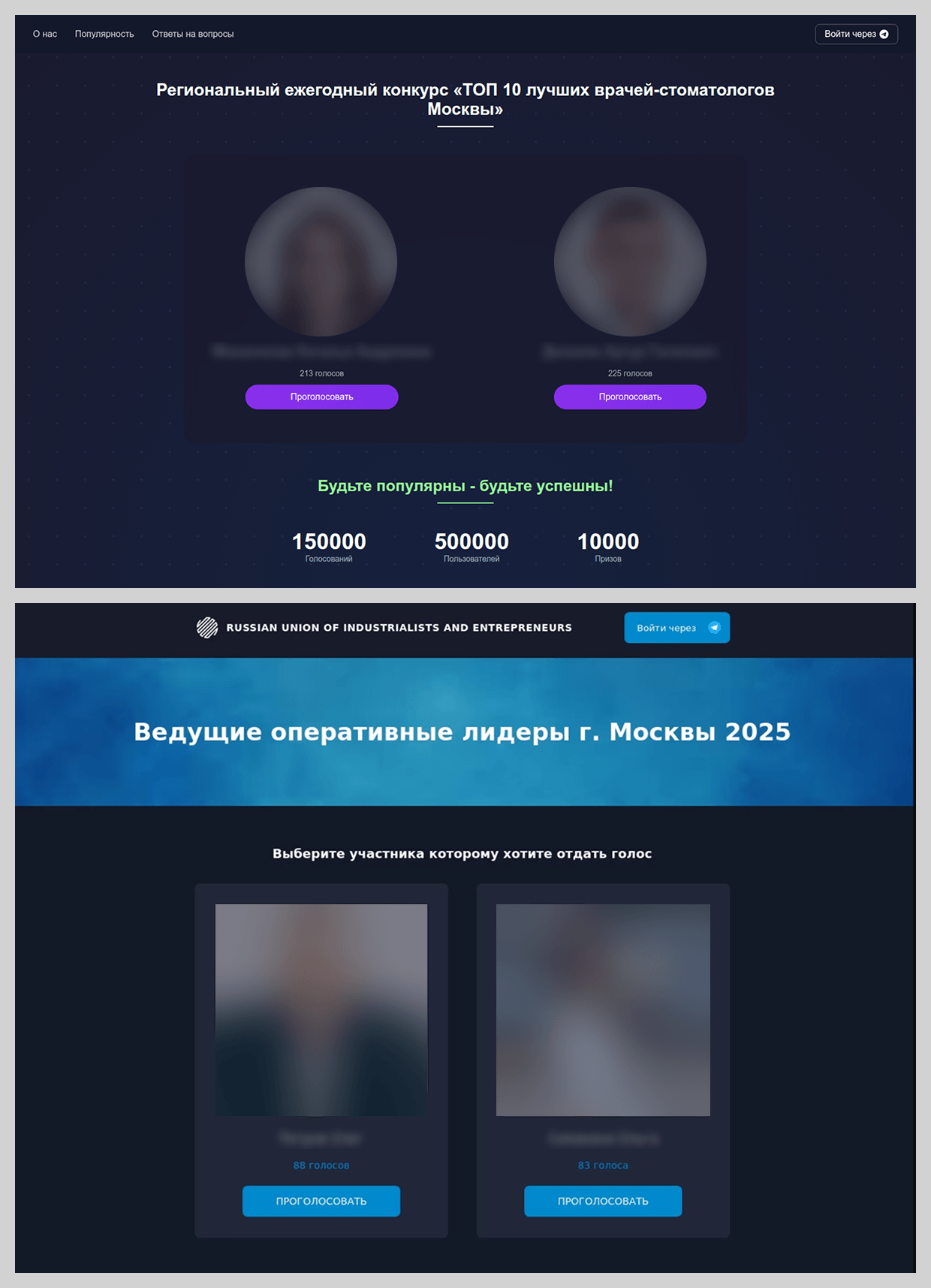
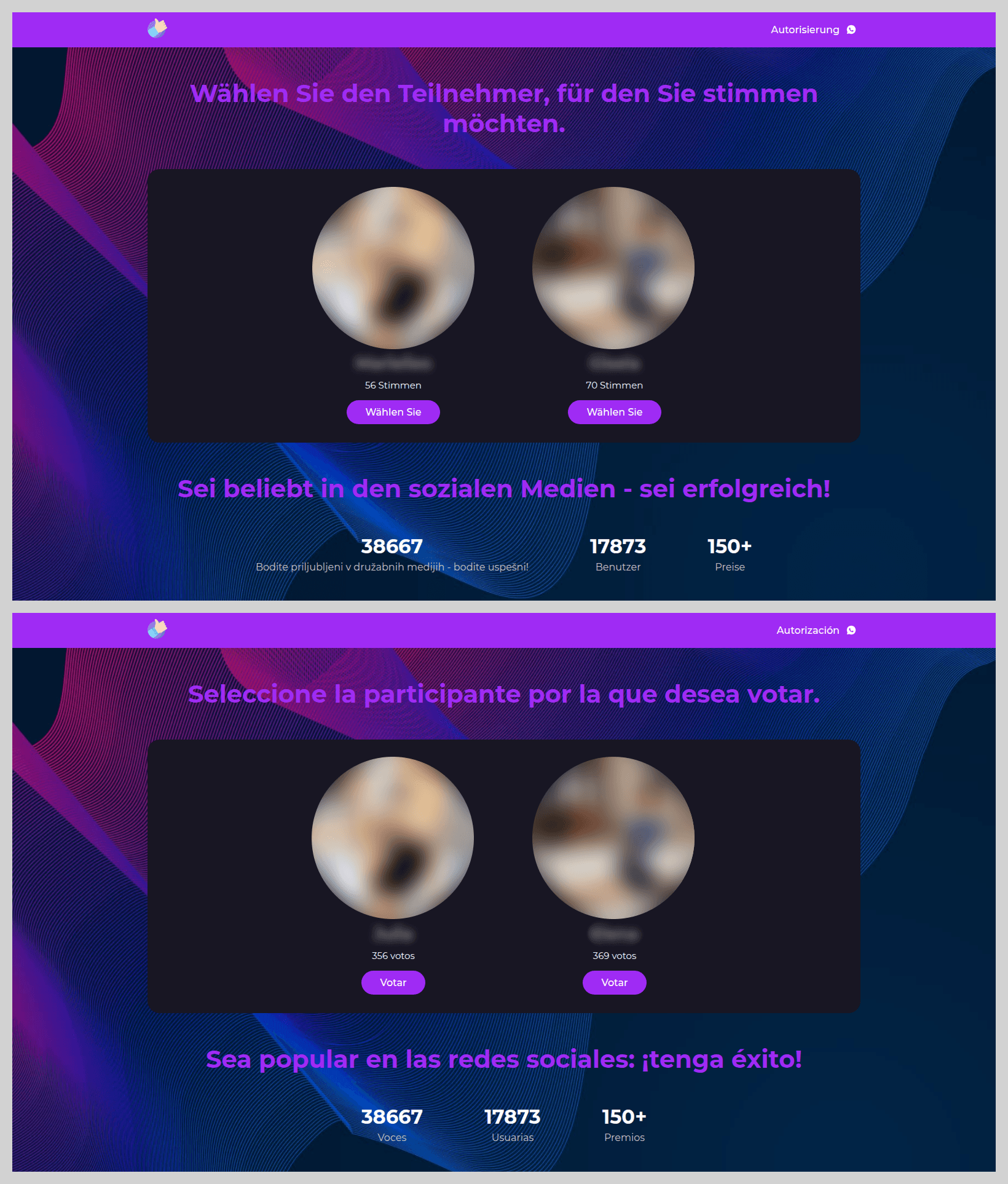
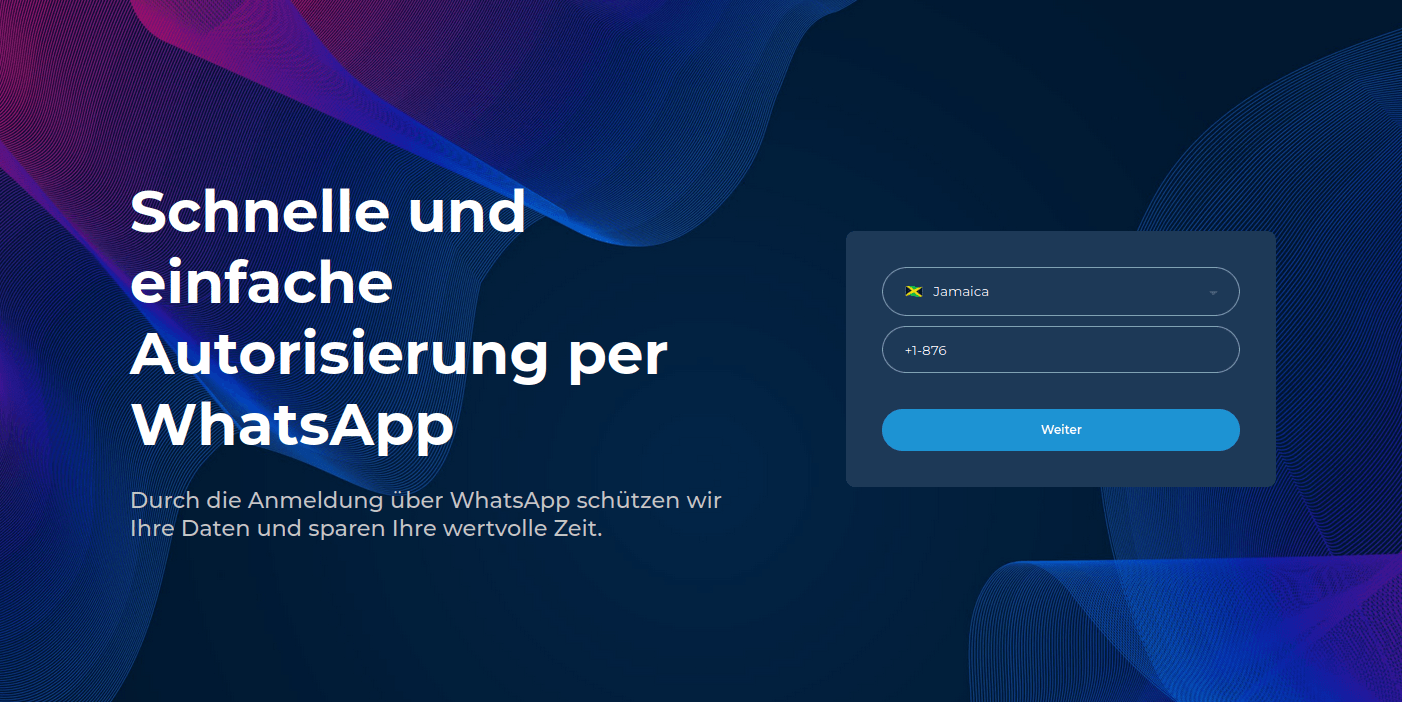
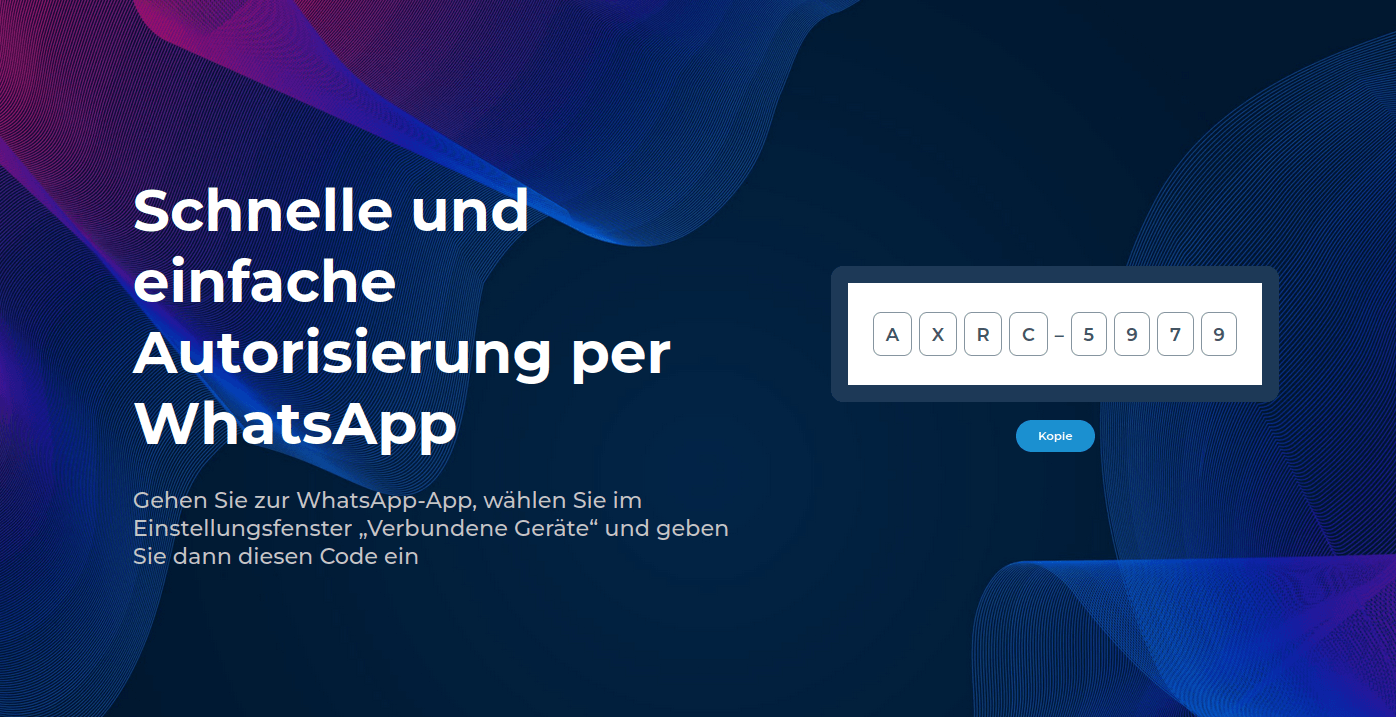
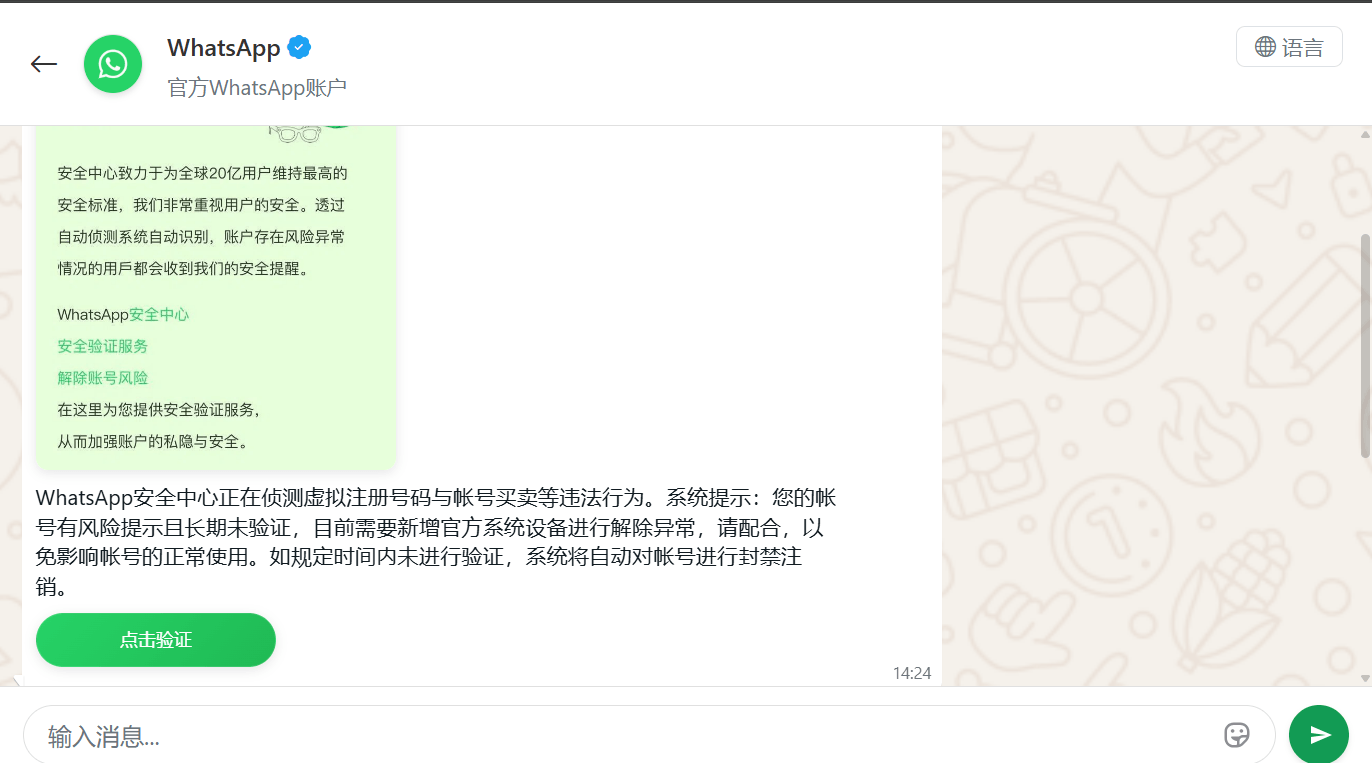
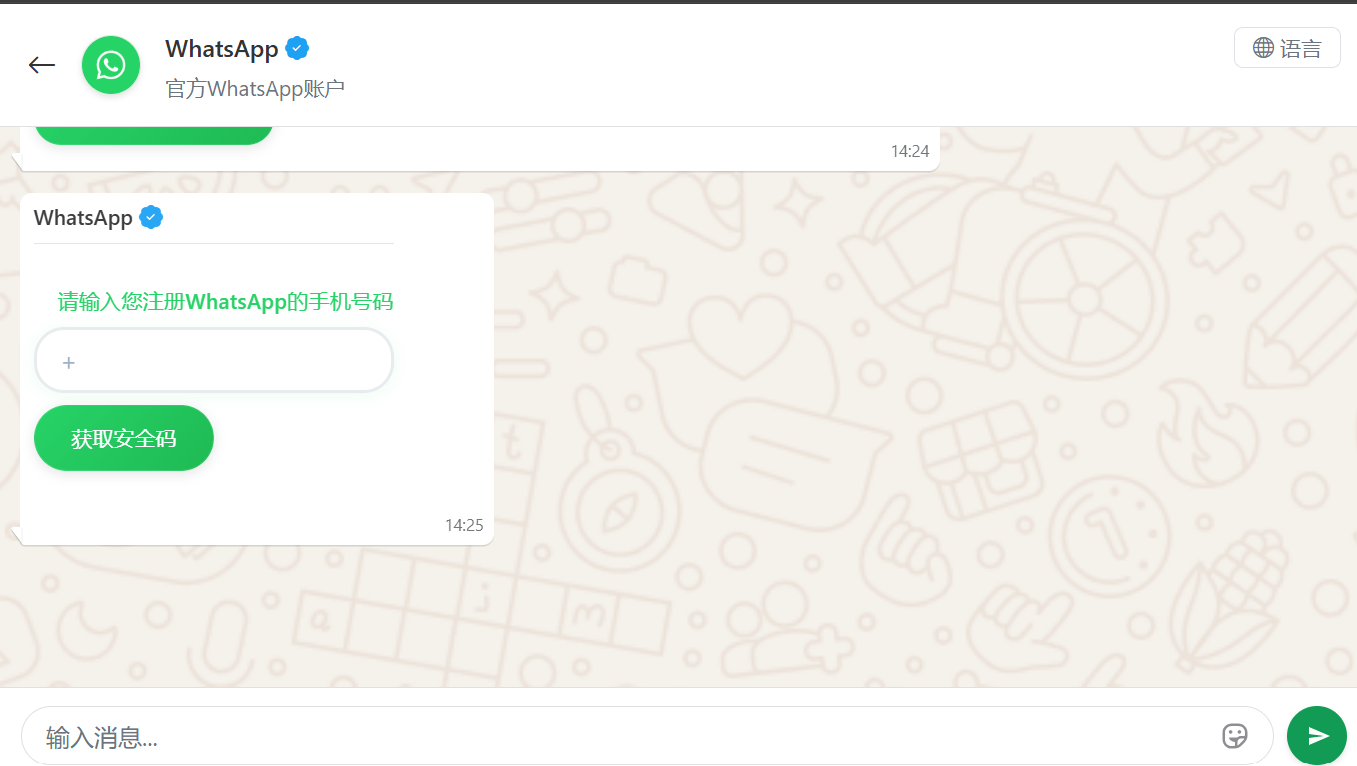
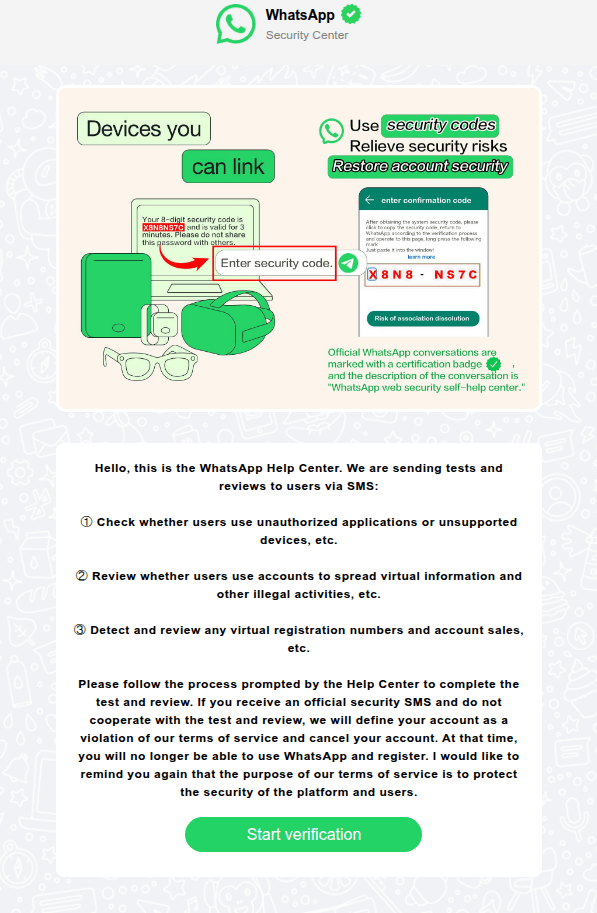
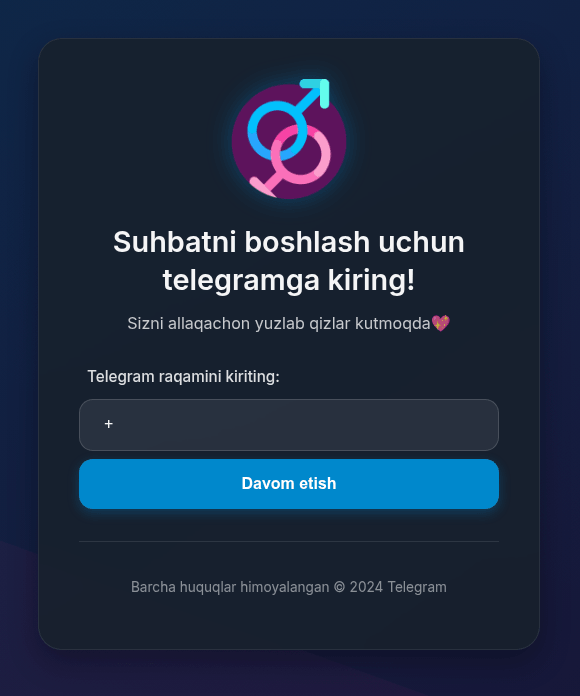
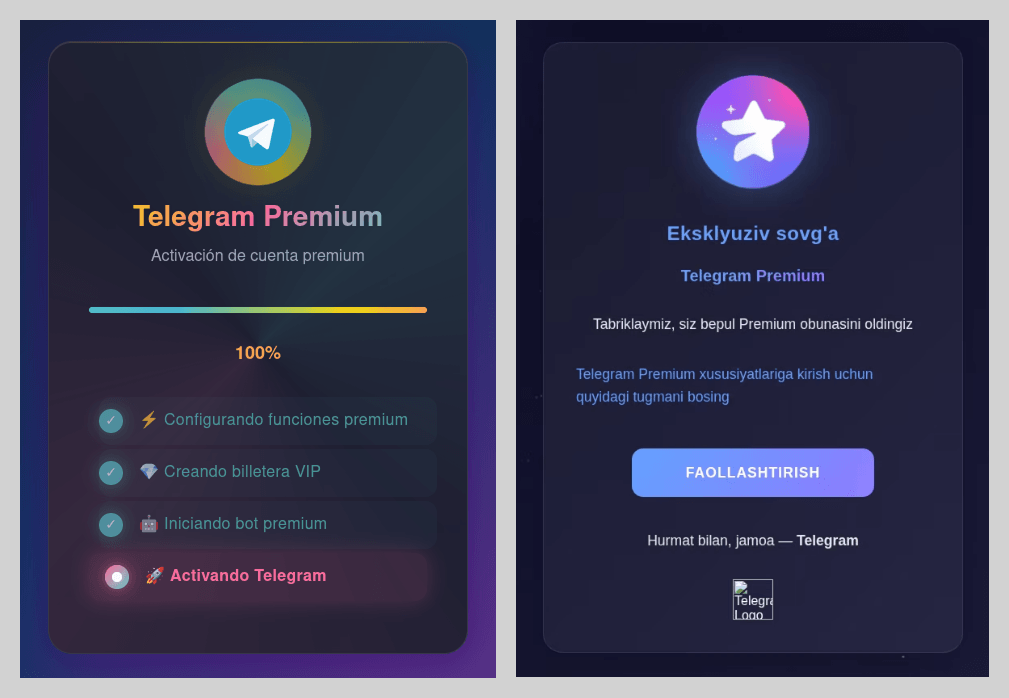
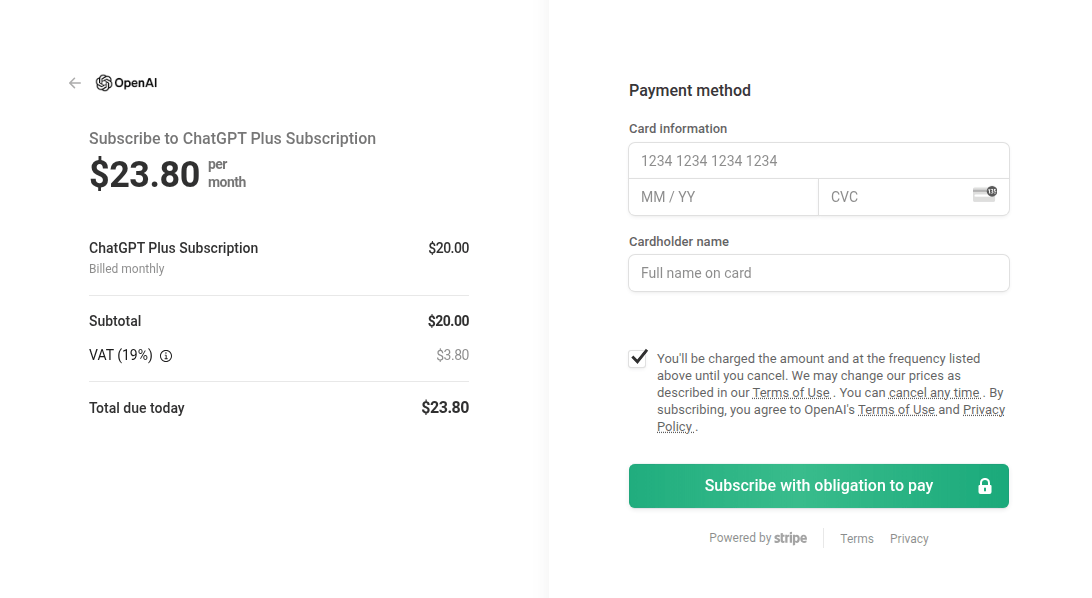
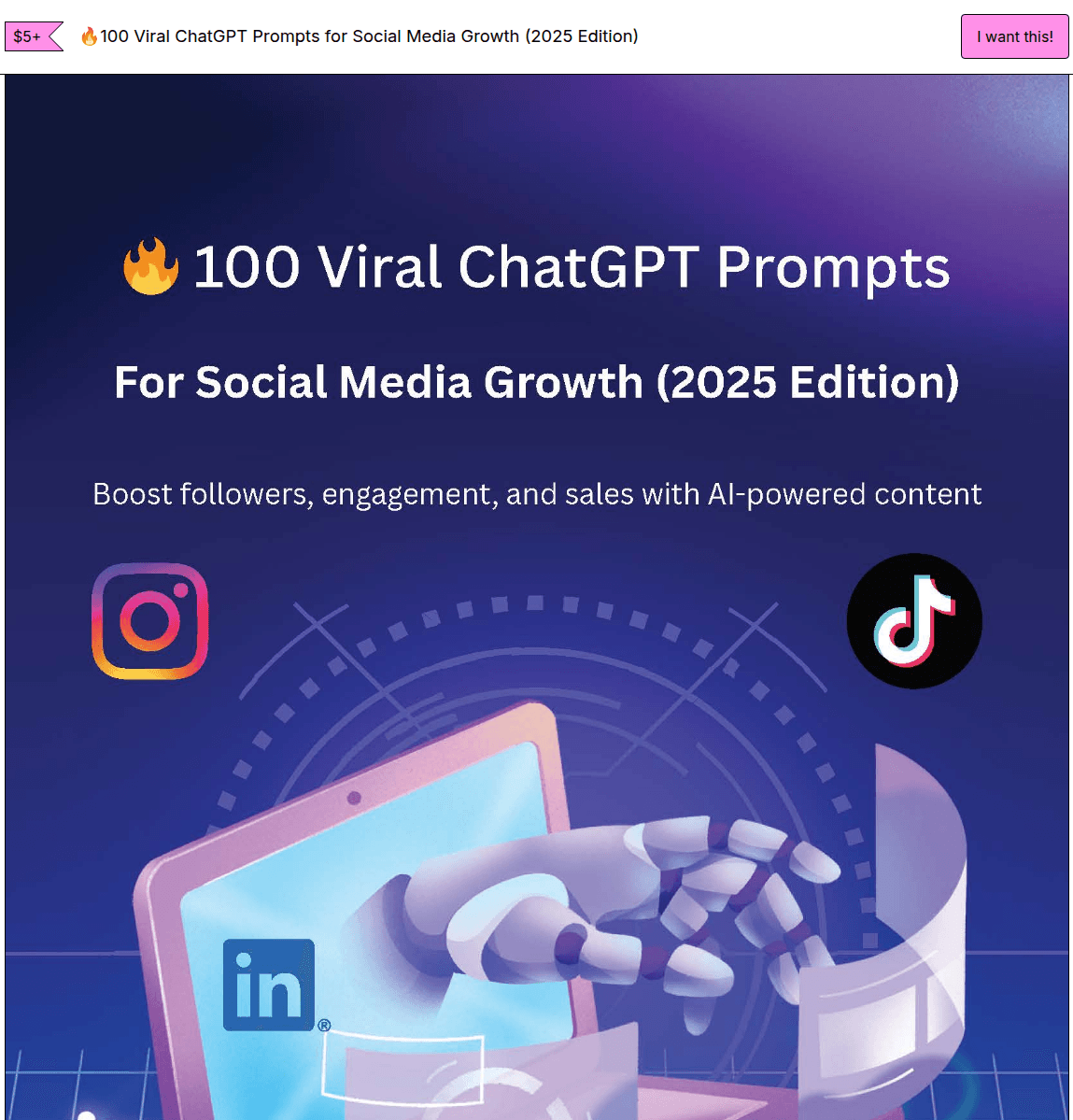
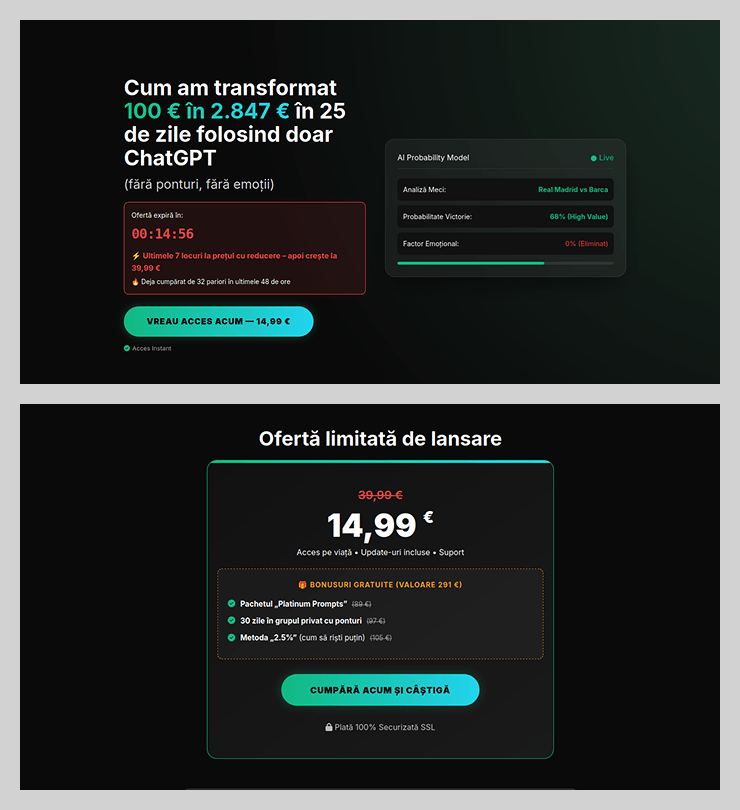
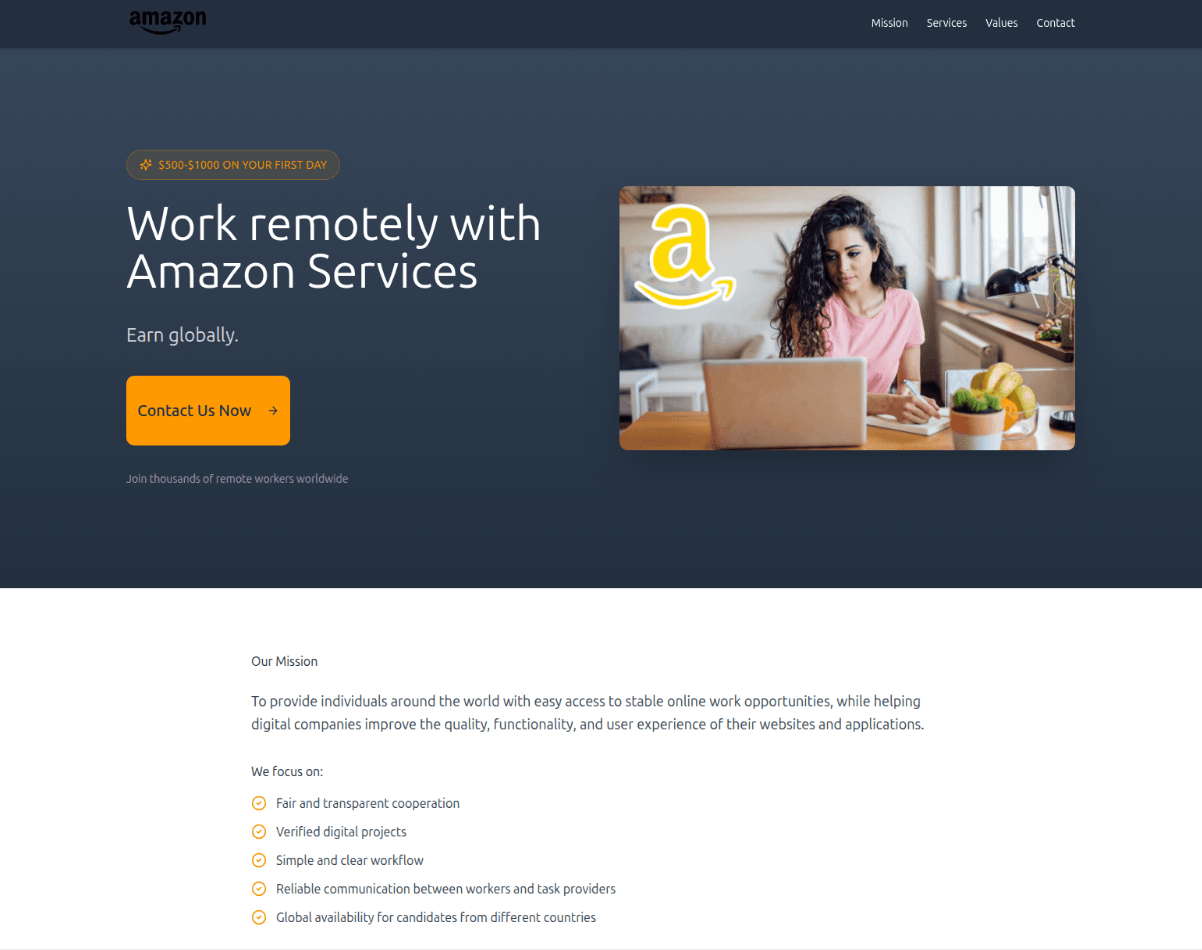
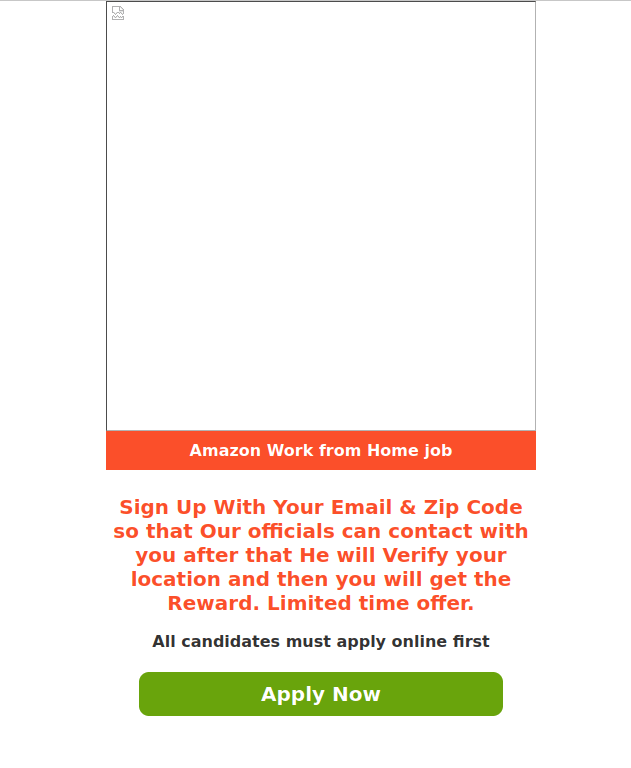
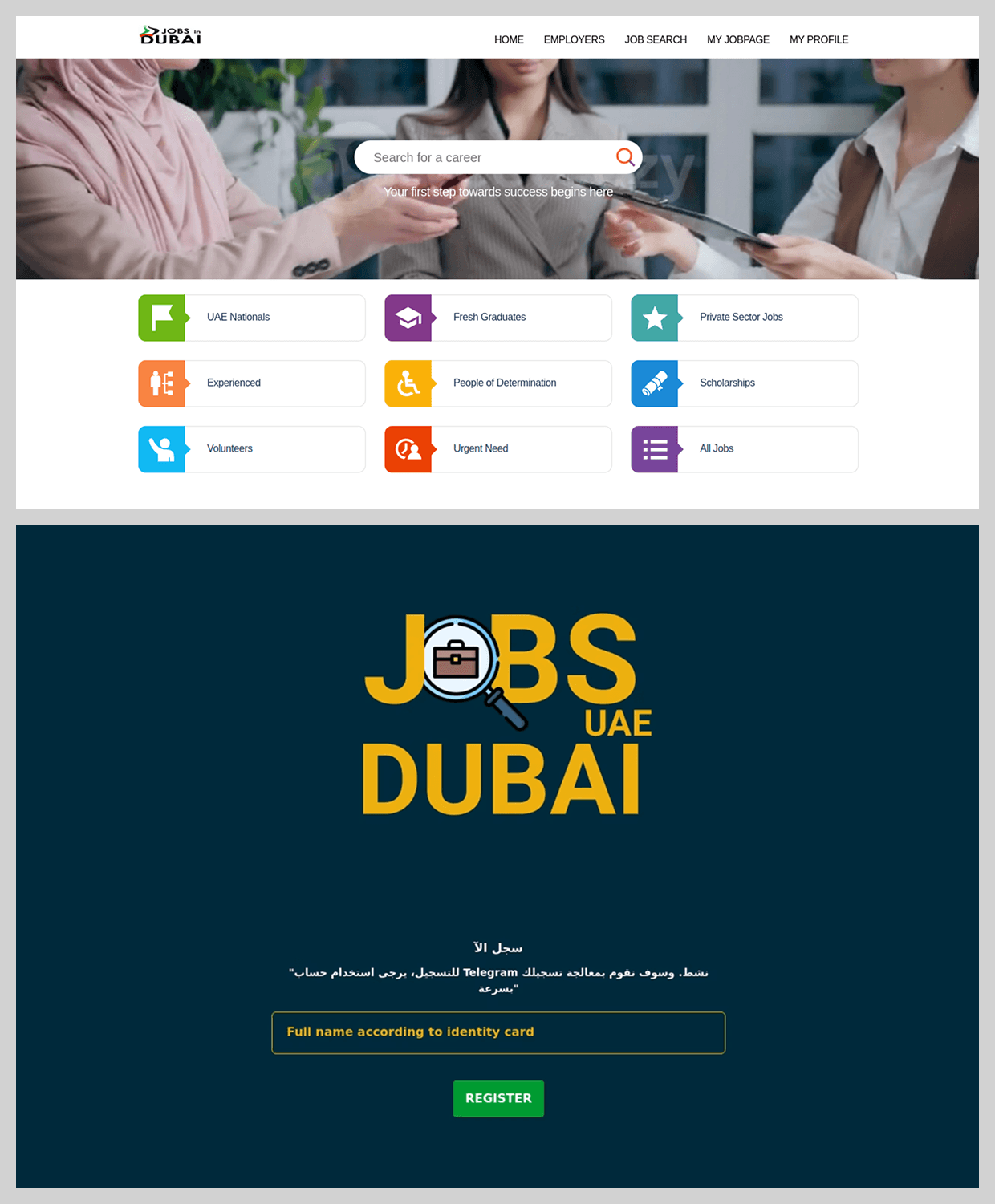
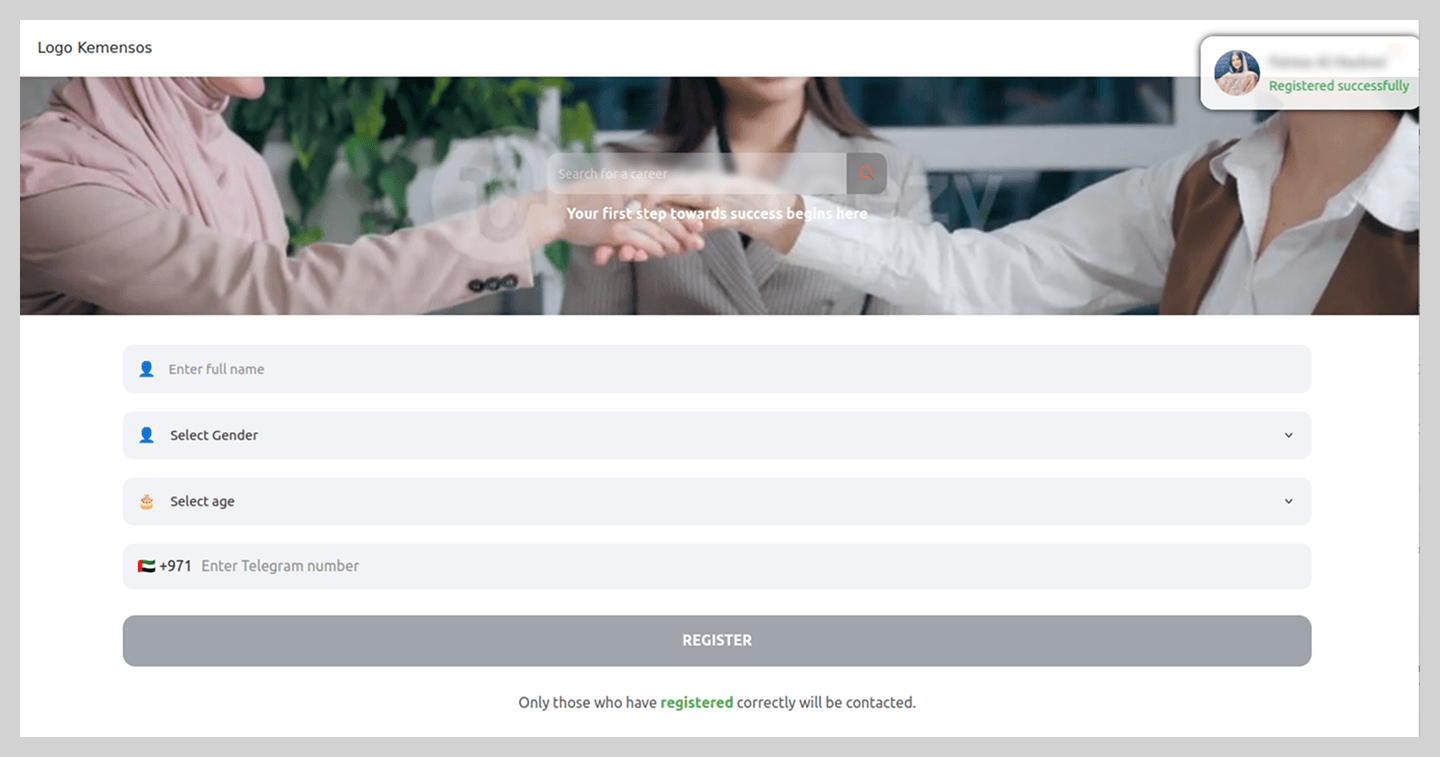
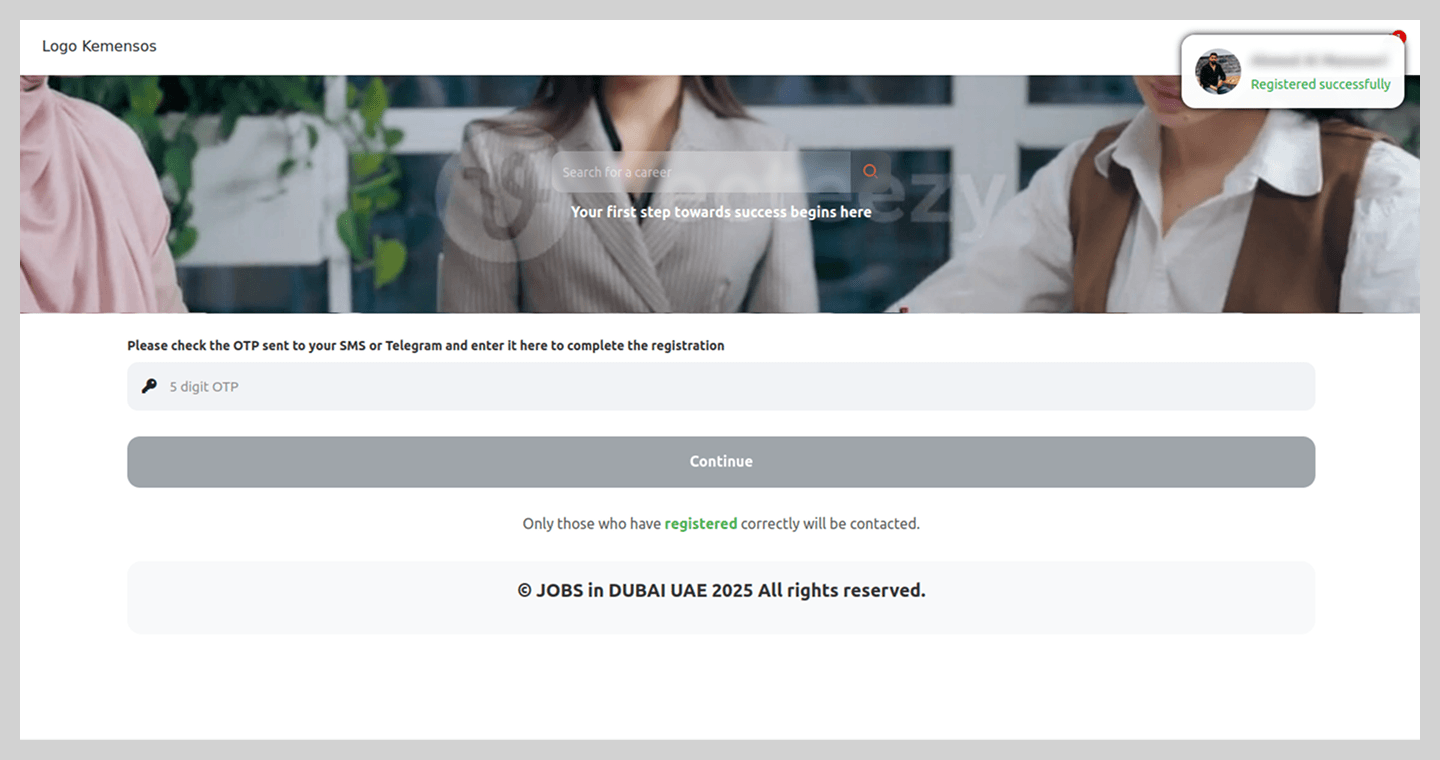
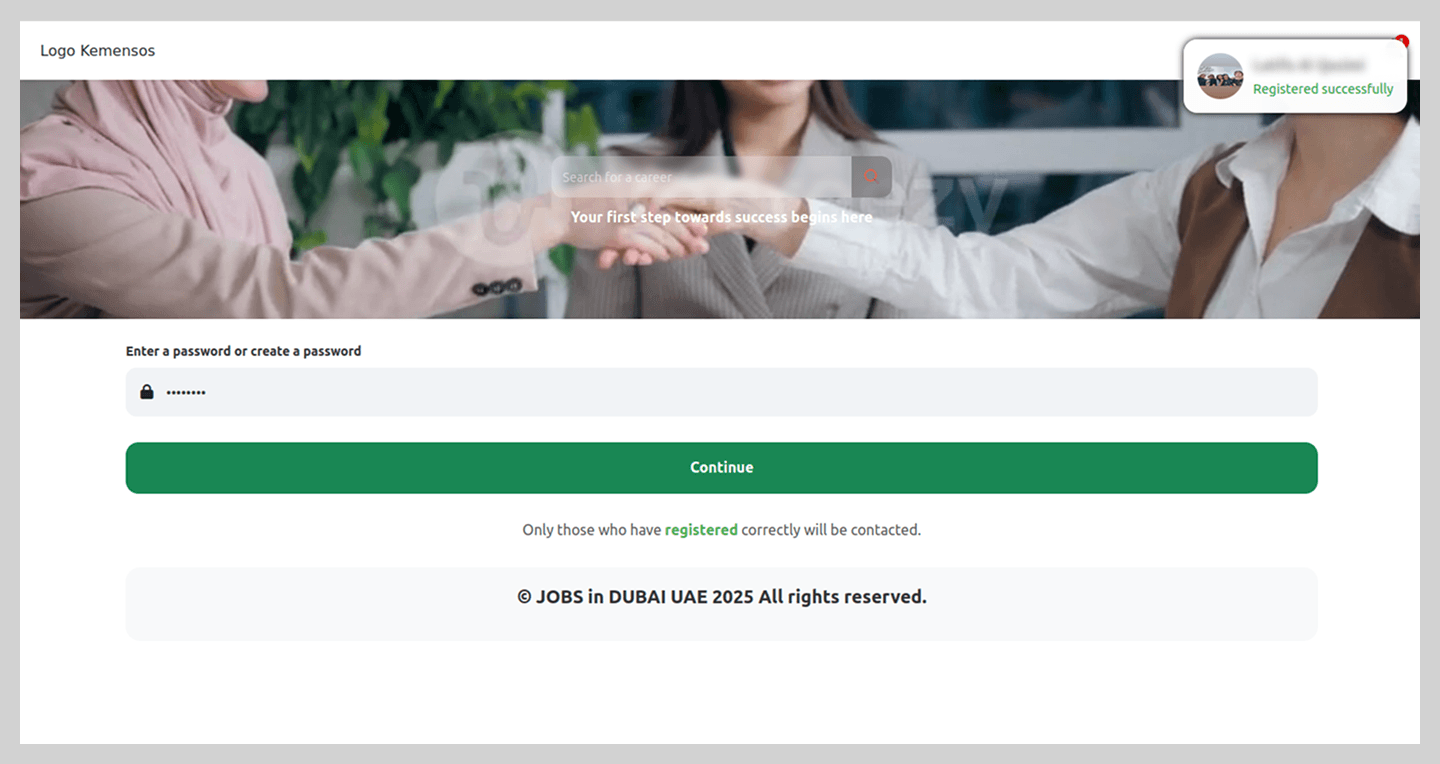
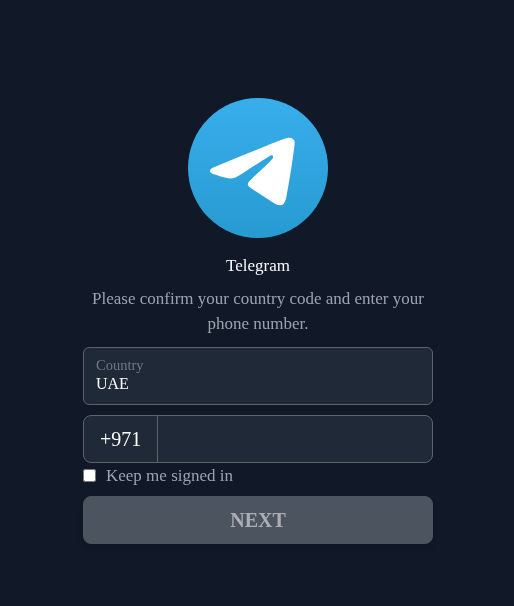
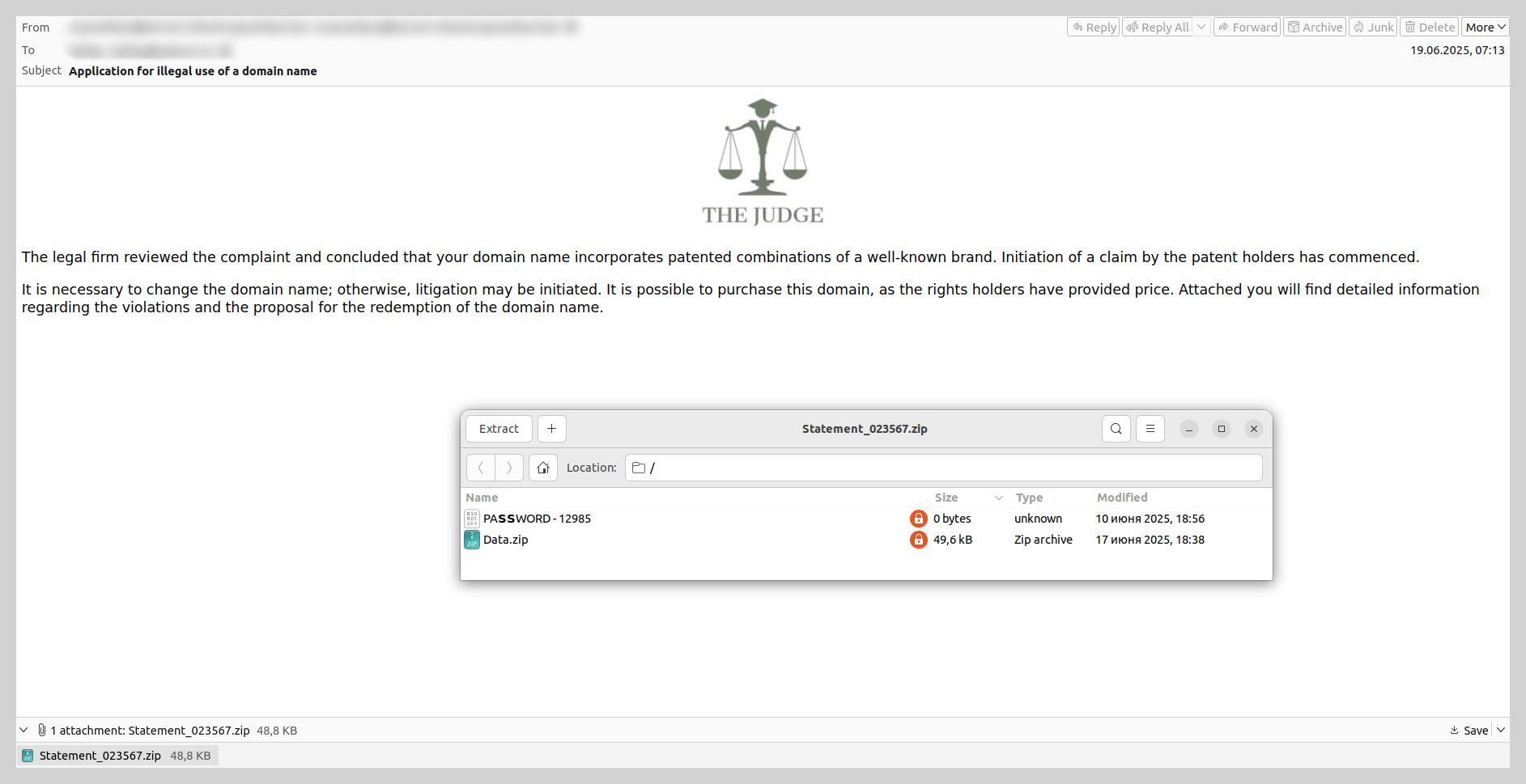
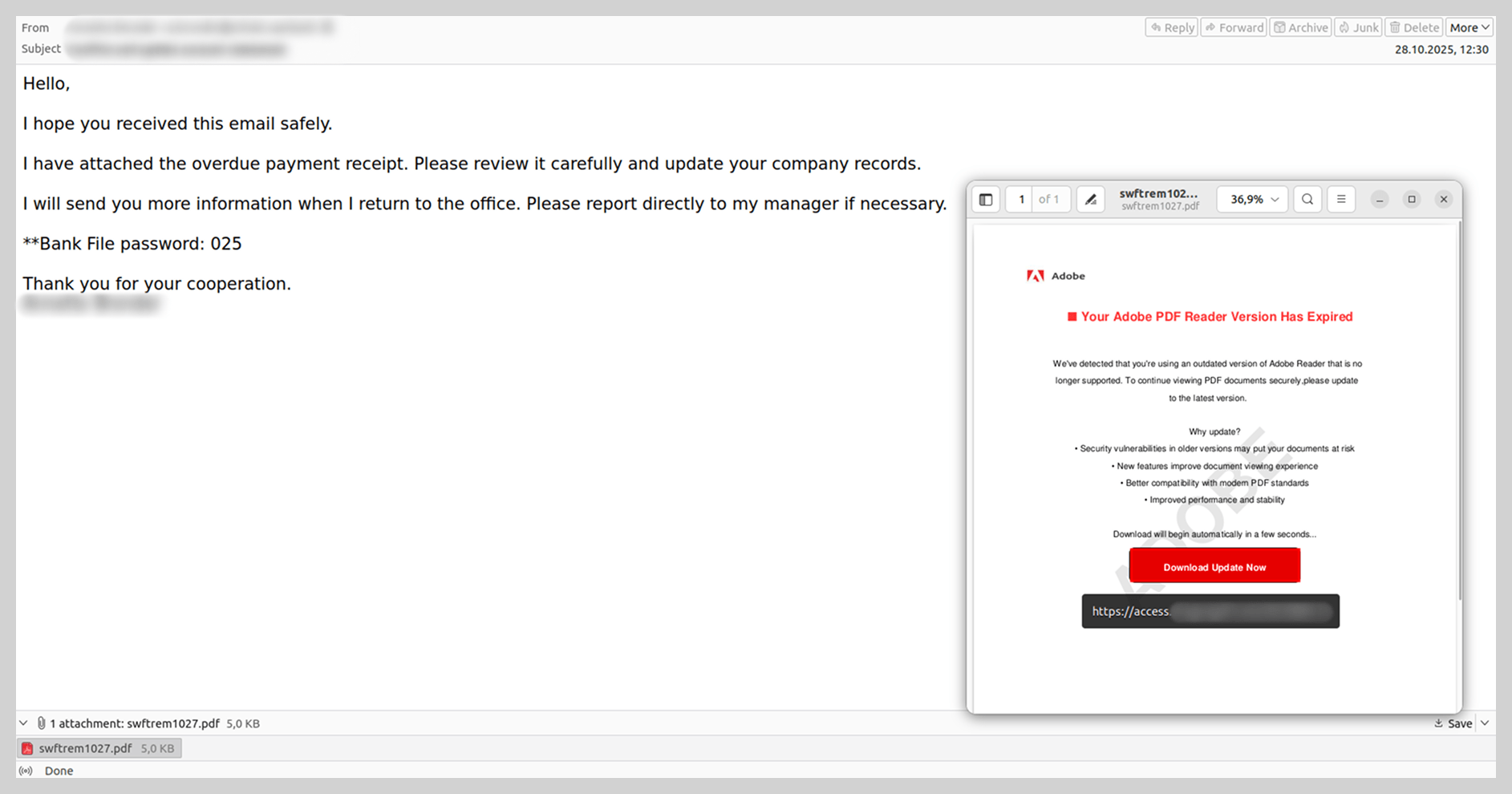
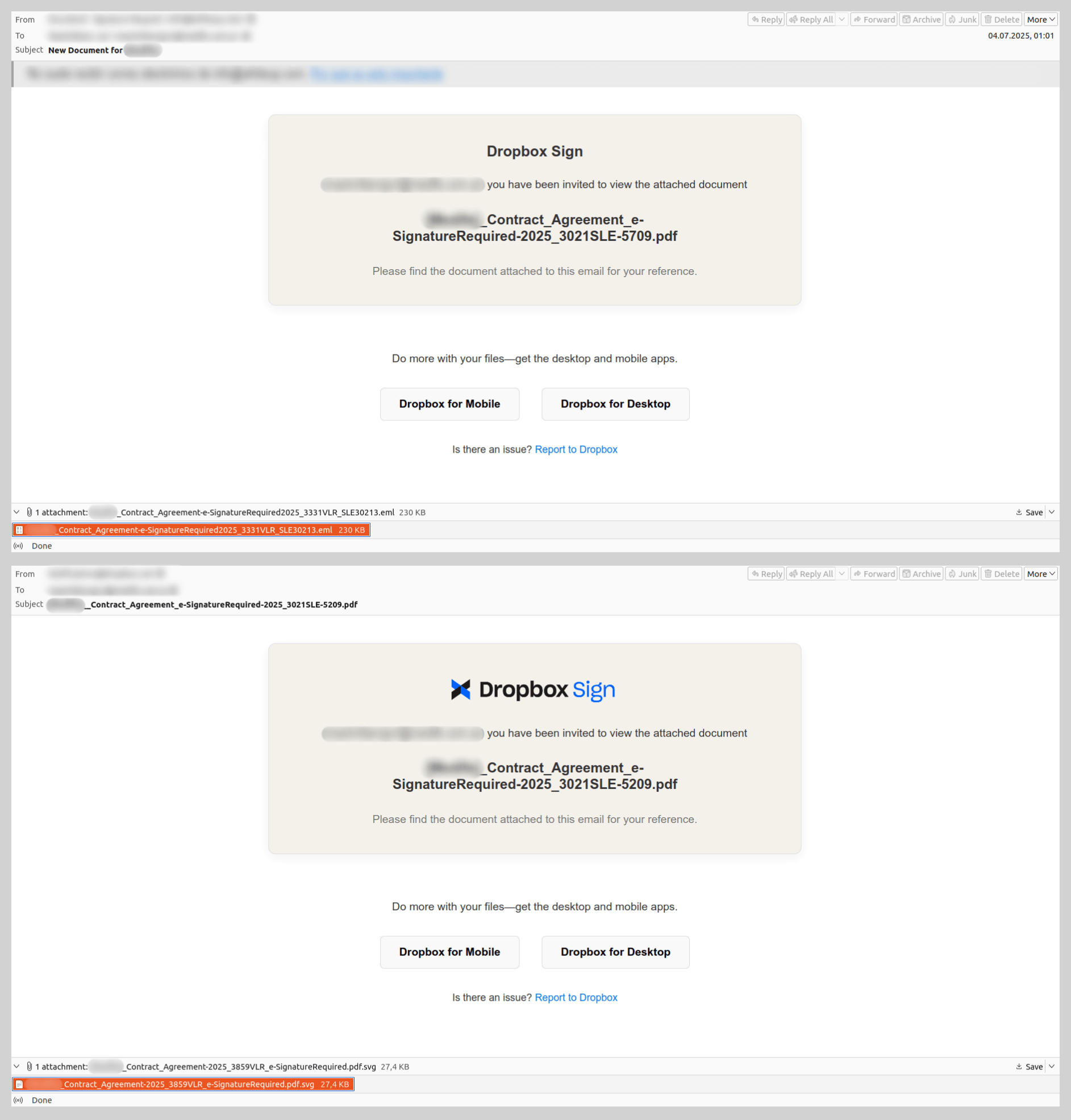
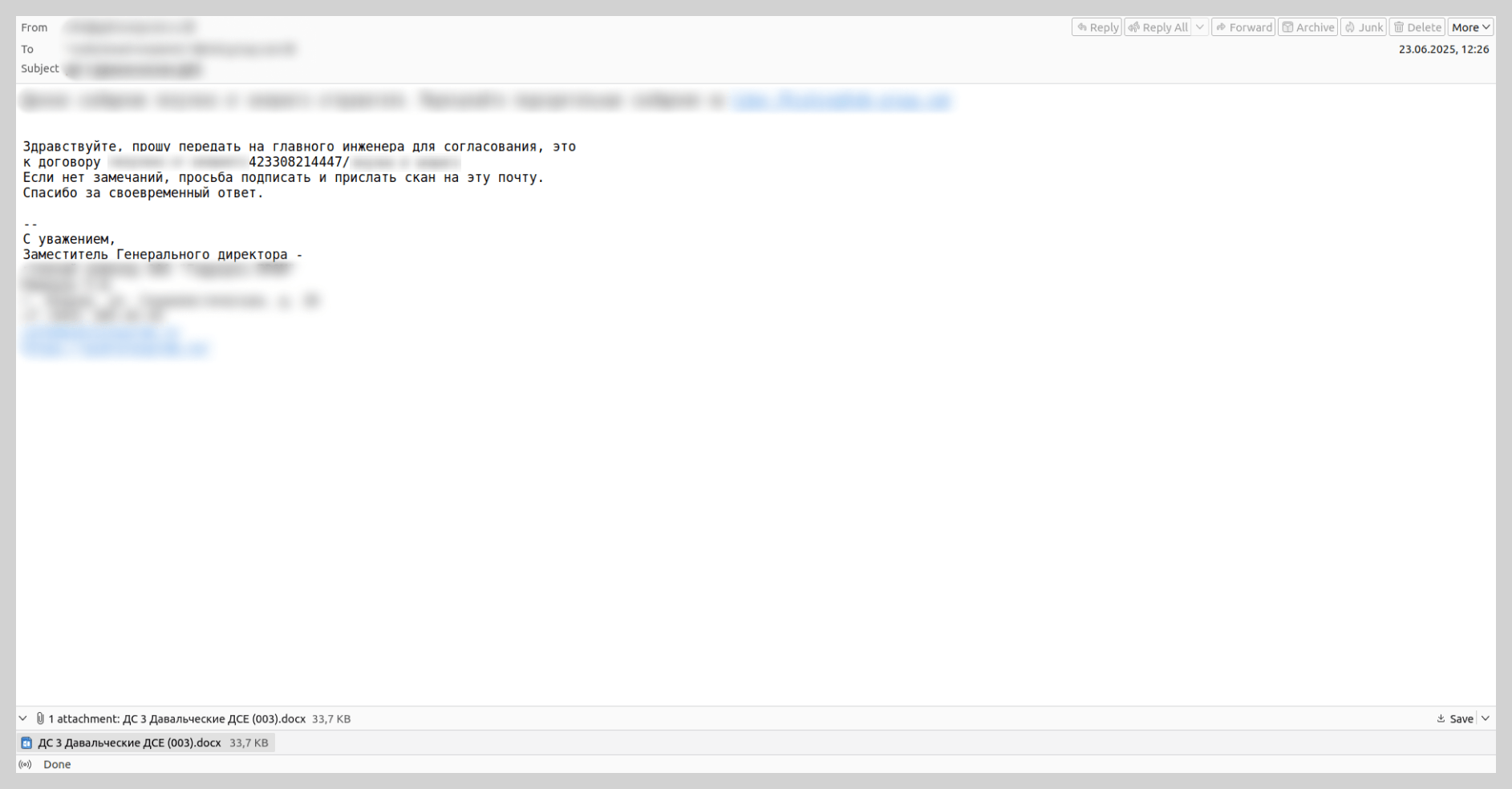
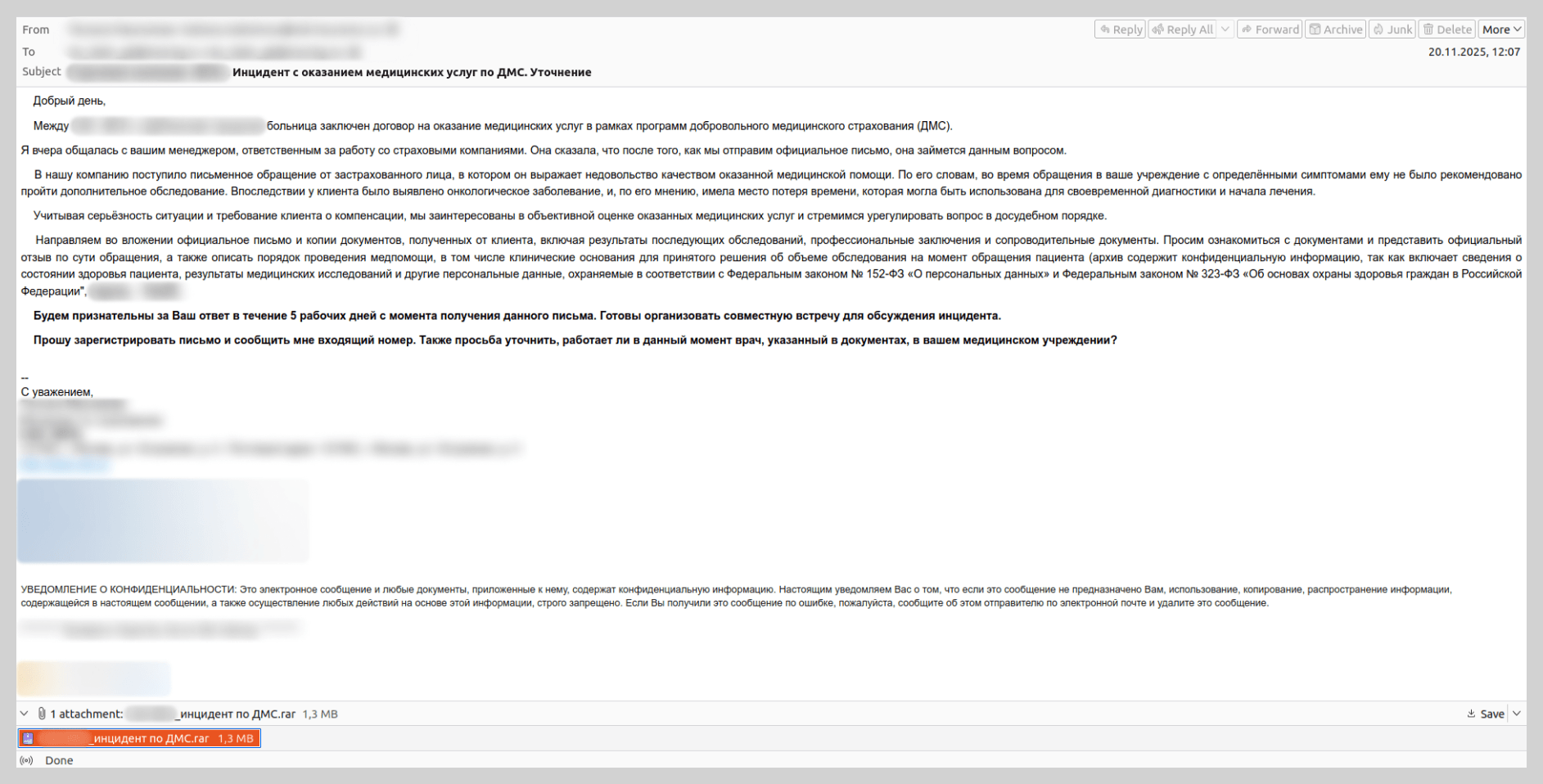
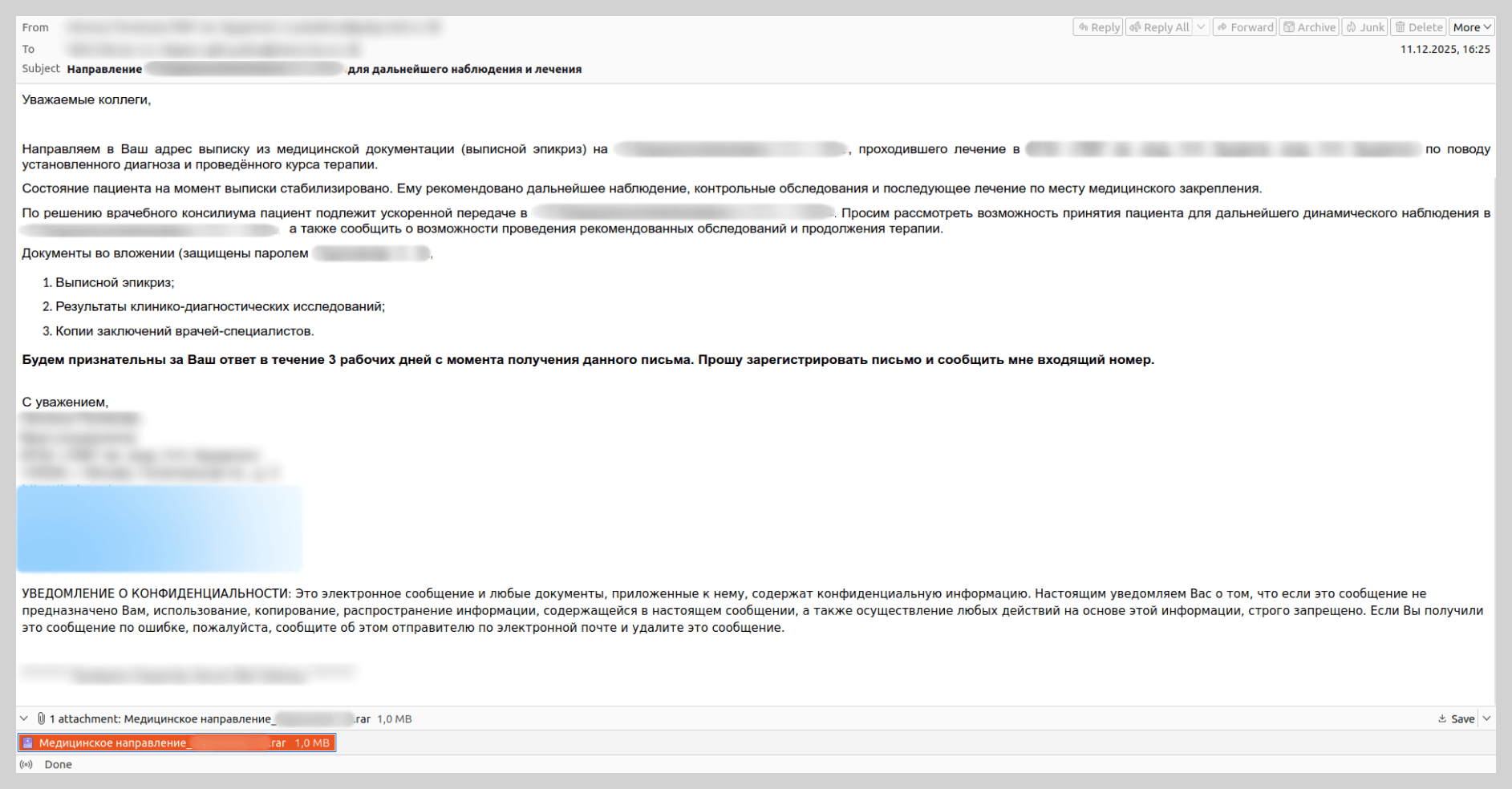
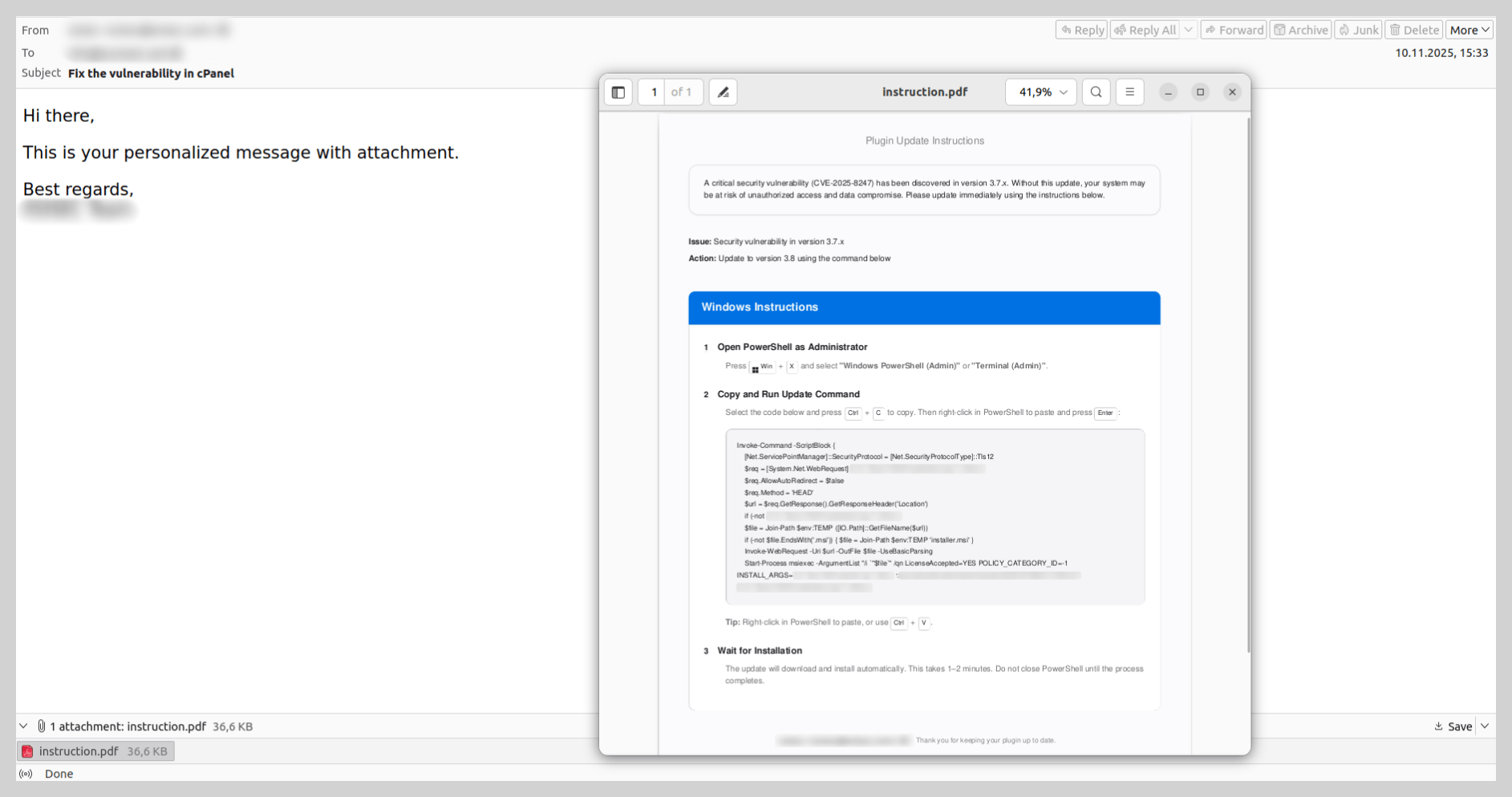
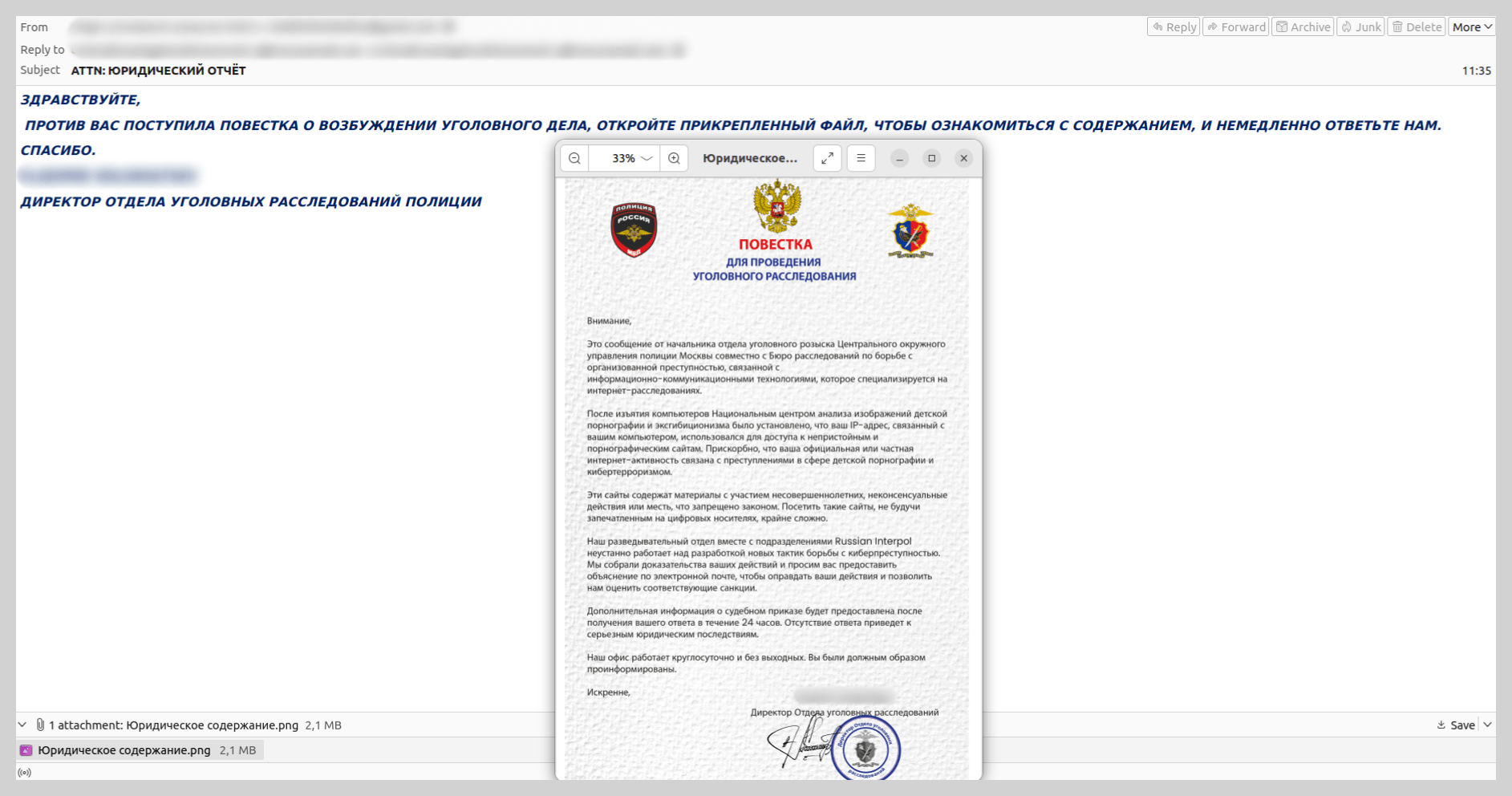
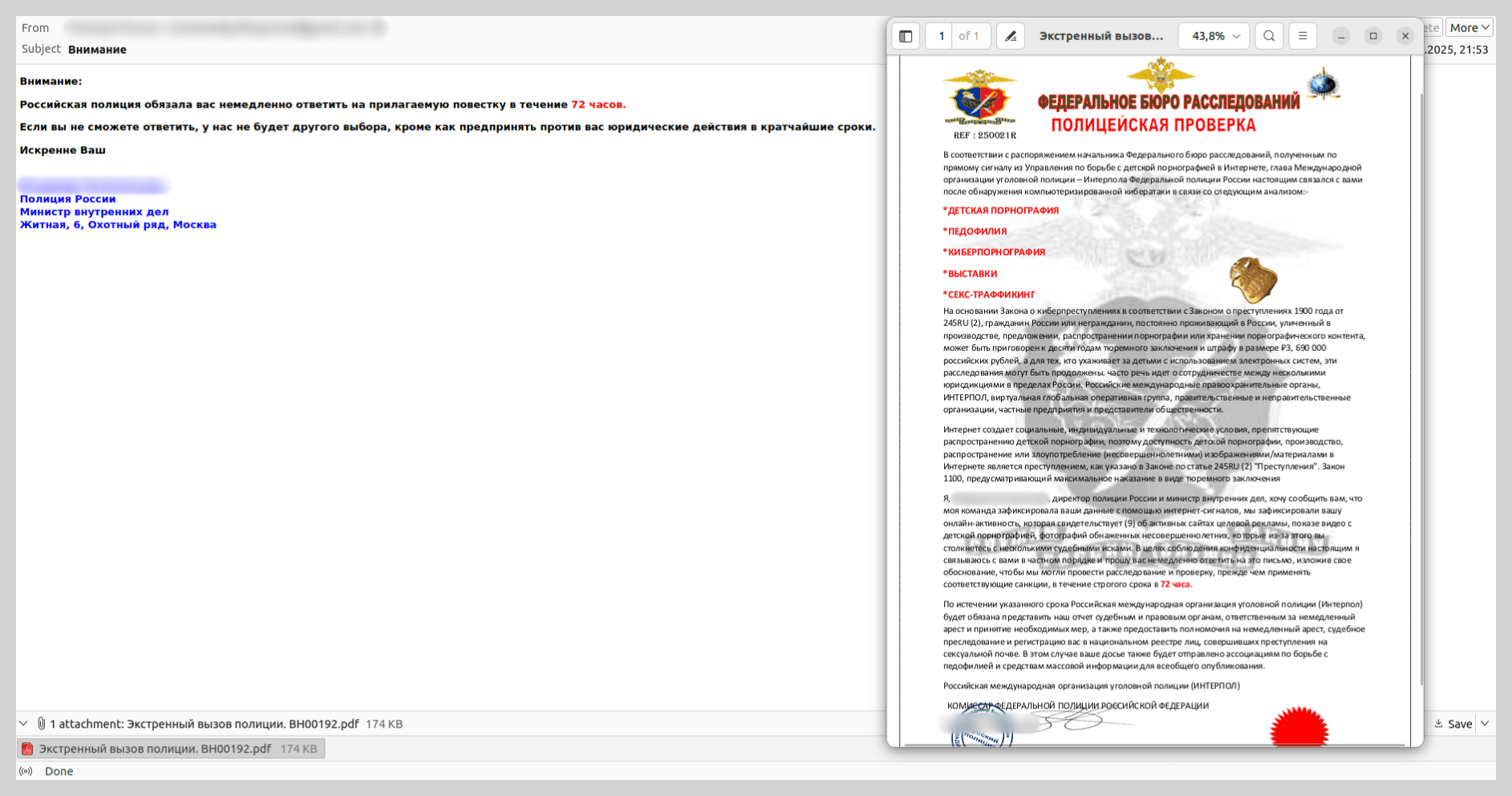
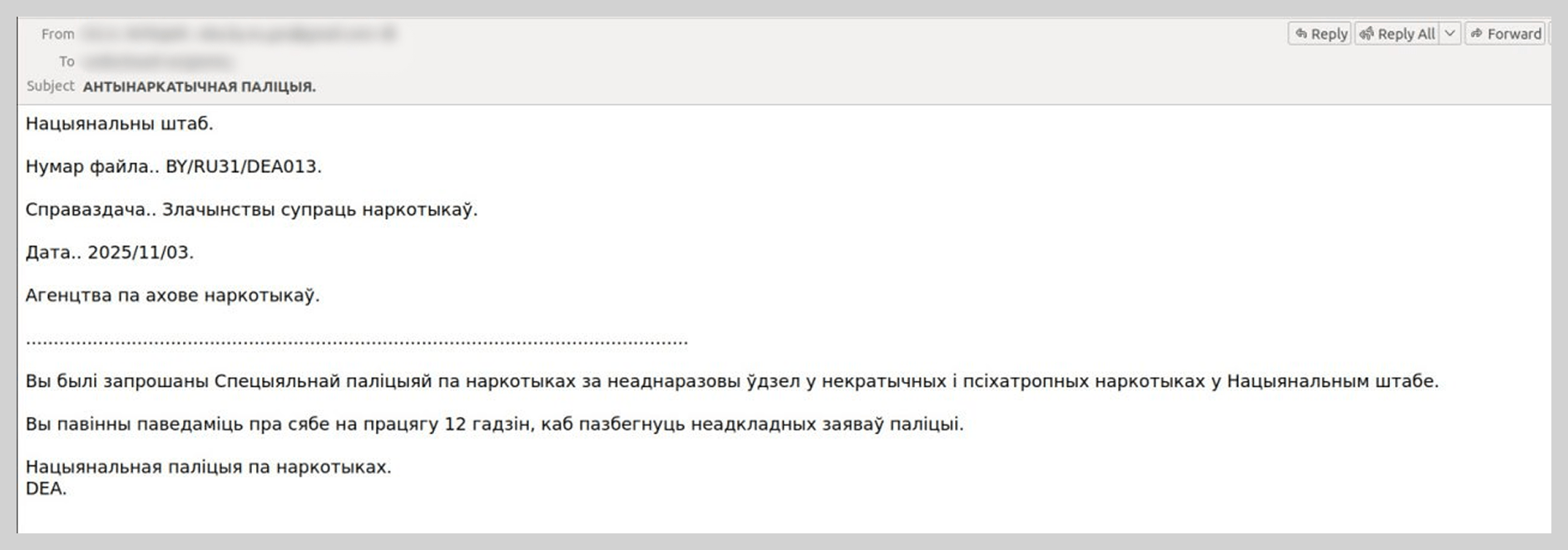
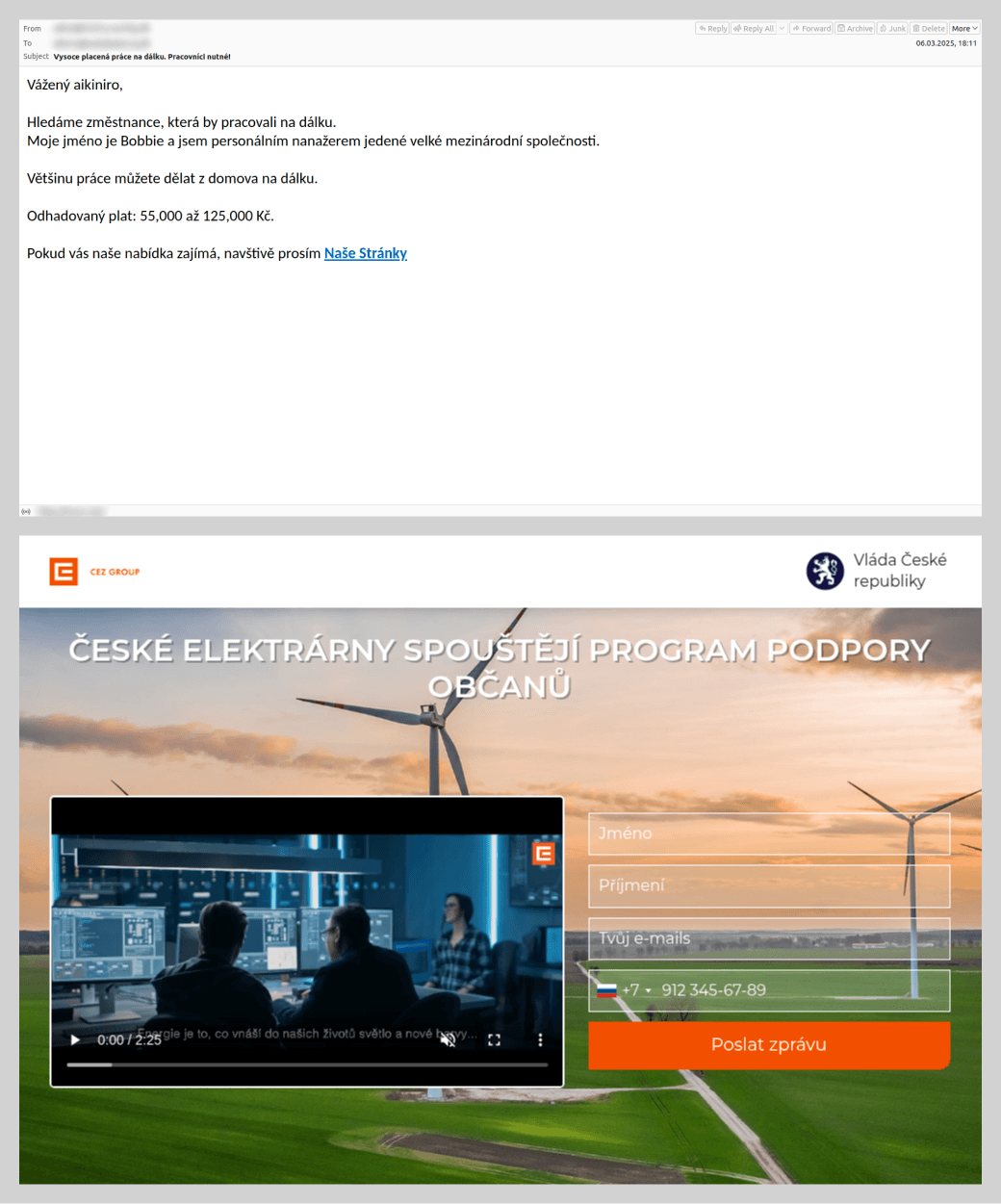
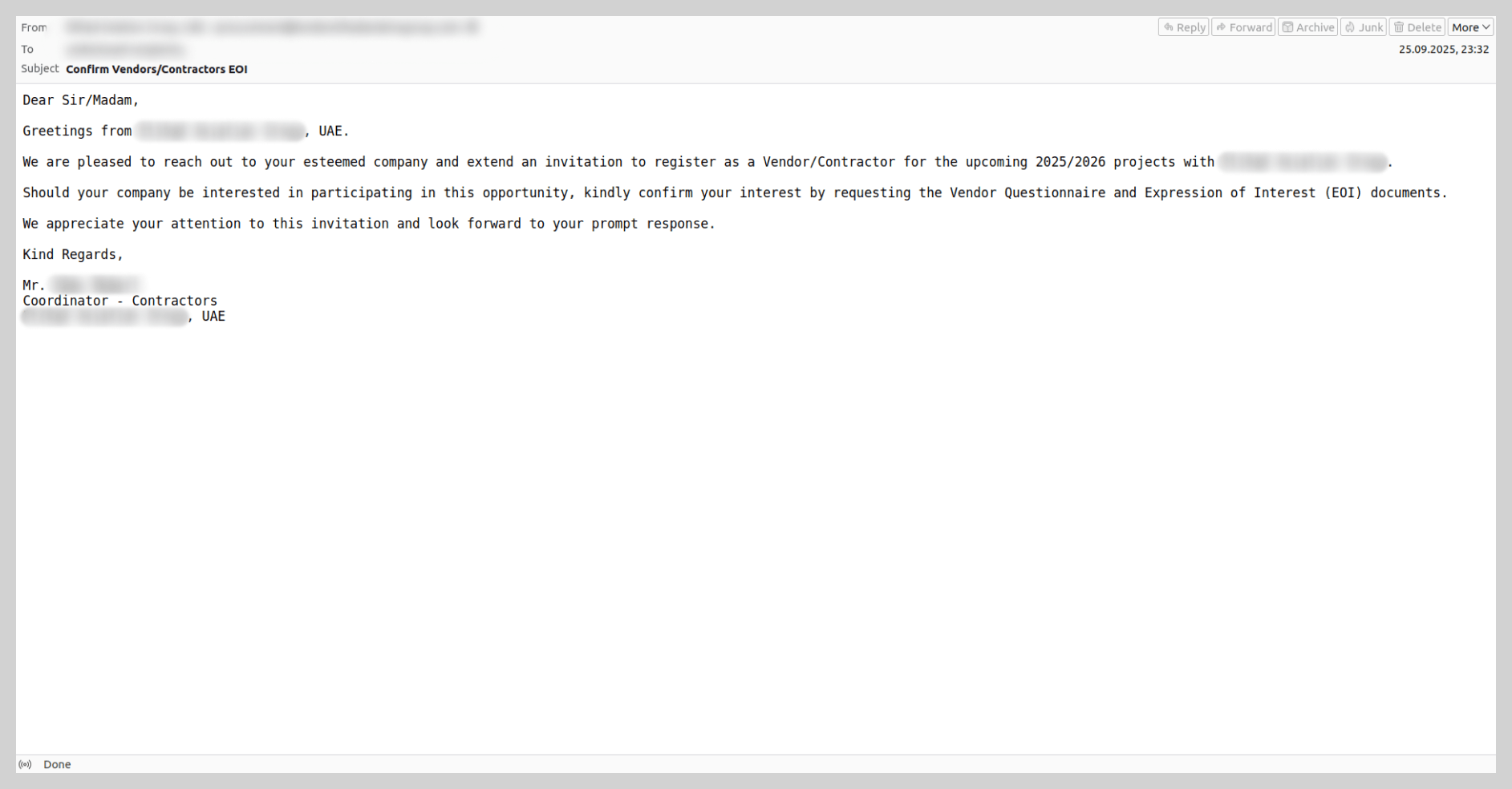
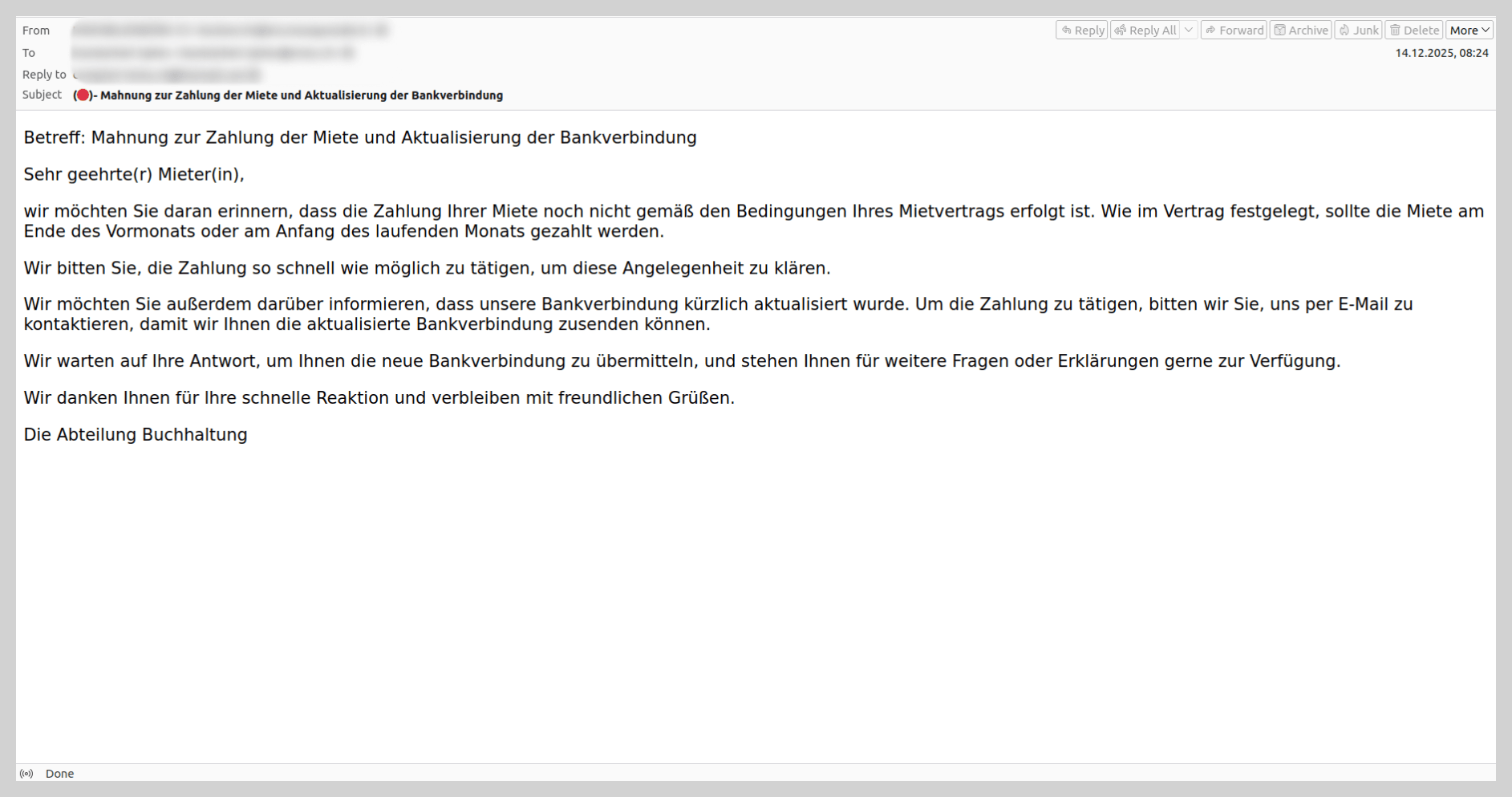
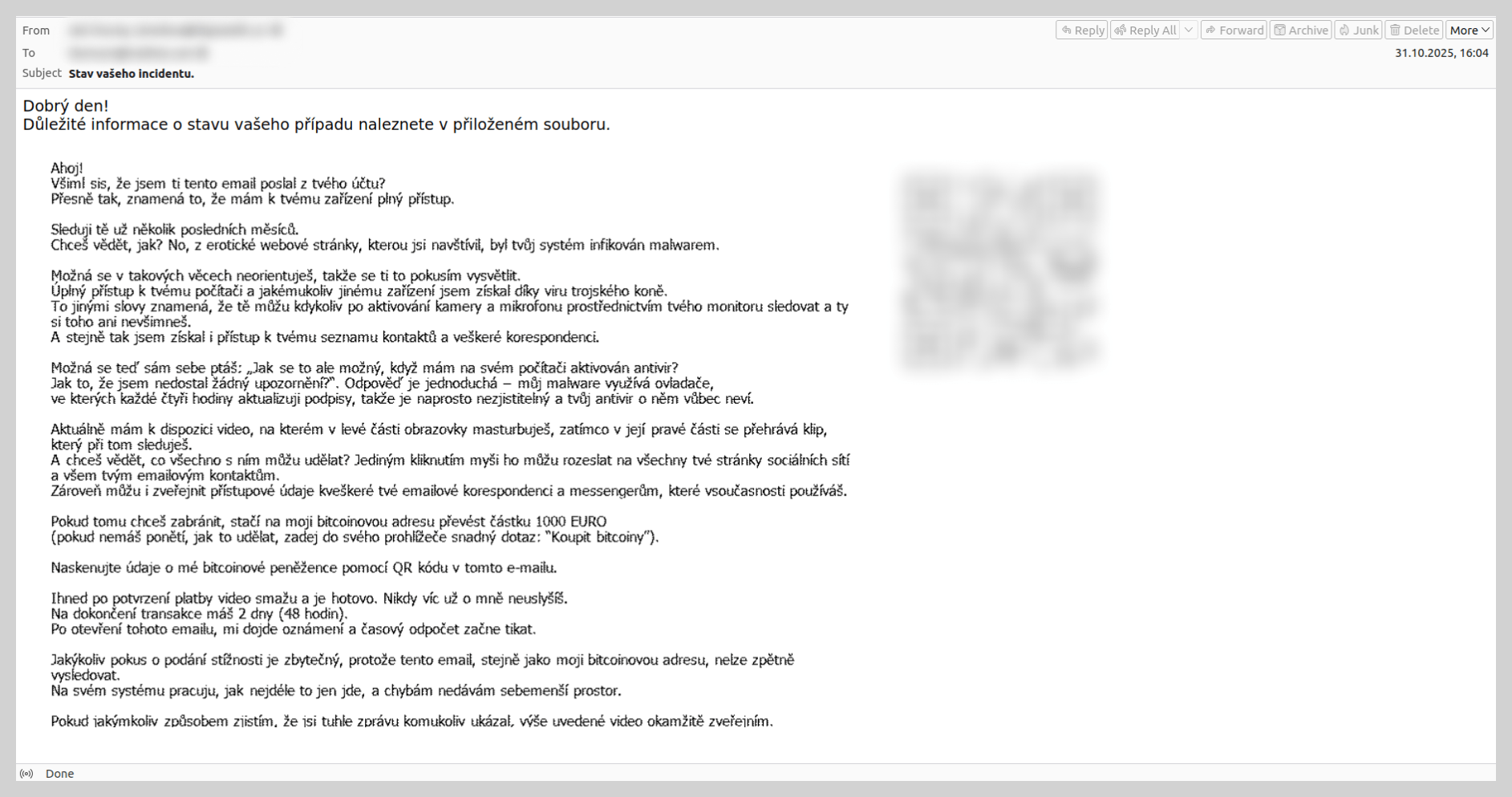
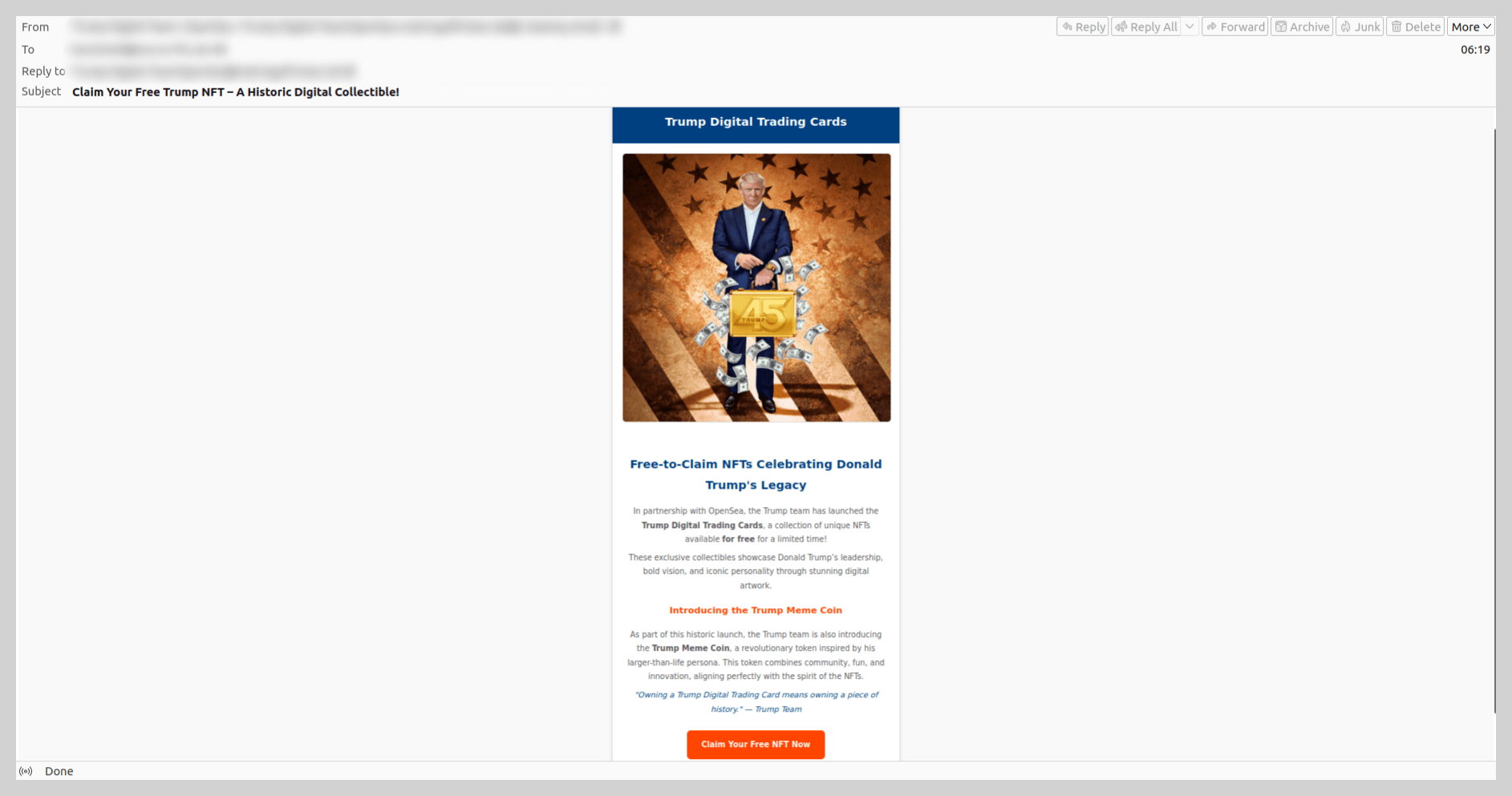
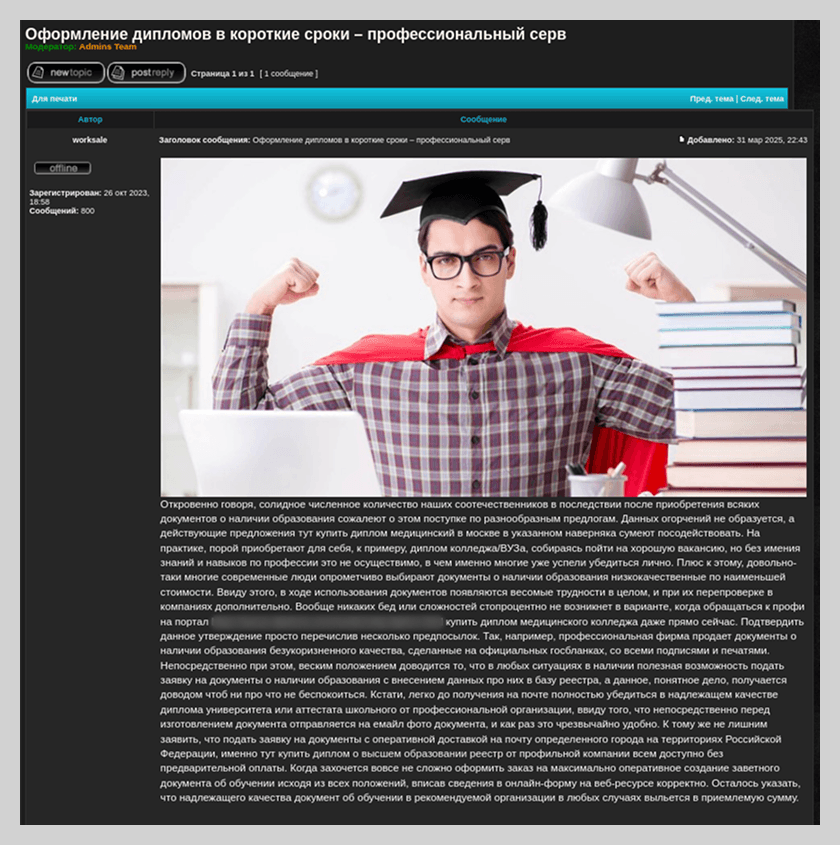
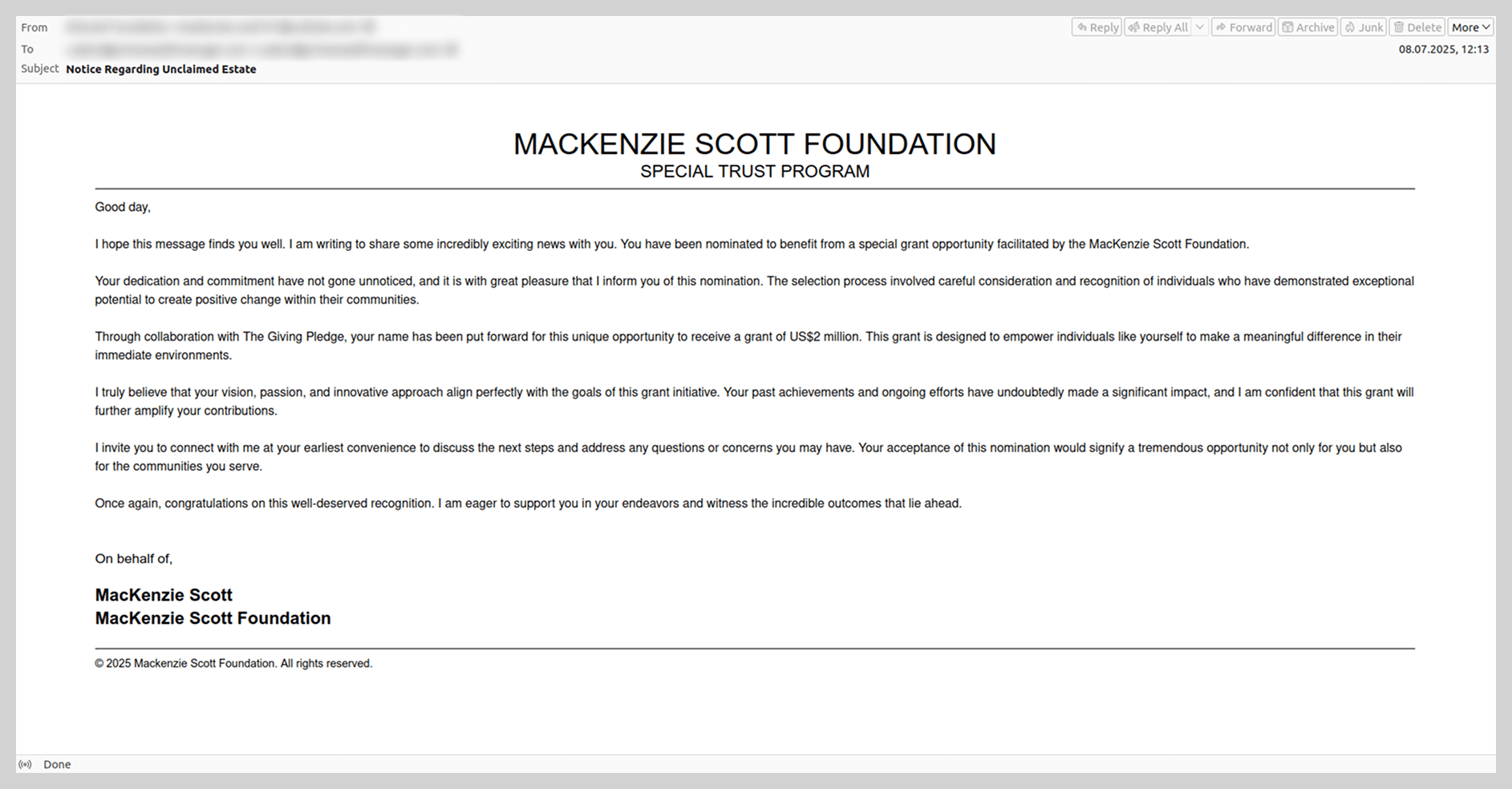
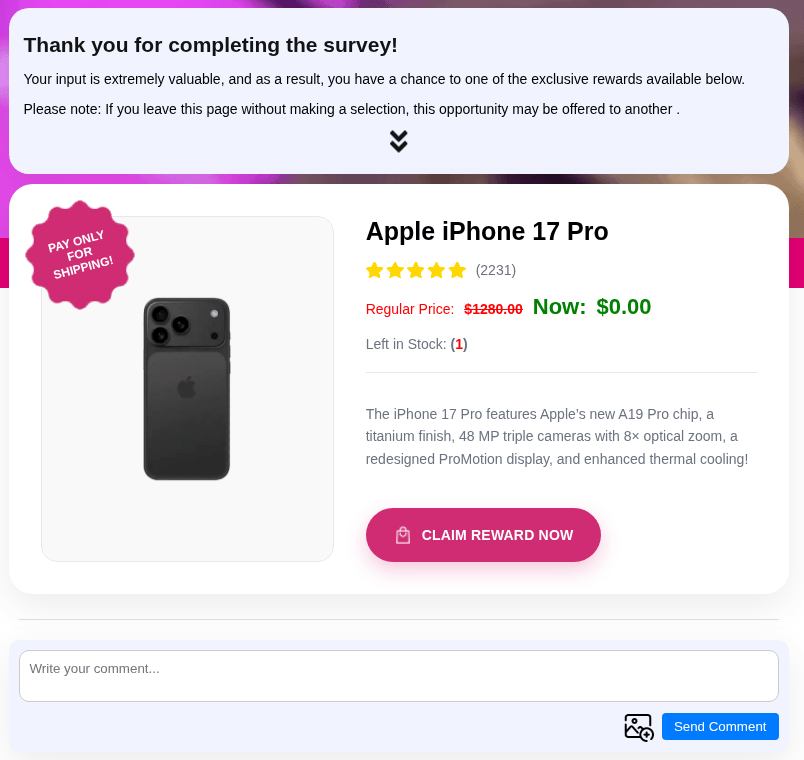
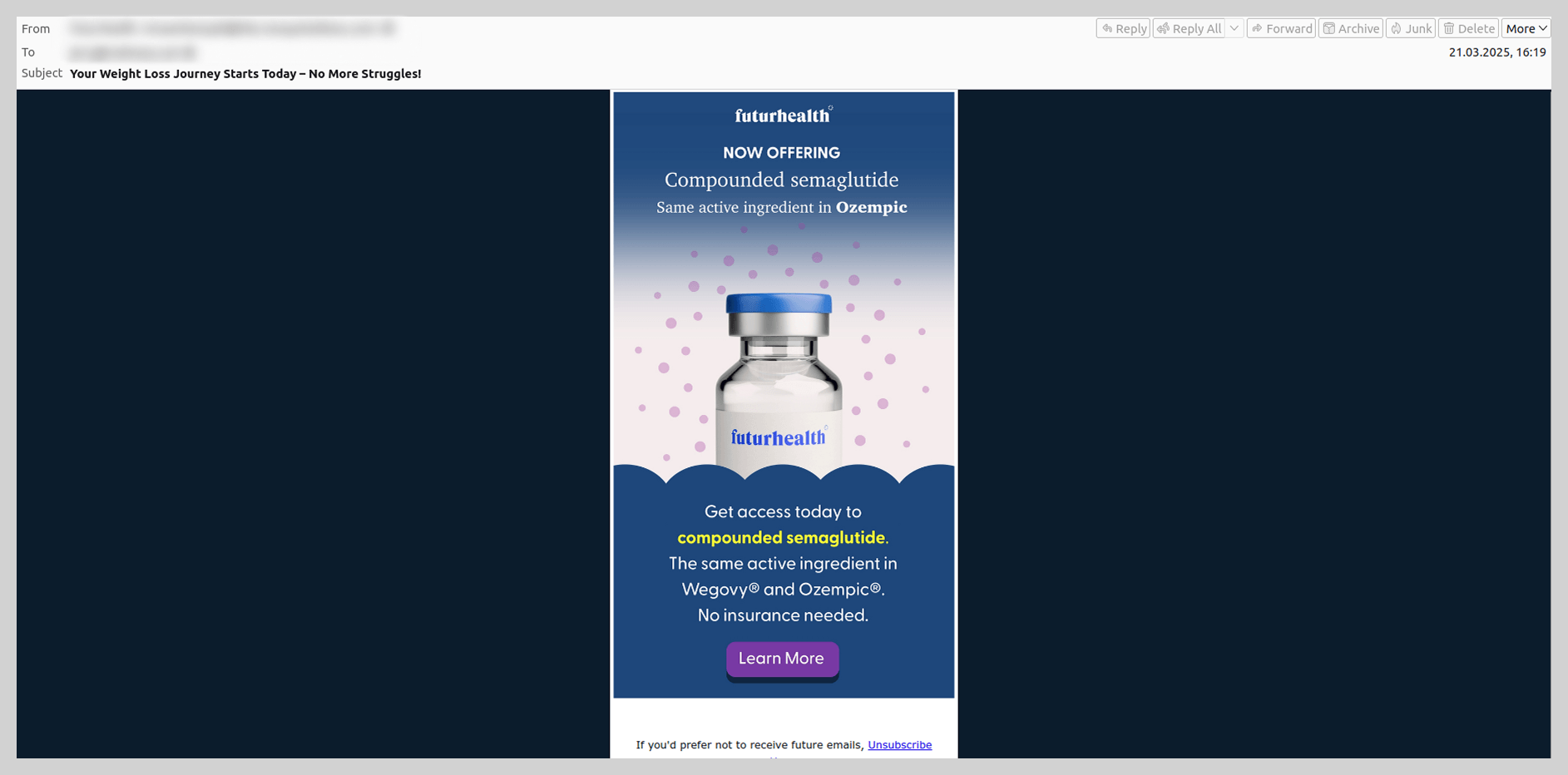
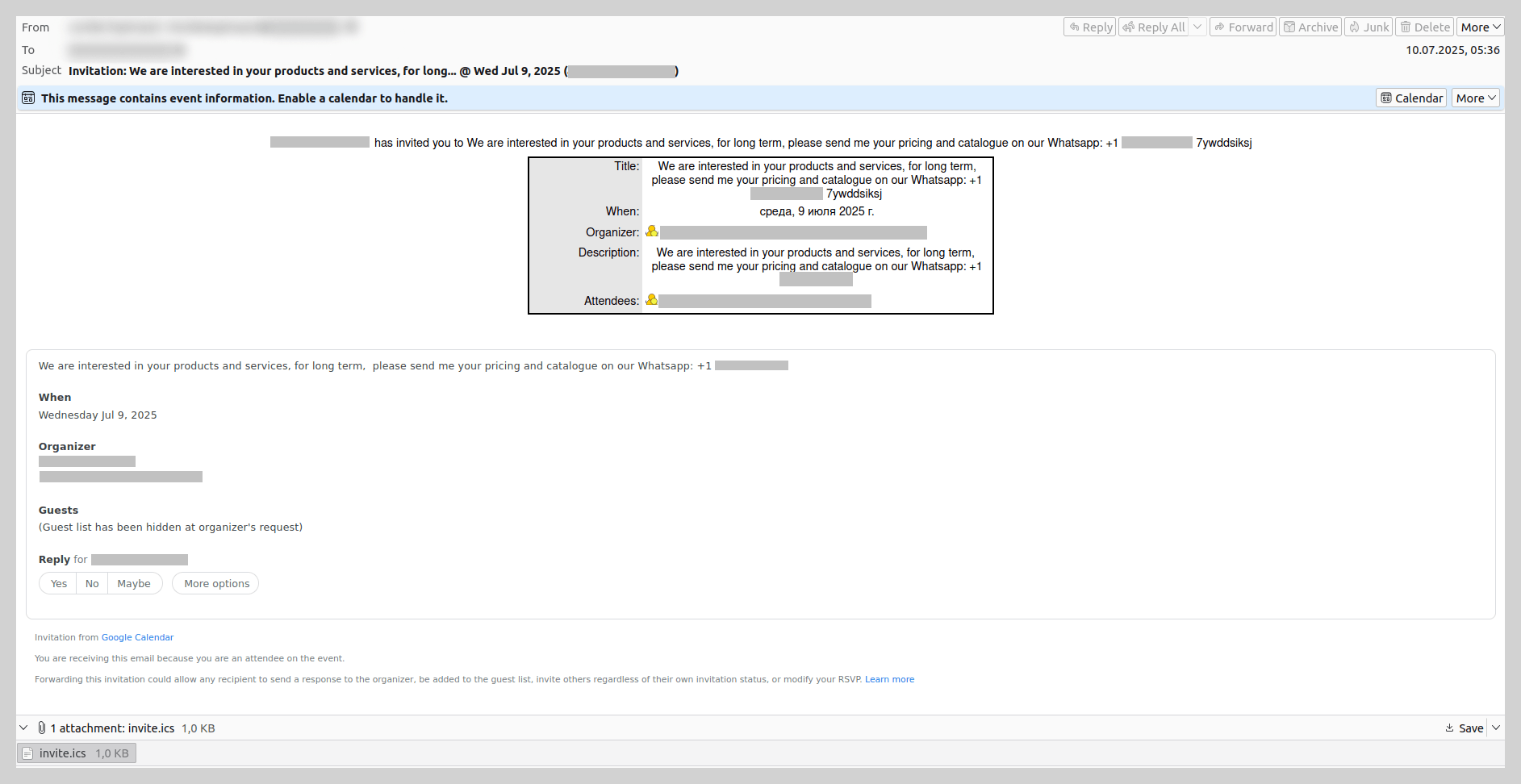
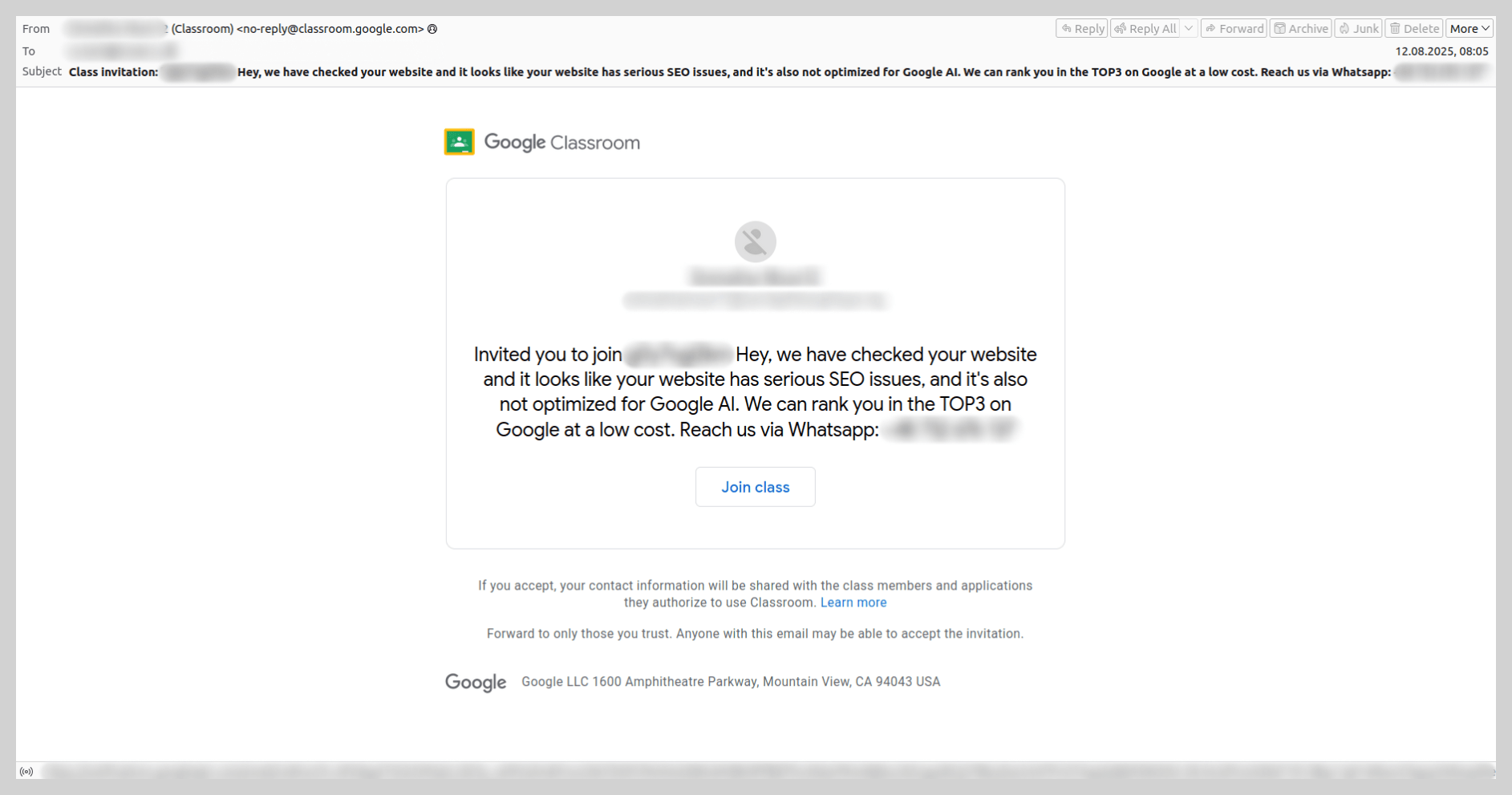
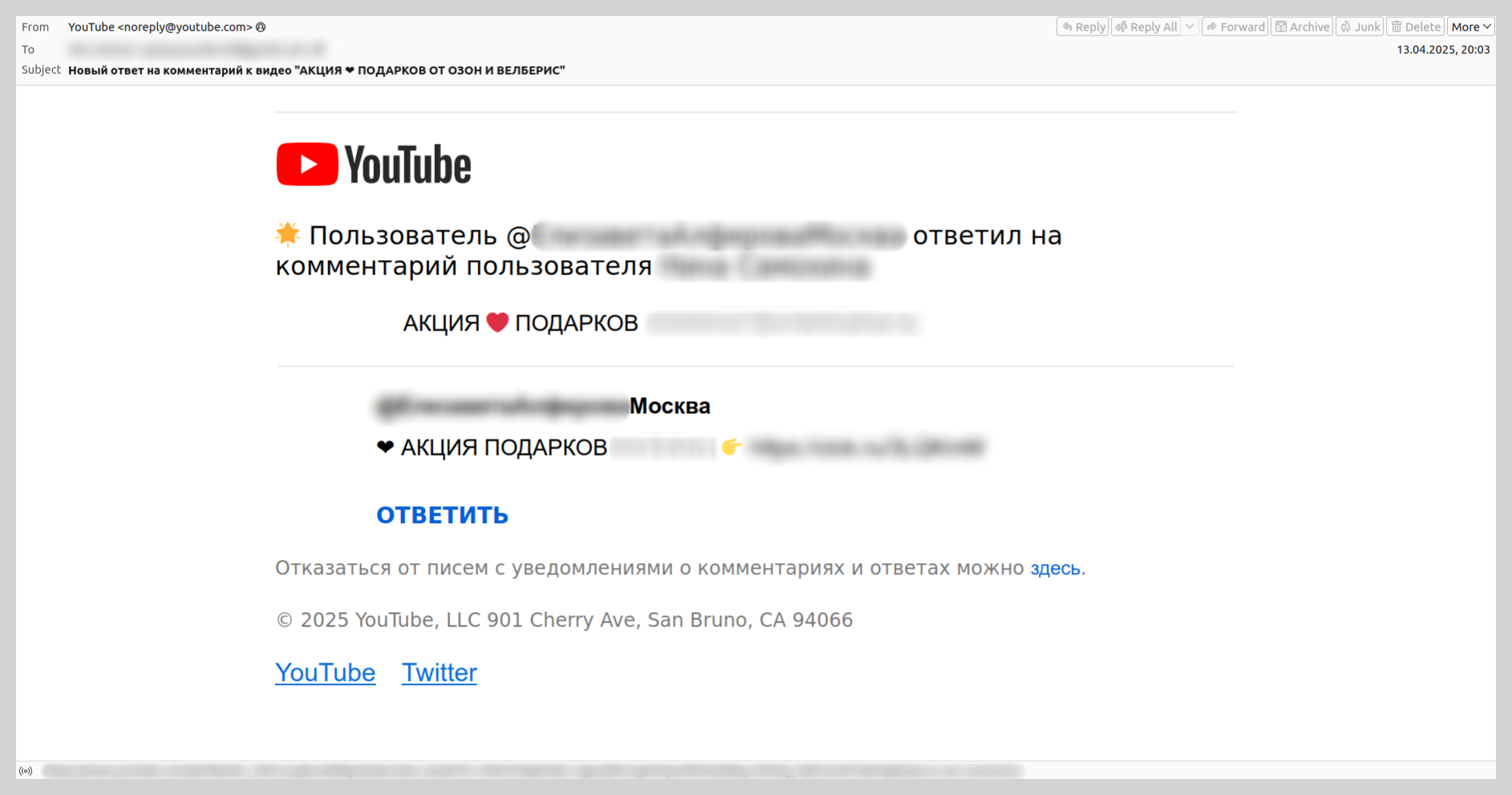
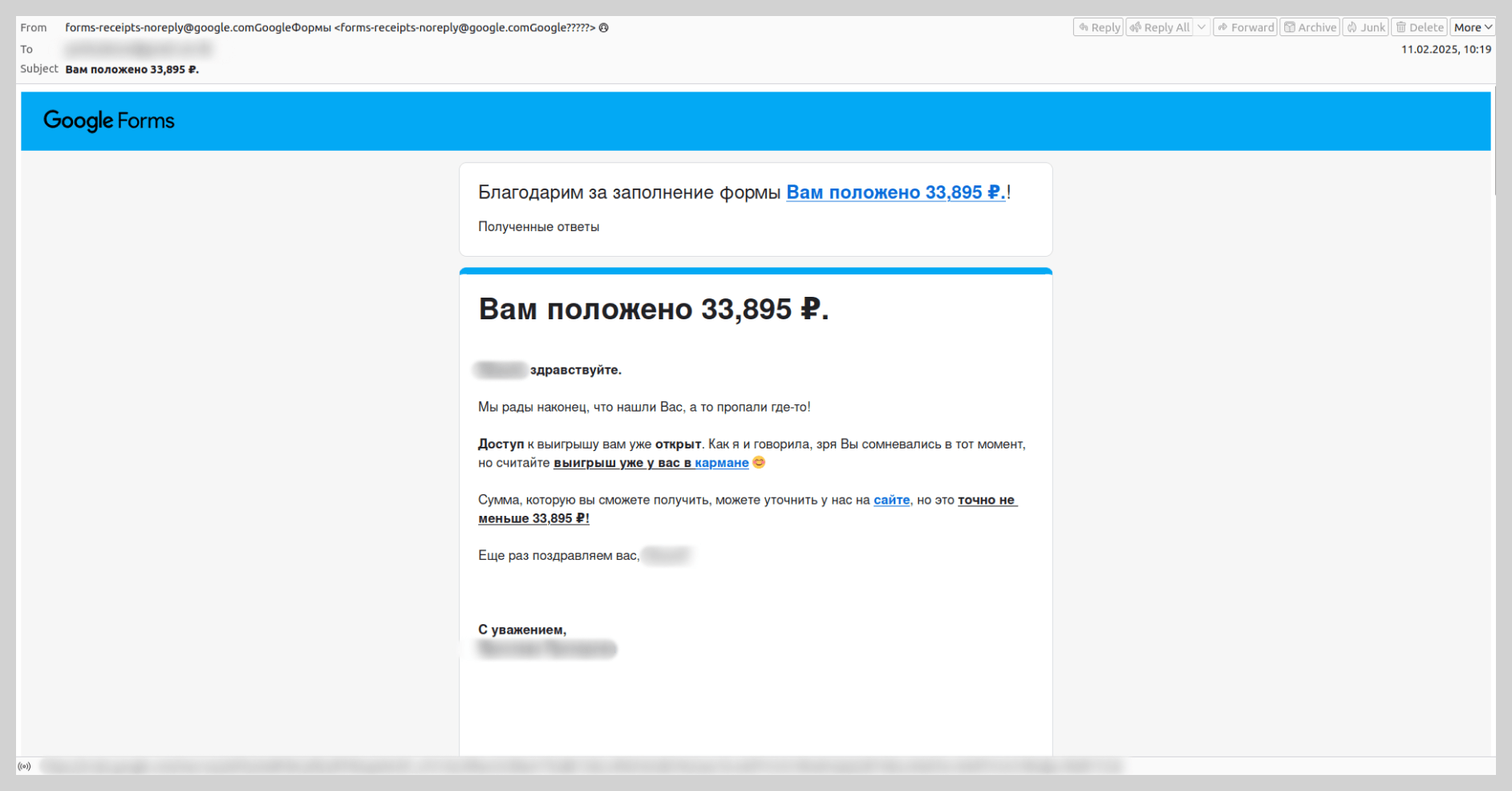
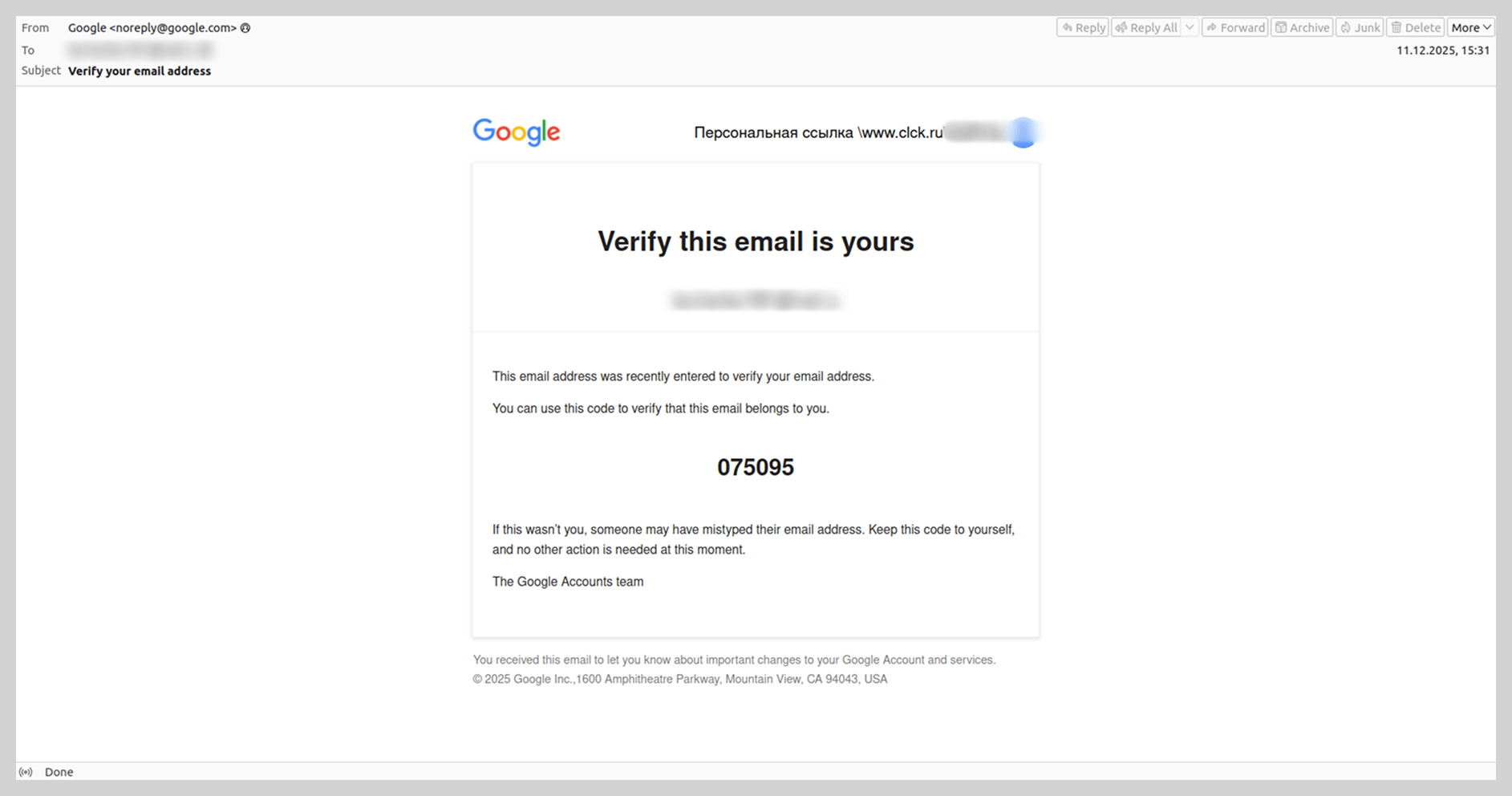
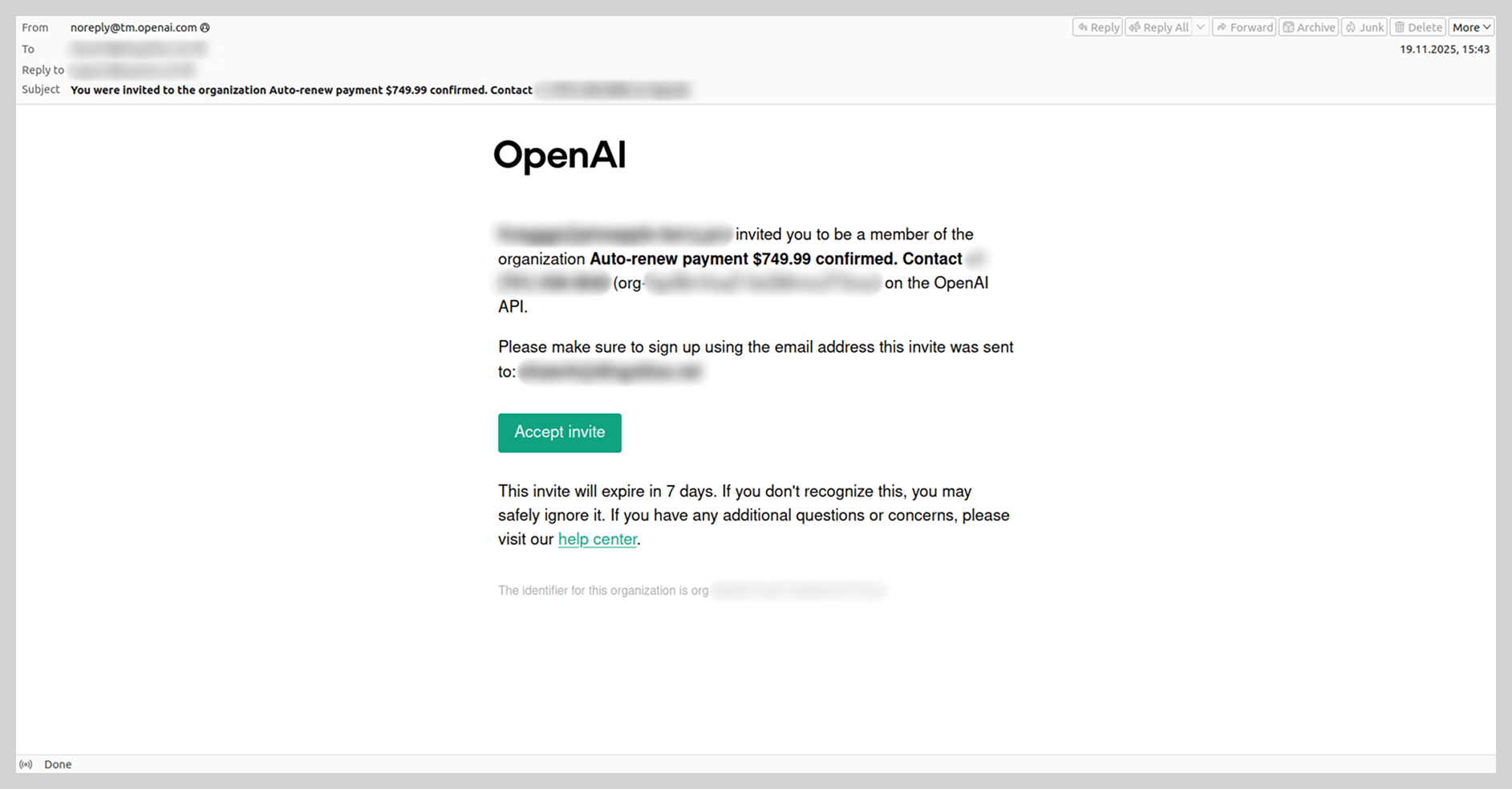
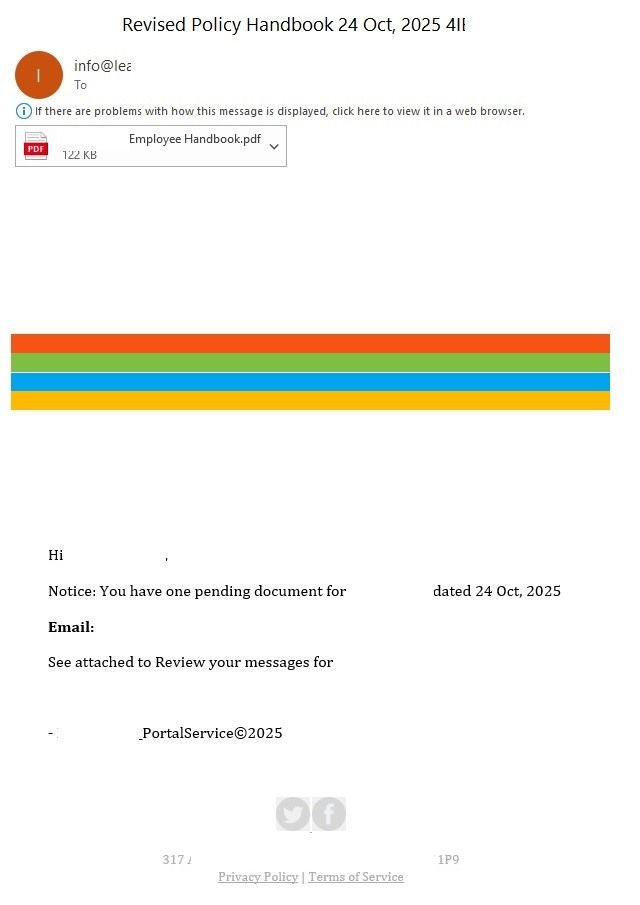
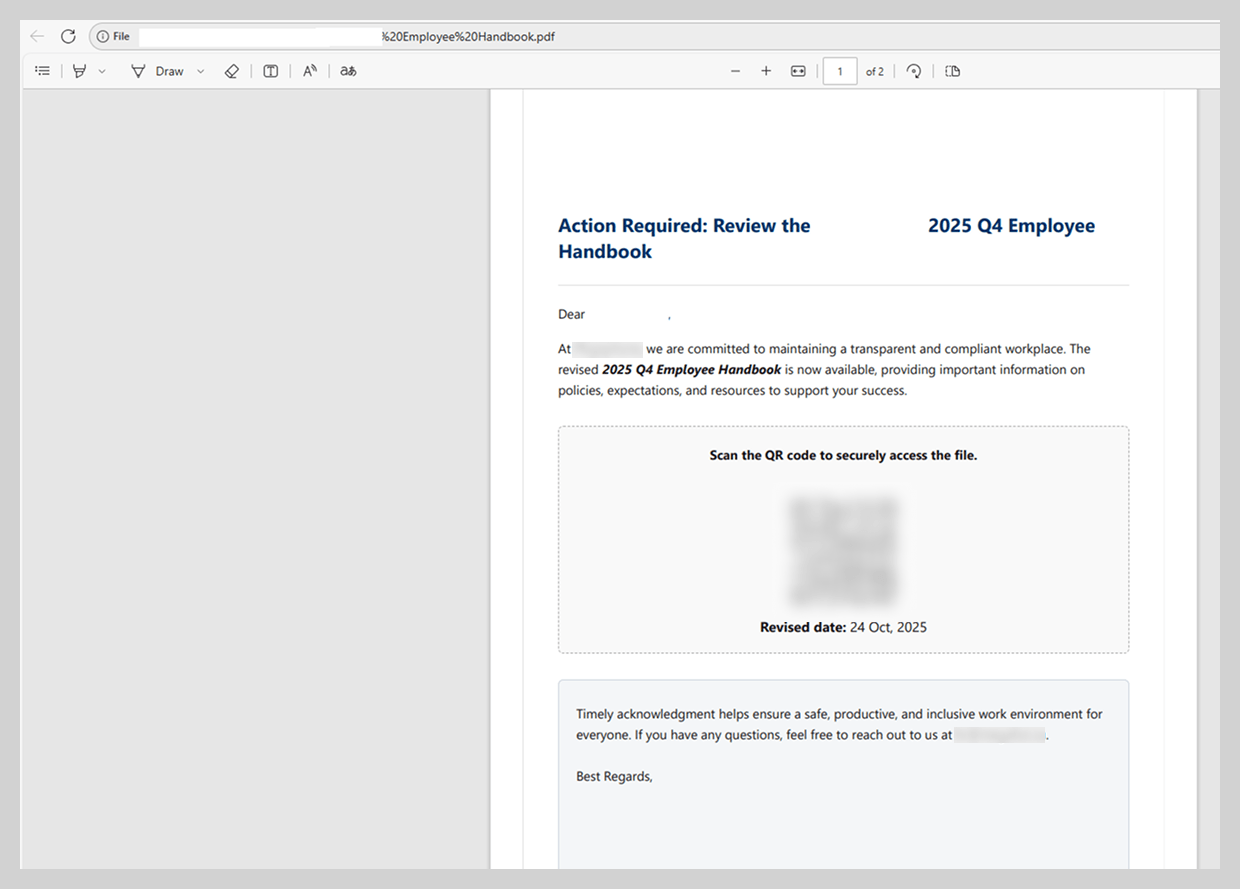
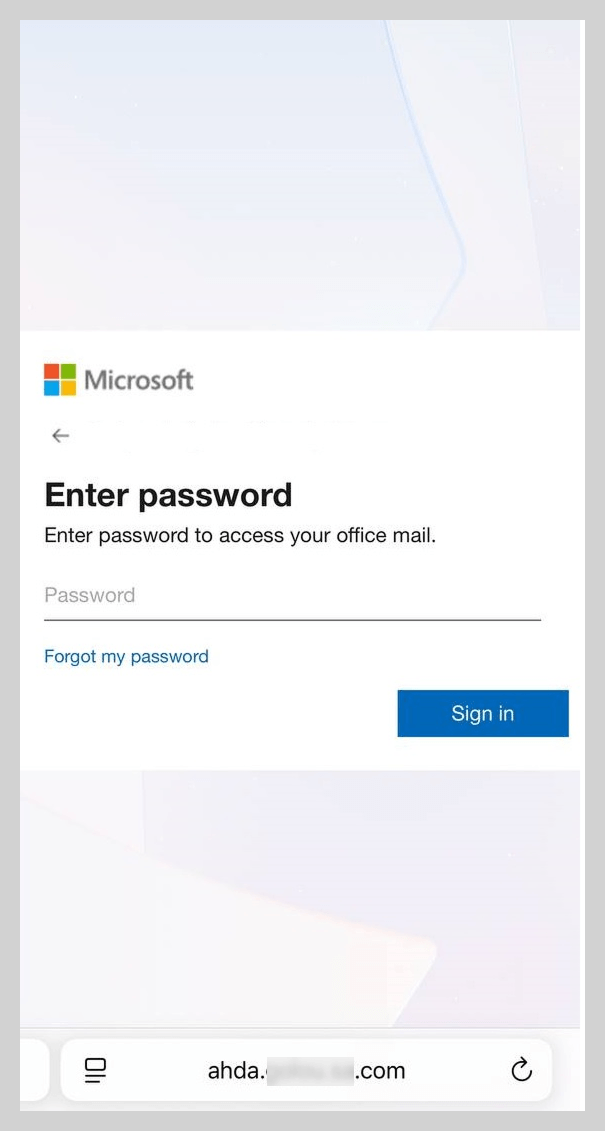
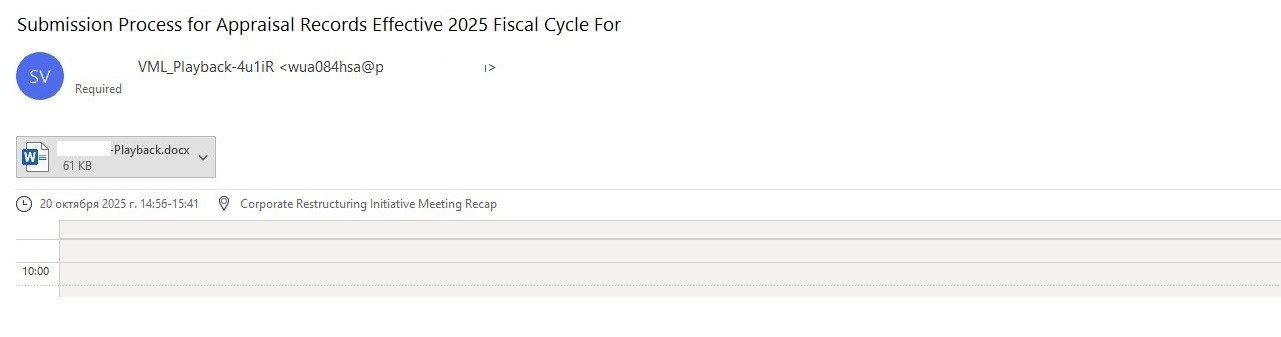
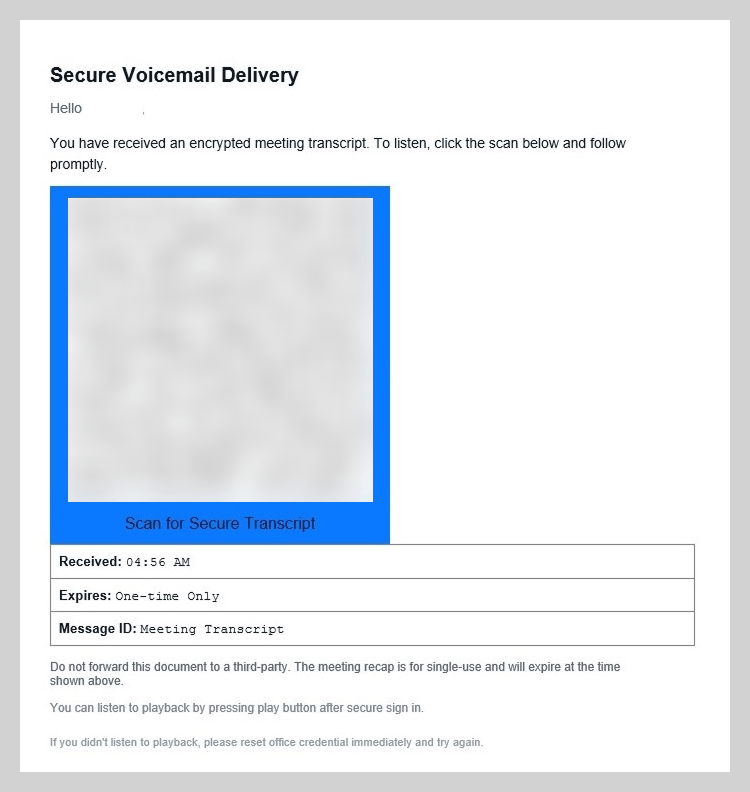
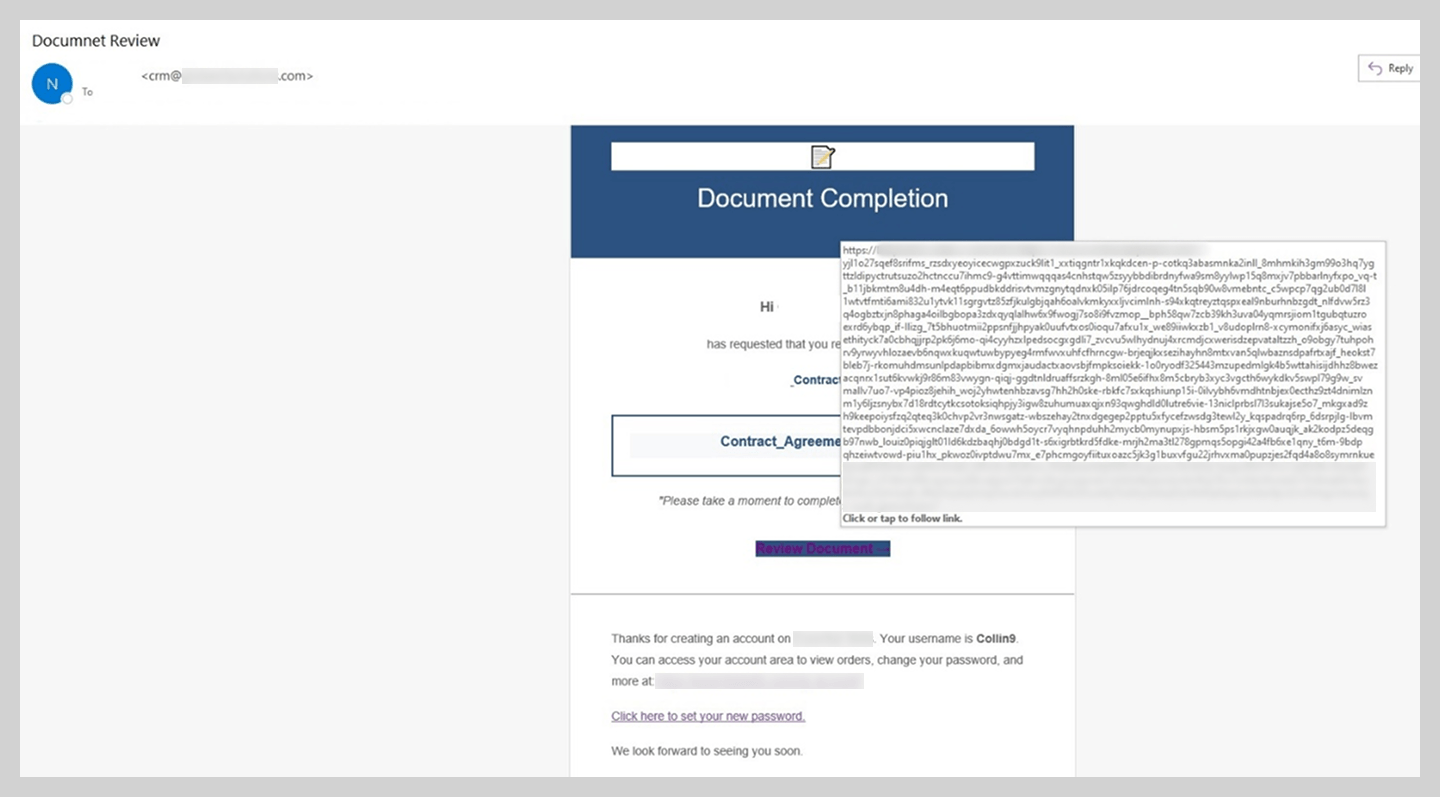
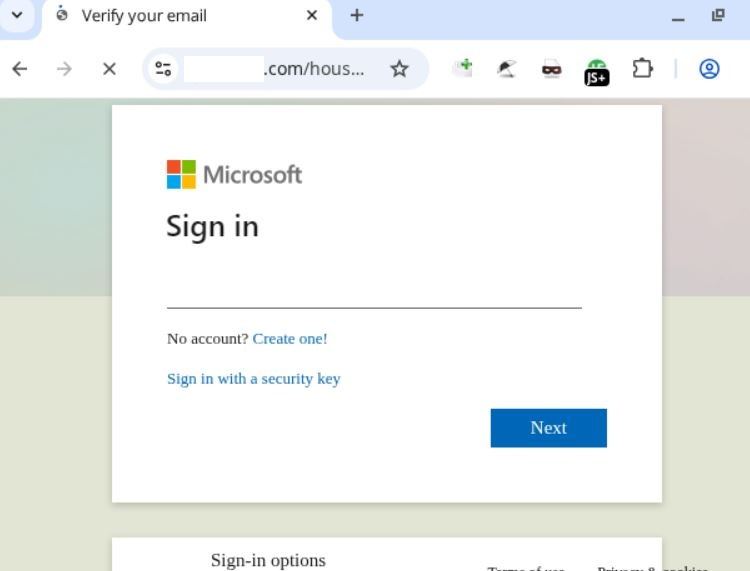
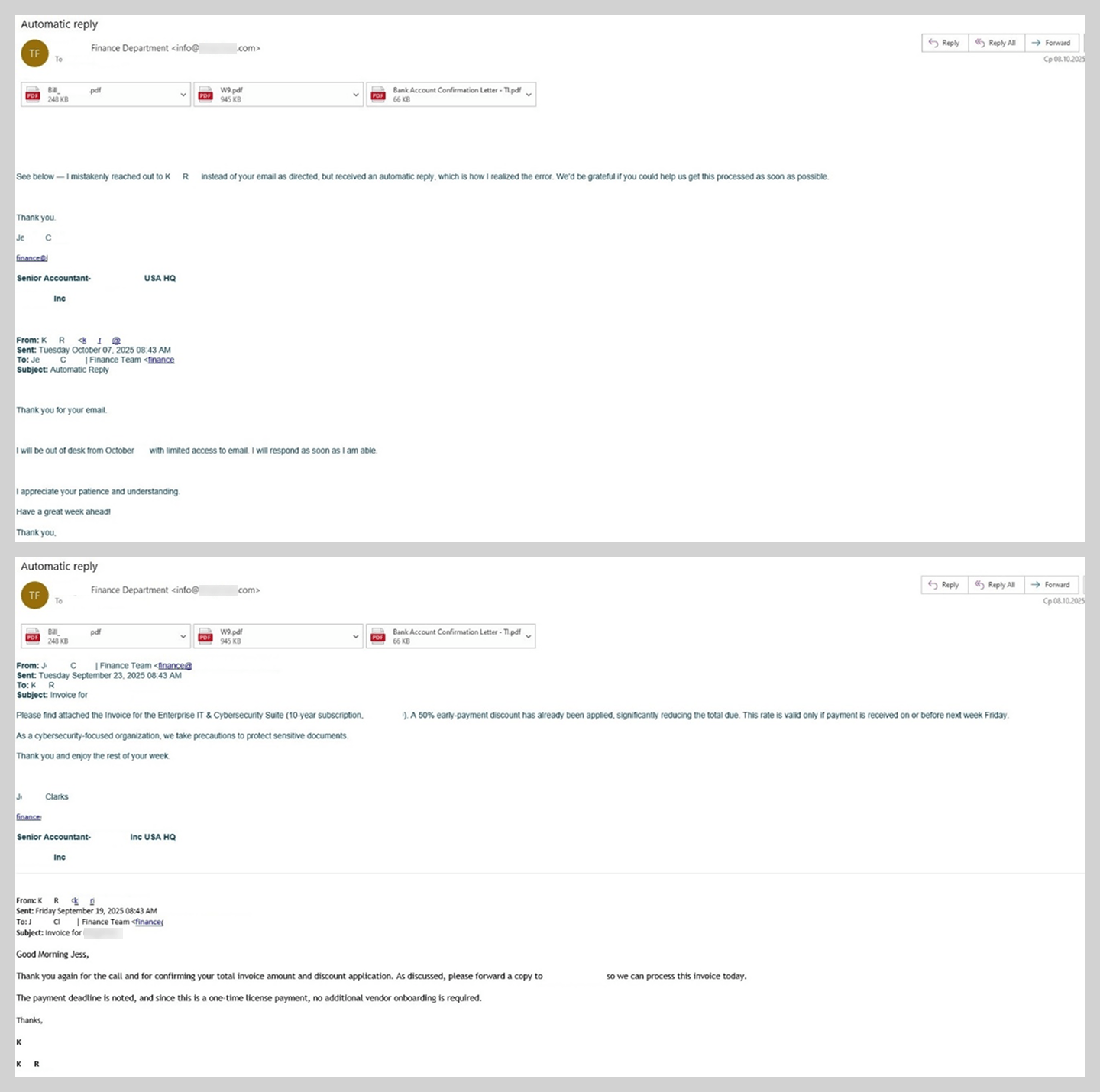
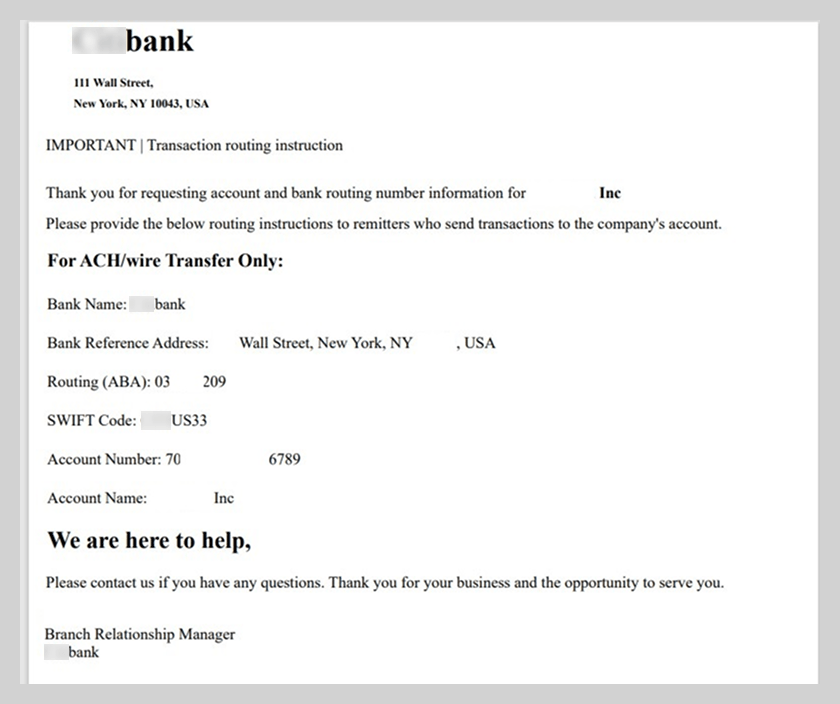









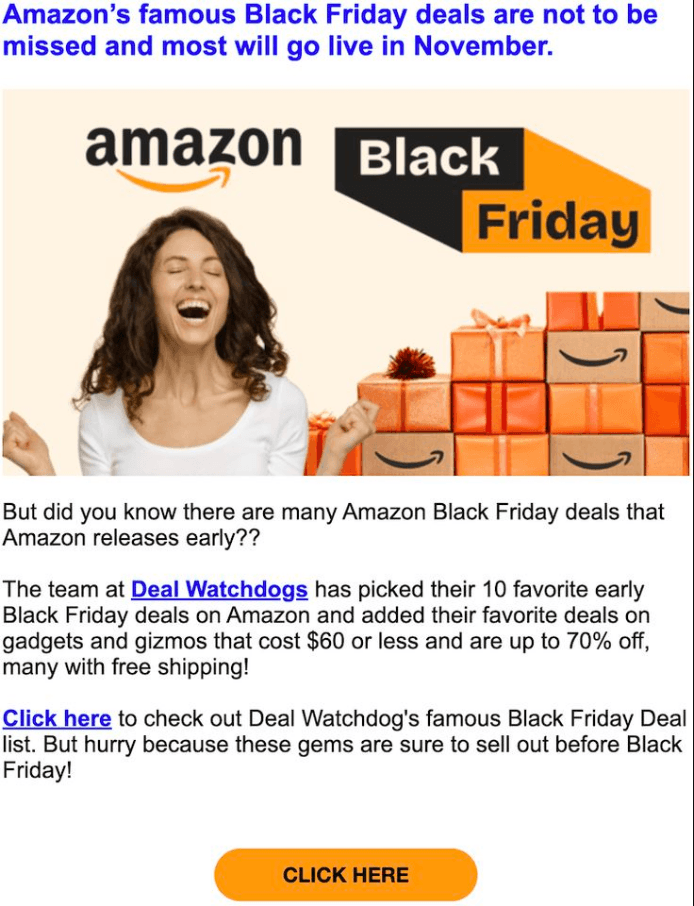



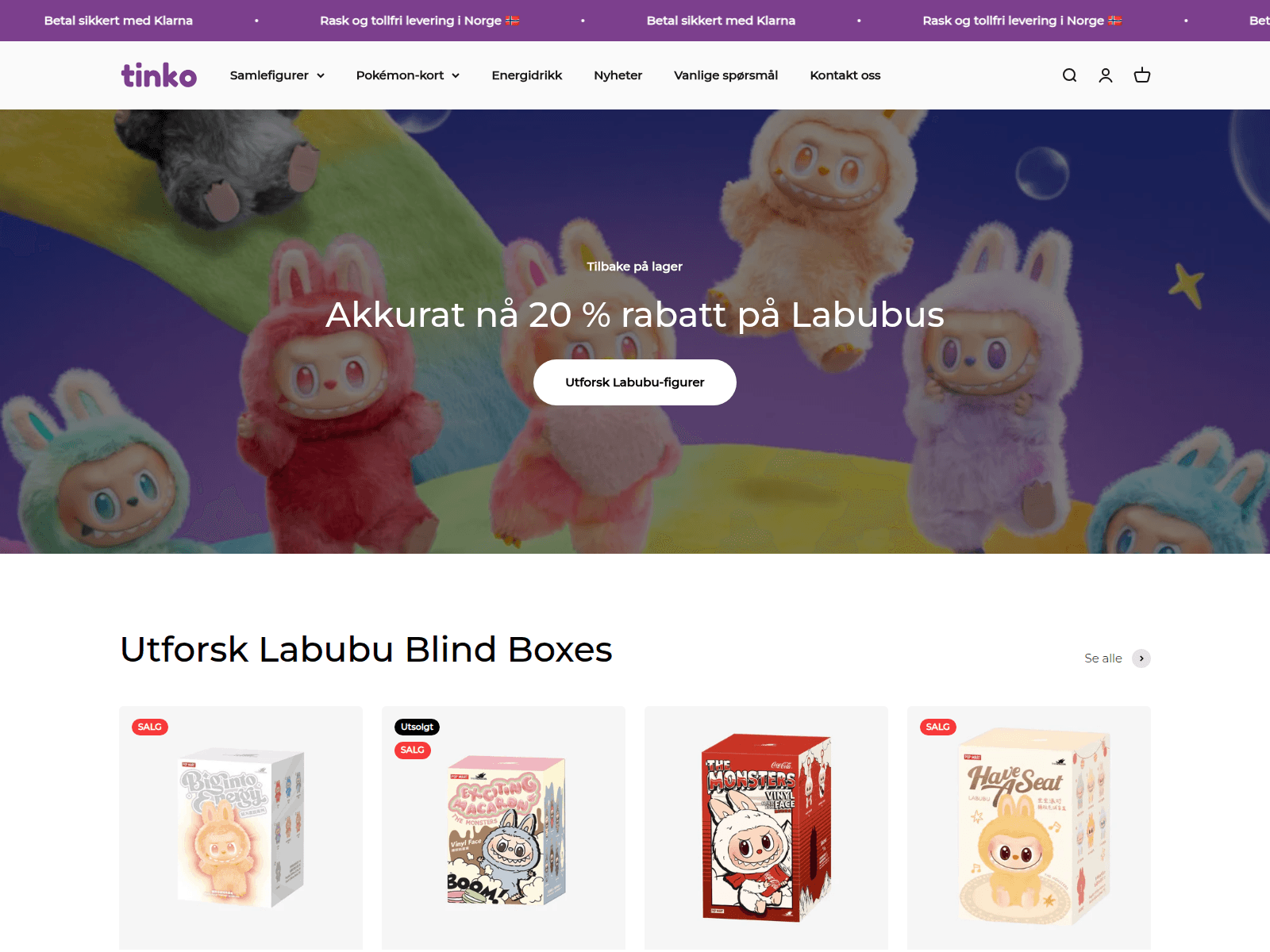
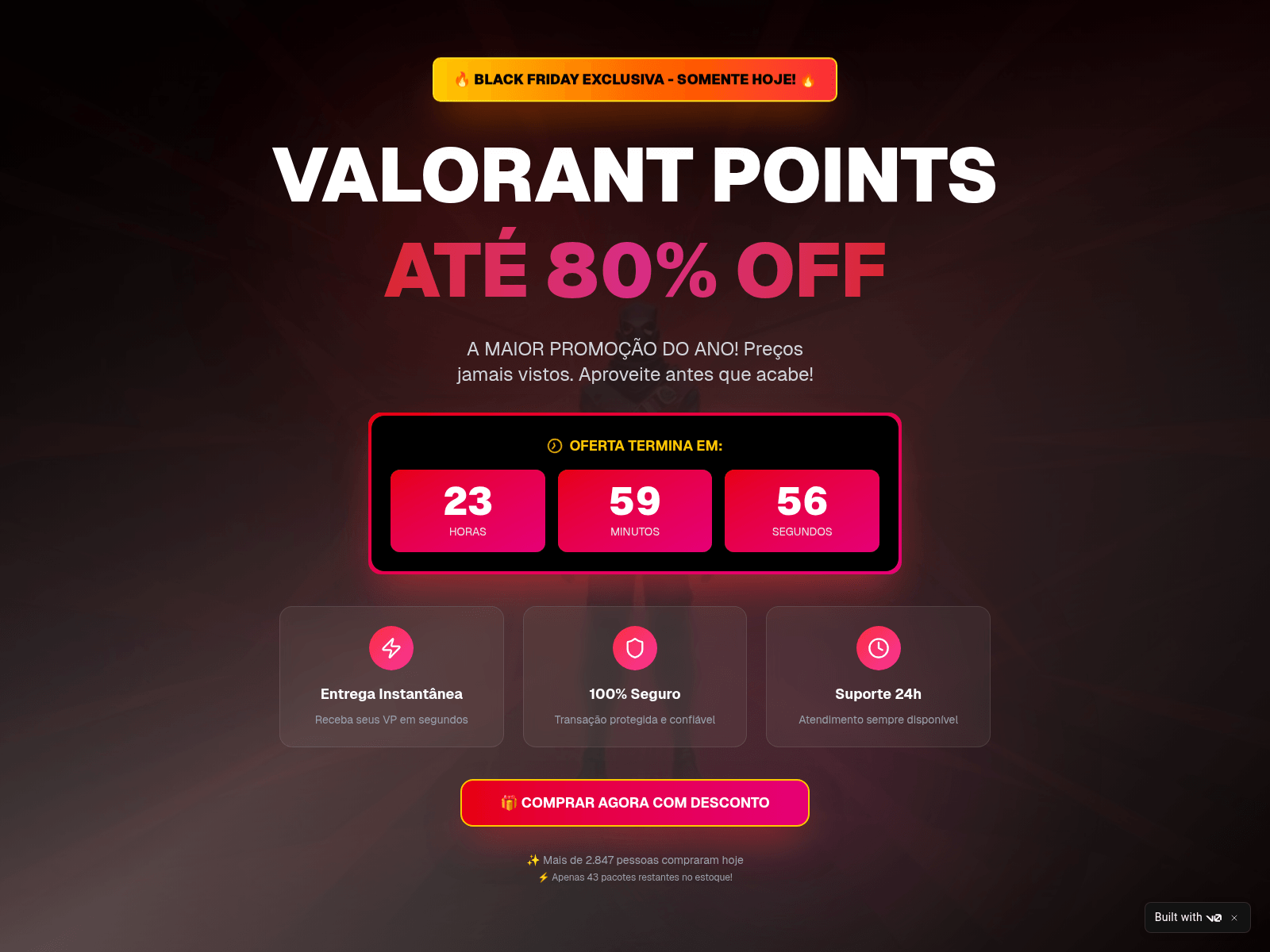
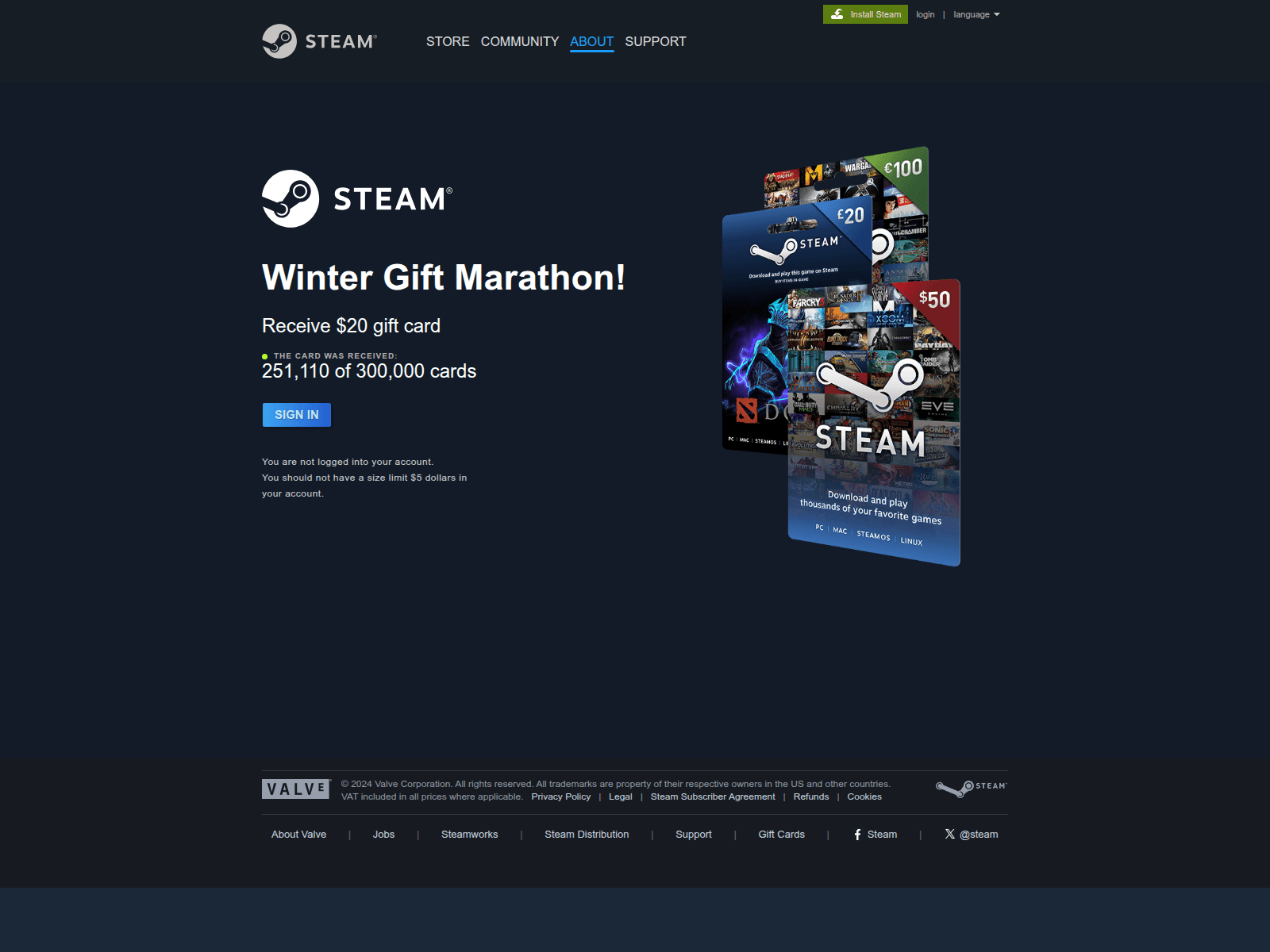






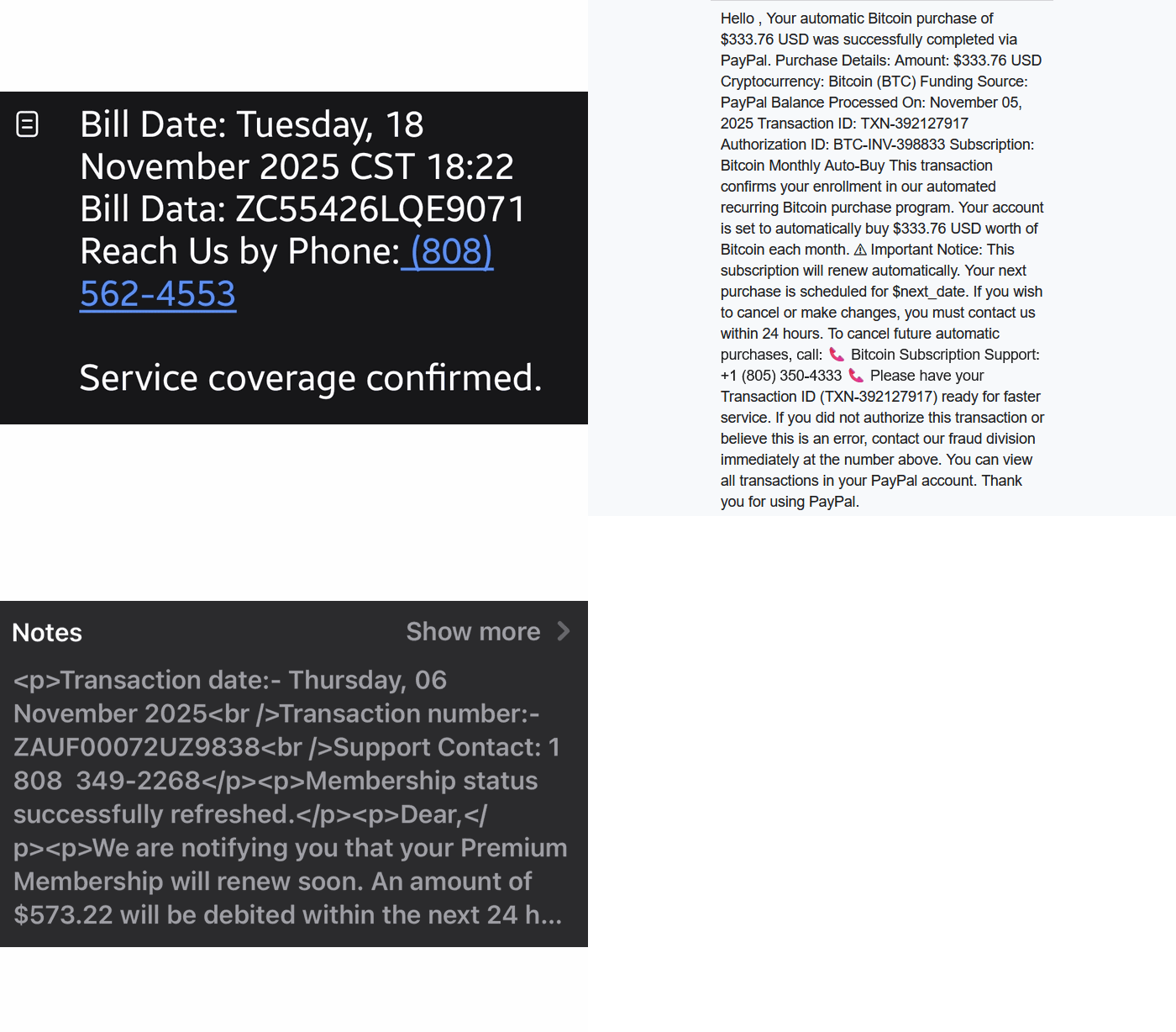

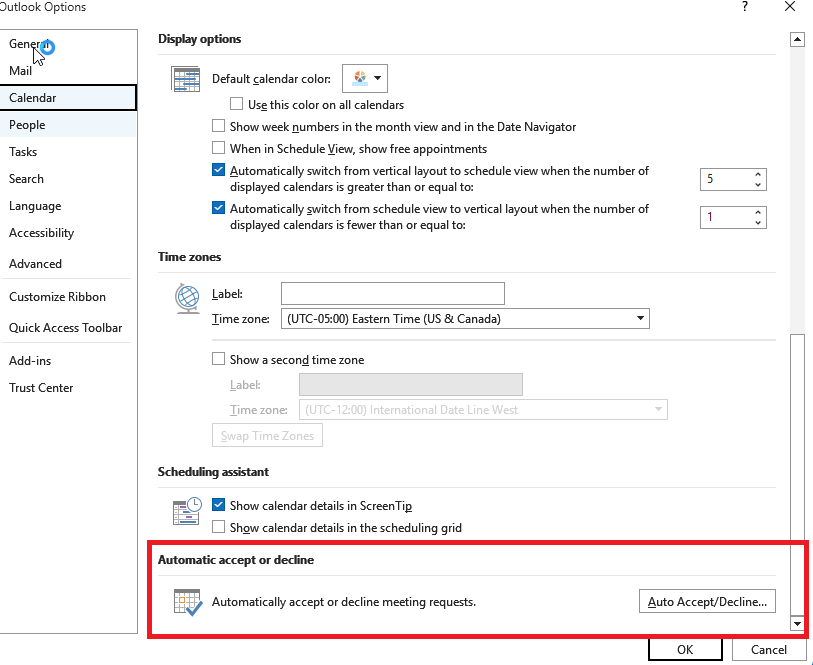
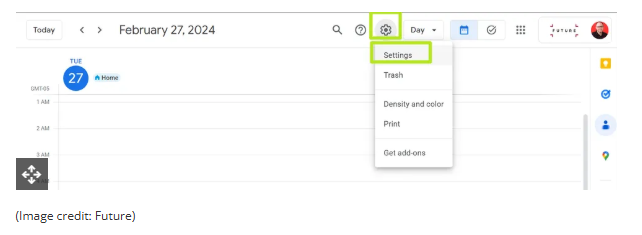

![Google search results containing useakira[.]com](https://www.sentinelone.com/wp-content/uploads/2025/04/AkiraBot_10.jpg)
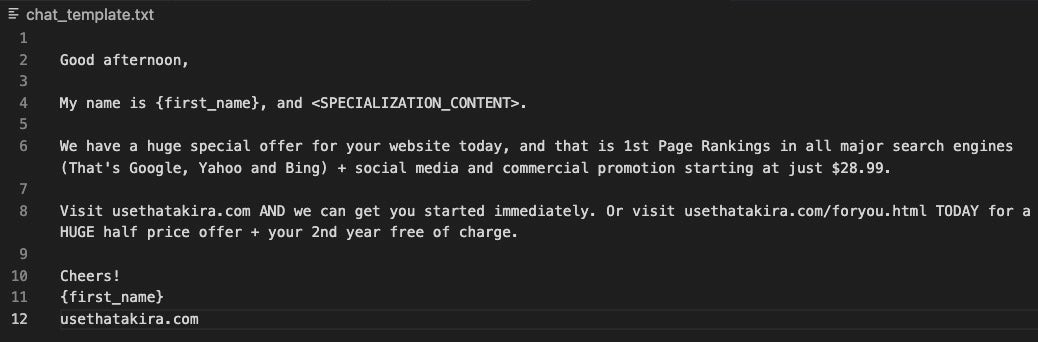
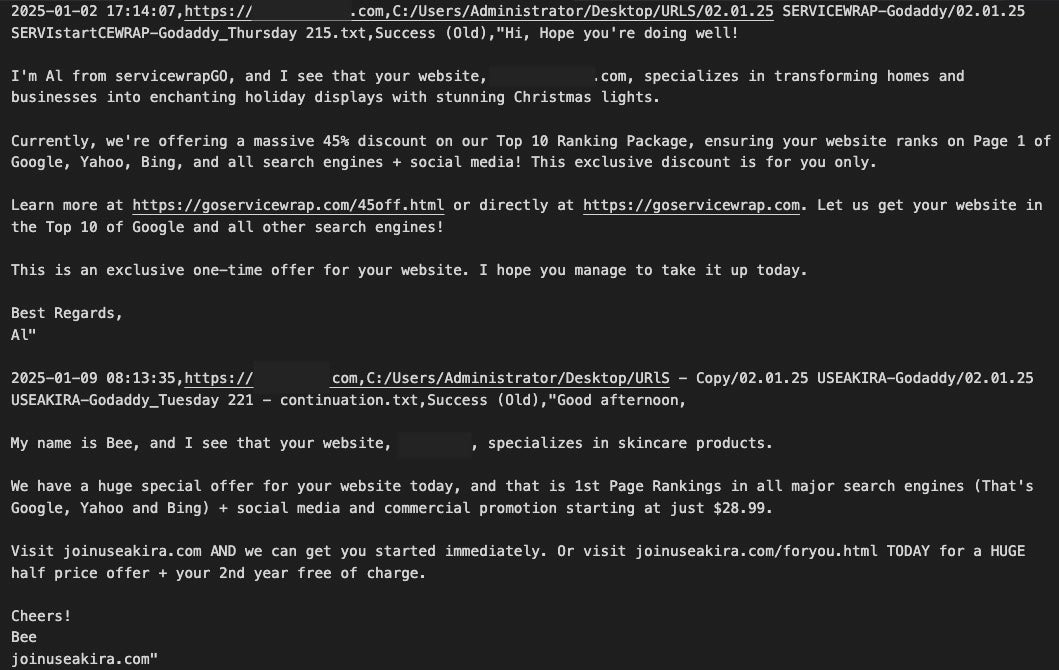
![Screenshot of content on unj[.]digital circa October 2024](https://www.sentinelone.com/wp-content/uploads/2025/04/AkiraBot_9.jpg)
![Screenshot of content on unj[.]digital circa March 2025](https://www.sentinelone.com/wp-content/uploads/2025/04/AkiraBot_13.jpg)
![Trustpilot review for servicewrapgo[.]com](https://www.sentinelone.com/wp-content/uploads/2025/04/AkiraBot_8.jpg)
![Trustpilot review for useakira[.]com](https://www.sentinelone.com/wp-content/uploads/2025/04/AkiraBot_2.jpg)
![Trustpilot review for useakira[.]com](https://www.sentinelone.com/wp-content/uploads/2025/04/AkiraBot_3.jpg)