❌

Visualização de leitura

LG Pushes Back on Claims That Its Smart TVs Are Spying on Users

Researchers allege LG smart TVs can capture ambient audio and scan home networks, while LG disputes the findings and explains its privacy controls.

The post LG Pushes Back on Claims That Its Smart TVs Are Spying on Users appeared first on TechRepublic.

Adversarial Clothing Designed to Fool Facial Recognition Systems

There are many companies manufacturing adversarial clothing designed to confuse facial recognition systems.

It’s a cool idea, but I worry that it’s mostly security theater:

“Our patterns play with that chaos, confuse algorithms and make it way harder to pin you down,” he said.

Bell, however, said “none of these products are tried and tested, and a lot of these surveillance technologies can deal with a little resistance … [but] even if the designs don’t necessarily work perfectly, fashion is also a visible sign of resistance.

“This is consumers collectively coming together to make a visible statement.”

Without serious testing, there is no reason to trust the technology. And even with testing, there is no reason to trust that a new version of the facial recognition software doesn’t break the anti-surveillance properties.

I don’t want people to mistakenly rely on this stuff.

Facial Recognition at Madison Square Garden

Last month, the story broke (alternate link) that Madison Square Garden uses facial recognition software on everyone entering the facility, and—among other groups—flags activists that oppose using facial recognition.

Turns out that the system was shut off for Taylor Swift’s wedding.

Evan Greer—one of the people that MSG alerts on—comments:

Ironically, Swift herself has reportedly used facial recognition at her own concerts to identify stalkers. This “privacy for me, surveillance for thee” attitude feels like a perfect encapsulation of the future we’re already living in: one where wealthy elites can afford privacy, while the rest of us are forced to live in a corporate surveillance panopticon.

Whatever privacy measures Swift had in place for the wedding seems to have worked. No photos have leaked online.

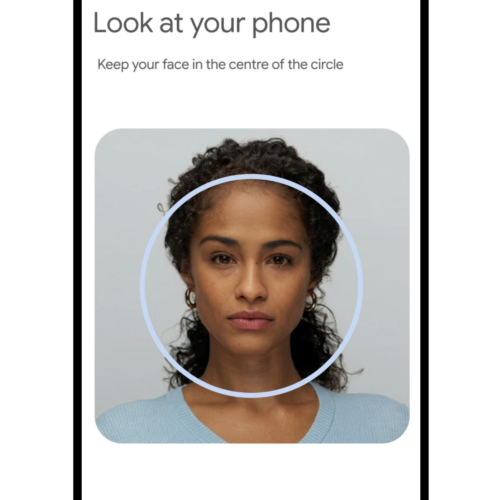
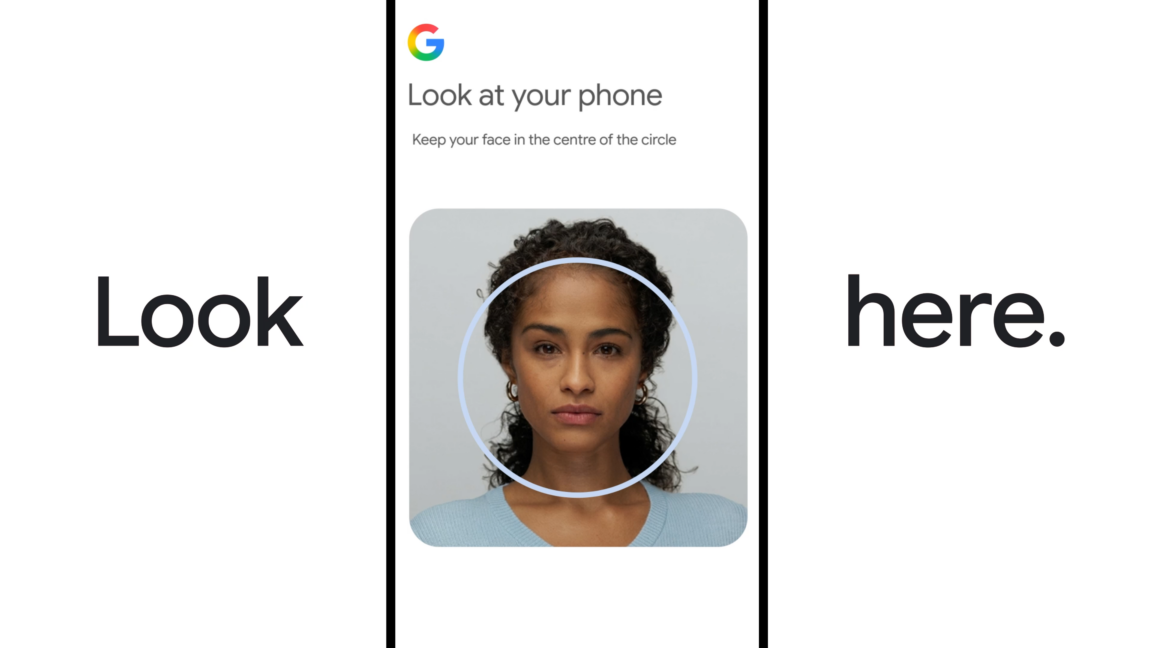
Forgot your Google password? Now you can log in with a selfie.

Getting locked out of an account is no fun. Google has a few ways to help you regain access if you happen to forget your password or lose an authenticator, including recovery contacts and backup codes. Now, Google has a completely new option: your face. You can now give Google a video record of your face and sign into your account with a selfie, which sounds like something people are going to just love.

You will have to set this feature up ahead of time if you want the option of regaining account access with a selfie later on. To get started, verify your account type is supported. You won't be able to configure selfie sign-ins for Workspace accounts, child accounts, or any account enrolled in Google's Advanced Protection Program.

Configuring selfie sign-in requires you to record a video, which Google will store on its servers. Google's selfie sign-in landing page includes the typical disclaimers about privacy and data access, promising that the company will keep the video encrypted and won't use it for any other purposes unless you opt in.

Read full article

Comments

© Google

Madison Square Garden Hack Exposes 26 Million Visitor Records

Madison Square Garden faces a 26M-record hack tied to visitor data, facial recognition, and security records from its venue operations, with fallout from the leak.

The post Madison Square Garden Hack Exposes 26 Million Visitor Records appeared first on TechRepublic.

The Privacy Problem With Meta’s Ray-Ban Smart Glasses

This episode discusses Meta Ray-Ban Smart Glasses, which blend a camera, microphone, AI features, and social media integration into sunglasses that look like normal fashion eyewear, raising major privacy concerns. It highlights reports that footage captured by the glasses may be reviewed by human contractors to help train Meta’s AI systems, and notes critics’ concerns […]

The post The Privacy Problem With Meta’s Ray-Ban Smart Glasses appeared first on Shared Security Podcast.

The post The Privacy Problem With Meta’s Ray-Ban Smart Glasses appeared first on Security Boulevard.

💾

We're in the top 1%: A personal reflection on our Leading Employer recognition

I'm incredibly proud to share that EclecticIQ has been officially certified as a Leading Employer Netherlands 2025, placing us among the top 1% of employers in the Netherlands. Having joined the company about a year ago, this recognition validates what drew me here in the first place and what I've experienced firsthand: our people truly are our greatest asset.

❌