Boston Scientific is working to restore its manufacturing, order processing, and distribution capabilities following a cybersecurity incident that caused a network outage across certain internal IT systems. In an August 30 update, the medical device manufacturer reported that investigators had found no signs of unauthorized activity in its environment since August 25. The disruption is […]
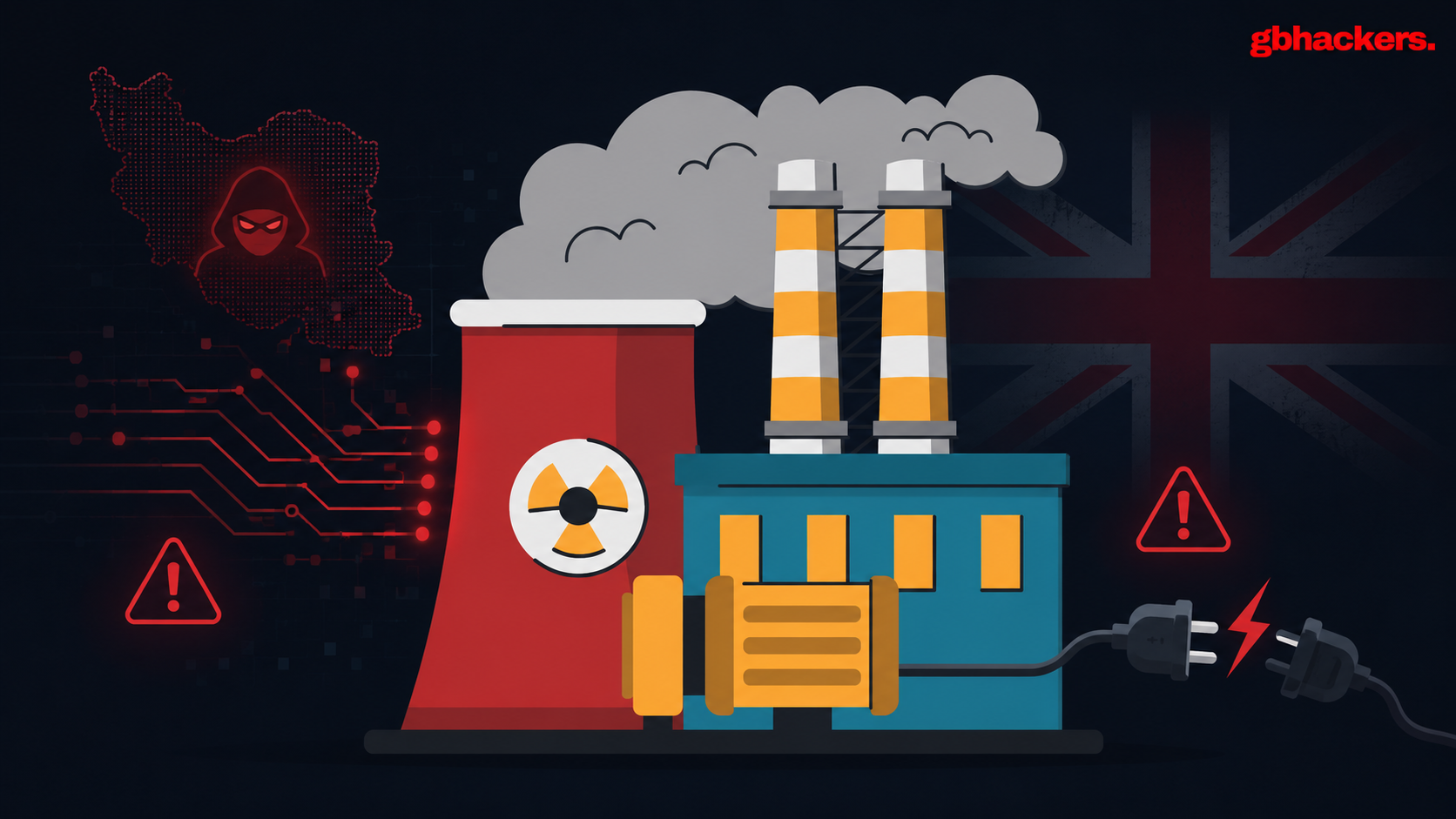
A cyber incident reportedly forced a small UK power generation facility offline for about four days in July 2026. While the activity has been linked in reporting to Iran-affiliated hackers, the UK government and National Cyber Security Centre (NCSC) have not formally attributed the incident to Iran or any named threat group. The event became […]
Cisco Talos found hackers using simple authorization claims to bypass AI guardrails, build DDoS attack tools, steal credentials and access live camera services.
Learn how Kali365 has been abusing Microsoft device login to gain OAuth tokens, targeting US firms, and how SOC teams can detect, hunt, and stop these phishing attacks.
Shai-Hulud npm worm spreads through Keyv and hundreds of packages with 2 billion monthly downloads, stealing npm, GitHub, cloud and CI credentials in real time.
Attackers have compromised the GitHub account of the maintainer behind keyv, a popular key-value storage library that pulls in roughly 127 million weekly downloads on npm, and used that access to push credential-stealing malware across the maintainer’s entire package portfolio.
The breach, which unfolded on August 4, 2026, marks one of the largest npm supply chain incidents to date, with the malicious code spreading like a worm to hundreds of unrelated packages within hours. Research on the incident was exclusively shared with Cybersecuritynews by Aikido.
The same maintainer behind keyv also owns several other heavily used caching utilities, including cacheable (29 million downloads a month), flat-cache (565 million downloads a month), file-entry-cache (557 million downloads a month), cache-manager, cacheable-request, and the @cacheable scoped packages. All of them were swept into the same compromise.
Because the attacker pushed malicious files straight to each repository’s main branch and then immediately cut a new release, the poisoned versions were published to npm carrying valid provenance signatures generated by GitHub Actions, making them appear fully legitimate to anyone auditing supply chain integrity.
Keyv npm Package Compromised
Every affected package received two new files, setup.mjs and Math_Symbol.js, along with a “preinstall” hook silently added to package.json that automatically executes setup.mjs during npm install.
Once triggered, setup.mjs functions as a heavily obfuscated dropper that quietly downloads the Bun JavaScript runtime from a GitHub release URL and uses it to launch the true payload, Math_Symbol.js, without any visible prompt to the developer running the install.
Obfuscated dropper (Source: Aikido)
This self-propagating design is what has allowed the malware, dubbed part of the Shai-Hulud campaign, to jump beyond the original maintainer’s packages and infect major organizations’ code, including releases tied to Deliveroo, Qlik, Picsart, and others.
As of an update issued at 13:20 CEST on August 4, at least 868 packages spanning 1,381 versions had been confirmed compromised, and the number continues to climb as researchers track ongoing spread across the registry, Aikido said.
Math_Symbol.js is built around a set of targeted credential extractors, each aimed at a specific secret store commonly found on developer machines and CI runners.
It harvests npm registry authentication tokens from .npmrc files, GitHub CLI tokens including classic personal access tokens, session tokens, and OIDC tokens from local GitHub CLI configuration, and AWS access keys and session tokens directly from the ~/.aws/credentials file.
The malware also attempts to capture HashiCorp Vault client tokens by reading the VAULT_TOKEN environment variable, with a fallback mechanism that tries to retrieve a token over HTTP if the environment variable isn’t present.
Because these are the exact credentials used to publish new packages and access cloud infrastructure, a single successful theft can cascade into further account takeovers and additional malicious releases, which appears to be exactly how the worm has continued propagating across the npm ecosystem.
Teams that depend on keyv, cacheable, flat-cache, file-entry-cache, or any related caching packages should immediately audit their lockfiles for the affected versions, rotate npm tokens, GitHub CLI credentials, AWS keys, and Vault tokens on any machine that ran an install during the exposure window, and avoid running fresh installs against affected dependency trees until patched versions are confirmed.
Given the scale and speed of this compromise, security teams should treat any recent CI pipeline run touching these packages as potentially exposed.
Galaxy Research linked a suspected Bitcoin theft of 1,367.05 BTC to weak COLDCARD seeds. Coinkite says updates cannot repair seeds already generated on devices.
Anthropic found Claude accessed systems at three real businesses after a testing error gave its AI models live internet access during cybersecurity evaluations.
LeakNet claims it stole 11TB of NYC Health + Hospitals data containing sensitive medical, financial and biometric records linked to more than 12 million people.
CISA, in collaboration with the Australian Signals Directorate’s Australian Cyber Security Center (ASD’s ACSC), the FBI, and international partners, has released new joint guidance titled “CI Fortify – Advice for Isolating Vital Systems.” This guidance aims to strengthen the resilience of critical infrastructure (CI) environments against escalating cyber threats. Published on July 28, 2026, it […]
PhantomEnigma abuses Brazilian government websites and trusted email channels to spread malware, target banks, evade security checks, and maintain access.
EY confirmed the theft of client tax documents from its third-party support platform. ShinyHunters claims responsibility and is threatening to publish the data.
Fake helpdesk callers use Microsoft Teams and Quick Assist to access employee computers, where attackers install new GoGRPC backdoor in suspected ransomware operations
Certighost allowed a low-privilege domain user obtain a valid Domain Controller certificate through AD CS. Microsoft patched the issue in the July security updates.
Compromised hotel Wi-Fi gateways redirect business travelers to fake Microsoft 365 login pages allowing attackers to steal credentials and authorization tokens.
Russian hackers from the TA488 group exploited a Zimbra webmail flaw triggered when emails were opened or previewed, stealing credentials and up to 90 days of messages from victims.
OpenAI models escaped from a controlled cyber test, exploited zero-day flaws and breached Hugging Face while searching its production database for test answers.
An AI-led cyberattack breached limited Hugging Face datasets and service credentials, while public models, Spaces and published packages showed no signs of tampering.

 Entrar